Early February Gardening Tasks Minnesota Gardeners Can Do Indoors
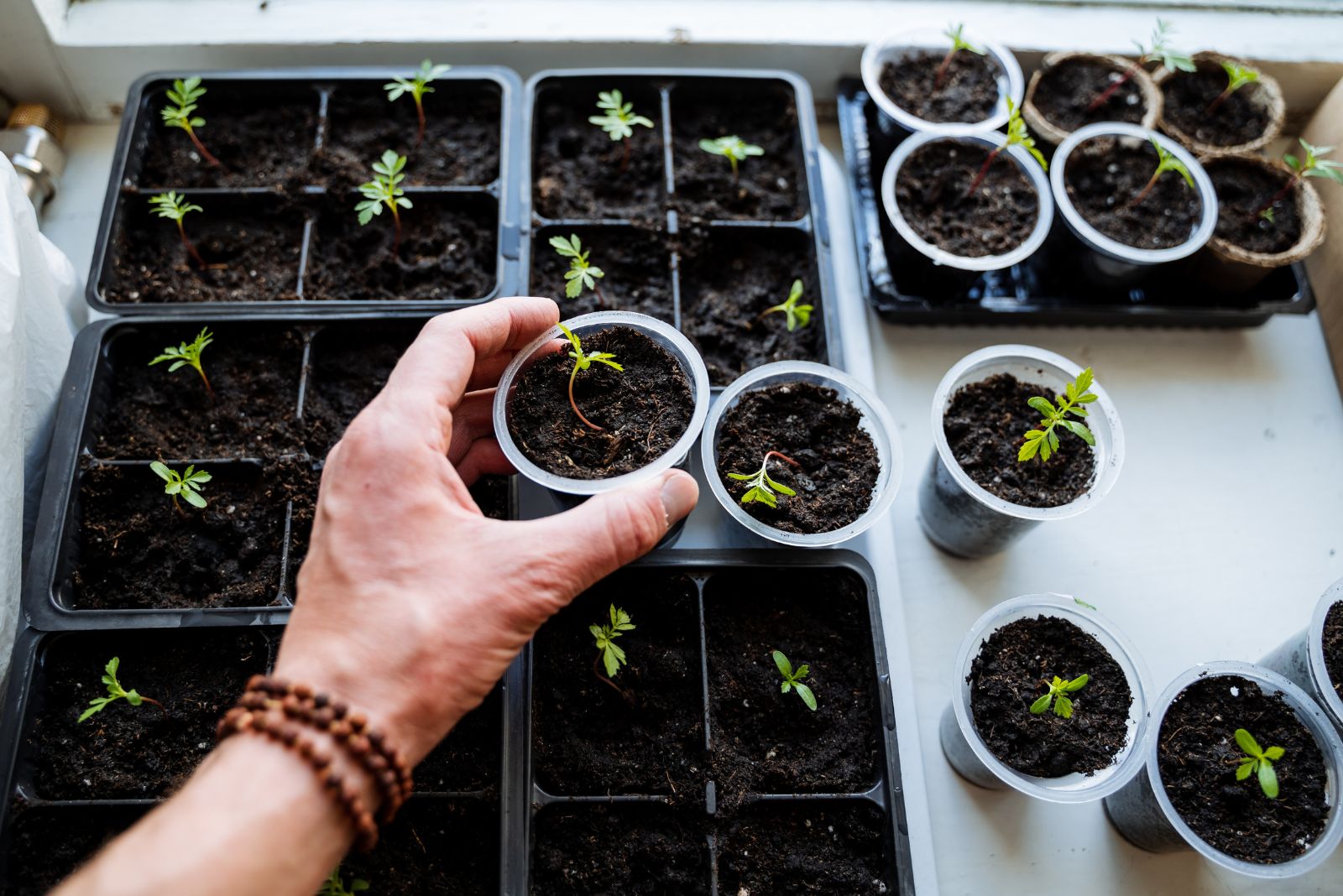
Early February may feel like the heart of winter in Minnesota, but it’s actually a perfect time to get a jump on the gardening season without stepping outside. Snow on the ground doesn’t mean your garden plans have to pause.
Indoors, you can start seeds, organize supplies, and prepare soil mixes that will save you time later. This is also the best moment to check stored bulbs, clean tools, and plan what you want to grow this year.
Small tasks done now can make spring planting smoother and far less stressful. Getting organized early helps avoid last-minute rushes when the weather finally warms up.
By using these cold weeks wisely, Minnesota gardeners can stay productive, build momentum, and set themselves up for a stronger, more successful growing season long before the first thaw arrives.
1. Organize And Inventory Your Seed Collection
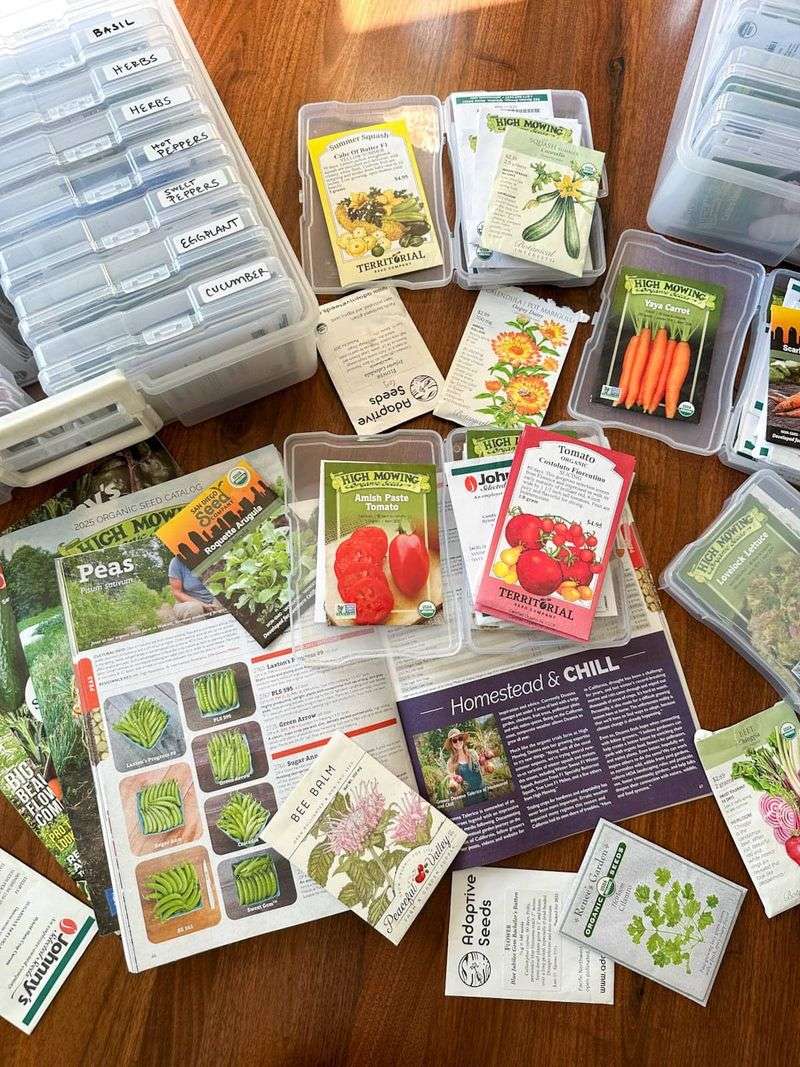
Winter afternoons provide the perfect opportunity to sort through your seed collection and figure out what you already have versus what you need to order. Many Minnesota gardeners accumulate seeds over multiple seasons, and packets can easily get mixed up or lost in storage.
Taking inventory now prevents you from buying duplicates and helps you identify gaps in your collection before seed companies run out of popular varieties.
Spread all your seed packets on a table and check the expiration dates printed on each one. Most seeds remain viable for several years if stored properly, but germination rates decline over time.
Separate old packets from fresh ones, and consider doing a germination test on questionable seeds by placing a few on damp paper towels to see if they sprout.
Create a simple spreadsheet or notebook list of what you have, organized by vegetable type or planting time. This makes it easy to reference when browsing seed catalogs or shopping online.
Note which varieties performed well in your Minnesota garden last year and which ones disappointed you, so you can make better choices this season.
Store your organized seeds in a cool, dry place like a basement or spare closet, ideally in an airtight container with silica gel packets to control moisture. Proper storage extends seed viability significantly.
Some gardeners use small photo boxes or tackle boxes with dividers to keep everything sorted by category.
Once your inventory is complete, you can confidently place seed orders knowing exactly what you need.
Early February is an excellent time to order because popular varieties sell out quickly as spring approaches, especially from smaller specialty seed companies that Minnesota gardeners love.
2. Start Seeds For Cool-Season Vegetables
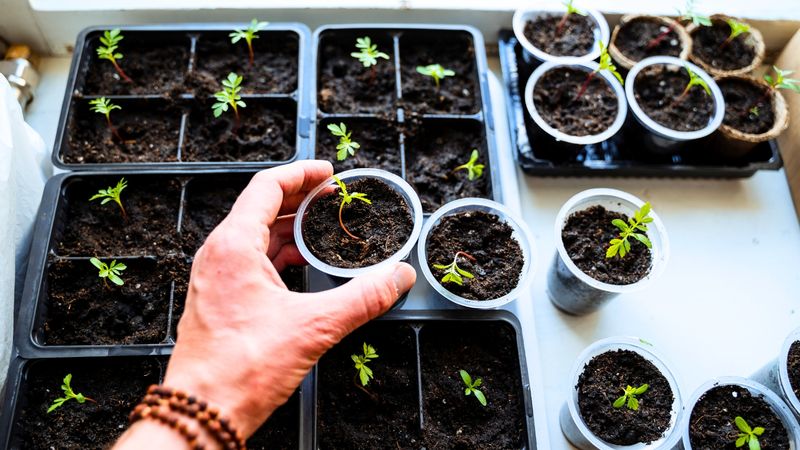
Cool-season vegetables like onions, leeks, and celery need a longer growing period than most plants, making early February the ideal time to start them indoors. Minnesota’s short growing season means these slow-growing crops require a head start to reach maturity before fall frosts arrive.
Setting up a seed-starting station in your home gives these vegetables the extra weeks they need to develop strong root systems and healthy foliage.
You will need seed-starting trays, quality seed-starting mix, and a light source to get started. Fluorescent shop lights or LED grow lights work perfectly for providing the consistent light these seedlings require.
Your Minnesota Garden Changes Every Week. Your Plan Should Too.
Gardening in Minnesota changes quickly throughout the season. Every Friday you’ll receive a simple weekly plan showing exactly what to plant, prune, fertilize, harvest, and protect so you never miss the right timing.
Place your trays in a warm location where temperatures stay between 65 and 75 degrees, as warmth helps seeds germinate faster and more reliably.
Onions are particularly important to start now because they take 10 to 12 weeks to develop into transplant-ready seedlings. Leeks need a similar timeframe, while celery can take even longer to reach the right size.
Starting these crops indoors in early February means you can transplant them outside in April or early May, depending on Minnesota weather conditions.
Keep the soil consistently moist but not waterlogged, and make sure seedlings get 12 to 16 hours of light daily.
Rotate trays regularly so all sides of the seedlings receive equal light exposure. This prevents them from becoming leggy or lopsided as they reach toward the light source.
Label each tray clearly with the variety name and planting date so you can track their progress. Within a few weeks, you will see tiny green shoots emerging, bringing a welcome touch of spring to your Minnesota home during the coldest part of winter.
3. Plan Your Garden Layout On Paper
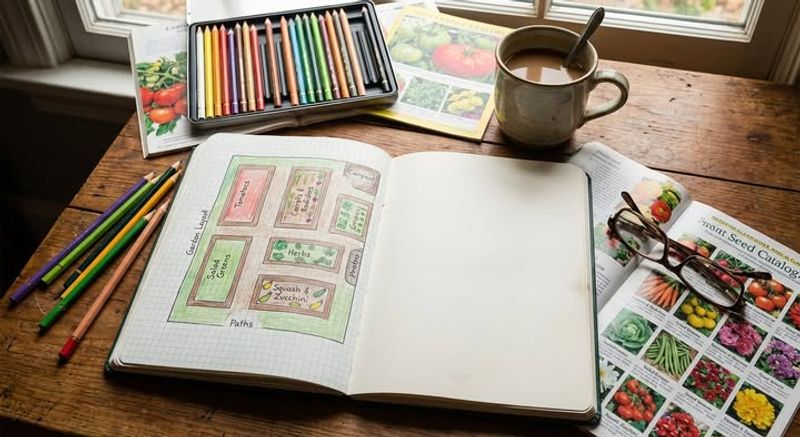
Sketching out your garden layout during early February helps you visualize how everything will fit together and prevents overcrowding problems later. Minnesota gardeners often get excited when planting season arrives and end up cramming too many plants into limited space.
Planning on paper first allows you to think through spacing requirements, companion planting strategies, and crop rotation without the pressure of working against the clock in spring.
Start by measuring your garden beds or drawing them to scale on graph paper. Each square can represent one square foot, making it easy to calculate how many plants will fit in each area.
Include pathways, trellises, and any permanent structures like raised beds or cold frames in your drawing.
Research the mature size of each vegetable variety you plan to grow and mark those dimensions on your plan. Tomatoes, for example, need much more space than lettuce, and sprawling squash plants can quickly take over an area.
Proper spacing ensures good air circulation, which reduces disease problems common in Minnesota’s humid summers.
Consider companion planting combinations that benefit each other, like planting basil near tomatoes or marigolds throughout the garden to deter pests.
Also think about crop rotation, avoiding planting the same vegetable family in the same spot year after year. This practice reduces soil-borne diseases and nutrient depletion.
Your paper plan becomes a reference guide throughout the growing season, helping you remember where everything should go when transplanting time arrives. You can also note succession planting dates for crops like lettuce and beans, ensuring continuous harvests.
Making changes on paper is much easier than rearranging plants in the ground, so take your time perfecting your layout now.
4. Clean And Sharpen Garden Tools
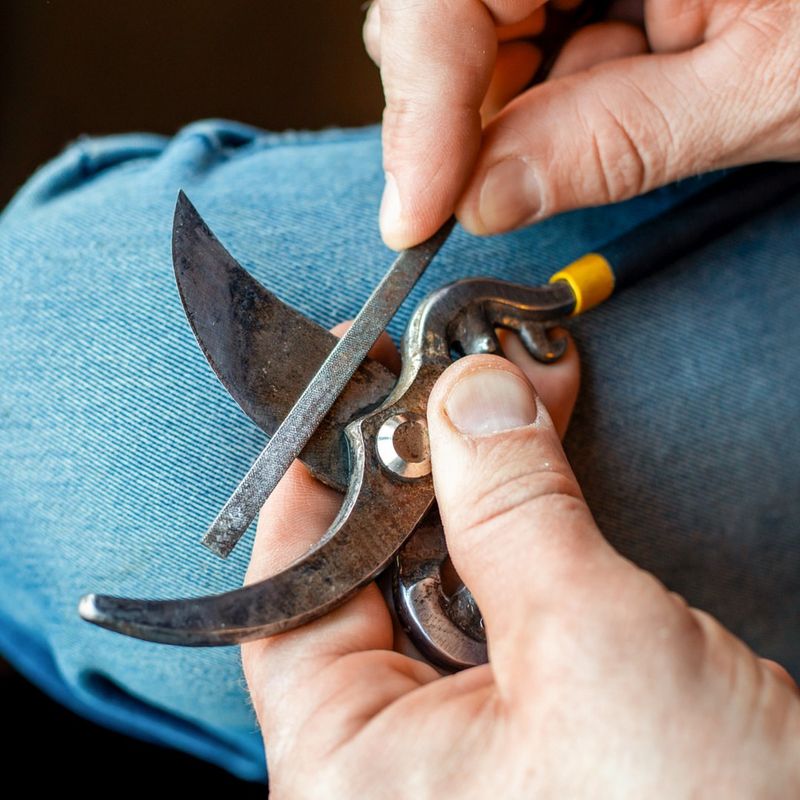
Garden tools that sit unused all winter often develop rust, dirt buildup, and dull edges that make spring tasks harder than necessary. Early February gives you time to clean, sharpen, and repair your tools so they are ready to go when Minnesota’s growing season begins.
Well-maintained tools work more efficiently, last longer, and make gardening more enjoyable overall.
Start by gathering all your tools from the garage, shed, or basement where they have been stored.
Scrub off any dried soil using a wire brush and soapy water, paying special attention to crevices where dirt accumulates. Rinse thoroughly and dry completely to prevent new rust from forming.
Inspect wooden handles for splinters, cracks, or loose connections to metal parts. Sand rough spots smooth with medium-grit sandpaper, then apply linseed oil to protect the wood from moisture damage.
Tighten any loose screws or bolts, and replace broken handles if necessary before the busy spring season arrives.
Sharpen the blades of pruners, shears, hoes, and shovels using a metal file or sharpening stone. Sharp tools cut cleanly through stems and soil with less effort, reducing strain on your hands and arms.
Work the file along the existing bevel edge in smooth strokes, maintaining the original angle.
Apply a light coat of oil to metal surfaces to prevent rust during storage. Some Minnesota gardeners use WD-40 or vegetable oil for this purpose.
Store tools in a dry location, hanging them up if possible to keep blades from touching the ground.
Taking care of this maintenance now means you can grab your tools and start working as soon as the soil is workable in spring, without wasting precious planting time on repairs.
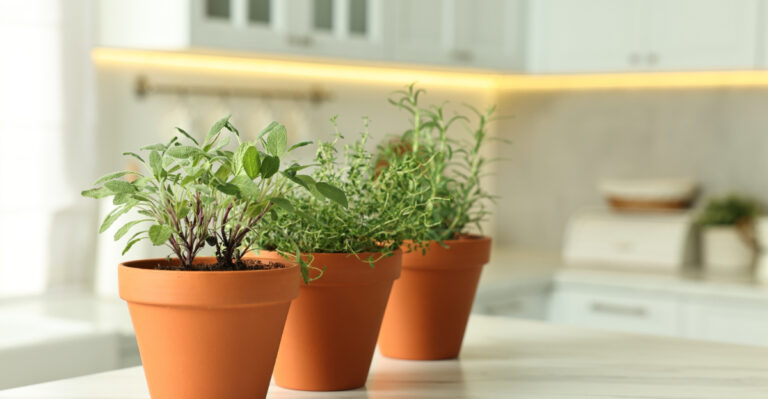
5. Start An Indoor Herb Garden On Your Windowsill
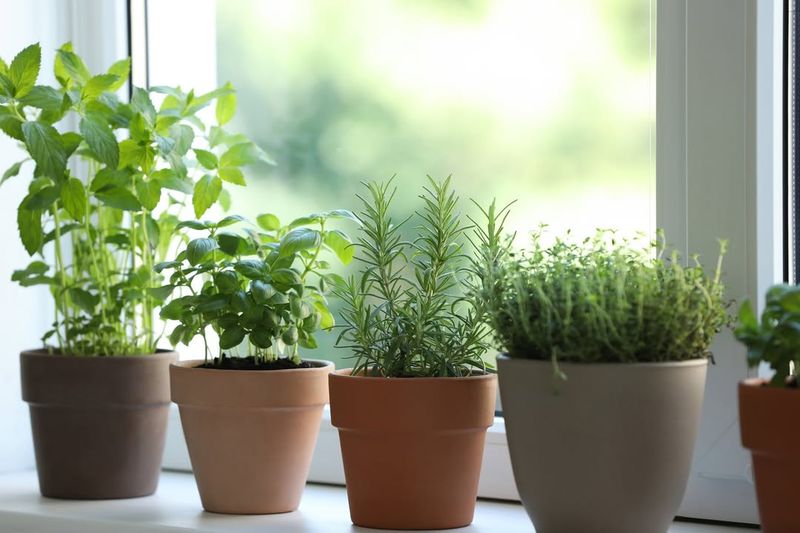
Growing fresh herbs indoors during February brings life and flavor to your Minnesota kitchen while the outdoor garden remains buried under snow. Windowsill herb gardens are surprisingly easy to maintain and provide fresh ingredients for cooking all winter long.
Herbs like basil, parsley, cilantro, and chives thrive in containers with adequate light and regular watering.
Choose a south-facing window that receives at least six hours of sunlight daily, as herbs need plenty of light to grow well indoors.
If natural light is limited in your Minnesota home during winter, supplement with a small LED grow light positioned a few inches above the plants. This ensures healthy growth and prevents herbs from becoming pale and weak.
Use containers with drainage holes and fill them with quality potting soil rather than garden soil, which becomes too compacted in pots.
Plant seeds or purchase small starter plants from a garden center to get your indoor garden going faster. Space plants according to their mature size, giving each one room to spread out.
Water when the top inch of soil feels dry to the touch, being careful not to overwater as indoor plants cannot dry out as quickly as outdoor ones.
Herbs prefer slightly moist soil but will rot if kept too wet. Empty any excess water from saucers beneath pots to prevent root problems.
Harvest herbs regularly by snipping leaves and stems, which encourages bushier growth and provides fresh flavors for your meals.
Minnesota winters can feel long and dreary, but having fresh herbs growing in your kitchen adds color, fragrance, and a connection to gardening even when temperatures outside are below zero. Rotate pots occasionally so all sides receive equal light exposure.
6. Test And Amend Your Stored Potting Soil
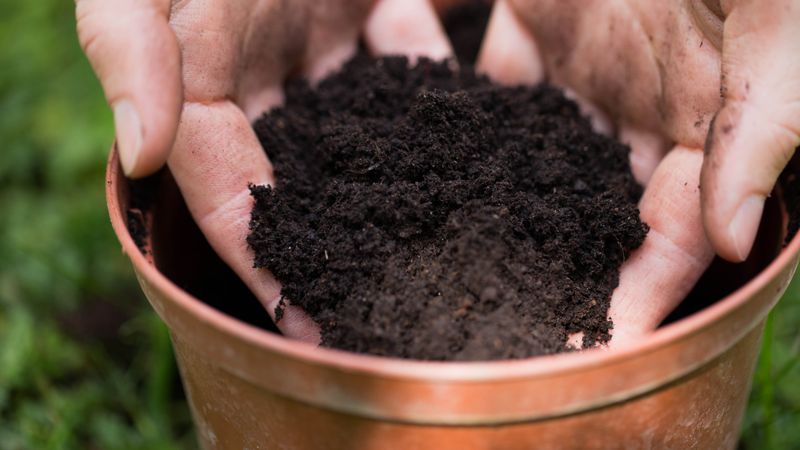
Potting soil that has been sitting in bags or containers since last season may have lost nutrients, become compacted, or developed mold problems over the winter months.
Testing and refreshing your stored soil in early February ensures you have quality growing medium ready when seed-starting and transplanting time arrives.
Minnesota gardeners who start seeds indoors need plenty of good soil, and preparing it now saves time later.
Open bags of stored potting soil and check for any musty odors, mold growth, or insect activity.
Soil that smells bad or shows white fuzzy growth should be discarded rather than used for seed starting. Healthy soil has an earthy smell and a loose, crumbly texture when you squeeze a handful.
If your soil has become compacted or dried out, break up clumps with your hands or a small trowel and add fresh compost or peat moss to improve texture.
Mix in a balanced slow-release fertilizer to replenish nutrients that may have depleted during storage. Some gardeners also add perlite or vermiculite to improve drainage and aeration.
Store refreshed soil in sealed containers or bins to keep it clean and prevent pests from getting inside. Label containers with the date you amended the soil so you know how fresh it is. Keep stored soil in a basement or garage where temperatures remain relatively stable.
Having quality potting soil ready to go means you can start seeds or pot up transplants whenever you need to without making emergency trips to the garden center. Early February preparation eliminates one more task from your busy spring schedule.
Minnesota weather can be unpredictable, so being prepared ahead of time helps you take advantage of perfect planting conditions when they arrive.
7. Research And Order Summer Flowering Bulbs
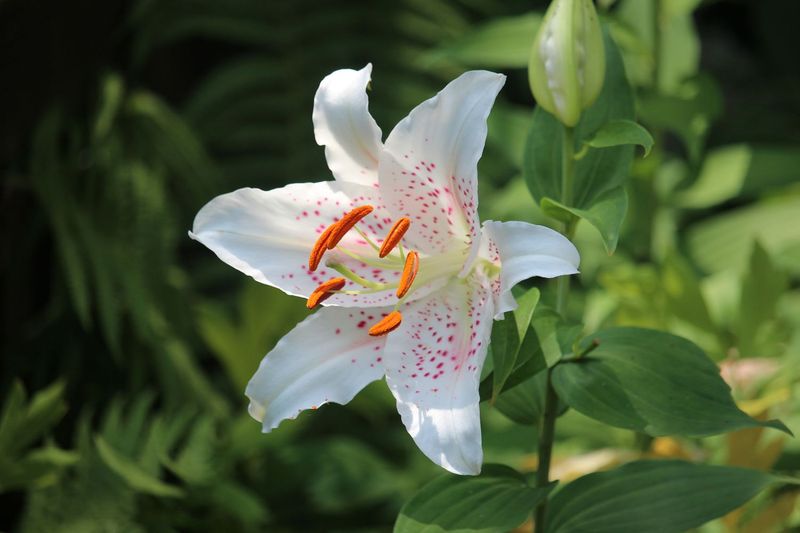
Summer-blooming bulbs like dahlias, gladiolus, and lilies need to be ordered in late winter so they arrive in time for spring planting. Early February is the perfect time for Minnesota gardeners to browse catalogs and place orders before the most popular varieties sell out.
These bulbs cannot be planted outdoors until after the last frost date, but ordering them now ensures you get exactly what you want.
Research which summer bulbs grow best in Minnesota’s climate, considering factors like bloom time, height, and color. Dahlias are particularly popular because they produce stunning flowers from midsummer until frost and come in countless varieties.
Gladiolus add vertical interest to gardens and make excellent cut flowers for indoor arrangements.
Read catalog descriptions carefully to understand each bulb’s growing requirements, including sun exposure, spacing, and soil preferences. Some varieties need staking for support, while others remain compact and self-supporting.
Consider how different bulbs will fit into your existing garden design and what colors will complement your current plantings.
Place your orders early in February to secure the best selection, especially if you want rare or specialty varieties.
Many companies offer discounts for early orders, helping you save money while ensuring availability. Note the expected shipping dates so you know when to expect your bulbs to arrive.
When bulbs arrive, store them in a cool, dry location until outdoor planting time in May. Check them occasionally to make sure they remain firm and healthy, discarding any that become soft or moldy.
Some Minnesota gardeners start dahlia tubers indoors in late April to get earlier blooms, giving them a few weeks of growth before transplanting outside.
Planning your summer bulb order now helps you create a more colorful and diverse garden when warm weather finally returns to Minnesota.