9 Shade Trees That Cool California Homes Without Causing Damage
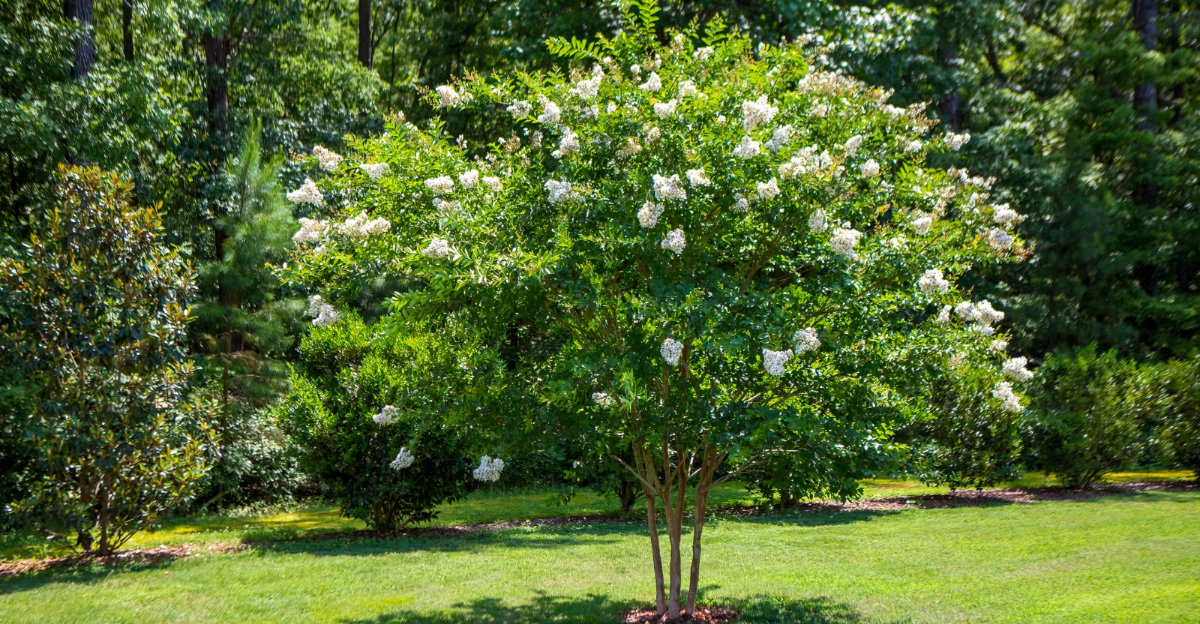
California homes heat up fast once summer settles in, and shade often becomes the difference between a comfortable house and one that never seems to cool down.
Many homeowners want trees for relief but hesitate because stories about cracked foundations and lifted walkways are hard to ignore.
That hesitation leaves plenty of yards exposed to full sun, soaking up heat and pushing cooling systems to work harder than they should.
The challenge is not shade itself, but choosing trees that provide cooling without creating long-term structural problems.
California’s climate supports trees that cast wide canopies while keeping their root systems more predictable and controlled. When those traits align, the benefits show up quickly around walls, windows, and outdoor spaces.
The right trees lower surface temperatures, reduce glare, and soften the harsh afternoon sun that hits homes hardest.
Poor tree choices tend to cause issues slowly, which is why damage often appears years after planting rather than right away.
Smart selections focus on growth habit, mature size, and root behavior instead of just fast results.
These shade trees make it possible to cool California homes naturally while keeping hardscapes, foundations, and utilities safe over time.
1. Coast Live Oak
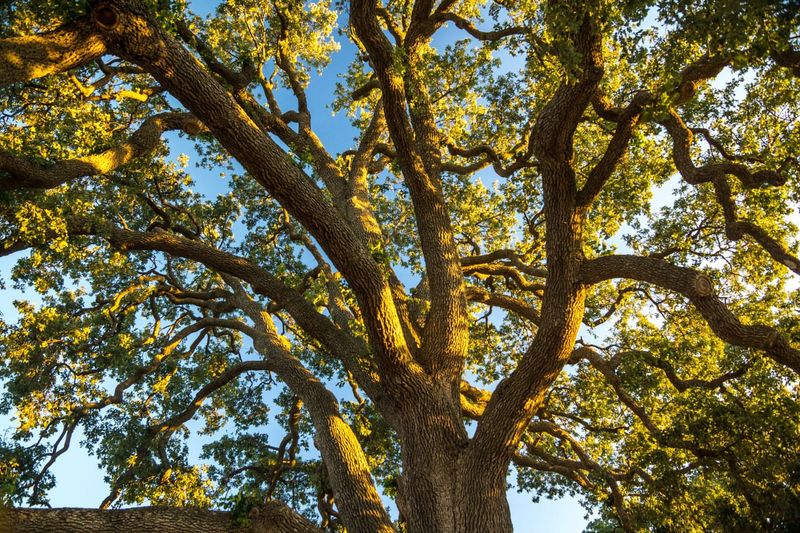
Native to California’s coastal regions, this evergreen beauty has been shading homes for centuries.
Its sprawling canopy can reach up to 70 feet wide, creating a natural umbrella that blocks intense sunlight year-round. The thick, leathery leaves stay green through all seasons, meaning your home stays cooler even during winter months when other trees go bare.
When planted with adequate distance, it’s less likely to cause issues than many fast-growing shade trees.
Drought tolerance is another major advantage in the Golden State.
Once established, coast live oaks need very little water, which saves money on irrigation bills and helps during dry spells.
They adapt well to different soil types found across California’s diverse landscapes.
Wildlife love these trees too. Birds nest in the branches while squirrels gather the acorns that drop each fall.
Your yard becomes a mini nature reserve without any extra effort on your part.
Growth happens at a moderate pace, so you won’t wait decades for shade but also won’t deal with rapid, uncontrollable spreading. The tree reaches mature height within 15 to 20 years under good conditions.
Maintenance stays minimal after the first few years. Occasional pruning keeps the shape attractive and removes any damaged branches.
No special treatments or constant attention required.
California’s climate suits this oak perfectly since it evolved here over thousands of years. Hot summers and mild winters match its natural growing cycle exactly.
2. Valley Oak
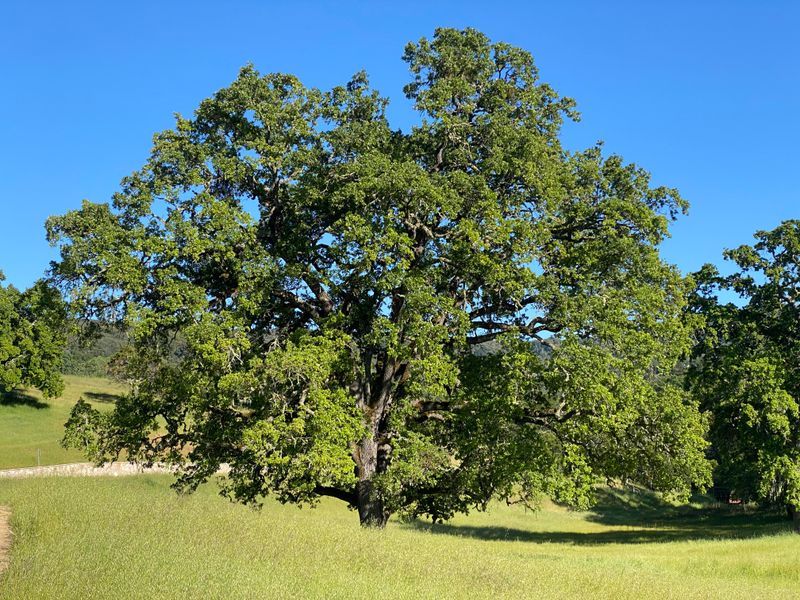
California’s largest native oak species can tower over 100 feet tall with a trunk several feet wide.
These giants create massive pools of shade that can cover an entire backyard and part of your house. The broad, rounded crown spreads out like a giant parasol, blocking sunlight from multiple angles throughout the day.
Deep taproots anchor the tree firmly while searching for underground water sources. With proper spacing and stable moisture, valley oaks are less likely to cause hardscape trouble than many fast-growing shade trees, but they still need room.
Your California Garden Changes Every Week. Your Plan Should Too.
Gardening in California changes quickly throughout the season. Every Friday you’ll receive a simple weekly plan showing exactly what to plant, prune, fertilize, harvest, and protect so you never miss the right timing.
Their deep root systems make them more stable than shallow-rooted trees when given enough space.
Deciduous leaves turn golden yellow before dropping in autumn, creating a stunning seasonal display. During summer, the thick foliage provides excellent cooling shade, while winter allows sunlight through bare branches to warm your home naturally.
This seasonal cycle helps with energy efficiency year-round.
These oaks grow best in California’s Central Valley and foothill regions where they originated.
They handle temperature extremes well, from scorching summers to occasional winter frosts that other trees can’t tolerate.
Once roots establish themselves, valley oaks become incredibly drought-resistant.
Growth rate starts slow but picks up speed after five years. Young trees need regular watering, but mature specimens become self-sufficient and nearly indestructible.
Lifespan can exceed 300 years, making this a tree your great-grandchildren will enjoy.
Planting one is an investment in long-term property value and environmental health.
Acorns provide food for local wildlife while the thick bark resists fire better than many other species.
This natural fire resistance offers extra protection in California’s wildfire-prone areas.
3. California Sycamore
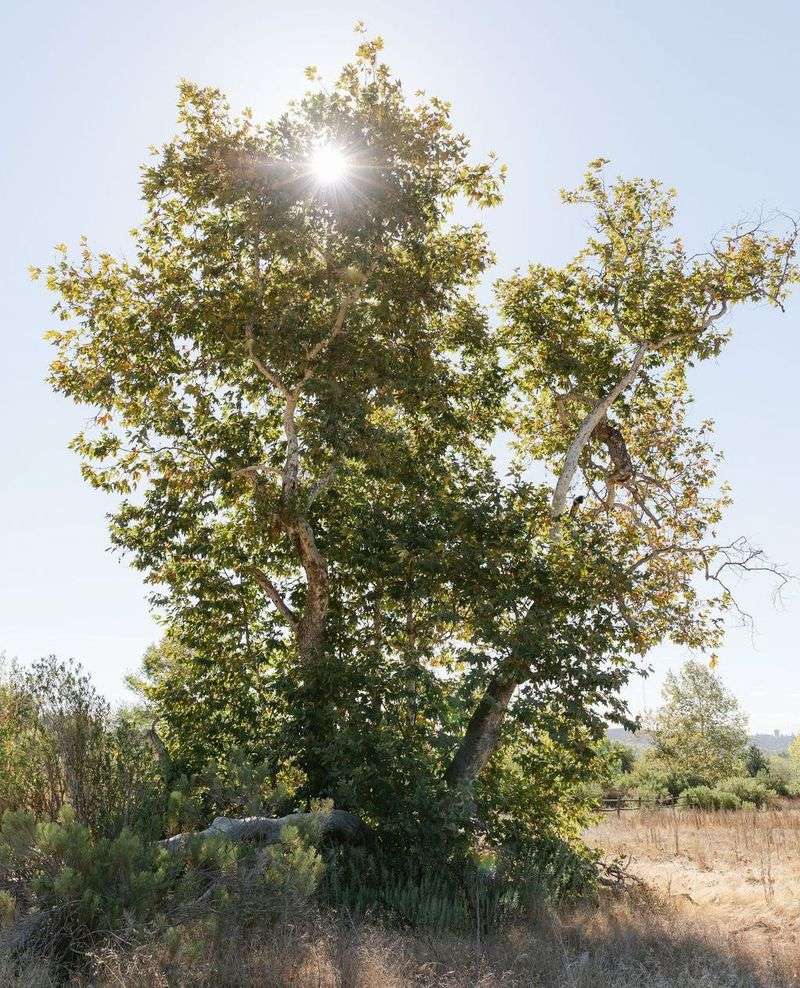
Distinctive mottled bark in shades of white, gray, and brown makes this tree a visual standout in any California yard.
The peeling bark reveals smooth, cream-colored wood underneath, creating a natural work of art that changes appearance throughout the year.
Large, maple-like leaves can span 10 inches across, creating dense shade that cools your home effectively.
Stream banks and canyon bottoms are this tree’s natural habitat across California.
It thrives in areas with seasonal moisture but adapts surprisingly well to residential landscapes with proper watering.
Rapid growth means you’ll enjoy substantial shade within just five to seven years of planting. Young sycamores can shoot up several feet per year under ideal conditions, quickly transforming a sunny yard into a shaded retreat.
Deciduous nature allows winter sun to warm your home after leaves drop in fall.
This natural heating and cooling cycle can significantly reduce energy bills throughout the year in California’s varied climate zones.
Mature height reaches 40 to 80 feet with an equally impressive spread. The broad canopy creates enough shade to cover large patios, driveways, and portions of your home’s exterior walls.
Leaf litter does require some autumn cleanup, but the cooling benefits far outweigh this minor maintenance task. A quick raking session handles the seasonal leaf drop without much hassle.
Sycamores are tough, but they can still deal with disease in some areas, so good airflow and smart watering help.
Their hardy nature means less money spent on treatments and interventions to keep them healthy.
4. Chinese Pistache
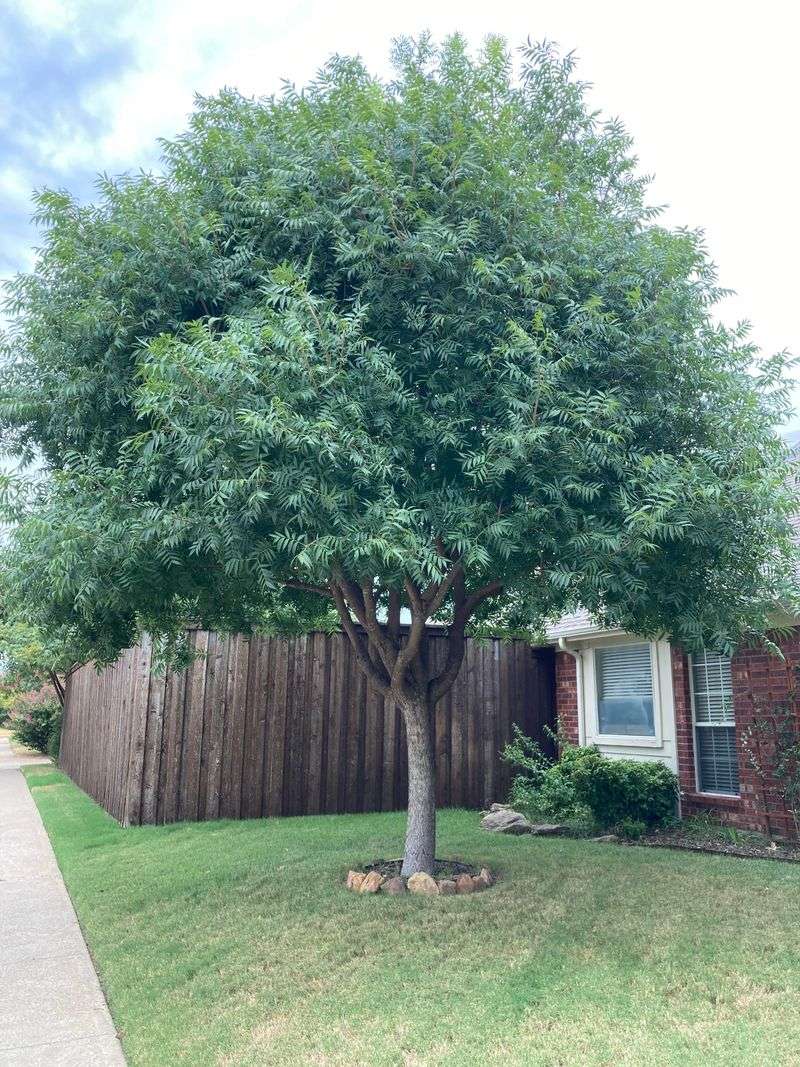
Brilliant fall colors ranging from orange to crimson red make this tree a neighborhood showstopper every autumn.
Before the leaves turn and drop, they provide excellent summer shade that keeps California homes noticeably cooler.
The rounded, umbrella-shaped canopy grows dense enough to block harsh afternoon sun completely.
Chinese pistache is considered a lower-risk option for planting near sidewalks, driveways, and foundations when proper spacing is followed.
Homeowners across California choose this tree specifically because it won’t cause the concrete-cracking problems associated with aggressive root systems.
Drought tolerance ranks among the best of any shade tree suitable for residential landscapes.
Once established, Chinese pistache survives on minimal water, making it ideal for California’s ongoing water conservation efforts and periodic drought conditions.
Moderate growth rate means you’ll see results without dealing with excessive pruning or maintenance.
The tree reaches 25 to 40 feet tall at maturity, a manageable size that still provides substantial cooling benefits.
Few pests or diseases bother this hardy tree.
California gardeners appreciate not having to spray chemicals or constantly monitor for problems that affect more temperamental species.
Urban pollution doesn’t faze Chinese pistache either. It thrives in California cities where air quality and soil conditions challenge other trees, making it perfect for suburban and urban properties.
Structure stays strong even during windy conditions common in many California regions.
The sturdy branches rarely break or require emergency removal after storms, unlike more brittle species.
Female trees produce small, inedible berries that birds love but can create minor cleanup work. Male trees avoid this issue entirely, so many California nurseries sell only male specimens for residential planting.
5. Crape Myrtle
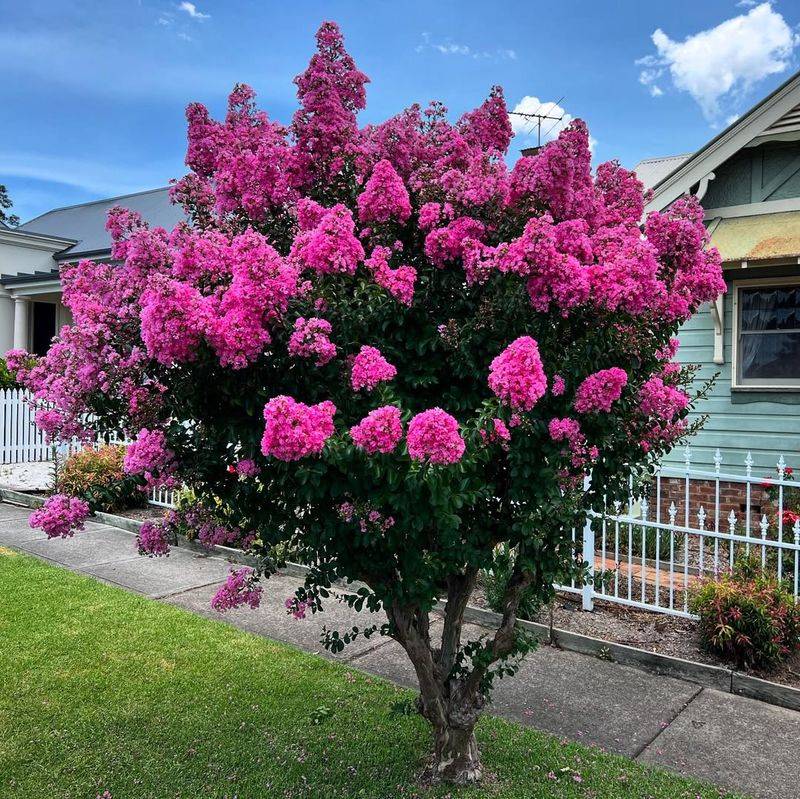
Smooth, sculptural bark in cinnamon and gray tones provides year-round visual interest even when branches are bare.
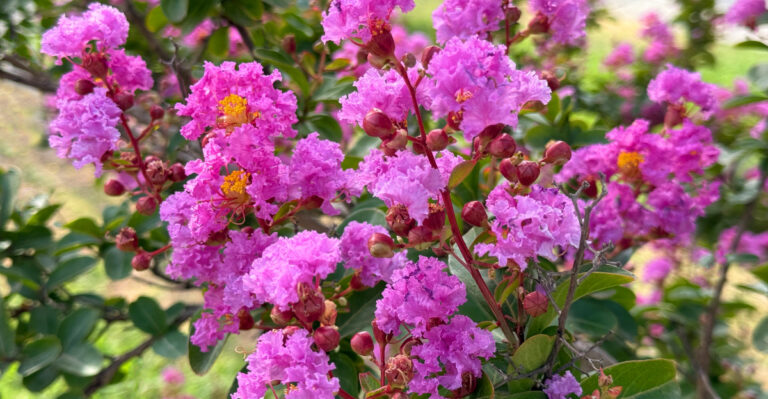
Summer brings spectacular clusters of flowers in pink, purple, red, or white that last for months.
The moderate size makes crape myrtle ideal for smaller California yards where giant oaks would overwhelm the space.
Heat tolerance is exceptional, with these trees actually thriving in California’s hottest inland valleys.
They bloom most prolifically when temperatures soar, creating shade and beauty simultaneously during the season you need cooling most.
Root systems are generally compact and low-risk compared to many shade trees, especially when planted with appropriate spacing.
California homeowners plant crape myrtles close to homes, pools, and patios without worrying about future foundation or plumbing problems.
Mature height ranges from 15 to 25 feet depending on variety, making them perfect for shading windows and patios without blocking views or growing uncontrollably. The multi-trunk growth habit creates an attractive, shrub-like appearance that fits residential landscapes beautifully.
Deciduous leaves drop in winter, allowing sunshine to warm your California home during cooler months. This natural cycle helps reduce heating costs while providing summer cooling, making crape myrtle an energy-efficient landscaping choice.
Pruning stays simple and infrequent. Light trimming maintains shape and encourages more flowers, but these trees look attractive even without regular attention.
Many California gardeners prune just once annually in late winter.
Drought resistance improves dramatically after the first year. Established crape myrtles need watering only during extended dry periods, conserving precious water resources across California’s varied climate zones.
Long blooming season stretches from late spring through early fall. Few other shade trees offer this extended display of color while simultaneously cooling your property throughout California’s lengthy summer.
6. Western Redbud
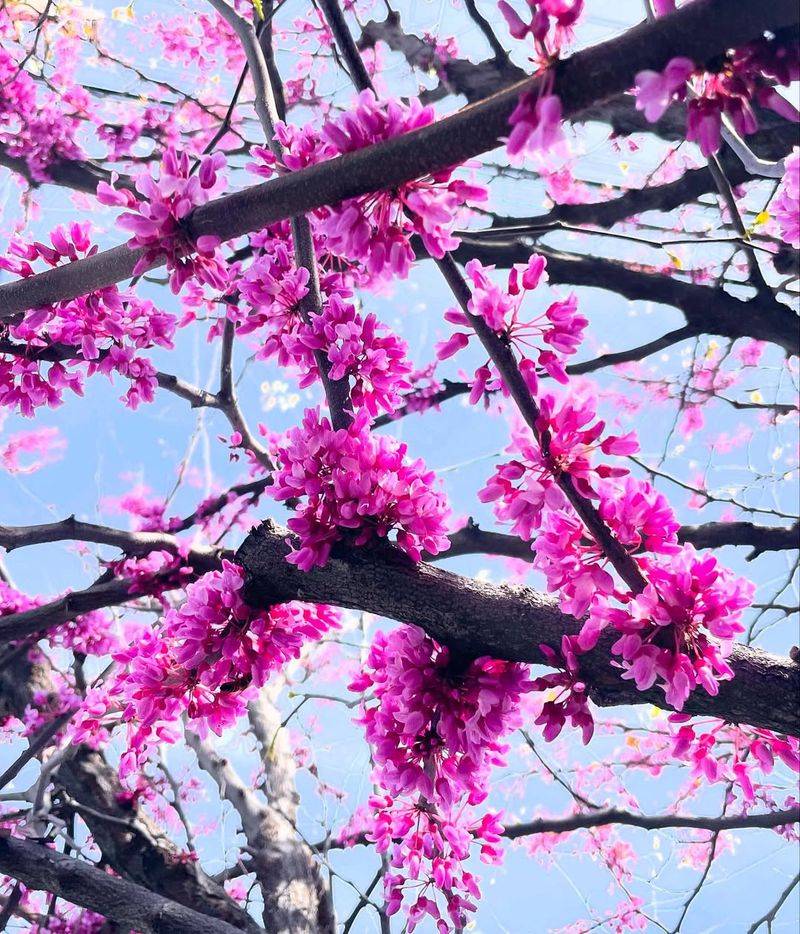
Magenta flowers burst from bare branches in early spring before leaves appear, creating a stunning display that signals the end of California’s winter.
Heart-shaped leaves follow the blooms, providing filtered shade throughout the hot months.
This California native evolved specifically for the state’s climate and soil conditions.
Compact size makes western redbud perfect for small yards, courtyards, and tight spaces. Growing just 10 to 20 feet tall, it provides shade without overwhelming your property or blocking too much sky.
Root behavior stays polite and non-invasive.
California homeowners plant these near patios, walkways, and foundations without concern for future damage or costly repairs to hardscaping and structures.
Drought tolerance is outstanding once the tree establishes itself.
Native to California’s dry foothills and mountain slopes, western redbud thrives on natural rainfall in many regions, requiring supplemental water only during extreme droughts.
Wildlife benefits include early nectar for bees and hummingbirds when few other plants are blooming. Your California garden becomes a pollinator haven just when these beneficial insects need food most desperately after winter.
Multi-season interest keeps your landscape attractive throughout the year. Spring flowers give way to summer foliage, then autumn brings yellow leaf color before winter reveals interesting branch structure.
Soil adaptability means western redbud grows in California’s clay, sand, or rocky ground without special amendments.
This flexibility makes planting simple and reduces long-term maintenance needs significantly.
Slow to moderate growth rate means less pruning and maintenance over time.
The tree naturally develops an attractive, rounded shape without requiring constant shaping or trimming from California gardeners.
7. Olive Tree
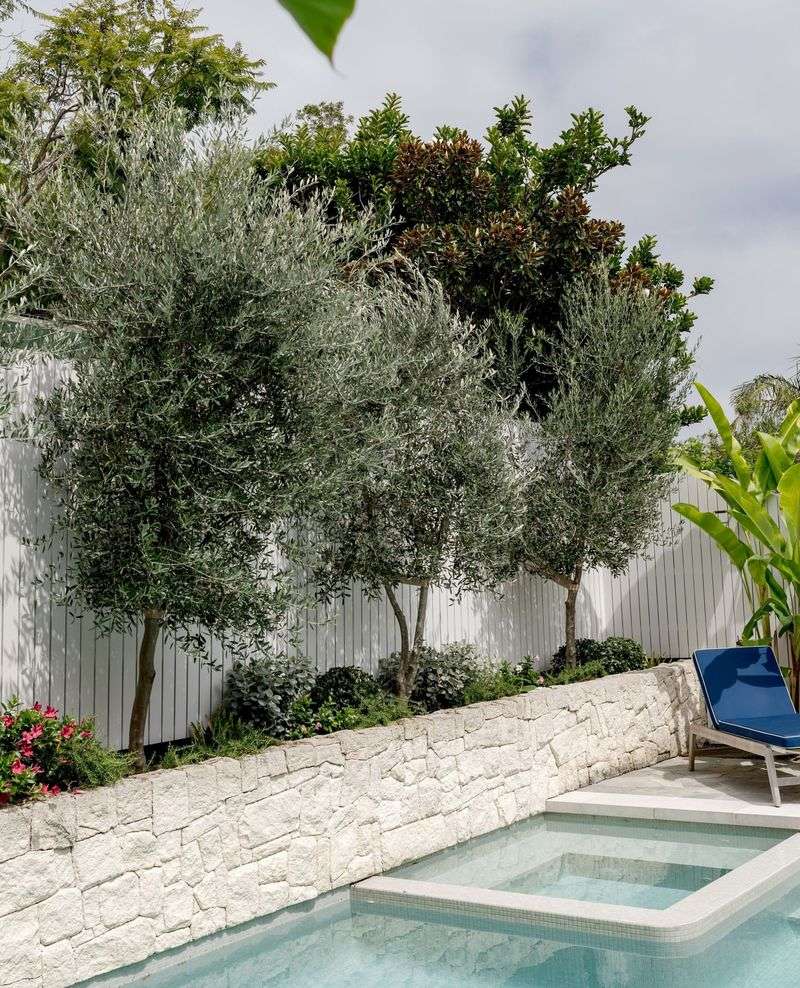
Silvery-green foliage creates a Mediterranean atmosphere while providing light, filtered shade perfect for California’s climate.
The evergreen leaves stay on year-round, offering consistent cooling and visual appeal through all seasons. Twisted, gnarled trunks develop character as the tree ages, becoming living sculptures in your landscape.
Fruit production can be a bonus or a nuisance depending on your perspective.
Edible olives appear on mature trees, which some California homeowners love for making their own cured olives or olive oil, while others prefer fruitless varieties to avoid cleanup.
Root systems grow deep and spread moderately without causing major problems.
Olive trees have been planted near California homes for over 200 years, proving their compatibility with residential foundations and underground utilities.
Drought resistance is legendary, with ancient olive groves surviving on minimal rainfall for centuries. Once established in California yards, these trees need very little supplemental watering, even during extended dry periods.
Slow growth means less frequent pruning and a manageable size that won’t overwhelm your property. Mature height typically reaches 25 to 30 feet, large enough for substantial shade but small enough for most residential lots across California.
Heat tolerance makes olive trees ideal for California’s Central Valley and southern regions where summer temperatures regularly exceed 100 degrees.
They actually thrive in conditions that stress many other shade trees.
Pest resistance is excellent, with few insects or diseases causing serious problems. California gardeners appreciate not having to spray or treat olive trees constantly to keep them healthy and attractive.
8. Fruitless Olive
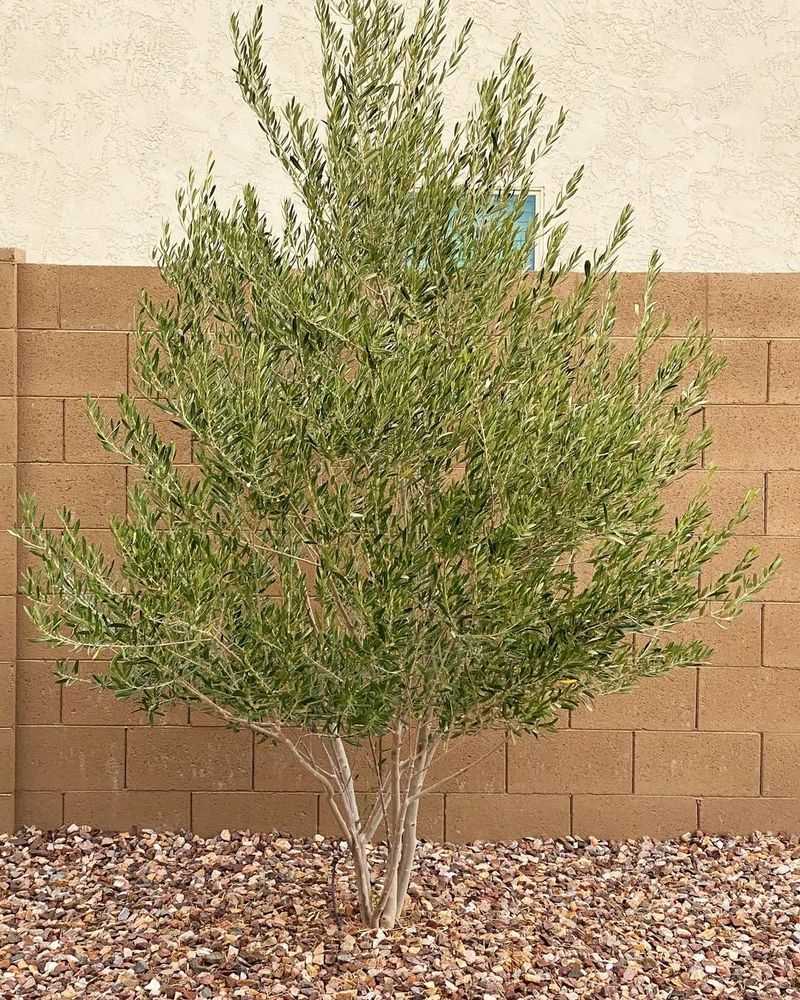
All the beauty of traditional olive trees without the messy fruit makes this cultivar perfect for California homeowners who want elegance without cleanup.
The same silvery foliage and attractive form provide excellent shade and visual appeal year-round. Evergreen leaves mean consistent cooling benefits regardless of season.
Root behavior mirrors traditional olives, growing deep and staying relatively contained.
Fruitless olives are widely used near pools, patios, and foundations because their root behavior is typically more manageable than many larger shade trees.
Drought tolerance matches that of fruiting varieties, making fruitless olives equally water-wise choices. Established trees survive California’s dry summers on very little irrigation, helping conserve water and reduce utility bills simultaneously.
Maintenance drops significantly without fruit to clean up.
No staining on driveways, patios, or cars parked underneath, which California homeowners especially appreciate during the months when olives would normally ripen and drop.
Growth rate stays moderate and predictable.
Fruitless olives reach mature size within 10 to 15 years, providing shade relatively quickly without growing so fast that constant pruning becomes necessary.
Urban adaptability makes these trees excellent choices for California cities and suburbs.
They tolerate pollution, reflected heat from pavement, and restricted root zones better than many other shade tree options.
Structure remains strong and wind-resistant.
California’s occasional gusty conditions don’t damage these trees or cause branches to break and require cleanup like more brittle species.
Multiple cultivars offer choices in ultimate size and growth habit. California nurseries stock varieties ranging from compact to larger forms, letting you match the tree to your specific space and shading needs.
9. Japanese Zelkova
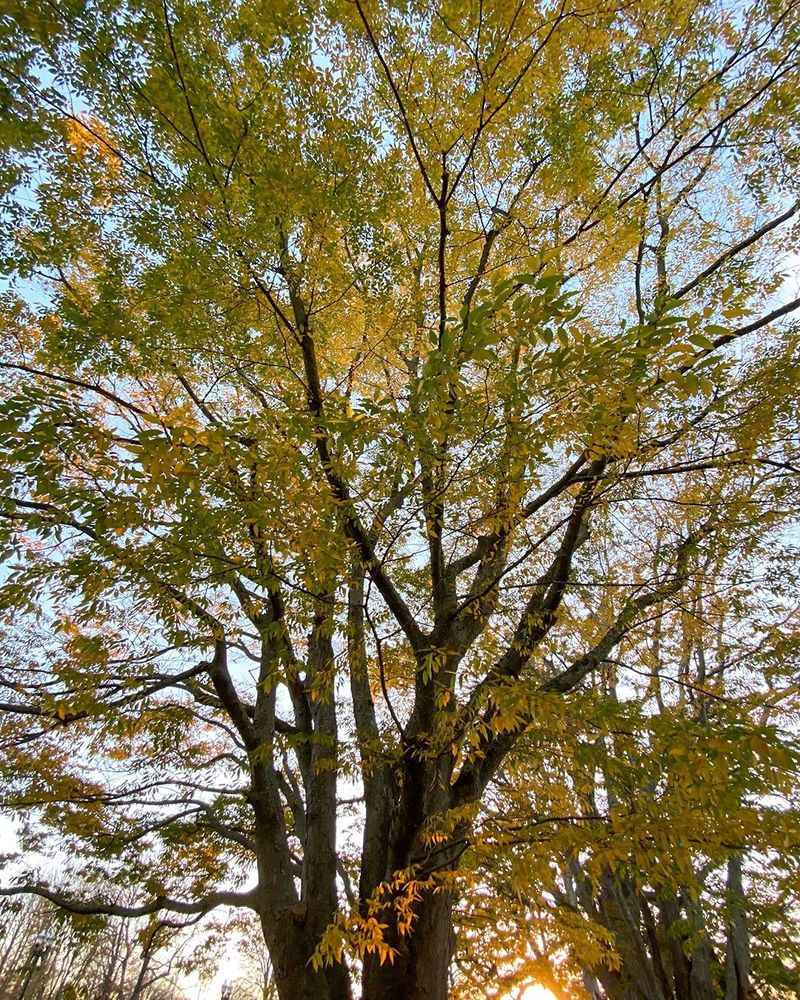
Vase-shaped growth creates an elegant silhouette that enhances any California property’s curb appeal.
The graceful, upward-sweeping branches form a natural umbrella that shades homes effectively without spreading too wide. Smooth gray bark and fine-textured foliage give this tree a refined appearance that suits both traditional and modern landscapes.
Root systems behave exceptionally well near hardscaping and structures.
Moderate growth rate delivers shade within a reasonable timeframe without requiring constant pruning to control size.
Mature height reaches 50 to 60 feet, creating substantial cooling while maintaining a manageable footprint for most California residential lots.
Fall color ranges from yellow to orange to rusty red depending on climate zone.
California’s varied regions produce different autumn displays, but all are attractive and signal the seasonal change before leaves drop for winter.
Deciduous habit allows winter sun to warm your home naturally.
This seasonal cycle helps balance energy costs throughout the year, reducing both air conditioning and heating expenses for California homeowners.
Disease resistance is excellent, particularly against Dutch elm disease that devastated American elms.
Japanese zelkova offers similar aesthetic appeal without the vulnerability, making it a reliable choice for California landscapes.
Drought tolerance improves significantly after establishment. While young trees need regular watering, mature specimens handle California’s dry summers with minimal supplemental irrigation once roots grow deep.
Urban conditions don’t stress Japanese zelkova like they do many other trees. It thrives in California cities where air quality, compacted soil, and heat reflection from buildings challenge less adaptable species.