How Colorado Homeowners Can Prune Trees To Handle Snow Better
Colorado winters test trees in ways many homeowners never expect until heavy snow starts bending branches overnight.
Snow load builds fast at higher elevations, and even suburban yards feel the pressure once storms stack weight onto canopies.
Many trees fail not because they are unhealthy, but because their structure was never guided with winter in mind.
Poor branch angles, crowded growth, and weak attachment points turn snowfall into a breaking force instead of a temporary burden.
Colorado conditions reward trees shaped to shed snow rather than collect it, especially where storms arrive wet and dense. Pruning decisions made earlier in the year quietly decide how well branches release weight once snow arrives.
Homeowners often wait until damage appears, even though prevention works far better than cleanup.
The right pruning approach reduces split limbs, torn bark, and long-term stress caused by repeated snow events.
Trees prepared for snow maintain form, strength, and stability through winter instead of entering spring with hidden injuries.
Snow-ready pruning turns winter from a threat into a manageable season for trees across Colorado yards.
1. Why Snow Load Causes Tree Damage In Colorado
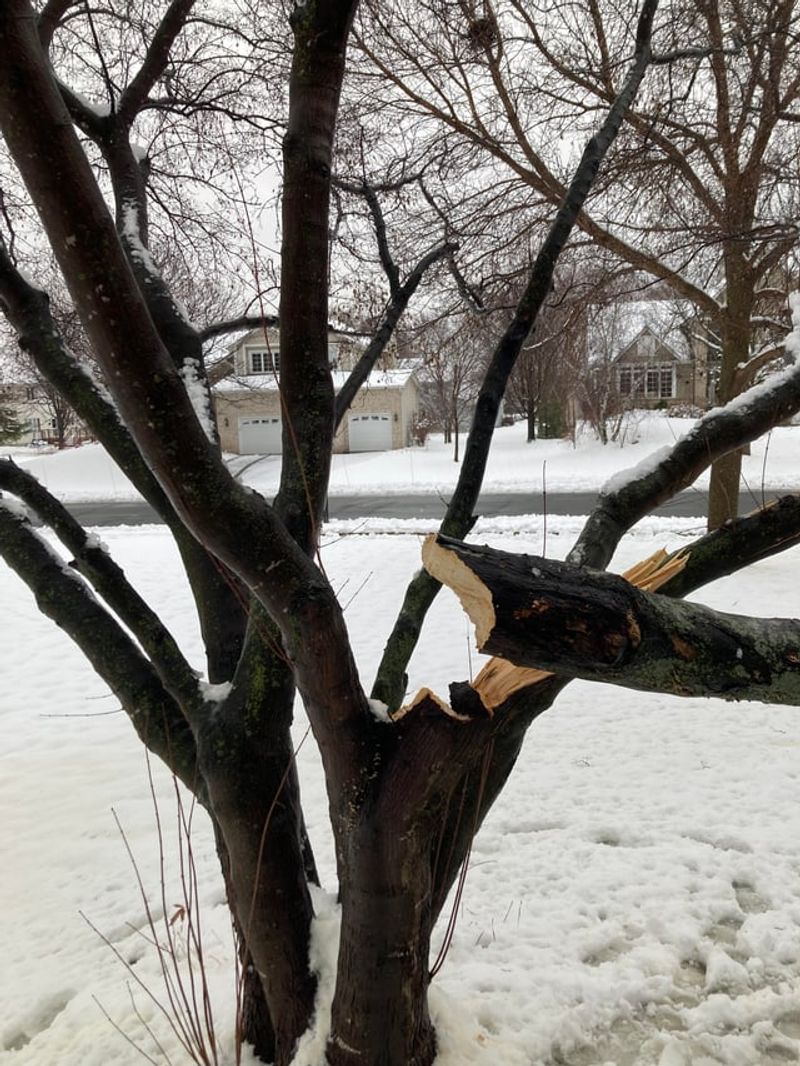
Heavy snow accumulation on branches creates pressure that most people underestimate until something breaks. A single cubic foot of wet snow can weigh up to 20 pounds, and when that piles up across multiple branches, the stress becomes overwhelming.
Colorado’s unpredictable weather patterns make this problem worse because sudden temperature changes can turn light snow into heavy ice.
Branch structure determines how well a tree handles winter weight. Weak angles and poor branching patterns turn into liability zones when storms hit.
Trees that grow naturally in open spaces often develop wide, horizontal branches that catch more snow than vertically oriented ones.
Elevation plays a major role in how much snow your trees will face each season. Higher altitude properties in Colorado experience longer winters and heavier snowfall totals.
Mountain communities see significantly more accumulation than Front Range cities, which means pruning strategies need to match your specific location.
Young trees face different challenges than mature ones when dealing with snow load. Their flexible branches might seem like an advantage, but they can bend too far and snap back incorrectly.
Older trees have thicker bark and stronger wood, yet they also carry more weight overall and have less flexibility to absorb sudden stress.
Ice storms create the most dangerous conditions for unpruned trees across Colorado. When freezing rain coats every surface, the added weight multiplies exponentially.
A quarter-inch of ice can add 500 pounds to a medium-sized tree, and that’s when major damage occurs.
Species variation means some trees naturally resist snow damage better than others. Evergreens with flexible needles shed snow more easily than deciduous trees with broad leaves.
However, both types benefit from strategic pruning that removes problem areas before winter weather arrives.
2. Identify Weak Branch Angles Before Winter Hits
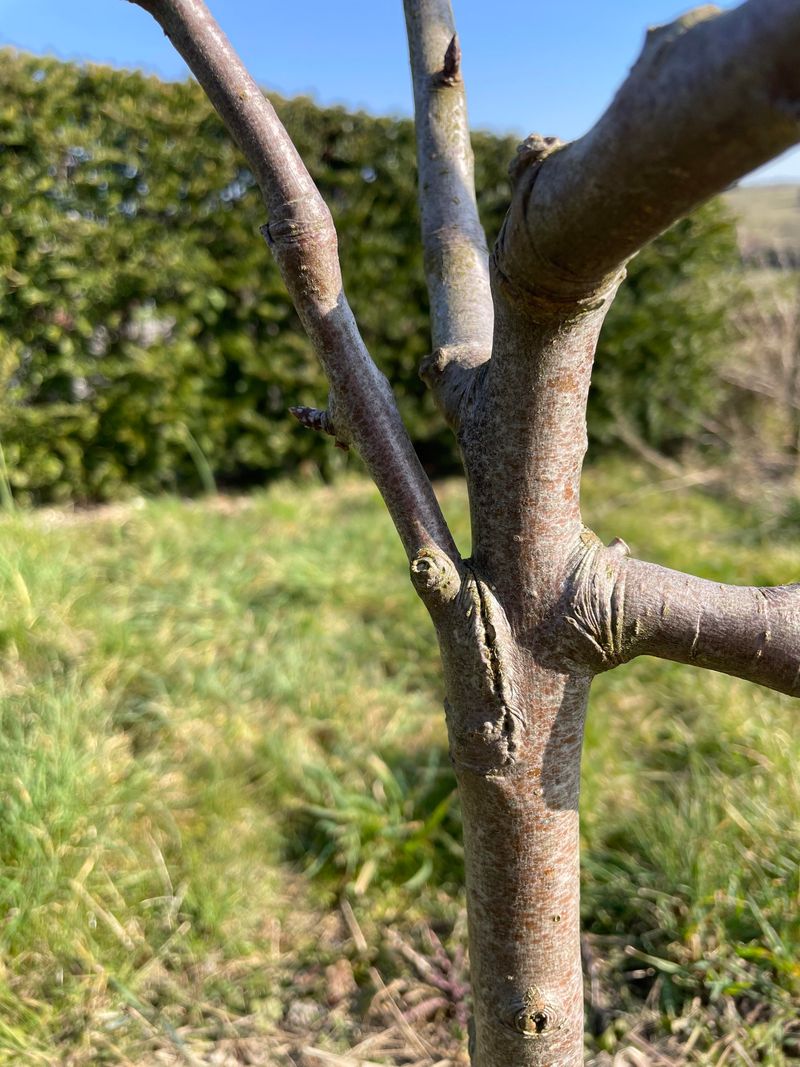
Branch angles reveal structural weaknesses that most homeowners never notice until it’s too late. Angles less than 45 degrees create what arborists call a weak union, where the branch connects poorly to the trunk.
Your Colorado Garden Changes Every Week. Your Plan Should Too.
Gardening in Colorado changes quickly throughout the season. Every Friday you’ll receive a simple weekly plan showing exactly what to plant, prune, fertilize, harvest, and protect so you never miss the right timing.
These spots crack easily under pressure because the wood fibers don’t interlock properly, making them prime candidates for snow-related failure.
Strong branches typically grow at 60 to 90 degree angles from the main trunk. This configuration distributes weight evenly and allows the tree to support heavy loads without strain.
Colorado’s native species often develop these angles naturally, but landscape trees planted by humans may not have ideal branching patterns.
Bark inclusion happens when bark gets trapped between the branch and trunk as they grow. You can spot this by looking for a ridge of bark pushed into the union point.
These areas are structurally weak and will split under snow load, so they should be removed during pruning season.
Visual inspection from multiple angles helps you identify problem branches throughout the canopy. Walk completely around your tree and look up from different positions.
Some weak angles only become obvious when viewed from specific directions, especially on larger trees with complex branch structures.
Young trees can be trained to develop better angles through selective pruning. Removing competing leaders and encouraging proper spacing creates a stronger framework for future growth.
Colorado homeowners who start this process early save themselves from major problems later when trees reach full size.
Codominant stems present a special challenge because they look strong but often aren’t. These occur when two main trunks grow at similar angles from a single point.
The connection between them typically has bark inclusion and will split under heavy snow, potentially destroying the entire tree.
3. Remove Crossing And Rubbing Branches Early
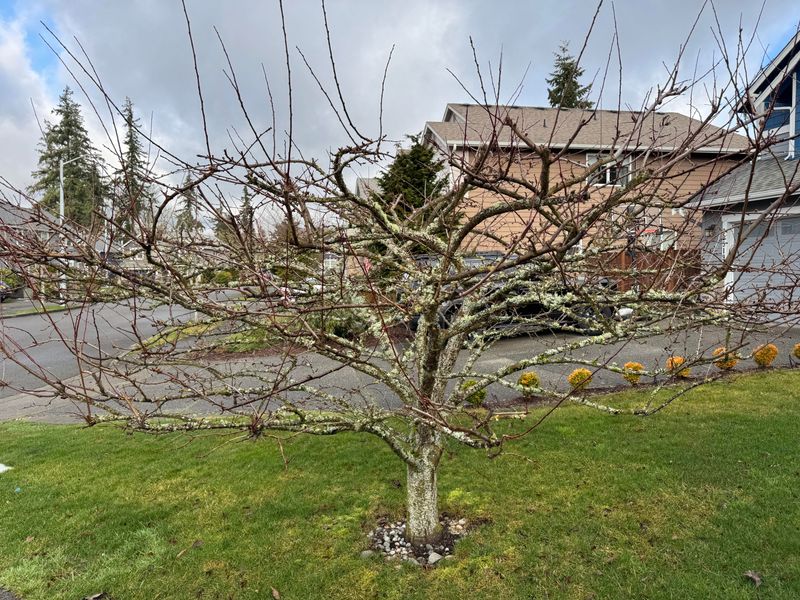
Branches that cross each other create friction points that damage bark and invite disease. Every time wind moves the tree, these branches rub together and wear away protective layers.
Open wounds become entry points for insects and fungi that weaken the entire branch structure, making it more vulnerable when snow piles up.
Rubbing branches also compete for the same space in the canopy, which wastes the tree’s energy. Instead of growing outward into productive areas, these branches fight each other for light and nutrients.
Removing one allows the other to develop properly and become stronger for winter weather.
Colorado’s frequent wind events make rubbing damage worse than in calmer climates. Constant movement accelerates bark wear and can create wounds several inches long.
These damaged areas never heal completely and remain weak points that snap under snow load.
Identifying crossing branches requires looking through the canopy from below and from the sides. Some crossings are obvious, while others hide deep inside the tree where they’re harder to spot.
Use a ladder if necessary to get close enough for a thorough inspection of upper branches.
Priority should go to removing the weaker or less desirable of the two crossing branches. Look at their angles, overall health, and position in the canopy.
Keep the branch that contributes more to the tree’s structure and remove the one that causes problems.
Young trees benefit most from early removal of crossing branches because the wounds heal quickly. Small cuts made on trees under ten years old close completely within a season or two.
Waiting until branches are thick and mature creates larger wounds that take years to seal over.
4. Thin Crowded Canopies To Let Snow Pass Through
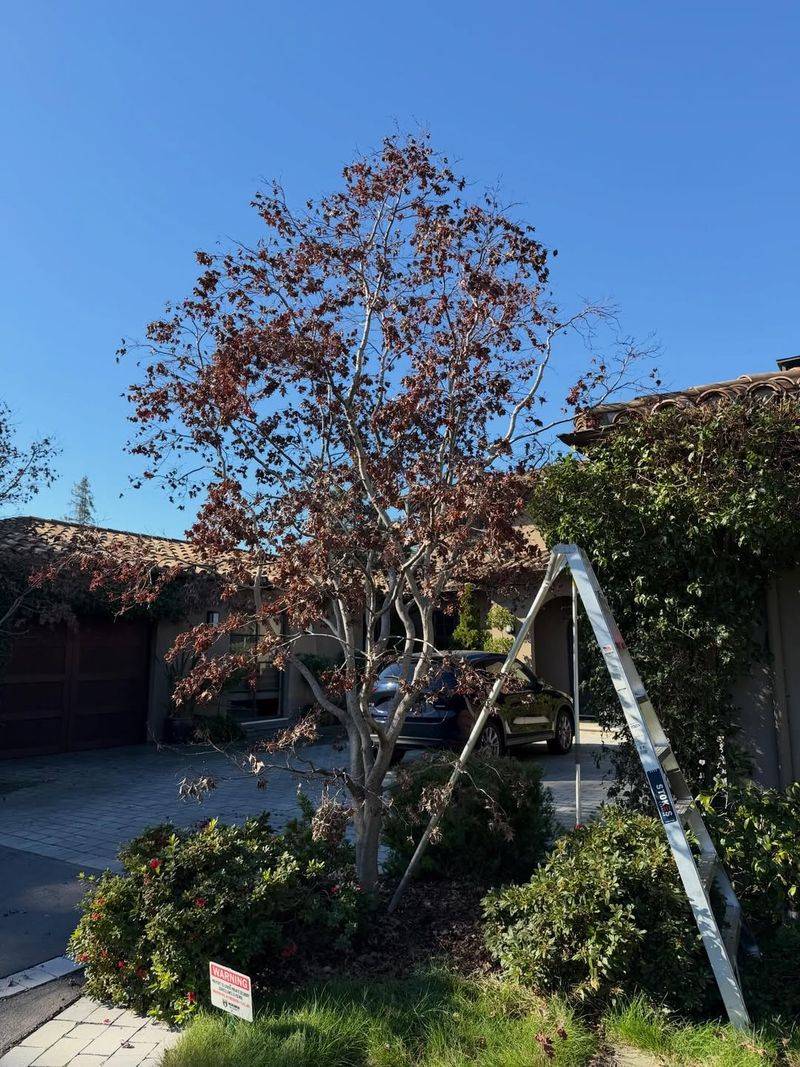
Dense canopies act like snow catchers that hold far more weight than the tree can support. When branches are packed tightly together, snow can’t fall through naturally and instead builds up into heavy masses.
Thinning creates openings that allow snow to pass through the canopy rather than accumulating on every surface.
Proper thinning removes entire branches back to their point of origin rather than just shortening them. This maintains the tree’s natural shape while reducing density.
Colorado homeowners often make the mistake of just trimming branch tips, which creates bushy regrowth that makes the problem worse next season.
Air circulation improves dramatically when you thin a crowded canopy, which helps prevent disease. Better airflow means branches dry faster after rain or snow, reducing the chance of fungal infections.
Healthy branches are stronger and more flexible, making them better equipped to handle winter weather stress.
Light penetration increases through a thinned canopy, which strengthens the remaining branches. Branches that receive adequate sunlight develop thicker wood and better structure.
This improved strength helps them support their own weight plus snow load without bending excessively or breaking.
Start thinning from the top of the tree and work downward to maintain balance. Removing too much from one area creates an uneven canopy that catches wind and snow unevenly.
Colorado’s strong winds can topple unbalanced trees during winter storms, especially when combined with heavy snow on one side.
Interior branches that receive little light should be prioritized for removal during thinning. These branches contribute little to the tree’s health and take up space where snow accumulates.
Removing them opens up the canopy without changing the tree’s overall appearance from the outside.
5. Prune Weak Or Damaged Wood That Snaps Under Weight
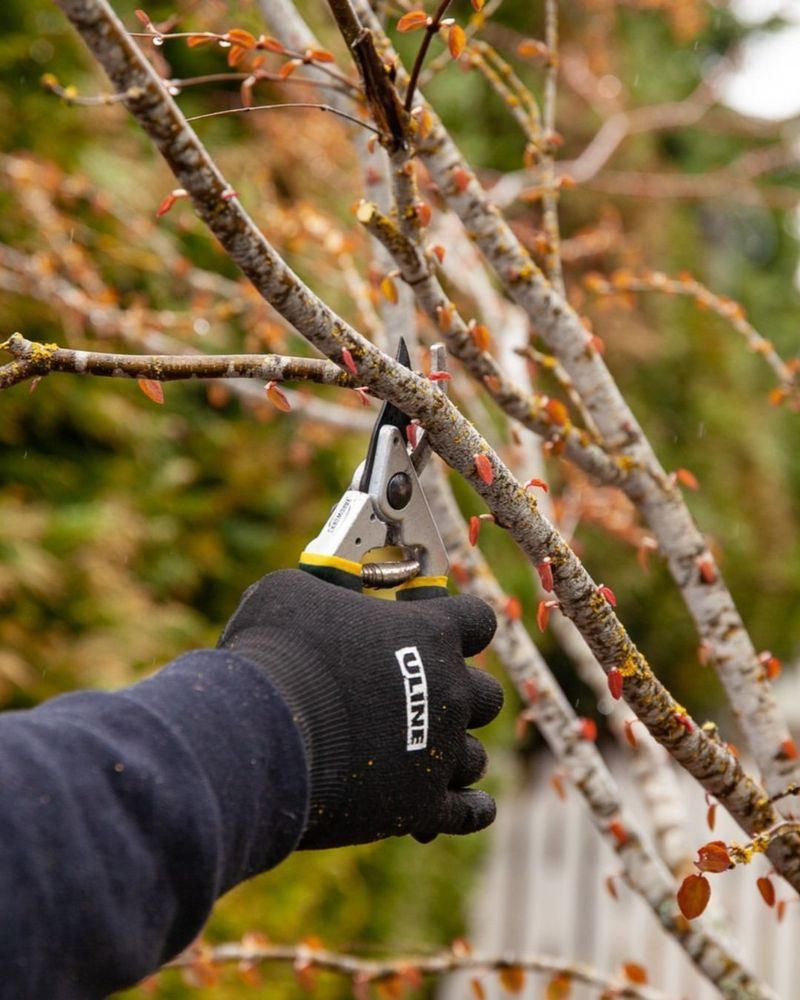
Compromised wood loses its structural integrity and becomes a liability during winter storms. Branches affected by disease, insect damage, or previous injury lack the strength to support even moderate snow loads.
These branches snap unpredictably and often fall in dangerous directions, threatening people and property below.
Identifying damaged wood requires looking for specific signs that indicate structural problems. Cracks in the bark, hollow-sounding areas when tapped, and fungal growth all signal internal decay.
Colorado’s dry climate sometimes hides these problems because external bark can look fine while the interior is rotted.
Broken stubs from previous damage need immediate attention before winter arrives. These jagged remnants collect moisture and snow, which accelerates decay into the main trunk.
Proper pruning removes the entire stub back to healthy wood, allowing the tree to seal the wound and prevent further deterioration.
Hanging branches that didn’t completely break off during past storms are extremely dangerous. They’re already weakened and held by just a strip of bark or wood.
Additional snow weight will finish the job and send them crashing down without warning.
Woodpecker damage indicates insect activity inside the branch, which means the wood is already compromised. Birds drill holes to reach beetles and other pests that burrow into weakened wood.
These branches have lost significant strength and should be removed before they become snow-load casualties.
Lightning strikes create hidden damage that may not be visible from the ground.
6. Reduce Long, Top-Heavy Limbs Carefully
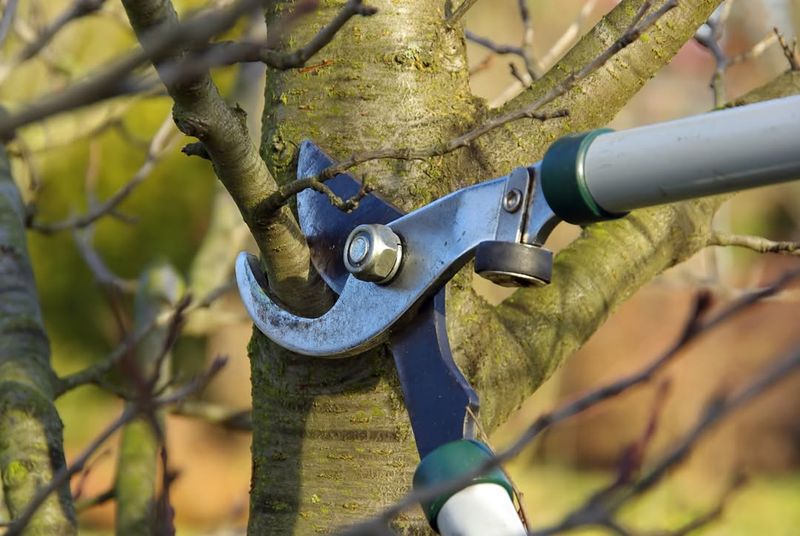
Extended branches act as levers that multiply the force of accumulated snow. The farther out the weight sits from the trunk, the more stress it places on the attachment point.
Physics works against these long limbs during Colorado snowstorms, and they often break at the base rather than just at the tip.
Reduction cuts shorten long branches while maintaining their natural taper and appearance. This technique removes weight from the outer portion without leaving ugly stubs.
Make the cut just above a lateral branch that’s at least one-third the diameter of the branch being removed.
Top-heavy growth patterns develop when trees receive too much fertilizer or water. Rapid growth creates long, weak branches with soft wood that can’t support their own weight plus snow.
Colorado’s native soil conditions naturally limit this type of growth, but landscape irrigation can cause problems.
Branches that extend over roofs need special attention during reduction pruning. These limbs not only threaten your roof under snow load but also deposit leaves and debris in gutters.
Shortening them by 20 to 30 percent significantly reduces risk without dramatically changing the tree’s appearance.
Multiple reduction cuts along a single branch work better than one drastic cut. Removing too much length at once can shock the branch and trigger excessive regrowth.
Gradual reduction over two or three seasons creates a more stable structure that handles snow better while keeping the tree healthy.
Balance matters when reducing long limbs throughout the canopy. Cutting back one side heavily while leaving the other side full creates an uneven tree that catches wind poorly.
7. Avoid Over-Pruning That Triggers Weak Regrowth
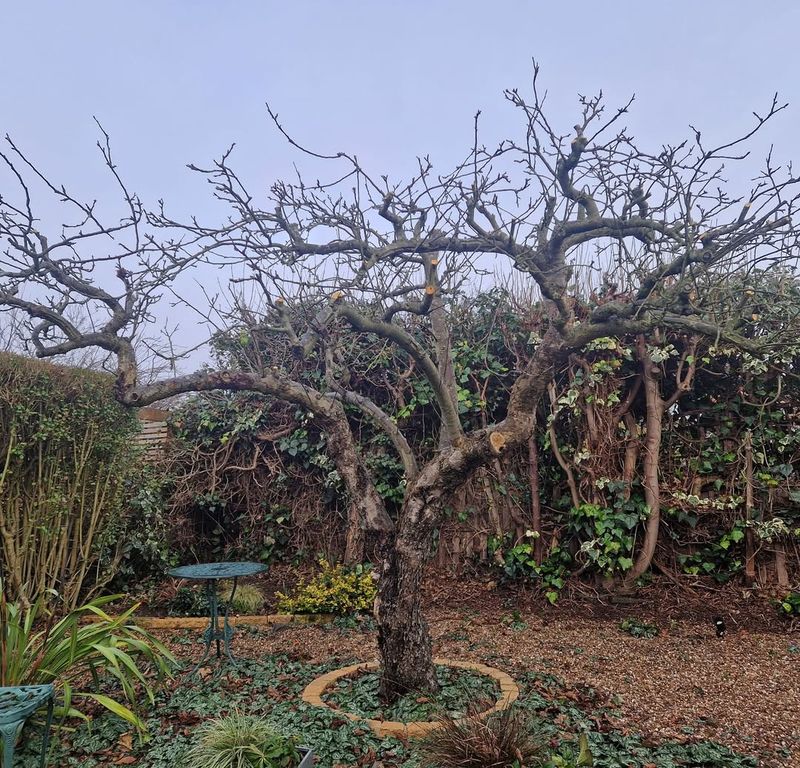
Excessive pruning stresses trees and forces them to produce rapid, weak growth the following season. This survival response creates water sprouts and suckers that grow straight up with poor attachment points.
These fast-growing shoots are even more vulnerable to snow damage than the branches they replace.
Water sprouts emerge from dormant buds on the trunk and major branches after heavy pruning. They grow several feet in a single season but have weak connections to the parent branch.
Colorado trees stressed by over-pruning produce dozens of these sprouts, which become a maintenance nightmare and snow hazard.
Topping trees is the worst form of over-pruning and should never be done. This practice removes the entire top of the tree, destroying its natural structure and creating numerous weak sprouts.
Topped trees never recover their original form and become permanently weakened against snow load.
The 25 percent rule provides a safe guideline for how much live growth to remove annually. Never take off more than one quarter of a tree’s living canopy in a single year.
Colorado’s short growing season means trees need adequate foliage to produce energy for recovery and winter preparation.
Timing affects how severely trees respond to heavy pruning. Cuts made in late fall give trees no time to recover before winter dormancy.
This increases stress and makes them more vulnerable to cold damage, which compounds the problems caused by over-pruning.
Species sensitivity to pruning varies widely among common Colorado trees. Aspens and birches respond poorly to heavy pruning and decline rapidly when over-cut.
Oaks and maples tolerate more pruning but still suffer if too much is removed at once.
8. Time Pruning To Match Colorado’s Seasonal Conditions
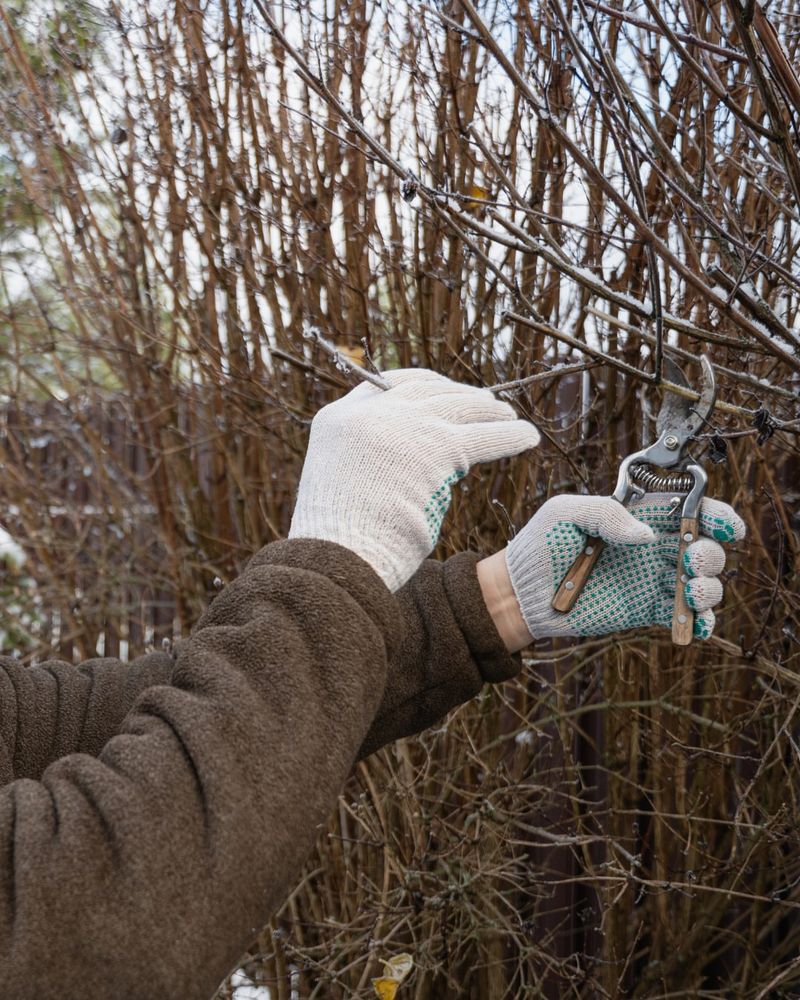
Late winter through early spring offers the best window for most pruning work in Colorado. Trees are dormant, which reduces stress and prevents sap loss from cuts.
Wounds seal quickly once growth resumes in spring, giving trees maximum time to recover before the next winter arrives.
Frozen ground during winter makes it easier to access trees without damaging surrounding landscape. Equipment and ladders cause less soil compaction when the ground is hard.
Colorado’s snow cover also protects dormant grass and plants from being crushed during pruning operations.
Summer pruning should be limited to corrective cuts and emergency situations. Trees are actively growing and losing significant energy through open wounds.
However, summer is an excellent time to identify problem branches because they’re fully leafed out and you can see structural issues clearly.
Fall pruning carries risks that many Colorado homeowners don’t consider. Fresh cuts don’t have time to seal before winter, leaving them exposed to cold damage and disease.
Fungal spores are also abundant in fall, increasing the chance of infection through pruning wounds.
Species-specific timing matters for certain trees that have unique needs. Oaks should never be pruned during spring when oak wilt disease is most active.
Maples and birches bleed sap heavily if pruned in late winter, though this doesn’t harm the tree, just makes a mess.
Storm damage requires immediate attention regardless of season. Broken branches hanging in the canopy pose immediate danger and should be removed promptly.
Colorado’s unpredictable weather means you can’t always wait for the ideal pruning season when safety is at stake.
9. Which Trees Benefit Most From Snow-Focused Pruning
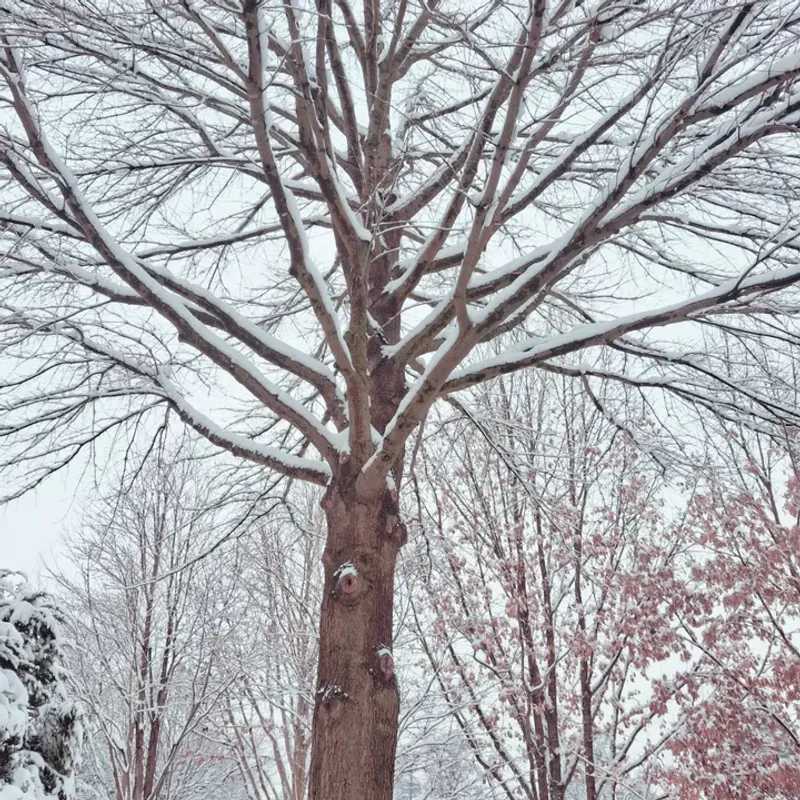
Deciduous trees with broad leaves catch significantly more snow than evergreens with needles. Maples, ashes, and lindens all have horizontal branching patterns that create platforms for snow accumulation.
These species should be prioritized for structural pruning before winter hits Colorado properties.
Fruit trees carry extra risk because their branches are already stressed by crop weight. Apples, cherries, and plums all benefit from thinning that reduces both fruit load and snow load.
Colorado’s growing season allows these trees to produce heavy crops that weaken branches before winter even begins.
Cottonwoods and willows have naturally weak wood that breaks easily under snow load. These fast-growing species develop long branches that extend far from the trunk.
Regular reduction pruning helps manage their tendency toward top-heavy growth that fails during winter storms.
Ornamental trees planted in landscapes often have poor structure compared to native species. Bradford pears and many flowering cherries have weak branch angles that split under snow weight.
These trees require more frequent and careful pruning than naturally strong species.
Evergreens generally handle snow better but still benefit from selective pruning. Spruces and firs with multiple leaders should have competing tops removed.
Pines with overgrown lower branches need thinning to prevent snow from weighing down and breaking these limbs.
Young trees of any species need training pruning to develop strong frameworks. Establishing proper branch angles and spacing during the first ten years prevents snow-related problems for the tree’s entire life.