These Landscaping Trends Are Changing How North Carolina Yards Look In 2026
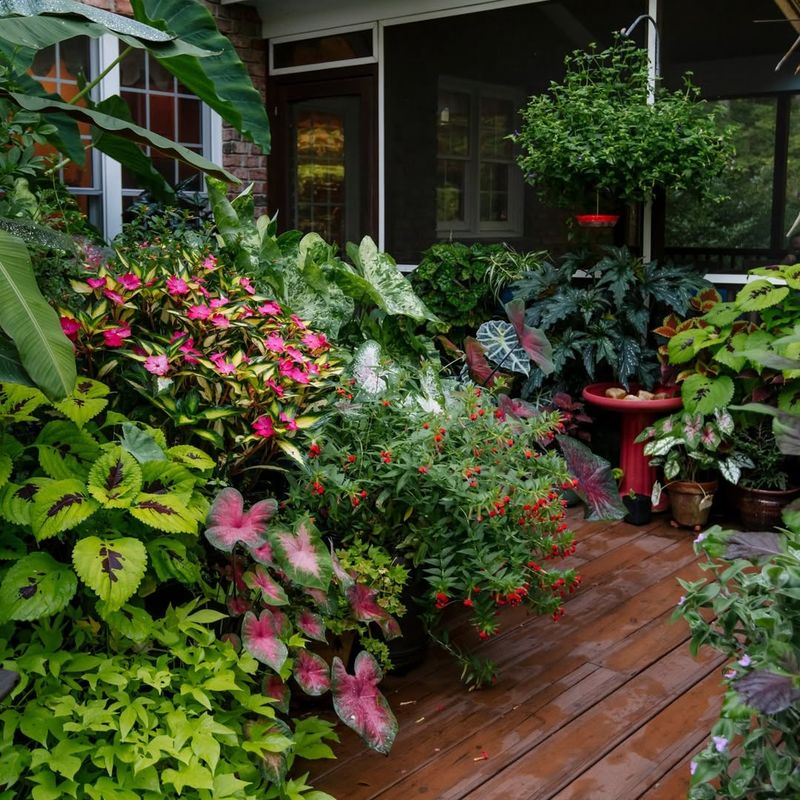
North Carolina yards are starting to look unmistakably modern and purposeful in 2026, moving beyond traditional beds into designs that feel thought-through and lived-in from the moment you step outside.
Clean lines, layered textures, and intentional use of space are quietly replacing sprawling, filler-heavy plantings in backyards and front borders alike.
Many homeowners have begun favoring plant groupings that feel deliberate rather than scattered, creating rhythm and visual flow that works with the state’s changing seasons.
Color schemes are also shifting, with softer palettes and foliage contrast taking priority over the “flower every inch” approach of the past.
Hardscaping feels less like an afterthought and more like part of the garden story, blending materials such as warm stone, smooth pavers, and natural wood to create spaces that feel cohesive.
Outdoor living areas are becoming more common as gardens expand into rooms for dining, relaxing, and entertaining without sacrificing green space.
Sustainable practices like drought-tolerant plants, permeable surfaces, and water-wise irrigation are moving from niche trends into standard priorities.
Vertical interest, whether through layered beds or artistic trellises, is reshaping yards where horizontal space is limited.
Instead of gardens that simply fill space, North Carolina landscapes in 2026 feel curated, purposeful, and built to be enjoyed every season.
1. Native Plants Are Taking Priority Over Imported Varieties
Homeowners across North Carolina are discovering that native plants offer benefits imported species simply cannot match. These plants evolved alongside local wildlife, weather patterns, and soil conditions, making them naturally suited to thrive without constant intervention.
They require less water, fewer fertilizers, and minimal pest control compared to non-native alternatives.
Choosing native varieties also supports local ecosystems in ways that go beyond aesthetics. Birds, butterflies, and beneficial insects rely on these plants for food and shelter.
When yards feature native species, they become part of a larger network that sustains regional biodiversity.
Many gardeners in the state are now replacing traditional ornamental shrubs with options like Carolina jessamine, beautyberry, and switchgrass. These plants bring color, texture, and seasonal interest while requiring far less upkeep.
Their deep root systems help prevent erosion, which is especially valuable in areas prone to heavy rain.
Nurseries throughout North Carolina have responded by expanding their native plant selections. Customers are asking more questions about origin, growth habits, and ecological impact.
This shift reflects a broader understanding that landscaping choices have real environmental consequences.
Native plants also tend to be more resilient during droughts and temperature swings. Their adaptability means fewer replacements and lower long-term costs.
For homeowners looking to reduce maintenance while supporting local habitats, native species are becoming the clear choice.
2. Lawns Are Shrinking As Plant Beds Expand
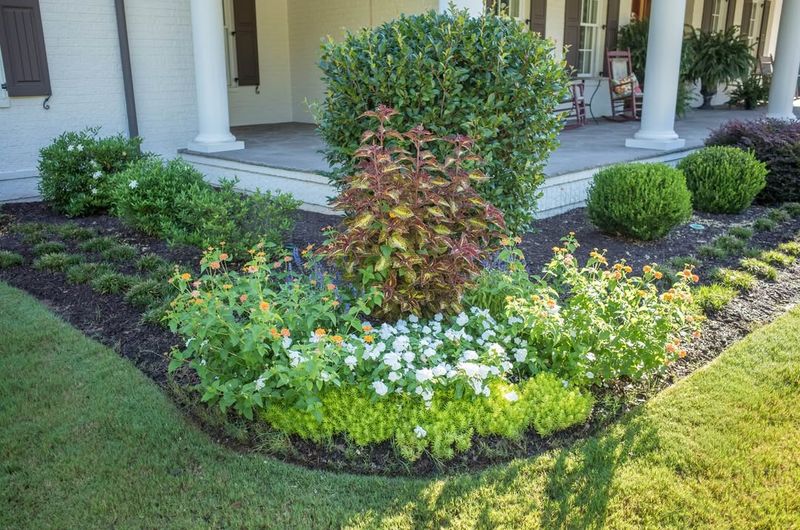
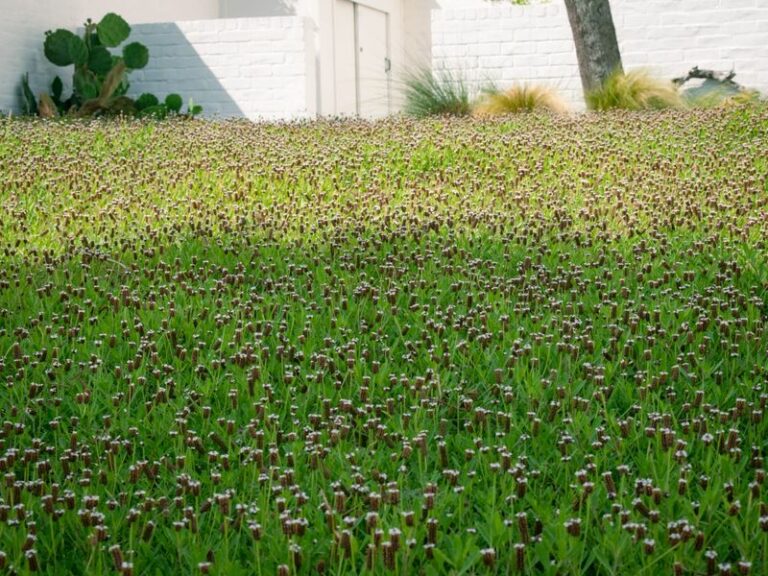
Traditional grass lawns have dominated American yards for decades, but that trend is reversing in North Carolina. More homeowners are reducing turf areas and replacing them with diverse plant beds filled with perennials, groundcovers, and flowering shrubs.
This change cuts down on mowing time, water usage, and chemical treatments.
Smaller lawns also create opportunities for more interesting landscape designs. Instead of a flat green expanse, yards now feature layered plantings with varying heights, colors, and textures.
Your North Carolina Garden Changes Every Week. Your Plan Should Too.
Gardening in North Carolina changes quickly throughout the season. Every Friday you’ll receive a simple weekly plan showing exactly what to plant, prune, fertilize, harvest, and protect so you never miss the right timing.
These gardens provide visual interest throughout the year and attract pollinators that benefit the entire neighborhood.
Many residents are converting unused lawn sections into vegetable gardens, rain gardens, or wildflower meadows. These spaces serve practical purposes while adding beauty and function.
Rain gardens, for example, help manage stormwater runoff, which is a growing concern in urban and suburban areas across the state.
Maintenance costs drop significantly when grass is removed. Mowing, edging, fertilizing, and watering all require time and money.
Expanding plant beds reduces these tasks while creating habitats for beneficial insects and small wildlife.
North Carolina’s climate supports a wide range of plants that thrive in beds rather than turf. From hostas in shaded areas to coneflowers in sunny spots, the options are plentiful.
Homeowners are embracing this flexibility and discovering that less lawn often means more enjoyment.
3. Pollinator-Friendly Yards Are Becoming The New Standard
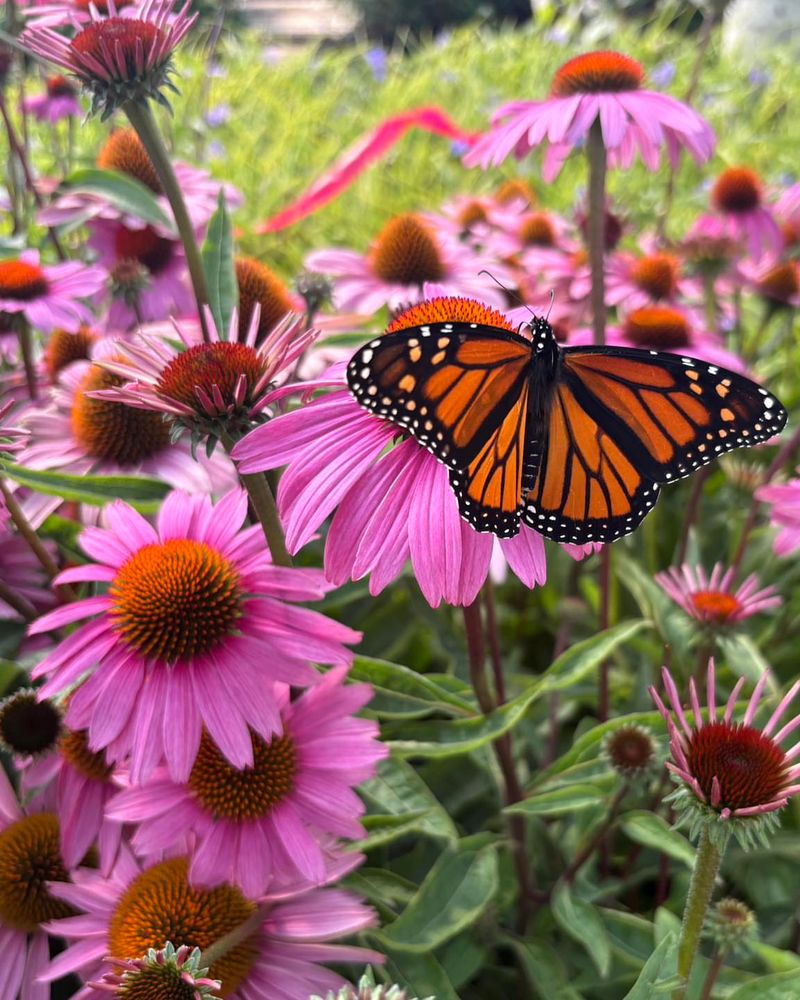
Awareness about pollinator decline has reached North Carolina homeowners, and many are taking action in their own yards. Bees, butterflies, and hummingbirds play critical roles in food production and ecosystem health.
Creating spaces that support these creatures is now seen as both a responsibility and an opportunity.
Planting flowers that bloom at different times ensures pollinators have food sources throughout the growing season. Early bloomers like crocuses and later varieties like asters provide nectar and pollen when other options are scarce.
This seasonal diversity makes yards more valuable to wildlife.
Many gardeners in the state are avoiding pesticides and herbicides that harm beneficial insects. Instead, they rely on companion planting, natural predators, and organic methods to manage pests.
This approach creates healthier environments for both plants and pollinators.
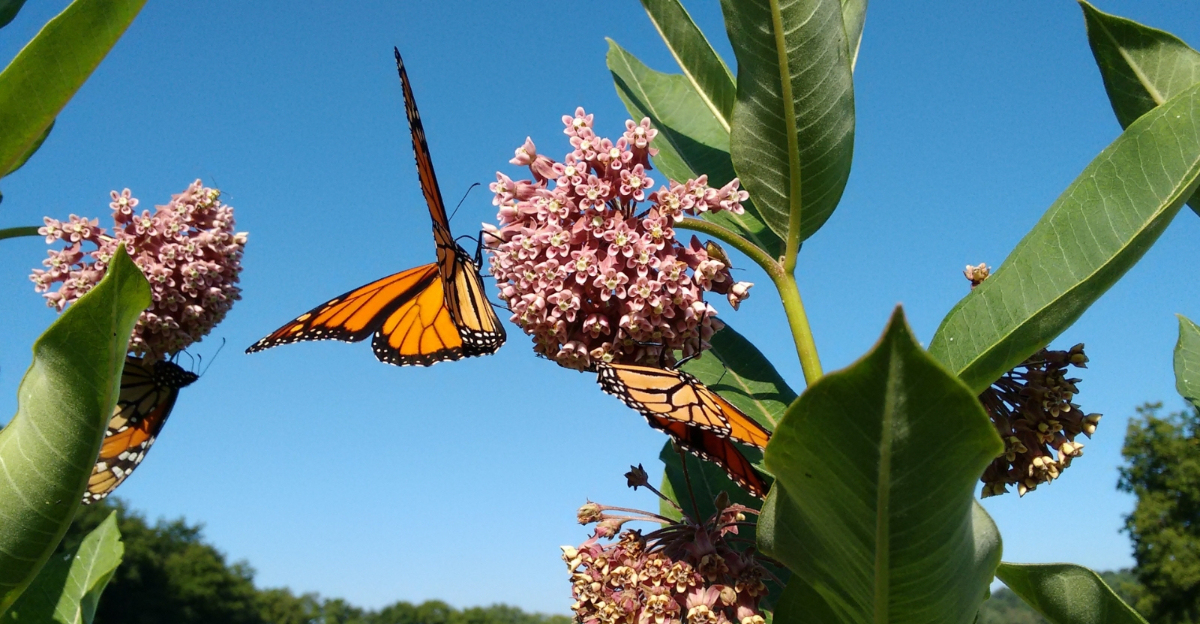
Incorporating host plants for caterpillars is another key strategy. Monarch butterflies, for example, need milkweed to complete their life cycle.
By including these plants, homeowners directly contribute to species survival. It is a simple change with meaningful impact.
Water sources also matter. Shallow dishes with pebbles or small birdbaths give pollinators safe places to drink.
These features are easy to add and make yards more welcoming. North Carolina residents are discovering that pollinator-friendly landscaping is not only good for the environment but also brings more life and movement to outdoor spaces.
4. Low-Maintenance Landscapes Are Replacing High-Upkeep Designs
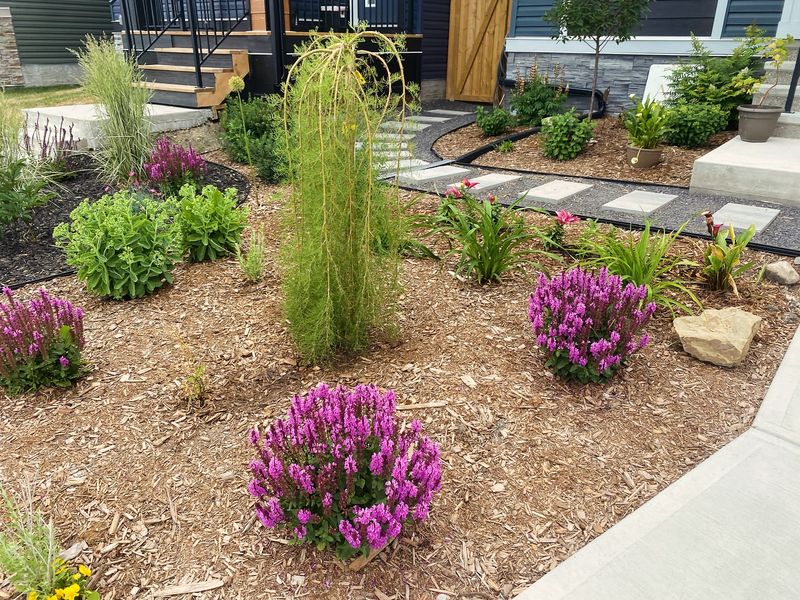
Busy schedules and rising costs are pushing North Carolina homeowners toward landscapes that require minimal effort. High-maintenance designs with fussy annuals, manicured hedges, and constant pruning are giving way to simpler, more sustainable approaches.
The goal is to enjoy outdoor spaces without spending every weekend working in them.
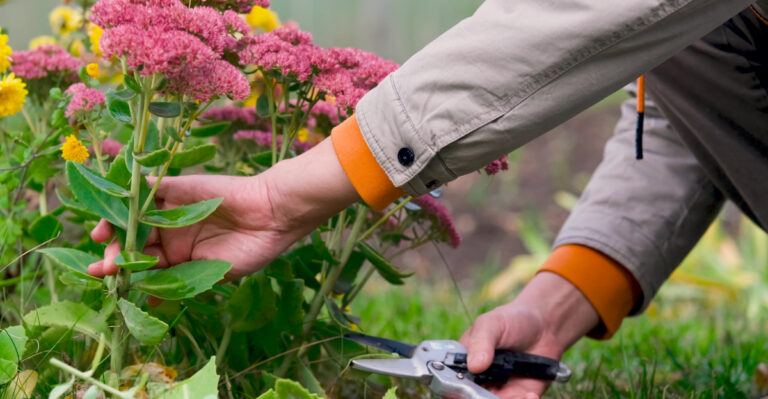
Perennials are taking center stage because they return year after year without replanting. Once established, they need little more than occasional watering and a yearly trim.
This makes them ideal for people who want color and texture without constant attention.
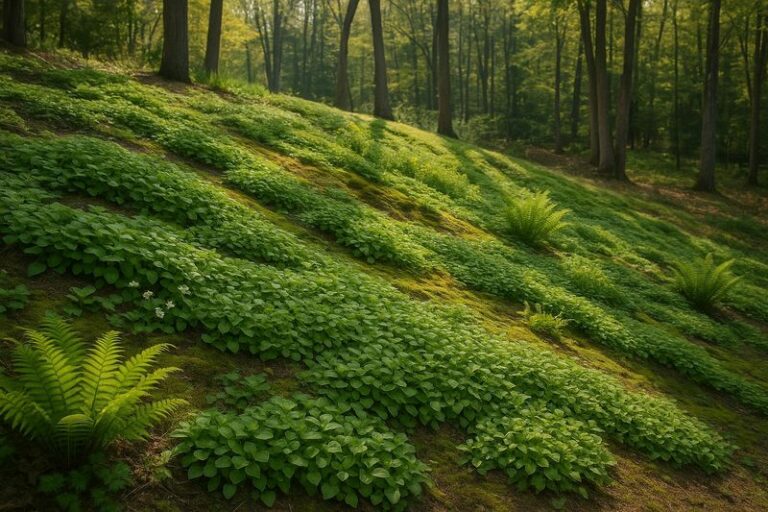
Groundcovers are replacing mulch in many areas. Plants like creeping thyme and sedum spread naturally, suppress weeds, and add visual interest.
They also reduce the need for annual mulch purchases and application, saving both time and money.
Hardscaping elements like stone pathways, gravel beds, and raised planters are becoming more common. These features add structure and reduce the amount of planting area that needs regular care.
They also improve drainage and create defined spaces within the yard.
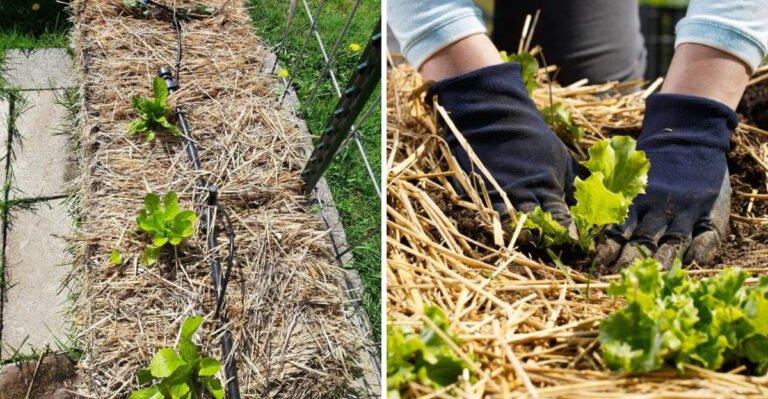
Automated irrigation systems are helping homeowners in the state maintain healthy landscapes with less effort. Drip lines and timers ensure plants get the water they need without daily hand-watering.
This technology makes low-maintenance landscaping even more practical and efficient.
5. Shade Trees Are Being Planted With Cooling In Mind
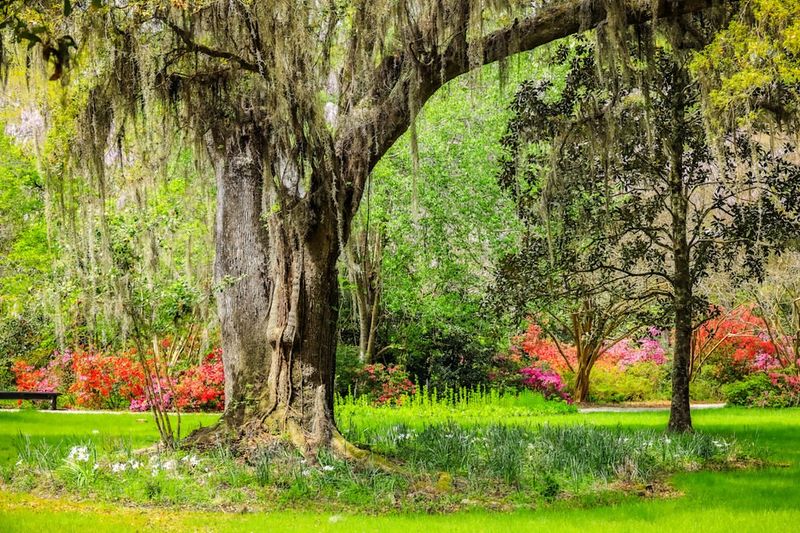
Rising temperatures are making North Carolina summers feel longer and hotter. Homeowners are responding by planting shade trees strategically to cool their properties.
Trees on the west and south sides of homes block afternoon sun, reducing indoor temperatures and lowering air conditioning costs.
Shade trees also create comfortable outdoor spaces where families can relax during warm months. Patios, decks, and play areas become usable for more hours of the day when shaded by mature canopy trees.
This extends the enjoyment of outdoor living areas significantly.
Species like oak, maple, and tulip poplar are popular choices in the state. These trees grow large enough to provide substantial shade while offering seasonal beauty through changing leaves.
They also support wildlife by providing nesting sites and food sources.
Proper placement is essential for maximizing cooling benefits. Trees planted too close to structures can cause foundation or roof issues, while those placed too far away offer limited shade.
Working with local extension services or landscape professionals helps ensure smart placement decisions.
Young trees need care during their first few years, but the long-term payoff is substantial. As they mature, they increase property values, improve air quality, and reduce energy costs.
North Carolina homeowners are viewing shade trees as investments that provide returns for decades.
6. Perennials Are Replacing Seasonal Replanting Cycles
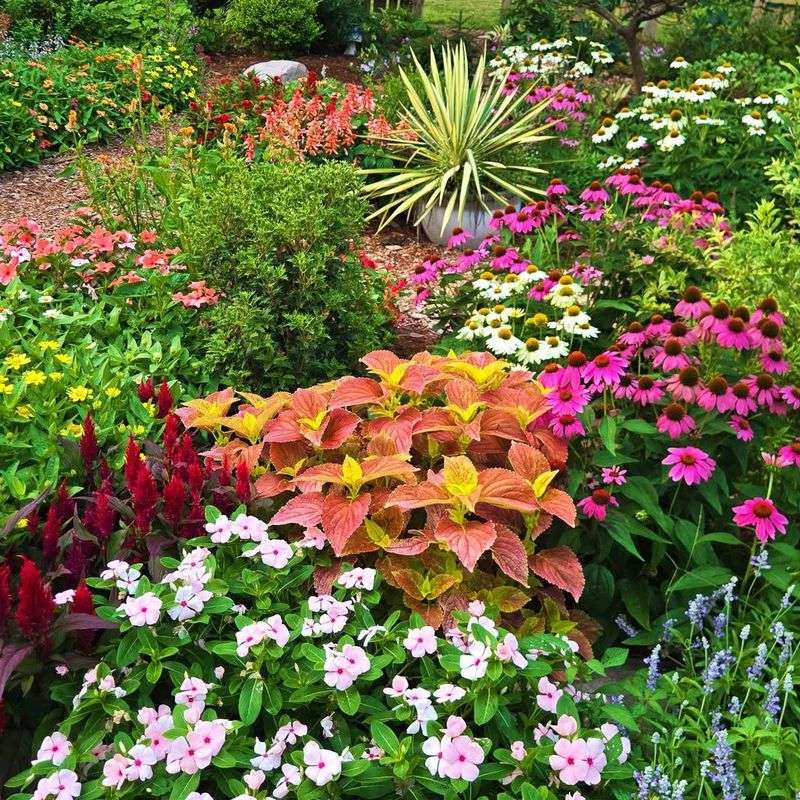
Annual flowers require replanting every spring, which means ongoing expense and labor. North Carolina gardeners are moving away from this model and filling beds with perennials that come back reliably each year.
This shift reduces costs and simplifies garden maintenance significantly.
Perennials offer more than convenience. Many varieties grow larger and more robust over time, creating fuller, more established-looking gardens.
They also develop deeper root systems that improve drought tolerance and soil structure.
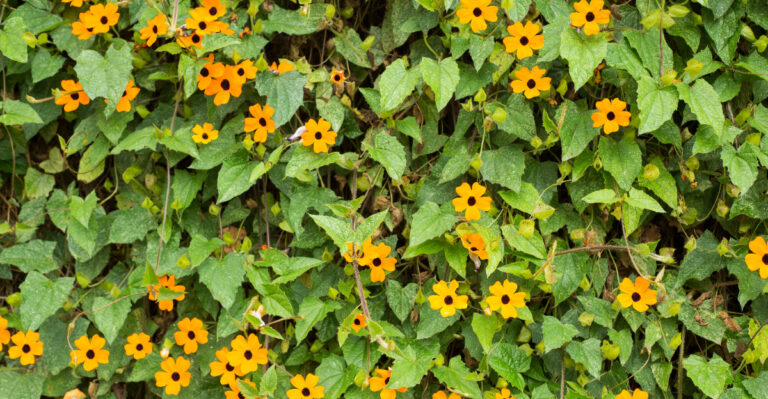
Popular perennial choices in the state include black-eyed Susans, daylilies, and salvia. These plants thrive in local conditions and provide blooms from spring through fall.
Their long flowering periods mean less need for seasonal replacements to keep color in the landscape.
Dividing perennials every few years allows gardeners to propagate new plants for free. This makes it easy to expand garden areas or share with neighbors.
It is a sustainable practice that builds community connections while beautifying yards.
While perennials may have higher upfront costs than annuals, the long-term savings are substantial. After the initial investment, they require minimal input beyond basic care.
North Carolina homeowners appreciate the financial and environmental benefits of this approach, and gardens filled with perennials are becoming the norm rather than the exception.
7. Naturalistic Layouts Are Replacing Formal Symmetry
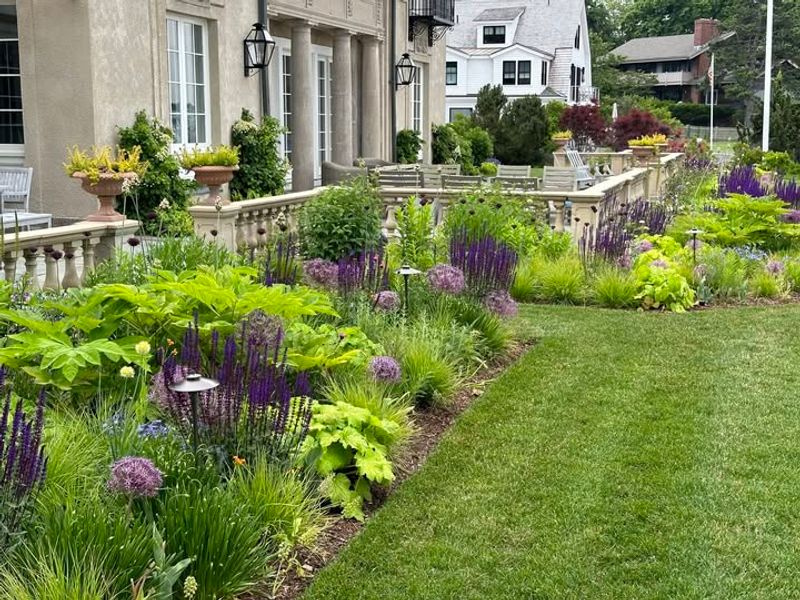
Stiff, symmetrical landscapes with perfectly trimmed hedges and geometric beds are losing favor in North Carolina. Homeowners are embracing designs that mimic natural environments, with flowing curves, mixed plantings, and organic shapes.
These layouts feel more relaxed and integrate better with surrounding landscapes.
Naturalistic designs also support ecological health. Mixed plantings with diverse species attract a wider range of wildlife and create more resilient ecosystems.
This approach reduces pest problems naturally because predators and beneficial insects have habitats to thrive.
Curved pathways and irregular bed shapes guide the eye through the landscape in a more interesting way than straight lines. They create a sense of discovery and make yards feel larger.
This design philosophy turns outdoor spaces into places people want to explore rather than just view from a distance.
Layering plants by height and bloom time adds depth and visual interest. Tall grasses, mid-height perennials, and low groundcovers create a tapestry effect that changes throughout the seasons.
This complexity is more engaging than flat, formal arrangements.
Many North Carolina residents are working with landscape designers who specialize in naturalistic styles. These professionals understand local ecosystems and know how to create beautiful, functional spaces that feel connected to the region.
The result is yards that look intentional yet effortless, blending human design with natural beauty.
8. Outdoor Living Spaces Blend More Seamlessly Into Yards
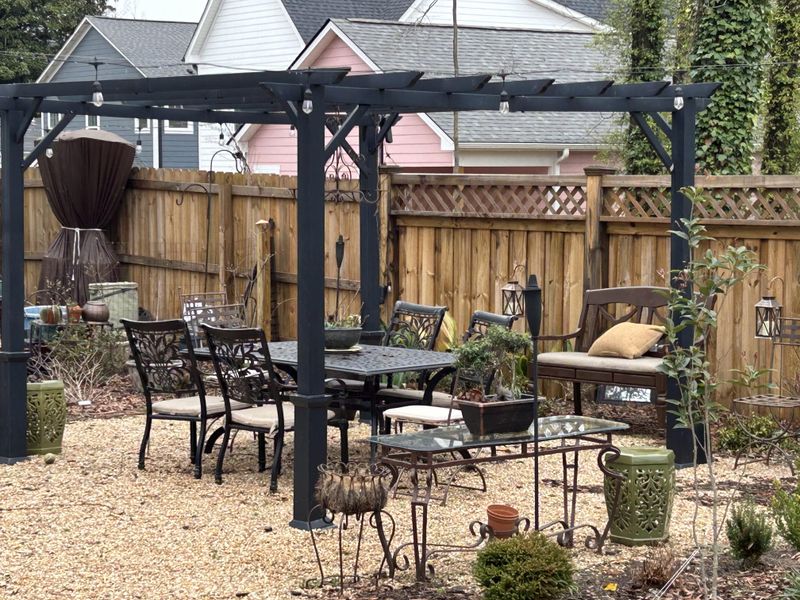
Patios and decks are no longer separate from the rest of the landscape. North Carolina homeowners are creating outdoor living areas that flow naturally into surrounding plantings.
This integration makes spaces feel larger and more cohesive, blurring the line between built and natural environments.
Using materials that complement the landscape helps achieve this seamless look. Natural stone, wood, and gravel connect hardscaped areas to garden beds.
These materials age gracefully and develop character over time, enhancing the overall aesthetic.
Planting around the edges of patios and decks softens hard lines and adds privacy. Tall grasses, flowering shrubs, and climbing vines create green walls that make outdoor rooms feel enclosed yet open to nature.
This approach increases comfort and usability.
Incorporating elements like fire pits, water features, and built-in seating extends the functionality of outdoor spaces. These features encourage people to spend more time outside, enjoying the landscape they have created.
They also add focal points that draw the eye and create gathering spots.
Lighting plays a key role in blending outdoor living areas with the broader yard. Low-voltage path lights, uplighting on trees, and string lights create ambiance while highlighting landscape features.
North Carolina residents are discovering that thoughtful lighting extends the use of outdoor spaces into evening hours and makes yards feel magical after dark.
9. Soil Health Is Influencing Plant And Design Choices
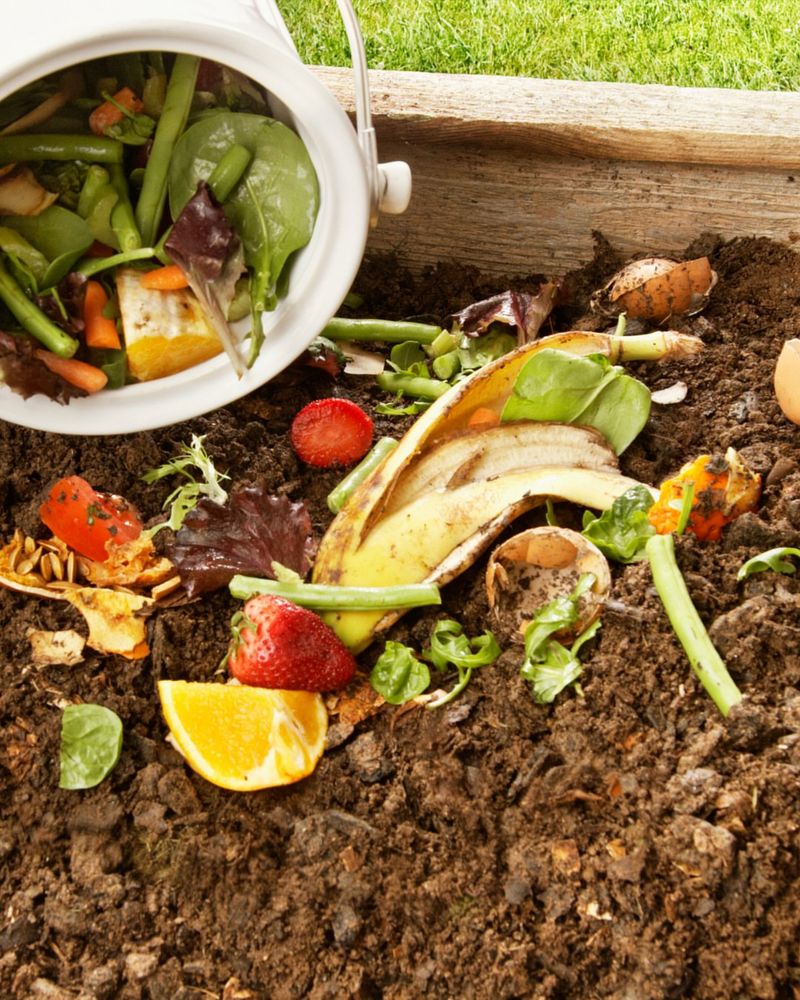
Healthy soil is the foundation of successful landscaping, and North Carolina homeowners are paying more attention to what lies beneath their plants. Soil testing has become more common, helping gardeners understand pH levels, nutrient content, and organic matter.
This information guides plant selection and amendment strategies.
Adding compost and organic matter improves soil structure, water retention, and microbial activity. These improvements benefit plants of all types and reduce the need for synthetic fertilizers.
Healthier soil also supports stronger root systems, which makes plants more resilient to stress.
Many residents in the state are avoiding tilling, which disrupts soil structure and harms beneficial organisms. Instead, they use mulching and no-till methods that protect and build soil over time.
This approach aligns with sustainable gardening practices and produces better long-term results.
Understanding soil types helps homeowners choose plants that will thrive without constant amendments. Clay-tolerant species work well in heavy soils, while sandy areas benefit from drought-resistant varieties.
Matching plants to existing conditions reduces maintenance and increases success rates.
Cover cropping and green manures are being used in vegetable gardens and newly established beds. These practices add nutrients naturally and prevent erosion during off-seasons.
North Carolina gardeners are learning that investing in soil health pays dividends in plant performance, reduced inputs, and more beautiful landscapes.
10. Climate-Resilient Plants Are Shaping Long-Term Yard Planning
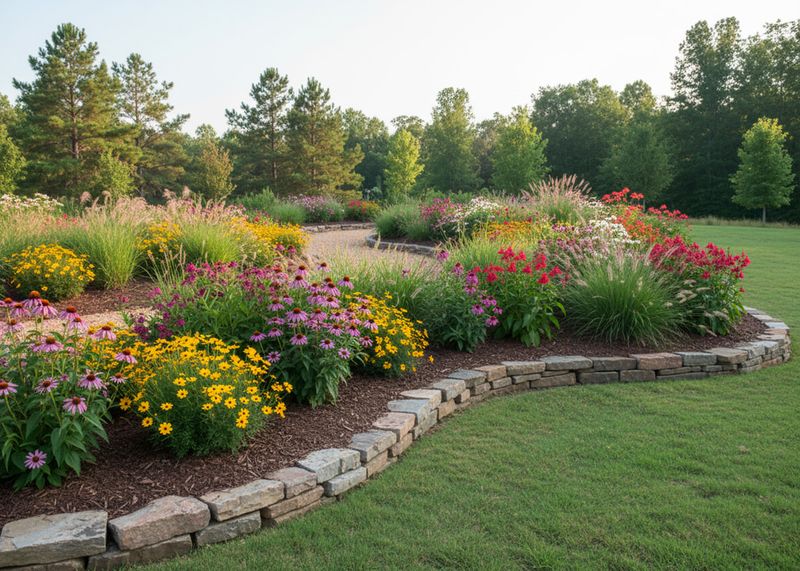
Climate unpredictability is influencing plant choices across North Carolina. Homeowners are selecting species that can handle temperature extremes, irregular rainfall, and shifting seasons.
This forward-thinking approach ensures landscapes remain attractive and functional even as conditions change.
Drought-tolerant plants are becoming standard in many yards. Species like coneflowers, sedums, and ornamental grasses require minimal watering once established.
These plants help conserve water and reduce the stress of maintaining gardens during dry spells.
Cold-hardy varieties are also gaining popularity, especially as unexpected late frosts become more common. Choosing plants with broader temperature tolerances provides insurance against weather surprises.
This strategy protects investments and reduces the need for frequent replacements.
Native plants naturally offer climate resilience because they evolved in the region. They have adapted to local weather patterns over centuries, making them reliable choices for long-term planning.
Many North Carolina gardeners are prioritizing natives for this reason.
Landscape designers in the state are incorporating climate projections into their plans. They consider factors like increased storm intensity, longer growing seasons, and heat island effects in urban areas.
This professional guidance helps homeowners create landscapes that will thrive for years to come, regardless of how the climate shifts.