10 Houseplants Ready For A Late-Winter Reset In Washington Homes
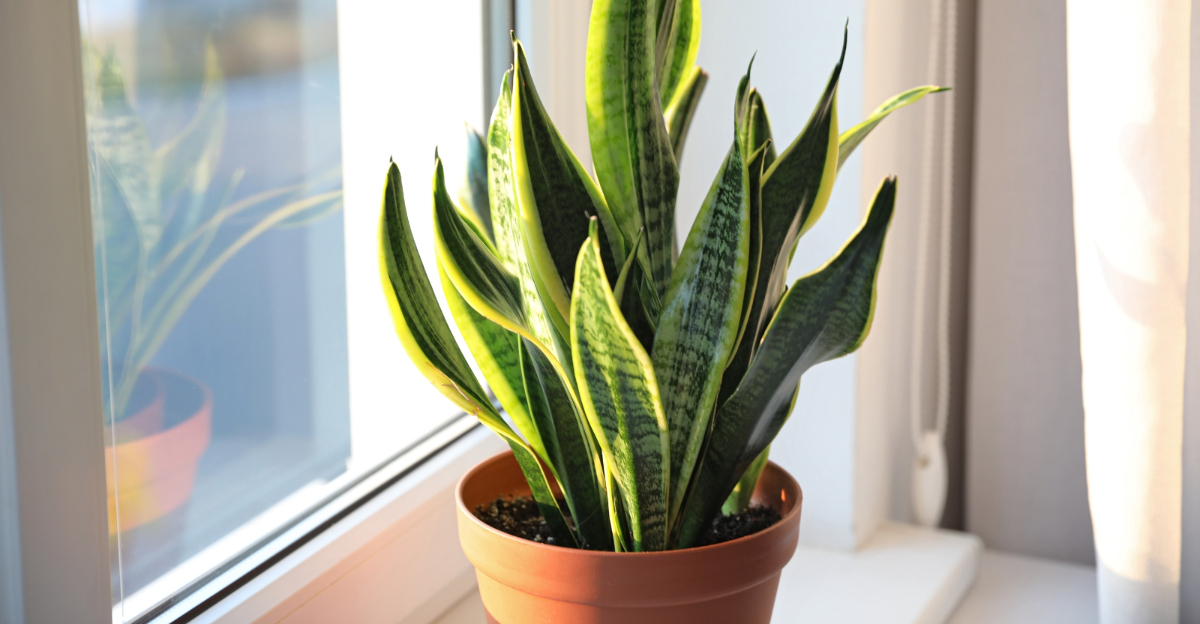
Late winter is when houseplants in Washington homes quietly reach a breaking point, even though most of them still look alive enough to ignore.
Months of low light, indoor heating, and stagnant growth start catching up all at once, slowing plants down in ways that aren’t immediately obvious.
Leaves lose their energy, roots sit in tired soil too long, and growth pauses without giving clear signals about what went wrong.
Many homeowners keep treating plants the same way they did in early winter, not realizing conditions inside the home have already shifted.
This short window before spring matters more than people think because plants are waking up slowly and deciding how strong their next growth cycle will be.
Small corrections made now can undo weeks of stress and prevent long-term problems that usually show up later.
Ignoring this moment often leads to leggy stems, uneven growth, and plants that struggle well into spring.
A late-winter reset gives plants a chance to clear out fatigue and re-balance before active growth begins. It’s the difference between plants catching up slowly or moving forward with strength.
The plants that respond best during this period are often the ones that feel completely different once spring light finally returns.
1. Snake Plant
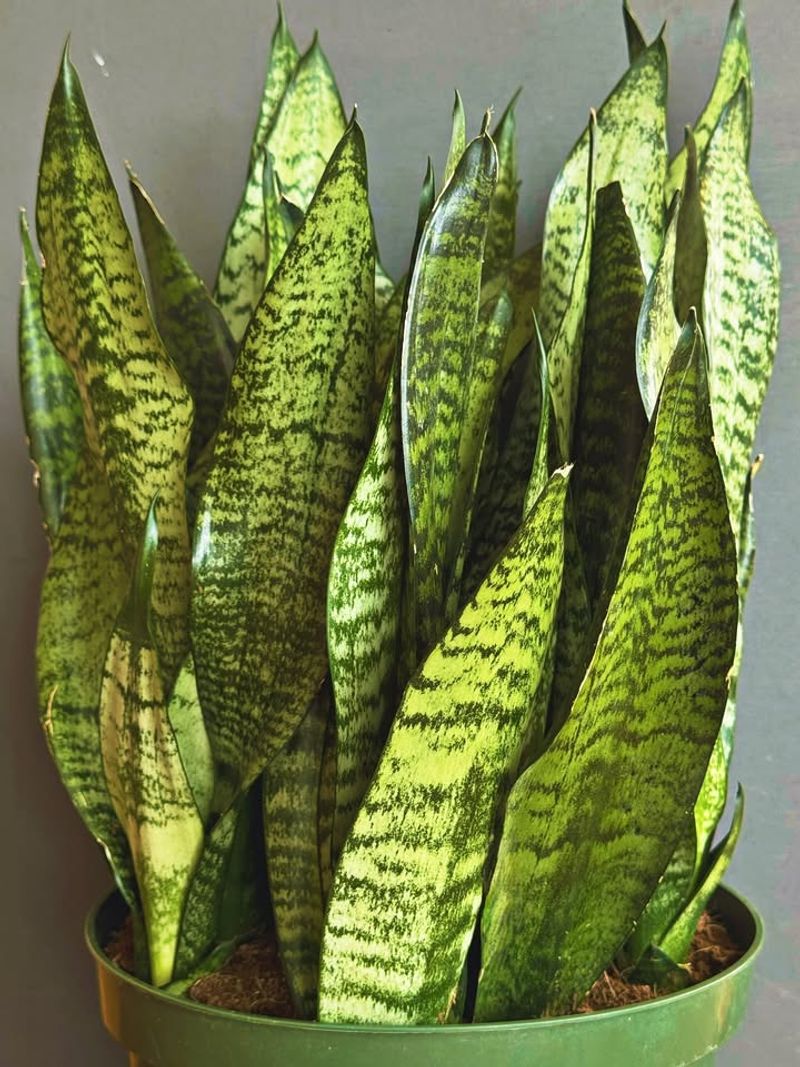
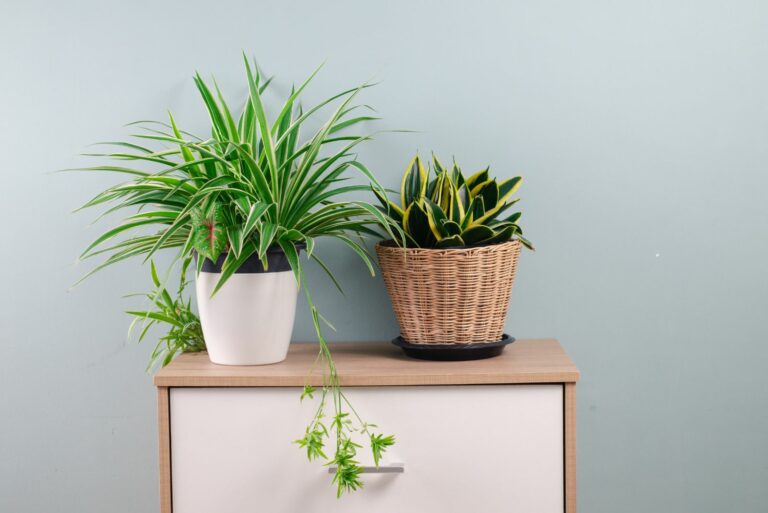
Washington winters bring challenges that many houseplants struggle with, but this sturdy succulent handles them like a champion. Its thick, upright leaves store water efficiently, making it forgiving when you forget to water during busy winter weeks.
Indoor heating systems can dry out the air in your home, yet this plant barely notices the change.
Late winter offers an ideal moment to check for root crowding and refresh the soil. Remove any damaged or yellowing leaves near the base to encourage new growth.
Dust accumulates on those tall, sword-like leaves throughout winter, so wiping them down helps the plant breathe better and absorb more light.
Moving it closer to a window can make a big difference as February sunlight starts to strengthen across Washington. These plants tolerate low light but appreciate brighter conditions when available.
A slightly warmer spot away from cold drafts will help it wake up from its winter dormancy.
Repotting into a container just one size larger gives roots room to expand without overwhelming the plant. Use well-draining cactus or succulent mix to prevent moisture problems.
Fresh soil provides nutrients that have been depleted over the previous growing season.
Watering needs remain minimal even as spring approaches, so let the soil dry completely between waterings. Overwatering causes more problems than underwatering with this resilient species.
Check the soil with your finger before adding any moisture to avoid root issues.
Washington homes often have temperature fluctuations near windows during late winter nights. This plant handles cooler temps better than most tropical varieties.
Keep it away from heating vents that blast hot, dry air directly onto the foliage.
2. Pothos
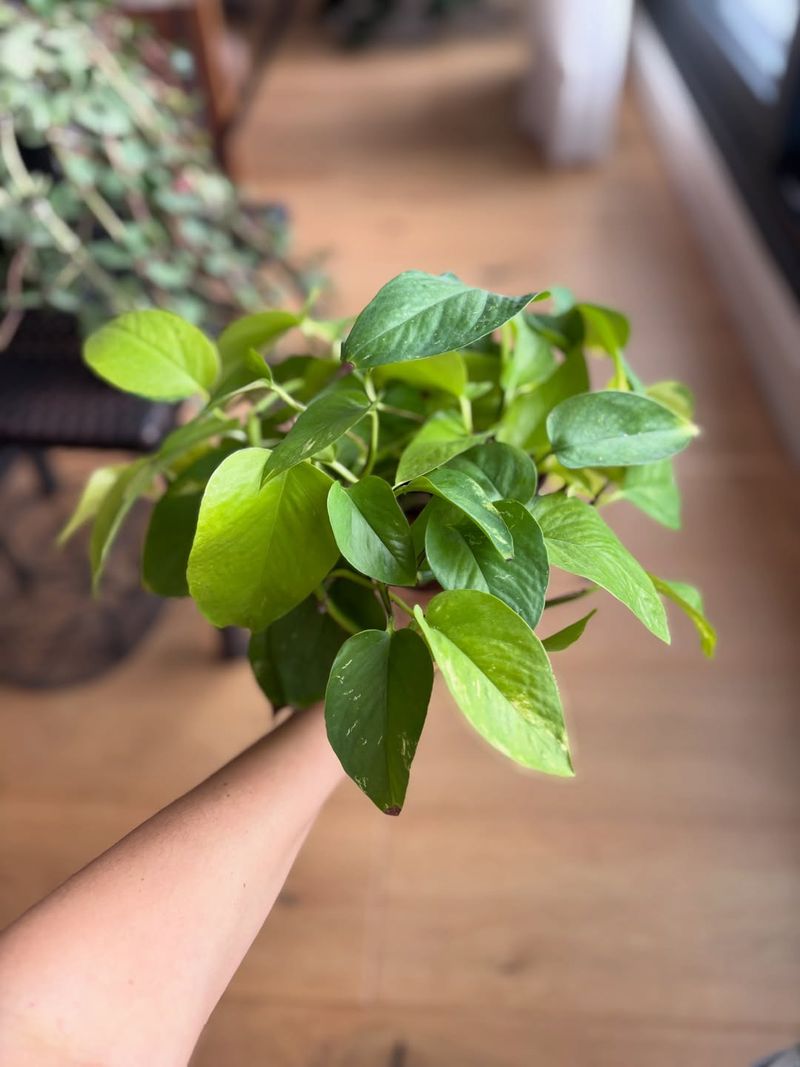
Trailing vines can look a bit straggly after months of low light in Washington homes. This classic houseplant grows enthusiastically during warmer months but slows down considerably when winter sets in.
Your Washington Garden Changes Every Week. Your Plan Should Too.
Gardening in Washington changes quickly throughout the season. Every Friday you’ll receive a simple weekly plan showing exactly what to plant, prune, fertilize, harvest, and protect so you never miss the right timing.
Now is the perfect opportunity to trim back leggy stems and encourage fuller, bushier growth as spring approaches.
Pruning might seem scary, but these plants respond beautifully to a good haircut. Cut just above a leaf node, and new growth will branch out from that point.
You can propagate the cuttings in water and watch roots develop within a few weeks.
Dusty leaves block light absorption, so giving your plant a gentle shower helps it function better. The glossy foliage looks much more attractive when clean.
Washington tap water works fine, though letting it sit overnight allows chlorine to dissipate.
Roots may have filled the current pot after a year or more of growth. Check by gently lifting the plant to see if roots are circling the bottom or poking through drainage holes.
Repotting into fresh potting mix gives it a nutritional boost and more space to expand.
These plants tolerate lower light but will show more vibrant variegation with brighter conditions. Move yours closer to a window as daylight hours increase through late winter.
Avoid direct afternoon sun, which can scorch the delicate leaves even through glass.
Watering frequency should increase slightly as growth resumes, but the soil should still dry out between waterings. Stick your finger about an inch deep to test moisture levels.
Yellow leaves often indicate overwatering rather than underwatering.
3. Peace Lily
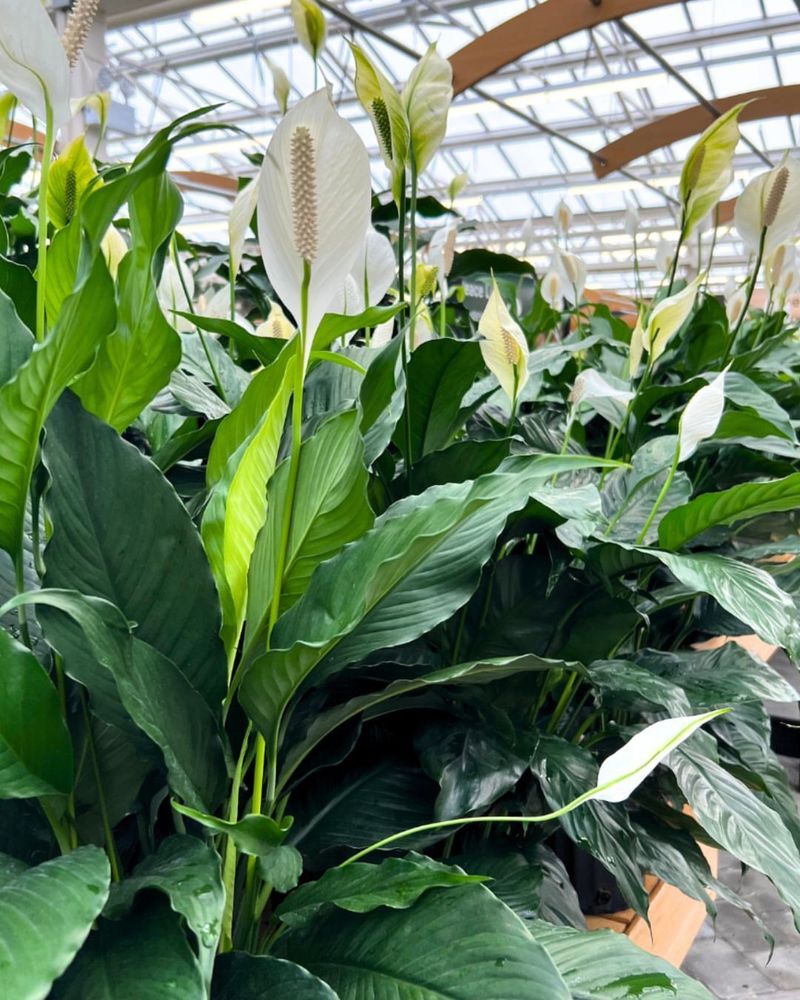
Dramatic white blooms make this plant a favorite, but winter conditions in Washington can leave it looking less than peaceful. Browning leaf tips and drooping foliage are common complaints during the cold months.
Dry indoor air and inconsistent watering both contribute to these issues, but they’re fixable with some attention.
Start your reset by removing any completely brown or yellow leaves at the base. These won’t recover and removing them directs energy toward healthy growth.
Use clean, sharp scissors to make neat cuts close to the soil line without damaging nearby stems.
These plants communicate their water needs clearly by drooping when thirsty. However, letting them wilt repeatedly stresses them unnecessarily.
Check soil moisture regularly and water when the top inch feels dry. They prefer consistently moist soil without sitting in standing water.
Humidity matters more for this tropical beauty than for many other houseplants. Washington homes with forced-air heating can have humidity levels as low as desert climates.
Misting provides temporary relief, but a humidifier or pebble tray offers more consistent moisture in the air.
Late winter is an excellent time to flush the soil if you’ve been watering with tap water for months. Mineral buildup from hard water causes those characteristic brown leaf tips.
Run water through the pot thoroughly, allowing it to drain completely several times.
Repotting becomes necessary when roots emerge from drainage holes or when the plant dries out too quickly after watering. Choose a pot only slightly larger than the current one.
These plants actually bloom better when slightly rootbound, so don’t jump to a huge container.
4. Spider Plant
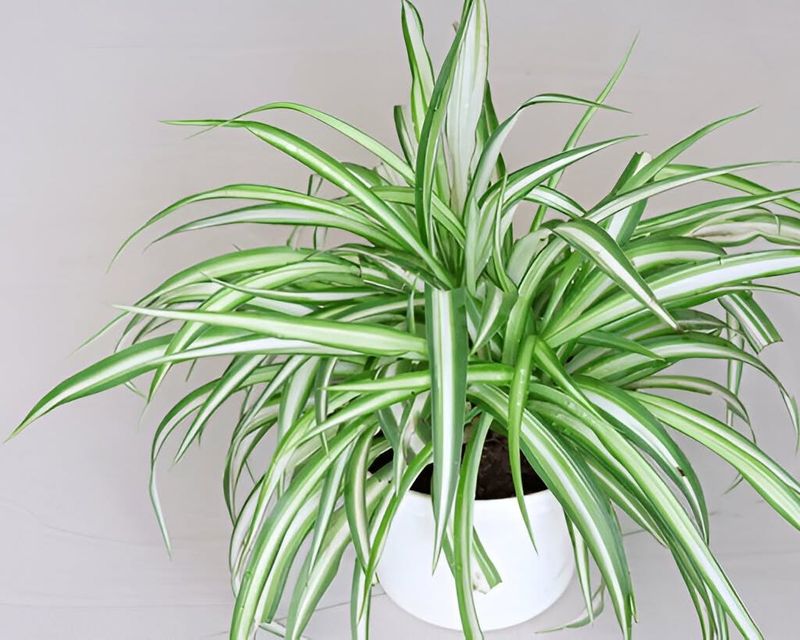
Arching leaves with cream or white stripes brighten any room, and these plants multiply enthusiastically under the right conditions. Washington winters can slow their growth, but they remain relatively trouble-free compared to fussier species.
Late winter provides the perfect opportunity to tidy up brown tips and prepare them for vigorous spring growth.
Those brown tips on leaf ends are usually caused by fluoride or chlorine in tap water. Switching to filtered or distilled water can prevent future browning.
Trim the brown portions with sharp scissors, following the natural leaf shape to keep them looking neat.
Baby plantlets, or spiderettes, dangle from mature plants on long stems. You can leave them attached or pot them up to create new plants.
Late winter is a great time to start propagating since the babies will establish roots just as growing conditions improve.
Root systems expand quickly, and these plants often become rootbound within a year. Check if roots are circling the pot or pushing through drainage holes.
Dividing a large plant into several smaller ones is easy and gives you extras to share with friends.
Fresh potting soil provides nutrients that have been depleted over months of growth. These plants aren’t particularly picky about soil type, but they appreciate good drainage.
A standard houseplant mix works perfectly without any special amendments needed.
Bright, indirect light brings out the best variegation in the striped varieties. Too much direct sun can bleach the leaves, while too little light causes the stripes to fade.
A spot near an east or north-facing window works well in Washington homes.
5. Rubber Plant
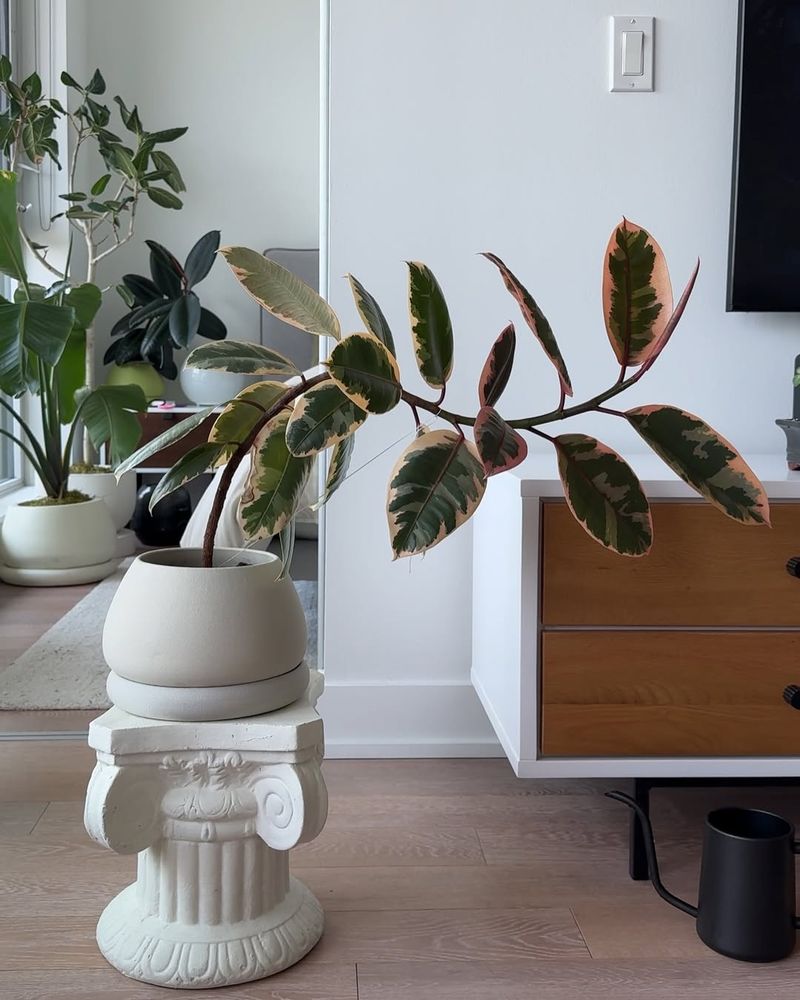
Bold, glossy leaves make a striking statement in any room, and this plant brings a tropical feel to Washington homes even in winter. Its thick foliage can collect significant dust over several months, which blocks light and makes the plant work harder.
A simple wipe-down with a damp cloth brings back that beautiful shine and improves photosynthesis.
Growth slows dramatically during winter, and you might notice your plant hasn’t produced new leaves in months. This dormancy is completely normal for the season.
As daylight increases through late winter, you’ll start seeing fresh leaves unfurl from the top of the plant.
Pruning helps control height and encourages branching if you want a bushier shape. These plants naturally grow tall and tree-like, but you can cut them back to your desired height.
Make cuts just above a leaf node, and new growth will emerge below the cut.
The sap that oozes from cuts can be sticky and irritating to skin. Wear gloves when pruning and wipe away any sap that drips onto leaves or furniture.
It hardens as it dries, becoming difficult to remove later.
Root-checking is important for plants that have been in the same pot for over a year. Lift the plant gently to see if roots are emerging from drainage holes.
Repotting into a container one size larger gives roots room to expand as spring growth begins.
These plants prefer consistently moist soil during the growing season but need less water in winter. Overwatering is the most common problem, leading to yellowing leaves that drop off.
Let the top two inches of soil dry before watering again.
6. ZZ Plant
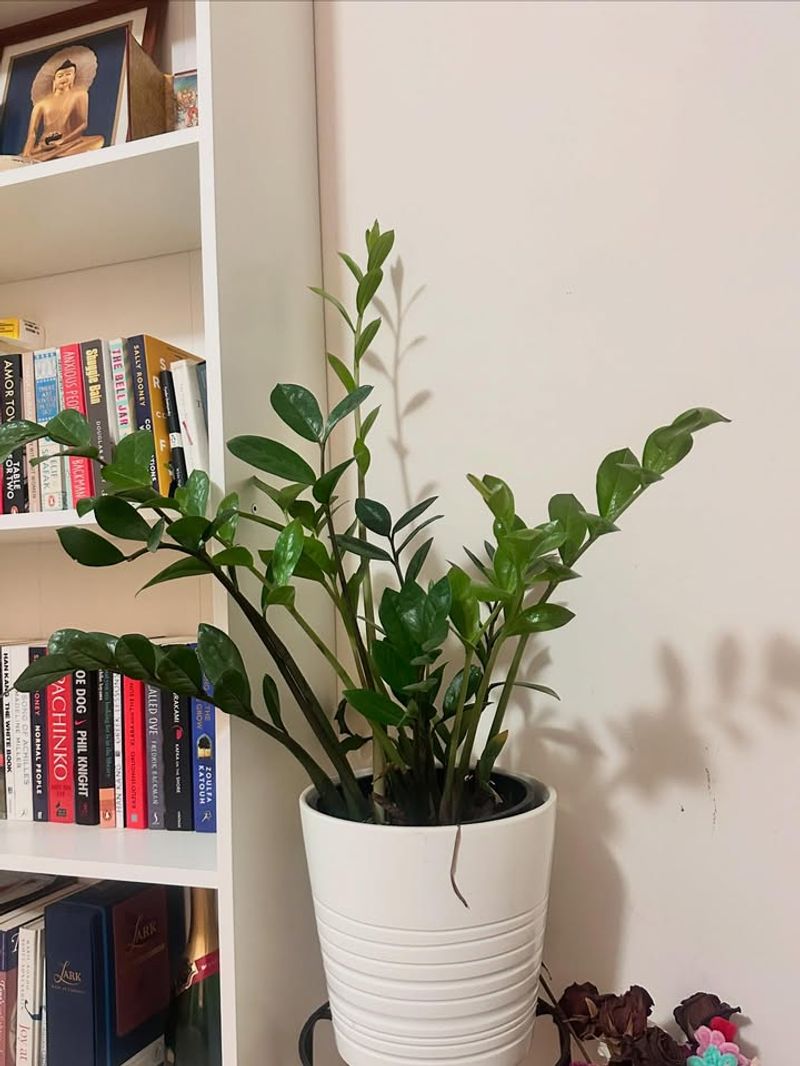
Shiny, dark green leaflets line gracefully arching stems, creating an architectural presence in Washington homes. This plant earned its reputation as nearly indestructible, thriving on neglect better than most houseplants.
Winter dormancy means it requires even less attention, but late winter is still a good time to check its overall condition.
Rhizomes beneath the soil store water and nutrients, allowing the plant to survive extended dry periods. These potato-like structures can become crowded in the pot over time.
Checking for overcrowding now prepares the plant for spring growth when it will need more resources.
Yellowing leaves usually indicate overwatering rather than any disease or pest problem. These plants prefer to dry out completely between waterings.
During winter, you might only water once or twice a month depending on your home’s temperature and humidity.
Dust accumulation on the glossy leaves dulls their natural shine and reduces their ability to photosynthesize. Wiping each leaflet with a damp cloth restores that attractive gloss.
The process also lets you inspect closely for any pest issues, though these are rare with this species.
Low light tolerance makes this plant perfect for offices and rooms without bright windows. However, it will grow more quickly and produce darker green foliage with moderate indirect light.
Moving it to a brighter spot as winter ends encourages more active growth.
Repotting is only necessary every two to three years since growth is relatively slow. When you do repot, choose a container with excellent drainage.
Use a well-draining potting mix, or add perlite to regular houseplant soil to improve drainage.
7. Monstera
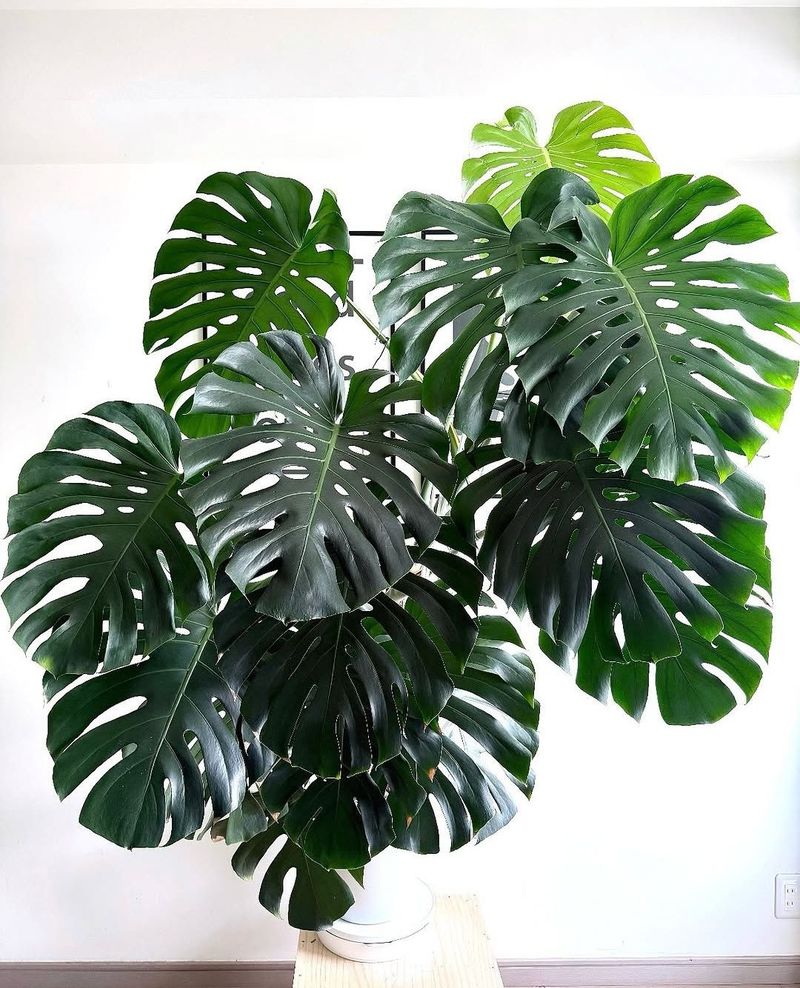
Iconic split leaves bring instant jungle vibes to any space, making this plant wildly popular in Washington homes. Winter can leave these tropical beauties looking a bit sad, with smaller leaves and slower growth.
Late winter offers the perfect moment to prepare them for the vigorous growing season ahead.
Those dramatic leaf splits, called fenestrations, only develop on mature plants with adequate light. Younger plants or those in too-dim conditions produce solid leaves without holes.
Moving your plant to a brighter location as winter ends can result in more impressive foliage.
Aerial roots emerge from nodes along the stems, seeking something to climb. These plants are natural climbers in their native habitat.
Providing a moss pole or trellis gives those roots something to grip and encourages larger, more fenestrated leaves.
Dust settles into the crevices of those big leaves and can be tricky to clean. A gentle shower in the bathtub works better than wiping with a cloth.
Let the plant drain thoroughly before returning it to its spot.
Pruning leggy stems encourages bushier growth and gives you material for propagation. Cut just below a node where an aerial root emerges.
These cuttings root easily in water, creating new plants to expand your collection or share.
Root systems can quickly outgrow containers, especially during the active growing months. Check if your plant needs a larger pot by looking for roots emerging from drainage holes.
Repotting in late winter gives it time to establish before spring growth accelerates.
These plants appreciate consistent moisture but hate soggy soil. Let the top two inches dry between waterings.
Yellow leaves often indicate overwatering, while brown edges suggest underwatering or low humidity.
8. Philodendron
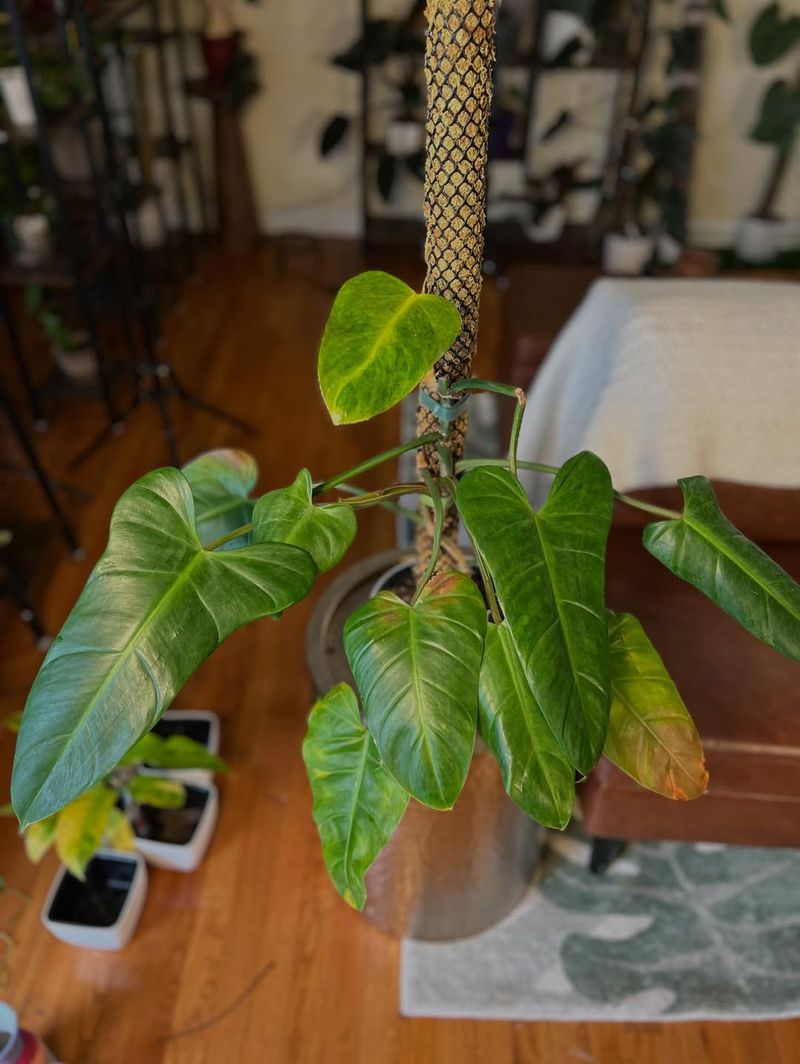
Heart-shaped leaves in various shades of green make this genus incredibly diverse and popular. Washington plant lovers often have several varieties scattered throughout their homes.
Winter slows growth considerably, but these resilient plants bounce back quickly once conditions improve.
Vining types can become leggy during winter months with reduced light. Pruning encourages fuller growth and gives you cuttings to propagate.
Cut just above a leaf node, and place the cuttings in water to develop roots before potting them up.
Climbing varieties appreciate support structures like moss poles or trellises. These help the plant grow upward rather than sprawling across surfaces.
Installing support now means the plant can take advantage of it as spring growth begins.
Leaves naturally yellow and drop as the plant ages, especially lower leaves on vining types. This is normal, not a sign of problems.
Remove yellowed leaves promptly to keep the plant looking tidy and to prevent any fungal issues.
Soil can become compacted over time, restricting oxygen flow to roots. Gently loosening the top inch of soil with a fork improves aeration.
If the plant has been in the same pot for over a year, consider repotting into fresh mix.
These tropical plants prefer bright, indirect light but tolerate lower light better than many species. Too much direct sun can scorch the delicate leaves, causing brown patches.
An east-facing window provides ideal conditions in Washington homes.
Watering needs vary by variety, but most prefer the soil to dry slightly between waterings. Stick your finger into the soil to check moisture levels rather than watering on a fixed schedule.
Adjust frequency based on how quickly the soil dries in your particular conditions.
9. Chinese Evergreen
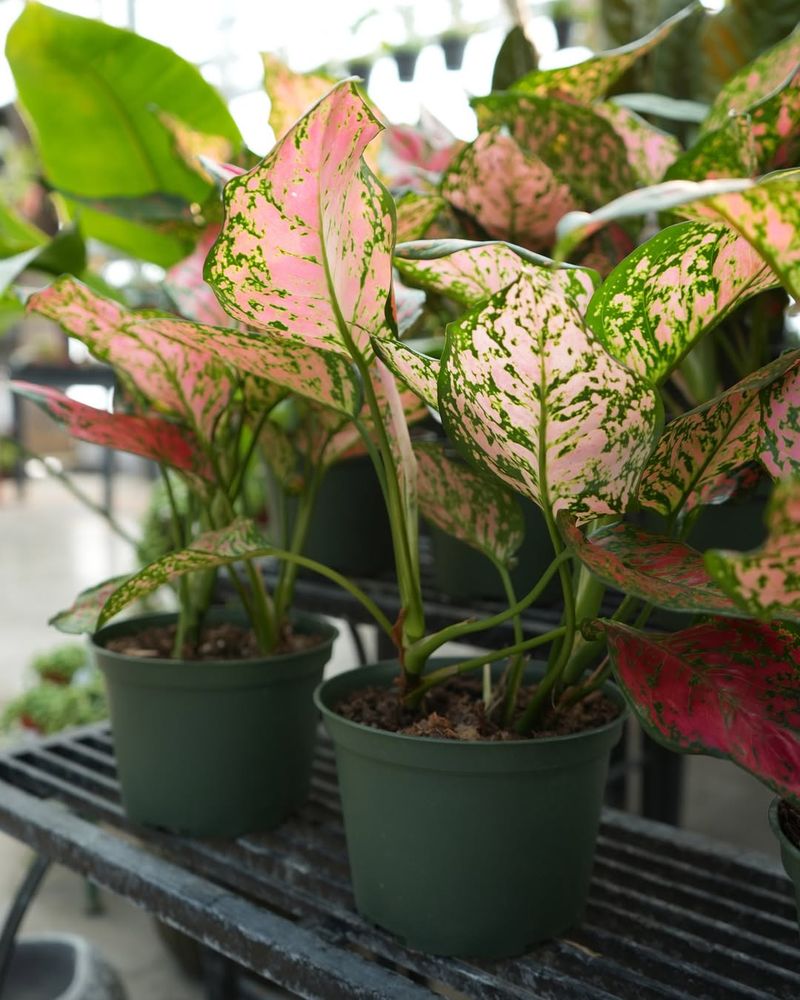
Patterned foliage in shades of green, silver, pink, and red makes this plant a colorful addition to Washington homes. These understated beauties tolerate low light and neglect better than many tropical houseplants.
Winter dormancy means minimal care is needed, but a late-winter reset helps them look their best.
Older leaves near the base naturally yellow and drop as the plant matures. This is normal aging, not a sign of poor care.
Remove these leaves promptly to keep the plant looking fresh and to improve air circulation around the stems.
Variegated varieties need more light to maintain their colorful patterns. Too little light causes new leaves to emerge mostly green.
Moving the plant to a brighter spot in late winter helps preserve those attractive markings as new growth appears.
These plants grow slowly compared to many houseplants, so repotting is infrequent. Check if roots are emerging from drainage holes or if the plant dries out very quickly after watering.
These signs indicate it’s time for a larger container.
Fresh potting soil provides nutrients and improves drainage. Use a standard houseplant mix with good drainage properties.
These plants don’t like sitting in soggy soil, which can lead to root rot and yellowing leaves.
Watering needs are moderate, and the soil should dry slightly between waterings. These plants can handle occasional missed waterings better than overwatering.
Stick your finger into the soil to check moisture before adding water.
10. Dracaena
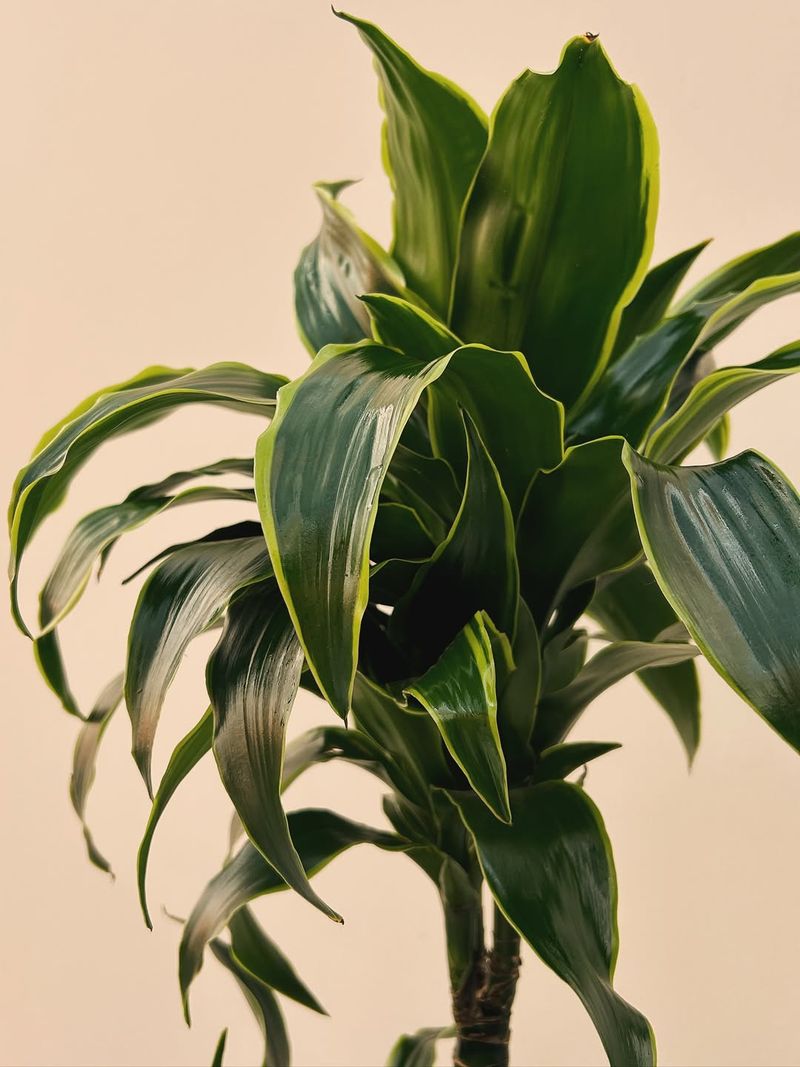
Spiky, sword-like leaves in various colors create vertical interest in Washington homes. This diverse genus includes many popular varieties, from compact tabletop plants to tall, tree-like specimens.
Winter dormancy means these plants need minimal attention, but late winter is ideal for tidying them up.
Brown leaf tips are common complaints with these plants, usually caused by fluoride in tap water. Switching to filtered or distilled water can prevent future browning.
Trim brown tips with sharp scissors, following the natural leaf shape to maintain an attractive appearance.
Lower leaves naturally yellow and drop as the plant grows taller. This is normal aging, not a care problem.
Remove yellowed leaves promptly to keep the plant looking neat and to redirect energy toward healthy foliage.
These plants can become top-heavy over time as they grow taller. Check that the pot is stable and heavy enough to prevent tipping.
Repotting into a wider, heavier container improves stability and gives roots more room to spread.
Cane-type varieties can be pruned to control height and encourage branching. Cut the main stem at your desired height, and new growth will emerge below the cut.
This technique creates a bushier, fuller plant instead of a single tall stem.
Bright, indirect light keeps the foliage colorful and maintains compact growth. Too little light causes the plant to stretch toward the light source, creating gaps between leaves.
Varieties with more variegation need brighter light to maintain their patterns.