One Fertilizing Step That Improves Tomato Size And Flavor In Pennsylvania
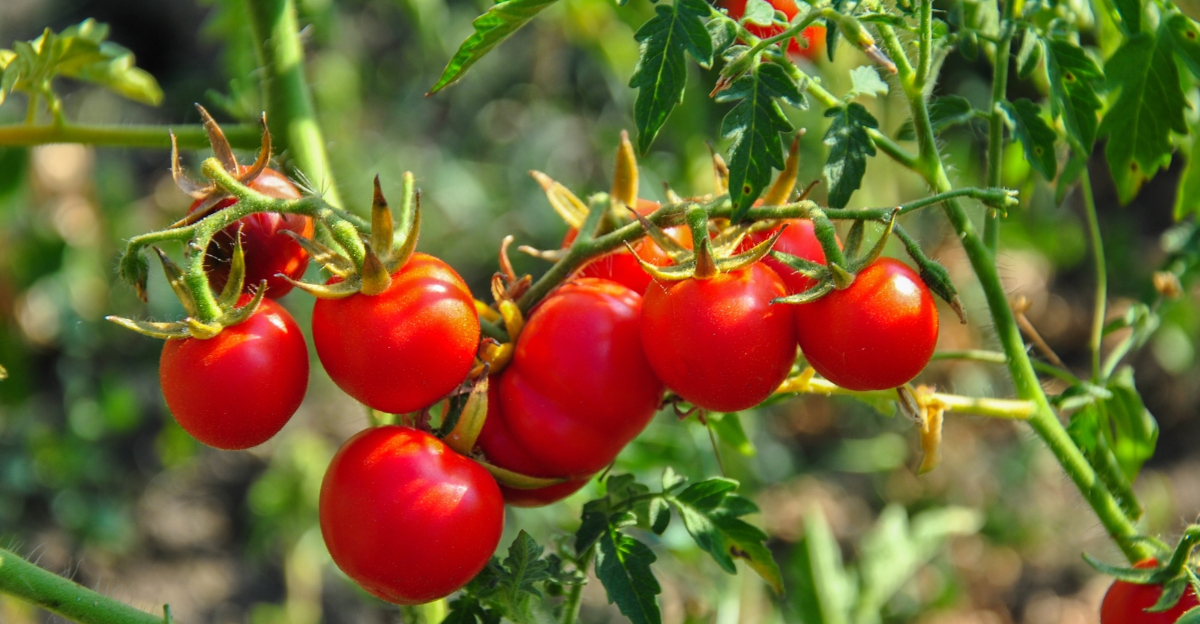
Tomatoes in Pennsylvania often start the season looking unstoppable, with thick vines and deep green leaves promising a harvest worth waiting for.
As summer moves along, many gardeners notice a familiar letdown when fruit stays smaller than expected or tastes flatter than it should.
The frustration usually comes from doing too much of the right thing for too long, especially when feeding routines never change.
Tomato plants shift priorities once flowers appear, and growth habits that helped early on can quietly work against fruit development.
Pennsylvania’s mix of warm days, cool nights, and steady rain amplifies this effect, pushing plants to keep growing leaves instead of focusing on fruit.
Most gardens never realize how much control sits in a single midseason adjustment. One change redirects energy away from excess growth and toward size, texture, and flavor.
Plants respond quickly when nutrition finally matches their stage of growth.
This moment separates vines full of greenery from vines pulling their weight at harvest.
Handled at the right time, tomatoes stop coasting and start producing fruit worth getting excited about again.
1. Switch To Low-Nitrogen Feeding Once Tomatoes Start Flowering
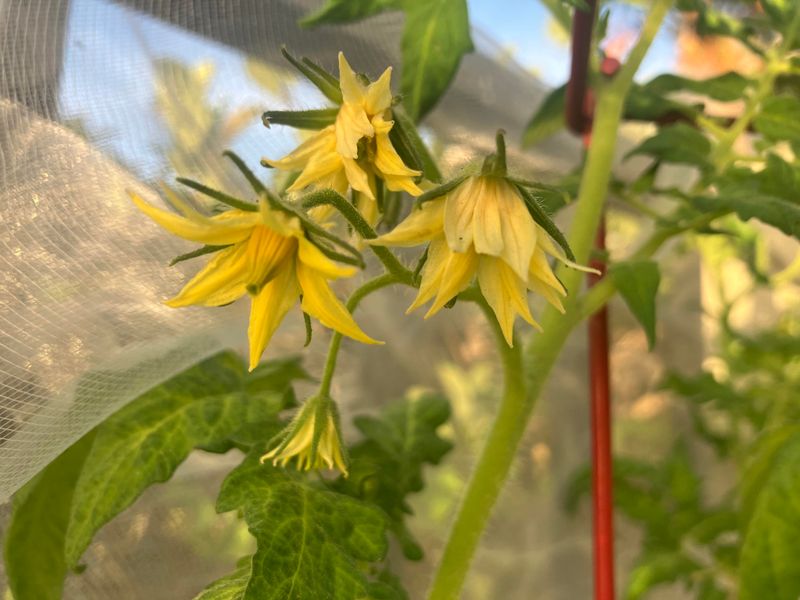
Most gardeners use the same fertilizer from planting to harvest without realizing that tomato needs change dramatically. Young plants crave nitrogen to build strong stems and lush green leaves.
But once those first yellow flowers appear, the plant shifts its energy toward making fruit instead of foliage.
Continuing with high-nitrogen fertilizer after flowering begins sends the wrong signal to your tomatoes. The plant keeps pumping out leaves and branches while fruit development slows down.
Pennsylvania gardeners often see their plants grow tall and bushy but produce small, bland tomatoes because of this timing mistake.
Switching to a low-nitrogen formula with higher phosphorus and potassium changes everything. Your tomato plants redirect their energy into developing larger fruit with better flavor.
This one adjustment matches what the plant actually needs during its fruiting stage.
Look for fertilizers labeled with numbers like 5-10-10 or 4-8-8 once flowers show up. The first number represents nitrogen, so you want that one lower than the other two.
Pennsylvania’s growing season gives you plenty of time to make this switch and see real results.
Timing this change correctly means watching your plants closely rather than following a calendar. Some varieties flower earlier than others depending on weather conditions across Pennsylvania.
Making the switch when you spot those first blooms ensures your plants get exactly what they need when they need it most.
2. Why Too Much Nitrogen Hurts Tomato Size And Flavor
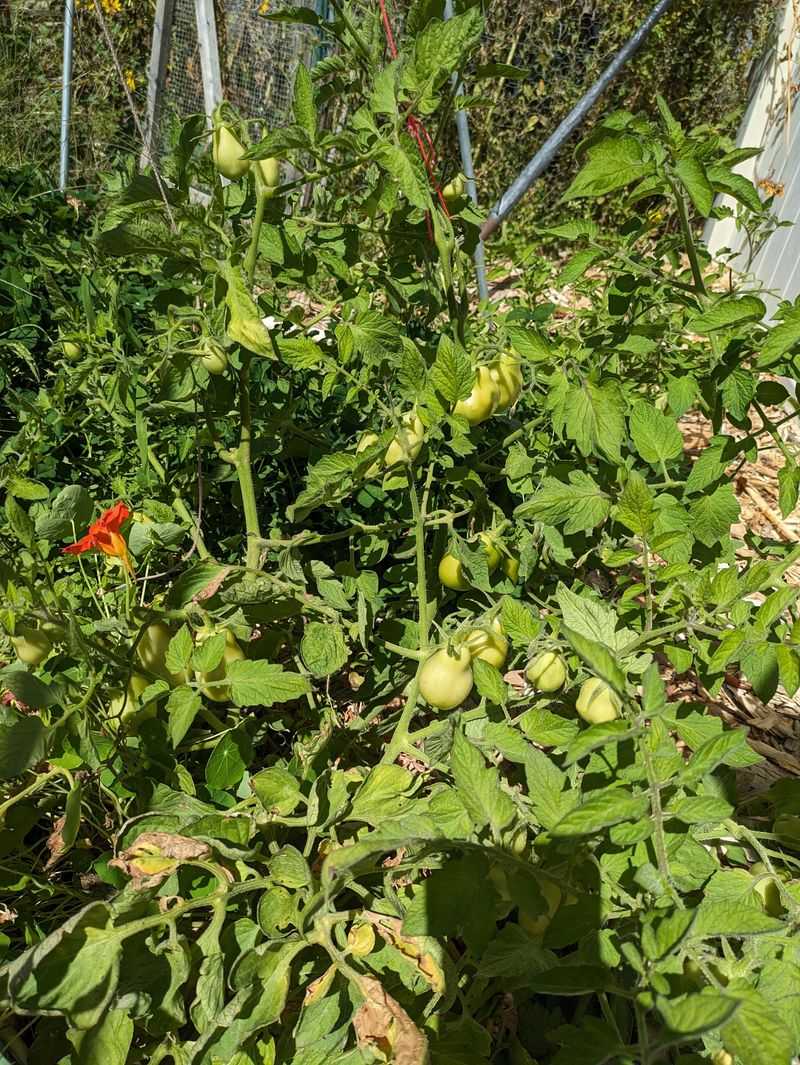
Nitrogen acts like an accelerator for leaf growth, which sounds great until you realize what it costs you. Plants receiving too much nitrogen during fruiting become leaf-making machines instead of fruit producers.
All that extra foliage looks impressive but steals resources from developing tomatoes.
Pennsylvania tomato growers often fertilize with lawn fertilizer or general-purpose plant food that’s loaded with nitrogen. These products work fine for grass and ornamental plants that you want green and leafy.
Your Pennsylvania Garden Changes Every Week. Your Plan Should Too.
Gardening in Pennsylvania changes quickly throughout the season. Every Friday you’ll receive a simple weekly plan showing exactly what to plant, prune, fertilize, harvest, and protect so you never miss the right timing.
But tomatoes need a different approach once they start setting fruit.
Excess nitrogen also dilutes flavor compounds in the fruit itself. Tomatoes grown with too much nitrogen taste watery and bland because the plant rushed fruit development without concentrating sugars and acids properly.
The size might look okay, but the eating experience disappoints.
Another problem shows up in the texture of over-nitrogenized tomatoes. The flesh becomes softer and less meaty because cell walls don’t develop the proper thickness.
Pennsylvania gardeners aiming for slicing tomatoes or canning varieties need firm, flavorful fruit that high-nitrogen feeding prevents.
Reducing nitrogen doesn’t mean starving your plants. It means providing balanced nutrition that supports fruit development rather than endless vine growth.
Your tomato plants will thank you with a harvest that actually tastes like tomatoes should.
3. How Pennsylvania Soil Types Affect Nutrient Uptake
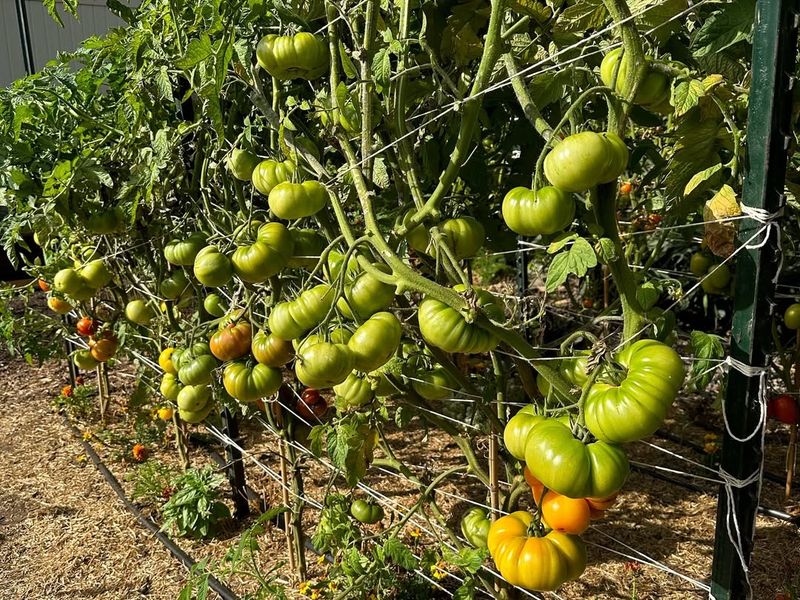
Pennsylvania soils vary dramatically from one region to another, which changes how your tomatoes absorb fertilizer. The southeastern counties often have heavy clay that holds nutrients but drains slowly.
Western Pennsylvania tends toward more acidic soils that can lock up certain nutrients even when you add them.
Clay soils in areas around Philadelphia and Lancaster County retain fertilizer well but can become waterlogged. When roots sit in soggy soil, they struggle to take up nutrients even when plenty are available.
Adjusting your fertilizing approach to account for slower drainage helps tomatoes access what they need.
Mountainous regions across Pennsylvania deal with naturally acidic soil from decomposing pine needles and oak leaves. Tomatoes prefer slightly acidic to neutral pH, so extremely acidic conditions prevent phosphorus uptake.
Testing your soil pH before fertilizing tells you whether amendments are needed alongside your feeding routine.
Sandy soils in some Pennsylvania valleys drain quickly but don’t hold nutrients well. Fertilizer washes through fast, which means you might need more frequent applications at lower doses.
Understanding your specific soil type prevents wasting money on fertilizer that never reaches your plants.
Organic matter content also affects how well Pennsylvania soils deliver nutrients to tomato roots. Adding compost improves nutrient retention in sandy soils and drainage in clay soils.
This one step makes your fertilizing efforts far more effective regardless of which Pennsylvania county you garden in.
4. When To Apply Fertilizer For The Best Results
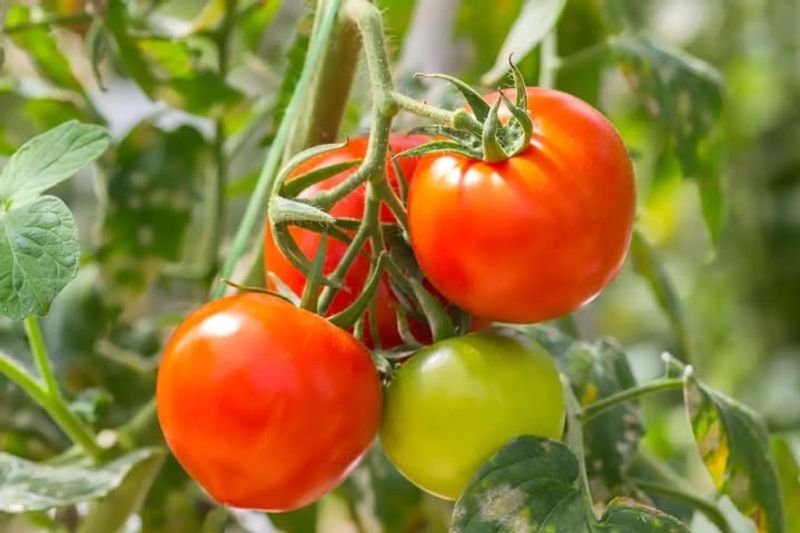
Timing fertilizer applications around weather patterns makes a huge difference in Pennsylvania gardens. Morning applications allow nutrients to soak into the soil before afternoon heat causes rapid evaporation.
Watering immediately after fertilizing helps carry nutrients down to root level where plants can actually use them.
Avoid fertilizing right before heavy rain, which washes nutrients away before plants absorb them. Pennsylvania’s unpredictable spring and summer thunderstorms can undo your fertilizing efforts in minutes.
Checking the forecast helps you schedule applications when rain won’t arrive for at least 24 hours.
Early morning or late afternoon applications work better than midday feeding. Hot sun causes some fertilizer types to volatilize, meaning nutrients escape into the air instead of entering the soil.
Pennsylvania summer temperatures can climb quickly, so timing your applications protects your investment.
Applying fertilizer to dry soil can burn roots, while applying to soggy soil leads to runoff. The sweet spot is slightly moist soil that allows nutrients to move downward without washing away.
Pennsylvania gardeners should water lightly the day before fertilizing if soil has dried out completely.
Frequency matters as much as timing. Most tomatoes benefit from fertilizing every two to three weeks once flowering begins.
Pennsylvania’s growing season typically runs from late May through September, giving you plenty of time to establish a consistent schedule that your plants can count on.
5. How Phosphorus And Potassium Support Bigger Fruit
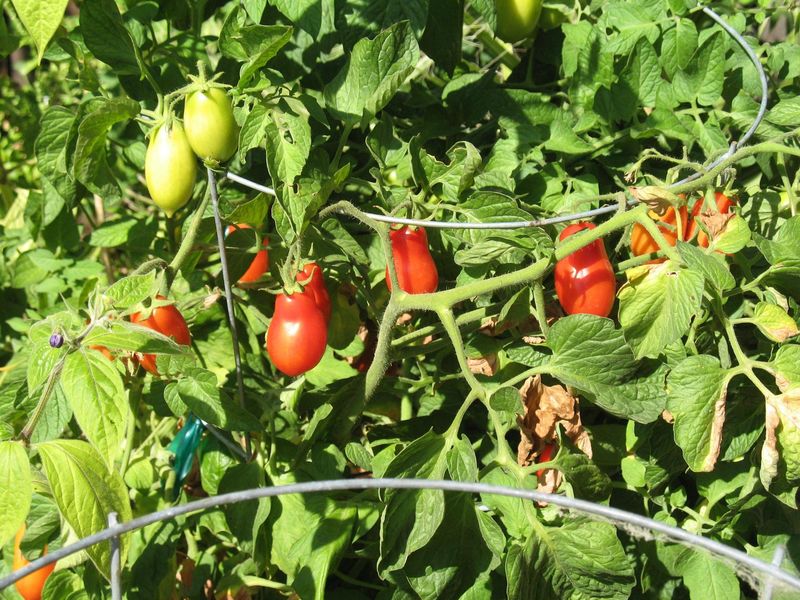
Phosphorus drives root development and flower formation, which directly impacts how many tomatoes your plants produce. Strong root systems access water and nutrients more efficiently, supporting larger fruit.
Pennsylvania tomatoes grown with adequate phosphorus develop extensive root networks that anchor plants and fuel fruit growth.
Flower production depends heavily on phosphorus availability. More flowers mean more potential tomatoes, but only if those flowers set fruit properly.
Phosphorus helps convert flowers into actual tomatoes rather than blooms that drop off without forming fruit.
Potassium regulates water movement within plant tissues and strengthens cell walls. Tomatoes with sufficient potassium develop thicker, meatier flesh that holds up during slicing and cooking.
Pennsylvania gardeners growing paste tomatoes or slicing varieties need high potassium levels for the best texture.
Flavor development relies heavily on potassium’s role in sugar production and transport. Tomatoes move sugars from leaves into developing fruit through potassium-dependent processes.
Without enough potassium, fruit stays bland even when it grows large because sugars never concentrate properly.
Disease resistance improves when tomatoes receive adequate phosphorus and potassium. Stronger cell walls and better water regulation help plants withstand common Pennsylvania tomato problems like blossom end rot and cracking.
Focusing on these two nutrients during fruiting gives you bigger, tastier, and healthier tomatoes all season long.
6. Watering Correctly After Fertilizing Matters More Than You Think
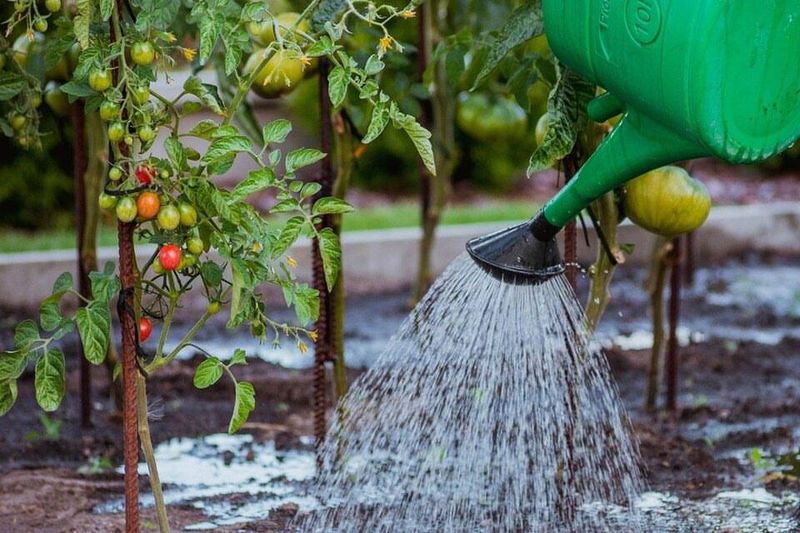
Fertilizer sitting on top of dry soil does absolutely nothing for your tomatoes. Nutrients need water to dissolve and move into the root zone where plants can absorb them.
Pennsylvania gardeners who fertilize without watering waste money and wonder why their tomatoes don’t improve.
Deep watering after fertilizing carries nutrients down to deeper roots rather than keeping them near the surface. Surface roots dry out quickly during Pennsylvania summers, while deeper roots access consistent moisture.
Getting fertilizer down to those deeper roots ensures steady nutrient availability.
Shallow watering after fertilizing creates problems instead of solving them. Nutrients concentrate in the top inch or two of soil, encouraging shallow root growth.
Shallow-rooted tomatoes struggle during dry spells because they can’t reach deeper moisture reserves common in Pennsylvania soils.
The amount of water matters just as much as the depth. Too little water fails to move nutrients downward, while too much causes runoff that carries fertilizer away.
Aim for about an inch of water after fertilizing, which usually means running a soaker hose for 30 to 45 minutes.
Consistency in watering after fertilizing helps tomatoes develop steady growth patterns. Pennsylvania’s variable summer rainfall means you’ll need to water after fertilizing even if rain is expected later.
Waiting for rain often means waiting too long, and nutrients remain unavailable when plants need them most for fruit development.
7. Common Fertilizing Mistakes Pennsylvania Gardeners Make
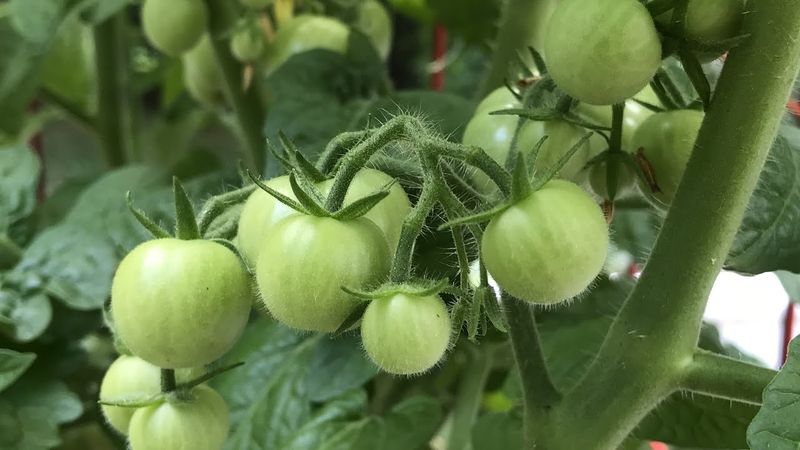
Using the same fertilizer all season ranks as the biggest mistake Pennsylvania tomato growers make. What works for seedlings becomes counterproductive once plants start flowering.
Many gardeners buy one bag of fertilizer in spring and use it straight through harvest without adjusting the formula.
Over-fertilizing causes as many problems as under-fertilizing. More isn’t better when it comes to feeding tomatoes.
Excess fertilizer burns roots, encourages disease, and produces inferior fruit. Pennsylvania’s relatively short growing season doesn’t give plants time to recover from fertilizer burn.
Applying fertilizer too close to stems concentrates nutrients where they can damage tender plant tissue. Spreading fertilizer in a circle about six inches from the main stem distributes nutrients where feeder roots can access them safely.
This small adjustment prevents burning while ensuring nutrients reach the right place.
Ignoring soil test results leads to applying nutrients plants don’t actually need. Pennsylvania soils might already contain plenty of one nutrient while lacking another.
Testing before fertilizing saves money and prevents nutrient imbalances that reduce fruit quality.
Forgetting to water after fertilizing leaves nutrients sitting on the soil surface. Granular fertilizers need moisture to dissolve and become available to roots.
Pennsylvania gardeners who fertilize and walk away miss the crucial step that makes fertilizing effective in the first place.
8. How Often Tomatoes Actually Need Feeding Mid-Season
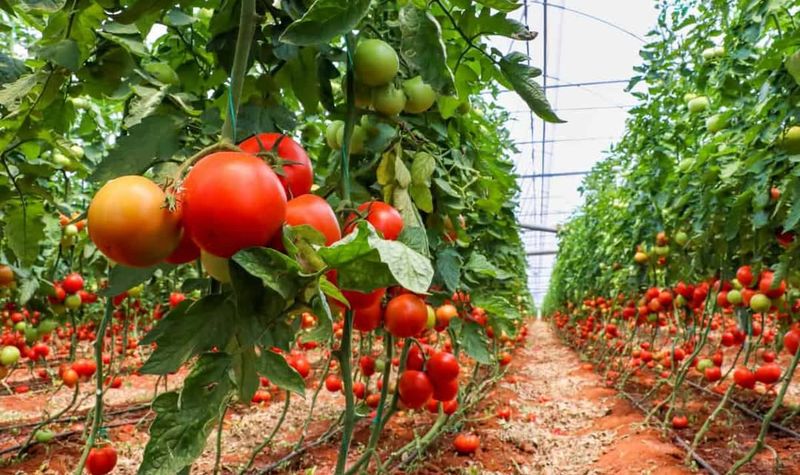
Established tomato plants in Pennsylvania typically need fertilizing every two to three weeks once flowering begins. This frequency provides steady nutrition without overwhelming plants.
Weekly feeding sounds good but often causes more harm than benefit by pushing excessive growth.
Indeterminate varieties that keep growing and producing all season need more frequent feeding than determinate types. Pennsylvania gardeners growing cherry tomatoes or beefsteak varieties that fruit continuously should stick to the two-week schedule.
Bush varieties that set all their fruit at once need less frequent applications.
Container-grown tomatoes require more frequent fertilizing than in-ground plants. Nutrients wash through container soil faster, especially during Pennsylvania’s heavy summer rains.
Potted tomatoes often need weekly feeding with diluted fertilizer rather than stronger applications every two weeks.
Watching your plants tells you more than any calendar schedule. Dark green leaves with steady fruit development mean your feeding schedule works.
Pale leaves suggest more frequent feeding, while excessive foliage growth means cutting back.
Soil fertility affects how often you need to fertilize. Pennsylvania gardens amended with compost or aged manure need less supplemental fertilizer than gardens with depleted soil.
Starting with better soil means less frequent feeding while still producing excellent tomatoes throughout the growing season.
9. What To Watch For After Adjusting Your Fertilizer Routine
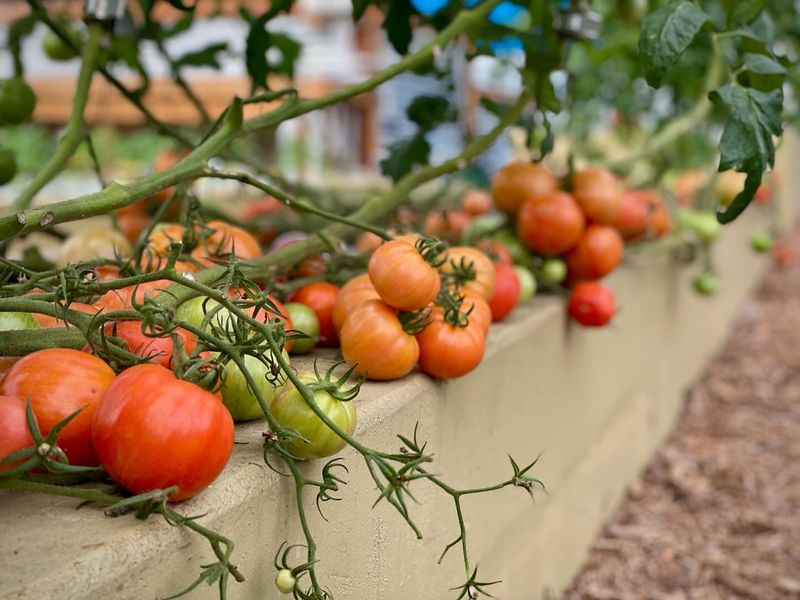
Leaf color changes within a week or two after switching to low-nitrogen fertilizer. Pennsylvania tomato plants often show slightly lighter green leaves as they redirect resources from foliage to fruit.
This isn’t a problem but rather a sign that your adjustment is working as intended.
Fruit size should noticeably increase within three to four weeks of changing your feeding routine. Tomatoes develop faster and larger when receiving proper phosphorus and potassium levels.
Pennsylvania gardeners switching mid-season often see dramatic differences between early fruit and later harvests.
Flavor improvement takes a full fruiting cycle to become obvious. Tomatoes that were already forming when you switched won’t taste dramatically different.
But fruit that develops entirely under the new feeding routine shows the full flavor potential you’ve been missing.
Plant growth patterns shift from vertical expansion to lateral fruit production. Pennsylvania tomatoes stop putting energy into growing taller and focus on filling out existing fruit clusters.
This change means less staking work and more actual tomatoes.
Watch for signs of nutrient deficiency if you cut nitrogen too drastically. Yellowing lower leaves or stunted growth means you’ve gone too far.
Pennsylvania’s variable weather can stress plants, so finding the right balance takes observation and minor adjustments throughout the season.