10 Plants California Gardeners Grow For A Better-Smelling Backyard
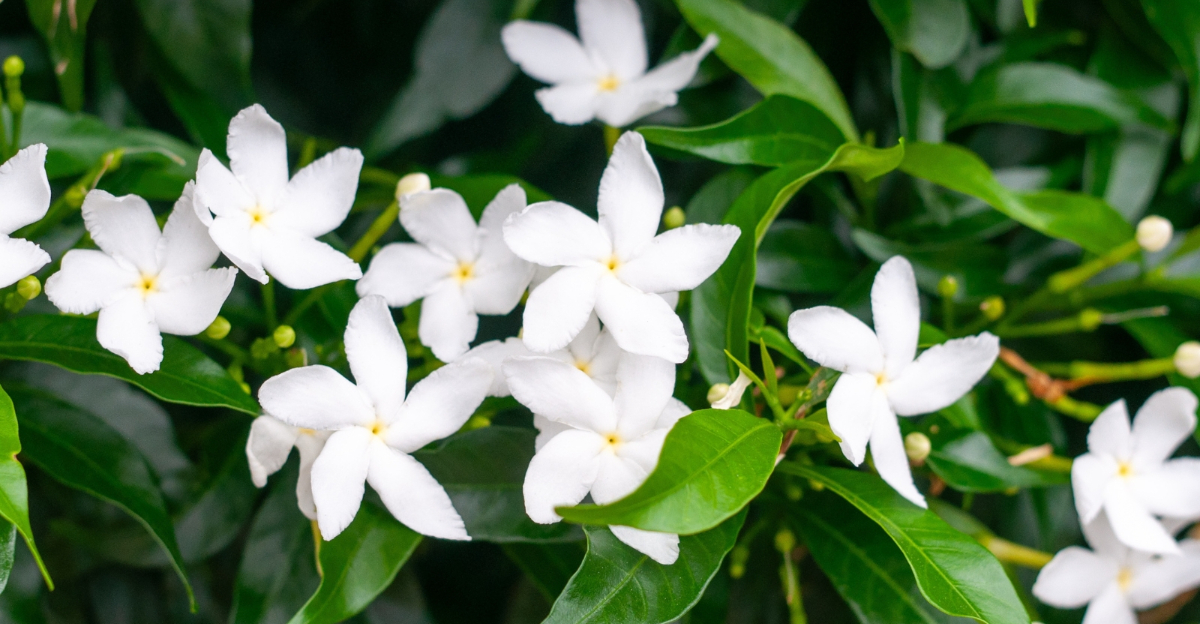
Backyards across California often look beautiful yet still feel unfinished once the air stays flat and lifeless through warm afternoons and long evenings.
Scent changes how outdoor spaces feel, especially in a state where patios, walkways, and open doors stay in use for much of the year.
Many gardeners focus on color and shape while forgetting how powerful fragrance becomes once temperatures rise and breezes move through the yard.
California’s climate supports plants whose scent carries naturally without needing constant care or perfect conditions.
Some plants release aroma under heat, others respond to touch, and a few grow more fragrant as the day cools into evening. This mix creates a backyard experience rather than a simple visual display.
Placement plays a major role, since scent behaves differently near paths, seating areas, and walls warmed by sun.
Poor plant choices often lead to fragrance fading quickly or staying trapped close to the ground.
The right plants create layers of smell that drift instead of overwhelm, making outdoor time feel intentional and inviting.
A well-scented backyard turns ordinary California evenings into something people notice the moment they step outside.
1. Lavender
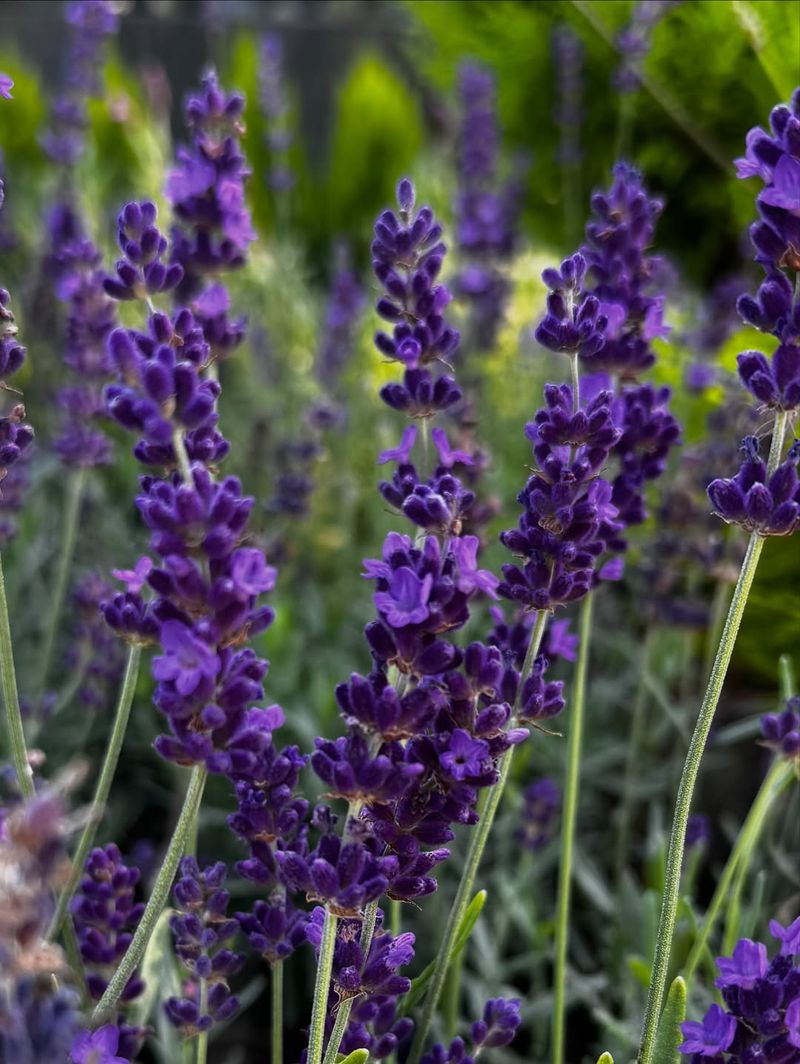
Purple spikes waving in the breeze bring more than just color to your outdoor space. California gardens practically glow with lavender because this Mediterranean native thrives in the state’s sunny, dry conditions.
Bees absolutely adore visiting the blooms, which makes your yard a pollinator paradise while filling the air with that unmistakable herbal sweetness.
Planting lavender near walkways or patios means you’ll brush against it often, releasing bursts of fragrance as you pass. The scent has a calming quality that makes outdoor relaxation even more peaceful.
Many California homeowners place pots of lavender on their decks so the aroma drifts through open windows on warm evenings.
This hardy plant needs minimal water once established, which matters a lot in drought-prone regions. Full sun and well-drained soil keep lavender happy and blooming from late spring through summer.
Pruning after flowering encourages bushier growth and more blooms the following year.
Harvesting stems for dried arrangements brings the scent indoors long after the blooms fade. You can also make sachets, infused oils, or homemade beauty products from the flowers.
California’s long growing season means lavender stays fragrant for months, perfuming your backyard whenever you step outside.
Different varieties offer slightly different scents and bloom times. English lavender works well in cooler coastal areas, while Spanish and French types handle inland heat better.
Choosing the right variety for your specific California microclimate ensures the strongest fragrance and healthiest plants throughout the seasons.
2. Jasmine
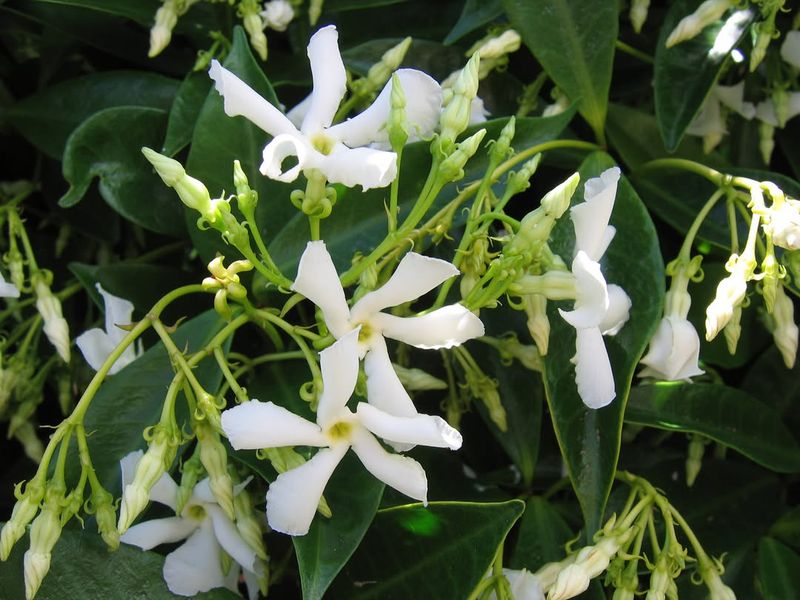
Climbing vines covered in star-shaped white flowers create one of the most intoxicating scents imaginable. Star jasmine grows vigorously throughout California, wrapping around fences, arbors, and trellises while releasing waves of sweet perfume.
Warm evenings amplify the fragrance, making patios and sitting areas smell absolutely heavenly.
This evergreen vine provides year-round greenery even when not blooming, which adds privacy and beauty to your outdoor space. The glossy leaves stay attractive through all seasons, and the plant tolerates various soil types across the state.
Your California Garden Changes Every Week. Your Plan Should Too.
Gardening in California changes quickly throughout the season. Every Friday you’ll receive a simple weekly plan showing exactly what to plant, prune, fertilize, harvest, and protect so you never miss the right timing.
California gardeners appreciate how jasmine handles both coastal fog and inland heat with equal ease.
Spring and early summer bring the peak blooming period when the fragrance becomes almost overwhelming in the best possible way. Planting jasmine near bedroom windows lets the scent drift inside during warm nights when you leave them open.
The aroma has a romantic, exotic quality that transforms ordinary backyards into special retreats.
Regular watering during establishment helps jasmine take off quickly, but mature plants tolerate some drought. Pruning keeps the vine manageable and encourages more flowering branches.
California’s mild winters mean jasmine rarely suffers cold damage, so it keeps looking beautiful year after year.
Confederate jasmine and star jasmine are the most popular varieties for California gardens. Both produce abundant flowers that butterflies and hummingbirds love visiting.
The fragrance lingers in the air long after sunset, making evening gatherings in your backyard truly memorable.
3. Gardenia
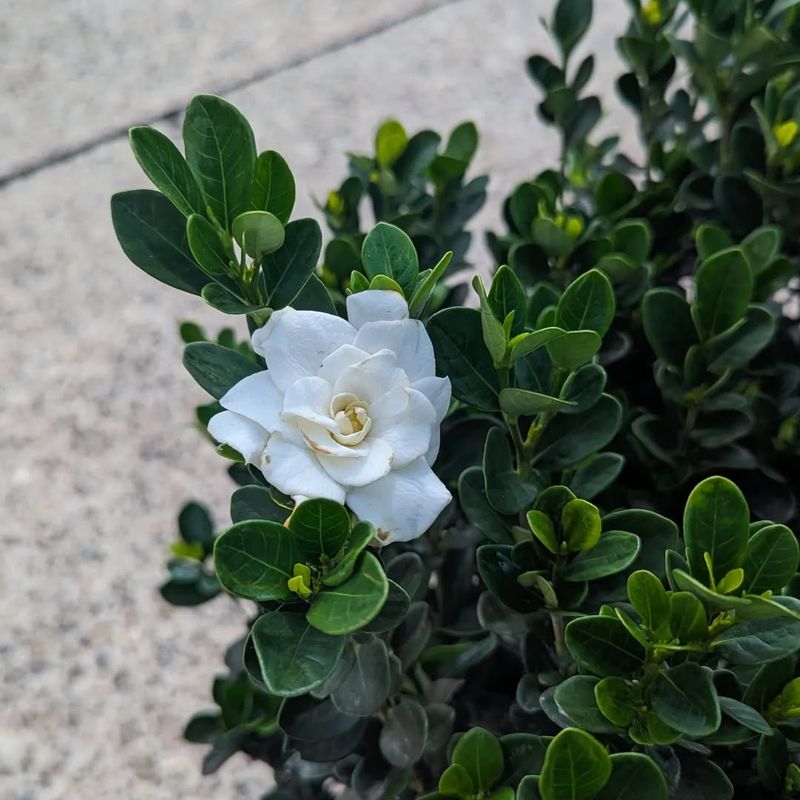
Few flowers match the rich, creamy fragrance that gardenias release into warm California air. Glossy dark green leaves set off the pure white blooms beautifully, creating an elegant look that fits both formal and casual garden designs.
The scent carries surprising distance, perfuming entire sections of your yard when plants are in full bloom.
Southern California’s climate suits gardenias particularly well since they need warmth and humidity to thrive. Coastal areas provide the moisture these shrubs crave, while inland gardeners can create suitable conditions with regular watering and mulching.
The perfume intensifies during late spring and summer when temperatures rise and flowers open fully.
Planting gardenias near outdoor living spaces means you’ll enjoy their fragrance whenever you spend time outside. The scent has a sophisticated, almost intoxicating quality that people often associate with special occasions.
Many California homeowners place gardenias near entryways so visitors are greeted by the wonderful aroma.
These shrubs prefer acidic soil and benefit from fertilizers designed for acid-loving plants. Yellowing leaves often indicate a need for iron supplements, which are easy to apply.
California’s alkaline soils sometimes require amendments to keep gardenias looking their best and producing the most fragrant blooms.
Afternoon shade protects gardenias from scorching sun in hotter inland areas. Consistent moisture matters more than heavy watering, so mulching helps maintain even soil conditions.
When properly cared for, gardenias reward California gardeners with months of incredible fragrance that makes every moment outdoors more enjoyable.
4. Rosemary
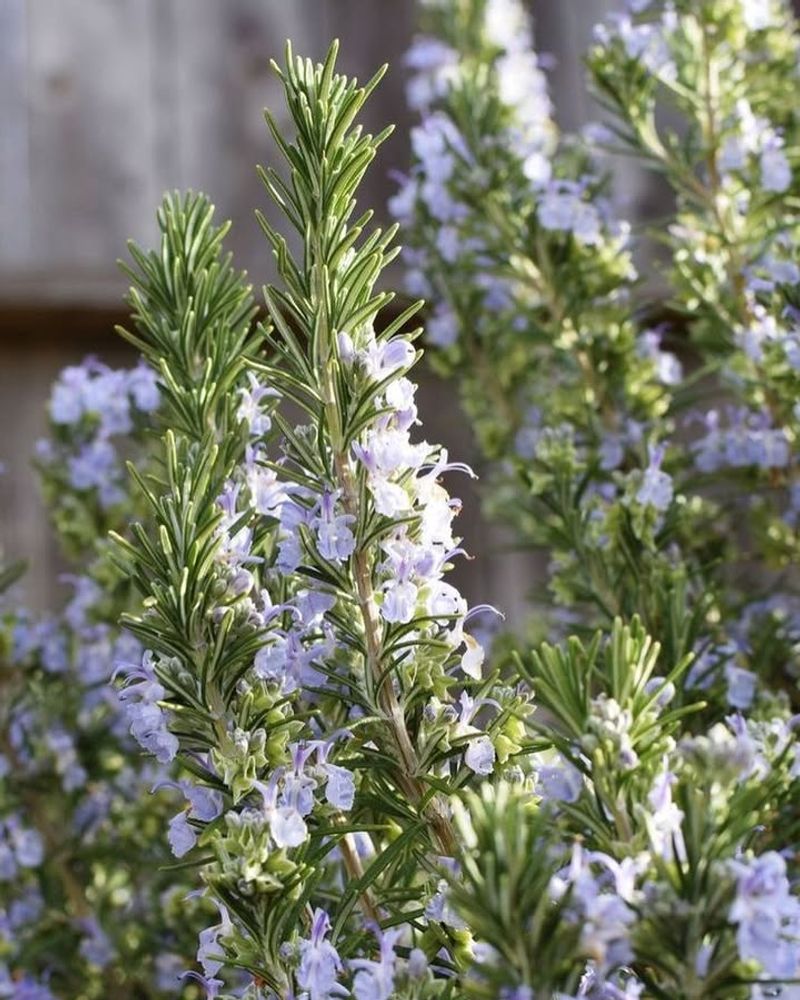
Needle-like leaves release a pungent, piney aroma whenever you brush past this Mediterranean herb. California’s climate mirrors rosemary’s native habitat perfectly, which explains why it grows so enthusiastically throughout the state.
The plant serves double duty as both ornamental shrub and culinary herb, making it incredibly practical for backyard gardens.
Blue or purple flowers appear in winter and spring, adding color when many other plants are dormant. The blooms attract bees and beneficial insects, supporting your garden’s ecosystem while the foliage perfumes the air constantly.
Many California gardeners plant rosemary along pathways where people naturally touch it and release more fragrance.
This drought-tolerant plant thrives with minimal water once established, which makes it perfect for water-wise California landscapes. Full sun and excellent drainage keep rosemary healthy and aromatic for years.
The woody stems develop character as plants mature, creating sculptural shapes that add structure to garden designs.
Harvesting sprigs for cooking means the plant stays compact and bushy while providing fresh herbs for your kitchen. The scent on your hands after pruning lingers pleasantly for hours.
California’s year-round growing season allows you to harvest rosemary whenever you need it, unlike gardeners in colder climates.
Different varieties offer various growth habits from low spreading groundcovers to tall upright shrubs. Tuscan Blue and Miss Jessup’s Upright work well as hedges or focal points.
The constant fragrance makes rosemary one of the most valuable additions to any California backyard seeking wonderful scents.
5. Sweet Olive
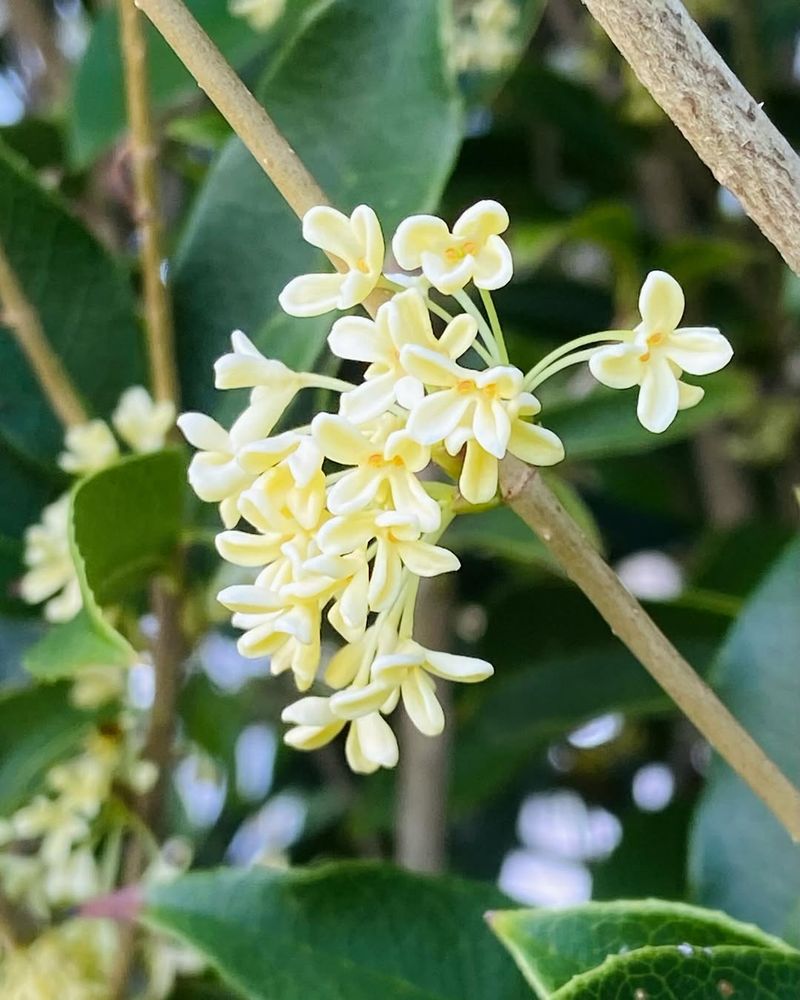
Small cream-colored flowers produce a fragrance so powerful that one shrub can perfume an entire backyard. Sweet olive blooms sporadically throughout the year in California’s mild climate, with the strongest flowering happening in fall and spring.
The scent resembles ripe apricots mixed with orange blossoms, creating an unforgettable aroma that surprises first-time visitors.
This evergreen shrub grows slowly but steadily, eventually reaching substantial size if left unpruned. The glossy leaves stay attractive year-round, providing privacy screening while waiting for the next flush of fragrant flowers.
California gardeners value sweet olive for its ability to thrive in both sun and partial shade, adapting to various garden conditions.
Placing sweet olive near windows or doors brings the incredible fragrance indoors naturally without any effort. The scent carries on the slightest breeze, announcing the plant’s presence long before you see the tiny flowers.
Many people in California plant sweet olive near outdoor seating areas where the perfume enhances relaxation and conversation.
Moderate watering keeps sweet olive healthy, though established plants tolerate some drought between waterings. The plant rarely suffers from pests or diseases, making it a low-maintenance choice for busy gardeners.
California’s frost-free zones allow sweet olive to flourish without winter protection concerns.
Pruning shapes the shrub and encourages more flowering branches to develop. The fragrance from sweet olive blooms lasts for days, not just hours like some other fragrant plants.
This makes it an exceptional choice for California backyards where continuous scent throughout the year creates the most enjoyable outdoor environment.
6. Honeysuckle
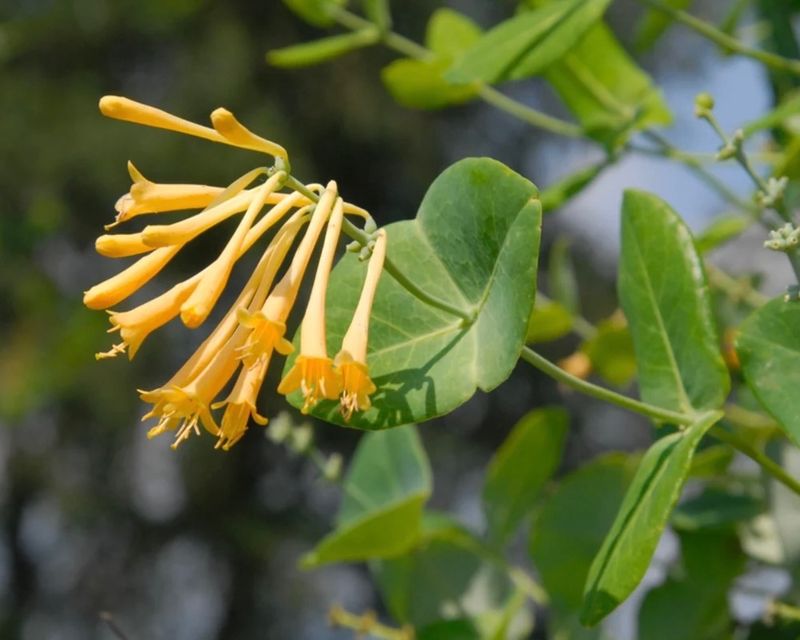
Tubular flowers in shades of orange, yellow, pink, or white create sweet nectar that hummingbirds can’t resist. The fragrance from honeysuckle blooms fills California backyards with a honey-like sweetness that intensifies on warm afternoons and evenings.
Vigorous vines scramble over fences, pergolas, and arbors, covering structures with flowers and fragrance.
California’s long growing season means honeysuckle blooms for months, providing continuous fragrance from spring through fall. The vines grow quickly, making them perfect for covering unsightly areas or creating living privacy screens.
Many gardeners throughout the state use honeysuckle to soften hard landscape features while adding wonderful scent.
Different honeysuckle varieties offer varying levels of fragrance, with Japanese honeysuckle being among the most powerfully scented. Some types are evergreen in California’s mild climate, while others drop leaves during brief winter dormancy.
Choosing native California honeysuckle supports local ecosystems while still providing beautiful, fragrant flowers.
Regular pruning keeps honeysuckle vines under control since they can become quite enthusiastic growers. The flowers attract not just hummingbirds but also butterflies and beneficial insects.
Planting honeysuckle where you’ll pass by frequently means you’ll enjoy surprise wafts of fragrance throughout the day.
These vines tolerate various soil types and handle both sun and partial shade across California. Moderate watering suits honeysuckle well, though established plants show good drought tolerance.
The combination of visual beauty, wildlife attraction, and incredible fragrance makes honeysuckle a triple-threat addition to California backyards seeking better scents.
7. Night-Blooming Jasmine
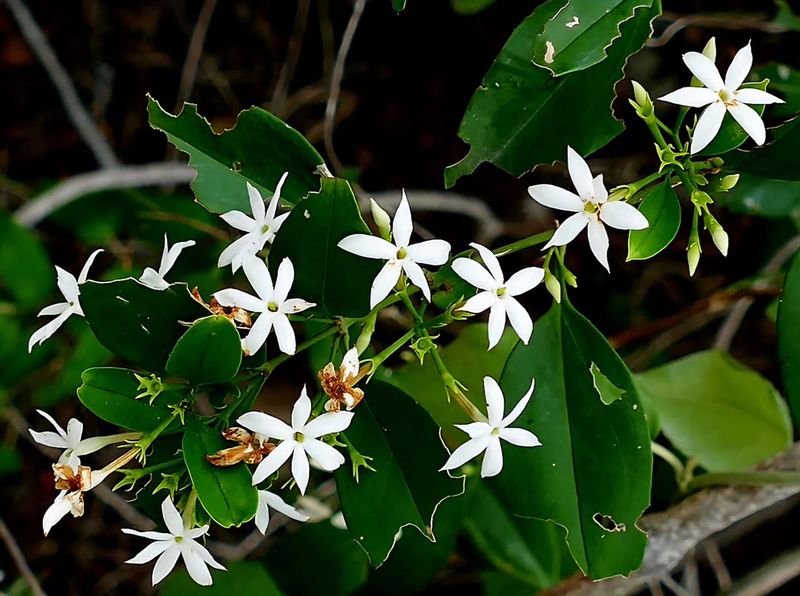
Daylight hours reveal nothing special about this unassuming shrub with simple green leaves. Everything changes after sunset when small greenish-white flowers open and release one of the most powerful fragrances in the plant kingdom.
The scent travels remarkable distances through California neighborhoods, announcing its presence blocks away on still summer evenings.
This plant performs its magic specifically for evening enjoyment, making it perfect near patios where people gather after dark. The fragrance has an almost otherworldly intensity that some find overwhelming up close but delightful from a moderate distance.
Strategic placement matters greatly with night-blooming jasmine in California gardens.
Warm temperatures trigger the strongest fragrance release, so summer nights bring the most dramatic displays. The flowers themselves look insignificant, but their perfume compensates with incredible power.
Many California gardeners plant night-blooming jasmine near bedroom windows for natural aromatherapy during warm months when windows stay open.
This tropical shrub thrives in frost-free areas of California, particularly Southern California and protected coastal zones. Cold damage can occur in inland areas during rare freezes.
The plant grows quickly and benefits from occasional pruning to maintain a tidy shape and encourage more flowering branches.
Regular watering and fertilizing during the growing season promote the most abundant flowering. The shrub handles full sun to partial shade across California’s varied microclimates.
Night-blooming jasmine creates unforgettable sensory experiences in backyards, transforming ordinary summer evenings into something magical through fragrance alone.
8. Scented Geranium
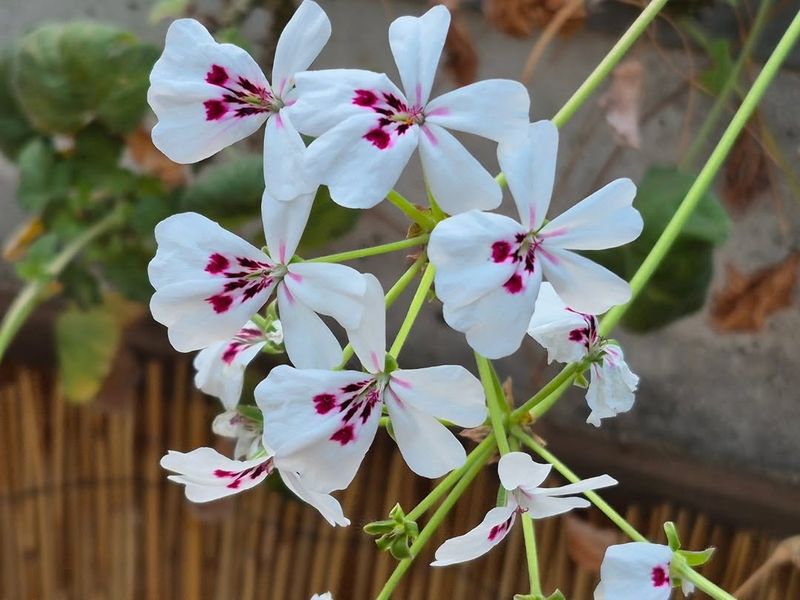
Touching the fuzzy leaves releases unexpected fragrances that range from rose to lemon to peppermint depending on the variety. California’s climate allows scented geraniums to grow year-round, providing constant opportunities for sensory interaction.
These plants offer something unique because their fragrance comes primarily from foliage rather than flowers.
Dozens of varieties exist with scents mimicking everything from apple to coconut to chocolate mint. Collecting different scented geraniums becomes an addictive hobby for many California gardeners.
The plants grow easily in containers, making them perfect for patios, decks, and balconies where you can brush against them frequently.
Small flowers appear in shades of pink, purple, or white, adding visual interest though they’re not particularly showy. The real attraction remains the incredible leaf fragrances that surprise and delight everyone who touches them.
Placing scented geraniums along pathways throughout California backyards creates interactive fragrance experiences.
These plants tolerate drought well once established, fitting perfectly into water-wise California landscapes. They prefer well-drained soil and full sun to partial shade.
Pinching back stems encourages bushier growth and provides cuttings that root easily for sharing with friends.
Harvesting leaves for teas, sachets, or potpourri extends the fragrance enjoyment beyond the garden. The leaves retain their scent even when dried, making them valuable for crafts.
California’s mild climate means scented geraniums rarely suffer damage, providing reliable fragrance throughout the year in backyards seeking diverse aromatic experiences.
9. Mock Orange
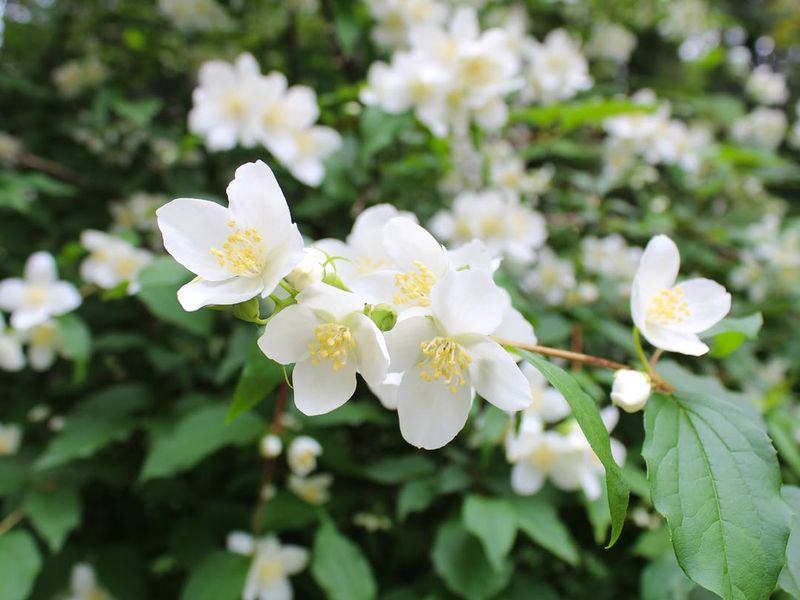
White blossoms clustered along arching branches release a citrusy, sweet fragrance reminiscent of orange blossoms. Late spring brings peak blooming when mock orange shrubs become covered in flowers that perfume California backyards magnificently.
The scent carries well on breezes, reaching across entire yards and delighting everyone nearby.
This deciduous shrub works beautifully as a specimen plant or incorporated into mixed borders throughout California gardens. The flowers attract butterflies and bees, supporting pollinators while providing wonderful fragrance.
Many varieties offer different flower forms from single to double blooms, all sharing that characteristic orange-like perfume.
Planting mock orange near outdoor entertaining spaces means guests enjoy the fragrance during late spring gatherings. The shrub’s natural form requires minimal pruning, though shaping after flowering keeps plants tidy.
California’s climate suits most mock orange varieties well, particularly in areas with some winter chill.
Regular watering during establishment helps mock orange develop strong root systems. Mature plants show moderate drought tolerance, though consistent moisture produces the most abundant flowering.
The shrub handles full sun to partial shade across different California regions.
Cutting branches for indoor arrangements brings the fragrance inside temporarily. The flowers last reasonably well in vases, perfuming rooms naturally.
Mock orange provides a concentrated burst of incredible scent during its blooming period, making it a valuable addition to California backyards seeking seasonal fragrance highlights that create memorable springtime experiences outdoors.
10. Angel’s Trumpet
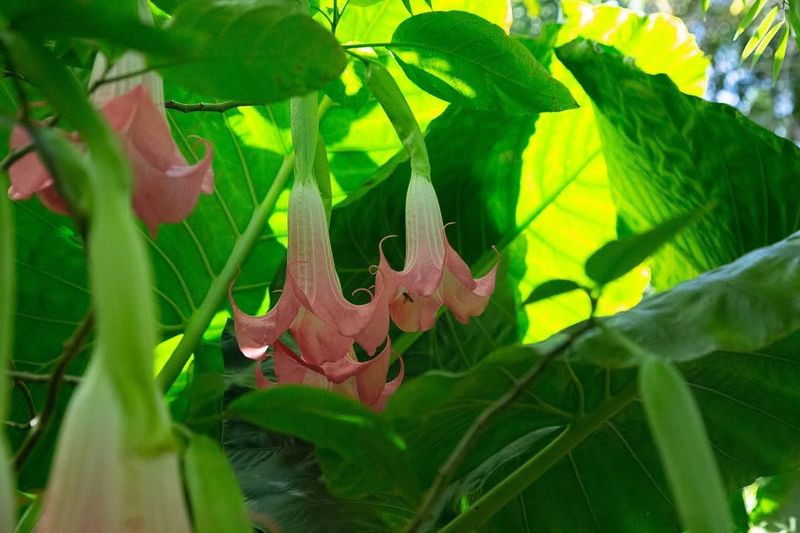
Enormous pendant flowers shaped like trumpets hang from branches, releasing intense fragrance that peaks during evening hours. These dramatic blooms reach impressive sizes, sometimes measuring nearly a foot long in California’s favorable growing conditions.
The plants themselves grow into substantial shrubs or small trees, creating bold focal points in backyard landscapes.
Colors range from pure white to yellow, peach, and pink, with some varieties offering flowers that change color as they age. The fragrance has a heady, almost intoxicating quality that some compare to gardenias or jasmine.
California’s frost-free zones allow angel’s trumpet to thrive year-round, producing waves of flowers from spring through fall.
These tropical beauties need protection from cold in marginal areas but flourish in Southern California and coastal regions. The plants grow quickly, especially when provided with regular water and fertilizer.
Many California gardeners grow angel’s trumpet in large containers that can be moved to protected spots during rare cold snaps.
Placing these plants where evening fragrance can be appreciated maximizes their impact in backyards. The flowers open fully as temperatures cool, releasing their strongest perfume after sunset.
This makes angel’s trumpet perfect near patios and seating areas used during evening hours throughout California.
All parts of angel’s trumpet contain compounds that require careful handling, so planting away from areas where children play makes sense. The spectacular flowers and incredible fragrance make this plant unforgettable in California backyards seeking dramatic scent and visual impact combined in one impressive package.