These 11 Outdoor Features Could Soon Become Illegal In Ohio Neighborhoods

Ohio homeowners love customizing their yards, but regulations are tightening and some outdoor features that were once common may soon be on the chopping block.
Local ordinances are evolving to address safety, water quality, zoning, and neighborhood standards, and what’s acceptable in one area today might be prohibited tomorrow. Your backyard favorite could be against the rules before you know it.
These eleven outdoor features include structures or installations that may conflict with new codes, such as unpermitted sheds, oversized hardscapes, certain water features, and landscape elements that affect drainage or sightlines.
Understanding what’s under review helps homeowners avoid fines, redesigns, and disputes with neighbors or authorities.
Smart planning and staying informed about local changes ensures your yard stays both beautiful and compliant. Know the rules before you build or install something you might have to remove later.
Ohio residents who pay attention now can adapt their landscapes to fit evolving standards while preserving style and function. Stay on the right side of the law and keep your yard trouble-free.
1. Giant Inflatable Decorations
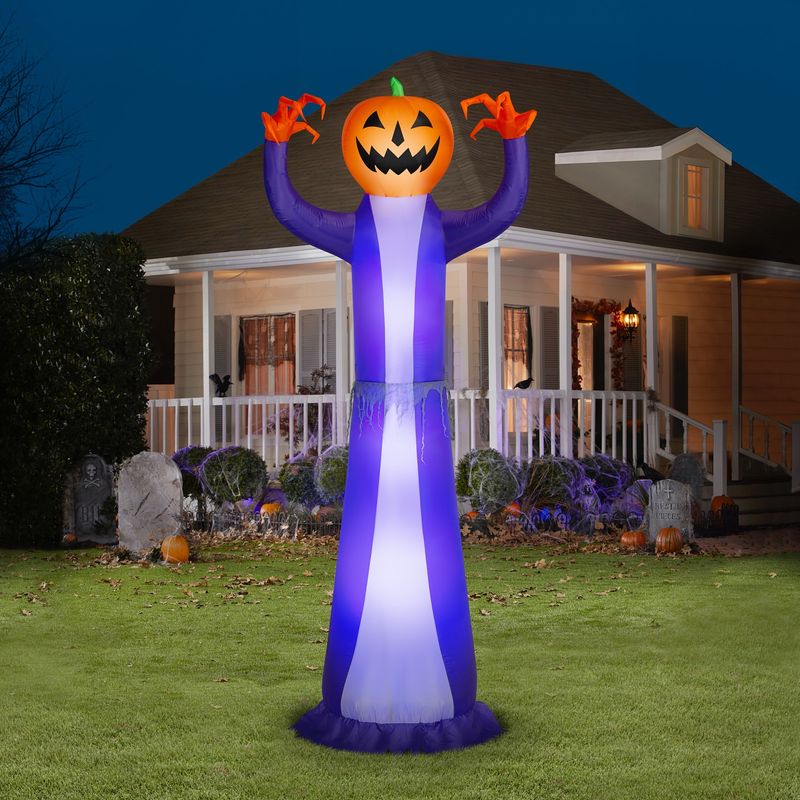
Giant inflatable decorations have become a hallmark of festive neighborhoods, transforming ordinary yards into eye-catching displays of holiday cheer.
While visually spectacular, these massive inflatables have sparked growing concerns over energy consumption, especially during peak winter months.
Local officials in Ohio and other states are increasingly scrutinizing the continuous electrical draw required to keep motors running and lights illuminated for weeks at a time.
Beyond just electricity costs, there are environmental implications: the energy used often comes from grids stressed during cold weather, increasing the risk of outages or higher carbon emissions.
In response, some communities have begun introducing limitations on the size and number of inflatables allowed per property, balancing holiday spirit with responsible energy use.
Homeowners are also exploring energy-efficient alternatives, such as LED lighting or timed operation schedules, to reduce overall consumption without completely abandoning tradition.
These discussions highlight a larger societal question about sustainability and celebration, emphasizing that holiday displays, while joyful, can carry hidden ecological and financial costs.
As regulations evolve, families may need to rethink how to maintain festive cheer while being mindful of broader community and environmental impacts.
2. Artificial Grass Lawns
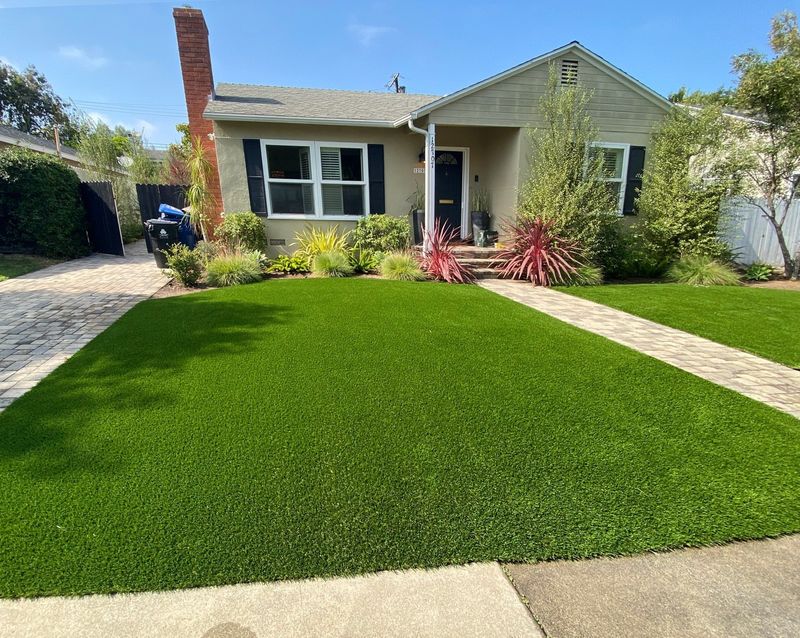
Artificial grass lawns were originally marketed as a low-maintenance, water-saving alternative to natural turf, appealing to homeowners looking to reduce watering needs and yard upkeep.
However, over time, researchers and environmentalists have highlighted a variety of unintended consequences associated with synthetic turf.
The plastic materials used in artificial grass can leach chemicals into the soil and groundwater, potentially affecting local water quality and ecosystems.
Moreover, as the turf deteriorates over time, it contributes microplastics to the surrounding environment, adding to a growing global pollution problem.
Ohio summers exacerbate the issue, as artificial surfaces can heat to dangerously high temperatures, sometimes surpassing 150°F, posing burn risks to pets and children.
Beyond human concerns, wildlife experts warn that artificial lawns eliminate critical habitats for beneficial insects, earthworms, and soil microorganisms that thrive in natural lawns, disrupting local biodiversity.
Your Ohio Garden Changes Every Week. Your Plan Should Too.
Gardening in Ohio changes quickly throughout the season. Every Friday you’ll receive a simple weekly plan showing exactly what to plant, prune, fertilize, harvest, and protect so you never miss the right timing.
This tension between convenience and ecological responsibility is prompting homeowners and municipalities to reevaluate synthetic turf as a solution, encouraging hybrid approaches that blend aesthetic appeal with environmental care.
Balancing practicality and sustainability may require innovative landscaping choices that provide both functional space and ecological benefits, offering a more responsible path forward for outdoor living spaces.
3. Water Features Without Recirculation
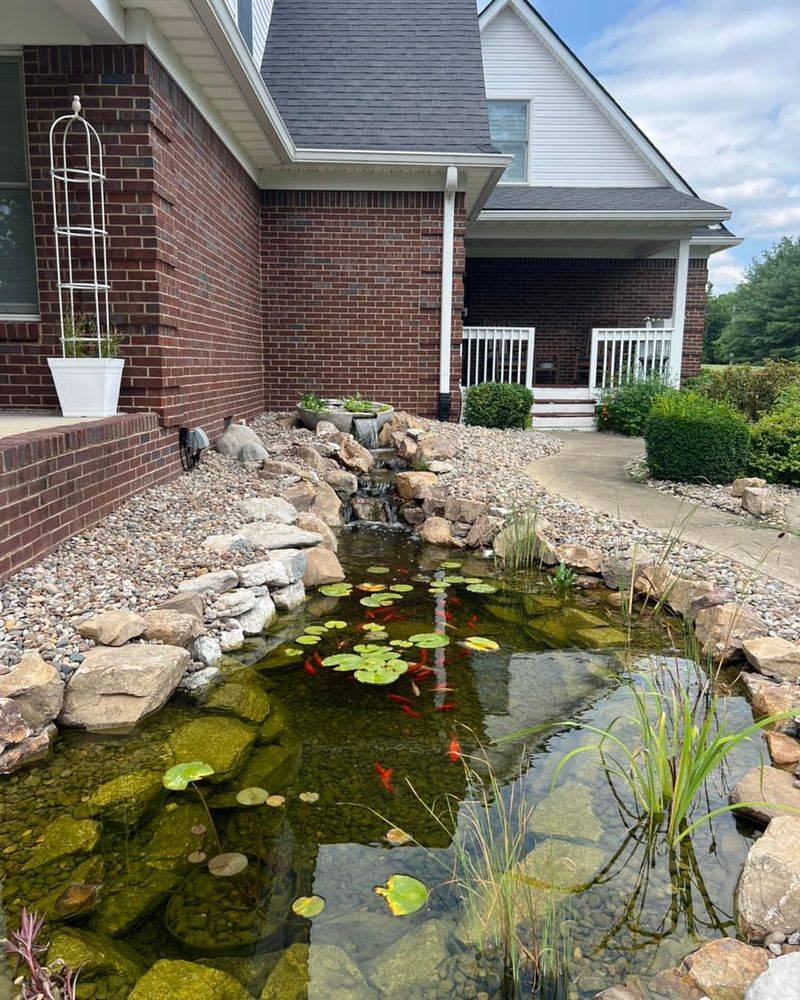
Fountains, decorative ponds, and waterfalls have long been symbols of elegance and tranquility in residential landscaping, but their environmental footprint is increasingly coming under scrutiny.
Features that continuously draw fresh water from municipal supplies, rather than using closed-loop recirculation systems, are now considered wasteful luxuries in the face of growing water conservation concerns.
Thousands of gallons can be lost annually through evaporation and continuous flow, particularly during Ohio’s sporadic droughts and heat waves, placing unnecessary strain on municipal resources.
New proposals and regulations aim to require closed-loop systems that recycle water efficiently, reducing waste while preserving the aesthetic and soothing qualities of these features.
Beyond municipal water use, these systems also help prevent mosquito breeding and protect local wildlife habitats from sudden changes in water supply.
Landscaping designers are now challenged to balance visual appeal with environmental responsibility, finding creative ways to incorporate dynamic water elements without draining local water resources.
This shift reflects a broader societal awareness of sustainability, emphasizing that even seemingly decorative luxuries have ecological consequences that must be considered in modern urban planning.
4. Non-Native Invasive Plants

Non-native invasive plants, such as purple loosestrife and Japanese barberry, are increasingly recognized as major threats to Ohio’s natural ecosystems.
While gardeners often plant them for their vibrant colors or fast growth, these species are aggressive invaders that outcompete native plants, disrupt local food webs, and compromise the integrity of natural habitats.
State conservation authorities are taking action by restricting the sale and planting of these species and promoting public awareness campaigns about their risks.
Once established, invasive plants spread rapidly via seeds carried by wind, water, or wildlife, making it difficult to control their expansion.
The ecological consequences are profound: native flora declines, local pollinators lose vital resources, and birds and small mammals find their natural habitats altered or destroyed.
Managing these invasives requires coordinated efforts between homeowners, gardeners, and conservation agencies, emphasizing the importance of careful species selection and responsible landscaping practices.
By choosing native alternatives and maintaining vigilance over planted areas, communities can support biodiversity, protect Ohio’s wildlife, and preserve the ecological balance of parks, preserves, and backyard gardens.
5. Excessive Outdoor Lighting

Excessive outdoor lighting, including bright spotlights, decorative strings, and motion-activated lamps, has become a growing concern in Ohio communities.
While providing safety and aesthetic appeal, these bright lights contribute to significant light pollution, disrupting wildlife behaviors such as migration, feeding, and reproduction.
Birds, bats, and nocturnal insects are particularly affected, altering local ecosystems in subtle but meaningful ways.
Additionally, over-illumination affects humans by interfering with sleep cycles, increasing energy costs, and diminishing neighborhood tranquility.
Several Ohio counties are exploring ordinances that regulate brightness, direction, and hours of operation, aiming to strike a balance between illumination and environmental and social well-being.
Astronomers strongly support these efforts, noting that widespread artificial light in suburban areas has nearly eliminated the visibility of stars for residents, disconnecting people from natural night skies.
Thoughtful approaches, such as downward-facing fixtures, motion sensors, and limited evening operation, allow homeowners to enjoy illuminated yards without harming wildlife or compromising community quality of life.
As technology evolves, the challenge will be to maintain outdoor safety and aesthetic beauty while minimizing ecological disruption and preserving opportunities for residents to experience the wonder of natural darkness.
6. Chemical Pesticide Applications
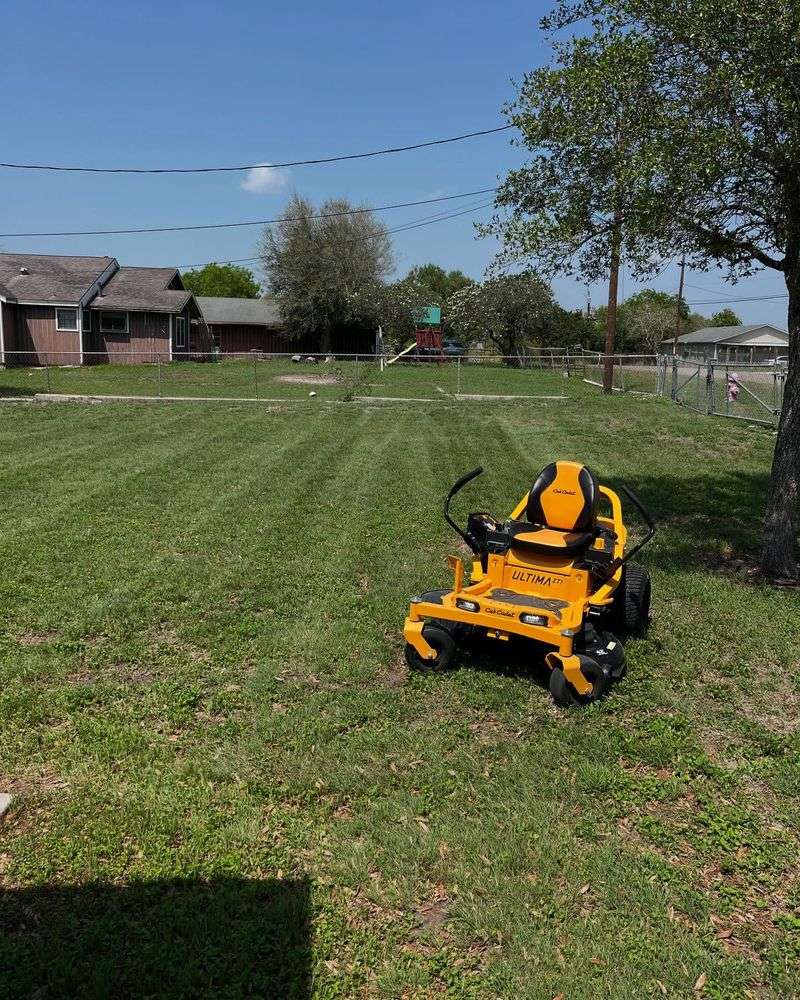
Chemical pesticides, once a staple of Ohio lawn care, are increasingly under scrutiny due to their wide-ranging ecological and health impacts.
While these products provide a quick solution to pests, studies link their use to declines in pollinator populations, particularly bees and other essential insects, which play a vital role in maintaining garden and agricultural ecosystems.
Moreover, residues left on lawns pose potential health risks for children and pets who frequently play on treated surfaces, sparking concerns among families and public health officials alike.
In response, communities are promoting integrated pest management (IPM) practices, which prioritize non-chemical solutions such as natural predators, plant-resistant varieties, and targeted treatments over indiscriminate spraying.
Some municipalities are establishing pesticide-free zones, restricting chemical use in parks, schools, and residential areas to protect both human and wildlife health.
The shift reflects a broader societal trend toward sustainable landscaping, balancing aesthetic appeal and comfort with environmental responsibility.
Homeowners are encouraged to embrace creative approaches to pest control that maintain vibrant lawns and gardens while safeguarding ecosystems, demonstrating that conscious choices in everyday landscaping can have meaningful positive effects on local biodiversity and public health.
7. Tall Privacy Hedges
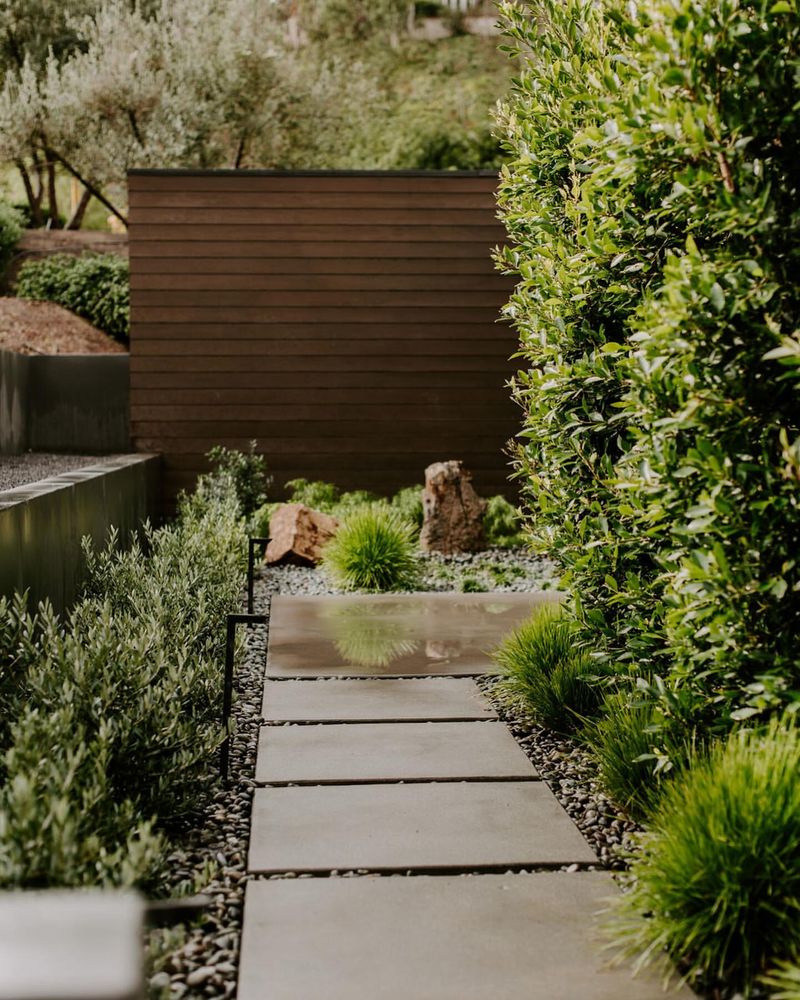
Tall privacy hedges, often made from dense arborvitae, leyland cypress, or other fast-growing evergreens, have long been a popular landscaping choice for homeowners seeking seclusion.
While these green walls offer shade, sound buffering, and visual privacy, they also present practical challenges and regulatory concerns.
Emergency responders often report that excessively tall hedges impede access during urgent situations, complicating efforts to reach properties quickly in cases of fire or medical emergencies.
Additionally, such hedges can provoke disputes between neighbors regarding sunlight obstruction, root intrusion, or maintenance responsibilities, prompting local authorities to establish height limits or setback requirements.
Beyond legal and safety concerns, overly dense hedges can create microclimates that encourage mold growth or reduce air circulation, impacting nearby vegetation and property health.
As a result, many communities are urging homeowners to adopt alternative strategies, such as layered plantings, decorative fencing, or shorter, well-spaced hedges that maintain privacy without creating hazards.
These evolving regulations reflect the delicate balance between personal landscaping desires and broader community well-being, emphasizing that thoughtful design choices can protect property value, enhance neighborhood harmony, and ensure safe access in emergencies.
8. Backyard Fire Pits
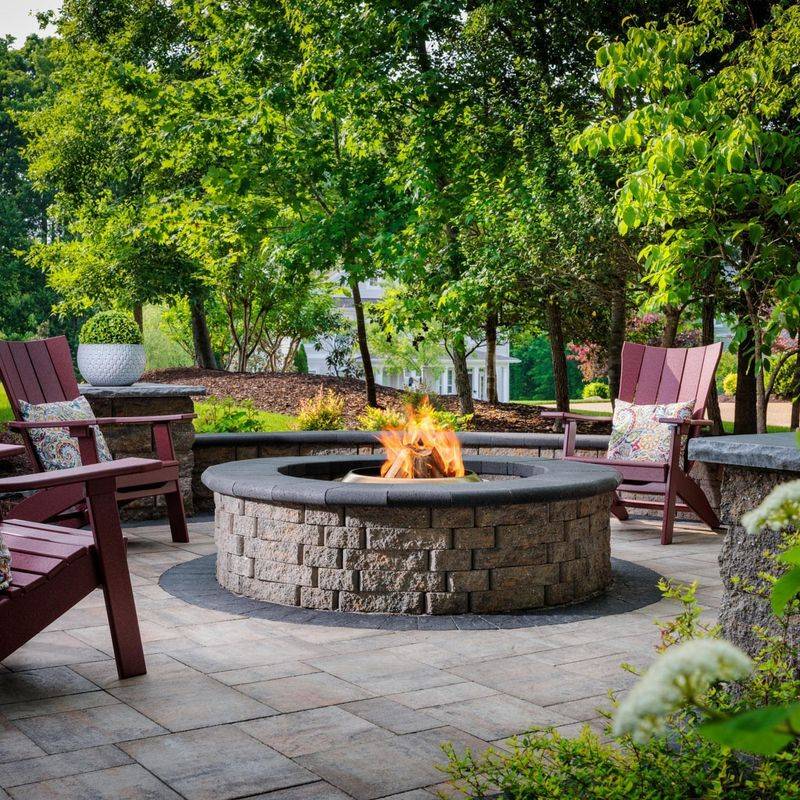
Backyard fire pits, once celebrated as cozy focal points for outdoor gatherings, are facing increasing restrictions due to air quality and public health concerns.
The smoke generated by these features contains fine particulate matter and volatile compounds that can exacerbate respiratory conditions, particularly for children, the elderly, and individuals with asthma or other vulnerabilities.
In densely populated suburban neighborhoods, the cumulative effect of multiple fire pits burning simultaneously can significantly degrade local air quality, prompting municipalities to introduce permit systems and usage regulations.
Many new rules require specific fire pit designs that reduce smoke production, enforce limited operating hours, or mandate safe distances from property lines and structures.
Despite these restrictions, fire pits remain highly valued for their social and recreational roles, encouraging family bonding, seasonal celebrations, and outdoor enjoyment.
Homeowners are exploring alternative approaches, including smokeless gas-fueled pits, bioethanol burners, and controlled fire features that provide warmth and ambiance without the harmful environmental effects of traditional wood-burning pits.
By balancing leisure with responsibility, communities can preserve these popular backyard traditions while safeguarding health and complying with evolving environmental standards.
9. Artificial Wildlife Feeders
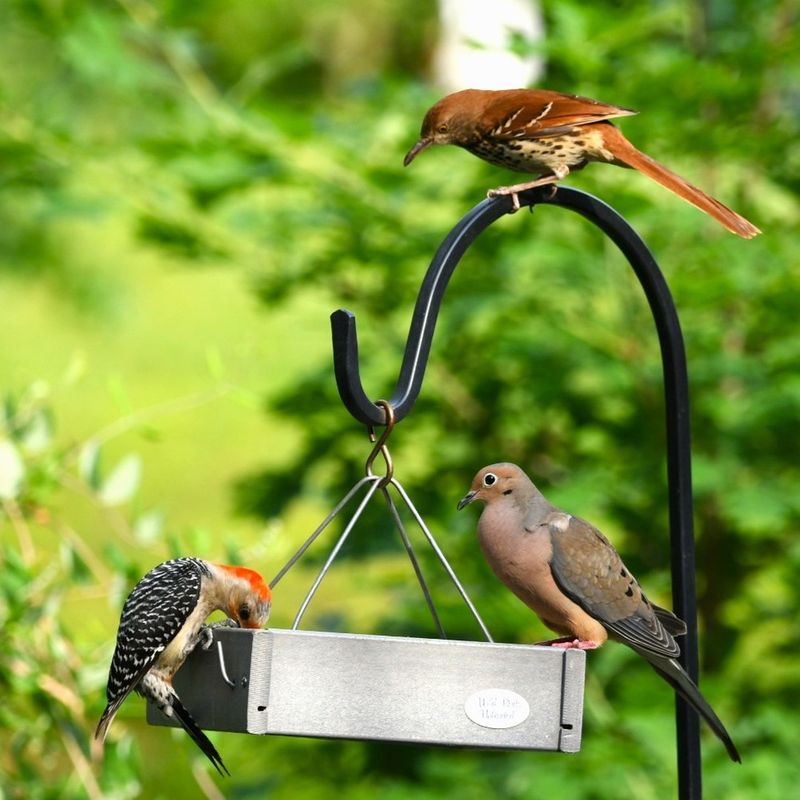
Artificial wildlife feeders, from bird feeders to deer and squirrel stations, have long been cherished tools for attracting nature to residential yards.
While they provide entertainment and educational opportunities, wildlife management officials increasingly view these devices as problematic.
Feeders can create unnatural dependencies, encouraging animals to rely on human-provided food rather than foraging naturally, which can impact their health and survival skills.
Additionally, concentrations of animals around feeders increase the risk of disease transmission, spreading illnesses such as avian flu or chronic wasting disease among local wildlife populations.
In suburban Ohio, feeders have been linked to increased conflicts, as deer, raccoons, and other wildlife are drawn into neighborhoods, damaging gardens, property, and sometimes creating traffic hazards.
Experts now recommend strategies that mimic natural feeding patterns, such as planting native shrubs that provide seasonal berries or nuts and maintaining wildlife corridors that allow animals to move safely through landscapes without relying on human intervention.
By fostering self-sufficient habitats, homeowners can enjoy wildlife observation while promoting ecological balance, reducing disease risks, and minimizing the potential for property damage, ultimately encouraging a more harmonious coexistence between humans and nature.
10. Excessive Impervious Surfaces
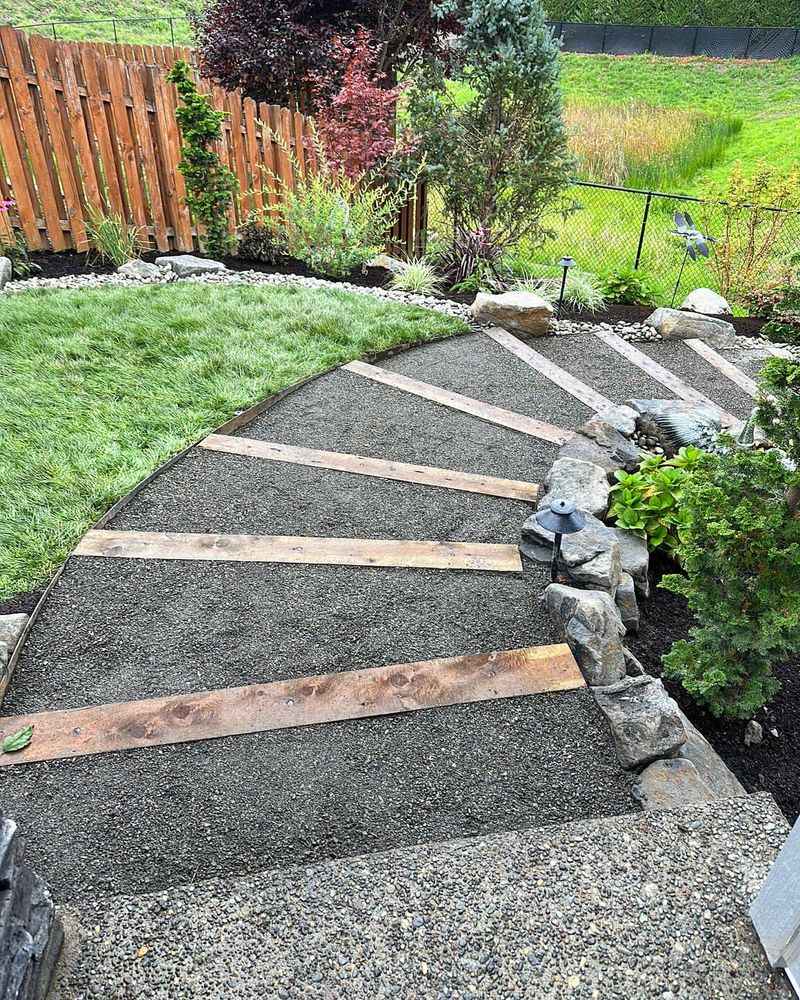
Excessive impervious surfaces, including large concrete patios, driveways, and paved courtyards, have become a growing concern in Ohio due to their impact on stormwater management and local ecosystems.
These surfaces prevent rainwater from naturally infiltrating into the soil, increasing runoff that can overwhelm drainage systems, contribute to localized flooding, and carry pollutants such as fertilizers, oils, and chemicals directly into rivers and streams.
With the frequency of heavy rainfall events rising due to climate change, the consequences of widespread impervious cover are becoming increasingly urgent.
Municipal regulations are beginning to require homeowners to maintain a certain percentage of permeable surfaces, such as gravel, porous pavers, or vegetated areas, to support natural water cycles.
Innovative landscaping solutions, including rain gardens, bioswales, and permeable pathways, offer practical ways to combine aesthetics with environmental responsibility.
These approaches not only reduce runoff and pollution but also improve groundwater recharge and support local biodiversity.
Homeowners are encouraged to consider the ecological impacts of their outdoor spaces, finding creative ways to balance functional hardscaping with permeable solutions that contribute to a healthier, more resilient urban and suburban environment.
11. Unsecured Compost Heaps
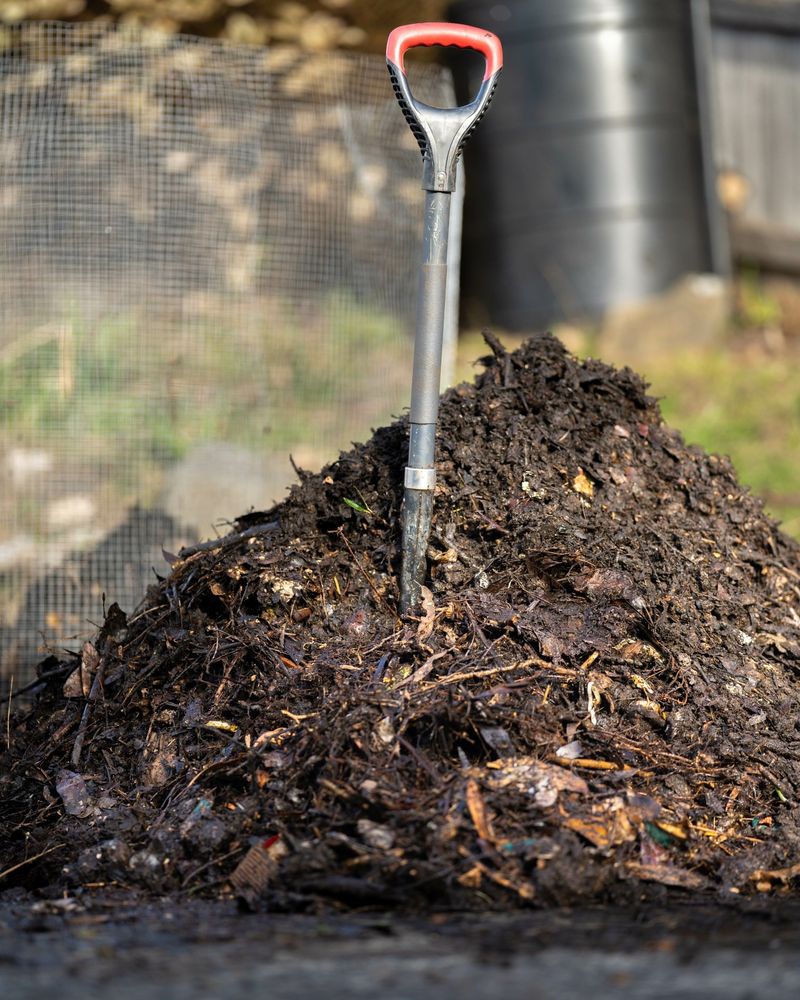
Unsecured compost heaps, while seemingly eco-friendly, present several challenges for residential communities.
Open piles attract rodents, raccoons, and other animals, creating potential health hazards and increasing the likelihood of disease transmission.
The odor produced by decomposing organic matter can also provoke disputes between neighbors, particularly in densely populated areas where proximity intensifies the impact of smells and pests.
To address these issues, municipalities are moving toward requiring enclosed compost systems that allow organic material to break down effectively while preventing wildlife access.
Enclosures can be as simple as ventilated bins or more sophisticated designs that optimize decomposition while controlling temperature, moisture, and airflow.
By implementing such systems, homeowners can continue composting sustainably without creating environmental or social nuisances.
The regulations reflect a broader effort to balance individual eco-friendly practices with community well-being, ensuring that sustainability initiatives do not inadvertently create new health or safety risks.
Encouraging responsible composting ultimately supports soil health, reduces waste sent to landfills, and fosters a culture of environmental awareness while protecting neighborhood harmony.