6 Ways How To Fill Your North Carolina Garden With Useful Plants
A North Carolina garden can be so much more than just pretty flowers, it can be a source of food, medicine, and beauty all in one. Imagine stepping into your backyard and harvesting fresh herbs, vegetables, and edible flowers right from your garden.
Filling your garden with useful plants doesn’t just make it practical, it also adds variety, texture, and year-round interest. Your garden can work as hard as you do.
From culinary herbs and leafy greens to plants that attract pollinators or repel pests naturally, there are countless ways to maximize your space. Small changes can have big rewards.
Even a modest backyard can support a thriving mix of useful plants with thoughtful planning and care. A garden full of purpose is a garden full of life.
These are the best ways to fill your North Carolina garden with plants you can actually use.
1. Plant Native Perennials For Year-Round Benefits
Native perennials are the backbone of any successful North Carolina garden because they’ve adapted to local conditions over thousands of years.
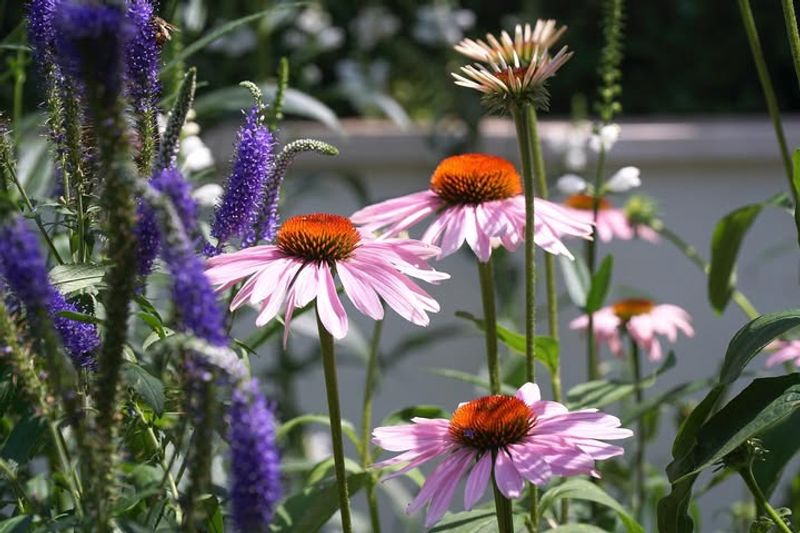
Plants like purple coneflower, black-eyed Susan, and butterfly weed don’t just survive in North Carolina soil; they absolutely thrive without much help from you.
Once established, these hardy plants return year after year, saving you money and effort while providing continuous beauty and functionality.
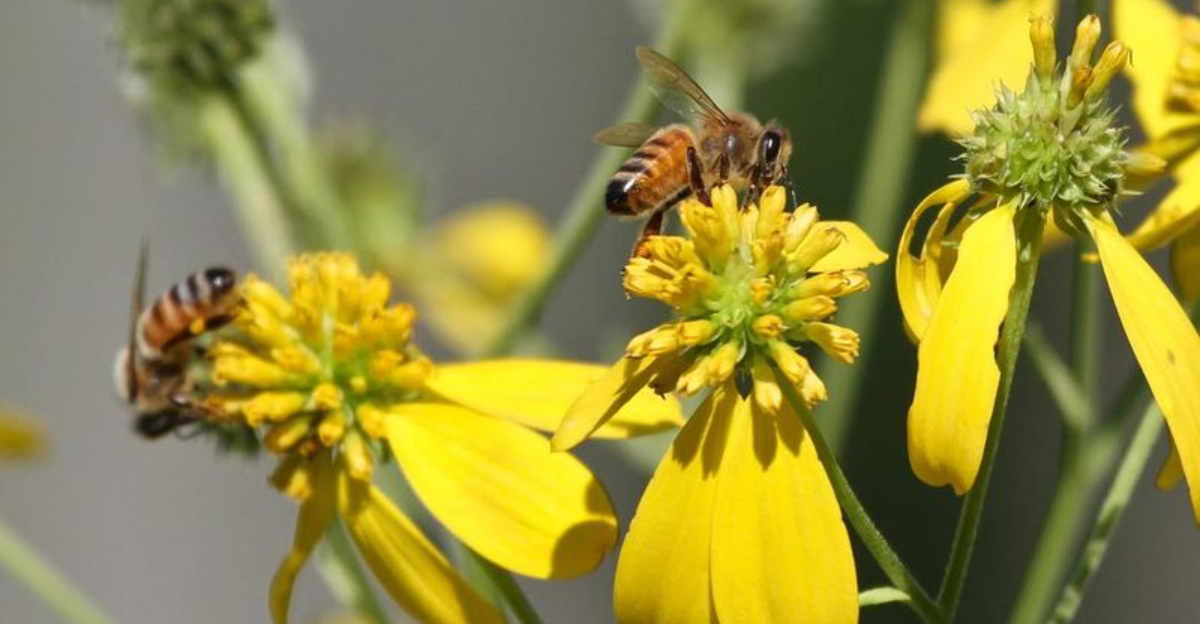
What makes native perennials especially useful is their relationship with local wildlife. Pollinators such as bees, butterflies, and hummingbirds depend on these plants for survival, and in return, they help your entire garden flourish.
Many native species also have medicinal properties that people have used for generations. Echinacea, for instance, is famous for supporting immune health, while yarrow has been used in herbal remedies for centuries.
North Carolina’s climate allows for an impressive variety of native perennials across different regions. In the mountains, you might grow foam flower and wild ginger, while coastal gardeners can succeed with sea oats and yaupon holly.
The piedmont region offers the widest selection, supporting nearly everything. These plants require minimal watering once their roots are established, making them perfect for sustainable gardening practices.
Another advantage is their deep root systems, which prevent soil erosion and improve water infiltration. This is particularly important in North Carolina, where heavy rains can wash away topsoil.
By filling your garden beds with native perennials, you’re creating a self-sustaining ecosystem that gets better with each passing season.
The investment you make today will pay dividends for years to come, providing beauty, food for wildlife, and even materials for natural crafts and remedies.
2. Grow Herbs For Cooking And Natural Medicine
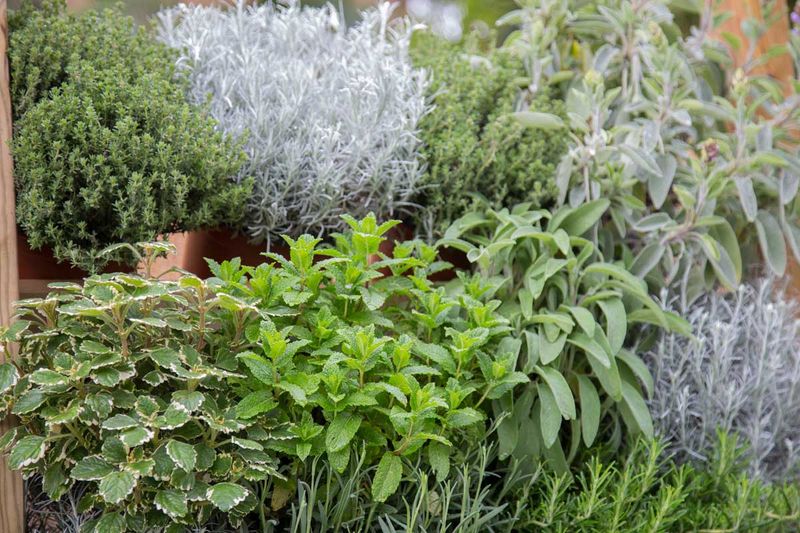
Fresh herbs transform ordinary meals into extraordinary culinary experiences while offering natural health benefits that have been trusted for centuries. North Carolina’s growing season is long enough to support both annual and perennial herbs, giving you plenty of options to explore.
Basil, cilantro, and dill thrive in the warm months, while rosemary, thyme, and oregano can survive mild North Carolina winters in many areas, especially along the coast and in the piedmont.
Your North Carolina Garden Changes Every Week. Your Plan Should Too.
Gardening in North Carolina changes quickly throughout the season. Every Friday you’ll receive a simple weekly plan showing exactly what to plant, prune, fertilize, harvest, and protect so you never miss the right timing.
Growing your own herbs means you’ll always have fresh flavors available just steps from your kitchen door. Store-bought herbs can be expensive and often lack the intense flavor and aroma of home-grown varieties.
A small herb garden can significantly reduce your grocery expenses while elevating your cooking. Many herbs also serve double duty as natural pest repellents, with plants like lavender, mint, and lemongrass keeping unwanted insects away from your outdoor living spaces.
The medicinal properties of herbs make them even more valuable in a useful garden. Chamomile soothes upset stomachs and promotes relaxation, while peppermint helps with digestion and headaches.
Sage has antimicrobial properties, and calendula can be used in salves for skin irritation. North Carolina gardeners can easily grow these healing plants and create their own natural remedies, reducing dependence on commercial products.
Herbs are remarkably forgiving plants that adapt well to containers, raised beds, or traditional garden rows. Even if you have limited space, you can grow a productive herb garden on a sunny balcony or patio.
Most herbs prefer well-drained soil and plenty of sunshine, conditions that are easy to provide throughout North Carolina. Regular harvesting actually encourages bushier growth, meaning the more you use your herbs, the more productive they become.
3. Add Fruit-Bearing Shrubs And Trees
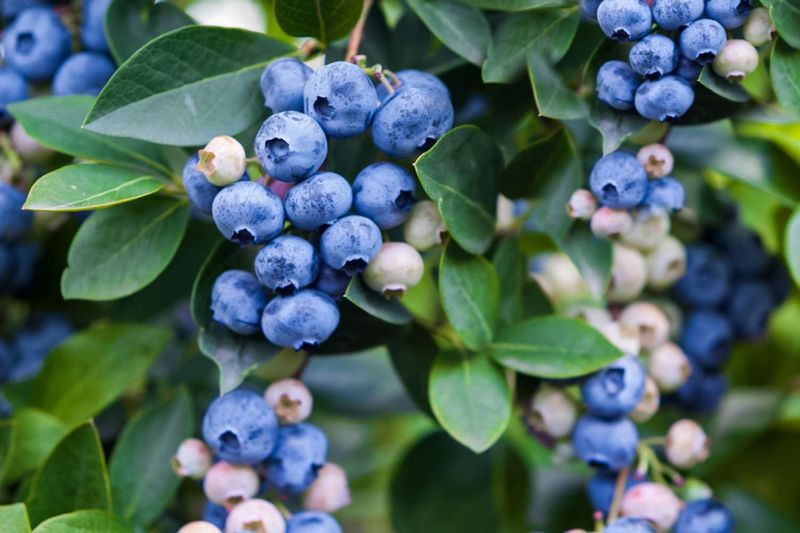
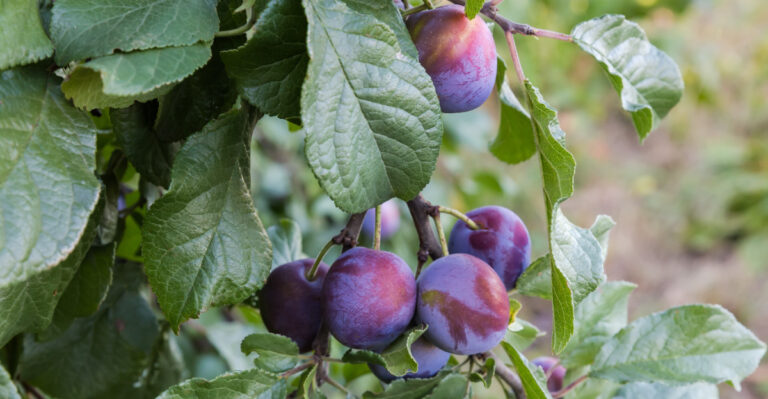
Fruit-bearing plants deliver delicious harvests while adding structure and visual interest to your North Carolina landscape throughout the seasons. Blueberries are particularly well-suited to North Carolina’s acidic soils, and several varieties produce abundant crops from late spring through summer.
Fig trees thrive in the warmer regions of the state, offering sweet fruit that’s perfect for fresh eating or preserving. Muscadine grapes are native to the Southeast and produce flavorful fruit with minimal maintenance.
Beyond the obvious benefit of fresh fruit, these plants contribute to your garden’s ecosystem in meaningful ways. Their flowers attract pollinators in spring, their foliage provides shelter for beneficial insects, and their fruit feeds both your family and local wildlife.
Many fruit-bearing plants have attractive forms that work well as focal points or screening elements in landscape design. A well-placed apple or pear tree can anchor a garden bed while providing shade and beauty alongside its edible harvest.
North Carolina’s varied climate zones allow for impressive diversity in fruit production. Mountain gardeners can grow apples, pears, and cherries that need winter chill hours, while coastal residents succeed with citrus varieties like satsuma oranges and kumquats.
The piedmont region supports nearly everything, making it ideal for experimental fruit growing. Blackberries and raspberries grow wild throughout North Carolina, but cultivated varieties offer larger, sweeter berries with extended harvest periods.
Establishing fruit-bearing plants requires patience, as most take several years to reach full production, but the wait is worthwhile. Once mature, these plants can produce for decades with proper care.
Pruning, fertilizing, and pest management become routine tasks that connect you more deeply with your garden’s rhythms. The satisfaction of harvesting your own fruit is unmatched, and the flavor of tree-ripened produce far exceeds anything available in stores.
4. Incorporate Vegetables In Ornamental Beds
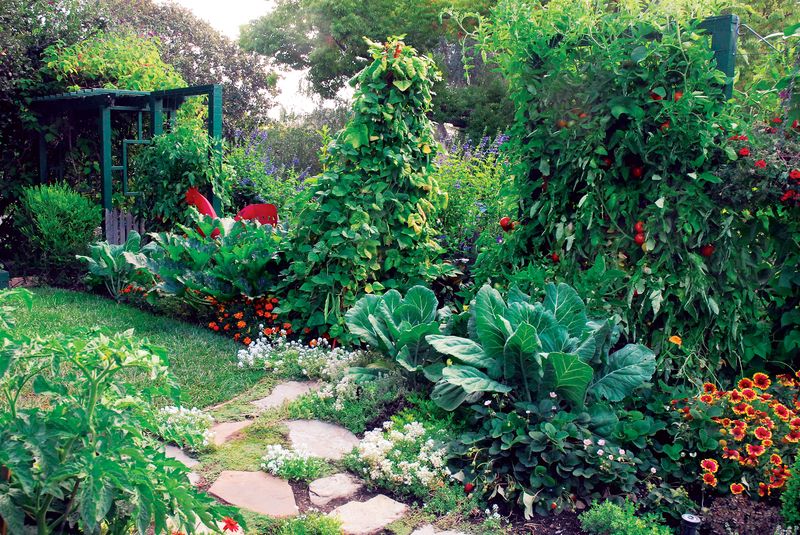
Mixing vegetables with flowers creates stunning garden displays that are as productive as they are beautiful, a concept known as edible landscaping. Many vegetables have attractive foliage, interesting textures, and colorful fruits that rival purely ornamental plants.
Swiss chard comes in vibrant rainbow colors, kale has gorgeous ruffled leaves, and pepper plants produce fruits in shades of red, yellow, orange, and purple. When thoughtfully arranged, these edible plants enhance your garden’s visual appeal while providing fresh food.
North Carolina’s long growing season allows for succession planting, meaning you can harvest vegetables from spring through fall in most areas. Cool-season crops like lettuce, broccoli, and peas thrive in early spring and late fall, while tomatoes, squash, and beans dominate summer gardens.
By integrating vegetables throughout your landscape rather than isolating them in traditional rows, you make better use of available space and create more diverse planting combinations that can confuse pests and reduce disease pressure.
Edible landscaping also makes vegetable gardening more accessible for people who lack space for dedicated garden plots. A few tomato plants tucked among your roses, herbs bordering your walkways, and lettuce filling gaps in flower beds can produce surprising amounts of food.
This approach works particularly well in North Carolina neighborhoods with homeowner associations that restrict traditional vegetable gardens but allow ornamental plantings. Your neighbors might not even realize you’re growing food until they see you harvesting.
The key to successful edible landscaping is choosing vegetables with attractive growth habits and maintaining them properly. Regular harvesting keeps plants looking tidy and encourages continued production.
Staking tomatoes and training cucumbers on attractive supports adds vertical interest while keeping fruits clean and accessible. Companion planting vegetables with flowers can improve growth and flavor while attracting beneficial insects that control pests naturally, creating a balanced garden ecosystem.
5. Establish Pollinator Plants For Garden Health
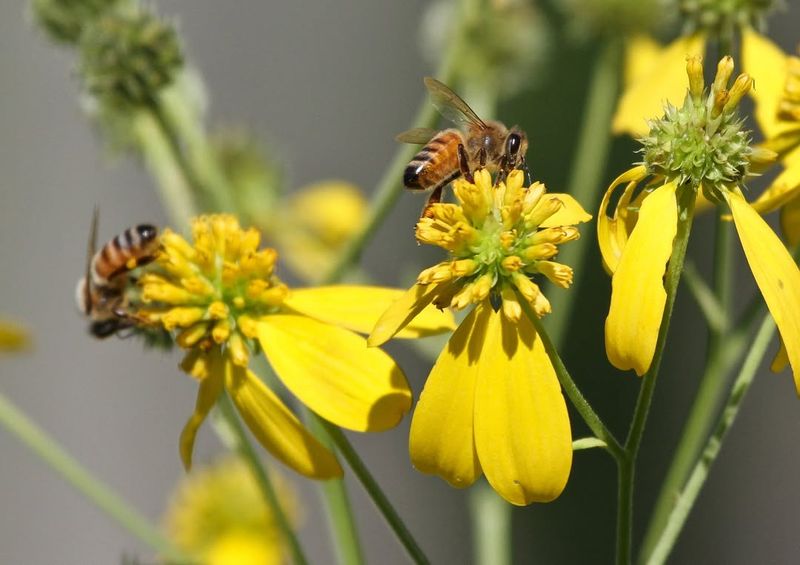
Pollinator plants are essential for any useful garden because they support the insects that make fruit and vegetable production possible. Without bees, butterflies, and other pollinators, many of your garden plants would fail to produce the harvests you’re hoping for.
North Carolina is home to hundreds of native pollinator species, and providing them with appropriate food sources ensures they’ll stick around to help your garden thrive. Plants like bee balm, Joe Pye weed, and goldenrod are particularly attractive to beneficial insects.
Creating a pollinator-friendly garden in North Carolina means selecting plants that bloom at different times throughout the growing season.
Early spring flowers provide crucial nutrition when pollinators first emerge from winter dormancy, while late-blooming plants help them build reserves for the colder months ahead.
By maintaining continuous bloom from March through October, you support pollinator populations year-round. This diversity benefits not just your garden but the broader ecosystem, as pollinator numbers have declined significantly in recent decades.
Many pollinator plants serve multiple purposes beyond supporting beneficial insects. Purple coneflower attracts butterflies while providing seeds that finches love in fall and winter.
Sunflowers feed both pollinators and birds while producing edible seeds for human consumption. Milkweed is the only food source for monarch butterfly caterpillars, making it crucial for their survival, and it produces fragrant flowers that many other insects visit.
North Carolina gardeners can make a real difference in pollinator conservation by dedicating even small spaces to these important plants.
Establishing pollinator plants is straightforward and requires minimal maintenance once they’re settled. Most prefer full sun and well-drained soil, conditions that are easy to provide in North Carolina gardens.
Avoid using pesticides, which harm beneficial insects along with pests. Instead, let your pollinator plants attract natural predators that keep pest populations in check.
The result is a healthier, more balanced garden that produces better with less human intervention.
6. Use Groundcovers For Function And Beauty
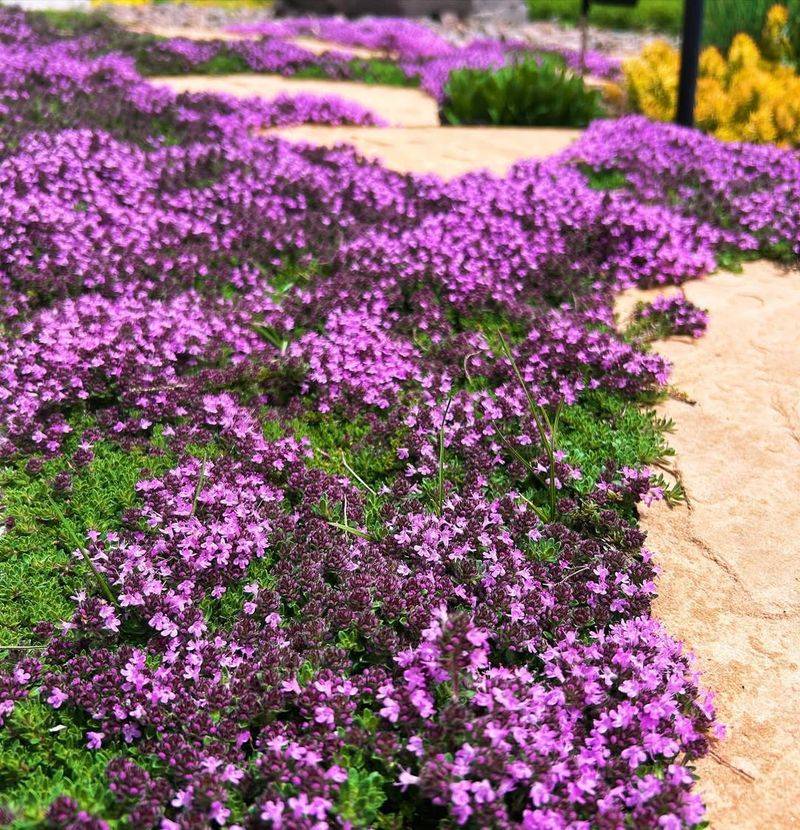
Groundcovers solve multiple garden problems while creating attractive, low-maintenance landscapes that work hard throughout the year. These spreading plants prevent weeds from establishing, reduce soil erosion, retain moisture, and eliminate the need for mulch in many situations.
North Carolina gardeners can choose from numerous groundcover options suited to different light conditions and soil types.
Creeping thyme releases wonderful fragrance when walked upon and produces tiny flowers that bees adore. Sweet woodruff thrives in shade and has been used to flavor beverages for centuries.
Many useful groundcovers are edible or medicinal, adding another layer of functionality to your landscape.
Wild strawberries spread quickly, producing small but intensely flavored fruits throughout summer. Wintergreen has aromatic leaves traditionally used in teas and natural remedies.
Clover fixes nitrogen in the soil, improving fertility for surrounding plants while providing food for pollinators and staying green during dry periods when grass turns brown. These multi-purpose plants transform problem areas into productive spaces.
Groundcovers are particularly valuable in North Carolina gardens with slopes, where erosion can be problematic during heavy rains. Their dense root systems hold soil in place while their foliage protects the surface from the impact of raindrops.
Areas under trees where grass struggles to grow become opportunities for shade-tolerant groundcovers like pachysandra or native ginger. These plants create finished, intentional-looking landscapes while requiring far less maintenance than traditional lawn grass.
Establishing groundcovers requires patience initially, as most need time to spread and fill in completely. However, once established, they’re remarkably self-sufficient and often outlive more demanding garden plants.
Many groundcovers tolerate foot traffic reasonably well, making them practical for pathways and areas between stepping stones.
In North Carolina’s climate, most groundcovers remain attractive year-round, with some offering seasonal interest through flowers, colorful foliage, or interesting textures that change with the seasons.