Save Your Pennsylvania Houseplants From Yellowing With These Simple Tricks
Your houseplants should make your home feel fresh and alive, not stressed and sickly. If you live in Pennsylvania and keep seeing yellow leaves, you’re not alone.
Changing seasons, indoor heating, low light, and watering mistakes can all cause plants to lose their healthy green color. The good news?
You don’t need expensive products or expert skills to fix the problem. With a few simple adjustments, you can bring your plants back to life and help them grow stronger than ever.
In this guide, you’ll learn easy, practical tricks that work for common houseplants and local indoor conditions.
Whether you’re caring for one pothos on your windowsill or a whole collection of leafy friends, these tips can help you stop yellowing fast and keep your plants looking vibrant all year long.
1. Adjust Your Watering Schedule To Match The Season
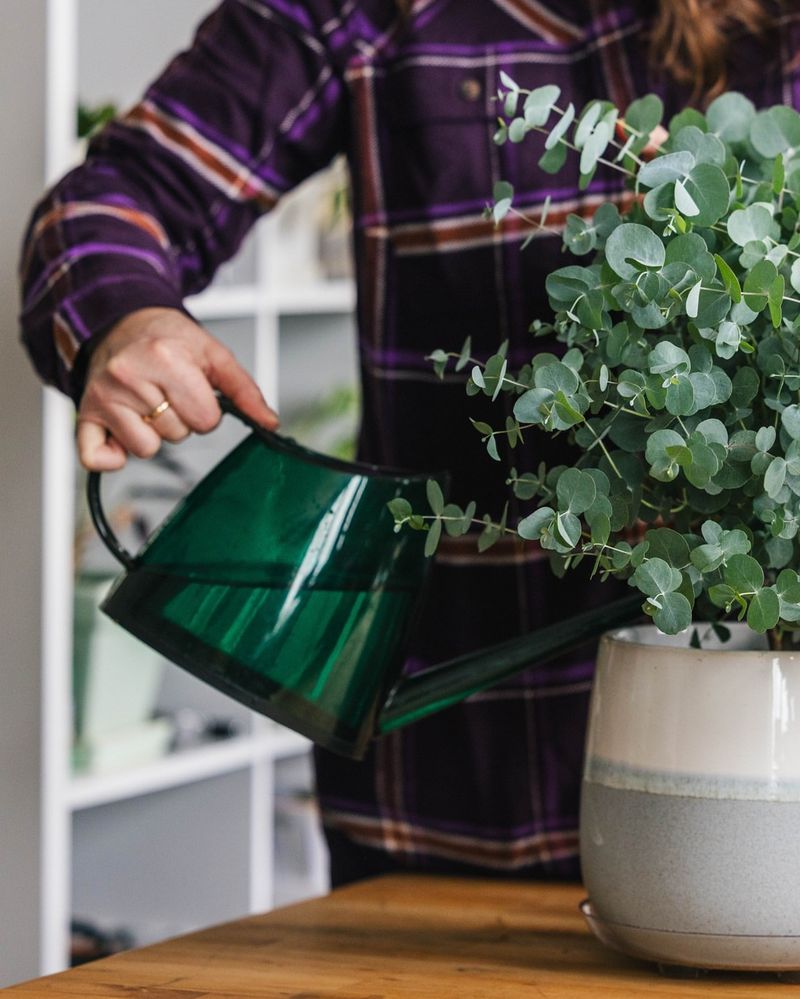
Watering mistakes rank as the number one reason houseplants develop yellow leaves across Pennsylvania homes. Too much water drowns the roots and prevents them from absorbing oxygen, while too little leaves plants parched and stressed.
Many people stick to the same watering schedule year-round, but your plants actually need different amounts of water depending on the season and indoor conditions.
During Pennsylvania’s cold winter months, most houseplants enter a dormant or slow-growth phase. They use less water because they’re not actively growing or producing new leaves.
Your heating system also creates drier air, but the soil still takes longer to dry out because there’s less sunlight and cooler temperatures. This combination often leads to overwatering, which causes roots to rot and leaves to turn yellow from the bottom up.
Summer brings the opposite challenge. Longer days, warmer temperatures, and active growth mean your plants are thirsty more often.
If you forget to increase watering frequency during these months, leaves may yellow and drop as the plant struggles to keep up with its water needs. Air conditioning can also dry out soil faster than you might expect.
The best approach is to check soil moisture before watering rather than following a strict schedule. Stick your finger about two inches into the soil. If it feels dry at that depth, it’s time to water. If it’s still moist, wait another day or two.
Different plants have different preferences, so research your specific varieties. Succulents and cacti prefer drier conditions, while tropical plants like ferns need consistently moist soil.
Adjusting your watering routine to match both the season and your plant’s individual needs will prevent most yellowing problems and keep your Pennsylvania houseplants healthy and vibrant throughout the year.
2. Improve Drainage To Prevent Root Problems
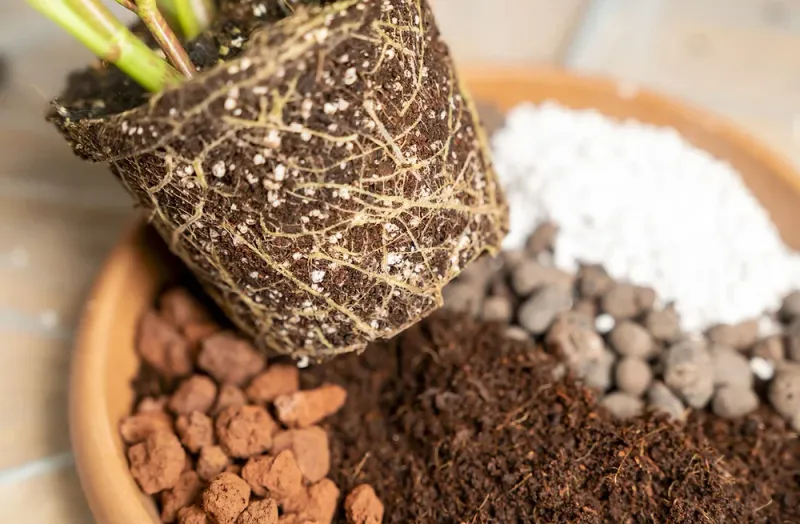
Poor drainage creates a soggy environment where roots can’t function properly, leading to yellowing leaves that often feel soft or mushy. Even if you’re watering correctly, your plant might be sitting in water for too long if the pot or soil isn’t allowing excess moisture to escape.
This issue affects countless Pennsylvania plant owners who don’t realize their containers are part of the problem.
Your Pennsylvania Garden Changes Every Week. Your Plan Should Too.
Gardening in Pennsylvania changes quickly throughout the season. Every Friday you’ll receive a simple weekly plan showing exactly what to plant, prune, fertilize, harvest, and protect so you never miss the right timing.
Start by examining your pots. Every container should have drainage holes at the bottom to let extra water flow out.
Decorative pots without holes might look beautiful, but they trap water and create conditions where roots suffocate. If you love a particular pot that lacks drainage, use it as a cover pot instead.
Place your plant in a smaller plastic nursery pot with holes, then set that inside the decorative container. After watering, lift out the inner pot to let it drain completely before returning it.
Soil quality matters just as much as the container. Over time, potting mix breaks down and becomes compacted, preventing water from moving through properly.
Pennsylvania’s hard water can also cause mineral buildup that affects drainage. If your plant has been in the same soil for more than a year or two, it might be time to repot with fresh mix.
Choose a well-draining potting soil appropriate for your plant type. For plants that prefer drier conditions, add perlite or coarse sand to improve drainage even more.
Another common mistake is using saucers or trays that hold water underneath the pot. While these protect your furniture, they can create problems if you don’t empty them after watering.
Standing water gets reabsorbed into the soil, keeping it wet longer than necessary. Make it a habit to dump any water that collects in saucers about thirty minutes after watering.
These simple drainage improvements will help prevent the root issues that cause yellow leaves.
3. Provide Adequate Light For Your Plant Species
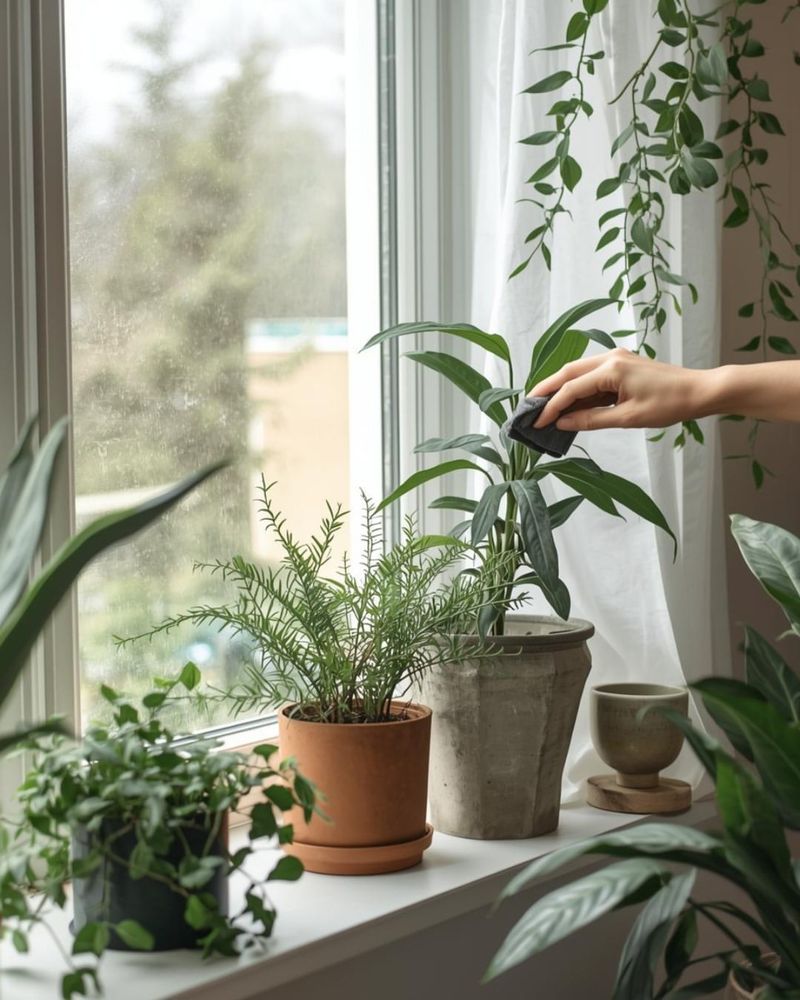
Light requirements vary dramatically between different houseplant species, and placing a plant in the wrong spot is a fast track to yellow leaves. Some plants crave bright, direct sunlight while others prefer shadowy corners.
Pennsylvania’s changing seasons mean the light in your home shifts throughout the year, which can stress plants that were perfectly happy in summer but struggle come winter.
Low light is a common culprit behind yellowing, especially for plants that need bright conditions. When a sun-loving plant doesn’t get enough light, it can’t photosynthesize properly.
The lower leaves often turn yellow first because the plant redirects energy to the newer growth at the top. Spider plants, pothos, and succulents all need decent light to maintain their green color.
If your plant sits far from a window or in a north-facing room during Pennsylvania’s short winter days, it might not be getting enough brightness.
Surprisingly, too much direct sunlight can also cause yellowing, though it usually comes with brown, crispy edges or bleached spots. This happens when intense rays scorch the leaves faster than the plant can handle.
If you’ve placed a shade-loving plant like a peace lily or snake plant in a south-facing window with hours of direct sun, the leaves will protest by changing color. Moving the plant back a few feet from the window or adding a sheer curtain can filter the light to a more comfortable level.
Pay attention to how light changes with the seasons in your Pennsylvania home. A spot that’s perfect in autumn might become too dark in winter when the sun sits lower and days are shorter.
You may need to move plants closer to windows during cold months or supplement with a grow light. Similarly, that same location might get too intense in summer when the sun is strong and direct.
Observing your plants and adjusting their position based on the light they receive will prevent many yellowing issues and keep them looking their best.
4. Balance Indoor Humidity Levels Year-Round
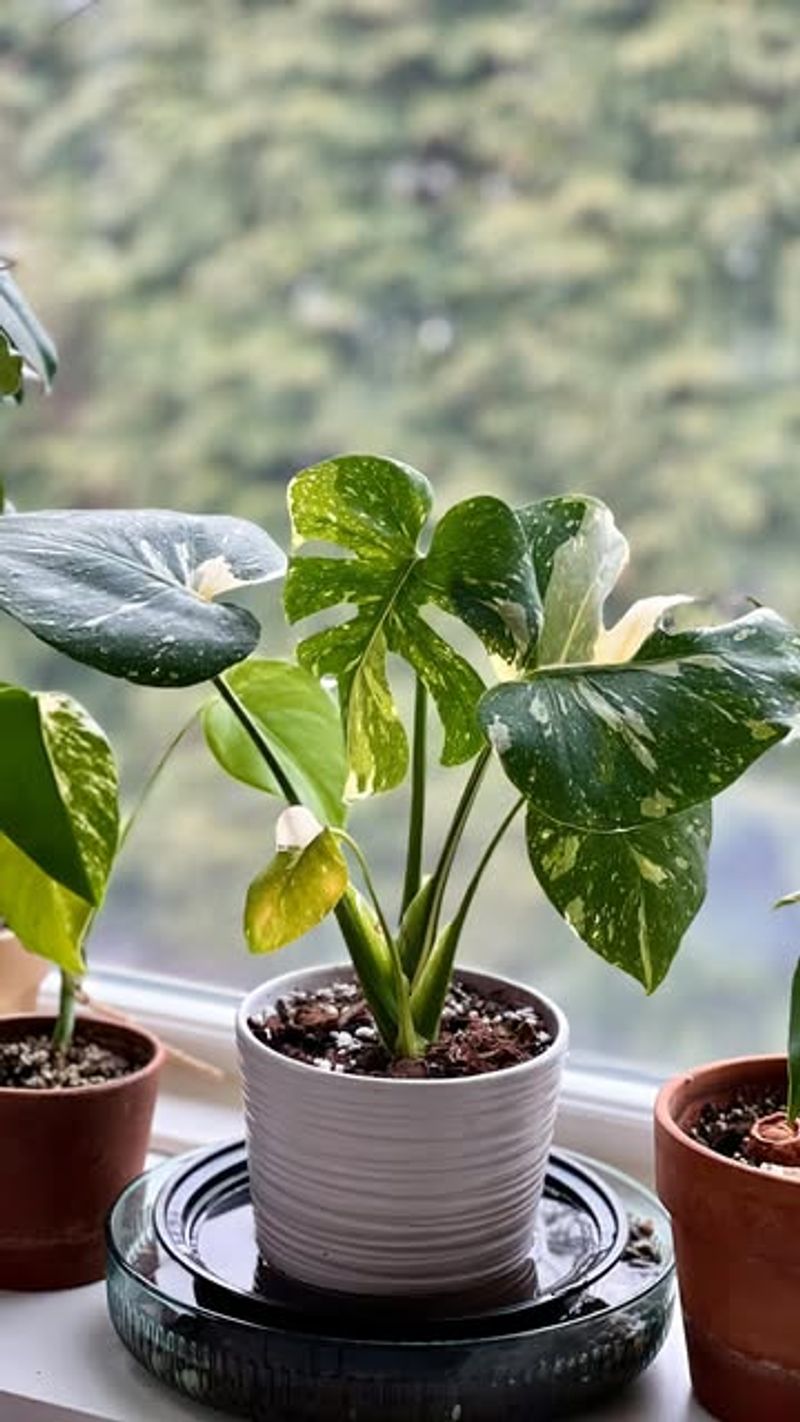
Humidity plays a bigger role in houseplant health than most people realize, and Pennsylvania’s indoor environments can swing from one extreme to another. Many popular houseplants come from tropical regions where humidity stays high naturally.
When we bring them into our homes with central heating and air conditioning, the dry air stresses them out. Yellow leaves, especially at the tips and edges, often signal that your plant is struggling with low humidity.
Winter presents the biggest challenge for Pennsylvania plant owners. Furnaces blast hot, dry air throughout our homes, sometimes dropping indoor humidity below twenty percent.
Meanwhile, tropical plants like calatheas, ferns, and orchids prefer humidity levels between forty and sixty percent.
The gap between what they need and what they get causes moisture to evaporate from leaves faster than roots can replace it. The result is yellowing foliage that may also turn brown and crispy at the edges.
Several simple solutions can boost humidity around your plants without turning your home into a rainforest. Grouping plants together creates a microclimate where they share moisture through transpiration.
Placing pots on trays filled with pebbles and water adds humidity as the water evaporates, just make sure the pot bottoms sit above the water line. Misting helps temporarily but isn’t a long-term solution since the moisture disappears quickly.
For serious humidity lovers, a small humidifier placed near your plant collection makes a huge difference, especially during Pennsylvania’s dry winter months.
Summer humidity can sometimes swing too high, particularly in basements or bathrooms without good ventilation. While most plants appreciate moisture in the air, excessive humidity combined with poor air circulation can encourage fungal problems.
If you notice yellowing accompanied by spots or a fuzzy coating, improve air flow by running a fan or opening windows when weather permits.
Finding the right humidity balance for your specific plants and adjusting it seasonally will eliminate many yellowing issues and help your houseplants thrive.
5. Feed Your Plants With Proper Nutrients
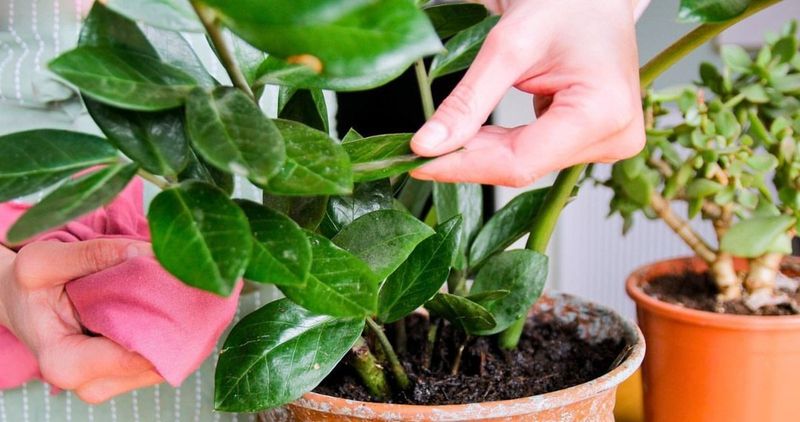
Houseplants growing in containers have limited access to nutrients compared to plants in the ground. Eventually, they use up the minerals and elements available in their potting soil, and without replenishment, deficiencies develop.
Yellow leaves are often one of the first signs that your plant is running low on essential nutrients, particularly nitrogen. Understanding when and how to fertilize can reverse this yellowing and restore healthy growth.
Nitrogen deficiency shows up as yellowing that starts with the oldest, lower leaves while newer growth stays green. The plant moves nitrogen from old leaves to support new growth, leaving the bottom foliage pale and eventually yellow.
This pattern is especially common in Pennsylvania homes during the growing season when plants are actively producing new leaves but haven’t received fertilizer in months.
Other nutrient deficiencies can cause different yellowing patterns, like yellowing between the veins while veins stay green, which suggests an iron or magnesium shortage.
Most houseplants benefit from regular feeding during their active growing period, typically spring through early fall. Choose a balanced, water-soluble fertilizer formulated for houseplants and follow the package directions carefully.
Many experts recommend diluting fertilizer to half strength and applying it more frequently rather than giving full-strength doses less often. This approach provides steady nutrition without the risk of fertilizer burn, which can actually cause yellowing and damage to roots and leaves.
During Pennsylvania’s winter months, most houseplants slow down or stop growing altogether. They need little to no fertilizer during this dormant period.
Continuing to feed them when they’re not actively growing can lead to salt buildup in the soil, which interferes with water absorption and causes yellowing. If you notice a white crust on the soil surface or around drainage holes, flush the pot with water to remove excess salts.
Resume regular feeding when you see signs of new growth in spring. Matching your fertilizing schedule to your plant’s growth cycle ensures they get the nutrients they need without overdoing it.
6. Check For Pests And Take Quick Action
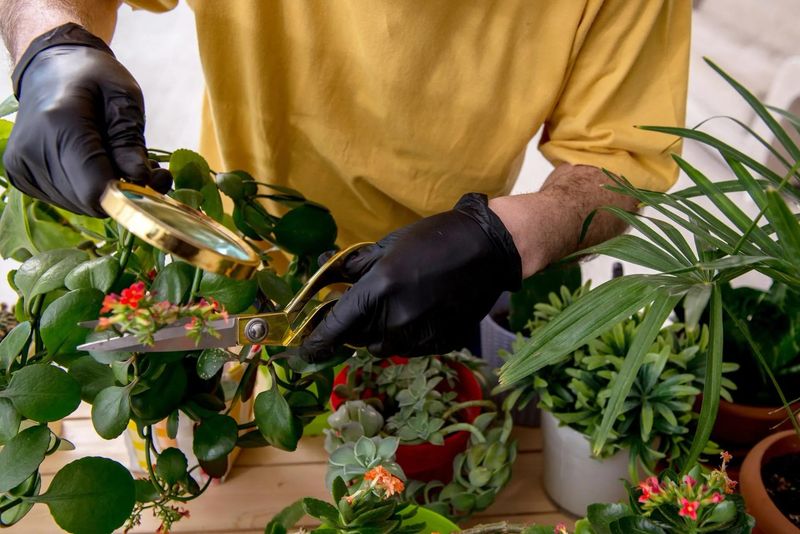
Tiny insects can wreak havoc on houseplants, sucking sap from leaves and stems until the foliage turns yellow and weak. Spider mites, aphids, mealybugs, and scale insects are common indoor pests that many Pennsylvania plant owners overlook until the damage becomes obvious.
Because these bugs are often small and hide on leaf undersides or in crevices, you might not notice them until your plant starts showing symptoms like yellowing, stippling, or sticky residue.
Spider mites are particularly troublesome in heated homes during winter. These microscopic pests thrive in warm, dry conditions and can quickly infest multiple plants.
Look for tiny webs between leaves and stems, along with a dusty or speckled appearance on foliage. The yellowing they cause often looks like tiny yellow dots that eventually spread across the entire leaf.
Regular inspection is your best defense. Once a week, examine your plants closely, checking both sides of leaves and where stems meet the main plant.
If you discover pests, act immediately before they spread throughout your Pennsylvania plant collection. Start by isolating the affected plant away from others.
For light infestations, washing leaves with a gentle spray of water can remove many insects. A solution of water and a few drops of dish soap applied with a soft cloth works well for larger pests like mealybugs and scale.
Spray the entire plant, paying special attention to undersides and joints where bugs hide. Repeat the treatment every few days for a couple of weeks to catch any newly hatched insects.
For stubborn infestations, insecticidal soap or neem oil provides effective control without harsh chemicals. Apply these treatments in the evening and keep plants out of direct sunlight until the spray dries to avoid leaf burn.
Prevention is easier than treatment, so maintain good plant hygiene by removing dry leaves, avoiding overwatering, and ensuring good air circulation. Quarantine new plants for a few weeks before adding them to your collection to make sure they’re pest-free.
Catching and addressing pest problems early prevents the yellowing and weakness that comes with heavy infestations.