How To Properly Water Your Succulent Plants In Nevada
Succulents may look tough and low-maintenance, but in Nevada’s hot, dry climate, watering them the wrong way can quickly lead to trouble. Too much water can cause root rot, while too little can leave your plants shriveled and weak.
If you’ve ever wondered why your succulents don’t look as healthy as they should, you’re not alone. The secret isn’t watering more or less, it’s watering smarter.
With the right timing, method, and a few simple adjustments, you can help your succulents stay plump, colorful, and strong all year long.
In this guide, you’ll learn easy watering tips made for Nevada conditions, so you can avoid common mistakes and enjoy thriving succulents without the stress.
1. Use The Soak And Dry Method For Best Results
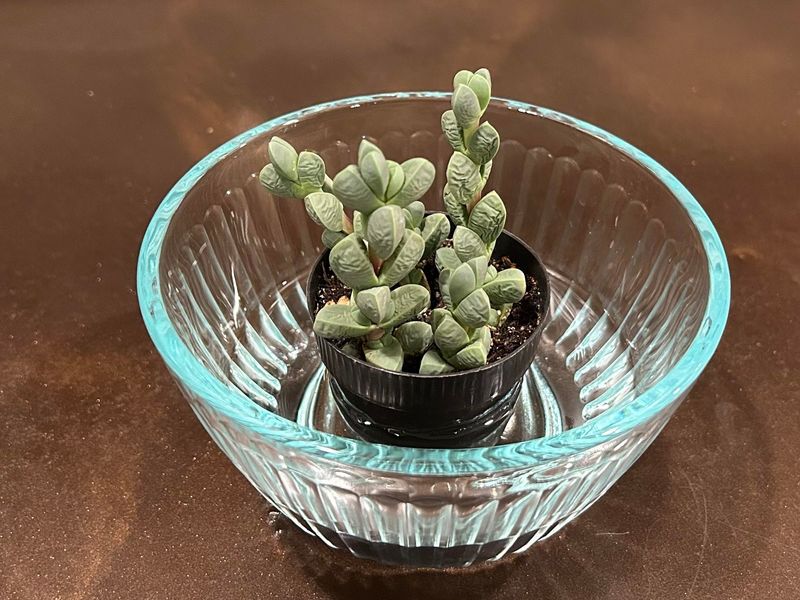
One of the smartest approaches to keeping your succulents healthy involves completely soaking the soil and then letting it dry out entirely before watering again. This technique mimics the natural rainfall patterns that succulents experience in their native desert environments.
When you water, make sure the water flows through the drainage holes at the bottom of the pot, ensuring every part of the root system gets moisture. Then comes the waiting game, which is actually the most important part.
In Nevada’s dry climate, the soil typically dries faster than in humid regions, but you still need to check before adding more water. Stick your finger about an inch into the soil to test for moisture.
If it feels even slightly damp, wait another day or two before watering. This method prevents the roots from sitting in wet soil, which is one of the biggest problems for succulents.
Many gardeners in Las Vegas and Reno have found success with this approach because it works with Nevada’s natural conditions. The low humidity actually helps the soil dry properly between waterings.
During summer months, you might need to water every seven to ten days, while winter watering can stretch to three or four weeks apart.
Remember that different succulent varieties have slightly different needs, but the soak and dry method works well for most types. Echeveria, jade plants, and aloe all respond positively to this watering style.
Your plants will develop stronger root systems and show better growth when you follow this pattern consistently throughout the year.
2. Choose Well-Draining Soil Specially Made For Succulents
Your soil choice makes a tremendous difference in how well your succulents handle watering in Nevada. Regular potting soil holds too much moisture and doesn’t allow water to flow through quickly enough.
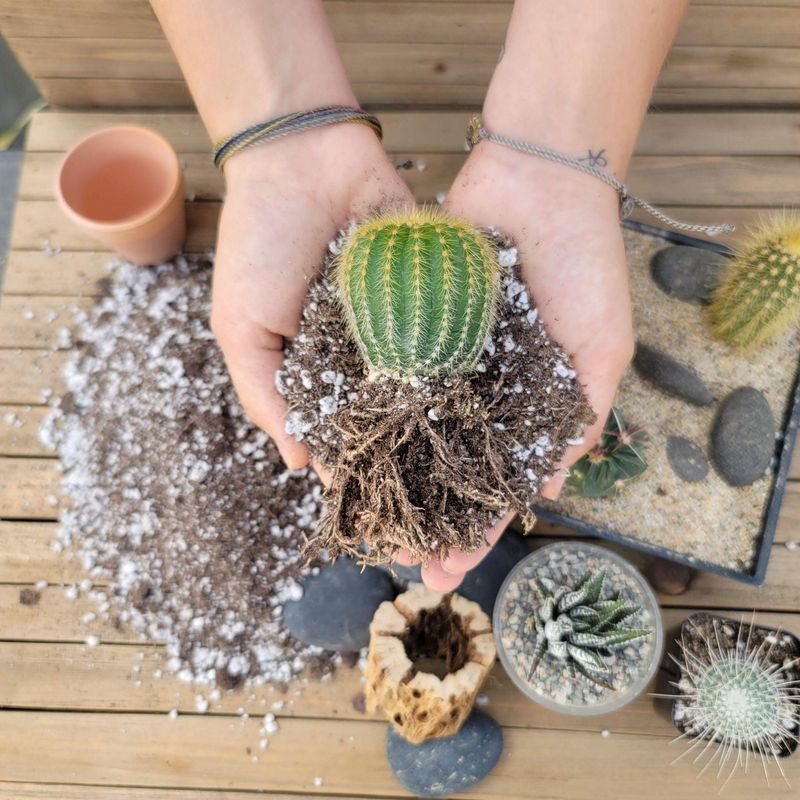
Succulent-specific soil contains ingredients like perlite, coarse sand, and pumice that create air pockets and prevent water from pooling around the roots. These materials help water move through the soil rapidly while still giving roots access to the moisture they need.
Garden centers throughout Nevada carry pre-mixed succulent soil that works perfectly for most plants. You can also create your own blend by mixing regular potting soil with equal parts perlite and coarse sand.
Your Nevada Garden Changes Every Week. Your Plan Should Too.
Gardening in Nevada changes quickly throughout the season. Every Friday you’ll receive a simple weekly plan showing exactly what to plant, prune, fertilize, harvest, and protect so you never miss the right timing.
This custom approach lets you adjust the mixture based on your specific plants and whether they live indoors or outdoors. The benefits of proper soil become especially clear during Nevada’s intense summer heat.
When temperatures in places like Henderson or Sparks reach over 100 degrees, well-draining soil prevents the roots from essentially cooking in wet conditions. The soil dries at a pace that keeps plants healthy rather than stressed.
Testing your soil is straightforward and takes just minutes. Pour water onto the surface and watch how quickly it absorbs and drains through the bottom.
If water sits on top for more than a few seconds, your soil is too dense. Adding more perlite or sand will improve drainage immediately.
Changing your soil might seem like extra work, but it’s actually one of the simplest ways to prevent watering problems before they start.
3. Water Less Frequently During Nevada’s Winter Months
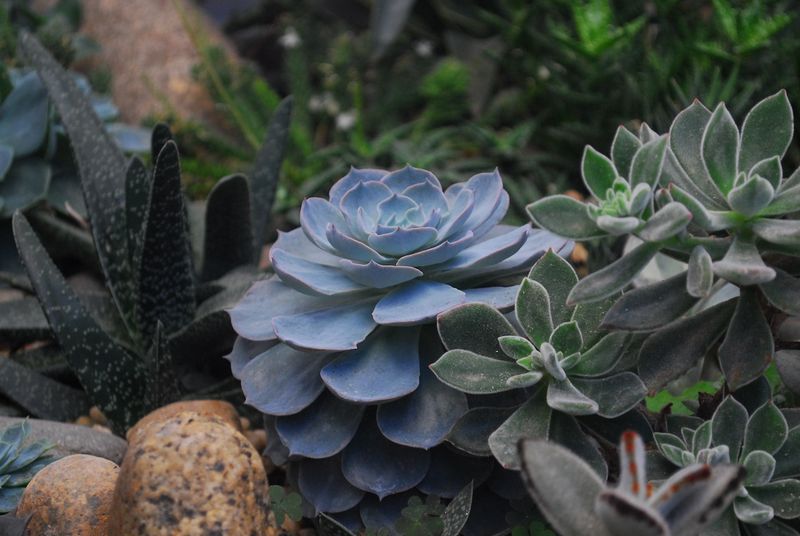
Succulents enter a dormant phase when temperatures drop and daylight hours decrease during winter. This natural slowdown means they need significantly less water than during their active growing season.
In Nevada, winter temperatures can vary quite a bit depending on where you live, but most areas see cooler weather from November through February. During these months, your watering schedule should change dramatically to match your plants’ reduced needs.
Most succulents only need water once every three to four weeks during winter. Some varieties might go even longer without requiring moisture.
The key is watching your plants for signs rather than sticking to a rigid schedule. Leaves that look slightly wrinkled or feel softer than usual indicate it’s time to water.However, if the leaves still look plump and firm, you can wait longer.
Indoor succulents in Nevada homes face unique winter challenges because heating systems create very dry air. While the plants need less water in their soil, the low humidity can cause leaves to dry out faster.
Placing plants away from heating vents helps prevent this problem. Outdoor succulents in cities like Carson City or Elko naturally adjust to the cooler temperatures and reduced sunlight.
Overwatering during winter is particularly harmful because the cool temperatures slow down evaporation and the plants can’t use the excess moisture. Roots sitting in cold, wet soil face serious problems that show up as mushy leaves or stems.
Cutting back your watering routine protects your succulents during their rest period and sets them up for healthy growth when spring arrives.
4. Always Use Pots With Drainage Holes At The Bottom
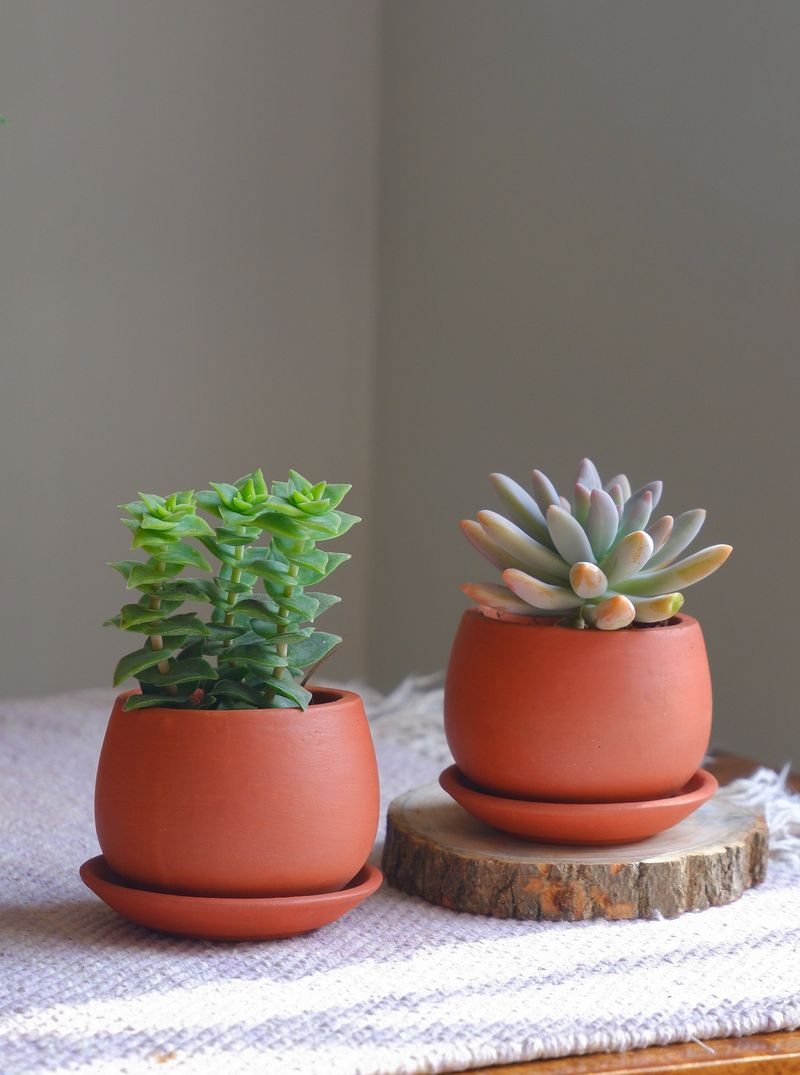
Drainage holes might seem like a small detail, but they’re absolutely critical for succulent health in Nevada’s climate. These openings at the bottom of pots allow excess water to escape instead of accumulating around the roots.
Without proper drainage, even the most careful watering can lead to problems. Water needs somewhere to go after it moves through the soil, and drainage holes provide that essential exit route.
Many decorative pots sold in stores don’t include drainage holes because they’re designed more for looks than plant health. If you fall in love with a pot that lacks holes, you have a couple of options.
You can drill holes yourself using a masonry bit for ceramic pots or a regular drill bit for plastic containers. Another approach is using the decorative pot as an outer cover and placing your succulent in a smaller pot with drainage inside it.
The double-pot method works especially well for indoor succulents in Nevada homes. You can remove the inner pot for watering, let it drain completely in the sink, and then return it to the decorative outer pot.
This prevents water from damaging furniture while still giving your plant the drainage it needs. Outdoor succulents benefit from direct drainage into the ground or onto patios where water can evaporate quickly in Nevada’s dry air.
Check your drainage holes periodically to make sure they haven’t become blocked with soil or roots. Sometimes roots grow through the holes, which actually shows your plant is healthy, but you might need to trim them back or repot if drainage becomes restricted.
Proper drainage works hand-in-hand with your watering technique to create the ideal conditions for thriving succulents throughout Nevada.
5. Water Early In The Morning For Optimal Absorption
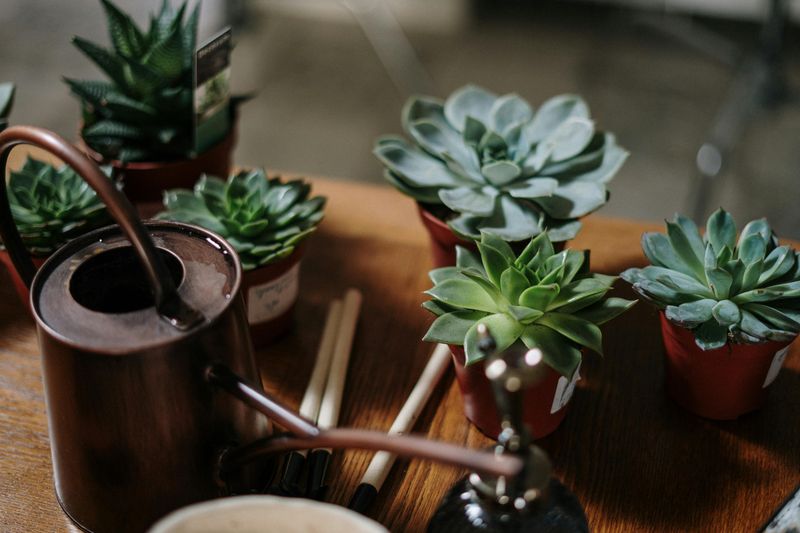
Timing your watering sessions can make a surprising difference in how well your succulents absorb moisture and stay healthy.
Early morning watering, ideally between 6 and 10 a.m., gives plants the entire day to take up water and allows any excess moisture on leaves to evaporate before nighttime.
This schedule works particularly well in Nevada where daytime temperatures rise quickly and provide excellent drying conditions.
Morning watering takes advantage of cooler temperatures when the water won’t evaporate too rapidly from the soil surface. Your succulents can absorb what they need before the intense Nevada sun hits its peak.
In cities like Las Vegas or Boulder City, where summer temperatures often exceed 110 degrees, this timing prevents thermal shock that can happen when cold water hits sun-heated soil and roots.
Watering in the evening might seem convenient after work, but it creates risks for your succulents. Moisture that sits on leaves or in the crown of the plant overnight can lead to rot, especially when combined with cooler nighttime temperatures.
Nevada’s temperature swings between day and night make evening watering even more problematic because the moisture doesn’t evaporate as quickly as it would during the day.
If morning watering doesn’t fit your schedule, late afternoon works as a second choice, giving plants a few hours of warmth and light before sunset. Just make sure to water the soil directly rather than getting water on the leaves.
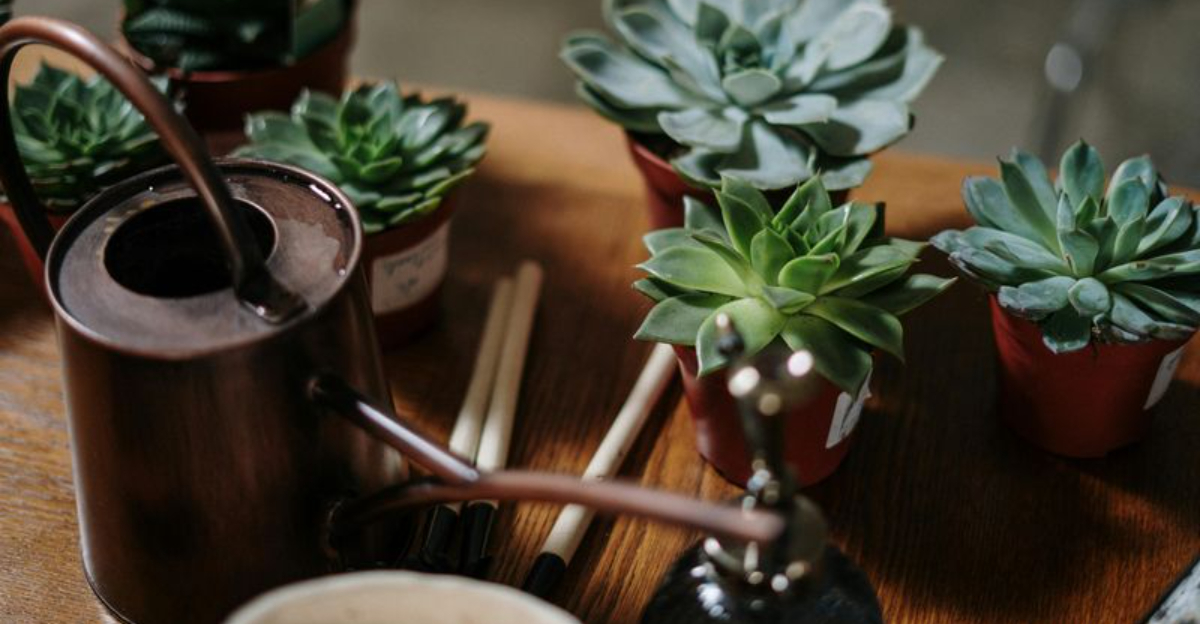
Using a watering can with a narrow spout or a squeeze bottle helps you target the soil precisely. Consistent morning watering becomes a simple routine that supports healthy growth and prevents moisture-related issues throughout the year in Nevada’s unique climate.
6. Adjust Watering Based On Indoor Versus Outdoor Conditions
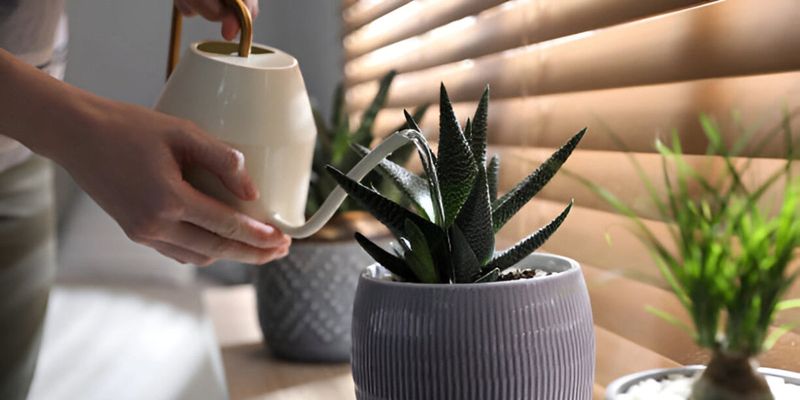
Location dramatically affects how often your succulents need water in Nevada. Outdoor plants face direct sunlight, wind, and natural temperature fluctuations that increase water evaporation from soil.
Indoor plants live in more stable environments with controlled temperatures and no wind, meaning their soil stays moist longer. Understanding these differences helps you customize your watering approach for each situation.
Outdoor succulents in Nevada typically need more frequent watering during hot months because the intense sun and low humidity dry out soil quickly. Plants in full sun might need water weekly during peak summer, while those in partial shade can go ten days or longer.
Wind is another factor that speeds up moisture loss, so succulents in exposed locations dry out faster than those protected by walls or other plants.
Indoor succulents face different challenges in Nevada homes. Air conditioning during summer and heating during winter both create very dry indoor air.
However, the soil itself dries more slowly because there’s no direct sun or wind. Most indoor succulents need water every two to three weeks during summer and monthly during winter.
Placing plants near windows increases their light exposure but also means slightly more frequent watering.
Pay attention to your specific conditions rather than following a one-size-fits-all schedule. A succulent on a south-facing patio in Reno needs different care than one sitting on a north-facing windowsill indoors.
Check the soil moisture regularly and adjust your timing based on what you observe. Some people keep separate watering schedules for indoor and outdoor plants to avoid confusion.
This attention to environmental differences ensures each succulent gets exactly what it needs to stay healthy and beautiful in Nevada’s varied settings.
7. Watch For Signs That Your Succulents Need Water
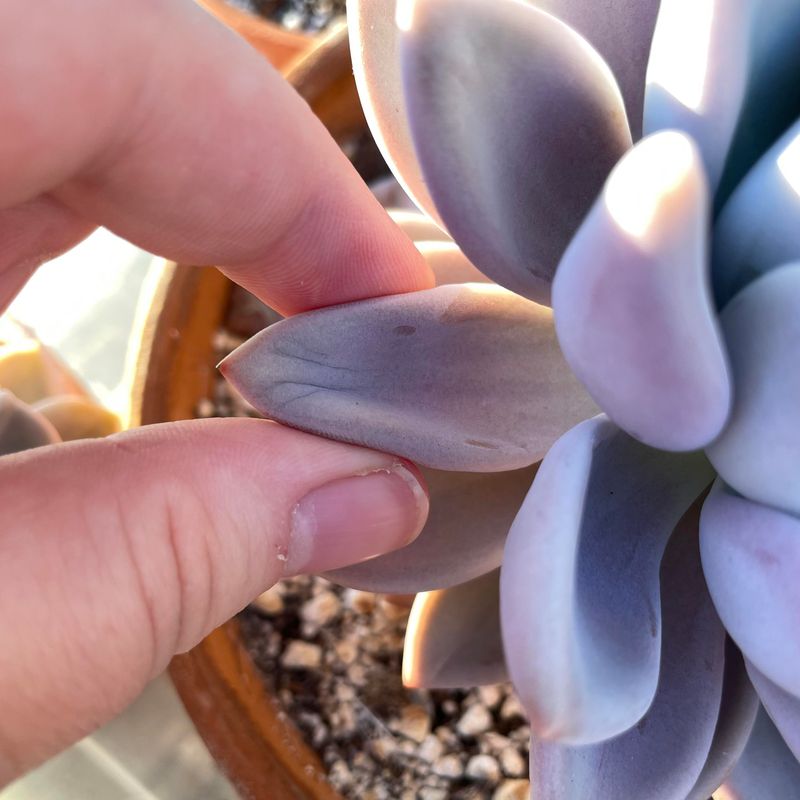
Learning to read your succulents’ signals is more reliable than following any rigid watering schedule. Healthy succulents store water in their thick leaves, and when those reserves run low, the plants show specific signs that it’s time to water.
Wrinkled or slightly shriveled leaves are the most obvious indicator. The leaves might also feel softer when you gently squeeze them, rather than the firm, plump texture of well-hydrated plants.
Some succulents develop leaves that curl inward or fold slightly when they need water. Lower leaves might start looking thinner or more transparent than usual.
These changes happen gradually, giving you plenty of time to respond before any real harm occurs. Nevada’s dry climate means you’ll see these signs develop more quickly than in humid regions, but succulents are remarkably resilient and bounce back fast after watering.
Color changes can also indicate water needs, though this varies by species. Some succulents develop more intense colors when slightly stressed by lack of water, which isn’t necessarily bad.
However, if the overall plant looks dull or the leaves seem papery, it’s definitely time to water. Brown, crispy leaf tips usually mean the plant has gone too long without moisture, especially common in Nevada’s low humidity.
Conversely, knowing signs of too much water is equally important. Leaves that turn yellow, translucent, or mushy indicate overwatering.
If leaves fall off easily when touched, you’ve been watering too frequently. Finding the balance becomes easier with practice and observation.
Keep notes on when you water and what your plants look like, helping you develop a sense for their specific needs. This hands-on approach works better than any generic schedule because it responds to your exact conditions in Nevada.