Oregon Gardeners: 7 Last-Minute Winter Chores You Can’t Afford To Skip
Winter may feel slow in the garden, but there’s still work to do. And it matters more than you think.
A few small chores right now can save you big headaches later.
If you garden in Oregon, you know our weather can be tricky. Rain, cold snaps, and surprise warm days all show up.
That’s why this last-minute checklist is so helpful. It keeps your garden protected and ready for spring.
I’ve learned the hard way what happens when these tasks get skipped. Messy beds.
Weak plants. More pests.
And it’s not fun at all!
The good news? These chores are quick and simple.
You don’t need fancy tools or hours of free time. Just a little effort and a warm jacket.
Let’s get your garden wrapped up and ready to rest. Your future spring garden will thank you.
1. Prune Fruit Trees And Berry Bushes
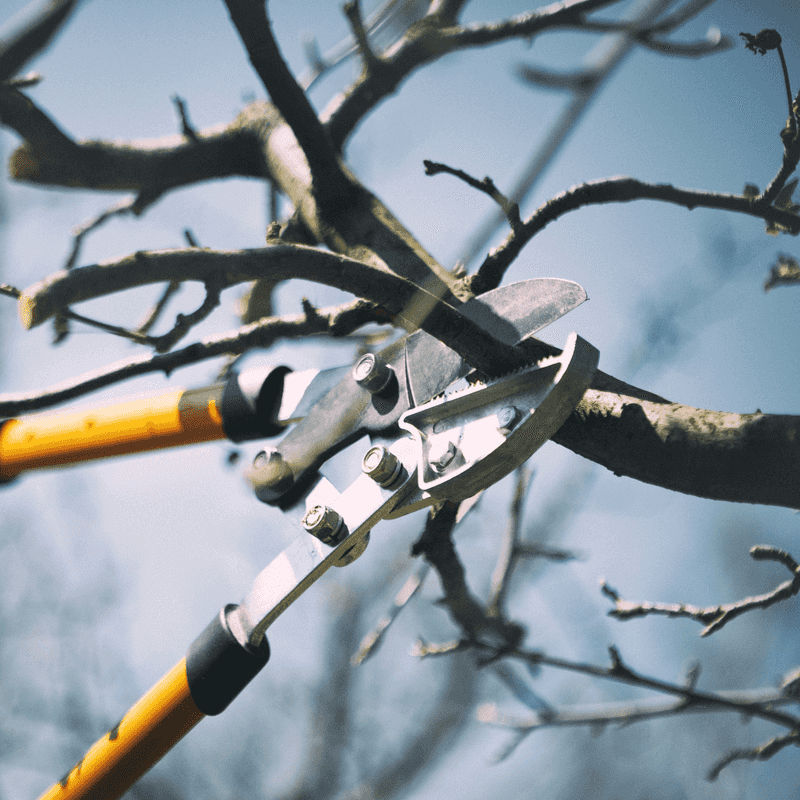
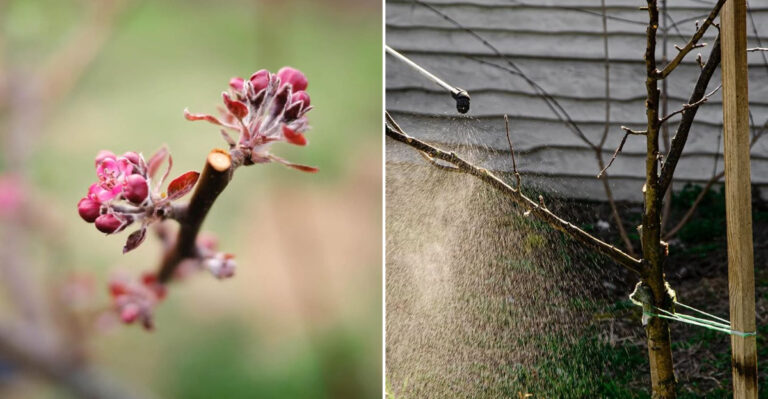
Bare branches make it so much easier to see what you are doing when you prune. Once the leaves drop and sap stops flowing, fruit trees and berry bushes enter their best pruning window.
Oregon gardeners can take advantage of this dormant period from late November through February to shape trees, remove damaged limbs, and encourage better fruit production.
Start by cutting away any branches that cross or rub against each other, since these create wounds that invite disease. Then remove any wood that looks cracked, broken, or diseased.
Focus on opening up the center of the tree to allow air and light to reach all parts, which helps prevent fungal problems during our damp springs.
Berry bushes also benefit from winter pruning. Blueberries need light shaping to remove old, unproductive wood.
Raspberries require cutting back canes that already fruited, making room for new growth. Grapes should be pruned heavily while dormant to control their vigorous growth.
Always use clean, sharp tools to make smooth cuts that heal quickly. Pruning might seem intimidating at first, but trees are forgiving, and you will get better with practice.
Your reward comes in summer when healthier branches produce bigger, better fruit that is easier to harvest.
2. Mulch Your Garden Beds
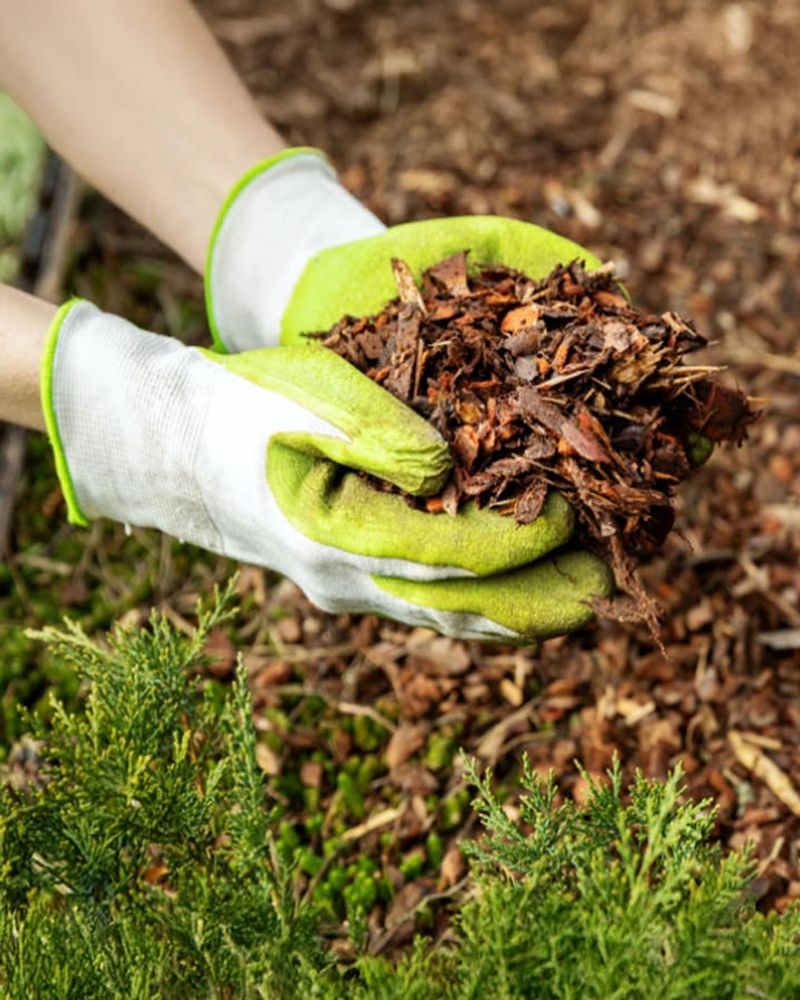
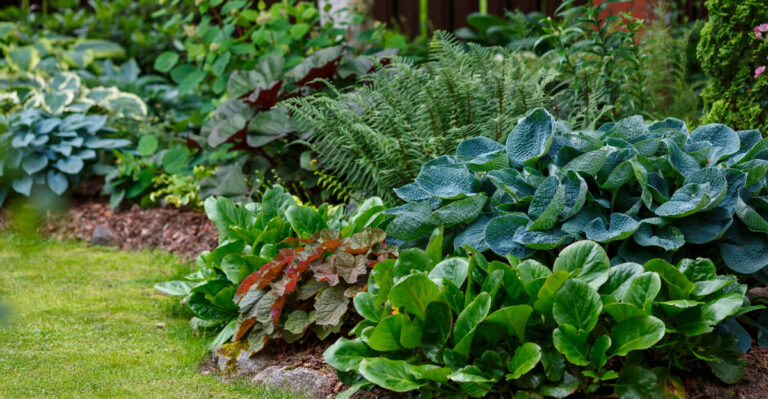
A thick layer of mulch acts like a cozy blanket for your soil during the coldest months. Oregon winters may be mild compared to other regions, but temperatures still dip low enough to stress plant roots and beneficial soil organisms.
Applying mulch now protects everything beneath the surface and makes your garden beds look tidy through the rainy season.
Spread two to four inches of organic mulch around perennials, shrubs, and trees. Leaves, wood chips, straw, or compost all work beautifully.
Keep the mulch a few inches away from plant stems and tree trunks to prevent rot and discourage rodents from nesting too close.
Mulch does more than insulate. It prevents soil from washing away during heavy rains, which Oregon gets plenty of in winter.
The covering also suppresses weeds that try to sprout during mild spells, saving you work later. As organic mulch breaks down slowly, it feeds the soil and improves its structure.
Your Oregon Garden Changes Every Week. Your Plan Should Too.
Gardening in Oregon changes quickly throughout the season. Every Friday you’ll receive a simple weekly plan showing exactly what to plant, prune, fertilize, harvest, and protect so you never miss the right timing.
If you have vegetable beds sitting empty, mulch them too. This keeps the soil in good condition and ready for spring planting.
When warmer weather arrives, simply pull back the mulch and plant right into healthy, protected soil underneath.
3. Clean And Sharpen Garden Tools
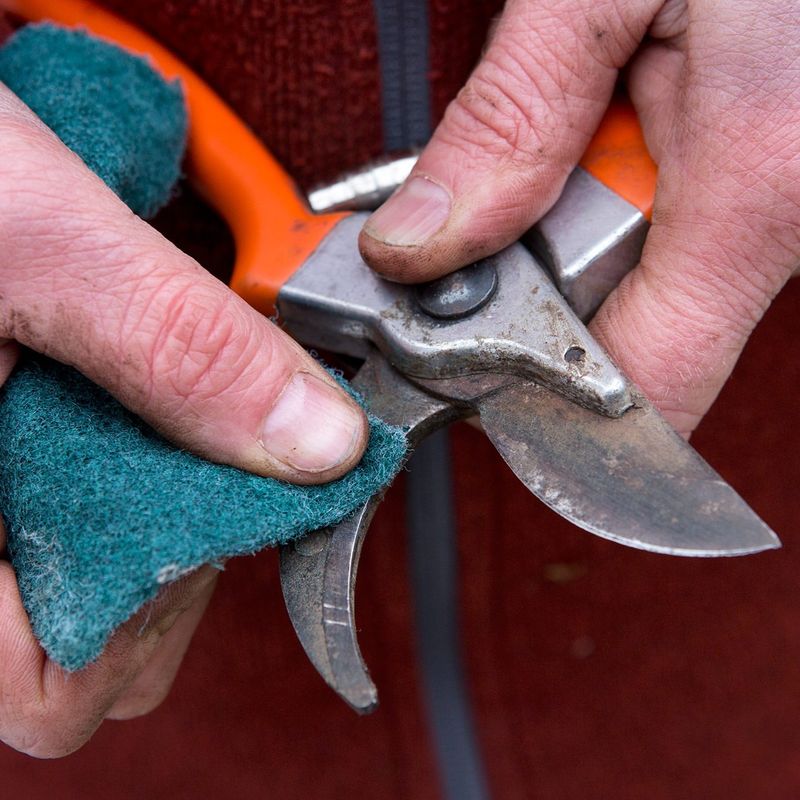
Your tools worked hard all season, and now they deserve some attention before storage or next use. Winter offers the perfect time to clean, sharpen, and repair equipment while the garden is quiet.
Well-maintained tools last longer, work better, and make every gardening task easier when spring arrives.
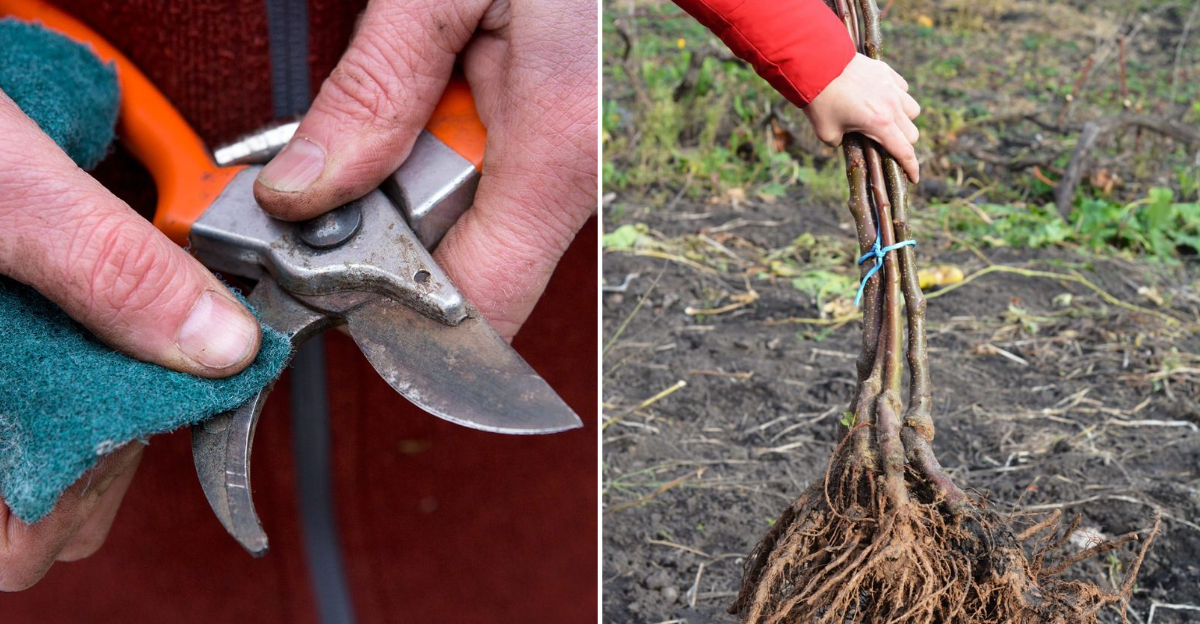
Start by scrubbing off dried soil and plant residue with a stiff brush and soapy water. Rust spots can be removed with steel wool or a wire brush.
Once clean and dry, sharpen the blades on pruners, shears, loppers, and shovels using a file or sharpening stone. Sharp tools cut cleanly instead of crushing plant tissue, which helps prevent disease.
After sharpening, wipe metal surfaces with a thin coat of oil to prevent rust during storage. Check wooden handles for splinters and sand them smooth if needed.
Tighten any loose bolts or screws, and replace broken parts before you forget.
Store your tools in a dry place where they will stay protected from moisture. Hang them up if possible to keep edges from getting damaged.
Taking an hour or two for this maintenance now means your tools will be ready to go when you are eager to get back outside in spring.
4. Plant Bare-Root Plants
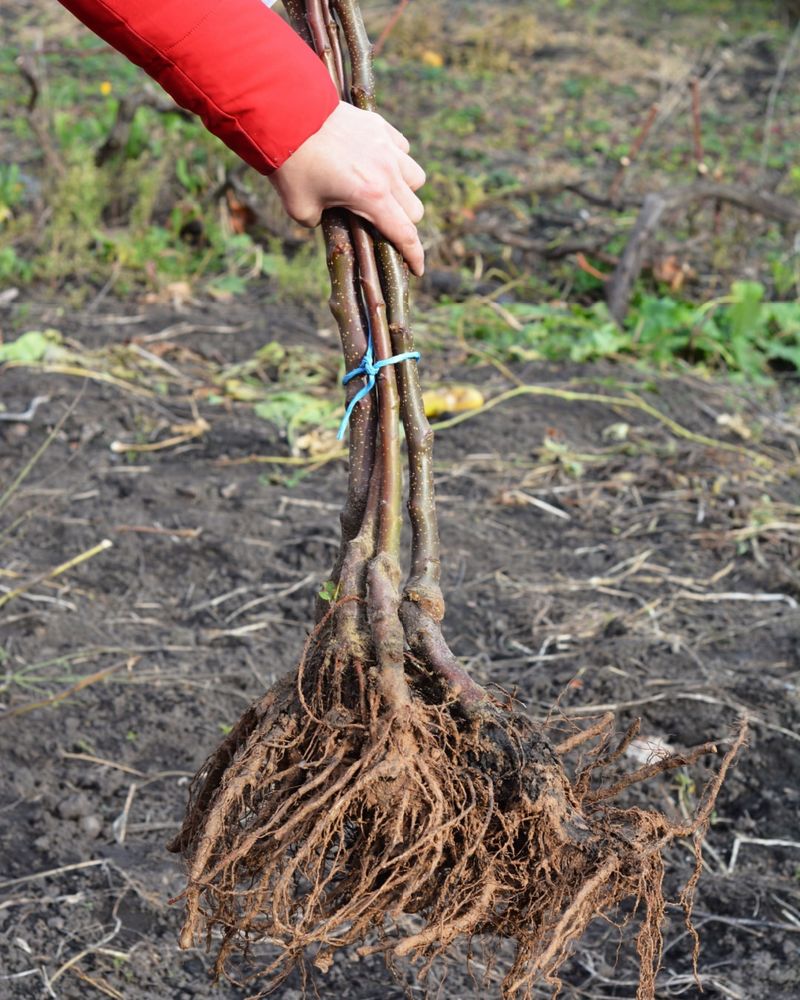
Nurseries sell bare-root plants during winter for good reason. These plants are dormant, making them easier to handle and less stressed by transplanting.
Oregon winters provide ideal conditions for bare-root planting because the soil stays workable, and winter rains help new roots establish before spring growth begins.
Bare-root plants cost less than container-grown ones and often establish faster since their roots spread naturally into surrounding soil. Trees, shrubs, roses, berries, and even some perennials are available this way.
Choose a mild day when the ground is not frozen or waterlogged for planting.
Dig a hole wide enough to spread roots comfortably without bending or crowding them. Set the plant at the same depth it grew before, which you can see from the soil line on the stem.
Backfill with native soil, firm it gently, and water thoroughly even if rain is expected.
The plant will sit quietly through winter, growing roots underground while you wait for spring. When warm weather triggers growth, your new addition will already be established and ready to thrive.
This head start makes a noticeable difference in how quickly plants take off and how well they perform their first summer.
5. Improve Your Soil
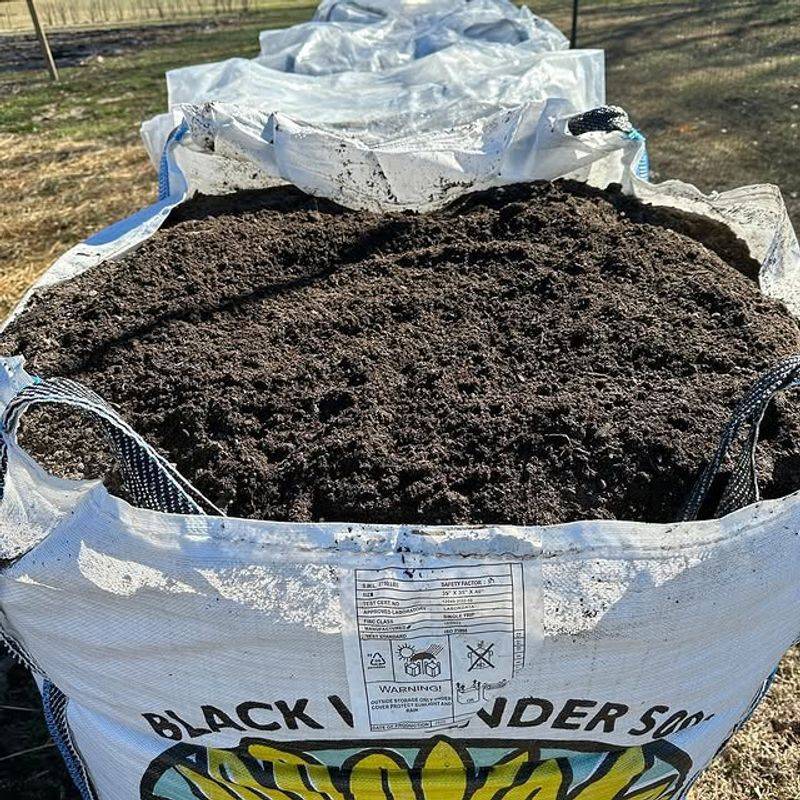
Healthy soil grows healthy plants, and winter is the best time to build soil quality. While your garden rests, you can add compost, aged manure, or other organic matter that will break down slowly and enrich the earth.
Oregon’s wet winters help amendments integrate into soil naturally, so they are ready when planting season returns.
Spread a layer of compost or well-rotted manure over empty beds and around established plants. You can also add lime to raise pH if your soil test shows it is too acidic, which is common in Oregon.
Winter rains will gradually wash these amendments into the root zone.
If you have heavy clay soil, mixing in compost improves drainage and makes soil easier to work. Sandy soil benefits from compost too, since it helps hold moisture and nutrients.
Even if your soil seems fine, adding organic matter each year maintains fertility and supports beneficial microbes and earthworms.
Avoid working wet soil, which damages its structure and creates compacted clumps. Wait for a drier spell when soil is moist but not soggy.
Spread your amendments on top and let nature do the mixing, or gently fork them into the top few inches if conditions allow. Your plants will reward this effort with stronger growth and better yields.
6. Protect Tender Plants From Frost
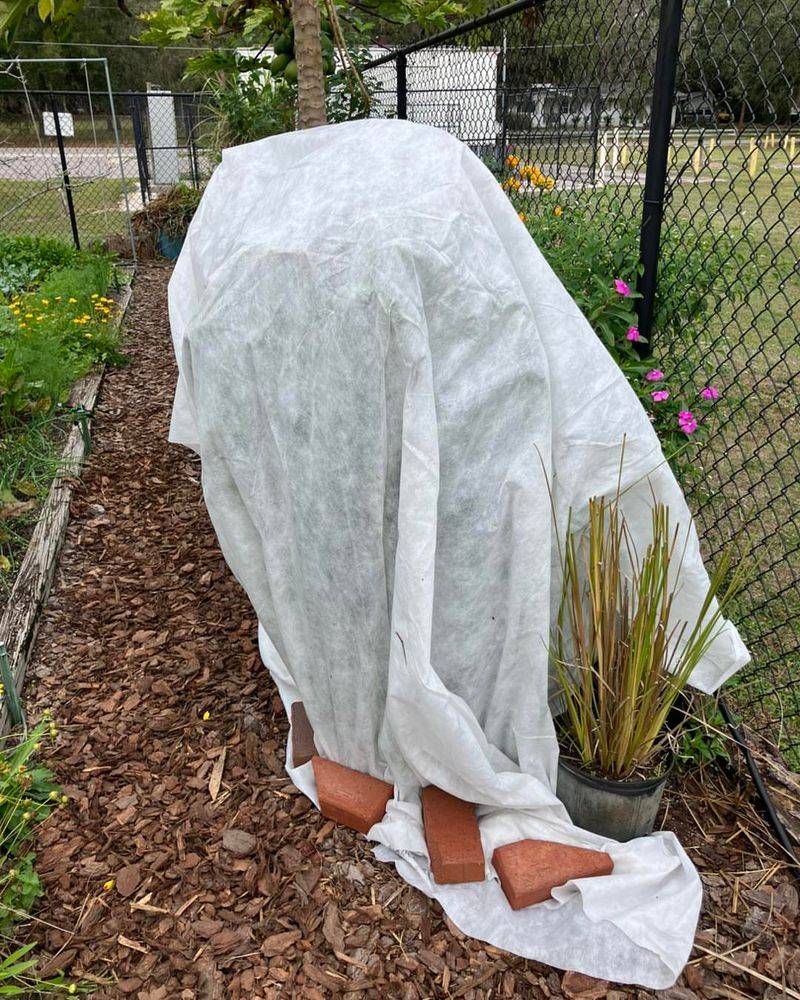
Oregon winters are generally mild, but occasional cold snaps can damage plants that are not quite hardy enough for freezing temperatures. Tender perennials, young plants, and borderline-hardy specimens need extra protection when frost threatens.
A little effort now prevents disappointment when spring reveals damage you could have prevented.
Watch weather forecasts and cover vulnerable plants when frost is predicted. Frost blankets, old sheets, or even cardboard boxes work well for temporary protection.
Drape the covering over plants in late afternoon and remove it the next morning once temperatures rise above freezing.
For longer-term protection, surround tender plants with a thick mulch layer or move container plants closer to the house or under eaves. Walls and structures radiate heat at night, creating slightly warmer microclimates.
Grouping containers together also helps them stay warmer.
Some gardeners build simple frames around special plants and wrap them with burlap or plastic. This creates a protective barrier against wind and frost while still allowing some air circulation.
Remember that wet foliage freezes more easily, so avoid watering late in the day before cold nights. With these simple precautions, your tender favorites can survive winter and thrive when conditions improve.
7. Plan And Order Seeds For Spring

Seed catalogs start arriving in January, and browsing them on a rainy afternoon is one of winter’s great pleasures for gardeners.
This is the perfect time to plan your spring and summer garden, order seeds, and organize your ideas before the busy planting season arrives.
Good planning now leads to a better garden later.
Think about what worked well last year and what you want to try differently. Make notes about which varieties you loved and which disappointed you.
Check your seed packets from previous years since many seeds stay viable for several seasons if stored properly.
Sketch a simple garden layout showing where you will plant different crops. Consider crop rotation to prevent soil depletion and reduce pest problems.
Group plants with similar water and sunlight needs together. Plan succession plantings of quick crops like lettuce so you have continuous harvests instead of one big flush.
Order seeds early while popular varieties are still in stock. Many seed companies offer Oregon-specific varieties bred for our climate and growing conditions.
These often perform better than generic types. Store seeds in a cool, dry place until planting time.
Having everything ready means you can plant promptly when weather and soil conditions are right, giving your garden the best possible start.