12 Smart Things You Should Do If A Coyote Shows Up In Your Virginia Yard
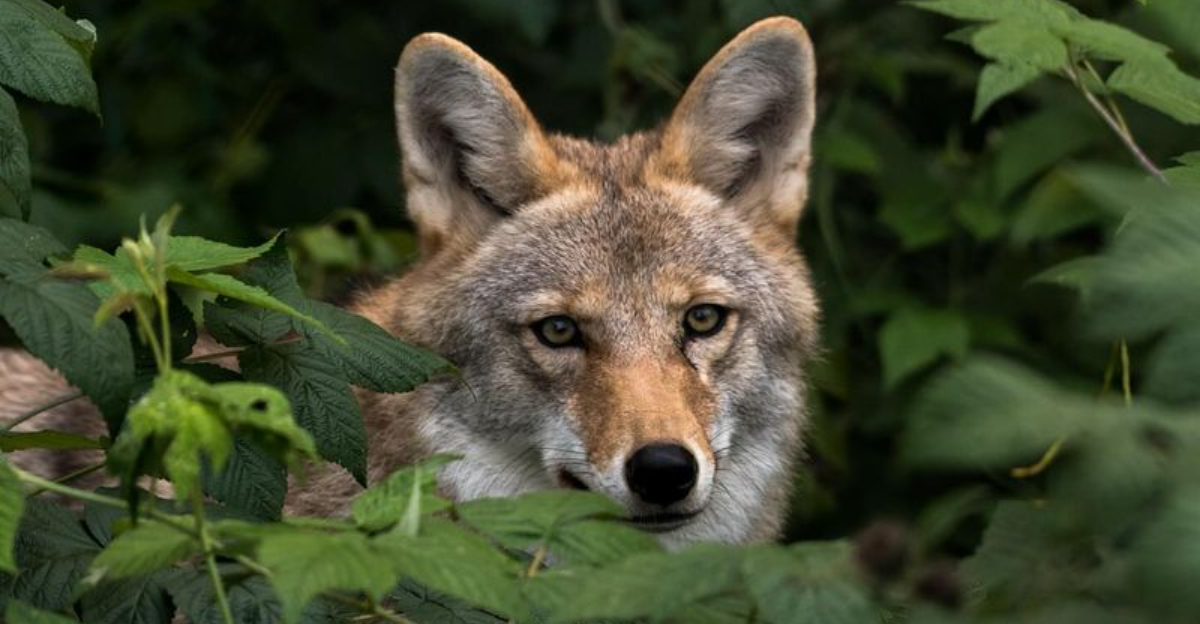
Coyotes can be surprising visitors in Virginia neighborhoods, and I’ll never forget the first time I spotted one trotting across my yard.
While they usually avoid humans, knowing how to respond keeps your family, pets, and garden safe. Coyotes are clever, but you can stay one step ahead with the right approach.
These strategies include securing garbage, keeping pets supervised, removing food sources, using deterrents like motion-activated lights, and learning when to give coyotes space.
Understanding their behavior and habitat helps prevent conflicts and keeps both people and wildlife safe. Being proactive reduces risks and protects your home.
Virginia homeowners who follow these tips can coexist safely with coyotes while minimizing threats to pets, gardens, and property. Take these smart steps to handle coyotes responsibly and protect your yard.
1. Stay Calm And Keep Your Distance
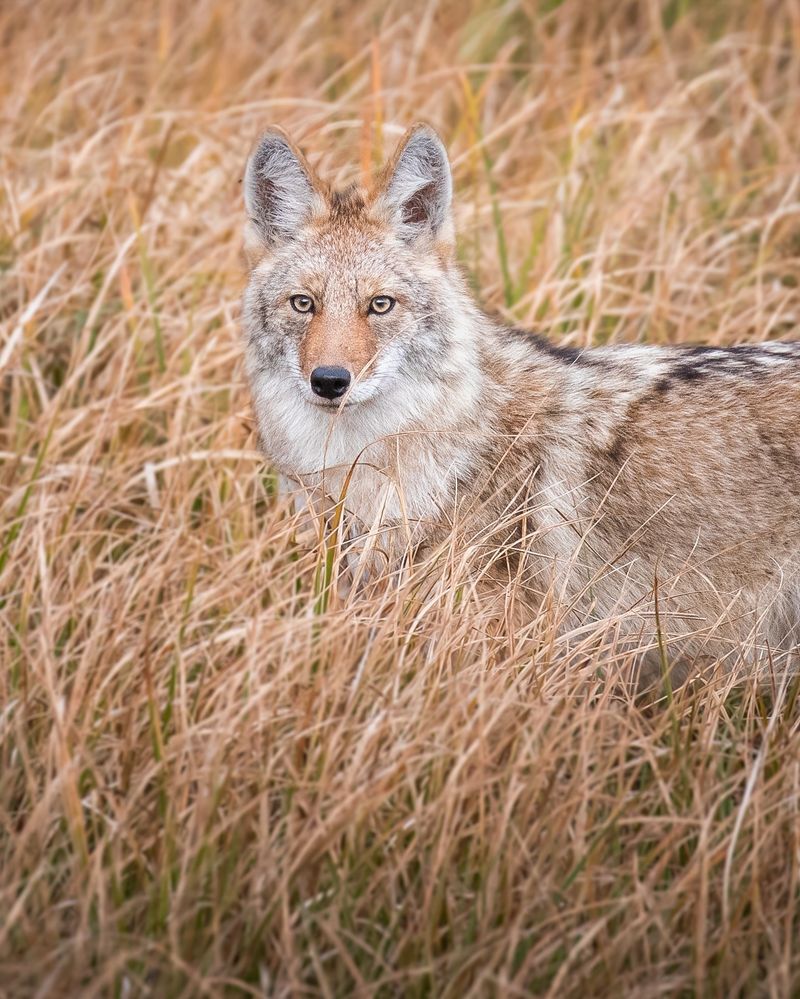
Encountering a coyote in Virginia can be startling, but staying calm is essential. Coyotes are naturally wary of humans and generally avoid close contact.
Panic can provoke unnecessary stress for both the animal and the observer. Maintain a safe distance of at least 150 feet and resist the urge to approach, feed, or corner the coyote.
Feeding or encouraging proximity can lead to habituation, where the animal loses its natural fear of people, increasing potential conflicts. Most coyotes are simply passing through neighborhoods in search of food, mates, or territory.
If left undisturbed, they will usually leave on their own without incident. Observing from a safe distance also allows residents to learn about local wildlife behaviors without causing harm.
Using binoculars or cameras can help you watch coyotes safely. Educating family members, especially children, on the importance of maintaining distance reduces the risk of accidental encounters.
Remember, a calm and measured response ensures both human safety and the continued natural behavior of coyotes in your area. Coexisting with these adaptable predators is possible when respect and caution guide every interaction.
2. Make Yourself Look Bigger
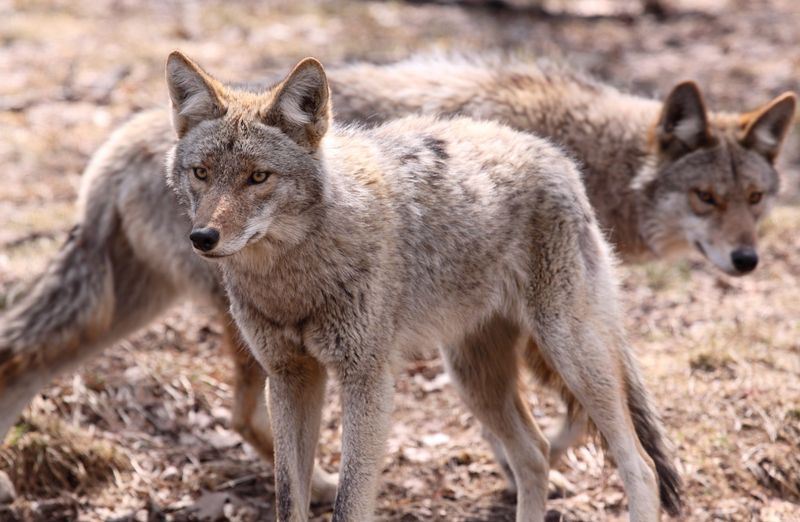
Coyotes are cautious animals that respond strongly to perceived threats. If a coyote seems too comfortable near humans, you can use intimidation tactics to reinforce its natural wariness.
Stand tall and raise your arms above your head while slowly waving them to appear larger. Opening a jacket wide or holding up a backpack can also increase your apparent size.
This technique, known as hazing, teaches coyotes to keep their distance and reduces the chance of future bold encounters. It works best when combined with firm verbal commands or loud noises.
Consistency is important; repeated exposure to hazing helps coyotes learn to avoid people over time. While performing these actions, maintain eye contact and do not turn your back.
Hazing is safe for humans and the coyote while effectively reinforcing boundaries. By practicing this technique during brief encounters, Virginia residents can protect themselves and their pets while teaching local wildlife to respect human presence.
Over time, hazing reduces risks and fosters safe coexistence in suburban and rural areas where coyotes are increasingly common.
3. Make Loud Noises
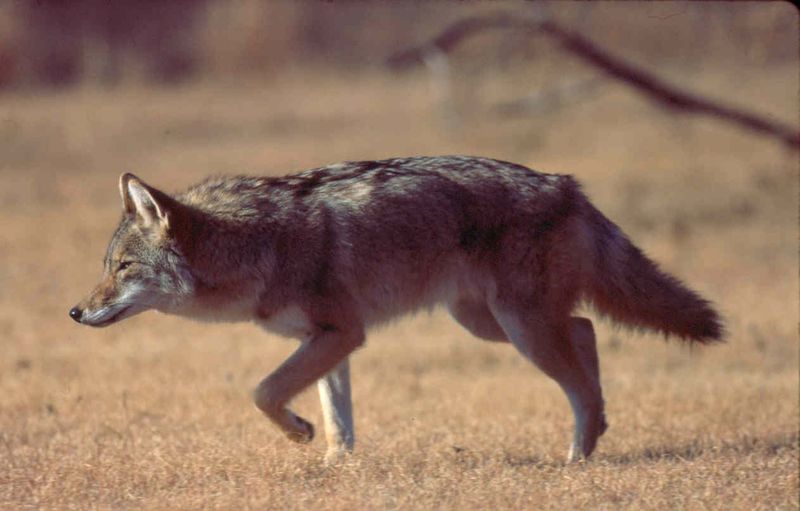
Coyotes startle easily when confronted with sudden or unexpected sounds. Shouting in a deep voice, clapping hands, or banging pots and pans can frighten them and encourage them to leave the area.
Your Virginia Garden Changes Every Week. Your Plan Should Too.
Gardening in Virginia changes quickly throughout the season. Every Friday you’ll receive a simple weekly plan showing exactly what to plant, prune, fertilize, harvest, and protect so you never miss the right timing.
Carrying a whistle, air horn, or other loud noise-making device during walks is an effective precaution, especially in neighborhoods with frequent sightings. Sudden sounds trigger the coyote’s natural instinct to retreat to a safe distance.
Consistency matters; when an entire community uses similar noise deterrents, coyotes learn to avoid residential areas altogether. Loud noises should be used alongside other strategies such as maintaining distance, securing pets, and removing attractants.
This approach reduces the risk of habituation, where animals lose their natural fear of humans. Noise-based deterrents are humane and non-lethal while still reinforcing boundaries.
Observing how coyotes respond to sounds can also provide insight into their behaviors and territory patterns.
By integrating loud noise techniques into daily routines, Virginia residents can create safer neighborhoods for both people and wildlife while maintaining the ecological presence of coyotes without conflict.
4. Secure Your Pets

Small pets such as cats and tiny dogs are vulnerable to coyotes, who may see them as prey. When spotting a coyote nearby, bring all small pets indoors immediately, even during daylight hours.
For dogs that need to go outside, remain with them during bathroom breaks and keep them leashed, especially at dawn and dusk when coyotes are most active. Installing coyote rollers on fence tops can prevent climbing or jumping into yards, providing additional security for pets.
Secure outdoor kennels and avoid leaving toys or food outside, which could attract coyotes. Pet owners should be vigilant in neighborhoods known for coyote activity, observing pets closely and maintaining awareness of their surroundings.
Providing safe indoor spaces and supervision reduces the likelihood of encounters. By taking proactive steps, Virginia residents can protect their pets while still allowing local wildlife to inhabit surrounding areas.
These measures also discourage coyotes from associating humans or yards with easy prey, reinforcing boundaries and reducing potential conflicts. Keeping pets safe promotes responsible coexistence and peace of mind for families living near coyote habitats.
5. Remove Food Sources
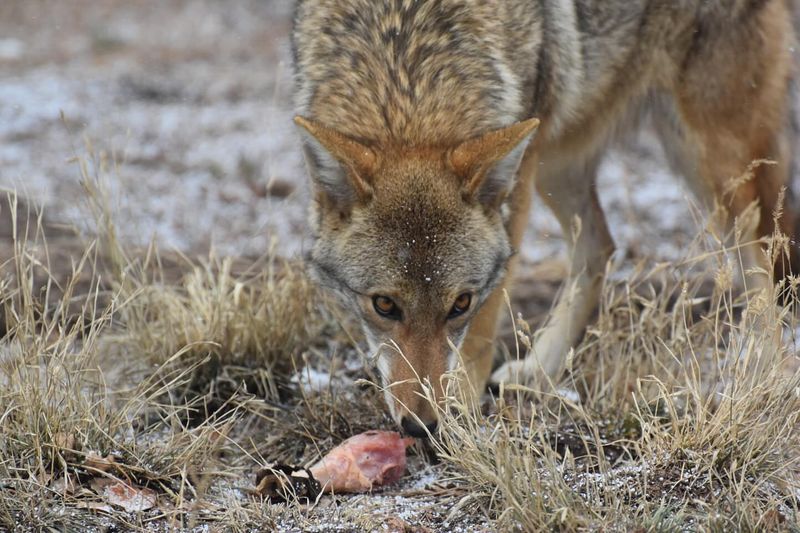
Coyotes often visit yards in search of easy meals. To discourage them, secure garbage cans with locking lids or store them in a garage or shed until collection day.
Pick up fallen fruit from trees, clean up spilled birdseed, and never leave pet food outdoors. Even compost piles can attract coyotes if they contain meat scraps or foods with strong odors.
Eliminating these food sources teaches coyotes that residential areas do not offer reliable sustenance. Consistently removing attractants is essential for long-term prevention.
Feeding wildlife, intentionally or inadvertently, can cause animals to lose fear of humans, increasing the risk of encounters. A yard without accessible food reduces visits and helps coyotes maintain natural foraging behaviors elsewhere.
Combining these practices with other deterrents such as motion-activated lights, noise, or hazing strategies further discourages coyotes from entering properties.
By managing food availability responsibly, Virginia homeowners can minimize conflicts, keep their yards safer, and promote coexistence with local predators.
Removing attractants is one of the most effective ways to prevent coyotes from becoming habituated to human environments.
6. Modify Your Landscape
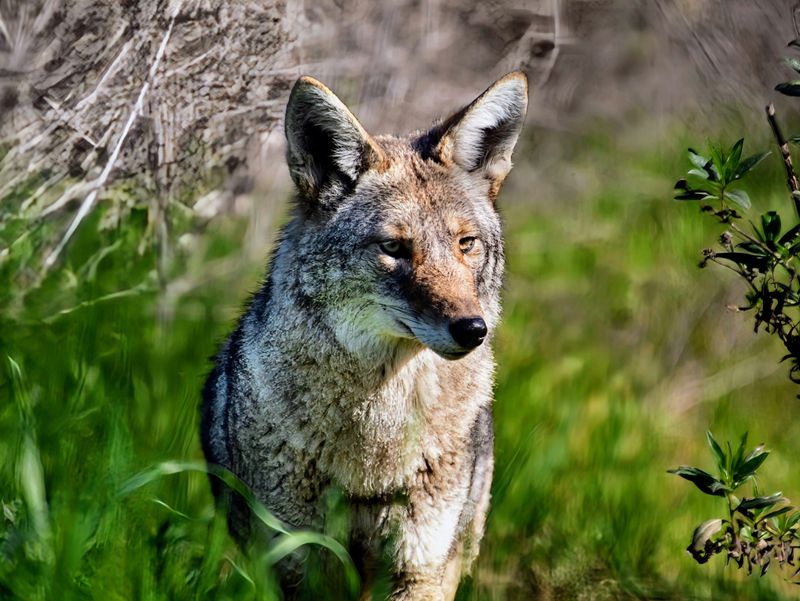
Coyotes prefer areas that offer hiding spots and easy travel routes. To make your yard less appealing, trim tall grass, remove brush piles, and thin dense shrubs where coyotes might den or hide.
Open spaces allow homeowners to spot wildlife before encounters escalate. Installing motion-activated sprinklers or lights adds a layer of deterrence, startling coyotes entering your property without causing harm.
Fences should be at least six feet tall, with a buried portion extending outward to prevent digging underneath. Landscaping strategically reduces cover, limits access, and encourages coyotes to remain in natural habitats rather than residential areas.
Combined with other management strategies, such as removing food sources or using noise deterrents, yard modification can significantly decrease the likelihood of encounters.
These techniques are preventive rather than reactive, addressing the root cause of why coyotes may choose to explore human spaces.
Maintaining visibility, controlling vegetation, and enhancing barriers contribute to a safe, wildlife-conscious yard in Virginia.
7. Contact Animal Control
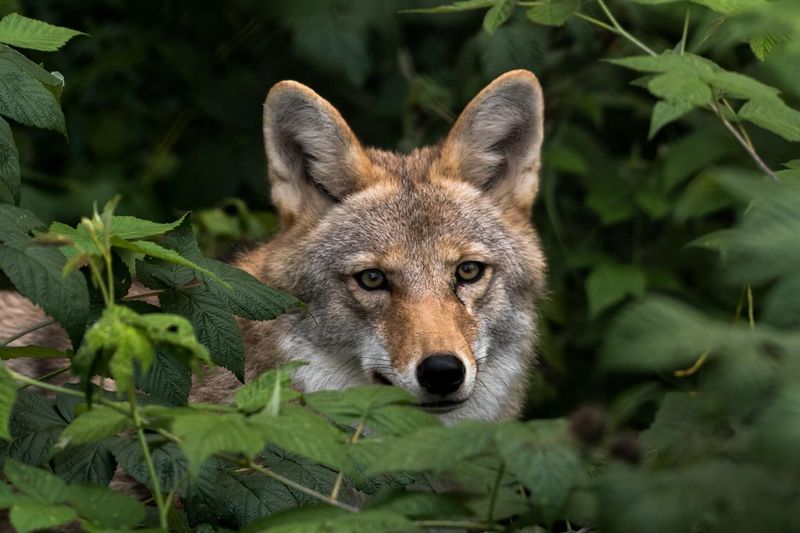
Not every coyote sighting requires immediate intervention, but certain behaviors warrant reporting. Contact local animal control or wildlife management authorities if a coyote appears sick, injured, or unusually aggressive.
Documenting the coyote’s behavior, location, and time of day helps authorities determine the appropriate response. Such records also assist in tracking patterns and identifying high-traffic areas or problem individuals.
Professional intervention ensures both human safety and the humane treatment of the animal. Homeowners should never attempt to handle, trap, or relocate coyotes themselves.
Reporting sightings contributes to broader wildlife management strategies and community safety initiatives. Authorities can assess whether population management, public education, or additional deterrents are needed.
Timely communication between residents and wildlife agencies allows Virginia neighborhoods to address risks effectively, reducing potential conflicts while promoting coexistence.
Responsible reporting ensures safety, preserves the ecological role of coyotes, and supports community-wide strategies to maintain balance between humans and wildlife.
8. Educate Your Neighbors
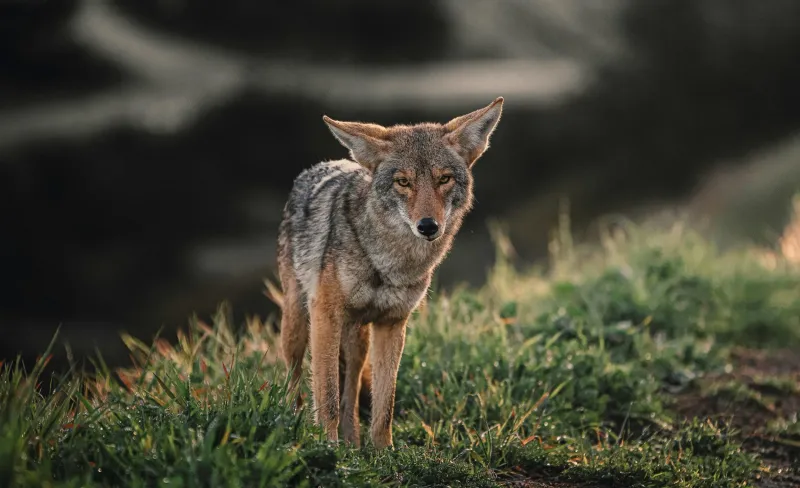
Coyote management is most effective when implemented as a community effort. Share information about proper response techniques with neighbors, particularly regarding feeding wildlife or leaving attractants outside.
Coordinated practices prevent coyotes from becoming comfortable and bold in residential areas. Neighborhood meetings with wildlife experts can provide guidance, answer questions, and foster collective understanding of local coyote behavior.
Virginia wildlife departments often provide educational materials for residents about safe coexistence. When an entire community follows consistent strategies, coyotes learn to avoid the neighborhood entirely.
Educating neighbors also ensures children and visitors understand the risks and safety precautions.
Community awareness reduces individual errors that might attract coyotes and amplifies the effectiveness of deterrents such as motion-activated lights, fencing, or hazing.
Engaged, informed residents help create safer spaces while allowing coyotes to retain their natural behaviors in surrounding habitats. Collaborative efforts are key to balancing wildlife preservation and public safety.
9. Install Motion-Activated Deterrents

Technology offers practical solutions for keeping coyotes away from residential areas. Motion-activated sprinklers deliver sudden bursts of water that startle coyotes without harming them.
Solar-powered predator deterrent lights mimic the eyes of larger animals, triggering instinctive avoidance behaviors. These devices work even when homeowners are away, providing round-the-clock protection.
Strategic placement near yard entry points, fences, or garden perimeters increases effectiveness. Motion-activated deterrents complement other techniques such as hazing, loud noises, or landscape modification.
Consistent use reinforces boundaries, teaching coyotes that residential areas are unsafe. This method is non-lethal, environmentally friendly, and minimally intrusive. Proper installation and maintenance are crucial to ensure reliability.
By integrating motion-activated deterrents into a broader coyote management plan, Virginia homeowners can protect pets, property, and family members while fostering a balanced relationship with local wildlife.
10. Watch For Pups And Dens
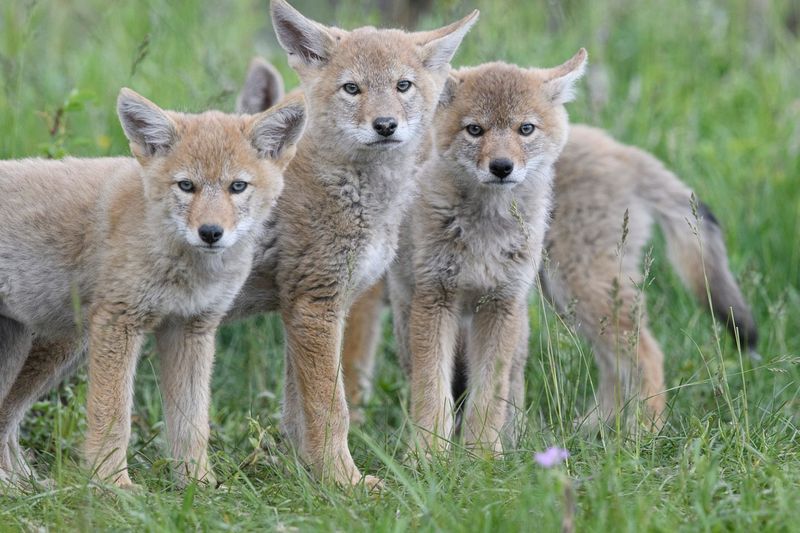
Spring marks coyote breeding season, a time when adults become more protective of their young. Multiple sightings or repeated visits to a specific area may indicate the presence of a den nearby.
During April through June, parent coyotes may display defensive behaviors to safeguard pups. It is important to give potential den sites a wide berth and never approach or disturb them.
Disturbing a den could provoke aggressive behavior or cause pups to abandon their shelter. Observing from a safe distance allows wildlife to remain undisturbed while homeowners remain aware of potential risks.
Education and vigilance during this season reduce human-wildlife conflicts and protect vulnerable juvenile coyotes. Recognizing signs of dens, such as burrow openings or frequent adult activity, helps residents plan outdoor activities safely.
Respecting breeding areas ensures coexistence without endangering animals or people.
11. Document And Report Patterns
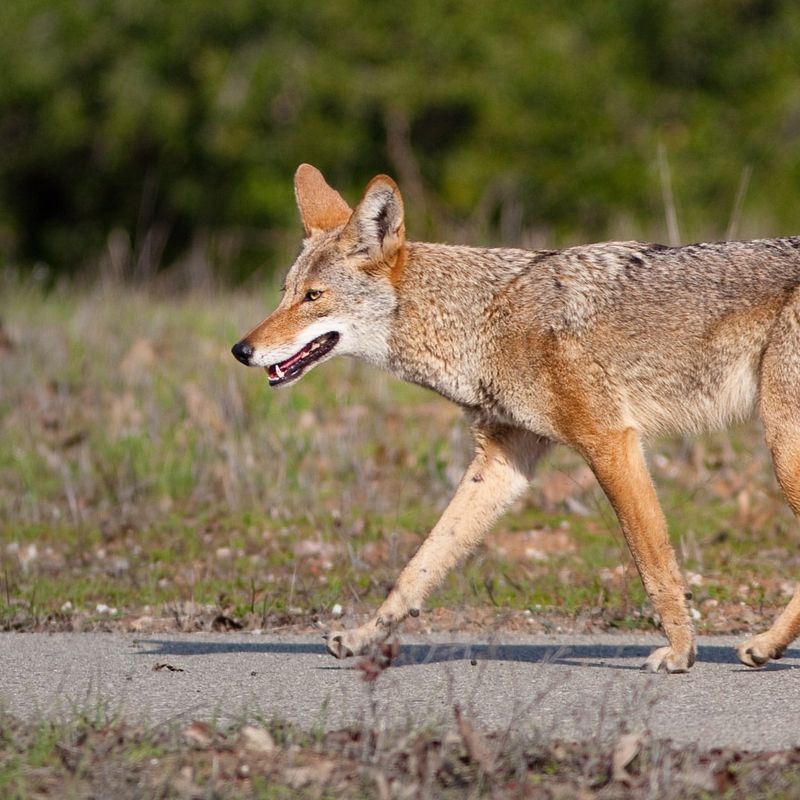
Keeping detailed records of coyote activity helps wildlife managers understand their behavior and movement. Note the date, time, location, and any observed behaviors in a personal journal or shared neighborhood log.
Photographs taken from a safe distance can help authorities identify individual animals and assess their health. Tracking patterns, such as repeated visits at certain times or frequent use of specific routes, can reveal established territories or attractants.
This information is valuable for developing targeted management strategies and determining whether intervention is necessary. Regular reporting supports community-wide efforts to minimize conflicts while preserving the ecological role of coyotes.
Documentation empowers residents to act responsibly, ensures accurate assessment by authorities, and contributes to safer neighborhoods.
12. Know When To Seek Help
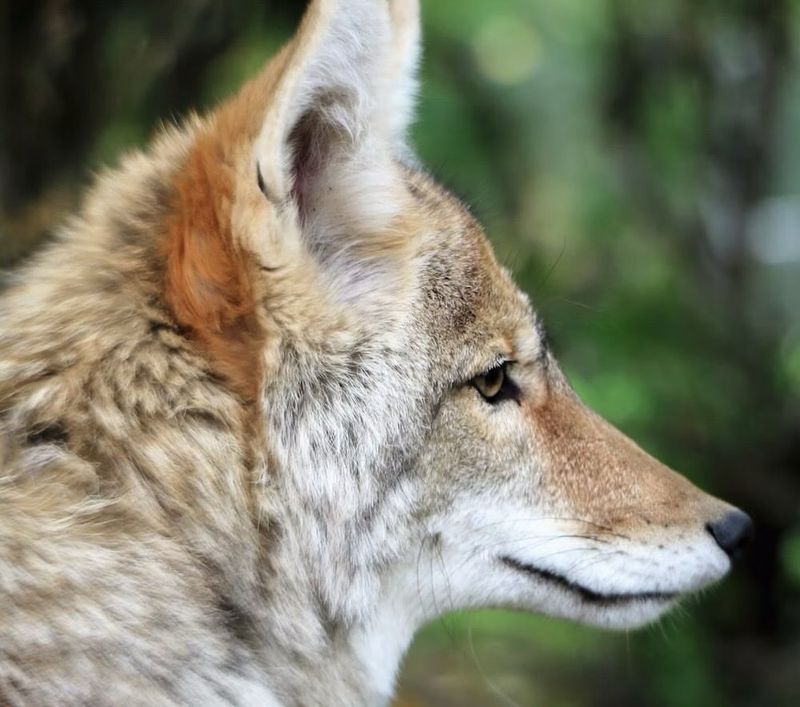
Most coyote encounters are resolved safely with distance, hazing, and preventive measures. However, residents should recognize when professional help is necessary.
Coyotes exhibiting signs of rabies, such as staggering, extreme aggression, or lack of fear, require immediate reporting. Repeated approaches toward people, pets, or children despite deterrent efforts also indicate the need for intervention.
Contact the Virginia Department of Wildlife Resources promptly rather than attempting to trap, relocate, or handle the animal yourself. Timely action protects both humans and coyotes while ensuring proper management protocols are followed.
Knowing when to seek assistance is critical to safe coexistence, allowing wildlife officials to respond effectively and prevent dangerous situations from escalating. Residents benefit from understanding warning signs and relying on trained professionals when necessary.