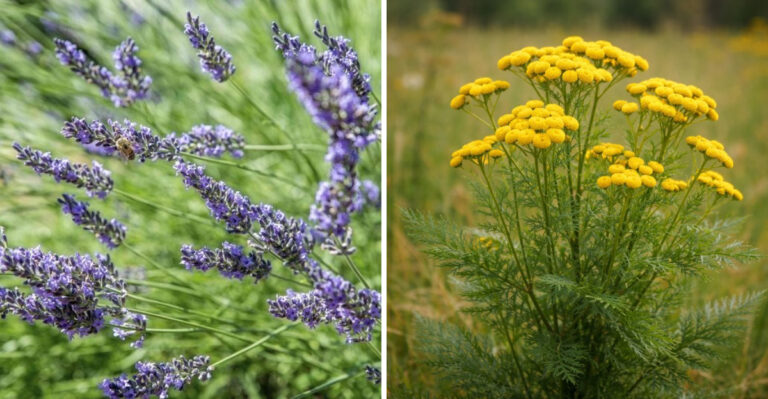
Important Plants You Should Prune Now In Pennsylvania
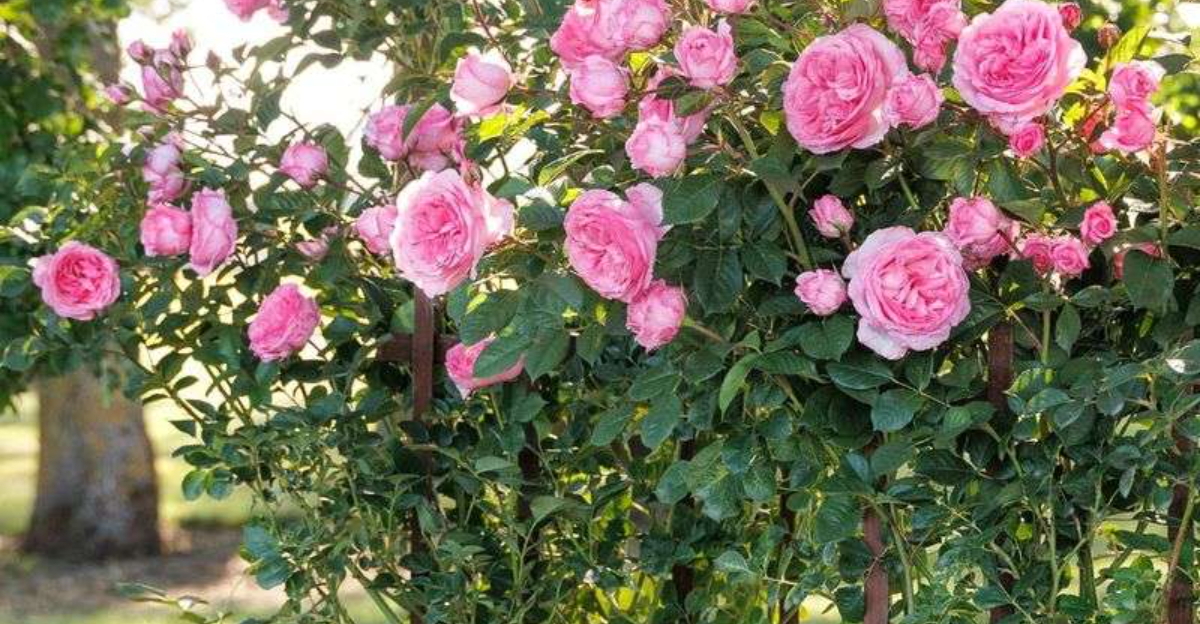
Late winter is the perfect time for pruning certain plants in Pennsylvania, even though the garden looks quiet. I remember hesitating my first year and noticing weaker blooms the following spring.
Pruning now encourages healthy growth and more abundant flowers. The right cuts now lead to a thriving garden later.
Plants that benefit from winter pruning include fruit trees, roses, and deciduous shrubs. Removing dead, damaged, or overcrowded branches improves airflow, reduces disease risk, and sets the stage for strong spring growth.
It’s important to avoid pruning plants that bloom on old wood, as this can reduce flowers. Proper timing and technique make all the difference for healthy plants.
Pennsylvania gardeners who prune these plants now enjoy stronger stems, more blooms, and a well-structured, vibrant garden in spring. Trim smart this winter and prepare for a flourishing season.
1. Hydrangeas (But Only Certain Types)
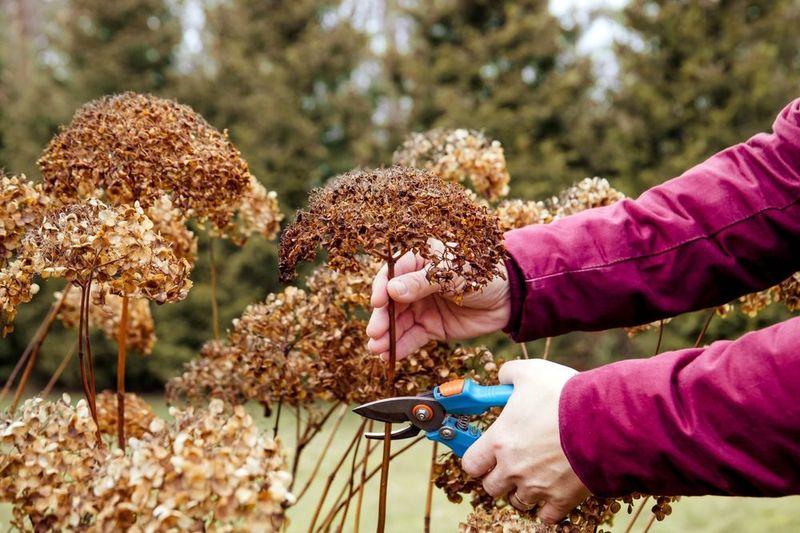
Not all hydrangeas should be pruned at the same time in Pennsylvania. Panicle and smooth hydrangeas benefit from pruning now in February, while mophead and bigleaf varieties should be left until early spring.
For panicle hydrangeas, remove roughly one-third of the oldest stems at ground level. This encourages stronger, healthier growth and better bloom production next season.
Pruning now strengthens the plant’s structure before winter fully recedes, helping it withstand frost, snow, and cold winds.
While timing is crucial for these varieties, avoiding early pruning of mophead hydrangeas prevents cutting off potential blooms that develop on old wood.
Gardeners can also check for damaged or broken stems and carefully remove them now. Fertilizing lightly after pruning encourages root development while the plant is still dormant.
Mulching around the base helps protect exposed roots from any remaining cold snaps. Understanding the differences between hydrangea types ensures that pruning supports both plant health and beautiful blooms when spring arrives.
2. Rose Bushes
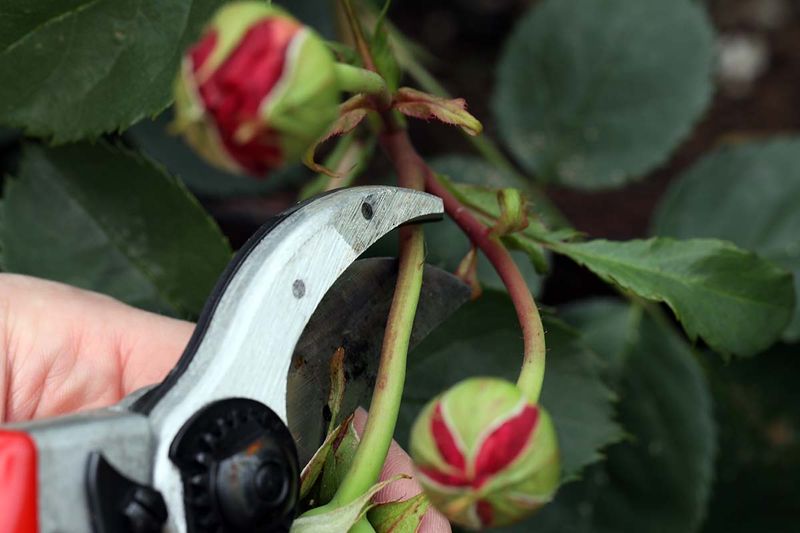
Roses in Pennsylvania benefit from a light prune now in February to prepare for spring growth. Focus on removing diseased, damaged, or weak canes while leaving enough healthy stems for energy storage.
Avoid heavy pruning at this stage, as severe cuts can stress the plant before full dormancy ends. A gentle trim now helps roses survive winter conditions while shaping them for vigorous spring revival.
Removing old growth improves airflow, reducing disease risks and encouraging strong new shoots. Inspect canes for black spot or mildew and prune carefully.
After trimming, applying mulch can protect the base and roots from late cold snaps. Fertilizing should wait until new growth emerges to avoid stimulating tender shoots too early.
This light February pruning ensures Pennsylvania rose bushes remain healthy, resilient, and ready to produce abundant blooms once warmer weather arrives.
3. Perennial Herbs Like Sage And Thyme
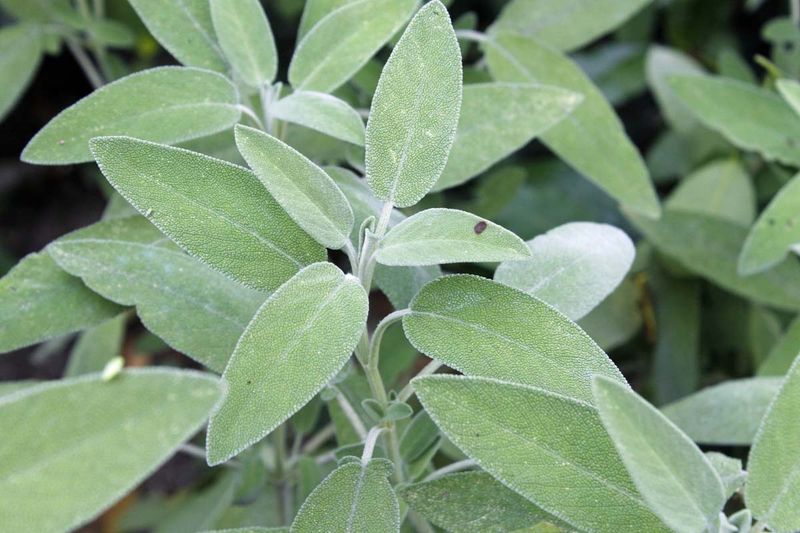
Woody perennial herbs such as sage and thyme benefit from a light prune now in February. Remove about one-third of the growth, especially flowering stems or old, woody sections.
This encourages bushier growth and prevents the herbs from becoming leggy or unproductive. The goal is not to cut them back severely but to give them a light trim that helps them withstand winter winds and cold.
Your Pennsylvania Garden Changes Every Week. Your Plan Should Too.
Gardening in Pennsylvania changes quickly throughout the season. Every Friday you’ll receive a simple weekly plan showing exactly what to plant, prune, fertilize, harvest, and protect so you never miss the right timing.
Removing spent or damaged stems reduces disease risk and allows the plant to allocate energy toward healthy growth for spring. Trimming also maintains the plant’s natural shape and ensures robust foliage for culinary or ornamental use.
For sage, thyme, and similar herbs, pruning now stimulates airflow around the base, reducing moisture accumulation that can promote fungal issues.
Light mulching protects roots during February freezes. This careful approach sets the herbs up for a productive, bushy, and healthy season ahead.
4. Summer-Flowering Clematis
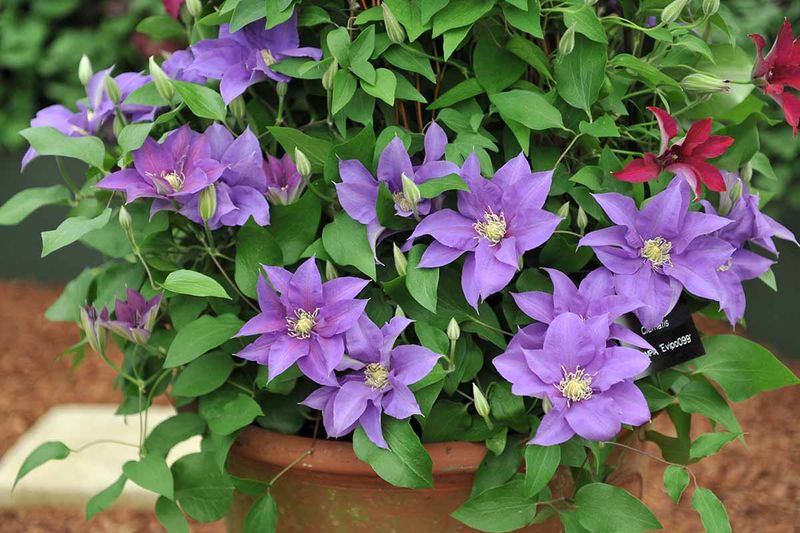
Late-blooming clematis vines thrive when pruned now in February in Pennsylvania gardens. Unlike spring-flowering varieties that bloom on old wood, summer bloomers produce flowers on new growth, making this the perfect maintenance time.
Cut vigorous vines back to about two to three feet above the ground. While it may seem drastic, this encourages abundant new shoots that will produce flowers in summer.
Regular pruning prevents tangles and overcrowding, reducing disease risk and improving air circulation. February pruning also allows gardeners to remove weak, damaged, or dead stems that could interfere with healthy growth.
Supporting remaining stems with trellises or stakes ensures new growth is properly guided. Mulching at the base protects roots from late freezes.
By performing this pruning now, Pennsylvania gardeners set the stage for healthy, vibrant flowers and prevent sprawling vines from becoming unmanageable in spring and summer.
5. Raspberry And Blackberry Canes
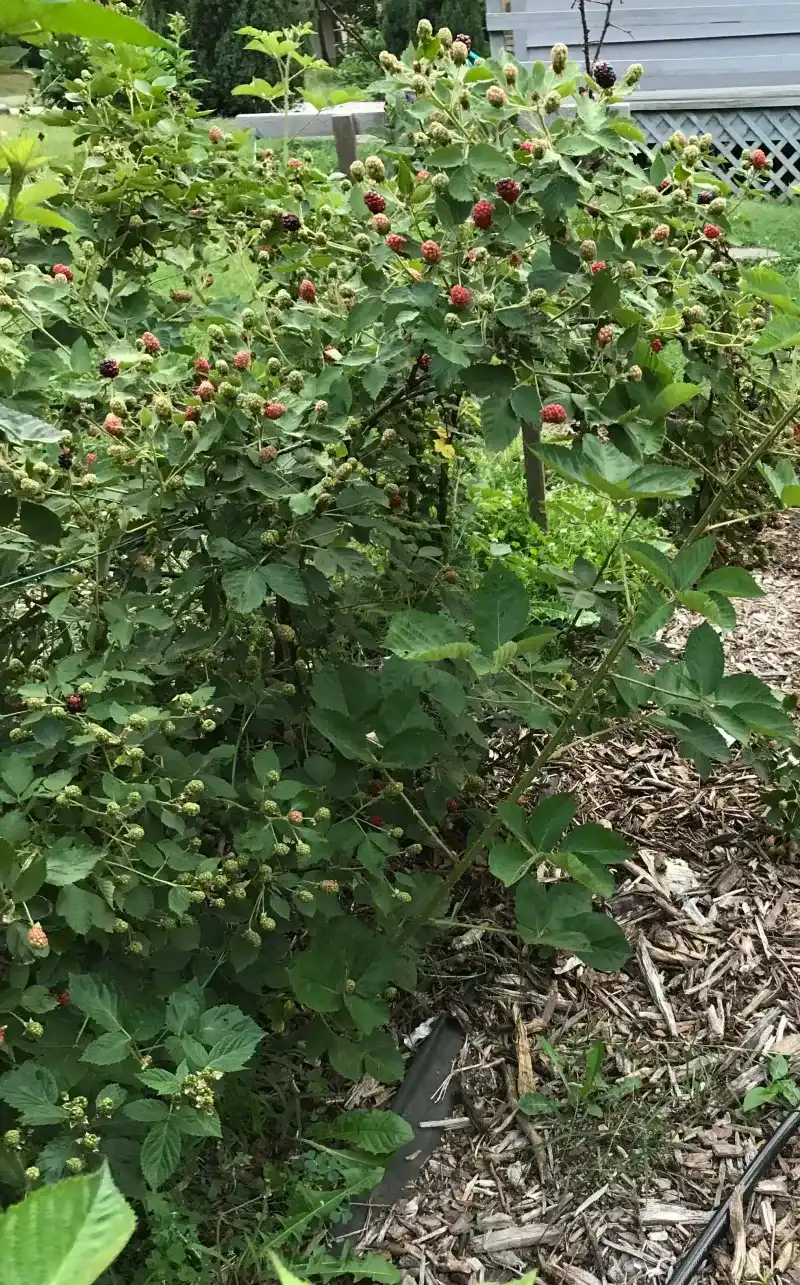
Berry patches in Pennsylvania need attention now in February to maintain productivity. Remove all canes that produced fruit last season—they will not bear again and drain energy from the plant.
Look for spent, brown, or woody canes and remove them at ground level. Leave green canes intact, as they will produce next year’s fruit.
Pruning now prevents disease, which is more likely if cutting is delayed until summer. Winter pruning also makes it easier to access canes, clear dead wood, and allow sunlight to reach new growth.
After pruning, tie remaining canes to supports to prevent damage from wind or snow. Mulching around the base further protects roots from cold.
Regular pruning improves air circulation, reduces fungal risk, and encourages vigorous fruit production. Pennsylvania gardeners who complete this work now enjoy healthier, more productive berry patches when spring arrives.
6. Butterfly Bush (Buddleia)
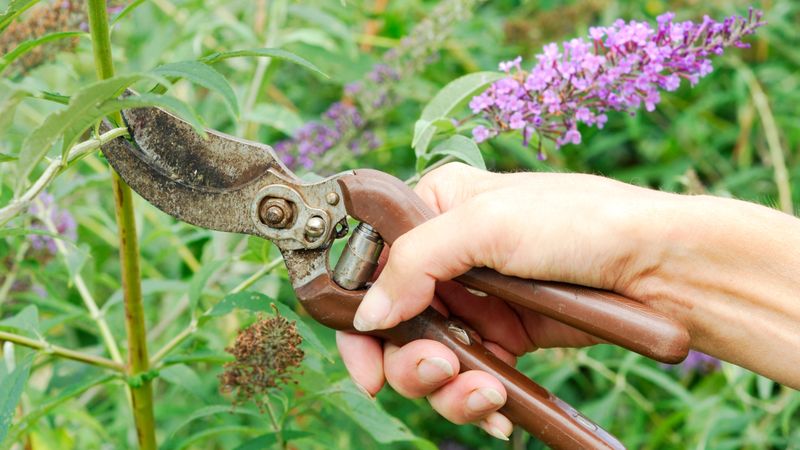
Butterfly bushes benefit from moderate pruning now in February in Pennsylvania. A light trim—reducing height by about one-third—prevents winter damage from snow or ice.
Focus on removing spent flower heads and shaping the shrub. This creates a stronger framework that will survive winter’s weight and wind.
Heavier pruning should be reserved for spring when new growth emerges. Pruning now also allows gardeners to inspect the shrub for any damaged or diseased branches.
Maintaining a compact, sturdy structure reduces the likelihood of breakage and prepares the bush for vigorous blooms in summer. Mulching the base after pruning provides additional winter protection.
By pruning now, Pennsylvania gardeners set their butterfly bushes up for healthy, abundant flowering while minimizing potential winter stress.
7. Vegetable Garden Cleanup
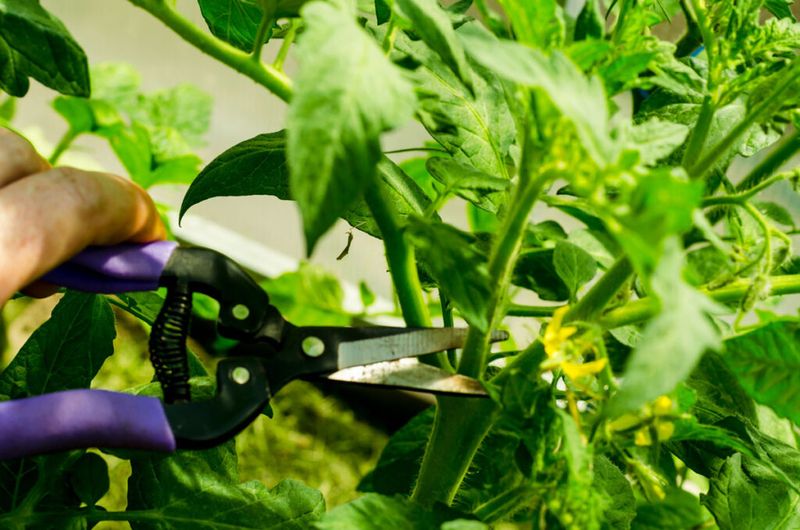
February is an ideal time for vegetable garden cleanup in Pennsylvania. Tomato, pepper, and eggplant stems often harbor diseases that can survive the winter.
Remove old plants at soil level to prevent pathogens from overwintering. Dispose of the plant material rather than composting it to avoid reintroducing disease next season.
For asparagus, wait until stems turn completely yellow before cutting back to the ground. Clearing old growth also improves airflow, reduces pest habitats, and prepares garden beds for early spring planting.
This cleanup minimizes fungal and bacterial disease risks in Pennsylvania’s humid winter climate. Proper winter garden maintenance ensures soil remains healthy and ready to support strong growth for next year’s vegetables.
Completing this task now saves time and reduces potential problems once the growing season begins.
8. Ornamental Grasses
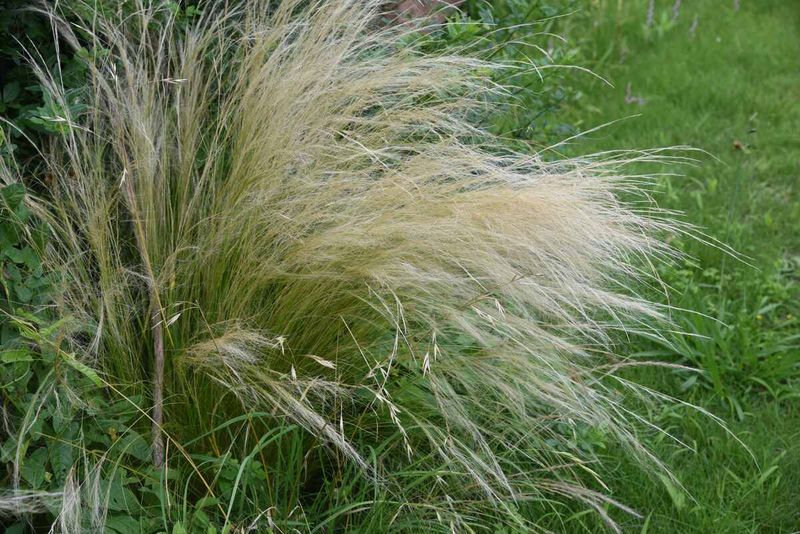
Do not cut ornamental grasses now in February if you want to preserve winter interest in Pennsylvania gardens. Their frosted winter silhouettes add texture and structure to the landscape.
Only remove spent flower heads if they are unattractive. Full pruning should be postponed until late February or early March, just before new growth emerges.
Leaving stems intact during winter provides habitat for beneficial insects and shelter for birds. Cutting too early can expose plants to cold damage and reduce winter protection.
Pruning at the right time in late winter ensures healthy regrowth, maintains aesthetic appeal, and allows grasses to thrive once spring arrives. Mulching around the base adds extra frost protection.
This approach balances ecological benefits with garden maintenance, keeping Pennsylvania landscapes attractive and functional throughout winter.
9. Climbing Roses
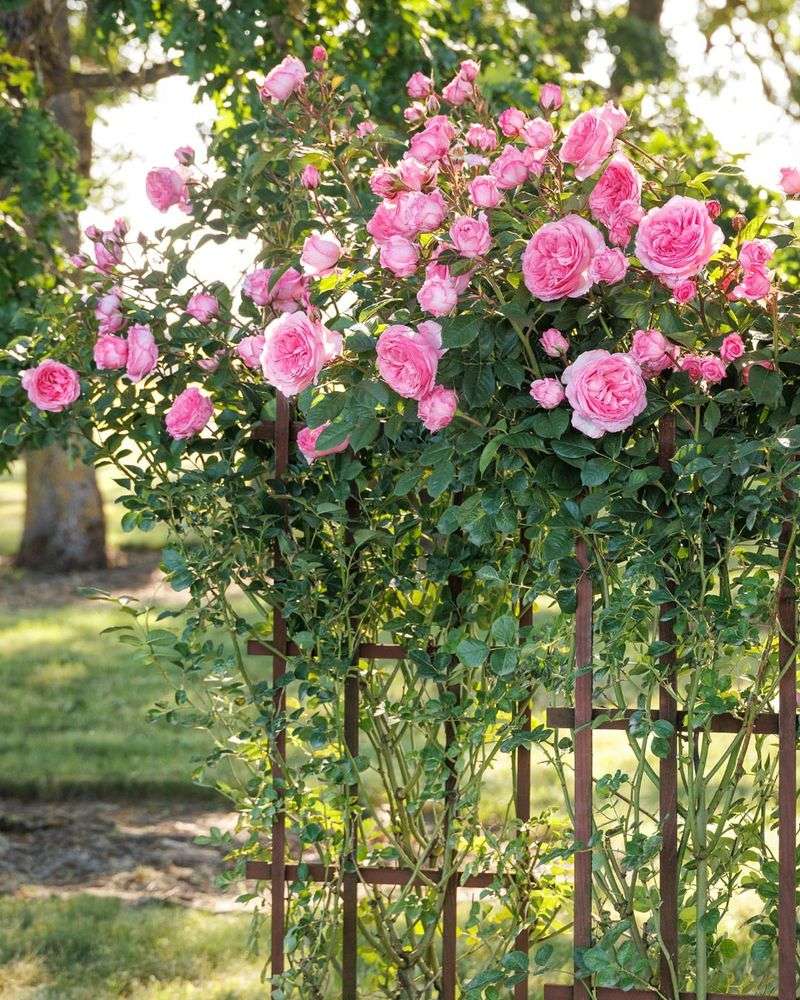
Climbing roses can be lightly attended now in February to prepare for spring growth. Focus on tying canes to supports, removing only dead or diseased stems.
Avoid heavy pruning until early spring after frost risk passes. Securing canes now prevents damage from winter winds and snow.
Minor pruning also allows gardeners to inspect supports and remove debris. By performing these tasks now, Pennsylvania gardeners help climbing roses survive winter while maintaining structure.
Full shaping and aggressive pruning should wait for early spring. This strategy protects energy reserves in healthy canes and ensures the plant is ready to produce abundant blooms once warmer weather arrives.
Proper winter care improves plant resilience and longevity.
10. Chrysanthemums After Blooming
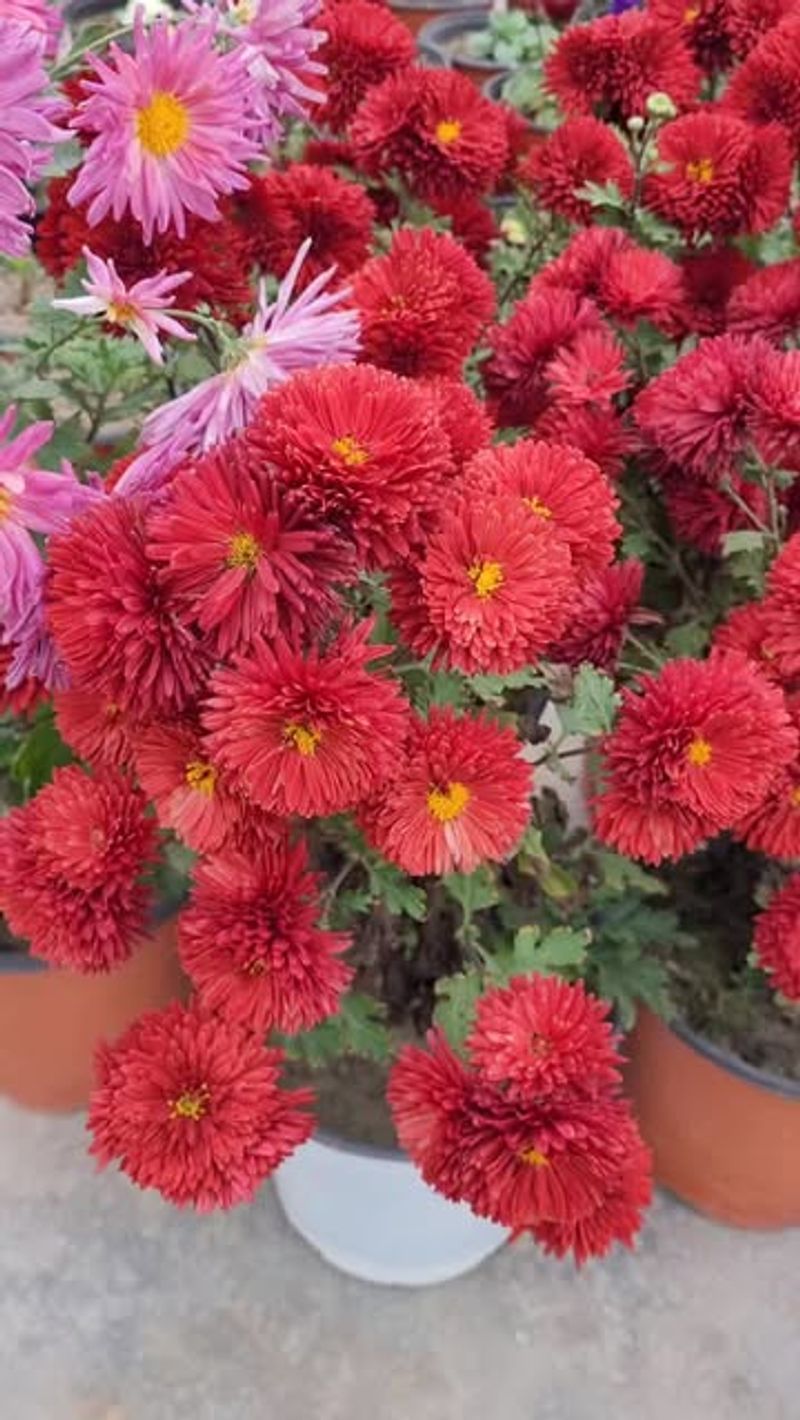
Chrysanthemums can be lightly pruned now in February after the fall blooms have faded. Remove spent flowers and about an inch of stem below them, leaving the main foliage intact.
This allows continued photosynthesis, helping the plant store energy for winter survival. After the ground freezes, apply a layer of mulch to protect roots from cold temperatures.
Avoid cutting back too aggressively now, which could reduce energy reserves. Light pruning and mulching set the stage for healthier growth and strong blooms in the following season.
Completing this maintenance now ensures Pennsylvania mums return robustly next year while remaining attractive during winter.
11. Lavender Plants
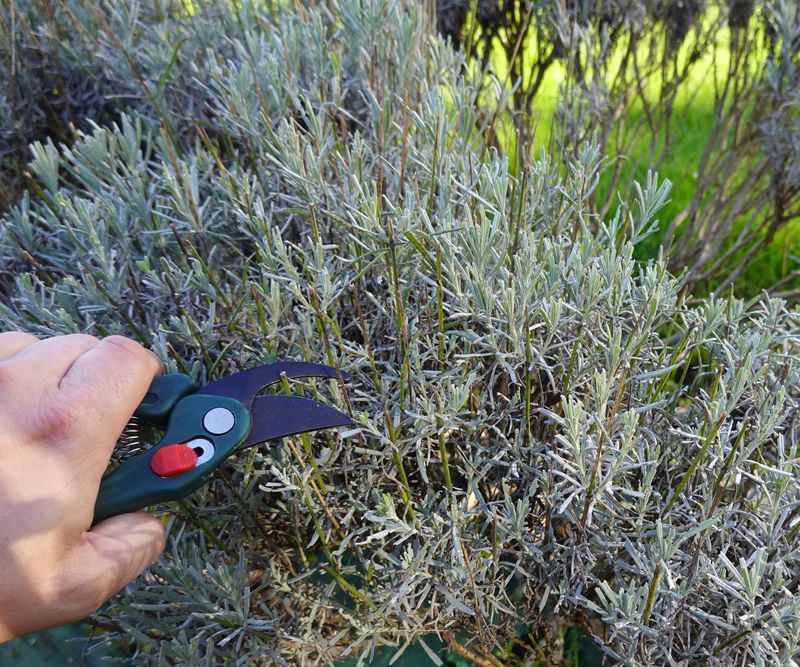
Lavender can benefit from light pruning now in February in Pennsylvania. Remove roughly one-third of the current year’s growth, taking care not to cut into the woody base.
The goal is to maintain a neat, mounded shape and improve airflow around the plant. Pruning now allows healing before spring growth begins and strengthens winter hardiness.
Mulching the base adds additional protection against frost and fluctuating winter temperatures. Avoid pruning too early, which can encourage tender new growth vulnerable to cold.
A careful February trim keeps lavender tidy, prevents woody overgrowth, and sets the stage for strong flowering later in the season.
12. Spent Perennial Flower Stems
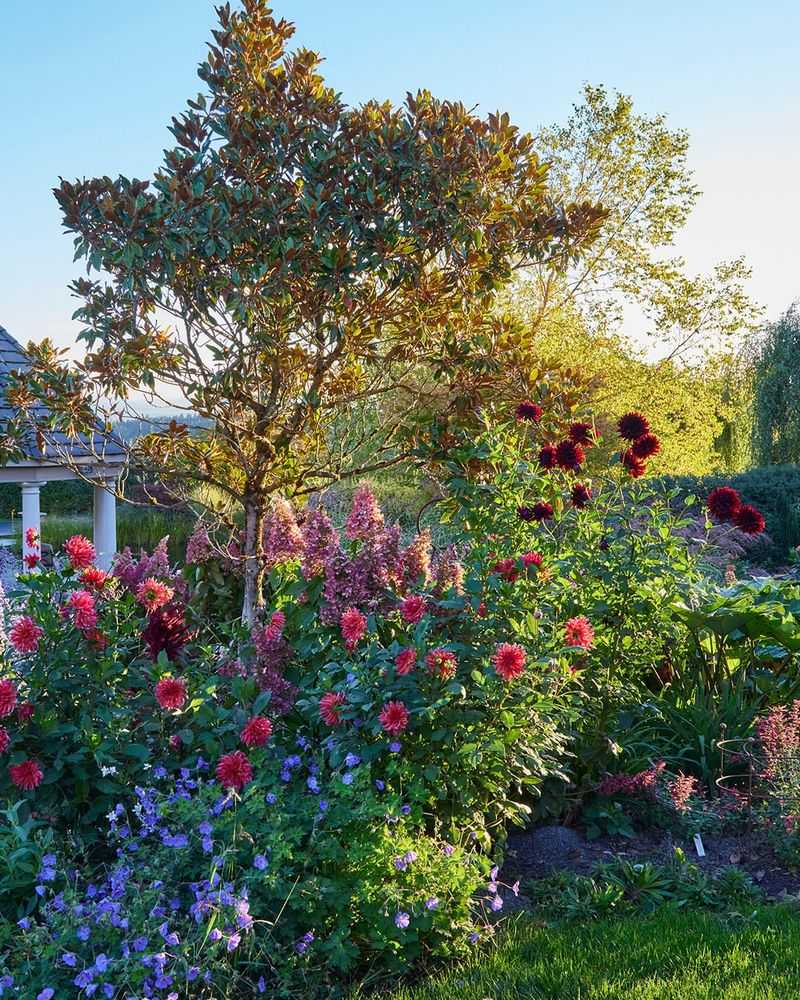
February is a good time for selective cleanup of perennial beds in Pennsylvania. Remove diseased foliage from plants like peonies, phlox, and bee balm to reduce overwintering pathogens.
Leave seedheads on coneflowers, black-eyed Susans, and sedums to provide food for birds and visual interest throughout winter. Selective pruning now balances aesthetics with ecological benefits, maintaining habitat for wildlife while keeping the garden tidy.
Cutting back everything too early can expose plants to cold damage and reduce winter protection. Mulching after pruning further protects roots and soil health.
By performing this work now, gardeners promote healthy regrowth and vibrant spring blooms.