Toxic Trees Georgia Homeowners Need To Watch Out For In Their Yards
I’ll never forget the first time I noticed a tree in my Georgia yard dropping unusual leaves and sap, and a quick search revealed it was toxic. Many common trees can pose health risks to children, pets, and even adults if ingested or touched.
Some beautiful trees can be hazardous if you don’t know what to look for. These toxic trees include species like black locust, cherry laurel, and certain oaks that produce poisonous seeds, leaves, or sap.
Knowing which trees are dangerous allows homeowners to take precautions, prevent accidental exposure, and decide whether removal is necessary.
Proper identification and awareness keep your yard safe while still enjoying its greenery. Recognizing toxic trees protects your family and pets from harm.
Georgia homeowners who understand these risks can maintain a beautiful yet safe landscape for everyone. Watch out for these trees and keep your yard hazard-free.
1. Black Walnut: The Silent Saboteur
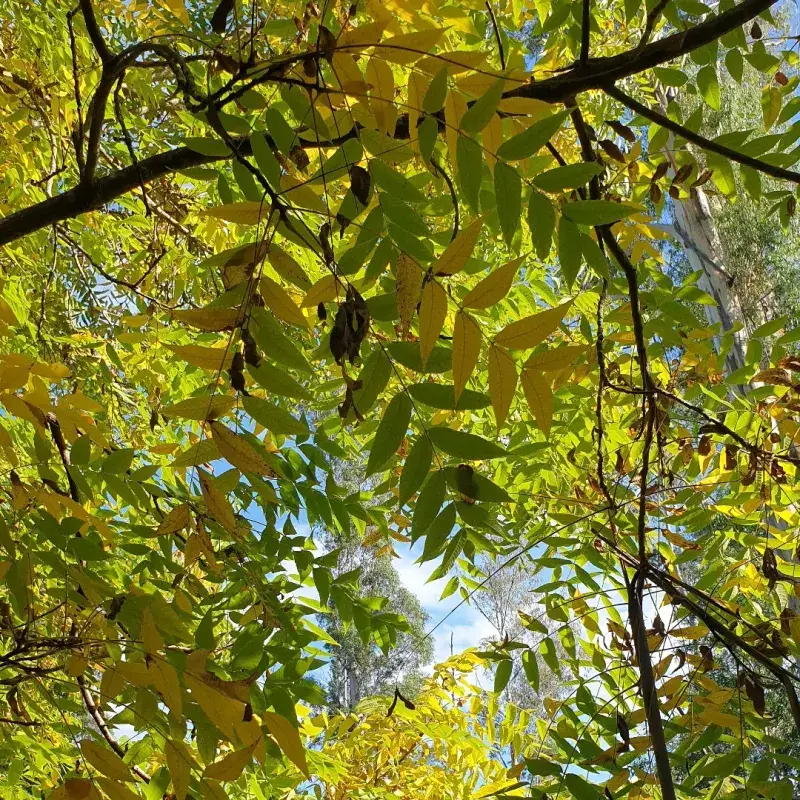
Black Walnut trees may look majestic in a Georgia yard, but they have a dark side. These native trees release juglone, a chemical that is toxic to many plants and can interfere with growth in nearby garden beds.
Tomatoes, azaleas, and other common favorites often fail to thrive beneath these trees. Juglone also affects animals; horses can suffer vomiting, lethargy, and neurological issues if they graze too close.
The highest concentrations are found in fallen nuts and the tree’s roots, so it’s important to keep sensitive plants and livestock at a safe distance.
Using Black Walnut mulch or wood chips in garden areas is strongly discouraged because even decomposing wood can leach toxins into the soil.
Despite their benefits—shade, beauty, and hard wood for furniture, Black Walnuts require careful planning in Georgia yards. Gardeners often need to choose alternative planting sites or containers for susceptible plants.
For horse owners, fencing off areas beneath the canopy is a wise precaution. Awareness and preventive measures are key to enjoying the tree’s aesthetic benefits without risking plant failure or animal health in Georgia landscapes.
2. Yellow Buckeye: Beauty With A Bite
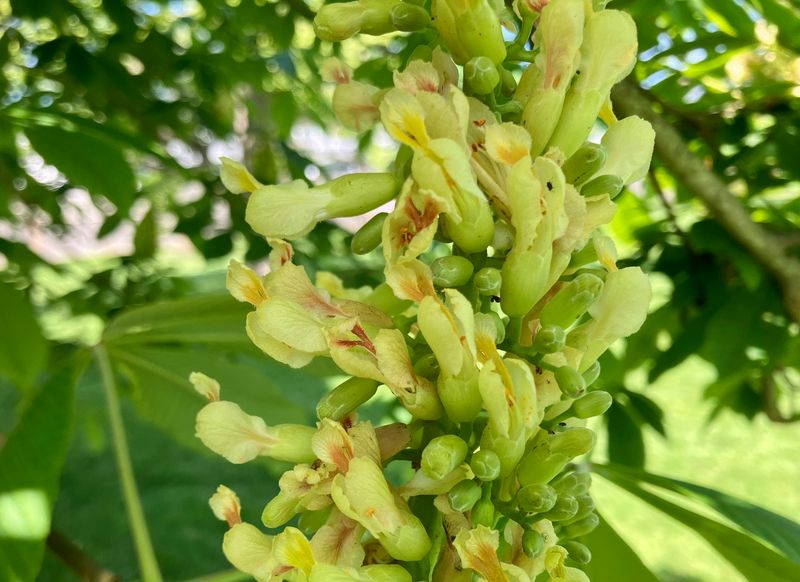
Yellow Buckeye trees are visually stunning in Georgia, with bright yellow spring blooms and nuts that resemble chestnuts. However, these attractive features conceal a hidden danger.
All parts of the tree contain toxic compounds called glycosides, which can cause vomiting, diarrhea, and even paralysis if ingested. Children are particularly at risk because the nuts look edible and appealing.
Pets are also susceptible to poisoning if they chew on fallen nuts or leaves. Gardeners should collect and dispose of fallen buckeyes promptly, especially during fall when nuts litter the yard.
Even casual exposure can be dangerous, so keeping the area clear is essential. While Yellow Buckeyes add ornamental charm, homeowners must weigh aesthetics against safety.
Proper education and vigilance are critical in Georgia yards, particularly for families with young children. Avoid using leaves or seeds as compost, as the toxins persist and can contaminate soil.
Planting these trees in areas inaccessible to children and animals helps reduce risk. With careful attention, you can appreciate their beauty while preventing accidental ingestion and maintaining a safe outdoor environment.
Your Georgia Garden Changes Every Week. Your Plan Should Too.
Gardening in Georgia changes quickly throughout the season. Every Friday you’ll receive a simple weekly plan showing exactly what to plant, prune, fertilize, harvest, and protect so you never miss the right timing.
3. Angel’s Trumpet: Deadly Nightshade Relative
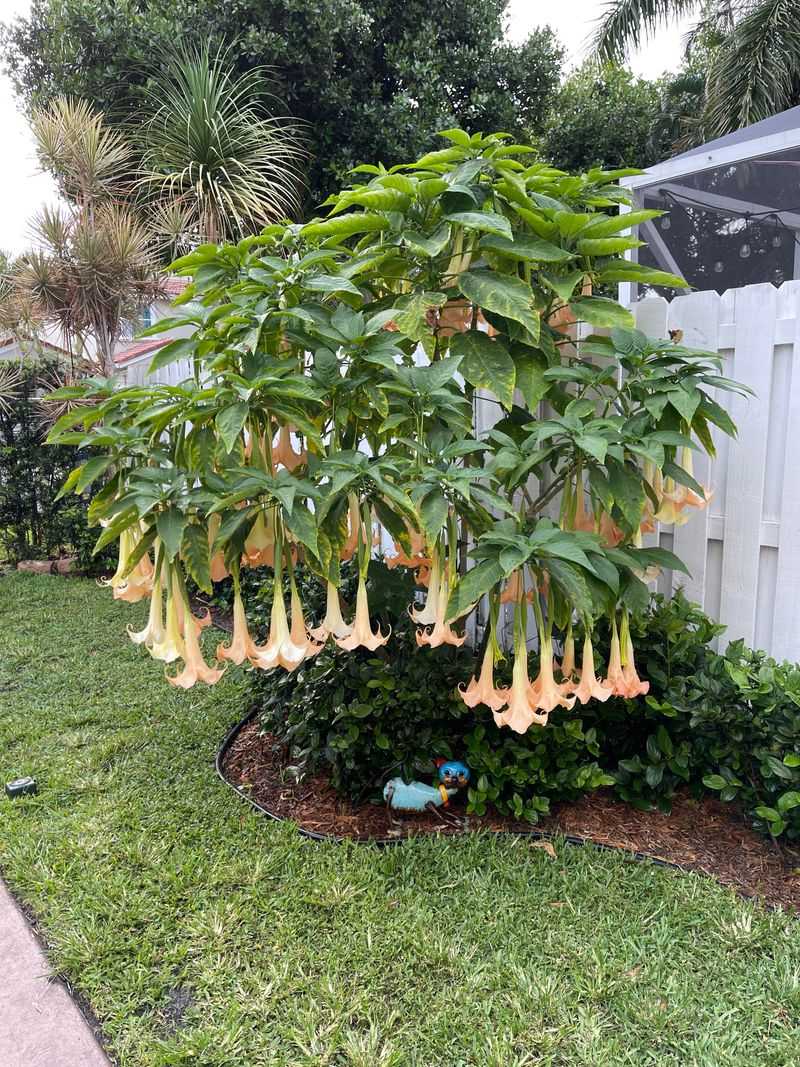
Angel’s Trumpet is a stunning garden plant with pendulous, trumpet-shaped blooms that perfume Georgia evenings. Its flowers appear heavenly, but the plant is extremely toxic.
All parts contain potent alkaloids capable of causing hallucinations, paralysis, or even death if ingested. Though technically a woody shrub, in Georgia it can grow tree-sized, creating hazards for curious children or pets.
Gardeners must plant it well away from play areas and ensure it is not easily accessible. Gloves are essential when pruning, as toxins can transfer through skin contact.
Even touching leaves or flowers without protection can be risky. Despite its allure, Angel’s Trumpet requires extreme caution.
The plant’s fast growth in Georgia’s climate means a small seedling can become a large, toxic specimen within a few years.
Responsible management includes monitoring for fallen leaves or flowers, teaching family members about its dangers, and avoiding disposal methods that could expose others to its toxins.
Proper respect for this plant allows gardeners to enjoy its beauty safely while protecting children, pets, and the broader community.
4. Chinaberry: Invasive Poison-Bearer
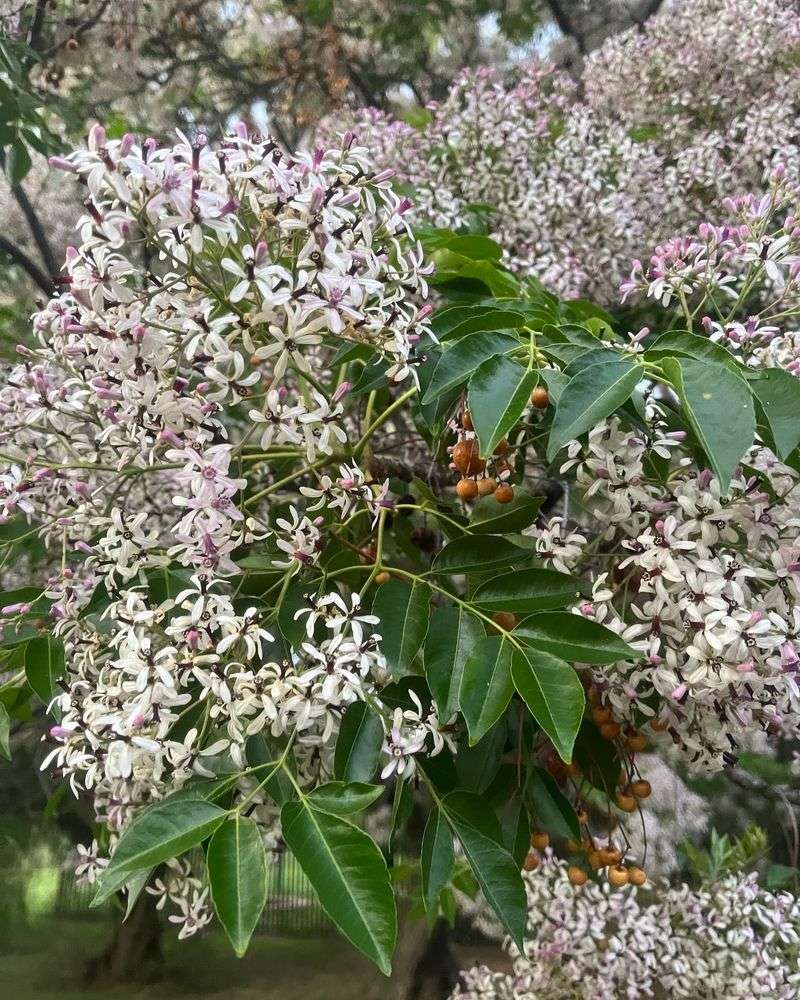
Chinaberry trees were once popular ornamental shade trees in Georgia, but they are now notorious for their toxicity and invasiveness. The small yellowish berries contain neurotoxins that affect the nervous system and can be fatal to children if ingested.
Birds help spread Chinaberries, which allows them to colonize yards, pastures, and wild areas rapidly. The tree is easy to identify by its distinctive umbrella-shaped canopy and clusters of berries.
For homeowners, removal is often the safest option, especially if pets or children play nearby. Chinaberry trees can also impact native plants by spreading aggressively and shading out understory vegetation.
The combination of toxicity and invasiveness makes them a double concern in Georgia landscapes. If removal isn’t immediately feasible, gardeners should monitor berries, educate children about the risks, and consider barriers to prevent accidental ingestion.
Awareness and proactive management help maintain both safety and ecological balance. In short, Chinaberry may look ornamental, but in Georgia, it is best approached with caution and careful planning.
5. Golden Chain Tree: Deceptively Dangerous
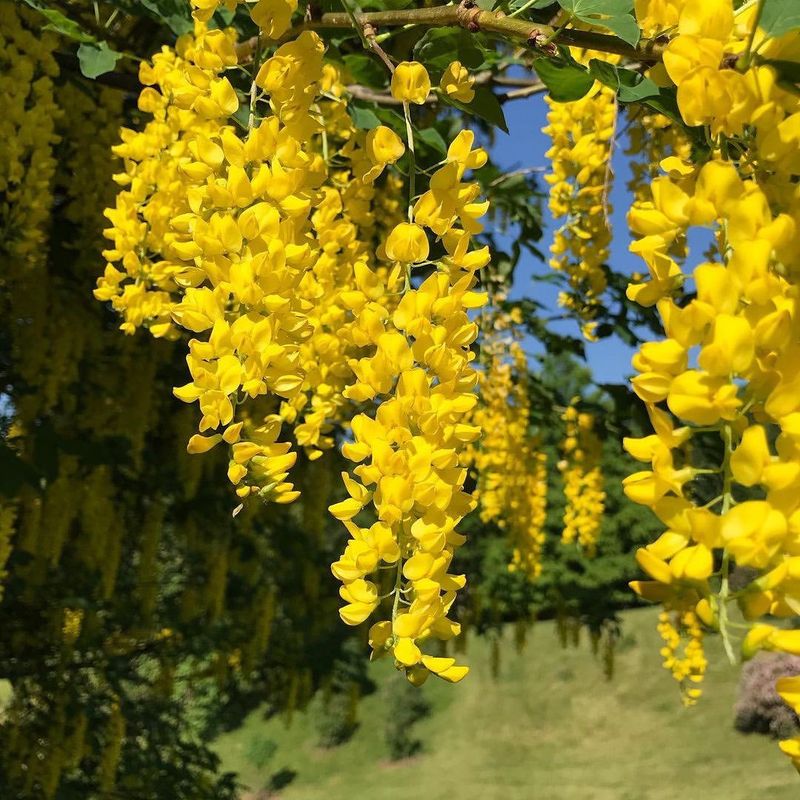
Golden Chain Trees are prized for their cascading yellow flower clusters in spring, adding elegance to Georgia gardens. However, these trees hide a serious hazard.
All parts contain cytisine, a chemical similar to nicotine that can cause severe poisoning. Ingesting just two seed pods can be deadly for a child.
The most severe cases result in convulsions and cardiac arrest. Fallen seed pods should be collected immediately, particularly in yards where children or pets play.
Golden Chain Trees can appear perfectly safe while blooming, luring homeowners into a false sense of security. Awareness is critical, as the pods are tempting and easy to overlook.
For Georgia gardeners, the combination of ornamental beauty and hidden toxicity demands vigilance. Planting these trees far from play areas and promptly cleaning up fallen seeds can prevent tragic accidents.
While they are spectacular in bloom, Golden Chain Trees require careful planning and respect for their toxic potential.
6. Cherry Laurel: Hidden Cyanide Factory
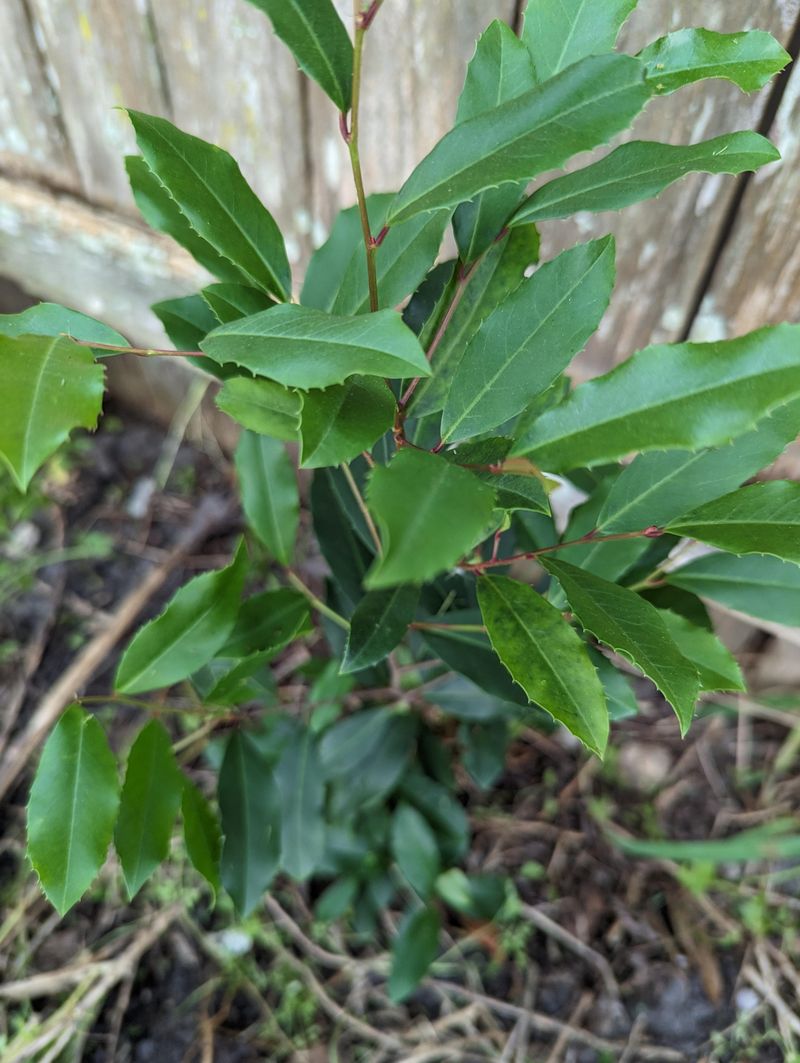
Cherry Laurel is a popular choice for privacy hedges in Georgia, but it contains a deadly secret. When leaves or stems are damaged, the plant releases hydrogen cyanide—a potent chemical that can be lethal in sufficient quantities.
Wilted leaves are especially dangerous, concentrating toxins that can harm humans and animals alike. Burning trimmings is never recommended, as smoke can contain cyanide.
Horses and other livestock are particularly vulnerable; fatalities have occurred when animals consumed crushed or wilted foliage during storms. Gardeners should plant Cherry Laurel away from pastures or areas with frequent animal traffic.
Wearing gloves when pruning is essential, and removing damaged leaves immediately reduces risk. While Cherry Laurel is valued for its evergreen density and ease of shaping, these benefits come with serious responsibility.
Knowledge of its toxicity and careful management can allow homeowners to enjoy its privacy benefits safely in Georgia landscapes.
7. Eastern Red Cedar: Toxic To Livestock
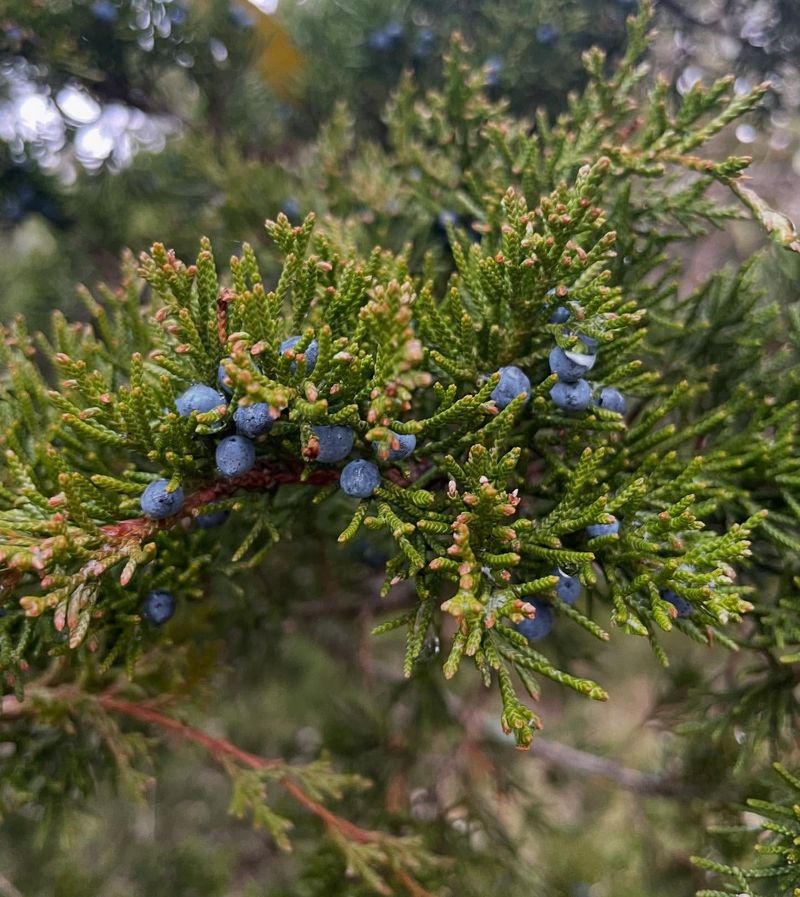
Eastern Red Cedar trees are a native staple in Georgia, valued for their beauty and fragrance. However, these evergreens pose serious risks to livestock.
Their aromatic foliage contains volatile oils that can cause abortions in pregnant cattle and horses if consumed. During droughts, when forage is limited, the danger increases, as hungry animals are more likely to nibble on fallen branches.
Fallen limbs after storms also create sudden access to toxic material. Georgia farmers should fence off areas containing Eastern Red Cedars to protect their animals.
While these trees provide windbreaks and habitat for wildlife, their potential toxicity requires careful planning. Homeowners should be aware of the risk even if animals are grazing nearby occasionally.
Understanding the timing of livestock exposure and monitoring fallen debris are essential management steps. With proper precautions, Georgia residents can appreciate Eastern Red Cedars without compromising the safety of their farm animals.
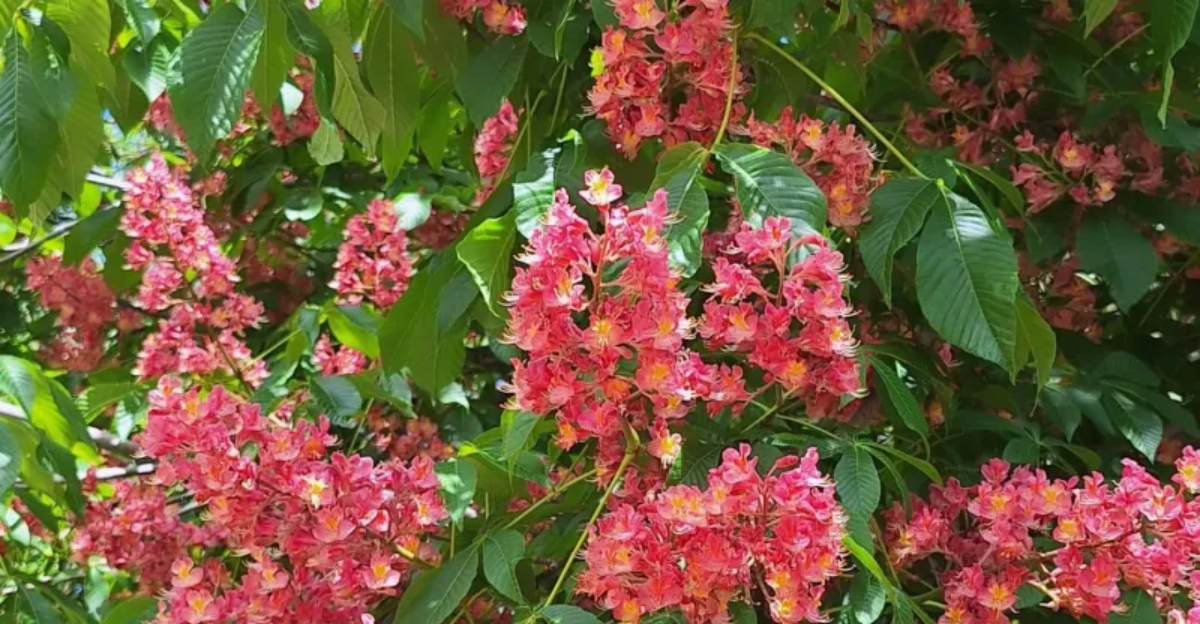
8. Horse Chestnut: Equine Enemy
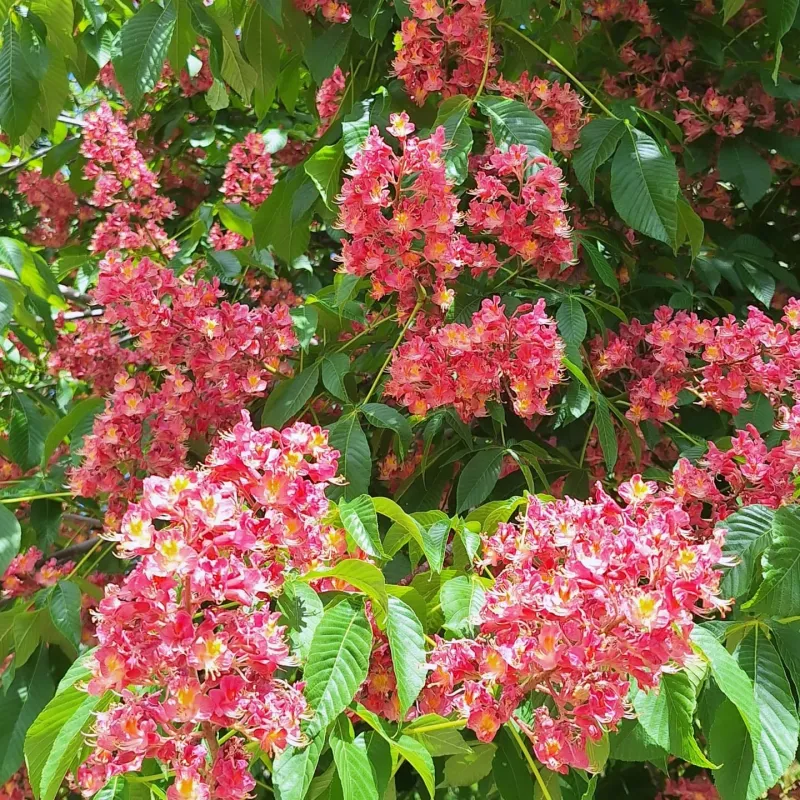
Horse Chestnut trees are visually striking with massive shade canopies, but they are highly toxic to horses and other livestock. The nuts contain aesculin, which destroys red blood cells and causes severe digestive distress.
In Georgia, fall is the most dangerous season, when nuts litter the ground beneath these trees. Their large, spiny seed cases make them easy to identify, yet unsuspecting horses or ponies can ingest them with serious consequences.
Owners should remove Horse Chestnuts from pastures entirely and check regularly for young saplings. Awareness of the seasonal risks allows Georgia equestrians to prevent accidental poisoning.
These trees require careful monitoring or removal in areas used for grazing. Even a single nut can be dangerous, so prevention is critical.
Planting them only in non-livestock areas or cultivating alternative shade trees can provide aesthetic benefits while ensuring safety. With thoughtful management, Horse Chestnuts can remain ornamental features without endangering animals.
9. Yew: Ancient Assassin
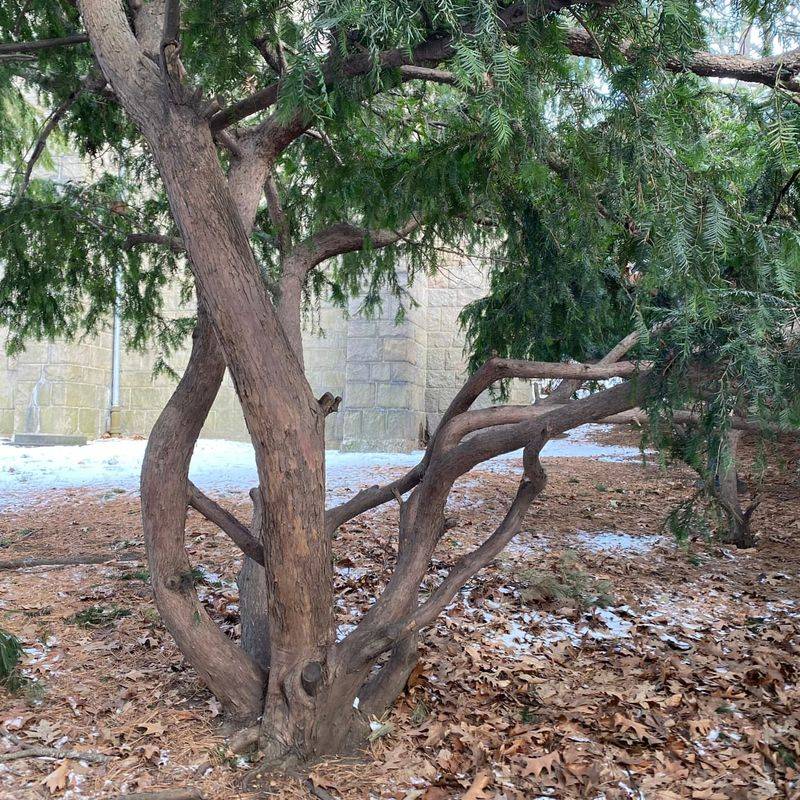
Yews have long been admired in Georgia landscapes for their evergreen beauty, yet they are extremely toxic. All parts of the plant, except the red aril surrounding the seed, contain taxine alkaloids that can cause sudden cardiac arrest in livestock.
Just a few needles are enough to kill a horse or cow. Many fatalities occur when homeowners dispose of trimmings by tossing them over fences, unintentionally exposing animals.
Yews remain green and attractive during winter, making them a deceptive hazard when other forage is scarce. Proper management includes careful disposal of clippings, fencing off areas with Yews, and educating family members about risks.
While these evergreens are valued for privacy screens and hedges, they require vigilance. Georgia homeowners with livestock or horses must be particularly cautious during pruning and winter cleanup.
Knowledge, precaution, and responsible planting are essential for safely enjoying Yews without risking serious consequences.
10. Chinese Tallow: Popcorn Tree Peril
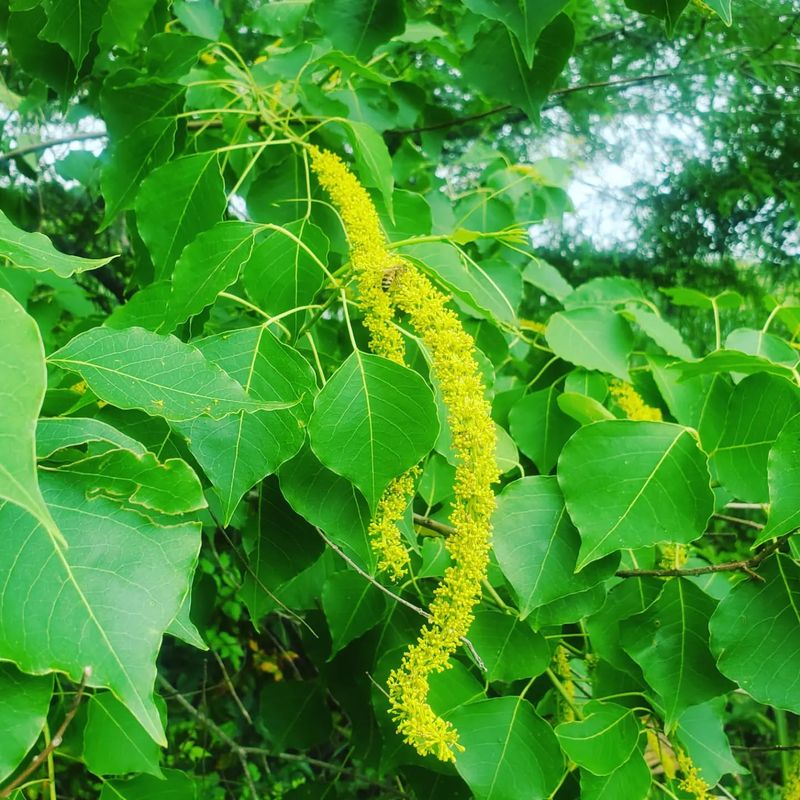
Chinese Tallow trees, often called “popcorn trees” for their white seed coverings, are highly invasive and toxic in Georgia. The seeds contain compounds that cause nausea if ingested, while the milky sap irritates skin, producing rashes similar to poison ivy.
Birds play a major role in spreading these trees, which has led to ecological disruption in native habitats. Georgia prohibits the sale of Chinese Tallow because of its invasiveness and the risks it poses to children, pets, and local flora.
Homeowners who discover these trees on their property should consider removal for both safety and environmental reasons. The tree’s rapid growth, combined with its toxicity, makes it a high-risk species in residential areas.
Proper protective clothing and care should be used when handling any part of the tree. Removing Chinese Tallow preserves native ecosystems while protecting human and animal health, making this plant one that Georgia gardeners should watch closely.