10 Long-Lasting Houseplants Arizona Residents Can Grow With Ease
If you live in Arizona, you know the desert climate can be tough on plants, but that doesn’t mean you have to give up on having a green, vibrant home.
The key is choosing houseplants that not only survive but thrive in dry air, intense sun, and occasional forgetful watering.
Luckily, there are several long-lasting indoor plants that are perfect for Arizona homes and don’t require constant attention. These plants are tough, beautiful, and ideal for beginners or anyone with a busy schedule.
Whether you’re decorating a sunny windowsill or adding life to a low-light corner, the right picks can stay healthy for years with very little effort.
Discover the top low-maintenance houseplants that Arizona residents love, plants that can handle the heat, grow strong indoors, and bring lasting greenery to your space all year round.
1. Snake Plant
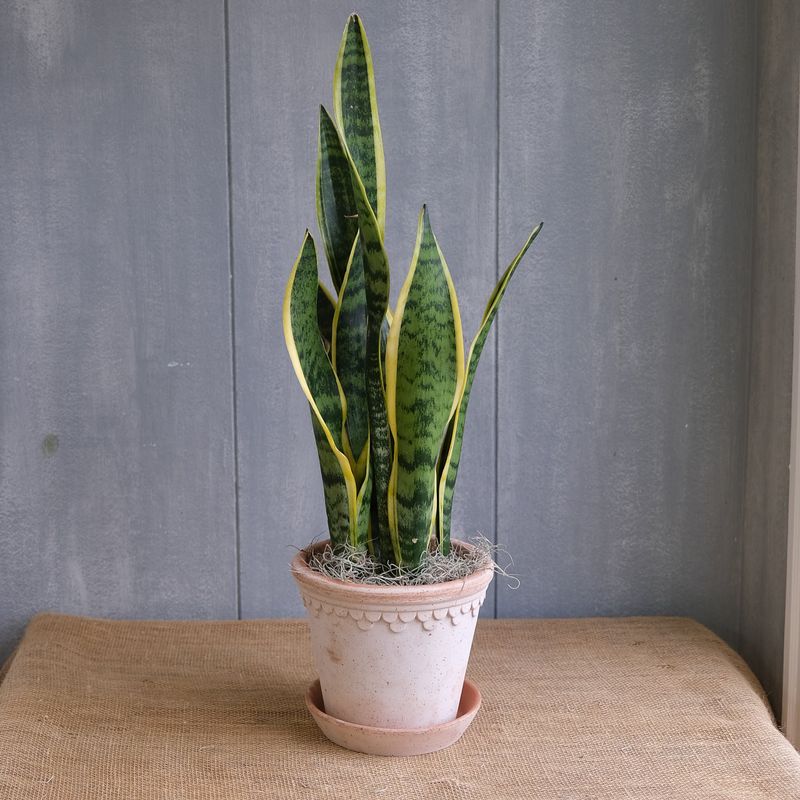
Few houseplants can match the toughness and resilience of the snake plant when it comes to surviving in Arizona homes. This striking plant features tall, upright leaves with gorgeous patterns that look like snakeskin, making it a beautiful addition to any room.
Arizona residents love this plant because it thrives on neglect and actually prefers the dry indoor air that comes with constant air conditioning use.
Snake plants store water in their thick leaves, which means they can go weeks without watering during Arizona’s cooler months. During summer, you might water every two weeks, but always let the soil dry completely between waterings.
This plant tolerates low light but grows faster in bright, indirect sunlight, making it perfect for various spots around your home.
One amazing bonus is that snake plants clean the air by removing toxins while you sleep, unlike most plants that only work during daylight hours. They’re nearly impossible to harm with Arizona’s dry conditions, and overwatering is actually the only real threat.
Place them anywhere from bedrooms to bathrooms, and they’ll keep looking fresh year after year with minimal effort from you.
2. Aloe Vera
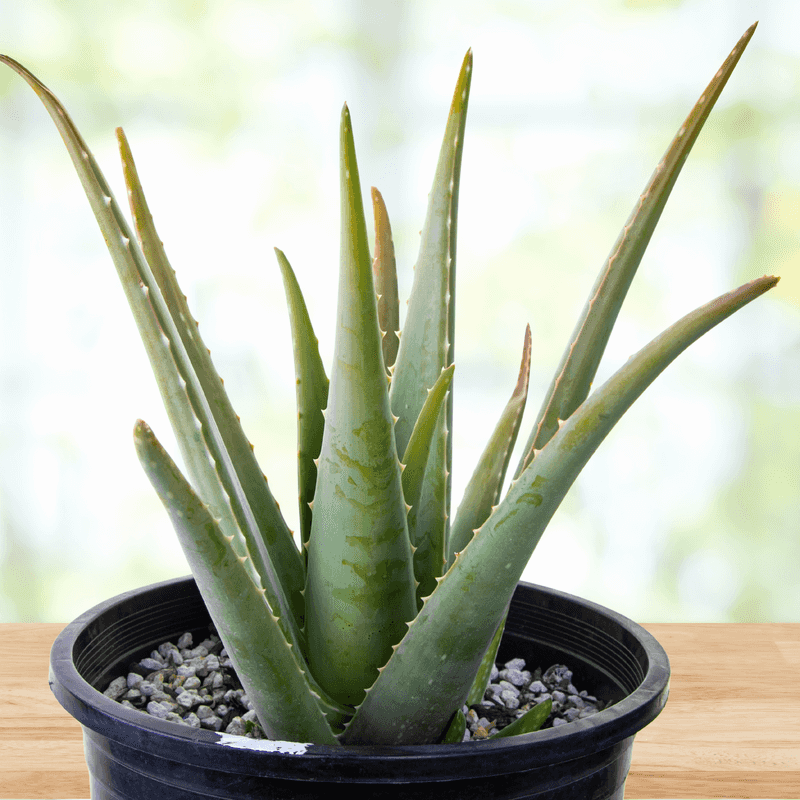
Aloe vera feels right at home in Arizona because it naturally grows in desert-like conditions similar to what we experience outdoors. The thick, fleshy leaves contain a soothing gel that many Arizona families keep on hand for treating sunburns after spending time outside.
Growing aloe indoors gives you instant access to this natural remedy while adding an attractive succulent to your space.
This plant absolutely loves the bright sunshine that pours through Arizona windows, making south or west-facing windowsills ideal locations. Water your aloe sparingly, perhaps once every three weeks during summer and even less frequently in winter.
The dry indoor air that bothers many houseplants doesn’t faze aloe at all, since it’s built to conserve moisture.
Aloe plants produce baby offshoots called pups that you can separate and pot individually, giving you free plants to share with friends or spread throughout your home.
They grow slowly and stay manageable in size, rarely needing repotting more than once every few years.
Your Arizona Garden Changes Every Week. Your Plan Should Too.
Gardening in Arizona changes quickly throughout the season. Every Friday you’ll receive a simple weekly plan showing exactly what to plant, prune, fertilize, harvest, and protect so you never miss the right timing.
Arizona’s climate provides perfect conditions for keeping aloe healthy without any special equipment or complicated care routines.
3. Pothos
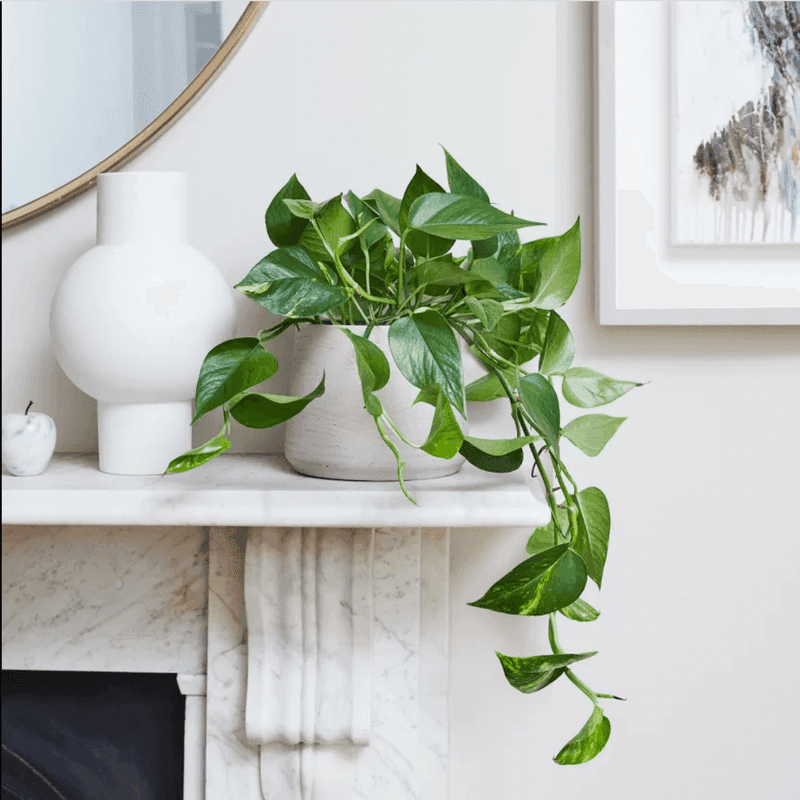
Pothos has earned its reputation as one of the most forgiving houseplants available, making it perfect for busy Arizona residents.
The heart-shaped leaves cascade beautifully from hanging baskets or climb up supports, creating an elegant look that softens any indoor space.
This plant adapts remarkably well to Arizona’s indoor conditions and keeps growing even when you forget about it for a while.
You can place pothos in medium to bright indirect light, though it tolerates lower light better than most plants. Arizona homes with plenty of natural light help pothos grow faster and develop more vibrant leaf coloration.
Water when the top two inches of soil feel dry, which usually means once a week during summer and less often in cooler months.
The trailing vines can grow incredibly long, and you can easily trim them back to keep the plant looking full and healthy. Any cuttings you take will root quickly in water, giving you new plants to expand your collection or share with neighbors.
Pothos handles Arizona’s dry air without developing brown leaf tips like many tropical plants do, making it an especially smart choice for desert living.
4. ZZ Plant
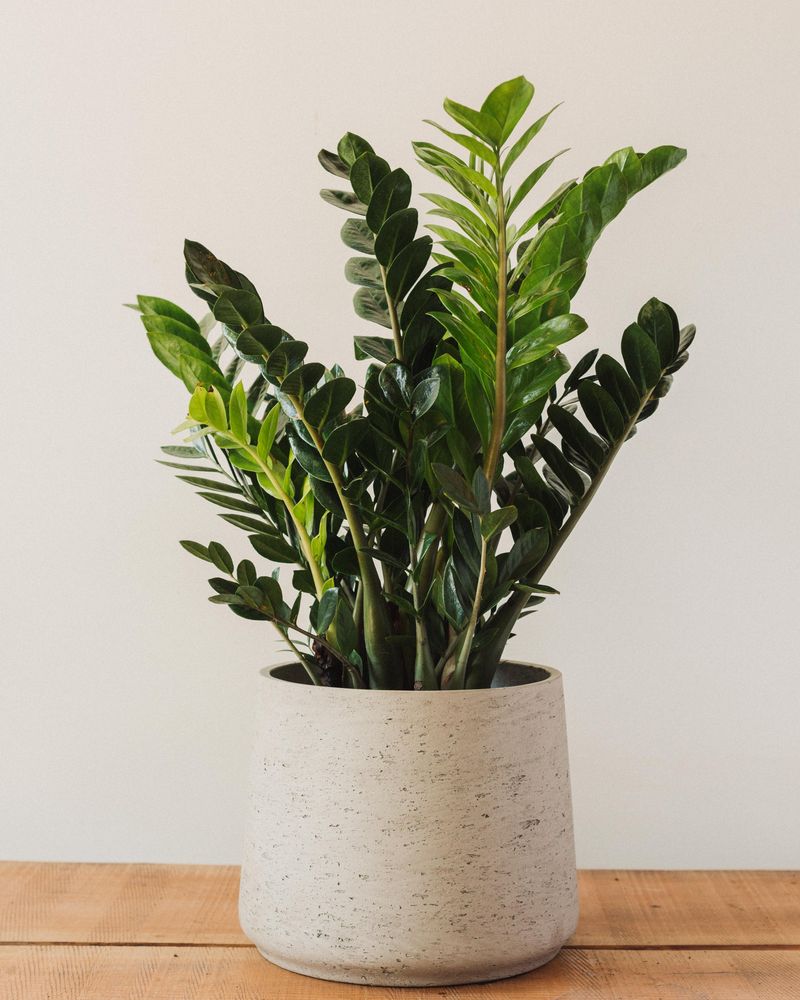
Zamioculas zamiifolia, commonly called the ZZ plant, might have a complicated scientific name, but caring for it couldn’t be simpler.
The glossy, dark green leaves grow on thick stems that emerge from underground rhizomes, creating a full, attractive plant that looks expensive and carefully maintained.
Arizona residents appreciate how this plant thrives with minimal water and attention, making it ideal for anyone with a packed schedule.
ZZ plants tolerate low light conditions better than almost any other houseplant, though they’ll grow faster in brighter spots around your Arizona home. The thick rhizomes store water efficiently, allowing the plant to survive if you forget to water for several weeks.
During Arizona’s hot summer months, water every two to three weeks, and reduce that to monthly during winter.
This plant naturally grows slowly, which means it maintains its attractive shape without constant pruning or maintenance. The waxy coating on the leaves helps prevent moisture loss, making it perfectly suited to Arizona’s dry indoor environment.
ZZ plants rarely experience pest problems and can live for many years with almost no special care, earning their place as one of the most reliable houseplants for desert dwellers.
5. Spider Plant
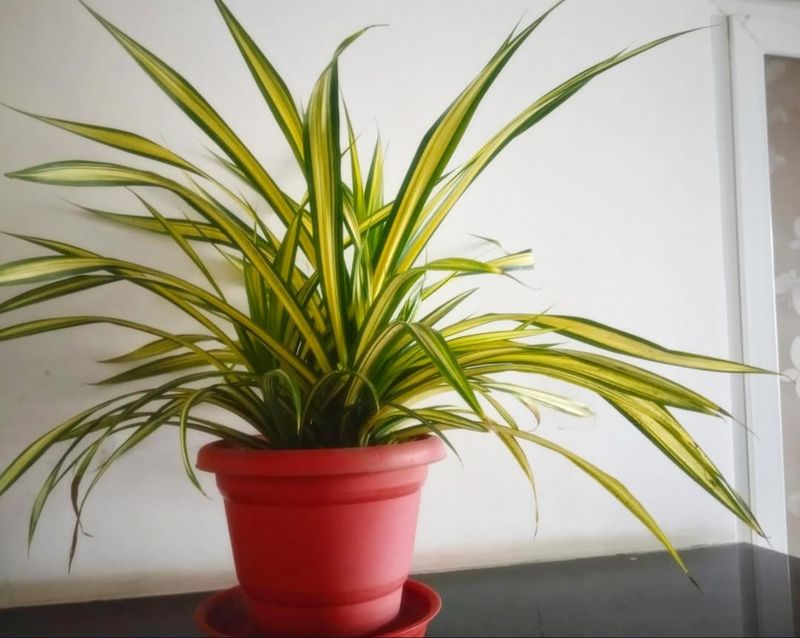
Spider plants have been popular houseplants for generations because they’re practically indestructible and produce adorable baby plants called spiderettes.
The long, arching leaves feature green and white stripes that add visual interest to shelves, plant stands, or hanging baskets throughout your Arizona home.
These plants handle the temperature fluctuations that come with Arizona living, from air-conditioned interiors to warmer rooms without climate control.
Bright, indirect light works best for spider plants, though they tolerate a range of lighting conditions found in typical Arizona homes. Water regularly during the growing season when you notice the soil starting to dry out, usually once or twice weekly in summer.
The thick, fleshy roots store moisture, helping the plant survive if you occasionally forget a watering.
The baby plants that dangle from long stems create a charming cascading effect and can be easily propagated to create new plants. Spider plants effectively clean indoor air by removing common pollutants, making your Arizona home healthier.
They grow quickly and fill out beautifully, giving you a lush, full plant without waiting years for results or spending much effort on maintenance.
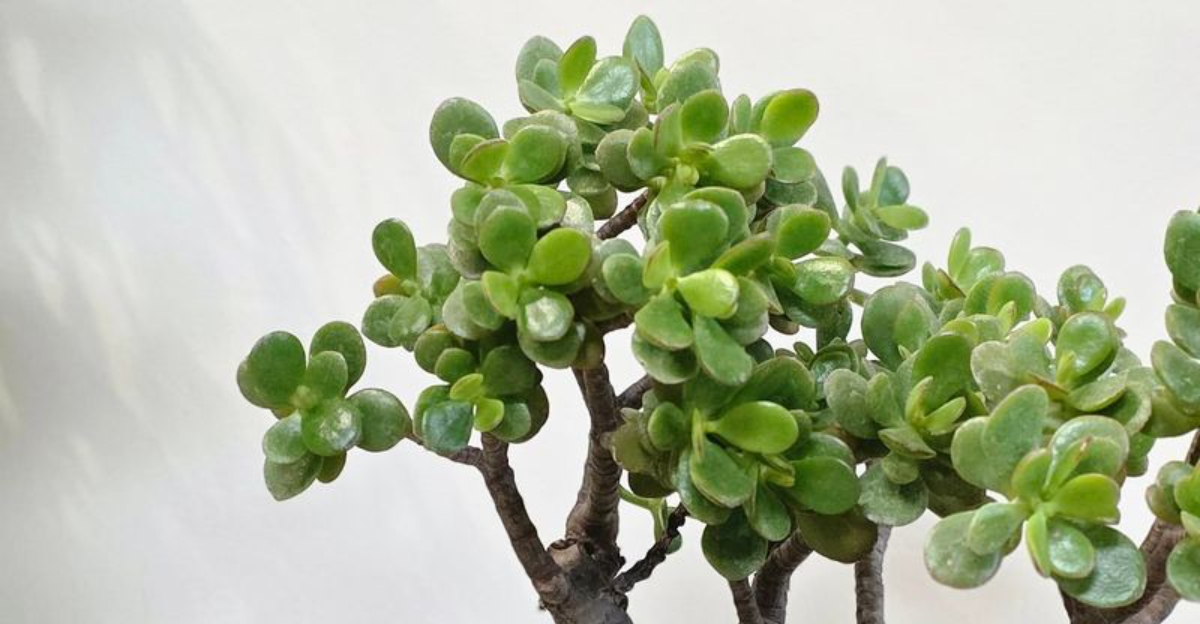
6. Jade Plant
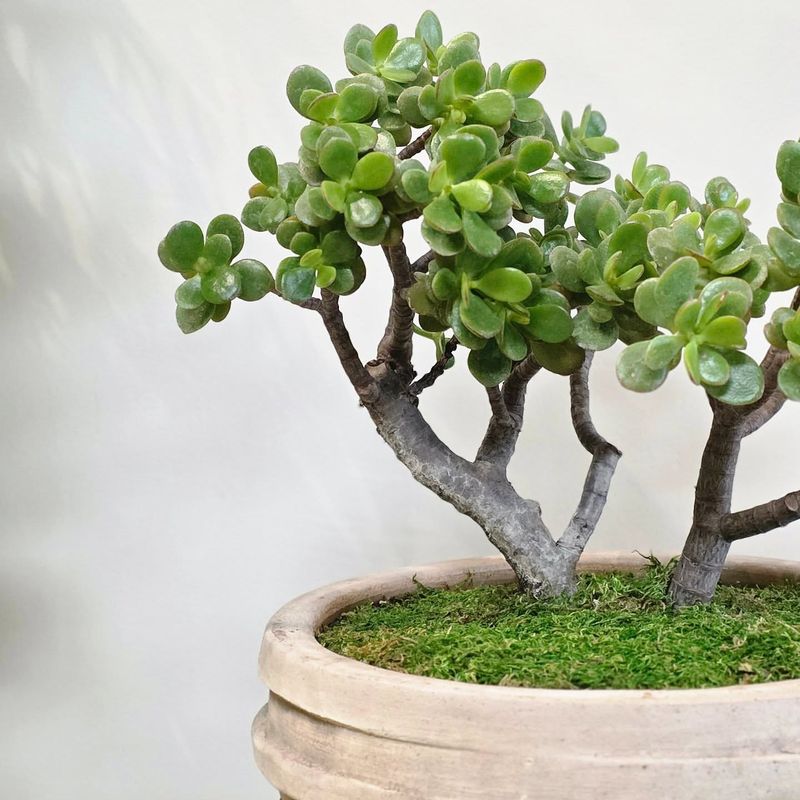
Jade plants bring good luck according to tradition, but Arizona residents know they bring something even better: reliable beauty with almost zero effort.
The thick, oval leaves look like polished gemstones and grow on woody stems that develop character as the plant ages.
Some jade plants in Arizona homes have been passed down through generations, living for decades with basic care.
These succulents absolutely thrive in the bright light that Arizona homes naturally receive, especially near south or west-facing windows. Water sparingly, allowing the soil to dry completely between waterings, which might mean every two to three weeks during summer.
Arizona’s dry indoor air perfectly suits jade plants since they’re adapted to arid conditions and can’t tolerate excess humidity.
Jade plants grow slowly but steadily, eventually developing into miniature tree-like forms that look like natural bonsai specimens. The thick leaves store water efficiently, making this plant extremely forgiving if you travel frequently or have a busy lifestyle.
During winter, jade plants may produce small, star-shaped white or pink flowers, adding an unexpected bonus to their already attractive appearance in your Arizona home.
7. Rubber Plant
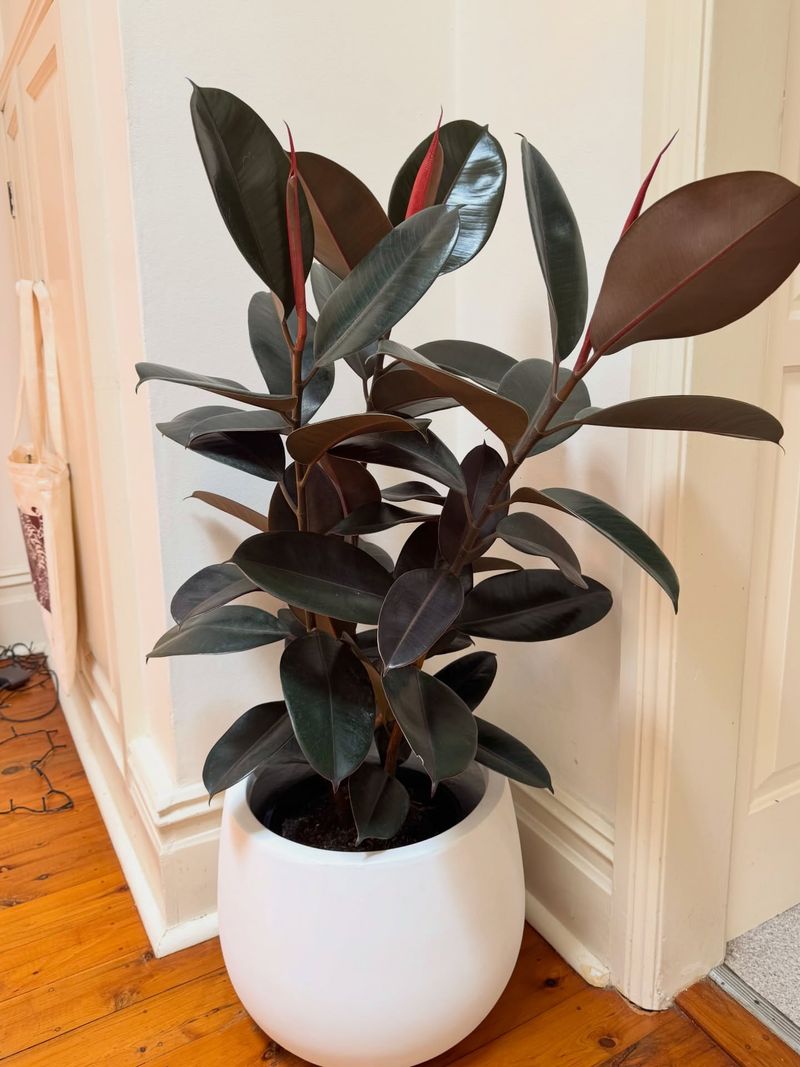
Rubber plants make a bold statement with their large, glossy leaves that can grow impressively big when given proper care. The deep green or burgundy foliage adds a tropical touch to Arizona homes while requiring far less humidity than most tropical plants.
These plants adapt surprisingly well to indoor conditions and can grow into stunning floor plants that become focal points in any room.
Bright, indirect light helps rubber plants grow their best in Arizona homes, though they tolerate medium light reasonably well. Allow the top inch or two of soil to dry between waterings, which typically means watering once weekly during hot months.
The thick, waxy leaves naturally resist moisture loss, making rubber plants well-suited to Arizona’s dry indoor environment without developing the brown edges that plague many houseplants.
Regular wiping of the large leaves keeps them looking shiny and helps the plant photosynthesize more efficiently. Rubber plants grow upward rather than outward, making them perfect for corners or spots where you want height without taking up much floor space.
They can live for many years in Arizona homes, gradually growing taller and developing a tree-like appearance that adds sophistication to your indoor plant collection.
8. Ponytail Palm
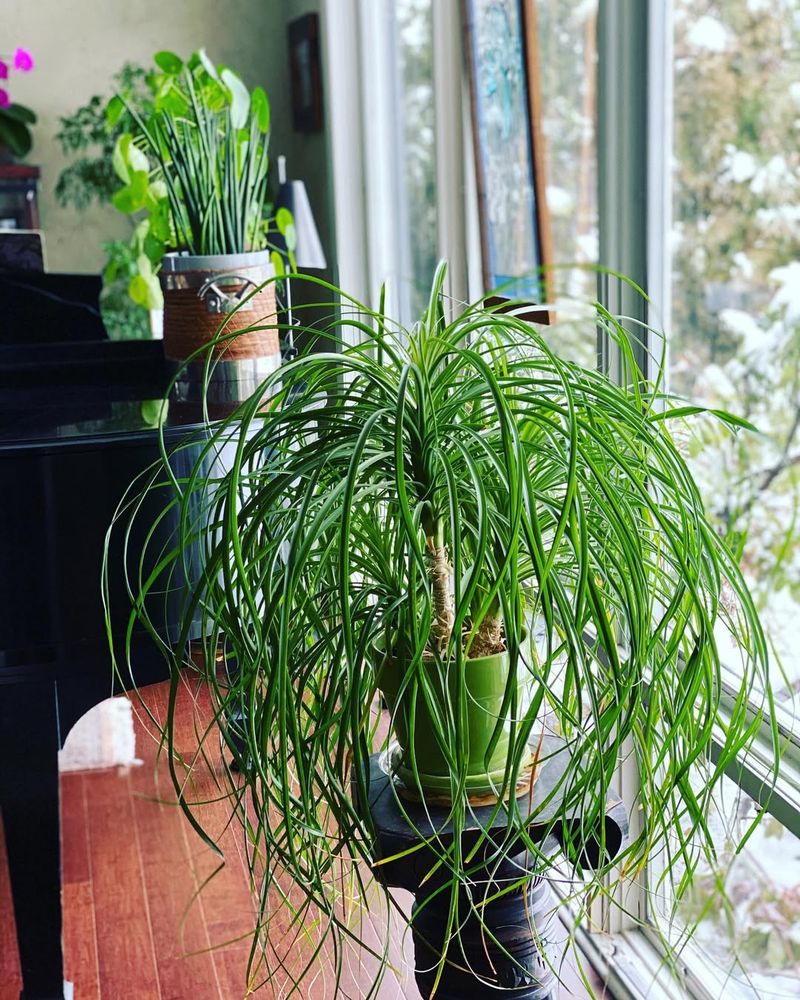
Despite its name, the ponytail palm isn’t actually a palm tree but rather a succulent that stores water in its distinctive bulbous trunk.
Long, thin leaves cascade from the top like a fountain or ponytail, creating a fun, whimsical appearance that appeals to Arizona residents looking for something different.
This plant’s desert origins make it naturally suited to the conditions found in Arizona homes.
Ponytail palms love bright light and will happily sit in sunny Arizona windows that would scorch more delicate plants. Water infrequently, perhaps every two to three weeks in summer and monthly or less during winter, since the thick trunk stores plenty of moisture.
The dry air inside Arizona homes during air conditioning season doesn’t bother this plant at all.
These slow-growing plants stay manageable in size for years, making them excellent long-term additions to your home. The unusual trunk becomes more pronounced and interesting as the plant ages, developing more character over time.
Ponytail palms rarely experience pest problems and can tolerate occasional neglect better than almost any other houseplant. They’re perfect for Arizona residents who want attractive plants without demanding care schedules.
9. Cast Iron Plant
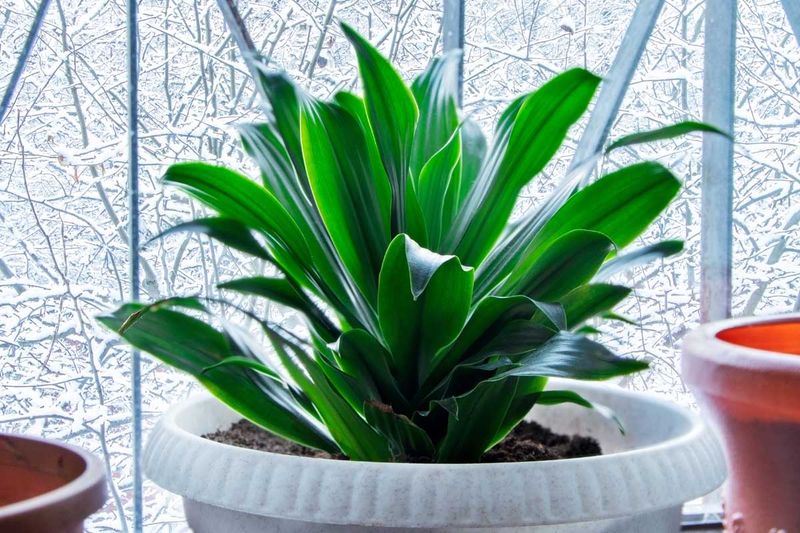
The cast iron plant earned its name by being virtually indestructible, surviving conditions that would cause most houseplants to struggle.
Dark green, lance-shaped leaves grow directly from the soil, creating a lush, full appearance that adds elegance to any Arizona home.
This plant tolerates neglect, low light, temperature swings, and dry air, making it absolutely perfect for desert living.
Cast iron plants actually prefer the lower light conditions found in interior rooms away from Arizona’s intense windows. Water when the soil feels dry an inch or two down, which might be weekly during summer but less frequent in cooler months.
Arizona’s dry indoor air doesn’t faze this tough plant, and it continues looking fresh without any special humidity-boosting measures.
Growth happens slowly, but the plant eventually fills out into an impressive specimen that can live for decades with minimal care. Cast iron plants rarely need repotting and don’t require fertilizer to maintain their deep green color.
They handle the temperature fluctuations common in Arizona homes and won’t complain if you forget to water occasionally, making them ideal for beginners or anyone who wants beautiful greenery without constant attention.
10. Christmas Cactus
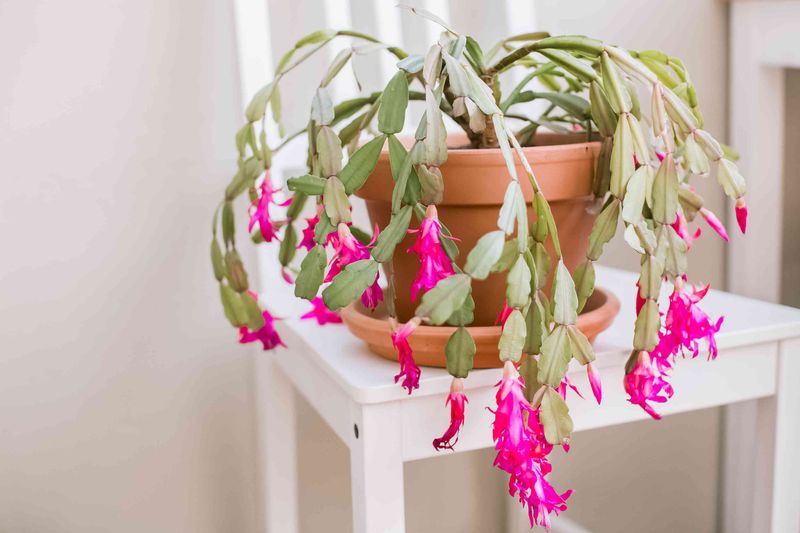
Christmas cactus brings seasonal blooms and year-round interest to Arizona homes with its unique segmented leaves and surprisingly easy care requirements.
Unlike desert cacti, this plant comes from Brazilian rainforests but adapts beautifully to indoor conditions throughout Arizona.
The cascading stems create an attractive display even when not blooming, and the spectacular flowers appear reliably when given proper conditions.
Bright, indirect light works best for Christmas cactus in Arizona homes, avoiding the harsh direct sun that can damage the leaf segments.
Water when the top inch of soil feels dry, keeping the soil slightly moist but never soggy, which usually means weekly watering during summer.
While this plant appreciates slightly more humidity than true desert plants, it handles Arizona’s dry indoor air better than most flowering houseplants.
The stunning blooms typically appear in late fall or winter, producing tubular flowers in shades of pink, red, white, or purple that last for weeks.
Christmas cactus can live for generations when properly cared for, with some plants being passed down as family heirlooms.
Arizona residents find this plant particularly rewarding because it provides reliable color during months when outdoor gardens are dormant, brightening homes throughout the holiday season.