9 Backyard Crops You Might Not Realize Are Illegal In Alabama
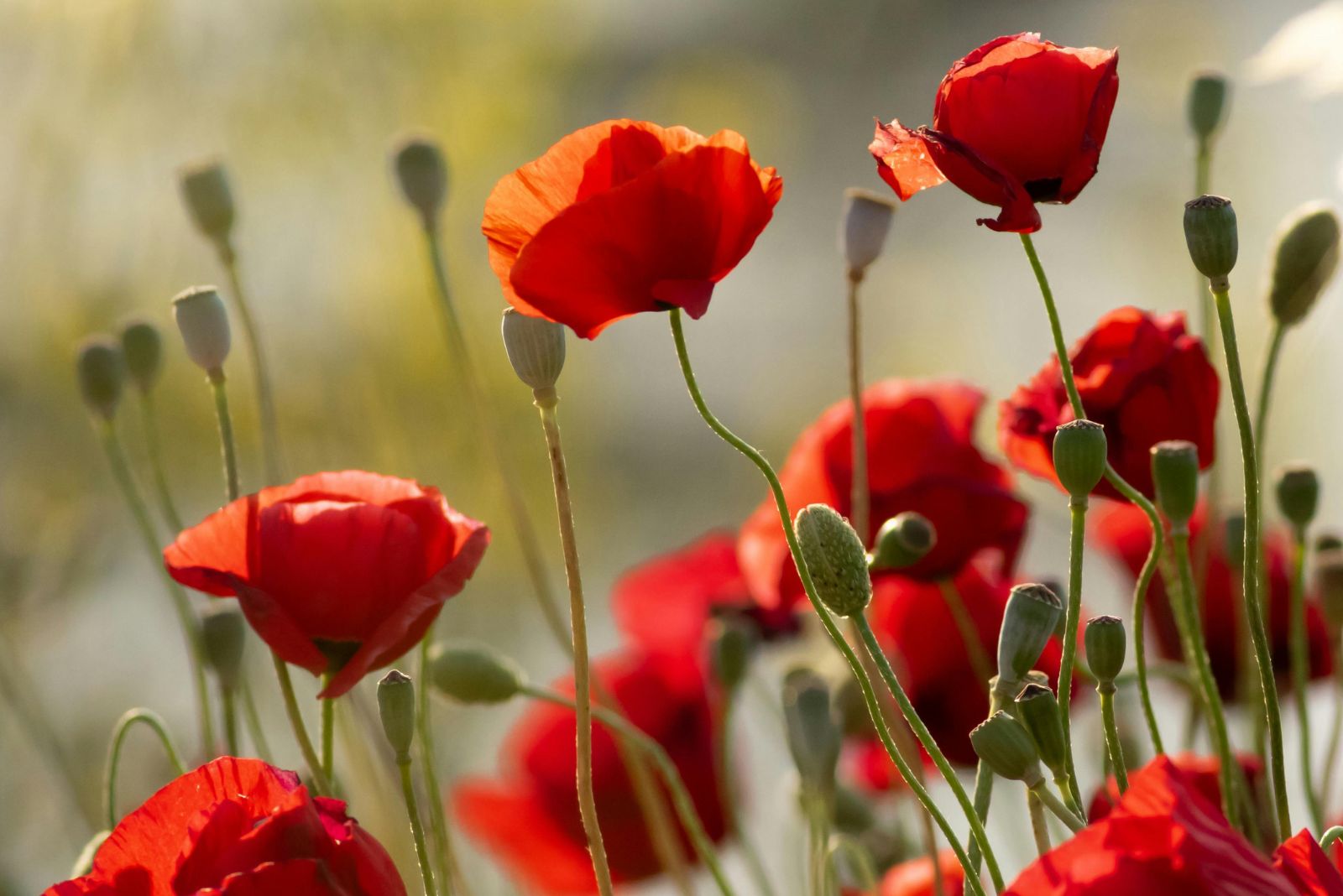
Many Alabama gardeners plant their backyards with the best intentions. Fresh food, homegrown flavor, and the simple joy of harvesting from your own soil.
But state rules are not always as gardener friendly as they seem. Some crops that look harmless at first glance are actually restricted or even illegal to grow.
And ignoring these laws can lead to fines, forced removal, or unwanted attention from local authorities. Your favorite plant might already be on the list without you realizing it.
These restricted crops often include species that spread aggressively, threaten native plants, or create problems for nearby farms and ecosystems. Knowing what crosses the legal line helps you plan smarter and protect your time, money, and hard work.
Stay ahead of the rules, avoid surprises, and keep your backyard garden both productive and trouble free by reading on.
1. Cannabis And Hemp Varieties
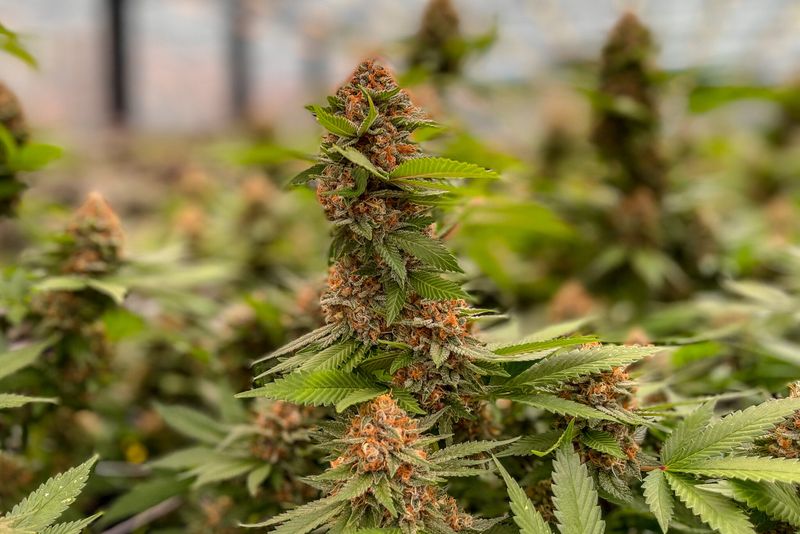
Despite federal changes like the 2018 Farm Bill, growing cannabis in Alabama remains strictly prohibited without proper licensing. Many local gardeners are confused by national news and assume that cultivating a single plant for personal use is permissible.
In reality, even one cannabis plant in a backyard can result in serious legal consequences, including hefty fines or potential jail time. Alabama’s climate is well-suited to growing cannabis, which makes enforcement a priority for local authorities.
State and county officials routinely investigate suspicious garden activity, particularly in suburban and rural areas where dense vegetation can hide illegal cultivation.
Gardeners interested in hemp or cannabis-related projects must secure state licenses or focus on industrial hemp approved by Alabama regulations.
Enforcement includes inspections and penalties for noncompliance, so assumptions about legality can be costly. Awareness of these laws is critical for homeowners, especially with the plant’s increasing popularity nationwide.
For those interested in legal cultivation, ornamental or culinary herbs, native pollinator plants, and other non-controlled crops provide similar visual and environmental benefits.
Avoiding illegal cannabis cultivation protects both your legal standing and your local ecosystem. Gardeners can enjoy a productive, legal backyard while steering clear of costly violations.
2. Ornamental Poppies (Papaver somniferum)
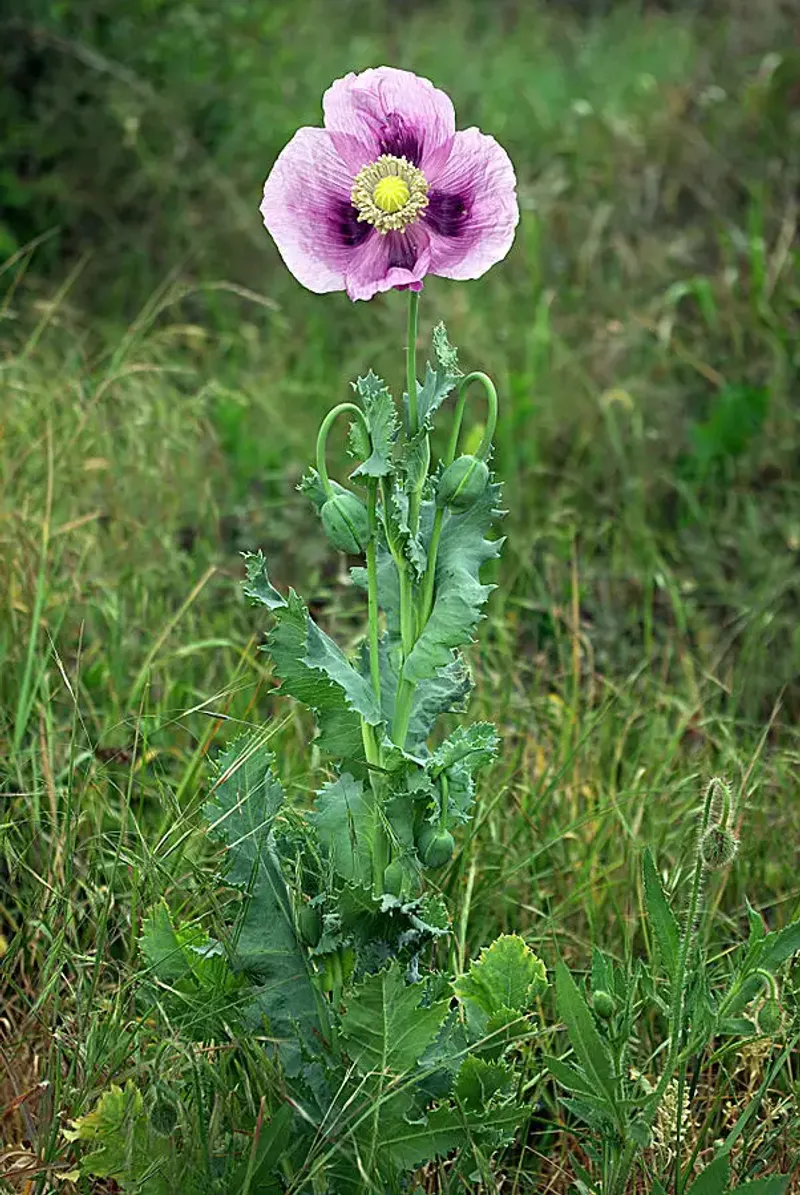
Papaver somniferum, commonly known as the opium poppy, is illegal to cultivate in Alabama, even for decorative purposes. Despite their beautiful, colorful blooms, these plants contain narcotic compounds classified under federal law.
Many gardeners are unaware that seeds sold in garden centers may be mislabeled as purely ornamental varieties, creating a false sense of security. Cultivating even a small number of plants can put homeowners at risk of criminal prosecution.
For those seeking poppy aesthetics, legal alternatives exist. California and Oriental poppies provide similar visual appeal without carrying controlled substances, making them safe and lawful options for Alabama gardens.
Gardeners should research seed sources carefully and double-check plant species before sowing. Awareness of legal restrictions protects homeowners from fines and potential legal action.
Additionally, avoiding prohibited poppies reduces the risk of accidental misuse or environmental contamination. Alabama authorities enforce these rules to prevent both public safety issues and potential narcotics violations.
Your Alabama Garden Changes Every Week. Your Plan Should Too.
Gardening in Alabama changes quickly throughout the season. Every Friday you’ll receive a simple weekly plan showing exactly what to plant, prune, fertilize, harvest, and protect so you never miss the right timing.
Planting compliant varieties allows gardeners to enjoy vibrant blooms while maintaining full compliance with state and federal regulations.
By focusing on legal species, home landscapes can remain attractive and colorful without exposing homeowners to significant risk.
3. Certain Bamboo Varieties
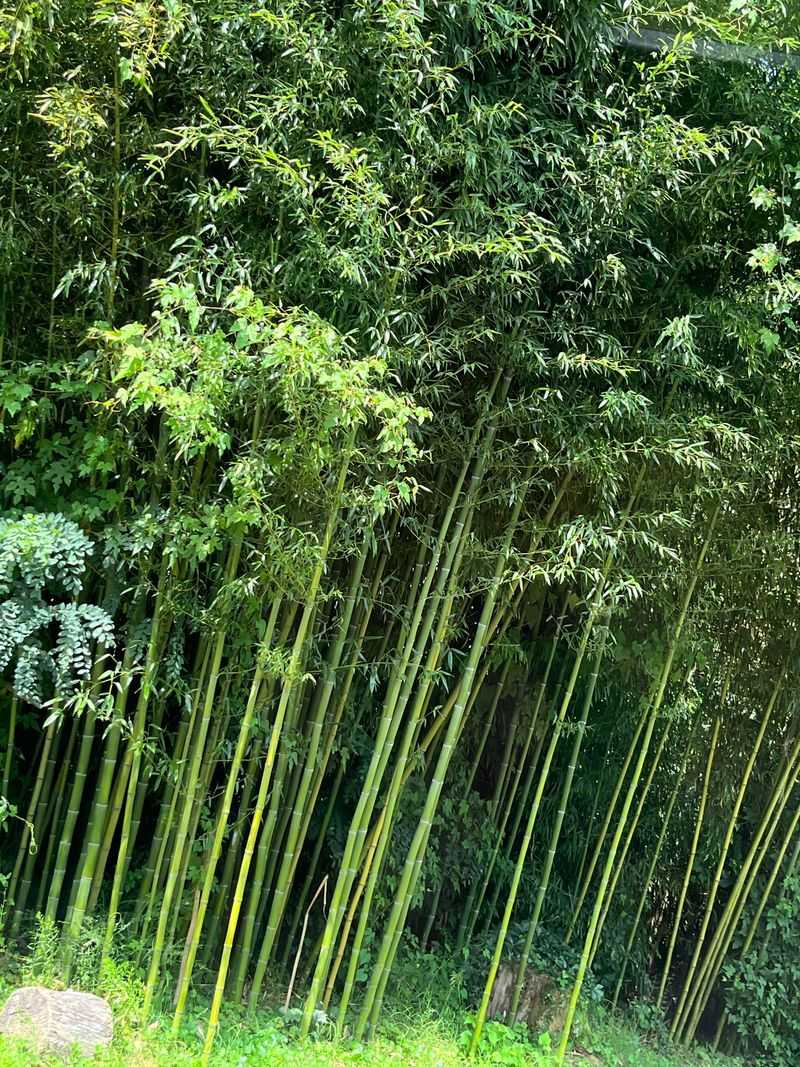
Certain running bamboo species are restricted in several Alabama counties due to their highly invasive growth. These fast-growing plants can spread underground up to 30 feet annually, escaping property boundaries and creating disputes with neighbors.
Many homeowners plant bamboo for privacy screens, only to discover that containment is nearly impossible without specialized barriers. Left unchecked, running bamboo can outcompete native plants, alter soil composition, and damage landscaping.
Alabama municipalities have enacted ordinances limiting or prohibiting the cultivation of these aggressive species. Clumping bamboo varieties provide a legal alternative, offering similar aesthetic benefits while remaining controllable.
Gardeners can install clumping bamboo to create privacy screens or decorative accents without risking fines or ecological disruption. Proper root barriers, spacing, and maintenance are essential for responsible cultivation.
Educating neighbors about containment practices helps prevent disputes. By choosing non-invasive species, Alabama gardeners can enjoy the beauty and privacy benefits of bamboo while complying with local regulations and protecting the surrounding environment.
Awareness and careful planning ensure a safe, visually appealing, and legally compliant garden.
4. Giant Hogweed
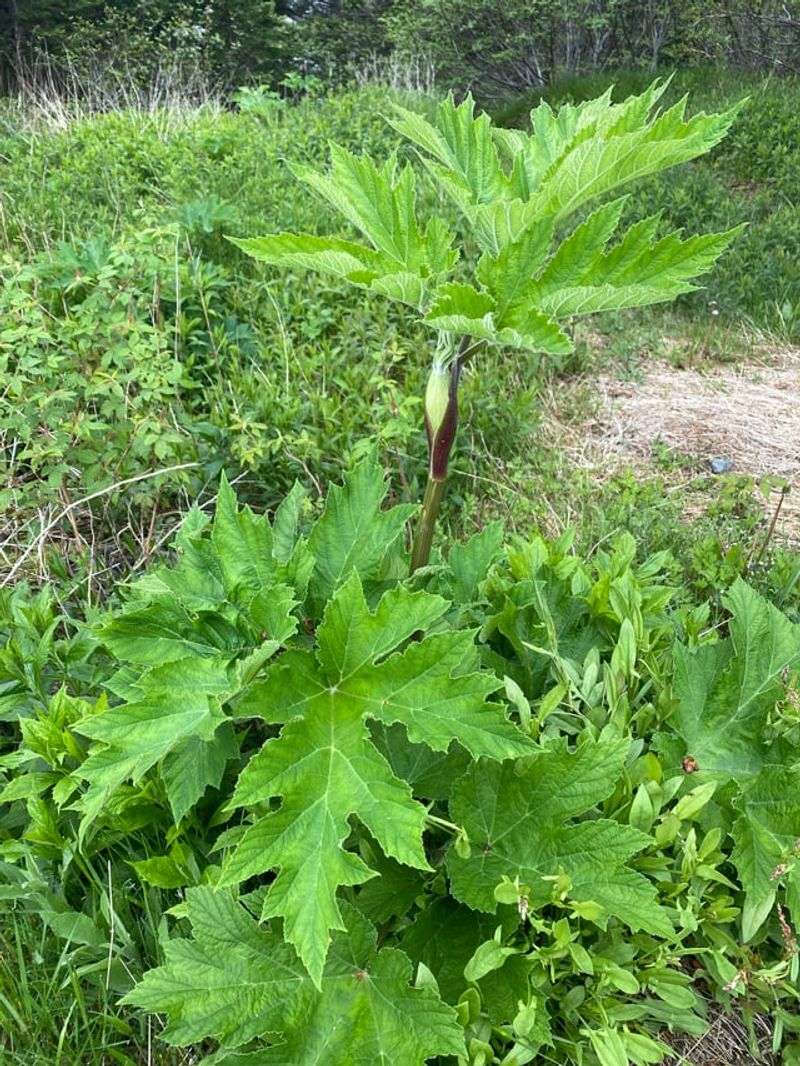
Giant Hogweed is a dangerous plant that is strictly prohibited throughout Alabama due to severe public health risks. Contact with its clear sap causes extreme sensitivity to sunlight, resulting in painful blisters, burns, and potentially permanent scarring.
Its sap can even cause blindness if it contacts the eyes, making it one of the most hazardous plants a homeowner could encounter. Giant Hogweed resembles an oversized Queen Anne’s lace, with large, umbrella-shaped flower clusters that can reach heights of 15 feet.
Despite its visual appeal, authorities actively monitor for this species and can order immediate removal from private property. Penalties may apply for intentional cultivation, and enforcement often includes fines and mandated destruction.
Gardeners are advised never to plant it, handle it without professional protection, or attempt to control it without proper expertise.
Alabama’s Department of Agriculture educates residents about safe alternatives for ornamental gardens, including native plants with similar flowers or height without the extreme risks.
Awareness, vigilance, and avoidance are the best strategies for keeping gardens both beautiful and safe while complying with state law.
5. Kudzu Without Permits
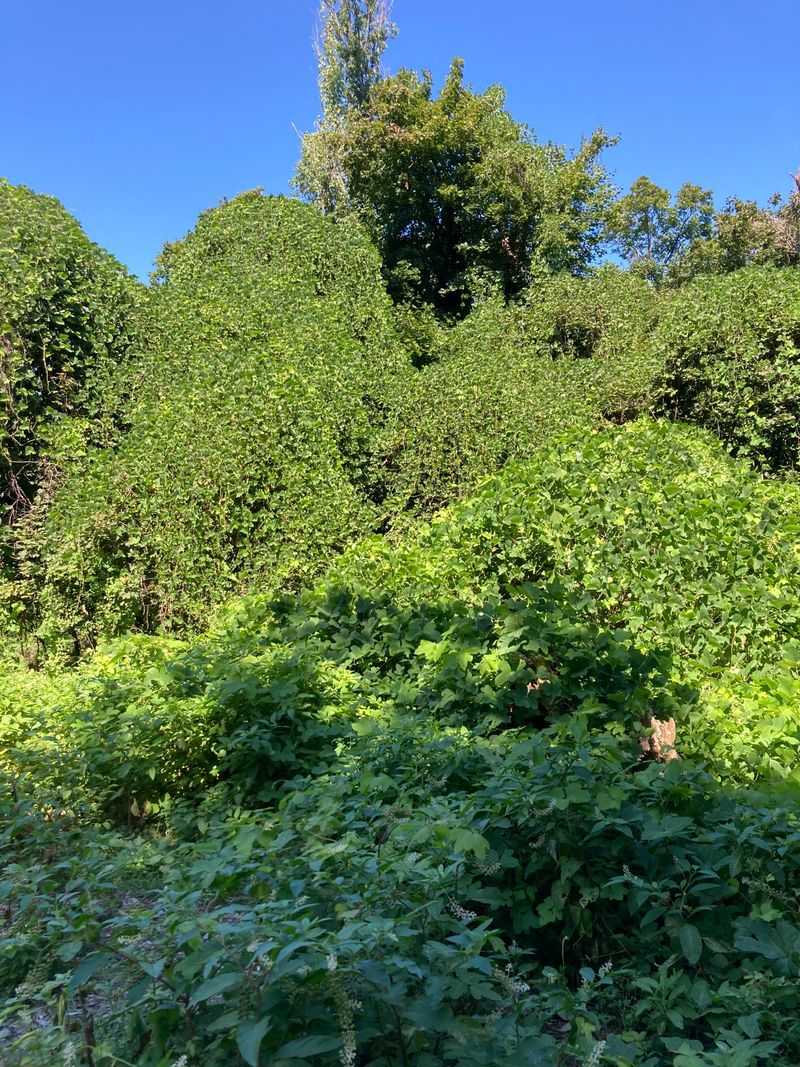
Once encouraged for erosion control, kudzu is now highly regulated in Alabama due to its aggressive invasive nature. This vine can grow up to a foot per day during summer months, rapidly engulfing trees, buildings, and landscapes.
Unauthorized planting is illegal, and homeowners may face fines or mandatory removal costs. Alabama invests millions annually in controlling kudzu, making its cultivation a serious ecological concern.
Gardeners often underestimate the vine’s spread, which can damage native plants, alter soil ecosystems, and create conflicts with neighbors. Special permits are required for any lawful propagation.
In urban or suburban areas, the risks are magnified, as kudzu can overwhelm yards and public spaces. Education about its growth habits is critical, as many residents are unaware that even small patches can become problematic.
For legal landscaping alternatives, fast-growing, non-invasive native vines or ornamental shrubs provide similar coverage and aesthetic appeal.
Responsible gardening practices, adherence to permits, and careful planning help preserve Alabama’s ecosystems while preventing the costly consequences of unauthorized kudzu planting.
6. Certain Exotic Cacti
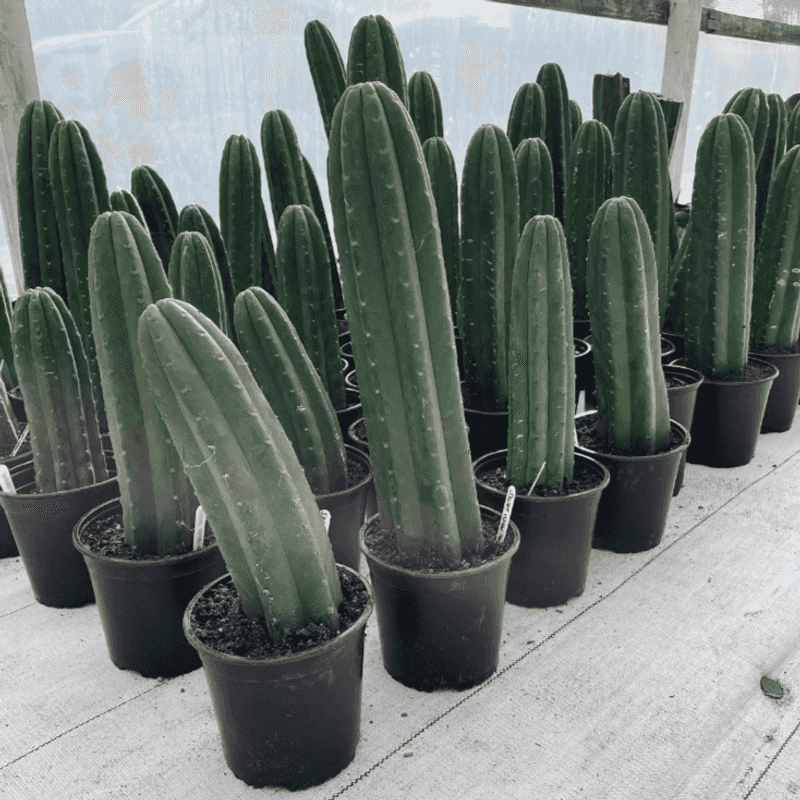
Some exotic cacti, including peyote and San Pedro varieties, remain classified as controlled substances in Alabama, making their cultivation illegal.
These plants are sought after for their ornamental beauty but contain mescaline, a psychoactive compound prohibited under state law.
Garden centers rarely carry these species, but online vendors sometimes ship them to unsuspecting residents. Their distinctive appearance makes them easily identifiable to authorities during inspections, which increases legal risk.
Alabama’s climate is well-suited for cacti growth, making enforcement important. Legal alternatives exist: numerous ornamental cacti and succulents provide similar structural and aesthetic appeal without violating regulations.
Gardeners can select agave, barrel cactus, or other compliant species to achieve the same visual impact safely. Awareness and careful selection protect homeowners from fines, confiscation, or criminal charges.
Responsible gardening ensures Alabama landscapes remain attractive while fully complying with local and federal substance laws. By focusing on legal species, gardeners can enjoy unique, exotic plants without creating legal or ecological issues.
7. Tropical Kratom Plants
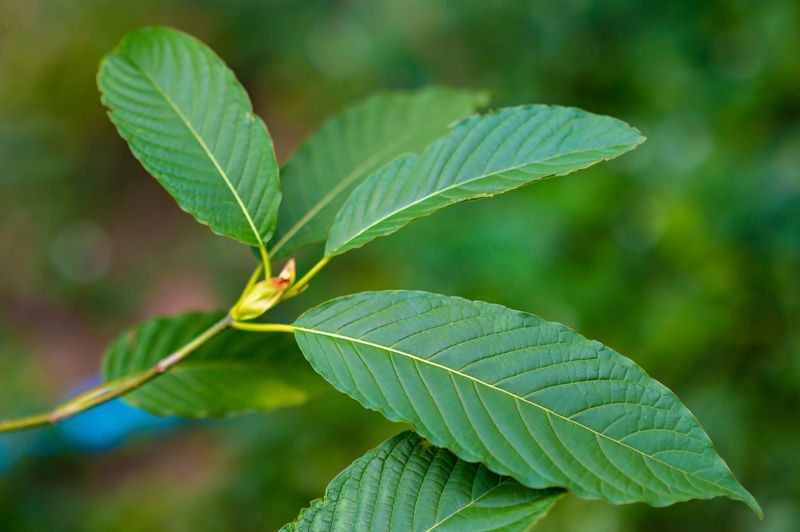
Growing tropical kratom (Mitragyna speciosa) in Alabama is strictly prohibited. Since 2016, its leaves and compounds are classified as controlled substances due to psychoactive properties.
Despite national interest, Alabama maintains stringent restrictions on cultivation, possession, and sale. The subtropical climate of southern Alabama could easily support kratom growth, which makes law enforcement particularly vigilant in coastal regions.
Many gardeners are unaware of these laws, assuming tropical plants are harmless. Violating kratom regulations can result in fines, seizure, and criminal charges.
Gardeners interested in exotic foliage should instead choose legal tropical plants such as ornamental hibiscus, ficus, or alocasia varieties. Proper research before planting ensures compliance and avoids penalties.
By cultivating approved tropical species, Alabama homeowners can enjoy lush greenery and exotic appeal while staying fully within the law. Awareness, careful planning, and alternative plant choices are key to creating a safe, vibrant, and legal backyard landscape.
8. Water Hyacinth
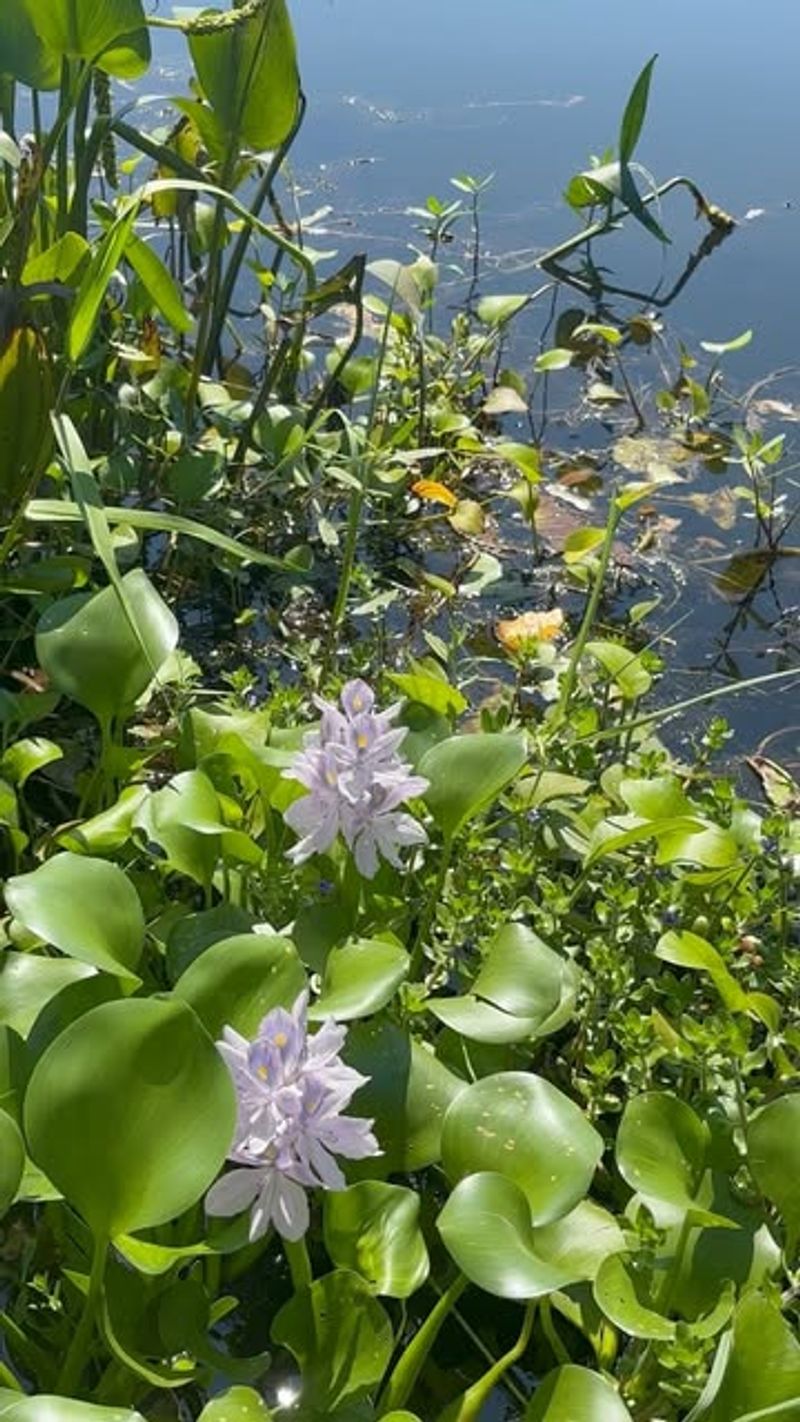
Water hyacinth is banned in Alabama due to its extreme invasiveness and ecological impact. This floating aquatic plant can double its population in just two weeks, quickly choking ponds, lakes, and waterways.
Its rapid growth disrupts ecosystems, blocks sunlight, and reduces oxygen levels for fish and native aquatic plants. Homeowners sometimes unknowingly purchase water hyacinth for decorative water gardens, attracted by its lavender blooms.
If introduced to natural waterways, it spreads rapidly via flooding or runoff, creating environmental and economic damage. Alabama’s Department of Conservation actively monitors for infestations and enforces strict penalties for unauthorized cultivation.
Gardeners can safely enjoy aquatic plantings with legal alternatives such as native water lilies, pickerelweed, or cattails. Proper education on invasive species is critical to prevent accidental propagation.
Awareness, careful plant selection, and compliance with state regulations help maintain healthy, thriving aquatic ecosystems while avoiding legal and environmental repercussions.
9. Certain Morning Glory Varieties
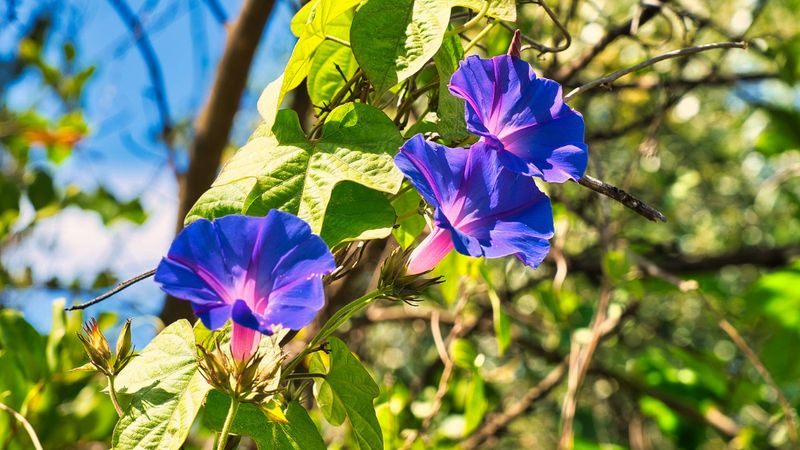
Certain morning glory species, including Hawaiian baby woodrose and heavenly blue, contain ergine (LSA) and are considered controlled substances in Alabama.
While many morning glory types are perfectly legal, these varieties are restricted due to their psychoactive compounds.
Seeds are sometimes sold at garden centers without clear warnings, leading to unintentional violations. Legal alternatives, such as Virginia creeper, blue dawn clematis, or standard morning glory varieties, offer similar vibrant flowers without regulatory risk.
Alabama gardeners must carefully verify seed sources to avoid legal trouble while maintaining aesthetic appeal. Compliance with federal and state regulations ensures gardens remain safe, beautiful, and lawful.
Selecting approved varieties allows for colorful trellises and vines, providing ornamental impact without introducing prohibited plants.
Education about restricted species helps prevent accidental cultivation and encourages responsible gardening practices. Proper plant choice protects both the gardener and the local ecosystem.