11 Creatures Virginia Gardeners Are Not Legally Allowed To Remove From Their Yards
You step into your garden and spot a critter hanging around your plants. Your first thought is probably simple. Get it out of here. I have been there more times than I can count.
But here is the surprising part. In Virginia, some animals that wander into your yard are protected by law.
Removing them, even with good intentions, can land you in serious trouble. That is not something most gardeners expect.
In this article, I will walk you through eleven creatures you are not legally allowed to remove and explain why they matter. Knowing this can save you stress, fines, and a whole lot of frustration.
Curious which visitors are off limits? Some backyard guests are protected. One wrong move can cost you. Read this before you act. Let’s jump in and clear things up.
1. Eastern Box Turtles
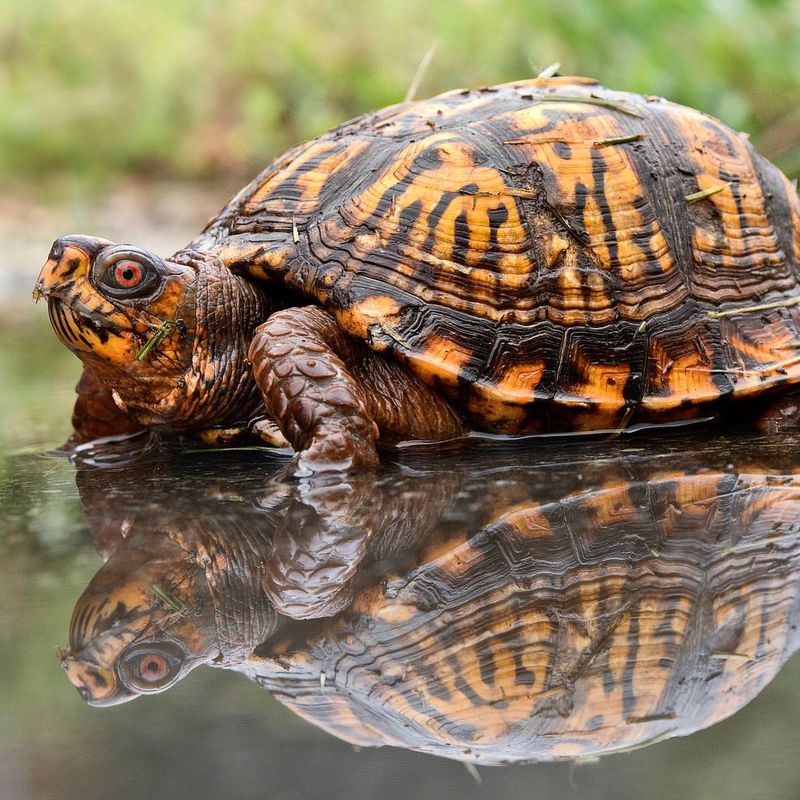
Spotting an Eastern Box Turtle slowly making its way through your Virginia garden can be a magical experience, but it also carries legal responsibilities. These reptiles are classified as a species of special concern, which means it’s illegal to remove them from the wild.
They are not only fascinating to watch but also beneficial. Box turtles are natural pest controllers, consuming slugs, snails, and other small invertebrates that would otherwise damage vegetables, flowers, and young plants.
Last summer, I watched one patrol my vegetable garden methodically, nibbling on fallen berries while avoiding the tomato plants. Over the course of several weeks, it became clear that these shell-backed visitors reduced pest populations noticeably.
Their slow, deliberate movements allow gardeners to observe them without disturbing their natural behaviors. Providing leaf litter, shaded areas, and shallow water in your garden encourages these turtles to visit and forage safely.
Maintaining a chemical-free environment enhances their survival, while educating children about their ecological role ensures both wildlife protection and garden health.
Respecting their legal protection while allowing them to perform their natural pest control duties benefits both the garden and the species.
Box turtles are a subtle, enduring addition to Virginia gardens, quietly contributing to ecological balance.
2. Migratory Songbirds
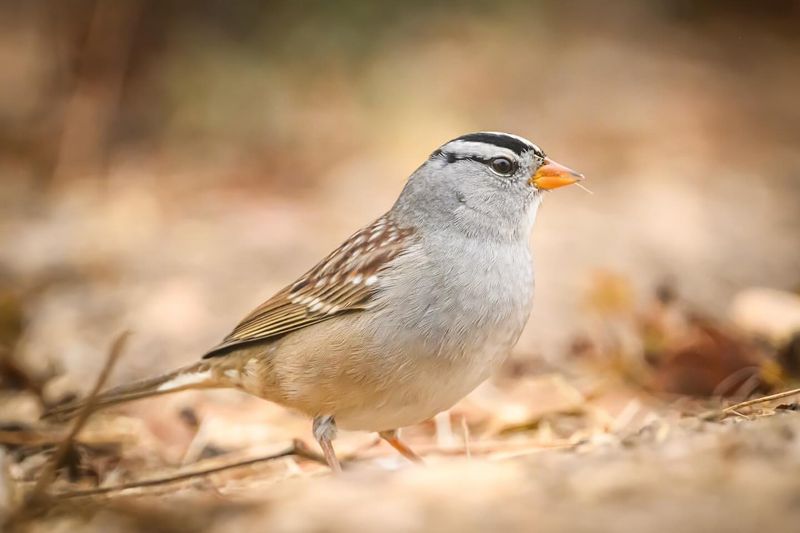
Robins, cardinals, chickadees, and countless other migratory songbirds are not just charming additions to your Virginia garden, they are protected under the Migratory Bird Treaty Act.
This federal law makes it illegal to disturb their nests, eggs, or the birds themselves. Beyond legal obligations, these songbirds provide critical ecological services.
They consume vast numbers of insects and help with seed dispersal, maintaining plant diversity throughout the landscape.
I learned the value of patience when pruning shrubs and trees. By timing these tasks to avoid nesting season, I preserved a robin’s nest filled with fledglings.
In turn, those birds helped control caterpillar and beetle populations in my garden, proving that coexistence benefits everyone. Providing supplemental water sources, native flowering shrubs, and shelter encourages these protected visitors to return year after year.
Observing them adds beauty and auditory delight, from morning songs to soft rustling through leaves. Migratory songbirds exemplify how legal protection and thoughtful gardening practices intersect, creating sustainable habitats.
Your Virginia Garden Changes Every Week. Your Plan Should Too.
Gardening in Virginia changes quickly throughout the season. Every Friday you’ll receive a simple weekly plan showing exactly what to plant, prune, fertilize, harvest, and protect so you never miss the right timing.
Their presence enhances ecological resilience while offering gardeners a front-row view of seasonal cycles and the quiet productivity of these feathered allies.
3. Little Brown Bats
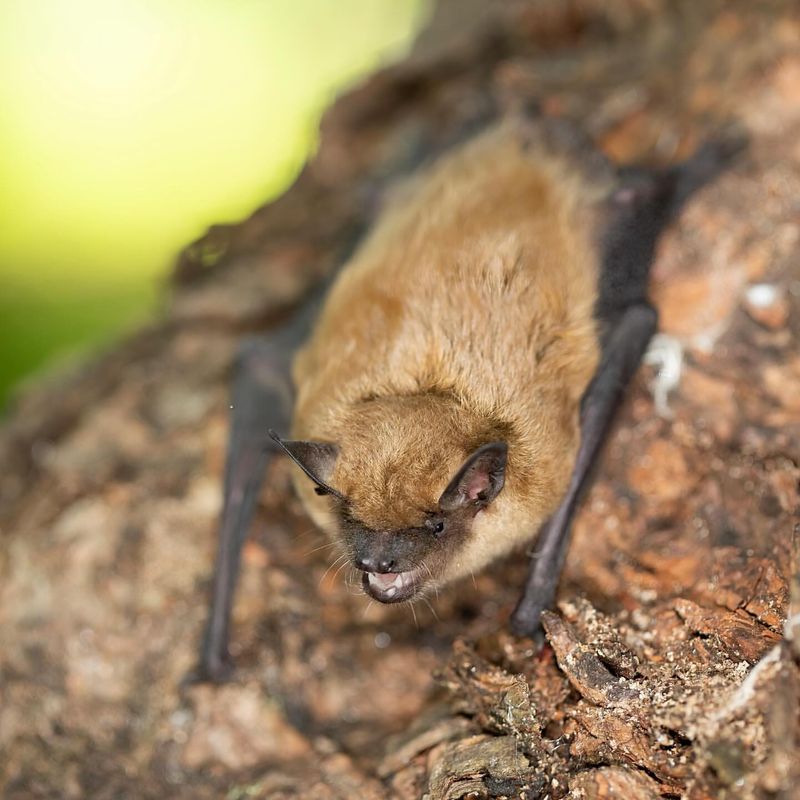
Little Brown Bats are elusive night-time hunters that perform vital pest control in Virginia gardens. Each bat consumes thousands of insects nightly, including mosquitoes, moths, and beetles that can damage crops or nuisance flowers.
All bat species in Virginia are legally protected, making it illegal to remove or harm them. White-nose syndrome has devastated populations, so their protection is even more crucial.
A few years ago, I discovered a small colony in my garden shed. Instead of evicting them, I installed a proper bat house nearby.
Within weeks, the bats relocated voluntarily, continuing their nightly patrols and reducing the insect population without any chemical intervention. These small mammals thrive in dark, secluded spaces, often choosing attics, barns, or sheds.
Maintaining access to safe roosting areas while preventing human disturbance supports both conservation and garden health. Providing clean water nearby and avoiding pesticide use ensures the bats can forage safely.
Little Brown Bats demonstrate the benefits of coexisting with wildlife: they enhance gardens naturally, control pests efficiently, and offer gardeners a fascinating look at nocturnal ecological dynamics.
Their protection ensures future generations of bats continue supporting local ecosystems.
4. Garter Snakes
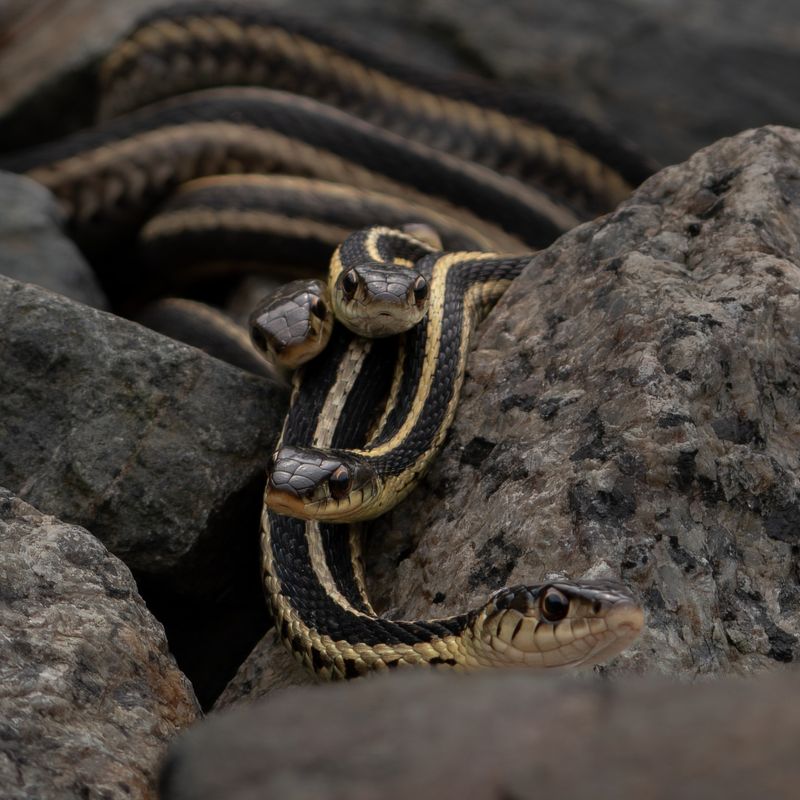
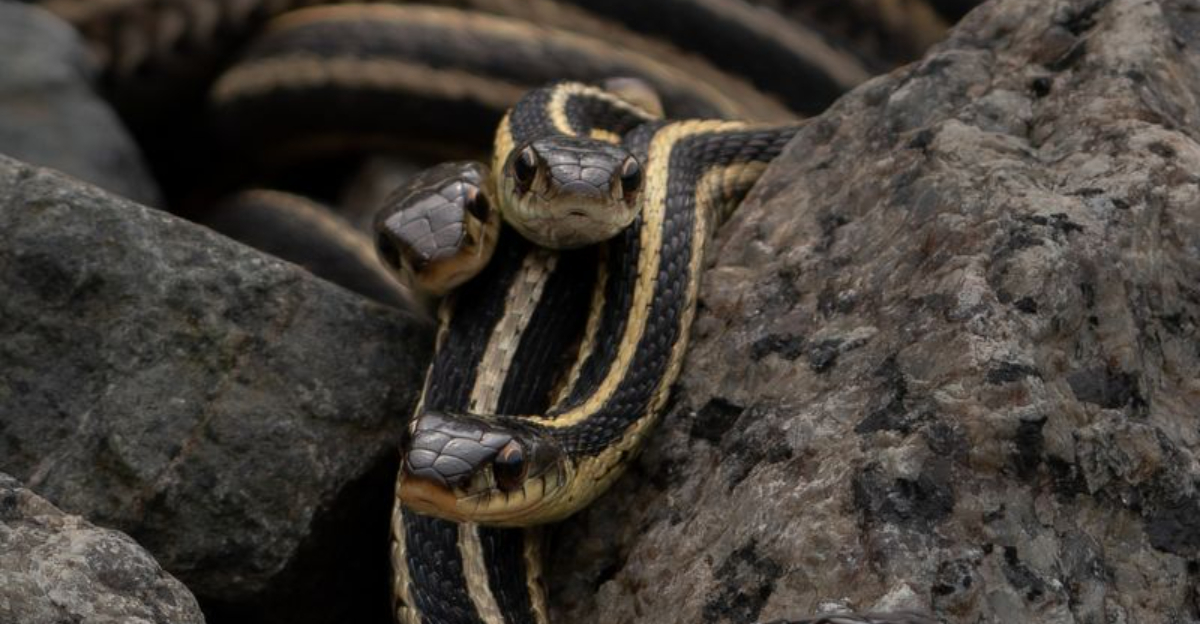
Garter snakes are slender, harmless reptiles that often patrol Virginia gardens, feasting on slugs, grubs, and small rodents.
While many gardeners panic at their appearance, these snakes are fully protected under Virginia law, and removing them is both illegal and counterproductive.
I once discovered a family of garter snakes in my compost pile. Since then, my hostas and other plants have suffered virtually no slug damage, a testament to the snakes’ value as natural pest controllers.
Garter snakes are non-venomous, shy, and unlikely to bite unless provoked, making them ideal allies in maintaining a healthy garden ecosystem. Providing leaf litter, rocks, and brush piles creates a welcoming environment for them.
Observing their movements also offers insight into predator-prey dynamics and soil health. By coexisting with garter snakes, Virginia gardeners can reduce chemical use, improve biodiversity, and enjoy more resilient plants.
Their presence in compost or garden beds demonstrates how even feared creatures can be essential contributors to ecological balance. Respecting their role and legal protection ensures that these beneficial reptiles remain part of your garden for years to come.
5. Eastern Bluebirds
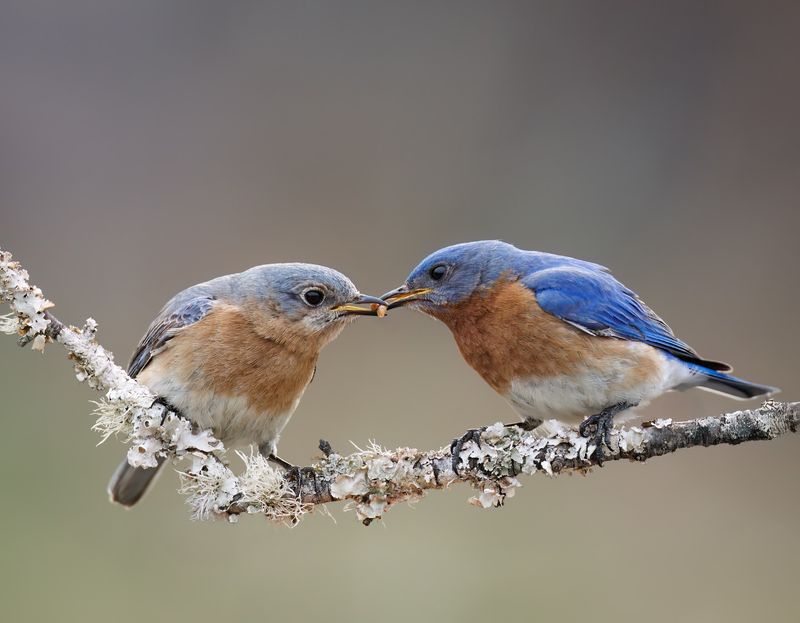
Eastern Bluebirds, Virginia’s beloved state bird, are not only visually stunning but also legally protected. Their nests, eggs, and the birds themselves cannot be disturbed.
These insectivores are invaluable in controlling caterpillars, beetles, and other garden pests that damage plants and shrubs. In my garden, installing a bluebird box transformed a bare corner into a thriving wildlife hotspot.
Each spring, a new family of bluebirds arrives, diligently hunting insects and contributing to my vegetable yields. Observing their vibrant plumage and listening to their cheerful songs adds a sensory dimension to gardening that few other creatures provide.
Providing water sources and native shrubs enhances habitat quality and encourages repeat visits. Protecting their nesting sites ensures compliance with federal law while supporting local biodiversity.
Bluebirds demonstrate the mutually beneficial relationship between humans and wildlife: they receive safe nesting spaces, while gardeners gain natural pest control and the joy of observing an iconic Virginia species in action.
Proper stewardship fosters healthy populations and a flourishing garden ecosystem.
6. American Toads
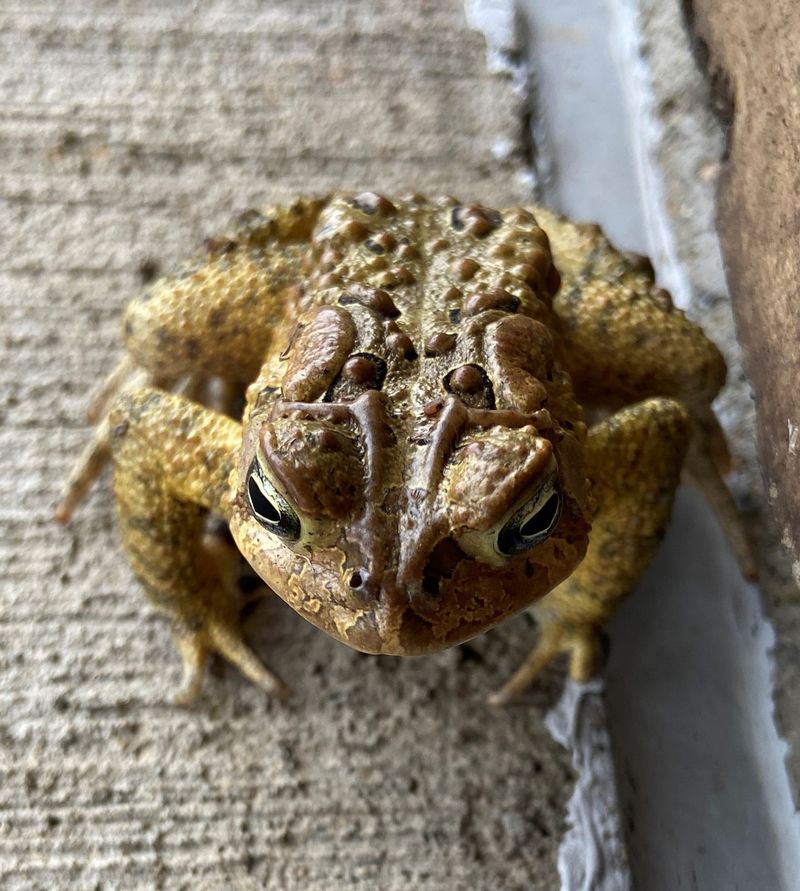
American Toads are unsung heroes in Virginia gardens. These warty amphibians consume up to 10,000 insects and slugs in a single growing season, making them essential natural pest controllers.
Despite their appearance, they are harmless to humans and fully protected by Virginia wildlife regulations. Removing them can disrupt the balance of your garden, leaving plants vulnerable to nocturnal pests like cutworms.
I created a simple toad shelter in a shady corner of my vegetable garden using an overturned clay pot with a small entrance notch. The toads moved in almost immediately and have significantly reduced pest activity ever since.
Providing leaf litter, mulch, and a shallow water source encourages their presence. American Toads also serve as indicators of healthy, chemical-free soil ecosystems.
By respecting their legal status and ecological role, Virginia gardeners benefit from natural pest control while contributing to amphibian conservation.
These small but mighty creatures exemplify how native wildlife can integrate seamlessly into productive and sustainable gardens.
7. Black Rat Snakes
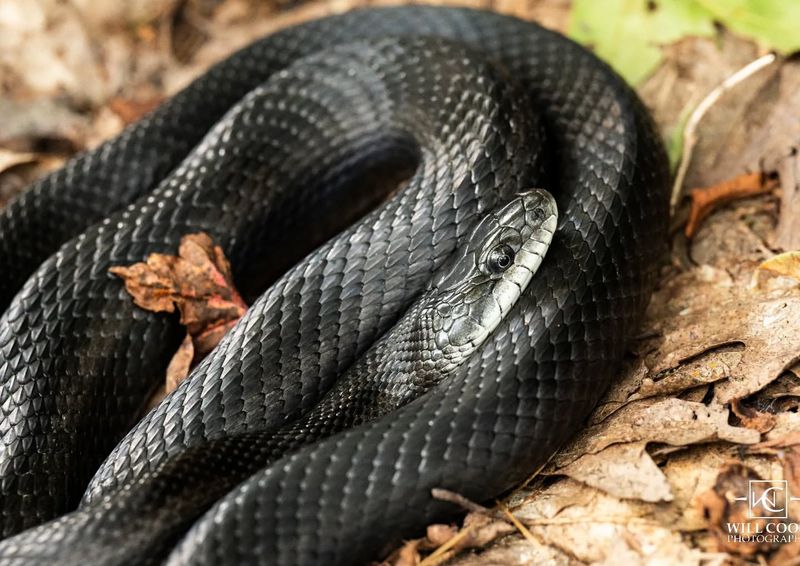
Black Rat Snakes are one of Virginia’s most misunderstood garden inhabitants. Large and glossy black, they are often mistaken for venomous species, yet they are completely harmless to humans.
Their primary diet consists of rodents such as mice, voles, and young rats, which can otherwise devastate bulbs, vegetables, and garden structures. I recall the first time I saw one in my garden shed, I nearly panicked.
Over time, I’ve come to appreciate their presence, as they eliminated a persistent vole problem without any chemicals or traps. These snakes are shy, preferring to flee rather than confront humans, yet their impact on garden pest populations is remarkable.
Providing ground cover, rocks, or log piles creates habitat that encourages snakes to remain in gardens safely. Their role as natural rodent control is invaluable in chemical-free gardening.
Respecting their protected status and ecological function allows gardeners to benefit from their predatory instincts while fostering biodiversity and maintaining a balanced garden ecosystem.
8. Monarch Butterflies
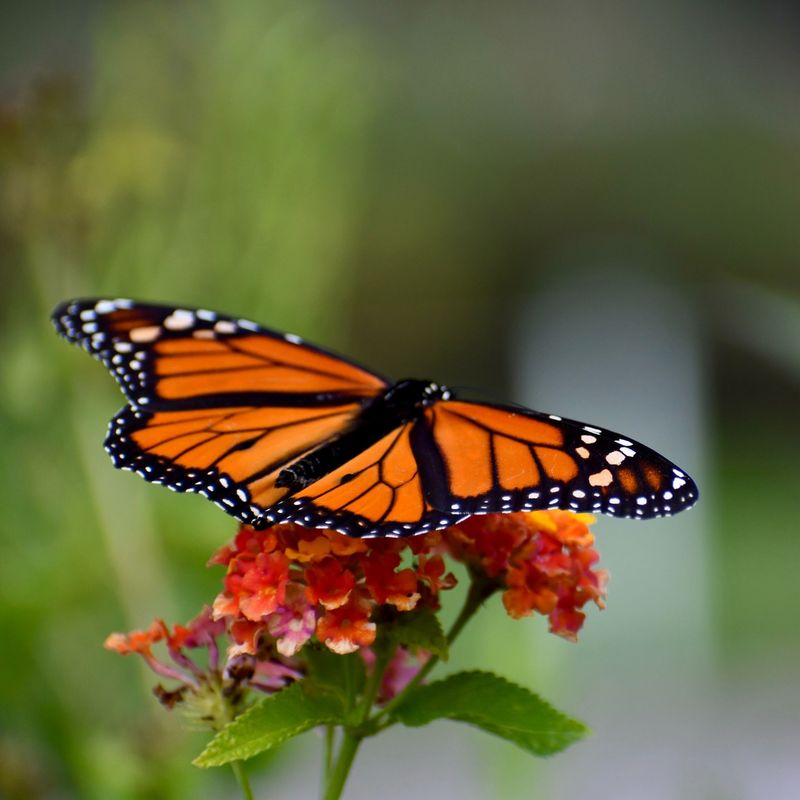
Monarch butterflies are iconic pollinators with striking orange and black wings, and they are now protected in Virginia due to population declines of over 80% in recent decades.
Female monarchs lay eggs exclusively on milkweed, which serves as both food and shelter for developing caterpillars.
Removing or harming these butterflies or their caterpillars is illegal. I transformed a corner of my garden into a monarch-friendly habitat by planting native milkweed.
Watching the life cycle unfold, from tiny eggs to crawling caterpillars and finally to emerging butterflies, has been incredibly rewarding.
These pollinators also contribute to wider garden health, helping maintain plant diversity and producing vibrant blooms through their pollination efforts.
Planting additional nectar-rich flowers like coneflowers and lantanas attracts adults while providing safe feeding grounds. Monarchs are sensitive to pesticides, so chemical-free gardening supports both their survival and the broader ecosystem.
Their presence exemplifies the connection between legal protection, conservation, and hands-on gardening, allowing home landscapes to serve as refuges for threatened species while enhancing natural beauty.
9. Red-Tailed Hawks
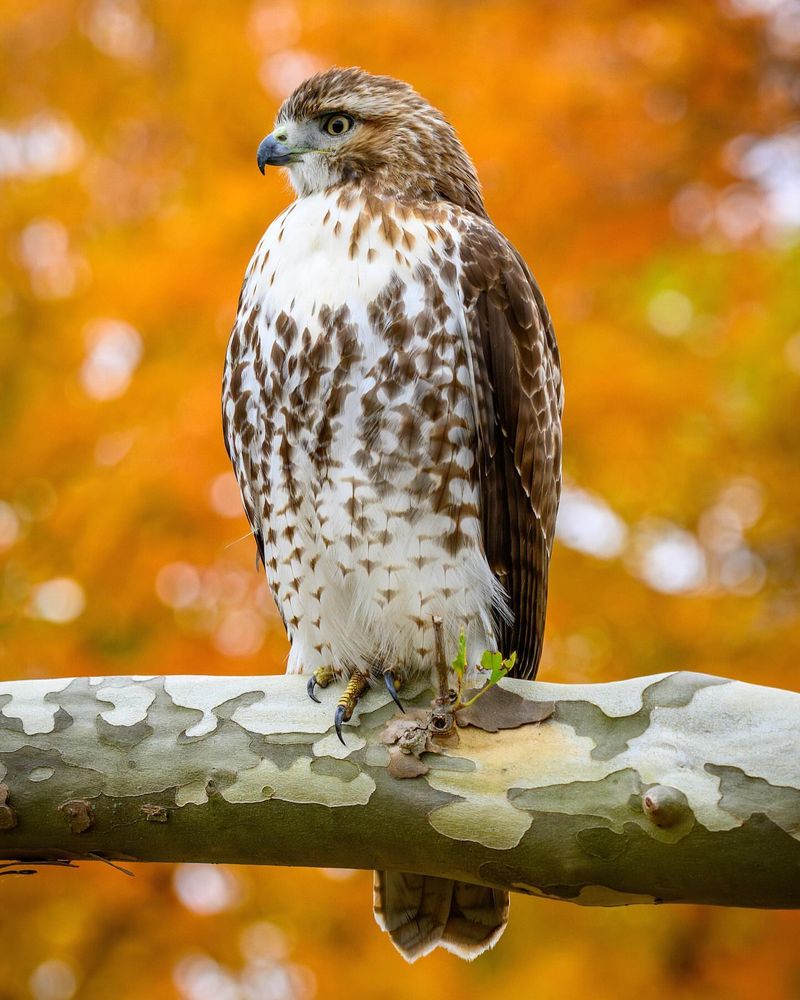
Red-Tailed Hawks are majestic predators that signal a healthy ecosystem in Virginia. Federally protected under the Migratory Bird Treaty Act, they cannot be disturbed or removed.
These raptors play a critical role in controlling rodents, rabbits, and other garden pests. In my community garden, a pair established territory nearby and quickly eliminated a groundhog problem that had plagued the area for years.
Their hunting skills deter other small mammals from encroaching, offering a natural, chemical-free pest control solution. Hawks require open spaces, tall trees for perching, and minimal disturbance.
Providing suitable habitat encourages repeated visits without direct intervention. Observing these birds also allows gardeners to study predator-prey dynamics firsthand, enhancing awareness of local biodiversity.
The presence of Red-Tailed Hawks demonstrates how legal protections support both wildlife populations and functional gardens.
By coexisting with these raptors, Virginia gardeners benefit from reduced rodent activity, increased ecological awareness, and the sheer joy of seeing such powerful creatures up close.
10. Spring Peeper Frogs
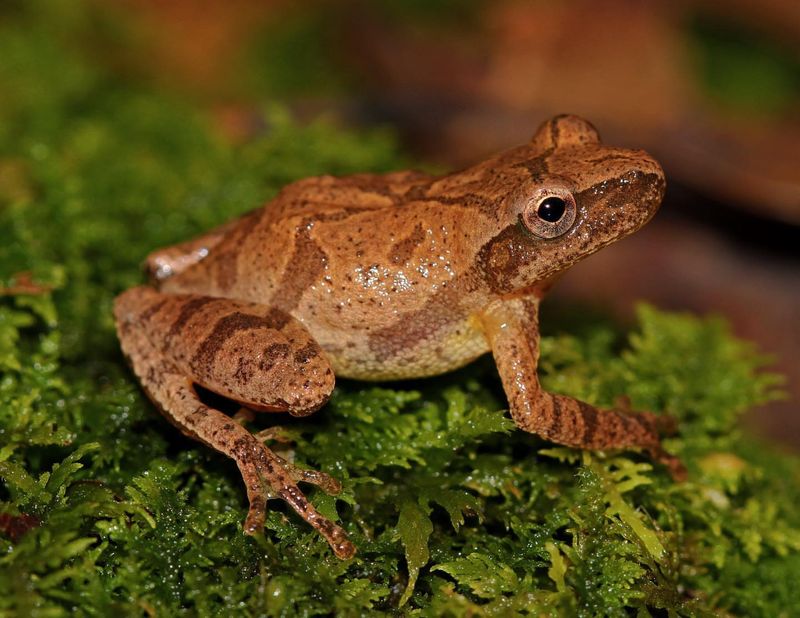
Spring Peeper Frogs are tiny amphibians whose high-pitched chorus marks the arrival of spring across Virginia.
Protected under state amphibian regulations, these frogs are beneficial for gardens as they consume small insects that could damage seedlings and flowers.
Their presence is also an indicator of a healthy, chemical-free environment. I installed a small pond in my backyard, which quickly attracted a thriving population of these thumbnail-sized frogs.
Each spring, their evening peeping signals that it’s time to begin planting warm-season vegetables. They prefer shallow water and nearby vegetation for shelter, so creating habitat that mimics these conditions encourages consistent garden visits.
Observing their behaviors also provides insight into local ecology, from predator-prey interactions to seasonal cycles.
Protecting ponds and wetlands ensures spring peepers can continue their vital role in pest control, benefiting both gardeners and the broader environment.
These small frogs demonstrate how native amphibians enhance garden health and seasonal rhythm while remaining legally protected.
11. Bumble Bees
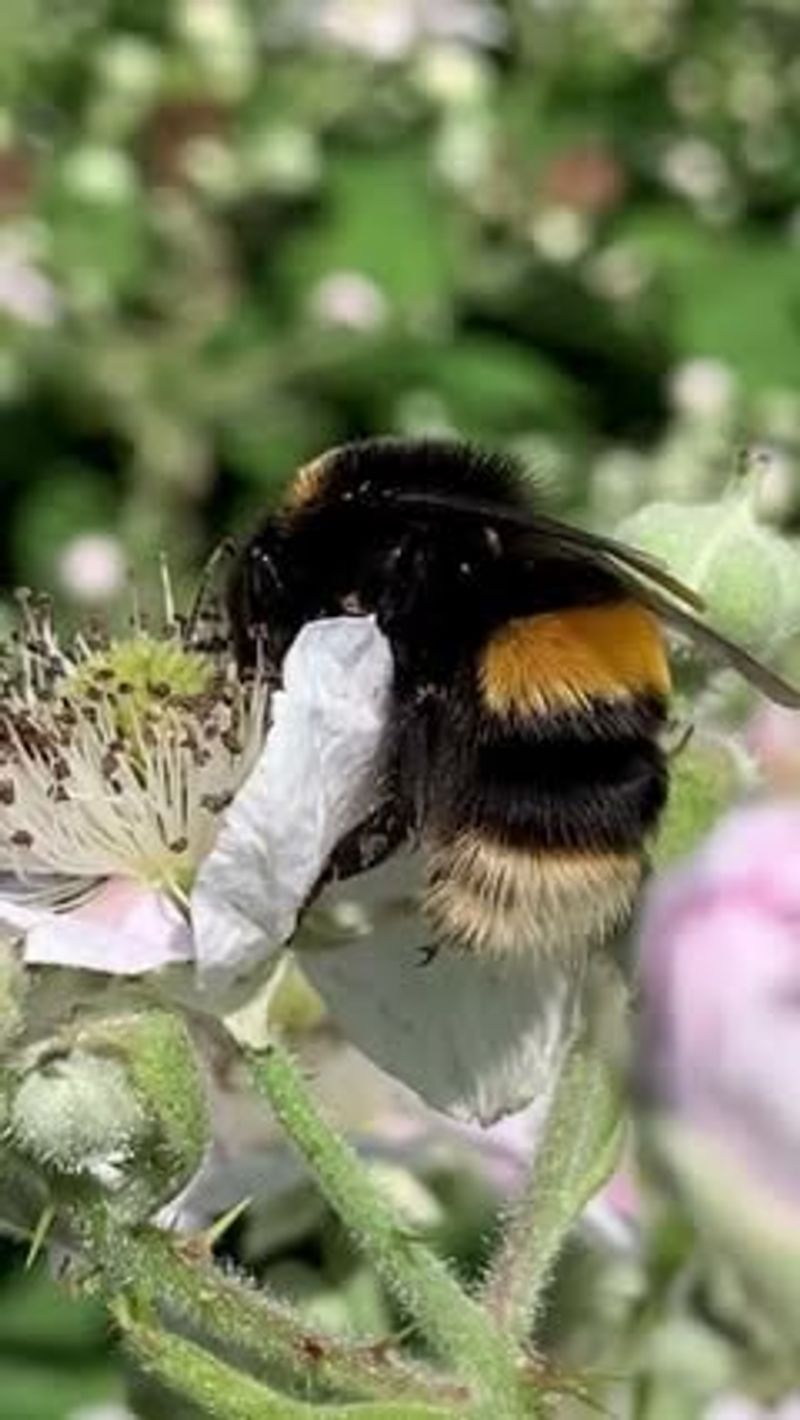
Bumble bees are essential pollinators in Virginia gardens, now receiving special conservation protection. Unlike honeybees, they can forage in cooler temperatures and use buzz pollination, which is critical for crops like tomatoes, peppers, and blueberries.
Their decline threatens both wild plants and agricultural yields. After creating pollinator-friendly borders with native flowers in my vegetable garden, I noticed a dramatic increase in fruit and vegetable production.
Watching these fuzzy insects systematically navigate squash blossoms and other crops highlights their efficiency and importance. Providing water sources, shelter, and pesticide-free zones encourages their continued presence.
Legal protection safeguards their populations, ensuring that gardeners and farmers alike benefit from their ecological services. Bumble bees exemplify how small creatures make a significant impact on garden productivity and biodiversity.
Protecting their habitats in Virginia contributes to food security, healthy ecosystems, and the ongoing survival of native pollinator species. Observing them at work fosters appreciation and emphasizes the interdependence of gardeners and wildlife.