Is Winter Really The Best Time For You To Prune Your Forsythia In Michigan?
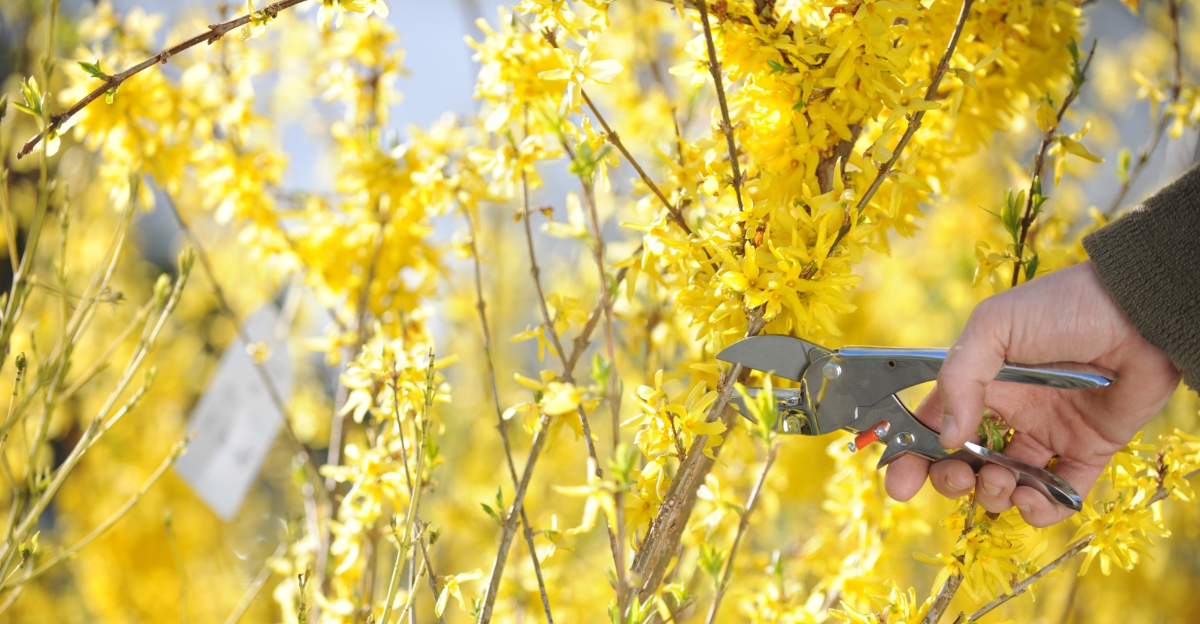
Have you been eyeing your forsythia all winter, wondering if now is the moment to grab the pruners?
In Michigan, winter has a way of making garden decisions feel urgent, especially when plants are bare and easy to reach.
Forsythia often gets lumped into the category of shrubs that should be handled early, before spring rushes in.
That assumption sounds practical, but it doesn’t always match how this plant actually responds. Timing matters more than many gardeners realize, and one wrong cut can quietly affect what you see later.
Some pruning choices shape growth, while others decide whether those famous yellow blooms show up at all.
Winter might seem like the cleanest and simplest option, but it comes with trade-offs worth thinking through.
Before you prune out of habit, it helps to know what winter really means for your forsythia in Michigan.
1. No, Winter Is The Worst Time To Prune Forsythia In Michigan
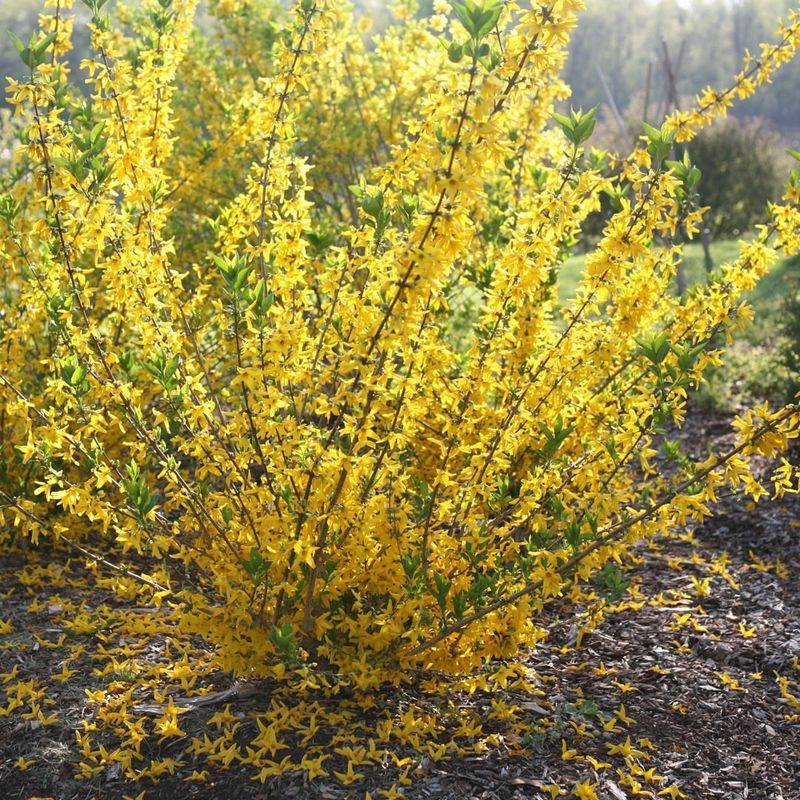
Forsythia sets its flower buds long before winter, which means cold-season pruning removes next spring’s blooms.
Once those petals fade and drop, gardeners have a perfect opportunity to shape their shrubs. This narrow window right after flowering wraps up gives you the best chance to prune without sacrificing next year’s show.
Waiting just a few weeks past bloom time still works well in most Michigan regions. The plant hasn’t yet committed energy to setting new flower buds during this period.
You can remove old wood, thin crowded branches, and control size without worry.
Late April through early June typically marks this ideal pruning period across the state. Northern Michigan gardeners might find their window opening slightly later than those in southern counties.
Observing your specific bush and local climate helps pinpoint the perfect moment.
Cutting during this time encourages fresh growth that will carry next spring’s flowers. The shrub responds with vigorous new shoots throughout summer.
These young stems develop flower buds by fall, ensuring another brilliant display.
Missing this window doesn’t mean disaster, but it does affect blooming potential. Pruning too late in summer or during fall removes buds already formed for next year.
Michigan’s climate makes timing even more important since growing seasons are shorter than in warmer states.
2. Why Pruning Forsythia In Winter Removes Next Year’s Flowers
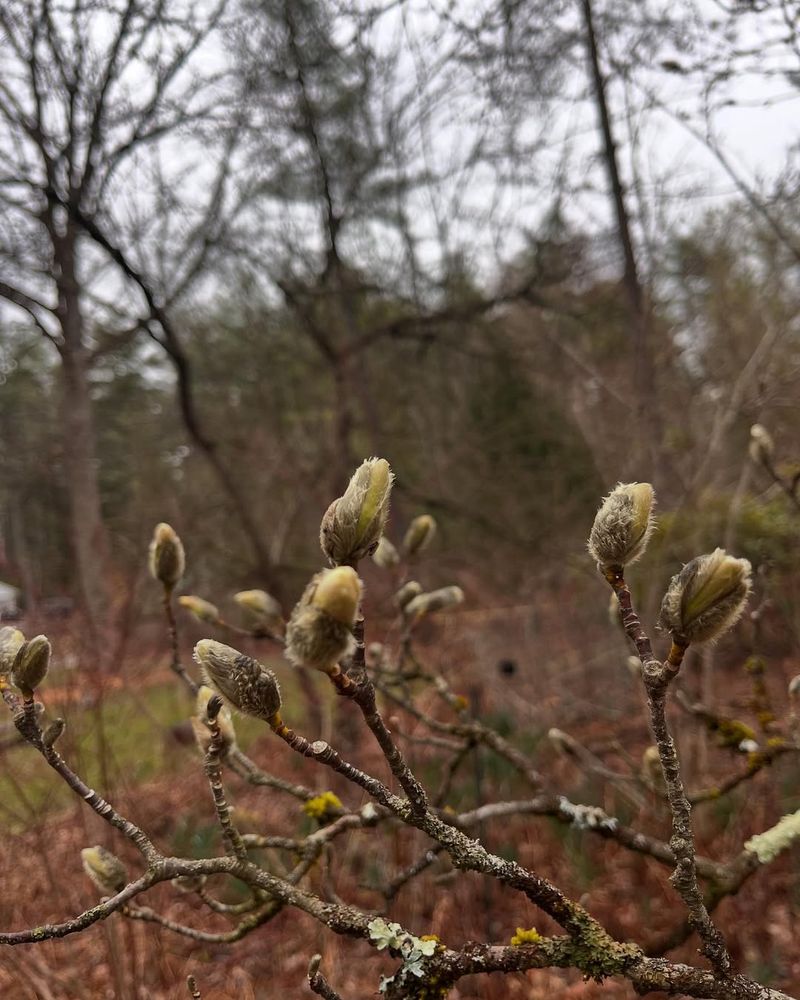
Flower buds sit quietly on forsythia branches all winter long, waiting for spring warmth to trigger their opening. Cutting stems during Michigan’s cold months means slicing off those precious buds before they ever get a chance to bloom.
Every branch you remove in January or February takes hundreds of potential flowers with it.
Forsythia develops its flowering buds on old wood from the previous growing season. Those buds form during late summer and early autumn, then enter dormancy as temperatures drop.
They remain attached through snow, ice, and freezing winds until spring arrives.
When you prune in December or March across Michigan, you’re essentially choosing between having a tidy shrub or enjoying a colorful spring display. Most gardeners prefer the flowers, which is why winter pruning rarely makes sense.
Your Michigan Garden Changes Every Week. Your Plan Should Too.
Gardening in Michigan changes quickly throughout the season. Every Friday you’ll receive a simple weekly plan showing exactly what to plant, prune, fertilize, harvest, and protect so you never miss the right timing.
The bare branches you cut away held next season’s entire bloom potential.
Even light trimming during cold months reduces flowering significantly. A few cuts here and there might seem harmless, but each snip eliminates buds.
Michigan winters last long enough that gardeners sometimes forget what they’re sacrificing when they grab the pruners.
Understanding this timing issue helps explain why some forsythia bushes look healthy but never bloom well. The shrub itself stays vigorous and green, but poorly timed pruning strips away flowers year after year.
This mistake often gets repeated year after year because the plant doesn’t show obvious stress or damage. Without realizing it, gardeners end up training their forsythia to grow leaves instead of flowers simply through poor timing.
3. How Forsythia Sets Flower Buds Long Before Michigan Winters Begin
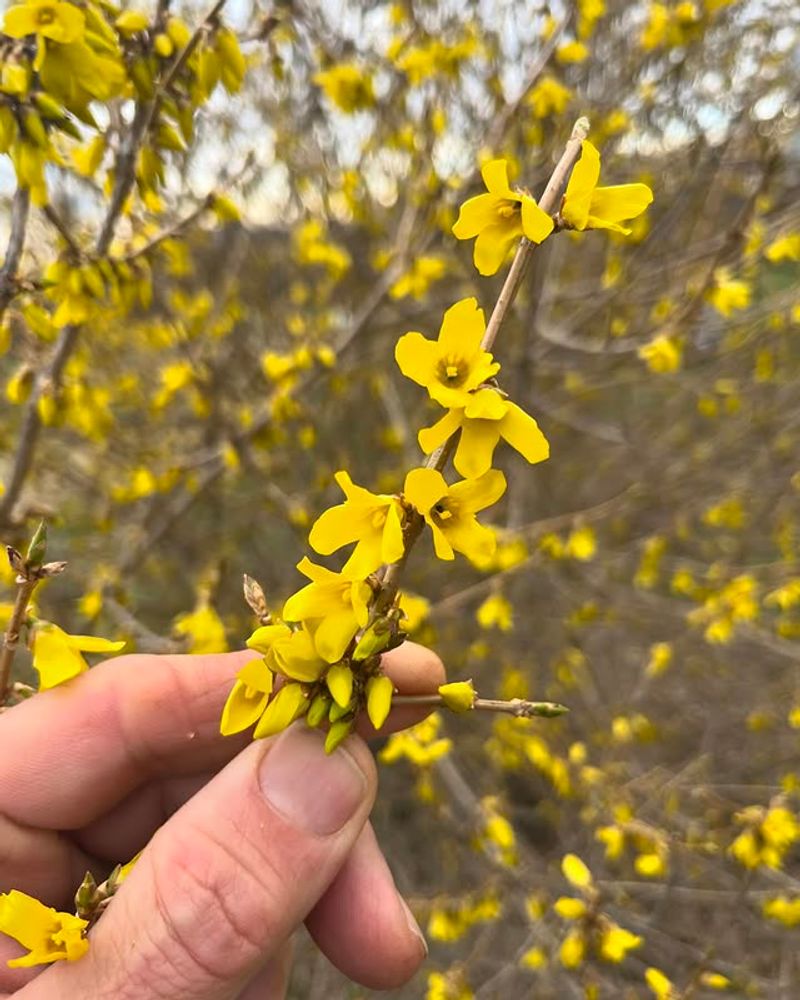
Forsythia starts preparing for next spring’s flowers months before winter ever arrives.
By mid-summer, the plant begins shifting its energy toward bud formation. This process happens while temperatures still feel warm and gardens remain lush.
August and September mark the critical bud-setting period for most forsythia varieties grown in the state. Tiny bumps appear along the stems, barely noticeable at first.
These small structures contain all the cellular material needed to produce flowers when spring returns.
The transformation from green shoot to bud-laden branch occurs gradually throughout late summer. Cooler nights signal the plant to slow vegetative growth and focus on reproduction.
Michigan’s shortening daylight hours also trigger this biological shift.
By the time October arrives and leaves start changing color, forsythia has essentially finished preparing for next spring. The buds are fully formed, just waiting for winter dormancy to pass.
Frost and freezing temperatures don’t damage these hardy structures.
Gardeners who prune in November or later are cutting away buds that took months to develop. The shrub invested significant resources into creating those flower structures.
Removing them wastes all that effort and leaves you with a bloom-free spring, which disappoints many Michigan homeowners.
Once winter sets in, the plant is no longer building flowers, only protecting what it has already formed.
Any cuts made during this period undo months of preparation in a matter of seconds.
4. What Actually Happens When Forsythia Is Cut Back During Winter
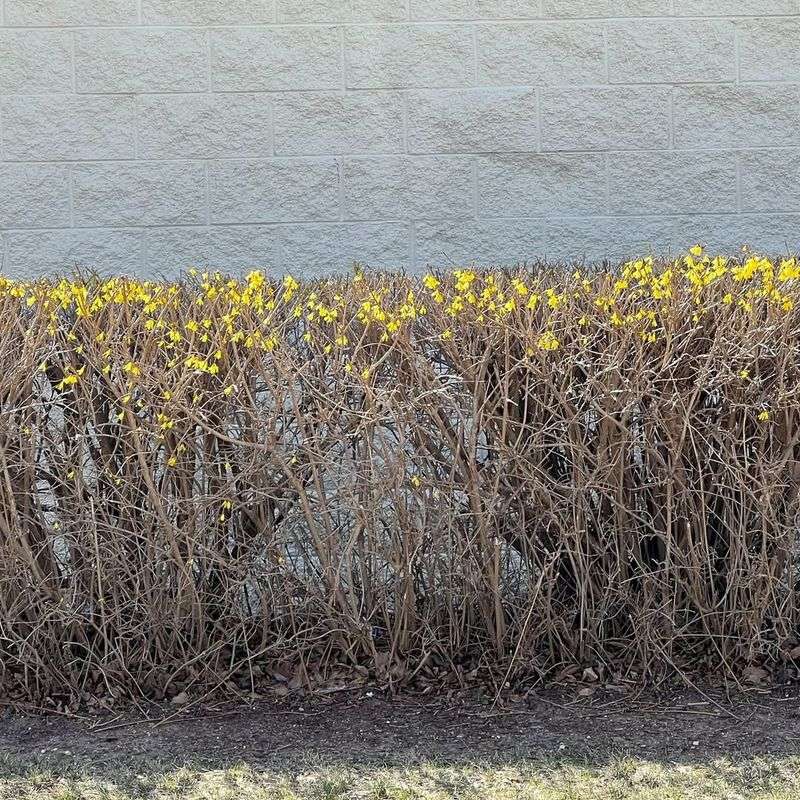
Winter pruning doesn’t harm forsythia’s health, but it completely changes how the plant grows.
Cuts made during dormancy heal slowly because the plant’s systems are essentially paused. Michigan’s freezing temperatures mean wounds stay open longer than they would during active growing seasons.
The shrub redirects energy toward wound closure once spring warmth arrives. This healing process uses resources that could otherwise support new growth.
Branches that were cut sprout fresh shoots, but these new stems won’t carry flowers until the following year.
Winter pruning also stimulates excessive vegetative growth in many cases. The plant responds to cuts by pushing out numerous new branches come spring.
These shoots grow vigorously but remain flowerless, creating a bushy shrub without the golden blooms Michigan gardeners expect.
Severe winter cutting can reshape a forsythia dramatically, which some people want for overgrown specimens. The trade-off is sacrificing at least one full season of flowering.
The shrub stays healthy and continues growing, just without its signature spring color.
Repeated winter pruning trains the plant to produce more leaves and fewer flowers over time. The forsythia adapts to this pattern, becoming a green shrub rather than a flowering one.
Breaking this cycle requires patience and proper timing in subsequent years.
5. The Short Post-Bloom Pruning Window Michigan Gardeners Need To Catch
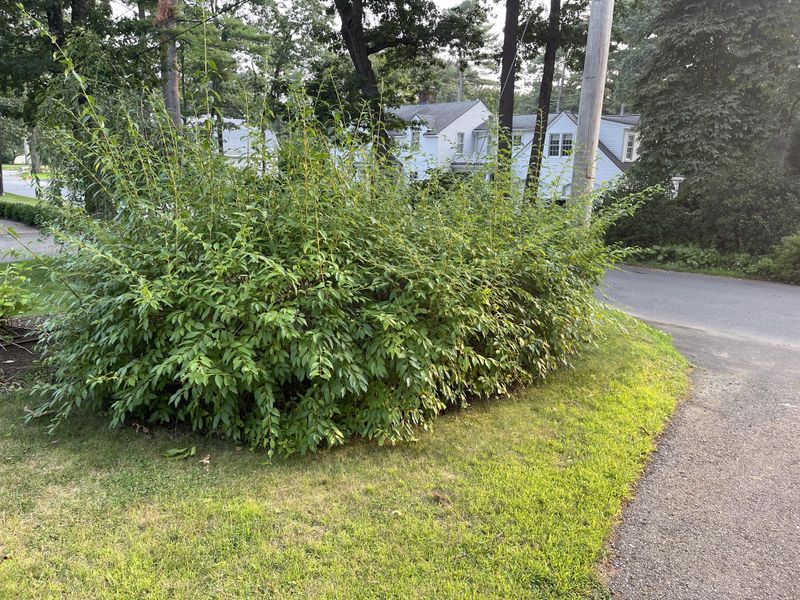
The correct pruning window for forsythia in Michigan is short and easy to miss. Michigan’s spring weather can be unpredictable, making it challenging to plan outdoor tasks.
Watching your specific shrub closely helps you catch the right moment.
Most forsythia varieties bloom for about two to three weeks across the state. Once petals start dropping, you have roughly four to six weeks before the plant begins serious bud formation for next year.
This compressed timeline requires attention and readiness.
Weather delays sometimes interfere with pruning plans during this period. Rainy stretches or unexpected cold snaps might keep you indoors when you should be trimming.
Having pruning tools ready and cleaned beforehand helps you act quickly when conditions improve.
Southern Michigan counties often see their pruning window open in late April, while northern areas might not reach this stage until mid-May. Microclimates within your own yard can also shift timing by a week or more.
Observing bloom progression beats following rigid calendar dates.
Missing this window means choosing between pruning late and losing some flowers or waiting an entire year. Neither option feels ideal, which is why catching the post-bloom period matters so much.
Michigan gardeners who succeed with forsythia typically mark their calendars and stay flexible with spring plans.
That narrow window often closes faster than expected, especially during erratic spring seasons.
A few days of delay can be the difference between a full bloom display and a noticeably thinner show the following year.
6. How To Spot Flower Buds On Forsythia Before Making Any Cuts
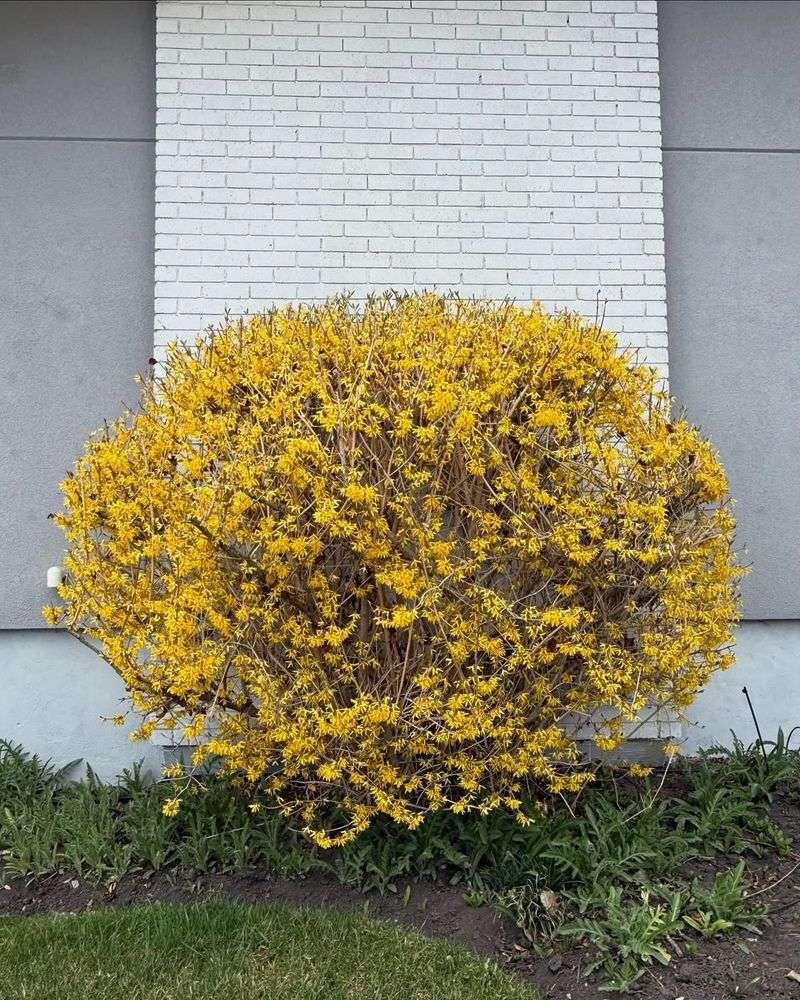
Knowing where forsythia hides its flower buds helps you avoid cutting off next spring’s color. These buds look different from leaf buds, though the distinction can be subtle at first.
Spending a few minutes examining branches before pruning prevents costly mistakes.
Flower buds on forsythia appear plumper and rounder than the slender, pointed leaf buds. They cluster along the stems in groups, often positioned opposite each other.
Michigan gardeners can spot them most easily in late winter when they start swelling slightly.
Gently scraping a suspected flower bud with your fingernail reveals yellow tissue inside. Leaf buds show green when scratched.
This simple test helps confirm what you’re looking at before making cuts. The color difference becomes obvious once you know what to check.
Buds positioned along the sides of branches are typically flower buds, while those at the very tips tend to be leaf buds. This pattern holds true for most forsythia varieties grown across the state.
Understanding this arrangement helps you prune more strategically.
Taking time to inspect buds before winter or early spring pruning lets you make informed decisions. You might choose to remove some branches anyway for shaping purposes, accepting the flower loss.
At least you’ll know what you’re sacrificing rather than discovering the mistake come spring.
7. When Light Cleanup Or Damage Pruning Is Acceptable In Winter
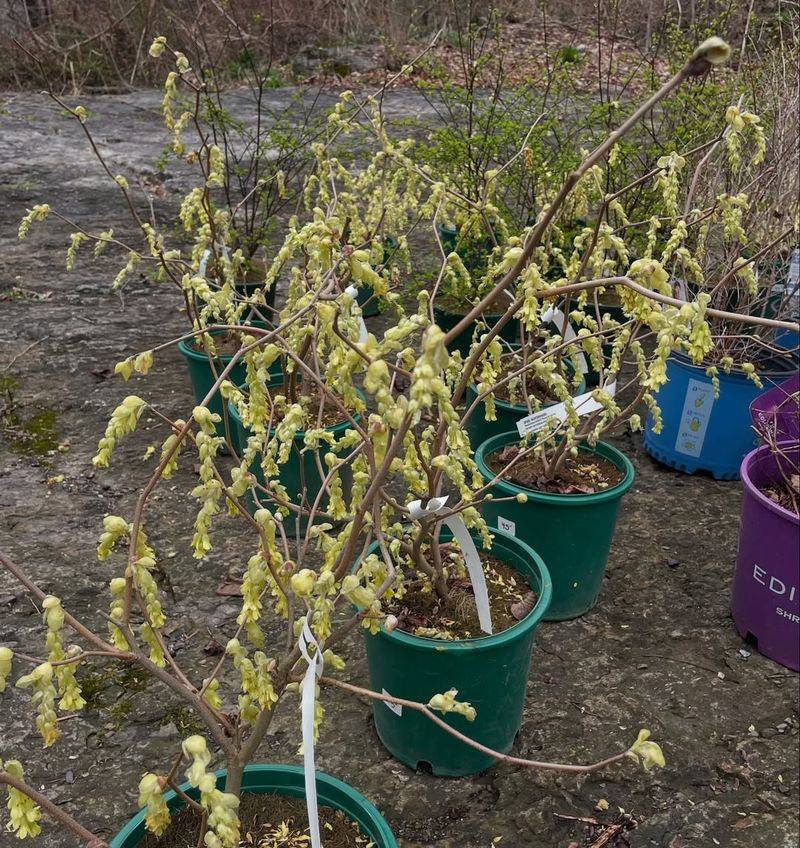
Not all winter pruning is a mistake, but it should be limited to real damage only. Damaged wood can harbor disease or create safety hazards.
Removing these problem areas makes sense regardless of flowering concerns.
Pruning out clearly broken, cracked, or split stems protects the overall health of your forsythia. These injuries won’t heal properly on their own and might worsen over time.
Clean cuts made below damaged areas help the shrub recover more effectively once spring arrives.
Crossing branches that rub against each other also merit winter removal in some cases. The constant friction damages bark and creates entry points for problems.
Eliminating one of the rubbing branches improves structure without significantly impacting bloom potential.
Completely lifeless wood can be removed anytime, including winter months across the state. These branches won’t produce flowers anyway since they’re no longer functioning.
Identifying truly nonviable wood requires careful inspection, as dormant healthy wood can look similar.
Keeping winter pruning minimal and focused on real problems preserves most flower buds. A few strategic cuts for health and safety differ greatly from overall shaping or size reduction.
Michigan gardeners who limit winter work to genuine damage typically still enjoy good spring blooms on their forsythia.
The key is resisting the urge to overcorrect or reshape the shrub when winter damage is visible, since dormant plants often look messier than they truly are.
Focusing only on branches that are clearly broken, split, or posing a safety risk helps protect future blooms while still keeping the plant structurally sound.
8. Why Forsythia Can Stay Healthy Yet Stop Blooming After Poor Timing
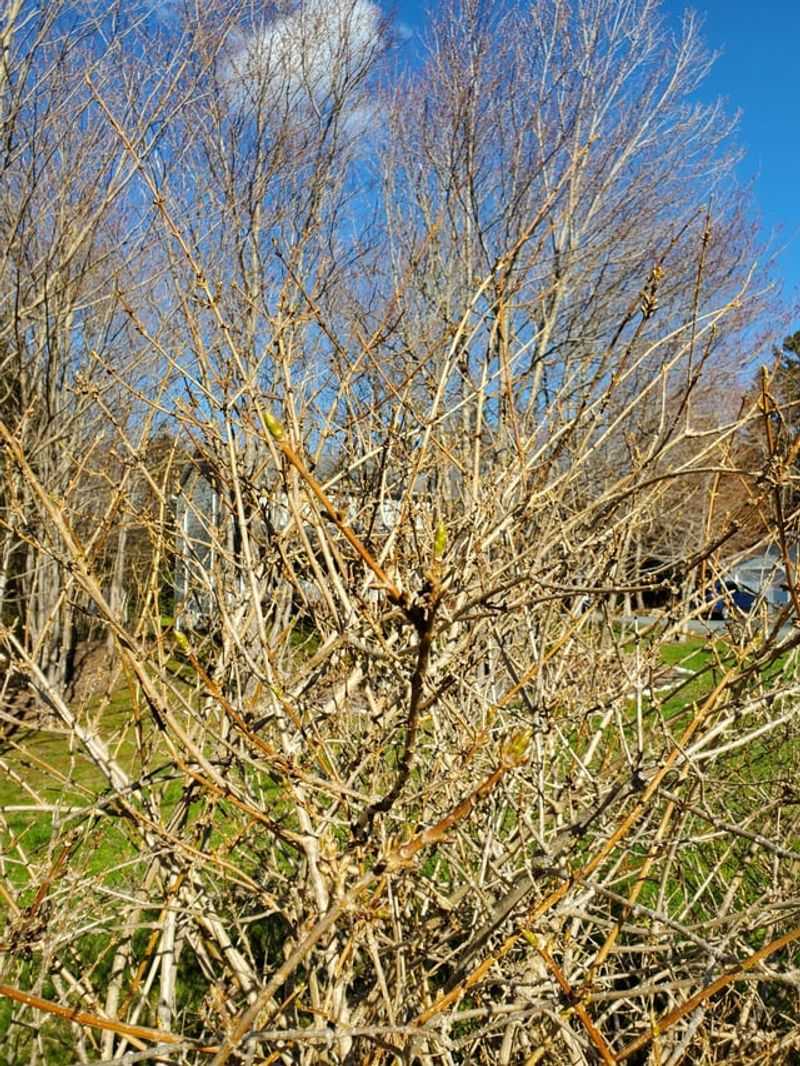
A forsythia can look perfectly healthy while producing almost no flowers. The shrub produces plenty of green leaves and new stems each year.
Everything looks fine except for the missing spring color that makes forsythia worth growing.
Repeated pruning at the wrong time creates this frustrating situation more often than any other factor. The plant responds to cuts by growing new wood, which it does successfully.
Those new branches just don’t carry flowers because they were cut before blooming or pruned away before bud formation completed.
Health and flowering operate independently in many ways for this shrub. Forsythia tolerates poor timing without showing stress symptoms like wilting or discoloration.
It simply redirects energy toward vegetative growth instead of flower production, adapting to the pruning pattern you’ve established.
Gardeners sometimes blame soil, sunlight, or fertilizer when blooming fails. These factors do matter, but timing issues cause more flowering problems across Michigan than environmental conditions.
A forsythia in mediocre soil but pruned correctly will usually outperform one in perfect conditions pruned at the wrong time.
Breaking the cycle of poor timing requires patience and restraint. You must wait until right after the next bloom period to prune, even if that means enduring an overgrown shrub for another year.
Correcting the timing gradually restores flowering over subsequent seasons.