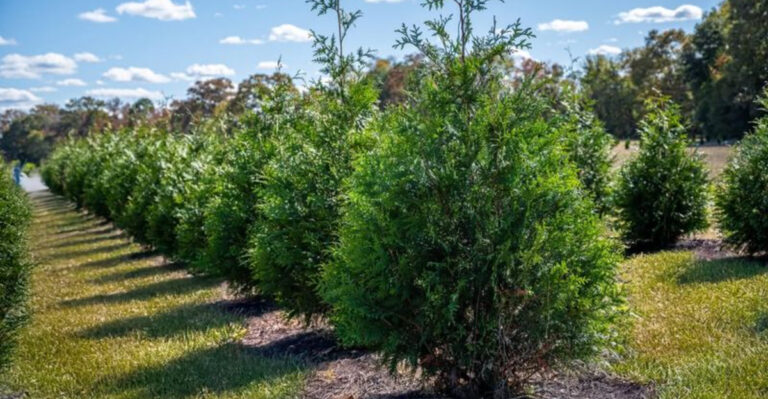
8 Fir Trees You Can Plant To Transform Your Idaho Landscape
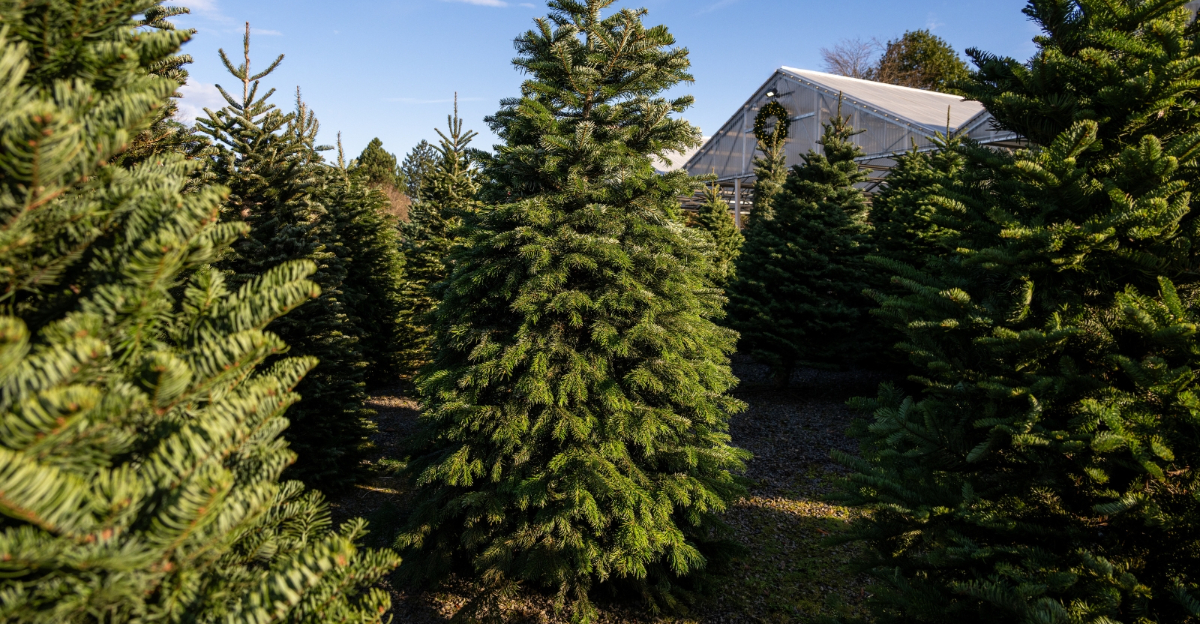
Some Idaho landscapes look wide and open, yet still feel unfinished when you step back and take everything in.
Trees often become the element that brings everything together, especially when they add lasting structure and visual weight.
Fir trees are increasingly appealing to homeowners who want their yards to feel more intentional without forcing a dramatic change.
They bring depth, texture, and presence that subtly reshape how the entire space is perceived.
Some firs work quietly in the background, while others naturally draw the eye without overpowering nearby plants.
What makes them stand out is how comfortably they fit into Idaho’s climate and natural surroundings. The right choice can shift the mood of a yard in a way that feels balanced rather than planned.
That kind of transformation starts to feel possible when you see how much impact a single tree can have.
1. White Fir
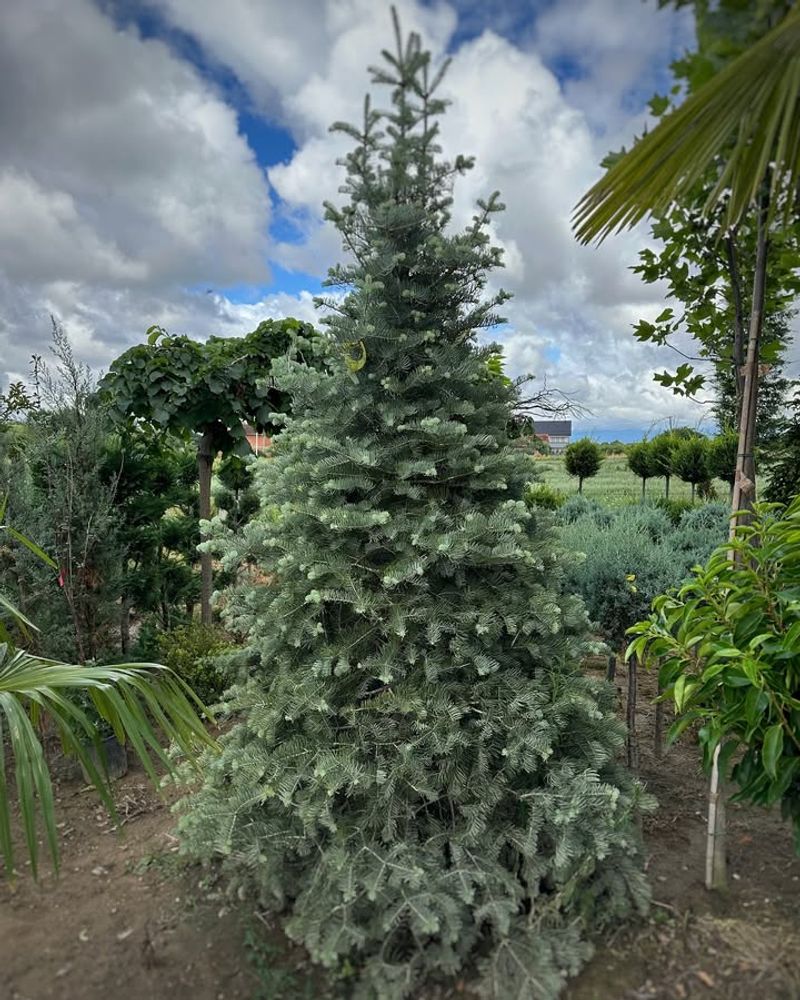
A towering beauty in Idaho yards, the white fir stands out with its silvery-blue needles and stately form. Its soft, aromatic foliage releases a pleasant scent, especially after rain.
Gardeners love how forgiving this species is when it comes to watering schedules. Once established, it tolerates dry spells better than many other firs.
You won’t need to hover over it with a hose every week.
Branches grow in neat, symmetrical layers that create natural privacy screens along property lines. Birds and small wildlife find shelter among the dense foliage.
Watching chickadees flit through the boughs adds life to any backyard.
In Idaho’s colder zones, white fir handles winter like a champ. Snow piles up on its sturdy limbs without causing breakage.
Come spring, new growth emerges with a bright, fresh color.
Planting one near your home gives you shade in summer and windbreak protection year-round. The tree’s root system stays relatively shallow, so avoid placing it too close to foundations.
A spot with good drainage works best.
As the tree matures, its bark develops deep furrows that add texture to the landscape. Deer tend to leave it alone, which is a bonus in rural areas.
Overall, white fir offers low-maintenance elegance.
Over time, the tree develops a calm, established presence that anchors surrounding plantings.
Its steady growth makes it easy to design around without constant adjustments.
2. Grand Fir
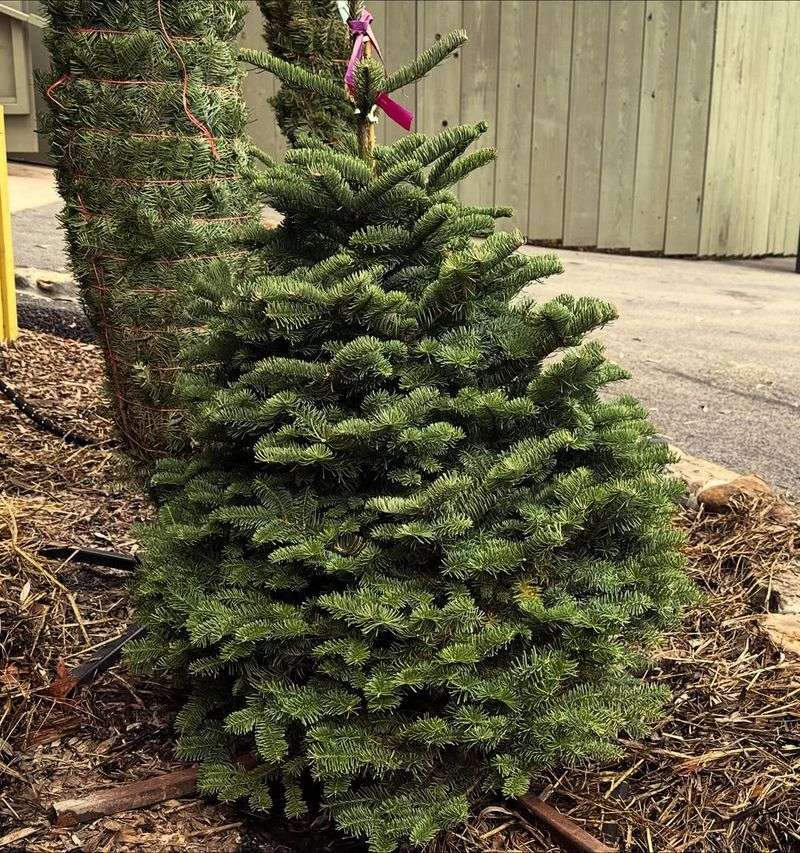
Picture a tree that reaches for the sky with glossy, dark green needles that smell like fresh citrus when crushed. Grand fir brings that exact combination to Idaho landscapes.
Its rapid growth rate means you’ll see noticeable height gains each year.
Within a decade, you can have a towering screen that blocks unwanted views. The tree’s conical shape stays naturally attractive without heavy pruning.
Grand fir thrives in Idaho’s mountain valleys where moisture levels stay moderate. It prefers rich, well-draining soil but adapts to less-than-perfect conditions.
Just make sure it gets some afternoon shade in hotter regions.
Wildlife finds grand fir irresistible. Squirrels nest in its branches, and songbirds feast on insects hiding in the bark.
Your yard becomes a mini nature preserve without extra effort.
Your Idaho Garden Changes Every Week. Your Plan Should Too.
Gardening in Idaho changes quickly throughout the season. Every Friday you’ll receive a simple weekly plan showing exactly what to plant, prune, fertilize, harvest, and protect so you never miss the right timing.
During winter, the tree’s drooping branch tips create a graceful, almost weeping effect under snow. Ice storms rarely damage its flexible limbs.
Spring brings fresh, bright green growth that contrasts beautifully with older foliage.
Planting grand fir near patios or seating areas lets you enjoy its citrus-like fragrance up close. Just give it plenty of room to spread as it matures.
This tree rewards patience with decades of beauty.
As the tree matures, it begins to define the character of the landscape rather than simply filling space, offering structure that feels intentional year-round.
That steady presence makes it easier to design seating areas, pathways, and garden borders that feel settled instead of temporary.
3. Subalpine Fir
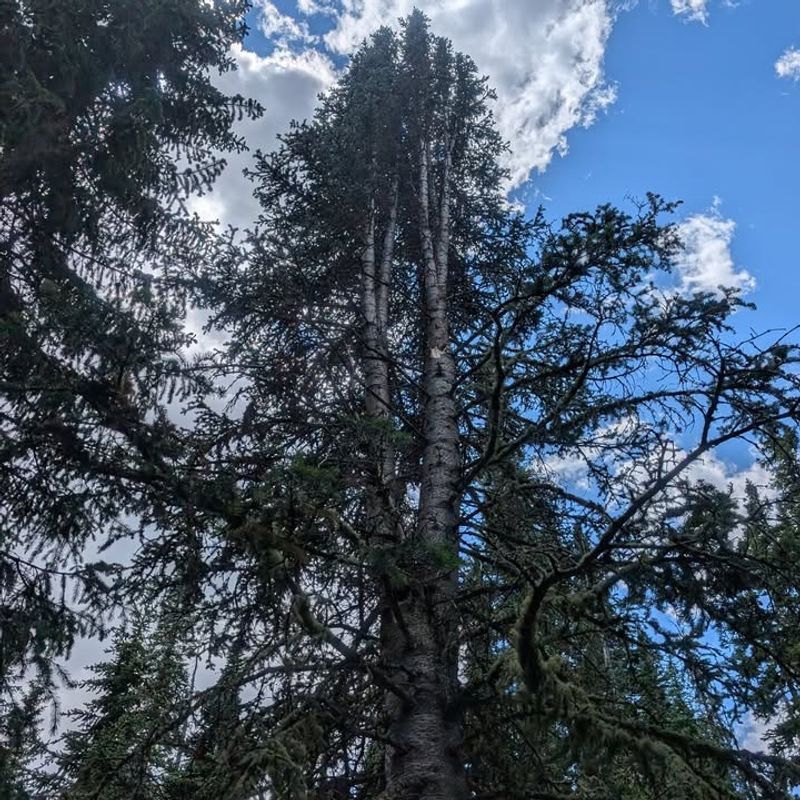
High-elevation charm meets backyard practicality with subalpine fir. This tree naturally grows in Idaho’s mountainous regions, making it perfectly suited to cold, snowy winters.
Its narrow, spire-like shape fits beautifully in tight spaces.
Homeowners with smaller lots appreciate how little horizontal room this fir demands. You can plant several in a row without worrying about overcrowding.
The slender silhouette adds vertical interest to any landscape design.
Subalpine fir’s blue-green needles have a soft texture that invites touch. Kids love running their hands along the branches.
The tree’s compact growth habit keeps it manageable even as it ages.
In Idaho’s harsh winter conditions, this species proves its toughness. Heavy snowfall slides off the narrow crown without causing damage.
Spring melt reveals healthy, vibrant foliage ready for another growing season.
Planting subalpine fir near entryways creates a welcoming focal point. Its elegant form draws the eye upward, making small yards feel larger.
Pair it with low-growing shrubs for a layered look.
This tree doesn’t demand rich soil or constant fertilizing. It evolved to survive in rocky, nutrient-poor mountain soils.
Your Idaho garden provides a luxury environment by comparison, and the tree responds with steady, reliable growth.
4. Rocky Mountain Fir
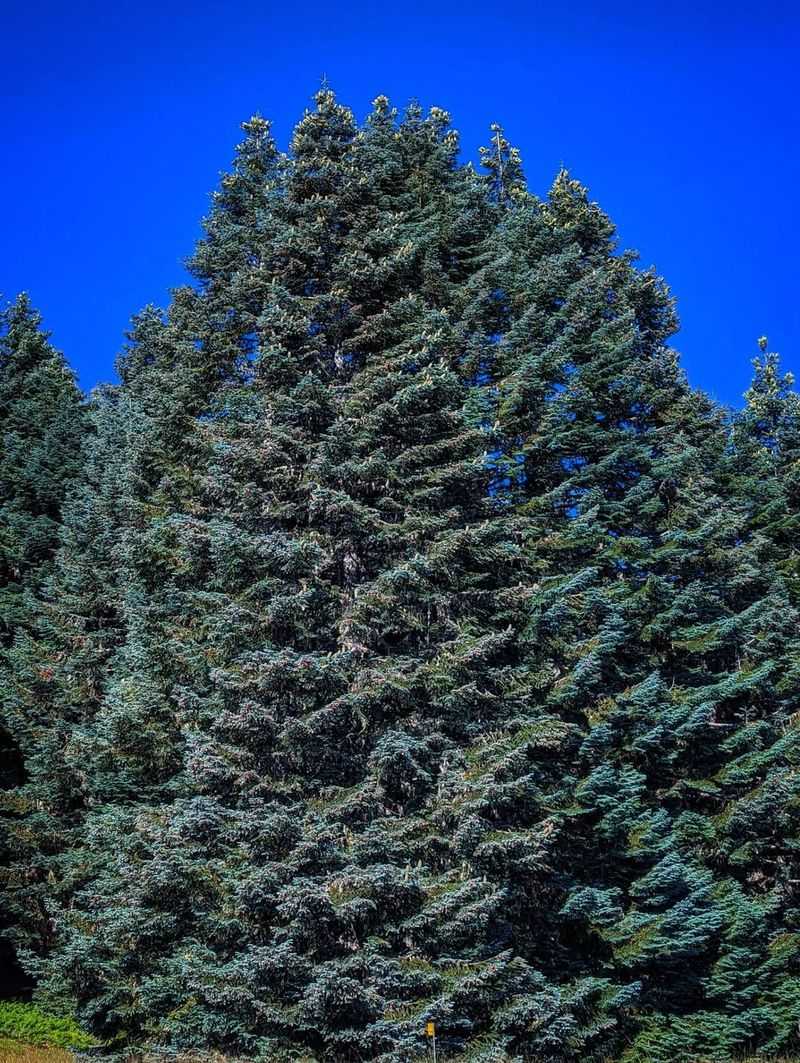
Rugged beauty defines the Rocky Mountain fir, a tree built for Idaho’s toughest climates. Its dense, blue-tinted foliage creates a stunning contrast against winter snow.
Homeowners in exposed areas rely on this species for dependable windbreak protection.
Strong limbs handle ice and snow loads that would snap lesser trees. You won’t wake up after a storm to find broken branches littering your lawn.
The tree’s sturdy construction makes it ideal for properties facing harsh weather.
Rocky Mountain fir grows at a moderate pace, giving you time to shape your landscape around it. Its pyramidal form stays naturally balanced without constant trimming.
The tree does the hard work while you enjoy the results.
In Idaho’s drier regions, this fir shows impressive drought tolerance once established. Deep roots seek out moisture even when surface soil dries out.
You’ll water less frequently than with many other evergreens.
Planting this tree along property boundaries creates living fences that last for generations. The dense foliage blocks noise from nearby roads or neighbors.
Your outdoor spaces become quieter, more private retreats.
Wildlife appreciates Rocky Mountain fir as much as homeowners do. Birds nest in its protective branches, and small mammals find shelter beneath low-hanging limbs.
Your yard becomes a haven for local creatures without attracting pests.
Over the years, its consistent structure helps stabilize open landscapes where wind and exposure would otherwise limit planting options.
Once established, the tree becomes a dependable anchor that quietly supports the rest of the yard rather than demanding attention.
5. Noble Fir
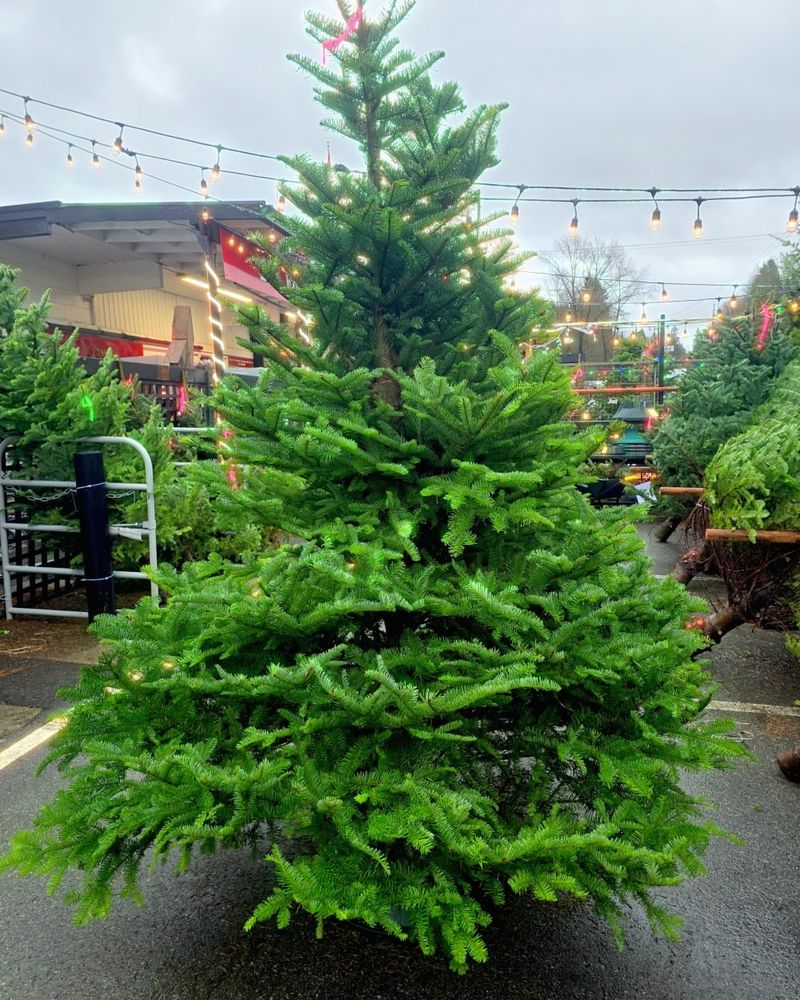
Elegance and strength combine in the noble fir, a tree that commands attention in any Idaho landscape. Its upward-sweeping branches create a distinctive profile unlike any other fir species.
Homeowners seeking a statement tree find exactly what they need here.
The noble fir’s bluish-green needles curve upward along the branches, giving the tree a groomed appearance even when left unpruned. This natural tidiness appeals to those who want beauty without constant maintenance.
The tree practically takes care of itself.
In Idaho’s northern regions, noble fir thrives in cooler temperatures and higher elevations. It prefers well-drained soil and doesn’t tolerate waterlogged roots.
Choose a planting site with good air circulation to keep foliage healthy.
Sturdy branches make this species popular for supporting heavy snow without bending or breaking. Winter landscapes gain architectural interest from the tree’s strong horizontal lines.
Come spring, new growth adds fresh color to the established framework.
Planting noble fir as a specimen tree gives your yard a focal point that improves with age. Its slow to moderate growth rate means you won’t need to worry about it quickly outgrowing its space.
Patience pays off with decades of beauty.
The tree’s dense foliage provides excellent nesting habitat for birds. You’ll hear songbirds year-round if you plant one near your home.
This fir brings both visual and auditory pleasure to Idaho gardens.
6. California Red Fir
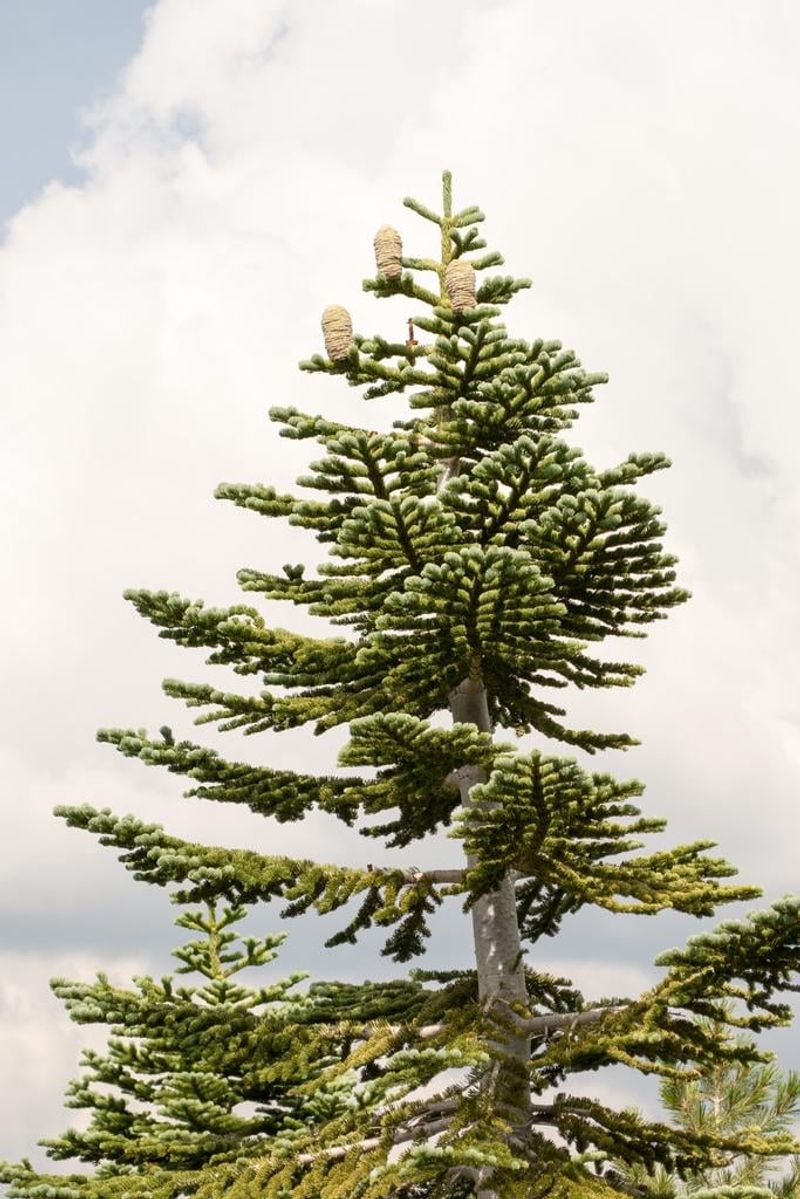
Bold color and mountain toughness make California red fir a standout choice for Idaho landscapes. Its reddish-brown bark adds warm tones to winter scenes when other trees look drab.
The tree’s blue-gray needles provide year-round color contrast.
Homeowners in Idaho’s higher elevations find this species perfectly suited to their climate. It evolved in harsh mountain conditions, so your garden’s challenges seem mild by comparison.
Cold winters and short growing seasons don’t faze it.
California red fir develops a narrow, columnar shape that fits well in tight spaces. You can plant it closer to structures than wider-spreading species.
The vertical growth draws the eye upward, making your property feel more spacious.
This tree’s dense foliage creates excellent privacy screens without taking up excessive yard space. Neighbors won’t see through it even in winter when deciduous plants go bare.
You get year-round seclusion without sacrificing precious square footage.
In Idaho’s snowy regions, the red fir’s strong branches support heavy snow loads gracefully. The tree’s natural pyramid shape sheds snow efficiently, preventing breakage.
You’ll enjoy its beauty without worrying about storm damage.
Planting California red fir near outdoor living areas provides natural shade in summer. The tree’s moderate growth rate gives you time to adjust landscaping as it matures.
Its low maintenance requirements mean more time enjoying your yard and less time working in it.
As it matures, California red fir adds a sense of permanence that makes landscapes feel settled rather than newly planted or temporary.
Its steady growth and reliable structure allow surrounding plants and design elements to feel more intentional instead of constantly needing adjustment.
7. Corkbark Fir
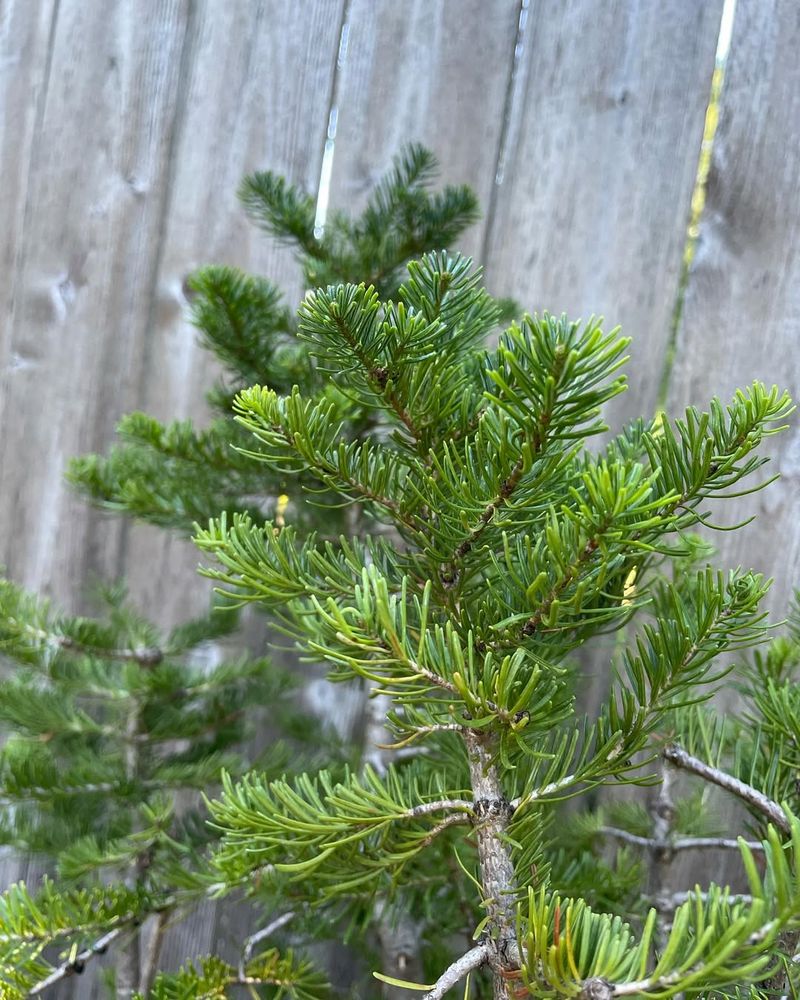
Unique texture sets corkbark fir apart from every other tree in Idaho landscapes. Its deeply furrowed, cork-like bark creates visual interest even from a distance.
The tree’s silvery-blue needles provide a soft color palette that complements both traditional and modern home designs. Its compact, symmetrical form stays naturally attractive without heavy pruning.
You get a polished look with minimal effort.
Corkbark fir grows slowly, making it ideal for Idaho gardeners who want to control their landscape’s development. The tree won’t suddenly overwhelm your yard or block important views.
Its predictable growth lets you plan with confidence.
In Idaho’s coldest zones, this fir handles extreme temperatures without damage. Its thick bark insulates the tree against temperature swings.
You’ll see healthy growth year after year, regardless of weather extremes.
Planting corkbark fir as an accent tree highlights its unusual bark texture. Position it where winter sunlight will illuminate the furrowed trunk.
The play of light and shadow creates ever-changing visual interest.
This tree’s moderate size at maturity makes it suitable for smaller properties. You won’t need to remove it decades later because it outgrew its space.
Corkbark fir remains an asset throughout its long life, adding character to Idaho landscapes.
8. Nordmann Fir
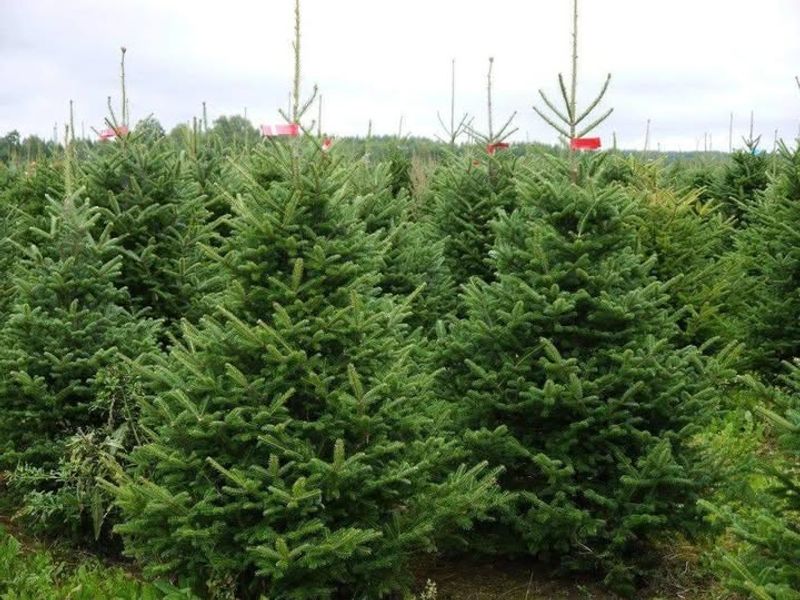
Lush, dark green foliage makes Nordmann fir a favorite among Idaho homeowners who want maximum visual impact. Its glossy needles stay vibrant year-round, never looking dull or faded.
The tree’s full, dense growth creates a rich backdrop for other landscape plants.
You won’t find a carpet of dropped needles beneath the tree. This cleanliness makes it ideal for planting near patios or walkways.
Nordmann fir adapts to Idaho’s varied climates better than many exotic species. It handles both cold winters and moderately dry summers with ease.
The tree’s versatility makes it suitable for different regions across the state.
Strong branches support heavy snow without bending, keeping the tree’s attractive shape intact through winter. Spring growth emerges bright and fresh, adding new layers to the tree’s dense canopy.
Each season brings renewed beauty.
Planting Nordmann fir as a foundation tree anchors your landscape design. Its substantial presence provides a sense of permanence and maturity.
The tree’s classic evergreen form complements any architectural style.
This fir’s moderate growth rate gives you control over your landscape’s development. You won’t struggle to keep it in bounds or worry about rapid overgrowth.
Nordmann fir offers reliable, predictable beauty that enhances Idaho homes for generations.
Because its branches hold needles so well, Nordmann fir maintains a polished appearance even in high-traffic areas where constant cleanup would otherwise become a chore.
Over time, this consistency helps the surrounding landscape feel calmer and more finished, rather than seasonal or high-maintenance.