Avoid These 9 Spots If You’re Planting Azaleas In Virginia
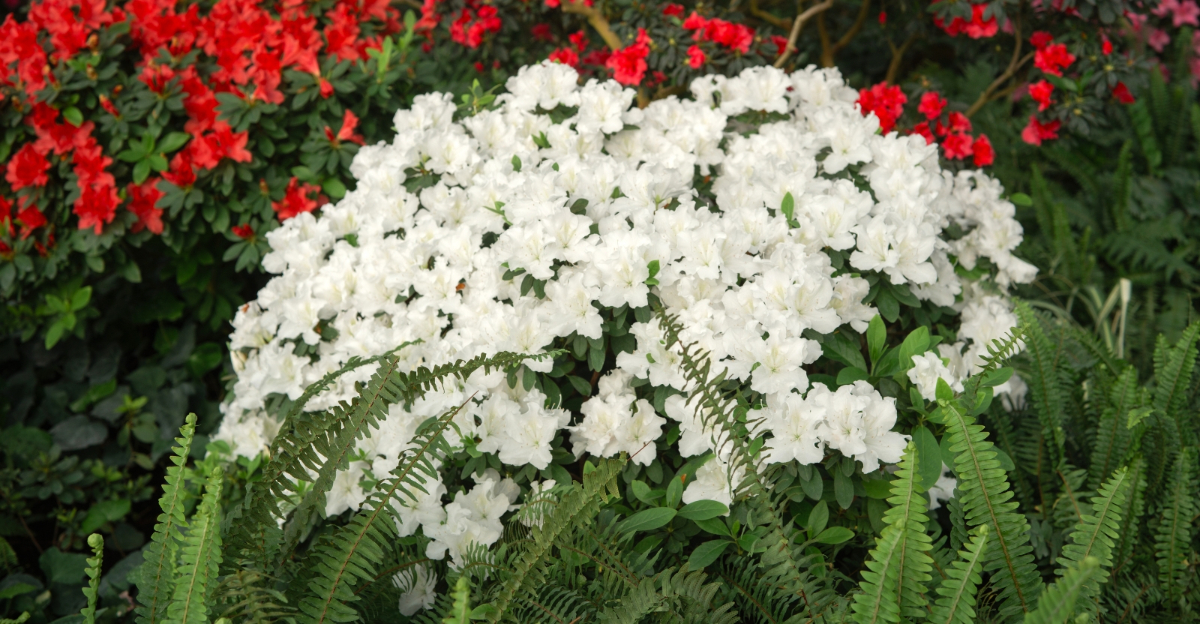
Azaleas often look stunning when they first go into the ground, yet something starts to feel off not long after, even when you’re sure you planted them with care.
That moment of doubt is familiar to many Virginia gardeners who expected easy beauty and instead got uncertainty.
In this state, where yards can change dramatically from one side to the other, placement choices quietly shape how azaleas respond over time.
What looks like a perfectly reasonable spot can slowly work against the plant without giving any early warning signs.
Some areas create conditions that feel fine at first but gradually make it harder for azaleas to settle in comfortably.
Those problems tend to build in the background, which is why they’re so frustrating to figure out later.
Avoiding trouble often has less to do with effort and more to do with awareness before planting begins. A small decision early on can steer everything in the right direction.
Knowing where not to plant can make growing azaleas in Virginia feel far less complicated and far more satisfying.
1. Full Afternoon Sun
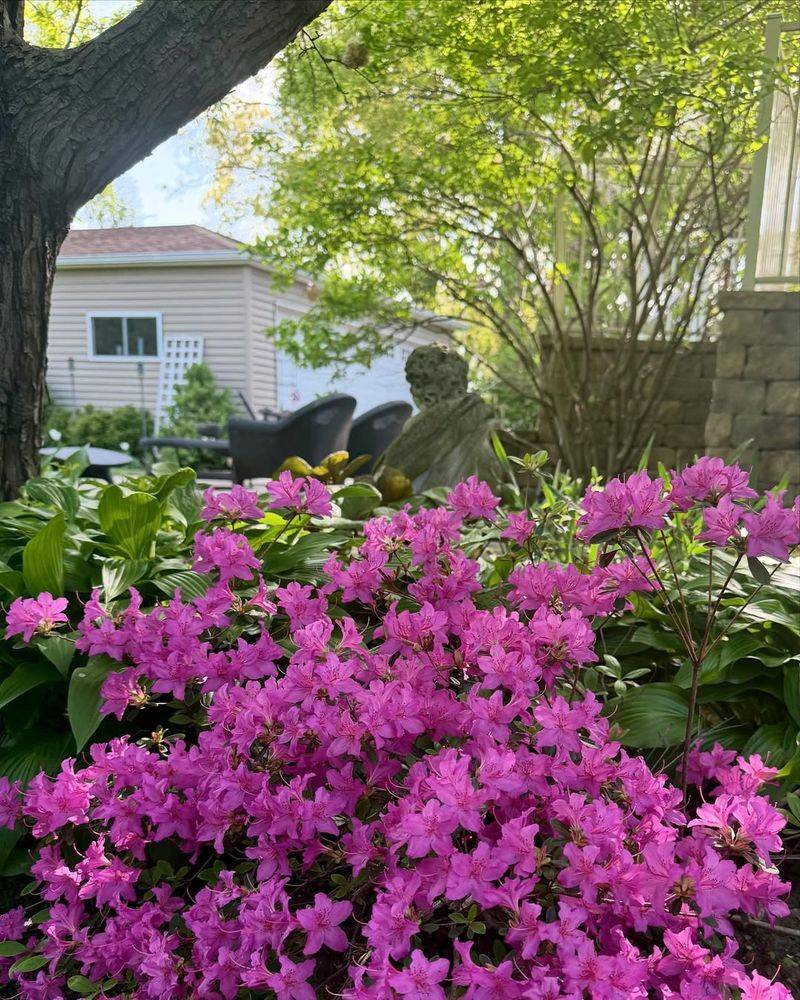
Virginia summers bring intense heat that can overwhelm azaleas quickly. These shrubs evolved under forest canopies, where dappled light filters through leaves above.
Direct sunlight beating down for hours stresses their delicate foliage and flower buds.
Afternoon rays carry more intensity than morning light across the state. Between noon and sunset, temperatures climb highest and humidity often drops.
Azalea leaves exposed during these hours lose moisture faster than roots can replace it.
Leaf scorch appears as brown edges that spread inward over time. Flowers may open smaller or fade quickly when plants struggle with too much sun.
Growth slows because energy goes toward survival rather than expansion.
Morning sun paired with afternoon shade creates ideal conditions throughout Virginia. Eastern exposures allow gentle light without the harsh western heat.
This balance supports healthy photosynthesis without overwhelming the plant.
Established trees provide natural shade patterns that shift with seasons. Deciduous canopies offer winter sun when azaleas are dormant, then summer protection when needed most.
This mimics their native woodland habitat perfectly.
Container-grown specimens suffer even more in full sun exposure. Roots heat up quickly in pots, compounding the stress from intense light.
Moving containers becomes necessary if initial placement proves too bright.
Color intensity fades when flowers bake under relentless afternoon rays. Pinks bleach to pale shades and purples turn muddy brown.
The vibrant display gardeners expect simply cannot develop properly.
Watering demands increase dramatically for azaleas in sunny spots across Virginia. Daily irrigation may become necessary during summer, creating maintenance burdens.
Even with extra water, plants rarely achieve the lush appearance they would in better locations.
2. Poorly Drained Clay Soil
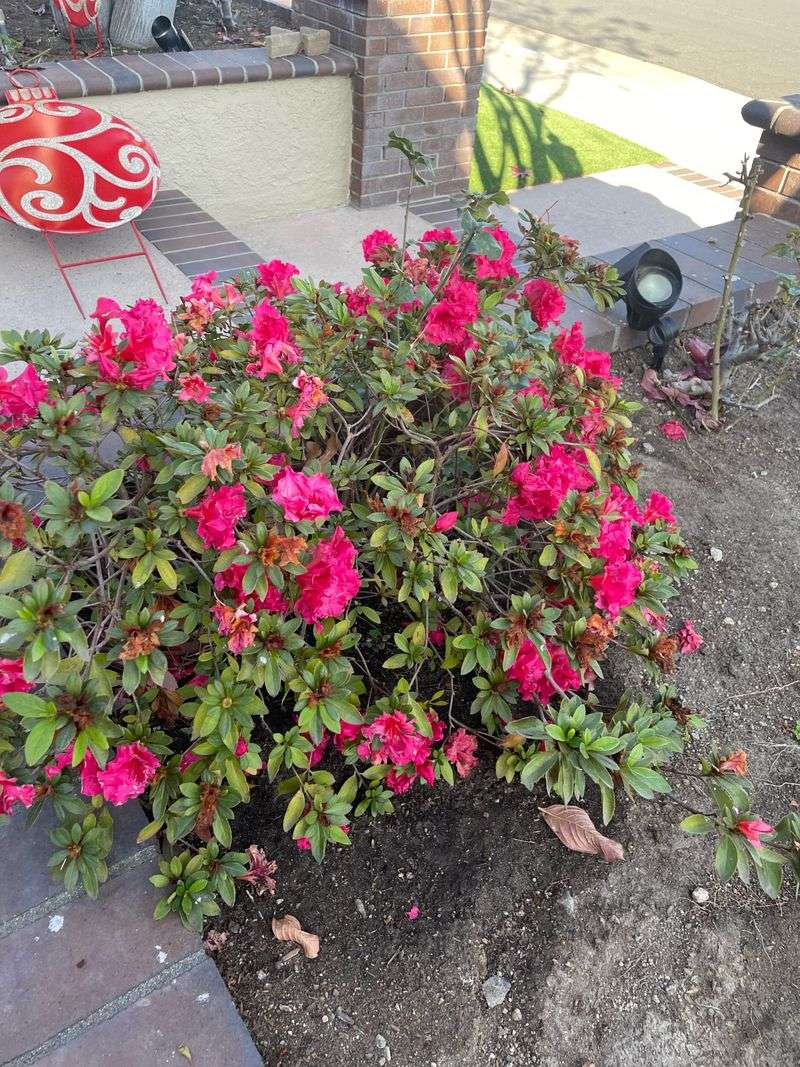
Clay dominates many Virginia landscapes, especially in the Piedmont and Coastal Plain regions. This soil type holds water like a sponge, creating conditions azaleas absolutely cannot tolerate.
Roots need oxygen just as much as they need moisture, and waterlogged clay suffocates them.
Compacted clay forms an impenetrable barrier that roots struggle to penetrate. Water sits on the surface or pools in planting holes dug into this dense material.
Your Virginia Garden Changes Every Week. Your Plan Should Too.
Gardening in Virginia changes quickly throughout the season. Every Friday you’ll receive a simple weekly plan showing exactly what to plant, prune, fertilize, harvest, and protect so you never miss the right timing.
Azalea roots begin to rot within days when surrounded by saturated soil.
Drainage tests reveal clay problems before you plant anything. Dig a hole one foot deep, fill it with water, and watch how quickly it drains.
If water remains after 24 hours, that location spells trouble for azaleas.
Root rot starts silently beneath the ground throughout Virginia gardens. Above-ground symptoms appear gradually as yellowing leaves and stunted growth.
By the time problems become visible, significant root damage has already occurred.
Raised beds offer a practical solution when clay soil cannot be avoided. Building up planting areas with amended soil creates the drainage azaleas require.
Height of just 12 inches makes a tremendous difference in root health.
Native Virginia soils vary dramatically across short distances in many yards. One area might drain perfectly while another just 10 feet away holds water.
Testing multiple spots prevents planting mistakes that lead to disappointment.
Heavy clay warms slowly in spring, delaying root activity when azaleas should be growing. Cold, wet soil combines the worst possible conditions for these shrubs.
Growth lags behind plants in better-draining locations by weeks.
3. Low Spots That Collect Water
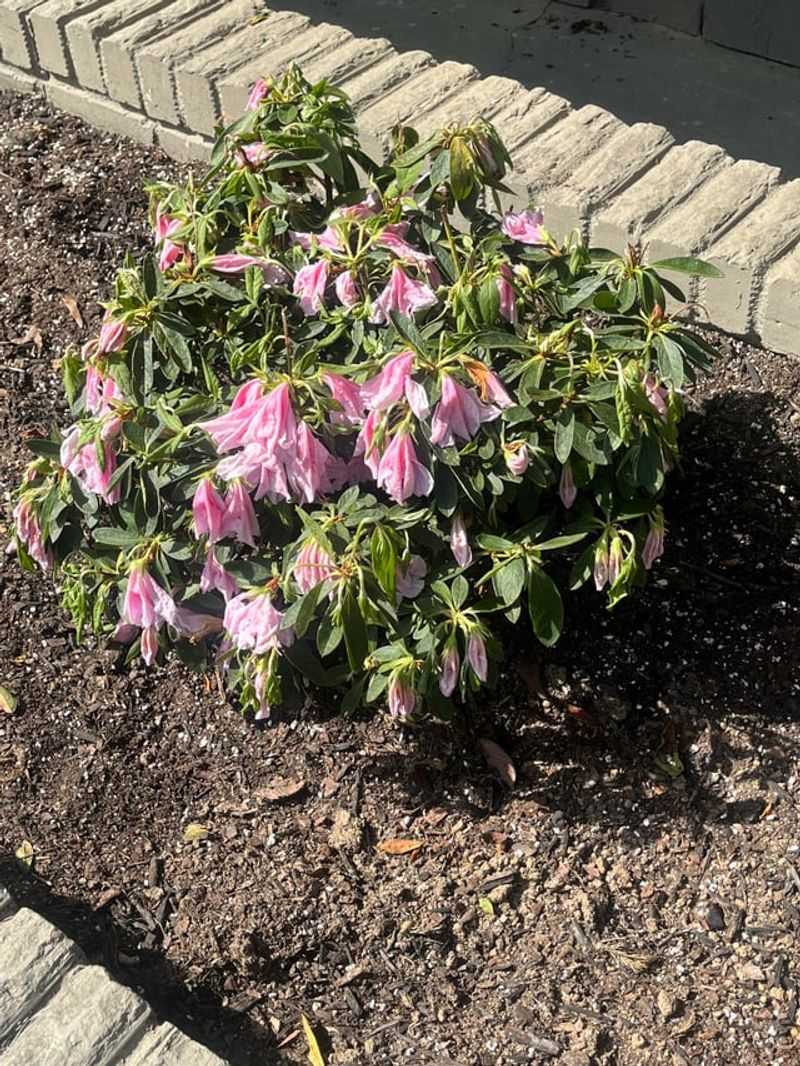
Topography creates natural collection points where water accumulates after every rain. These depressions seem like convenient planting areas, but they spell disaster for azaleas.
Even well-drained soil becomes problematic when located in a low spot across Virginia properties.
Gravity pulls water downhill, concentrating it wherever the ground dips lowest. Spring rains and summer thunderstorms fill these areas quickly.
Azalea roots sitting in these zones experience repeated flooding that weakens their entire system.
Observation during rainstorms reveals problem areas before you plant. Watch where puddles form and how long they persist after precipitation stops.
These wet zones should be crossed off your list of potential azalea locations immediately.
Cold air drainage follows the same paths as water in Virginia landscapes. Low spots become frost pockets where temperatures drop several degrees below surrounding areas.
Late spring freezes damage tender new growth and flower buds on azaleas planted in these cold sinks.
Mosquitoes and fungal diseases thrive in perpetually damp conditions. Azaleas in low spots face increased pest and disease pressure compared to plants on higher ground.
Maintenance demands escalate when environmental conditions favor problems.
Soil oxygen levels plummet when water displaces air in root zones. Azaleas cannot absorb nutrients properly without adequate oxygen around their roots.
Even brief periods of saturation cause stress that accumulates over seasons.
Runoff from surrounding areas carries more than just water into low spots. Fertilizers, pesticides, and sediment concentrate in these collection points throughout Virginia.
Azaleas exposed to this chemical soup struggle even if drainage eventually occurs.
4. Exposed Wind Corridors
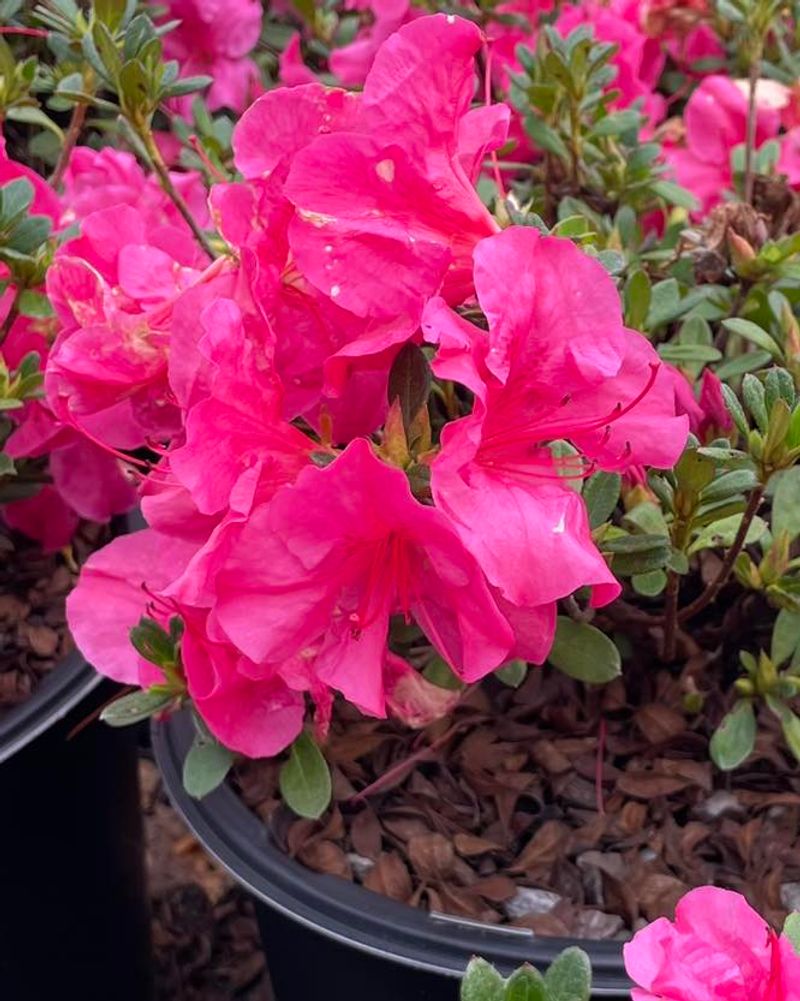
Wind patterns create invisible rivers of moving air that sweep through Virginia landscapes. Gaps between buildings, open hillsides, and corners of structures funnel breezes into concentrated streams.
Azaleas positioned in these pathways face constant battering that damages branches and desiccates foliage.
Winter winds prove especially harsh on evergreen azalea varieties across the state. Cold, dry air strips moisture from leaves faster than dormant roots can replace it.
Browning foliage by spring reveals the toll taken during months of exposure.
Flower buds form during summer but remain on branches through fall and winter. Wind exposure during these dormant months damages these developing buds.
Spring bloom suffers when buds have been battered by months of harsh conditions.
Prevailing winds typically blow from the west in Virginia’s climate. Southern and western exposures without protection receive the strongest gusts.
Eastern and northern sides of buildings offer more shelter for sensitive plantings like azaleas.
Branches break when wind speeds exceed what flexible stems can tolerate. Deciduous azaleas lose their leaves in fall, reducing wind resistance during winter.
Evergreen types maintain foliage year-round, creating more surface area for wind to push against.
Staking newly planted azaleas becomes necessary in windy locations throughout Virginia. Constant movement prevents roots from establishing proper soil contact.
Plants rock back and forth, creating air pockets that dry out root systems.
Mulch blows away from exposed areas, leaving roots vulnerable to temperature extremes. Wind-driven rain hits plants horizontally rather than falling gently from above.
This battering damages flowers and tears delicate new leaves.
5. Areas Next To Concrete Foundations
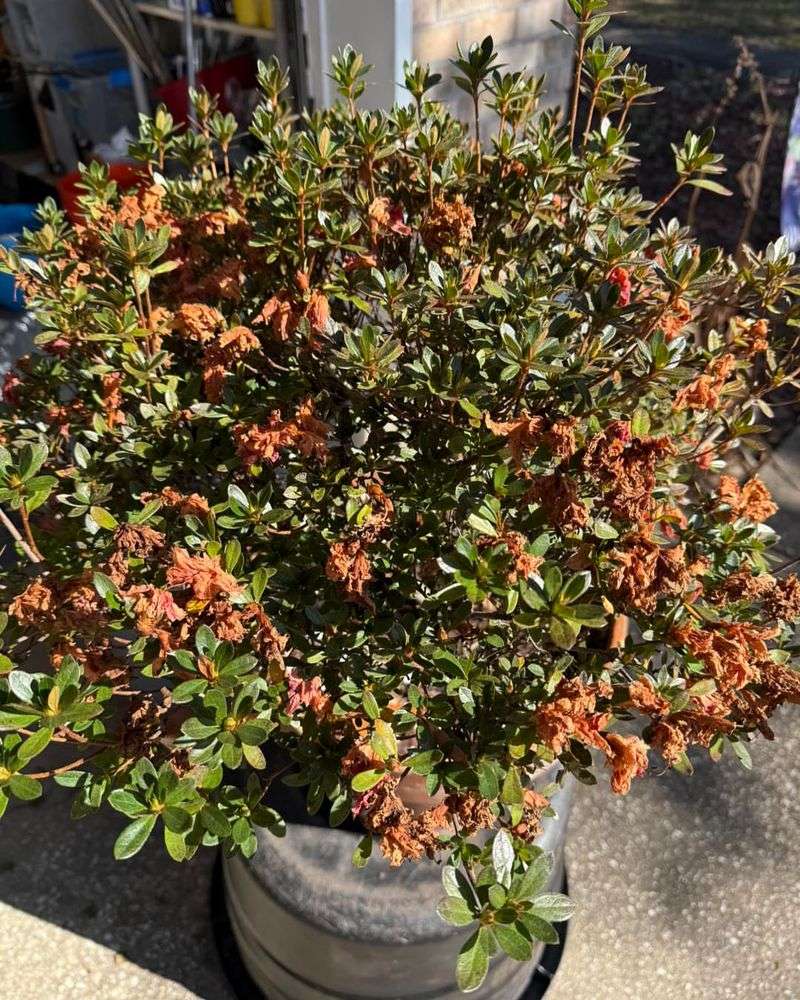
Concrete foundations alter soil chemistry in ways that harm azaleas significantly. Lime leaches from curing concrete for years after construction throughout Virginia.
This calcium carbonate raises pH levels in surrounding soil, creating alkaline conditions these acid-loving plants cannot tolerate.
Azaleas require acidic soil with pH between 4.5 and 6.0 for proper nutrient uptake. Iron, manganese, and other essential elements become unavailable when pH climbs above this range.
Leaves turn yellow with green veins, a condition called chlorosis that indicates nutrient deficiency.
Foundation plantings seem like natural locations for ornamental shrubs around homes. However, the narrow strip between walls and walkways concentrates problems.
Heat radiates from structures, reflected light intensifies, and soil chemistry shifts from concrete contact.
Downspouts often discharge near foundations across Virginia properties. This concentrated water flow creates alternating wet and dry cycles.
Azaleas prefer consistent moisture rather than the feast-or-famine pattern common in these locations.
Roof overhangs create rain shadows that leave foundation areas much drier than open garden beds. Azaleas planted under eaves receive less natural precipitation.
Supplemental watering becomes mandatory rather than occasional, increasing maintenance demands significantly.
Construction debris frequently gets buried near foundations during building projects. Concrete chunks, mortar, and plaster raise pH even more than the foundation itself.
These hidden alkaline sources continue affecting soil chemistry for decades after homes are built.
Testing soil pH before planting reveals problems near concrete structures. Simple test kits available at garden centers show whether amendments can correct the issue.
Sometimes the alkalinity proves too severe for practical correction in Virginia gardens.
6. Under Shallow-Rooted Trees
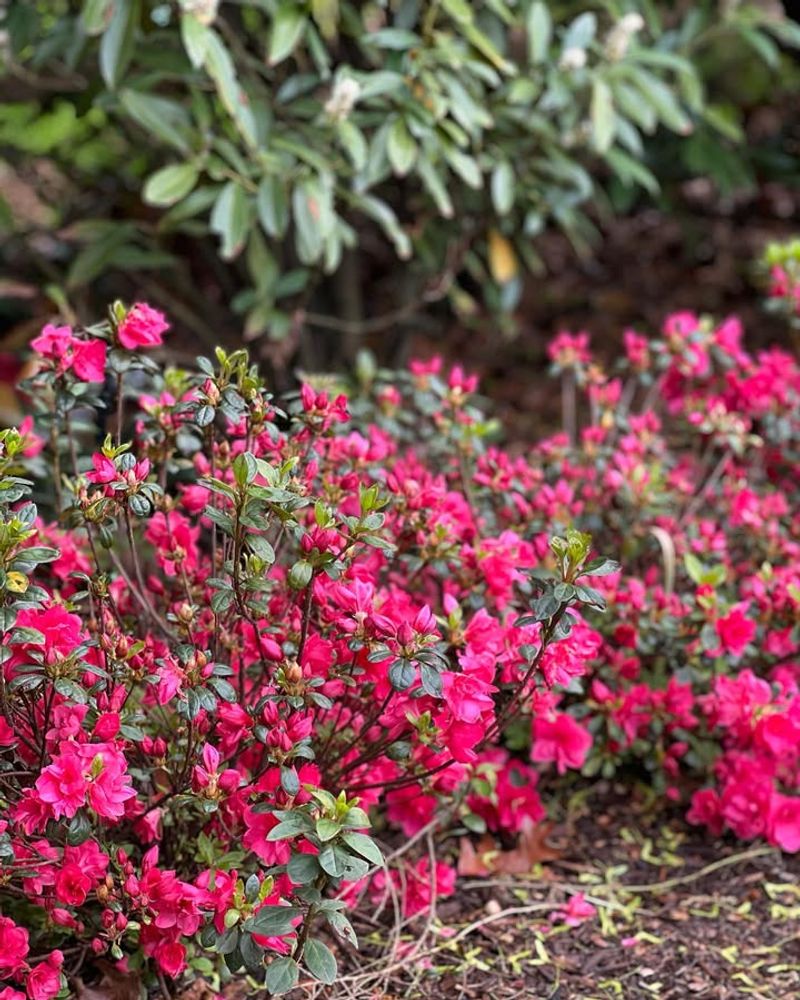
Tree canopies provide the dappled shade azaleas prefer throughout Virginia landscapes. However, not all trees make good companions for these shrubs.
Shallow-rooted species create dense root mats that compete aggressively for water and nutrients in the top soil layers where azaleas also feed.
Maples, beeches, and birches produce extensive surface roots that dominate planting areas. These fibrous networks leave little room for azalea roots to expand.
Competition becomes so intense that shrubs planted beneath these trees struggle to establish regardless of care.
Digging planting holes under shallow-rooted trees proves nearly impossible in many Virginia yards. Roots fill the soil so completely that shovels bounce off the tangled mass.
Cutting through these roots damages the tree while providing only temporary space for azaleas.
Drought stress intensifies for azaleas competing with tree roots for limited moisture. Trees with larger root systems always win this competition.
Shrubs show wilting and leaf drop while the tree canopy above remains green and healthy.
Nutrient deficiencies appear more quickly in azaleas planted under greedy trees. Fertilizers applied to help shrubs often get absorbed by tree roots instead.
This interception makes feeding azaleas effectively almost impossible in these locations.
Root competition increases every year as both trees and shrubs grow larger. What starts as manageable stress becomes overwhelming as tree roots expand.
Azaleas that initially survived may decline after several seasons of escalating competition.
Oak trees offer better companionship for azaleas across Virginia landscapes. Their deeper root systems explore lower soil layers, leaving surface zones less congested.
This reduced competition allows azaleas to establish successfully under oak canopies.
Pine trees also make excellent companions with their deep taproots and sparse surface roots. The acidic needles they drop benefit azaleas by maintaining low soil pH.
This natural mulch provides exactly what azaleas need without requiring additional amendments.
7. South-Facing Slopes With Intense Heat
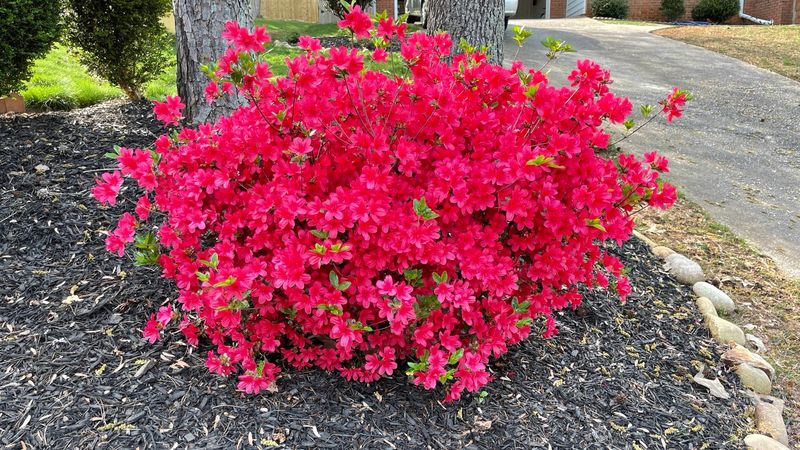
Slope orientation dramatically affects temperature and light exposure throughout Virginia. South-facing hillsides receive direct sunlight for the longest duration each day.
This exposure creates the hottest microclimates in any landscape, with temperatures several degrees above surrounding areas.
Heat accumulates on slopes facing south, baking soil and stressing plant roots. Azaleas planted on these inclines experience desert-like conditions during summer months.
Moisture evaporates rapidly from both soil and foliage, creating constant water deficits.
Reflected light from the ground intensifies exposure beyond what flat areas experience. This doubled radiation hits plants from both direct sun above and reflection below.
Leaves cannot escape the relentless energy, leading to severe stress across Virginia gardens.
Soil dries out faster on slopes than level ground regardless of orientation. Water runs downhill rather than soaking in, especially during heavy rains.
South-facing angles compound this drainage with intense heat that evaporates remaining moisture quickly.
Winter sun sits lower in the sky, striking south slopes more directly during cold months. This creates temperature fluctuations that damage evergreen azaleas through freeze-thaw cycles.
Flower buds swell during warm spells, then suffer injury when temperatures plummet overnight.
Erosion challenges increase on slopes, washing away mulch and topsoil. Azalea roots become exposed when soil erodes, creating additional stress.
Maintaining proper growing conditions requires constant effort on these difficult sites.
North-facing slopes offer cooler, more stable conditions preferred by azaleas throughout Virginia. These orientations receive less direct sun and maintain more consistent moisture levels.
Temperature extremes moderate on northern exposures, reducing stress on sensitive plants.
Eastern slopes provide morning sun without afternoon heat intensity. Western exposures deliver cooler morning shade but hotter afternoon conditions.
Understanding these orientation differences helps gardeners choose the best locations for azaleas across varied topography.
8. Soil With High Lime Content
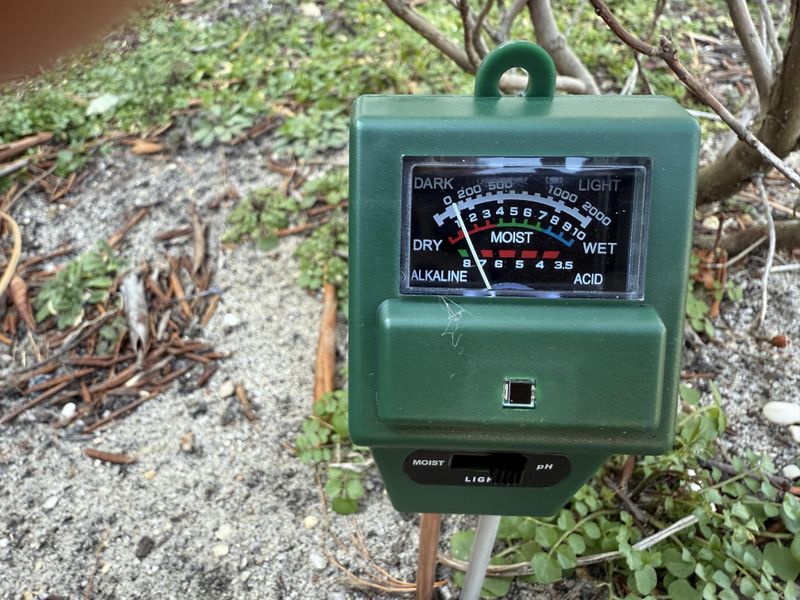
Limestone bedrock underlies portions of Virginia, particularly in the Shenandoah Valley and western regions. Soils developing over this geology naturally contain high calcium levels.
These alkaline conditions prevent azaleas from accessing nutrients essential for healthy growth and vibrant blooms.
Iron chlorosis appears as the most visible symptom of alkaline soil problems. Leaves turn yellow while veins remain green, creating a distinctive striped pattern.
This condition indicates iron is present in soil but locked in forms azaleas cannot absorb at high pH levels.
Soil testing reveals pH levels that determine whether azaleas can succeed. County extension offices throughout Virginia offer inexpensive testing services.
Results showing pH above 6.5 indicate locations where azaleas will struggle without extensive amendment.
Sulfur applications lower pH temporarily but require repeated treatments in limestone-based soils. The underlying geology continues releasing calcium, fighting against acidification efforts.
This becomes an endless battle that many gardeners eventually abandon in frustration.
Well water in limestone regions often carries high pH that affects irrigation. Watering azaleas with alkaline water gradually raises soil pH even if it started in the acceptable range.
This hidden factor confounds gardeners who cannot understand why plants decline despite proper care.
Aluminum sulfate acidifies soil faster than elemental sulfur but poses risks. Excessive aluminum becomes toxic to azaleas if applied too heavily.
Careful calculation and gradual application prevent damage while addressing pH problems across Virginia gardens.
Container growing offers an alternative when native soil proves too alkaline. Filling large pots with acidic potting mix creates ideal conditions regardless of ground soil chemistry.
This approach works well for small collections but becomes impractical for landscape-scale plantings.
Native azalea species growing wild in Virginia indicate naturally acidic soil areas. Observing where these plants thrive in local forests guides garden placement decisions.
Mimicking these natural conditions leads to greater success than fighting against unsuitable soil chemistry.
9. Locations With Constant Foot Traffic
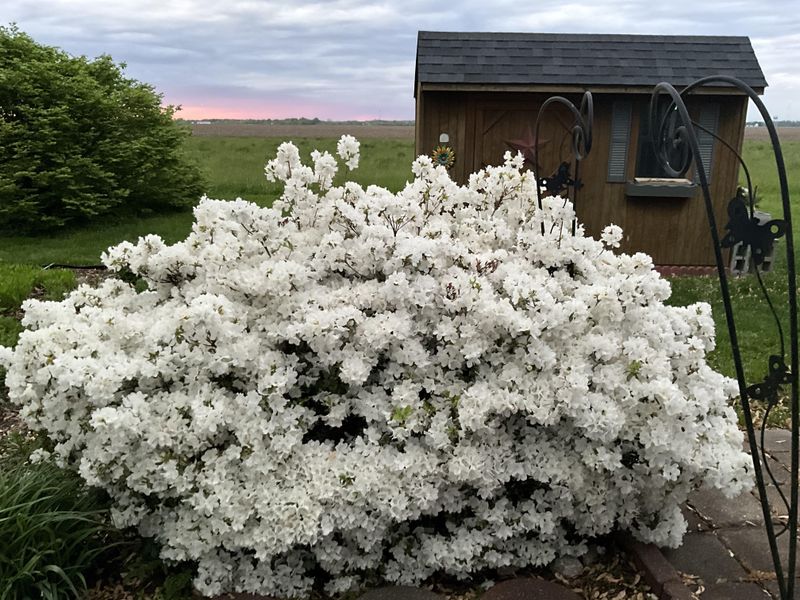
Pathways and shortcuts develop naturally where people repeatedly walk through Virginia landscapes. These traffic patterns compact soil severely, crushing air spaces between particles.
Azalea roots require loose, porous soil that allows both oxygen penetration and water movement.
Compaction creates rock-hard surfaces that roots cannot penetrate effectively. Even light foot traffic repeated over time produces this effect.
Azaleas planted near sidewalks, between buildings, or along informal paths face this invisible but damaging pressure.
Children and pets create especially intense traffic in certain yard areas. Play zones, routes to favorite spots, and gathering areas receive concentrated use.
Azaleas positioned in these locations get trampled, broken, and stressed beyond recovery.
Branches snap when people brush past azaleas in tight spaces throughout Virginia gardens. Narrow side yards and passages between plantings and structures cause this damage.
Even without intentional contact, regular passage breaks stems and tears foliage.
Mulch disappears quickly from high-traffic areas, leaving roots exposed. Constant disturbance prevents organic matter from decomposing into soil.
The beneficial effects of mulching cannot occur when material gets kicked away repeatedly.
Soil compaction prevents water infiltration, causing runoff even during gentle rains. Irrigation cannot penetrate the hardened surface to reach azalea roots below.
Plants show drought stress despite adequate rainfall because water never reaches their root zone.
Edge plantings along driveways suffer from both foot traffic and vehicle proximity. Car doors opening strike branches while passengers stepping out compact soil.
Salt spray during winter adds another layer of stress for azaleas in these vulnerable locations.
Installing physical barriers protects azaleas but may look unattractive in Virginia landscapes. Low fences, edging, or decorative stones guide traffic away from plantings.
However, choosing less-trafficked locations from the start eliminates the need for these interventions.