How You Can Grow Monstera Obliqua Successfully In Your New York Home
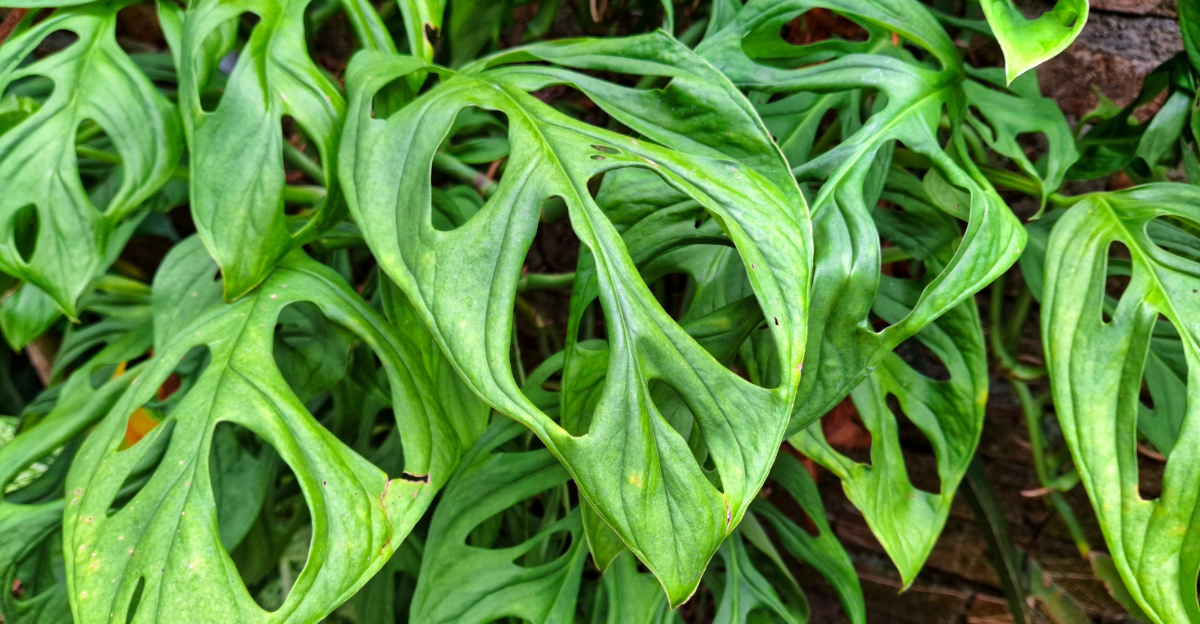
That moment when you spot a Monstera obliqua and instantly love how delicate it looks, while also wondering if it’s far too difficult to keep alive, is very real.
In New York homes, plants have to adjust to limited space, shifting light, and indoor conditions that change dramatically through the year.
That combination can make caring for something so rare and airy feel intimidating before it even arrives.
Still, many plant lovers feel drawn to this plant because it brings a light, almost floating presence that few houseplants can match.
It doesn’t just fill a corner, but subtly changes how a room feels when it’s healthy.
Growing it successfully isn’t about luck or perfection, but about aligning your space with what the plant quietly responds to. When the setup starts working, confidence replaces hesitation surprisingly fast.
That’s when keeping Monstera obliqua in a New York home begins to feel possible rather than risky.
1. Provide Bright Filtered Light Near An East Or South-Facing Window
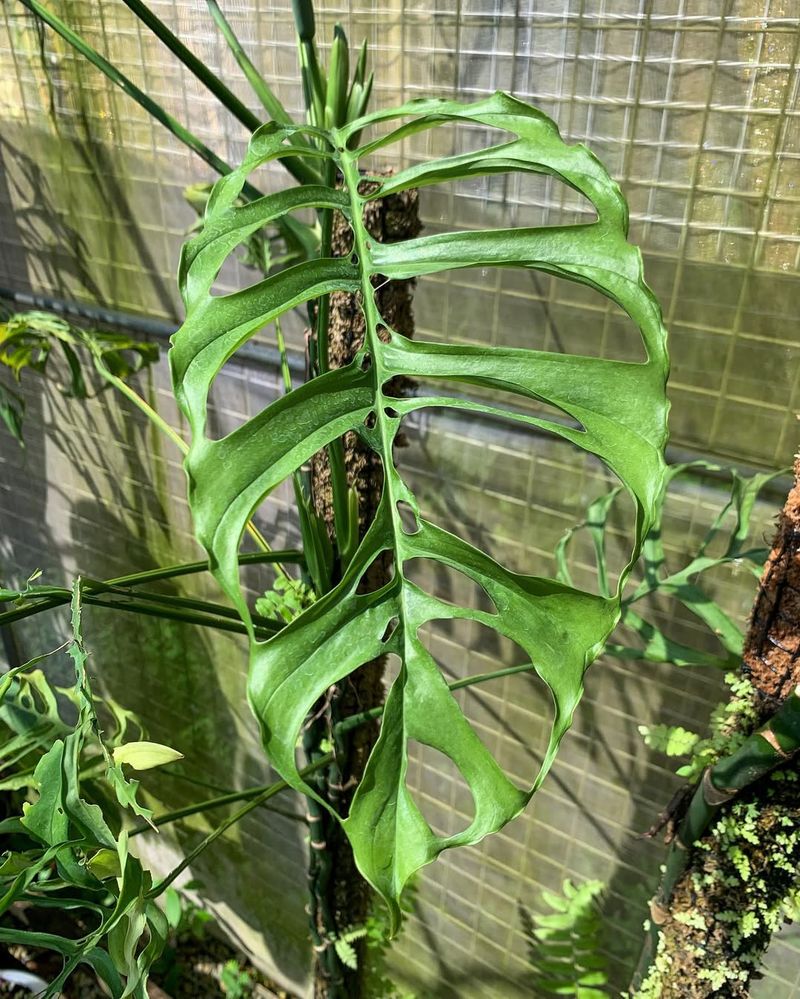
Natural light becomes tricky during New York winters when days grow shorter and the sun sits lower in the sky. Your Monstera obliqua craves brightness but cannot handle harsh direct rays that might scorch its delicate, fenestrated leaves.
East-facing windows offer gentle morning sunlight that energizes the plant without overwhelming it.
South-facing windows work beautifully too, but you’ll need to filter the light with a sheer curtain during peak afternoon hours. The goal is creating that dappled forest canopy effect this plant would experience in its native Peruvian habitat.
Too little light causes weak growth and fewer of those signature holes in the leaves.
Rotating your plant every few weeks ensures all sides receive equal exposure and prevents lopsided growth. New York apartments often have limited window space, so choosing the right spot matters tremendously.
Consider the seasonal sun angle changes throughout the year when positioning your plant.
Artificial grow lights can supplement natural light during darker winter months when New York experiences cloudy stretches. Position lights about twelve to eighteen inches above the foliage for best results.
Monitor how your plant responds and adjust placement accordingly.
Leaf color tells you everything about light levels—pale leaves mean too much exposure while dark green indicates insufficient brightness.
2. Maintain Consistent Indoor Temperatures Above 65°F
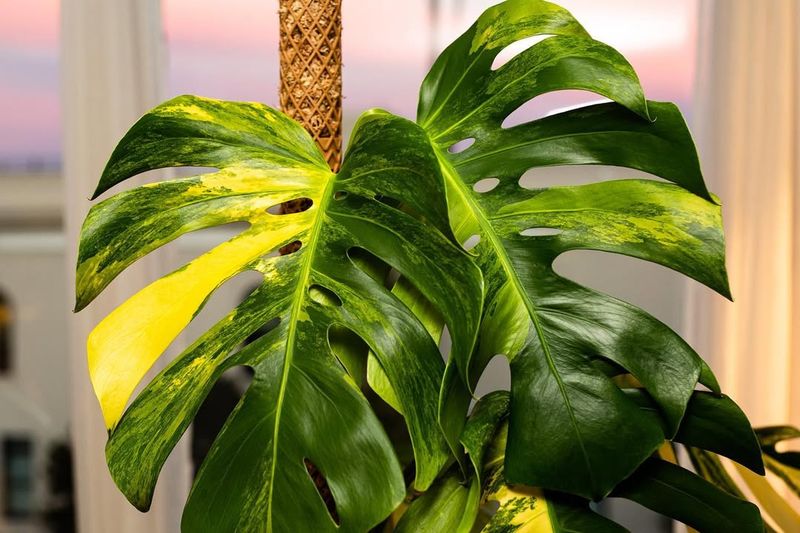
Temperature fluctuations stress tropical plants more than almost any other factor, and Monstera obliqua proves particularly sensitive to cold snaps. New York homes experience dramatic temperature swings between seasons, making consistency challenging but absolutely necessary.
Keeping your thermostat steady between 65°F and 80°F creates the tropical warmth this plant evolved to expect.
Nighttime temperatures can drop slightly without causing harm, but sudden chills trigger stress responses that weaken the plant over time. Central heating helps during winter, though it often creates other problems like excessive dryness.
The key is avoiding temperature extremes rather than achieving perfection.
Basements and unheated rooms in New York buildings get too cold for this delicate species during winter months. Even brief exposure to temperatures below 60°F can cause lasting damage to tender new growth.
Your New York Garden Changes Every Week. Your Plan Should Too.
Gardening in New York changes quickly throughout the season. Every Friday you’ll receive a simple weekly plan showing exactly what to plant, prune, fertilize, harvest, and protect so you never miss the right timing.
Check the temperature near your plant’s location rather than relying on your general room thermostat.
Seasonal transitions require extra vigilance as New York weather shifts unpredictably between warm and cold spells. Spring and fall bring the trickiest conditions when outdoor temperatures influence indoor comfort.
Your plant cannot adapt quickly to rapid changes.
Investing in a simple thermometer near your plant helps you track conditions accurately and respond before problems develop.
3. Keep Humidity Levels Very High Using A Humidifier
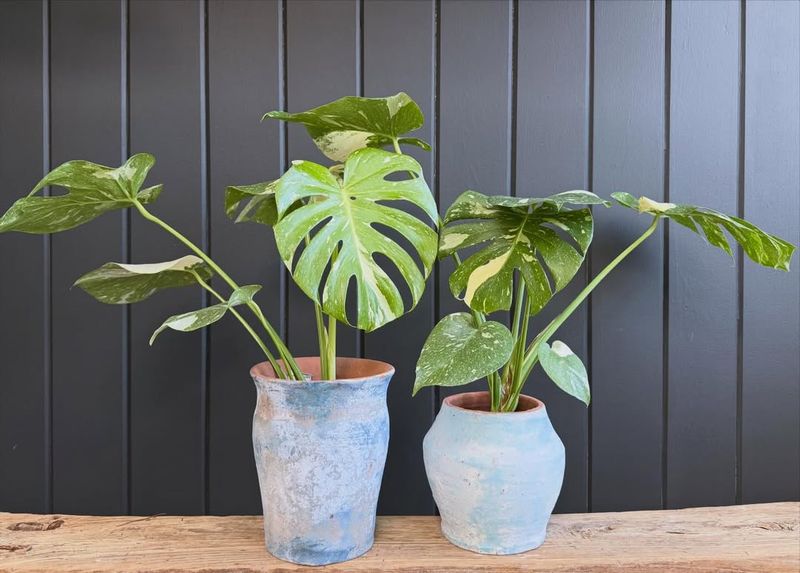
Dry indoor air ranks among the biggest challenges for growing Monstera obliqua successfully in New York homes where heating systems strip moisture from the environment. This plant evolved in humid rainforests where moisture saturates the air constantly, making 80% humidity or higher ideal for optimal growth.
Standard household humidity typically hovers around 30-40%, which falls dangerously short of what your plant requires.
Investing in a quality humidifier becomes non-negotiable rather than optional for this species. Position the humidifier near your plant but not so close that water droplets settle directly on the leaves.
Running it continuously during winter months when radiators blast hot dry air protects your plant from stress.
Grouping multiple tropical plants together creates a microclimate where they collectively release moisture through transpiration. Pebble trays filled with water beneath the pot add minimal humidity but every bit helps in New York’s challenging conditions.
Misting provides temporary relief but evaporates too quickly to make a significant difference.
Bathroom environments naturally maintain higher humidity levels if you have adequate light near a window. Monitoring humidity with a hygrometer lets you track conditions accurately rather than guessing.
Brown leaf edges signal insufficient moisture in the air long before other symptoms appear.
Consistent high humidity prevents many common problems and keeps those spectacular fenestrated leaves looking their absolute best throughout every season.
4. Use An Airy Fast-Draining Potting Mix Designed For Aroids
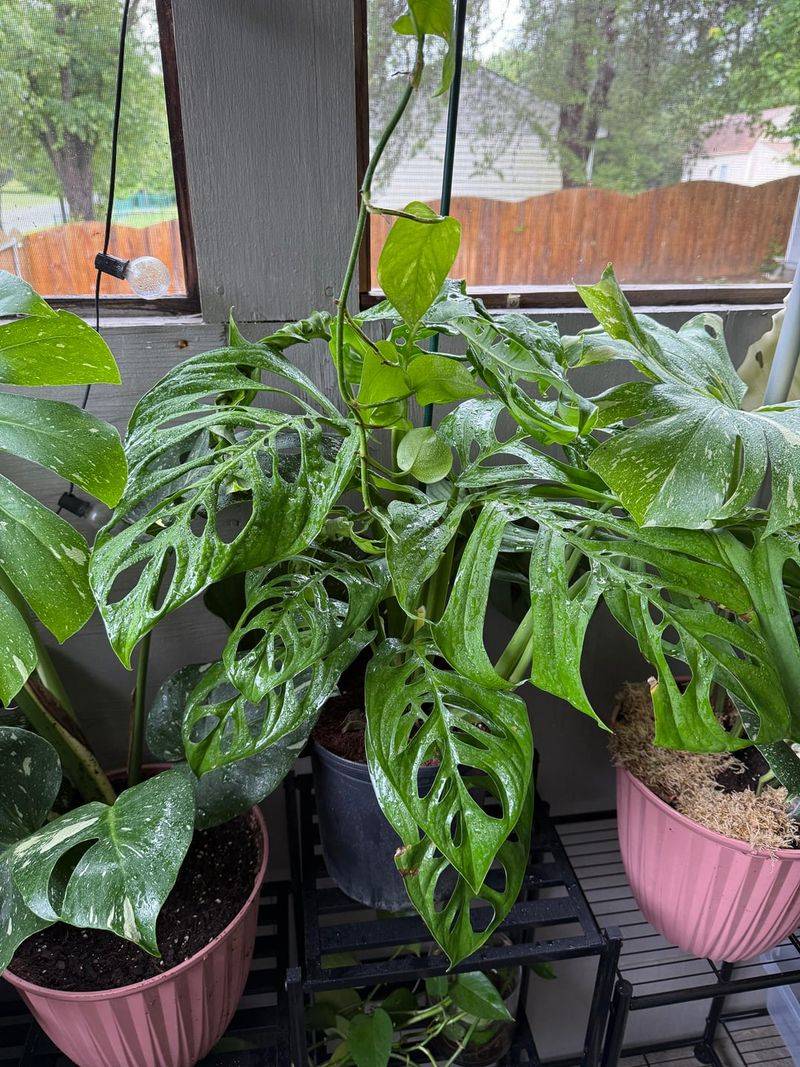
Soil composition determines whether your Monstera obliqua thrives or struggles since this epiphytic plant grows naturally on trees rather than in ground soil. Standard potting mix retains too much moisture and suffocates the delicate roots that need constant air circulation.
Specialized aroid mixes contain chunky components like orchid bark, perlite, and charcoal that create air pockets throughout the medium.
You can purchase pre-made aroid blends from specialty plant shops in New York or mix your own using equal parts orchid bark, perlite, peat moss, and a handful of charcoal. The mixture should feel light and fluffy rather than dense and heavy.
Water must flow through quickly without pooling or remaining soggy.
Roots need oxygen just as much as they need moisture, and compacted soil starves them of this essential element. Adding sphagnum moss increases moisture retention slightly while maintaining excellent drainage.
The pH level should stay slightly acidic, between 5.5 and 6.5, which most aroid mixes naturally provide.
Repotting every two years refreshes the medium as components break down and compress over time. New York’s hard tap water can alter soil chemistry gradually, making periodic replacement important.
Always use pots with drainage holes since trapped water causes more problems than almost any other care mistake.
Quality potting medium costs more upfront but prevents countless issues down the road, making it a worthwhile investment for such a rare and valuable plant.
5. Water Thoroughly Only After The Top Layer Of Soil Dries
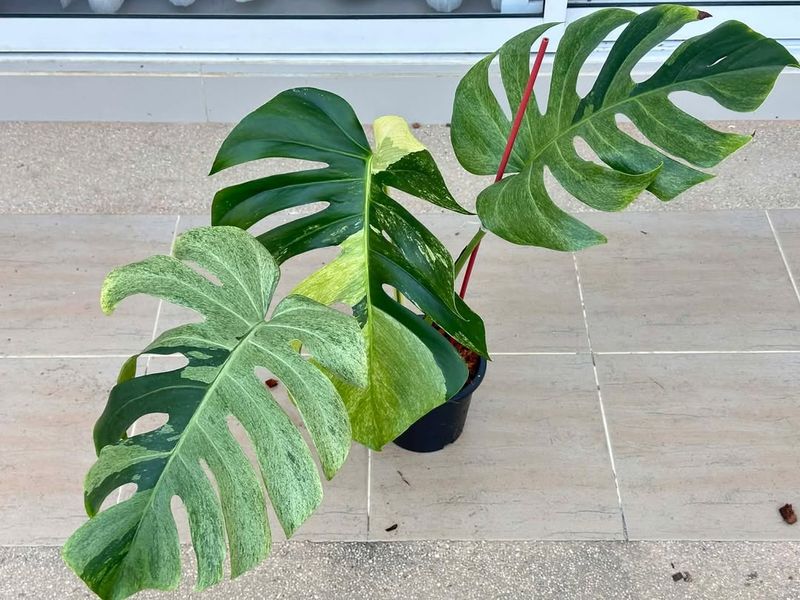
Watering frequency confuses many plant owners because no fixed schedule works for every situation in New York’s variable indoor conditions. Your Monstera obliqua needs consistent moisture but absolutely cannot tolerate waterlogged roots that quickly develop rot.
Checking the soil before watering prevents both overwatering and underwatering problems.
Insert your finger about two inches deep into the potting mix to feel the moisture level below the surface. The top layer dries faster than deeper areas, especially in heated New York apartments during winter.
When the top two inches feel dry to the touch, water thoroughly until excess drains from the bottom holes.
Complete saturation ensures water reaches all root zones rather than just wetting the surface. Empty the drainage tray after fifteen minutes so the pot never sits in standing water.
Seasonal changes affect how quickly soil dries—summer heat and air conditioning remove moisture faster than winter conditions.
Smaller pots dry out more rapidly than larger containers, and terracotta absorbs moisture while plastic retains it longer. New York’s tap water contains minerals and chlorine that can accumulate in soil over time, so letting water sit overnight before using it helps chemicals dissipate.
Room temperature water prevents shocking the roots with cold liquid straight from the tap.
Yellow leaves often indicate overwatering while crispy brown edges suggest insufficient moisture, helping you adjust your watering routine based on what your specific plant shows you.
6. Place The Plant Away From Cold Drafts And Winter Windows
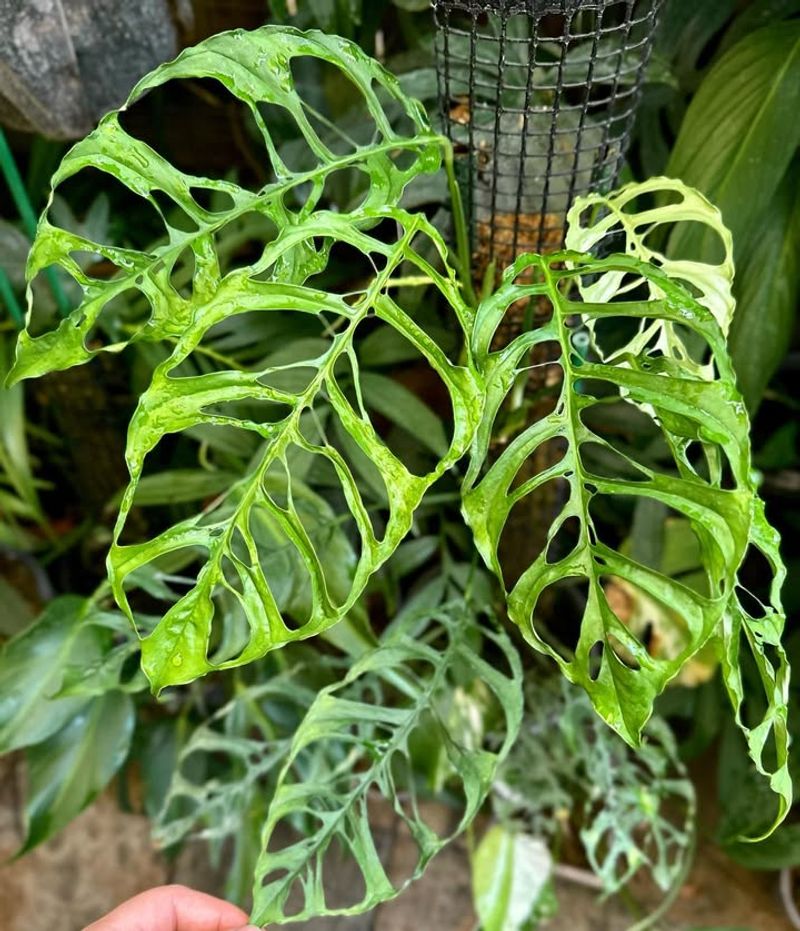
Cold air sneaks into even well-insulated New York apartments through window frames and door gaps during harsh winter months. Your Monstera obliqua cannot tolerate these temperature drops that occur near drafty areas, even if the rest of your room feels comfortable.
Windows radiate cold from the glass surface itself, creating a chilly zone several feet into the room.
Moving your plant at least three feet away from windows during winter protects it from this cold radiation zone. Old New York buildings with single-pane windows present particular challenges as frost sometimes forms on interior glass.
Feel the area near your windows on a cold day to identify these problematic spots.
Doorways to hallways, balconies, or unheated areas create blast zones where cold air rushes in each time someone passes through. Even brief exposures add up over time and stress your plant unnecessarily.
Hallway doors in apartment buildings often open frequently, making nearby spots unsuitable for sensitive tropical plants.
Air conditioning vents during summer create similar problems with cold drafts that shock foliage directly. Redirecting vents or using deflectors prevents direct airflow from hitting your plant.
New York’s extreme seasonal temperature swings mean you might need to relocate your plant twice yearly for optimal conditions.
Strategic placement away from these trouble spots makes a tremendous difference in how well your Monstera obliqua tolerates indoor living throughout every season New York throws at it.
7. Avoid Direct Heat From Radiators And Heating Vents
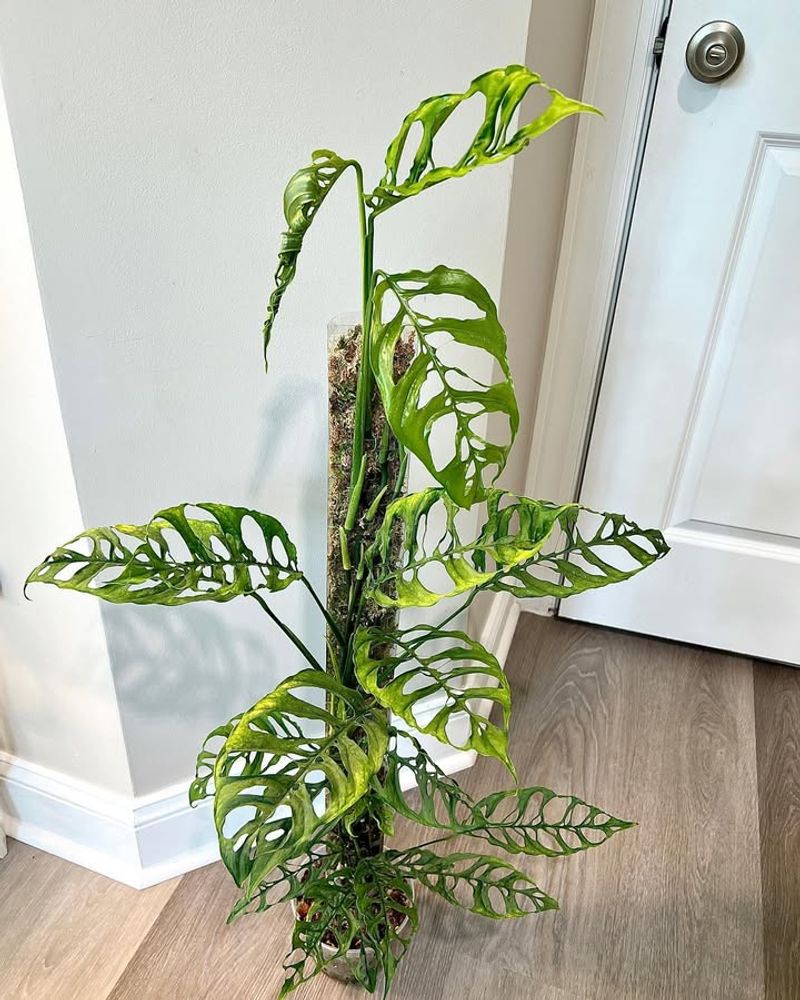
Radiator heat in older New York buildings creates extremely dry, hot zones that spell disaster for moisture-loving tropical plants like Monstera obliqua. These cast iron units pump out intense warmth that desiccates everything nearby within hours.
Even modern forced-air heating systems blast hot dry air that strips humidity faster than you can replace it.
Positioning your plant at least five feet from any heat source prevents direct exposure to these harsh conditions. Hot air rises and spreads throughout a room, but the immediate area near radiators and vents experiences the most extreme drying effect.
Feeling the temperature gradient in your room helps identify safe zones versus danger areas.
Radiator covers help diffuse heat somewhat but don’t eliminate the drying effect entirely in New York homes. Plants placed directly above floor vents receive constant blasts of hot air that curl and brown leaf edges rapidly.
Some apartment layouts make avoiding heat sources challenging, requiring creative furniture arrangement to create buffer zones.
Running your humidifier near heating elements helps counteract some drying but cannot completely overcome direct heat exposure. Winter heating remains necessary for your comfort and the plant’s temperature requirements, making strategic placement your best defense.
Check your plant regularly during heating season for signs of heat stress like crispy leaf margins.
Balancing warmth with humidity becomes the ultimate challenge in New York homes where heating systems run constantly for months during cold weather periods.
8. Ensure Gentle Air Circulation Without Strong Fans
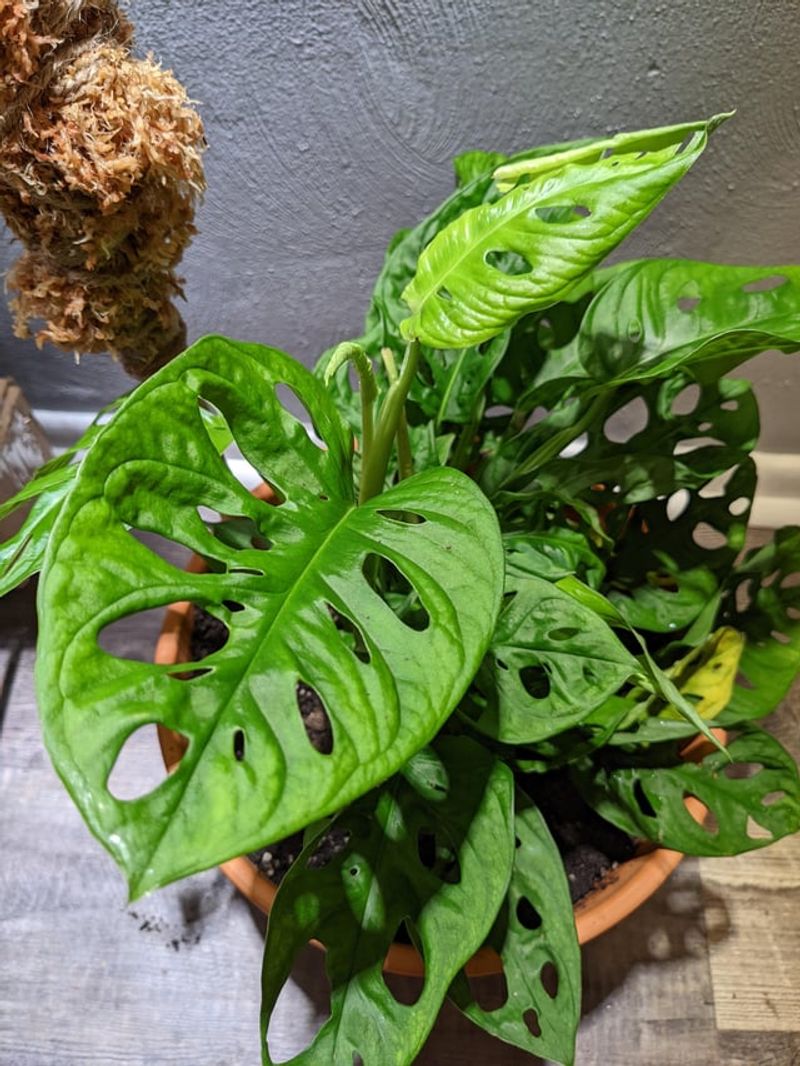
Stagnant air encourages fungal growth and pest problems that target Monstera obliqua’s delicate foliage, making some air movement essential for plant health. However, strong direct airflow from fans desiccates leaves and stresses the plant just as badly as no circulation at all.
Finding the balance between these extremes creates ideal conditions in your New York home.
Ceiling fans set on low speed provide gentle ambient circulation without creating harsh direct wind. Oscillating fans should never point directly at your plant but rather move air throughout the general room space.
Natural air movement from opening windows during mild weather offers perfect gentle circulation when New York temperatures allow.
Air conditioning and heating systems already create some circulation, though often too intense when blowing directly on plants. Strategic placement where your plant receives indirect air movement from these systems works well.
Box fans positioned across the room to move air past rather than at your plant maintain circulation without causing stress.
Still air in corners and closed rooms creates pockets where humidity builds excessively and fungal spores thrive. Your Monstera obliqua appreciates the gentle breeze it would experience in its natural rainforest canopy habitat.
New York apartments vary tremendously in natural ventilation depending on building design and window placement.
Monitoring your plant’s response to air movement helps you adjust fan speeds and positions until you find the sweet spot that keeps air fresh without causing leaf damage or excessive moisture loss.
9. Fertilize Lightly During Spring And Summer Growth Periods
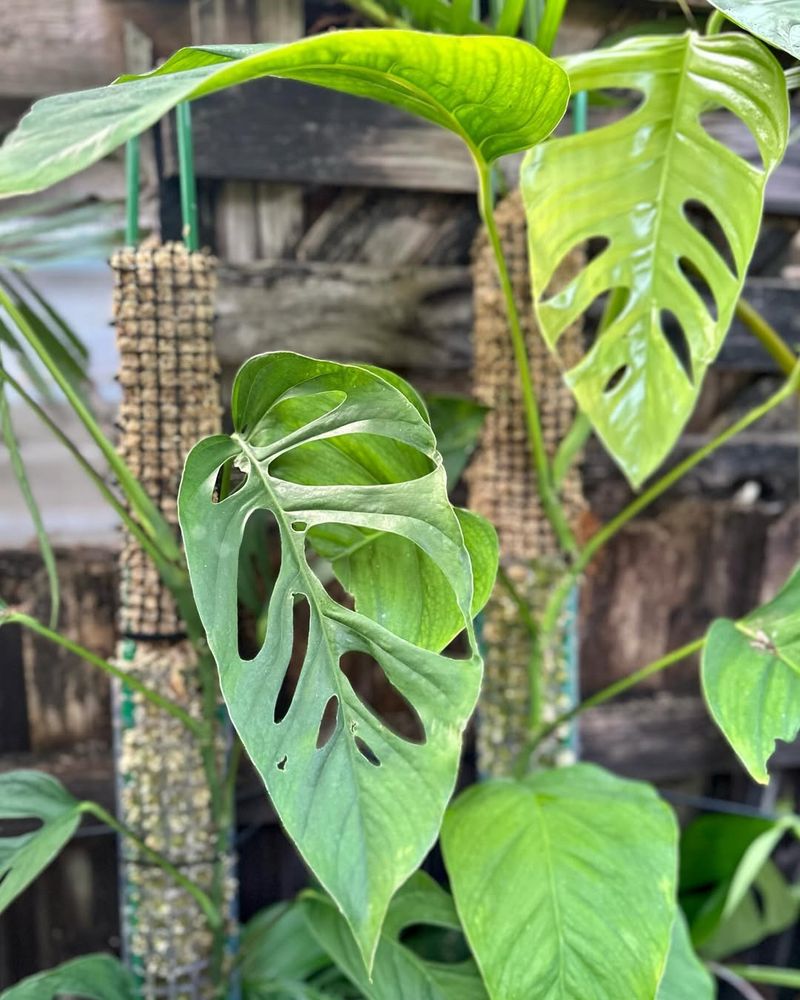
Active growth happens primarily during warmer months when longer days and stronger light trigger your Monstera obliqua to produce new leaves and extend vines. Supporting this growth with appropriate nutrients helps your plant develop those stunning fenestrations and maintain vibrant health.
However, this species requires far less fertilizer than many common houseplants since it evolved as an epiphyte with minimal nutrient availability.
Using a balanced liquid fertilizer diluted to quarter strength once monthly during spring and summer provides adequate nutrition without overwhelming delicate roots. New York’s growing season typically runs from April through September when indoor conditions naturally support active growth.
Stronger concentrations or more frequent applications cause fertilizer burn and salt buildup in the potting medium.
Completely stop fertilizing during fall and winter when growth naturally slows and the plant enters a rest period. Forcing growth during short dark New York winter days with excess fertilizer creates weak, stretched growth that looks unhealthy.
Organic options like diluted worm casting tea provide gentle nutrition that’s harder to overdo.
Flushing the soil every few months by running water through until it drains clear removes accumulated salts from fertilizer and New York’s mineral-rich tap water. Yellowing leaves with green veins might indicate nutrient deficiency while brown crispy tips often signal fertilizer burn.
Your plant’s appearance guides you toward the right feeding schedule.
Less truly means more with this rare species where cautious feeding produces better results than enthusiastic over-fertilizing that damages sensitive root systems.