9 Flowers You Can Grow In California For Standout Arrangements
You might cut flowers from your California garden, arrange them carefully, and still feel like something is missing when you step back and look.
That moment of doubt is common, especially when the plants themselves looked beautiful growing outdoors.
Not every arrangement turns out perfectly, and that doesn’t mean you did anything wrong or chose poorly.
When the same issue keeps happening, though, it often points to flower choices that don’t naturally hold their shape, color, or presence after cutting. Some blooms are simply better suited for garden beds than vases, even under ideal conditions.
Recognizing that difference is usually the turning point between arrangements that fade fast and ones that truly stand out.
Understanding why certain flowers perform better than others makes the process feel far less frustrating.
With the right selections, creating standout arrangements in California can feel natural, reliable, and much more rewarding.
1. Zinnia
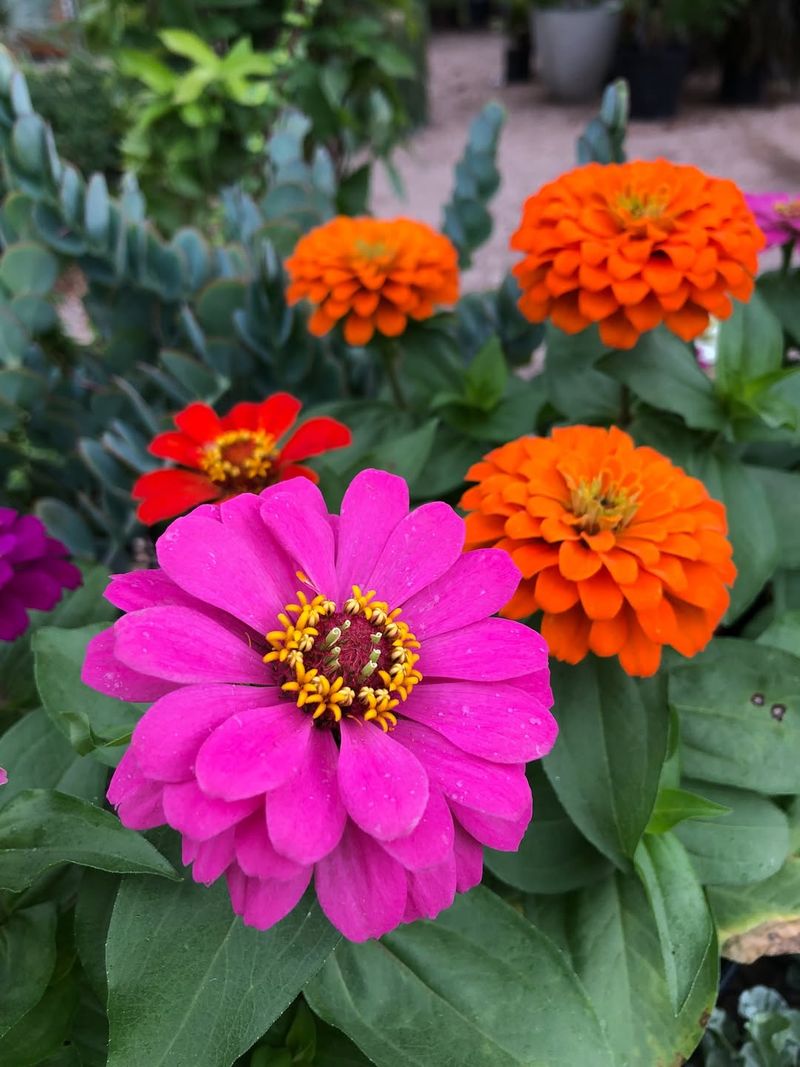
Bright colors jump out from every petal when you grow zinnias in your California garden. These cheerful flowers love the warm sunshine and don’t mind the heat that comes with summer in the Golden State.
You’ll find them easy to start from seed, and they’ll reward your efforts with blooms that keep coming all season long.
Your cutting garden will benefit from zinnias because they produce flowers faster than almost any other annual. Plant them after the last frost, and you’ll see blooms in about sixty days.
California’s extended growing season means you can plant successive crops and enjoy fresh flowers from late spring through fall.
Tall varieties work best for arrangements since they give you long stems to work with. Look for types that grow three to four feet high, and you’ll have plenty of stem length for vases.
The shorter types are pretty in the garden but harder to use in bouquets.
Cutting zinnias actually makes them produce more flowers, so don’t feel bad about snipping stems regularly. Each time you cut, the plant branches out and creates new buds.
This means more blooms for your home and a healthier, bushier plant in your California garden bed.
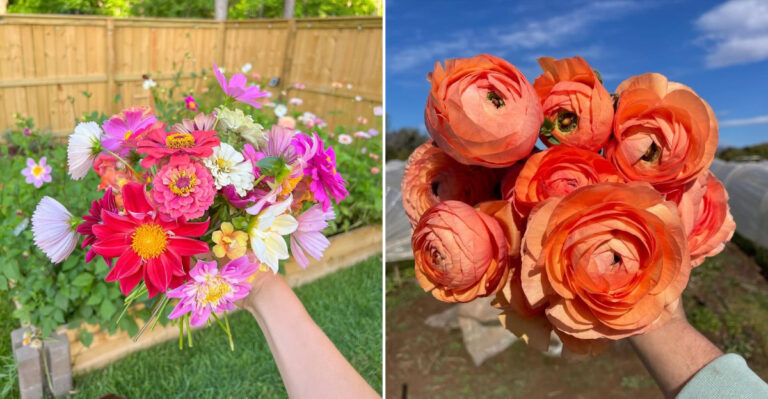
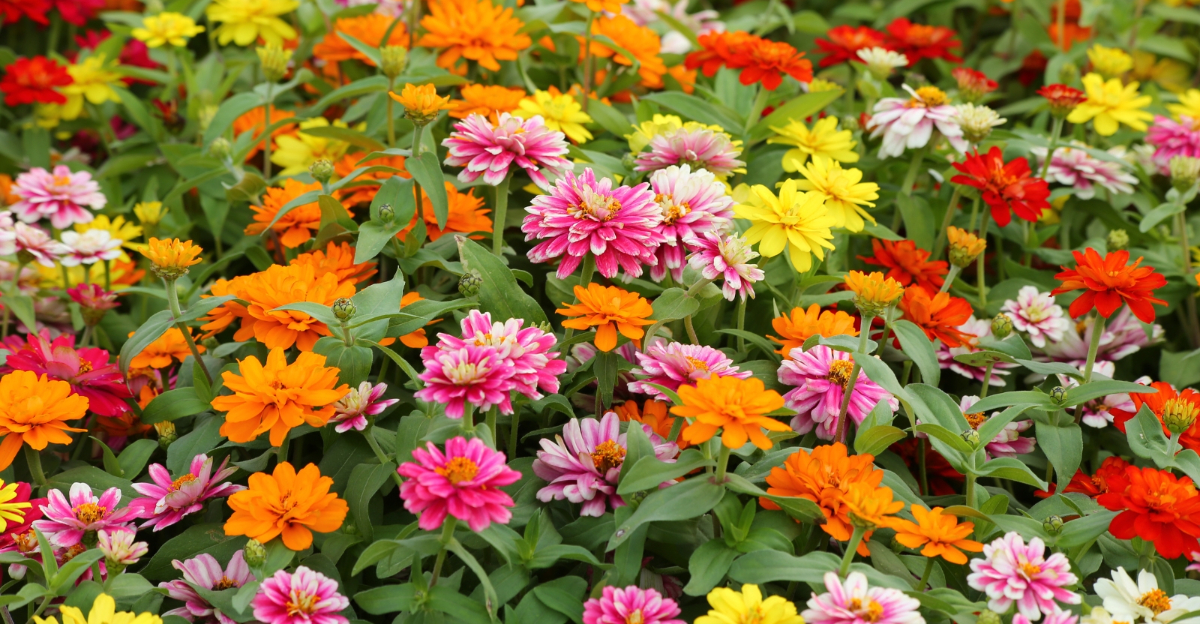
Hot pink, orange, red, yellow, and white zinnias mix beautifully together in arrangements. You can also find lime green varieties that add an unexpected twist to your designs.
Mixing different colors creates vibrant displays that brighten any room.
California gardeners should plant zinnias in full sun for the best results. These flowers need at least six hours of direct sunlight daily to produce their biggest, brightest blooms.
They’re not picky about soil as long as it drains well.
Powdery mildew can affect zinnias in coastal California areas where morning fog is common. Choose mildew-resistant varieties if you live near the ocean.
Watering at the base of the plant rather than overhead also helps prevent this issue.
2. Cosmos
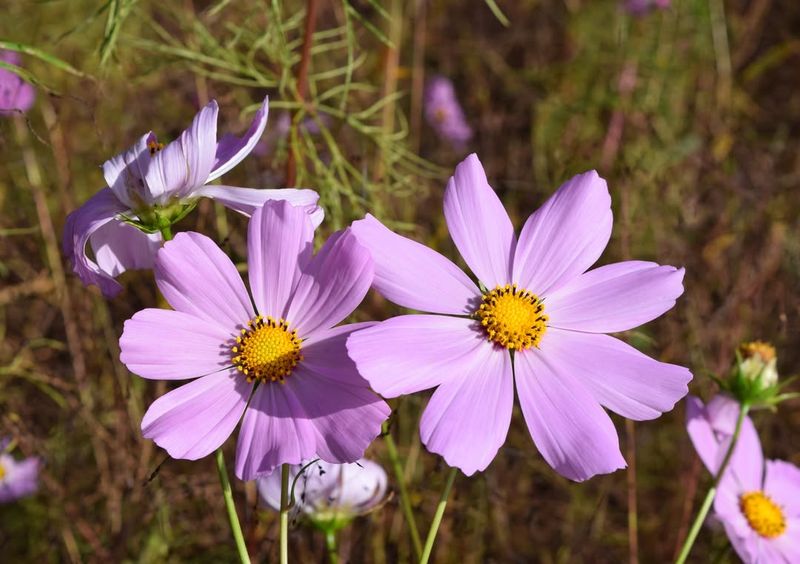
Delicate petals dance in the breeze when cosmos fill your California flower beds. These airy blooms bring a cottage garden feel to arrangements without requiring much fussing.
Your California Garden Changes Every Week. Your Plan Should Too.
Gardening in California changes quickly throughout the season. Every Friday you’ll receive a simple weekly plan showing exactly what to plant, prune, fertilize, harvest, and protect so you never miss the right timing.
They’re perfect for gardeners who want stunning results without spending hours on maintenance.
California’s climate suits cosmos perfectly since they handle heat and drought better than many cutting flowers. Once established, they need minimal watering, which is great news for water-conscious gardeners.
They’ll keep blooming even during those hot, dry California summers when other flowers struggle.
Your cutting garden should include both the single and double-flowered types for variety in your arrangements. Single cosmos have a simple, daisy-like appearance that adds lightness to bouquets.
Double varieties look fuller and more dramatic, giving you options depending on your design needs.
Tall cosmos varieties can reach four to six feet in California gardens, giving you excellent stem length for arrangements. The feathery foliage adds texture to bouquets even before the flowers open.
Plant them toward the back of your cutting bed so they don’t shade shorter flowers.
Pink, white, and crimson cosmos are the most common colors, but you can also find unique shades like apricot and yellow. The chocolate cosmos variety has a deep burgundy color and actually smells like chocolate.
Mixing different colors creates romantic, garden-style arrangements that look professionally designed.
Sowing cosmos seeds directly in your California garden works better than starting them indoors. They don’t like their roots disturbed, so direct seeding saves you transplant stress.
Scatter seeds after your last frost date, and you’ll see sprouts within a week.
These flowers actually prefer poor soil, which makes them ideal for California gardens with less-than-perfect growing conditions. Rich soil causes them to produce more leaves than flowers, so skip the heavy fertilizing.
A little neglect actually helps them bloom better.
3. Snapdragon
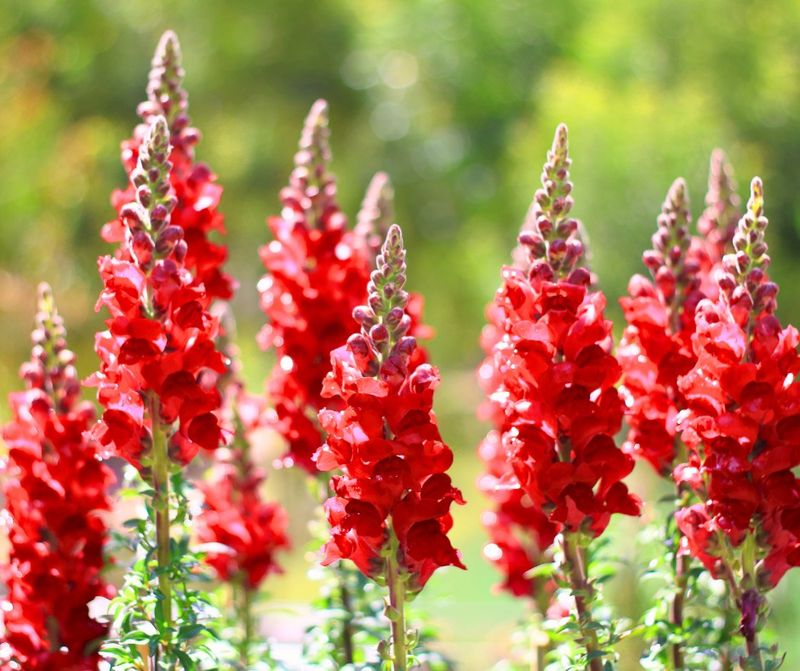
Vertical interest comes naturally when you add snapdragons to your California cutting garden. These charming flowers grow on tall spikes that add height and drama to arrangements.
Their unique shape makes bouquets more interesting than designs with only round, flat flowers.
Cool-season growing makes snapdragons perfect for California’s mild winters and springs. Plant them in fall for winter blooms in warmer parts of the state, or start them in early spring for late spring flowers.
They’ll bloom before the intense summer heat arrives in most California regions.
Your arrangements gain structure and movement when you include snapdragon spikes. The flowers open gradually from bottom to top along each stem, giving you blooms at different stages.
This creates natural texture and visual flow in your designs.
California gardeners can choose from dwarf, medium, and tall snapdragon varieties. Tall types reaching thirty to forty inches work best for cutting since they provide long, sturdy stems.
Save the shorter varieties for border plantings rather than your cutting garden.
Colors range from pure white to deep burgundy, with everything in between including pastels and bright jewel tones. You’ll find solid colors, bicolors, and even some with contrasting throats.
Mixing several colors together creates lively, cheerful arrangements that brighten winter days in California homes.
These flowers actually tolerate light frost, making them reliable bloomers during California’s cooler months. While other flowers shut down in winter, snapdragons keep producing.
This makes them valuable for gardeners who want fresh flowers year-round.
Pinching young snapdragons encourages branching and more flower spikes in your California garden. When plants reach about six inches tall, remove the top growth.
This forces the plant to create multiple stems instead of one main spike, multiplying your harvest.
4. Ranunculus
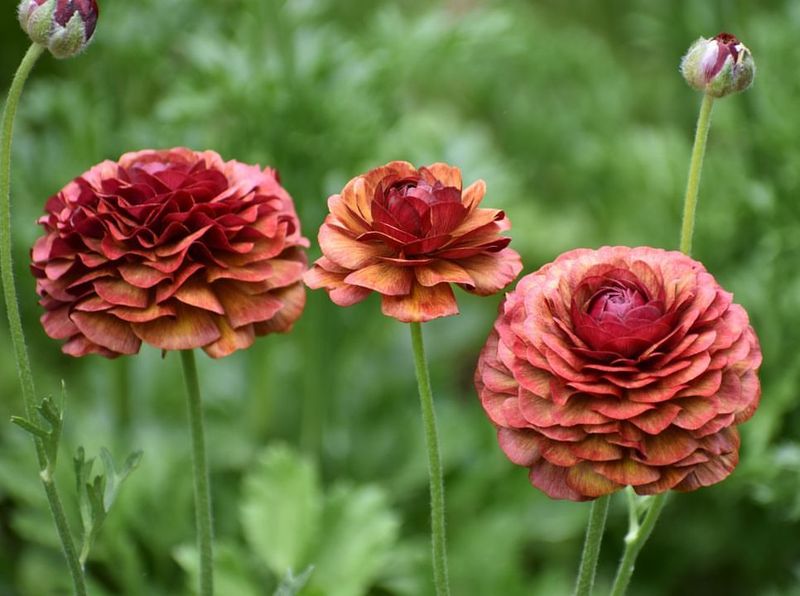
Layers upon layers of tissue-thin petals create the magic that makes ranunculus so special for California gardeners. These flowers look expensive and complicated to grow, but they’re actually quite manageable in the state’s Mediterranean climate.
Their rose-like appearance fools people into thinking you spent a fortune at the florist.
Fall planting works perfectly for ranunculus in most California regions since they need cool soil to develop strong roots. Plant the funny-looking corms with their claw-like roots pointing down in October or November.
By late winter and early spring, you’ll have stunning blooms ready for cutting.
Your arrangements will feature flowers that last an impressively long time in the vase. Ranunculus can stay fresh for seven to ten days, sometimes even longer with proper care.
This makes them practical for special events and valuable for anyone selling flowers.
California’s cool spring weather brings out the best in ranunculus blooms. They produce the most flowers when temperatures stay between fifty and sixty degrees.
The state’s mild springs create perfect conditions for these spectacular flowers to thrive.
Choosing colors becomes the fun part since ranunculus come in almost every shade imaginable. Soft pastels work beautifully for romantic arrangements, while bold oranges and hot pinks create modern, vibrant designs.
You can even find ranunculus with picotee edges where the petal tips are a different color.
Each corm produces multiple stems in California gardens, giving you excellent value from your planting efforts. One corm can yield fifteen to twenty flowers throughout the season.
This productivity makes them economical for cutting gardens despite their luxurious appearance.
Your soil preparation matters more with ranunculus than with many other flowers. They need excellent drainage since soggy soil causes the corms to rot.
California gardeners with heavy clay should amend beds with compost and sand before planting.
5. Scabiosa
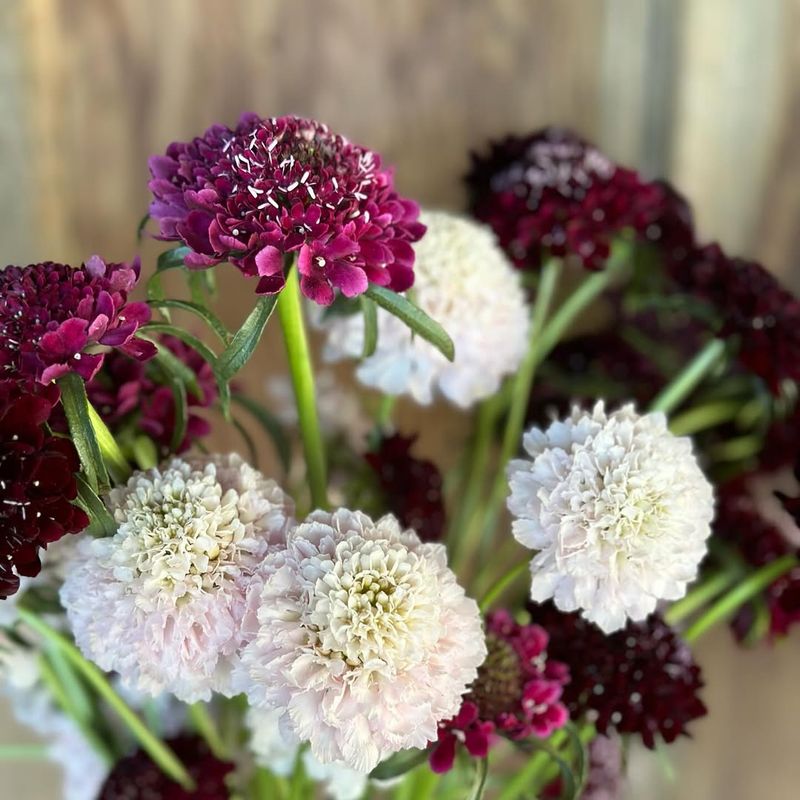
Pincushion-like centers surrounded by delicate petals give scabiosa its distinctive charm in California cutting gardens. These flowers add a whimsical, romantic quality to arrangements that’s hard to achieve with other blooms.
Their unique texture makes every bouquet more interesting and complex.
Long blooming periods make scabiosa an excellent investment for California gardeners who want continuous flowers. They’ll start blooming in late spring and continue through fall if you keep cutting them.
This extended season means fresh flowers for your home for months on end.
Your arrangements benefit from scabiosa’s natural movement and airiness. The flowers sit atop thin, wiry stems that create graceful lines in designs.
This quality makes them perfect for loose, garden-style arrangements rather than stiff, formal bouquets.
California’s Mediterranean climate suits scabiosa perfectly since they prefer conditions similar to their native habitat. They handle heat reasonably well once established and don’t need constant watering.
This makes them practical for water-wise gardens throughout the state.
Colors include classic shades like deep burgundy, soft pink, lavender, and pure white. The darker varieties provide dramatic contrast in arrangements, while lighter shades offer subtle elegance.
Mixing different colors creates depth and visual interest in your designs.
Both annual and perennial types grow well in California, giving you options based on your garden plans. Annuals bloom more prolifically in their single season, while perennials return year after year with less effort.
Many California gardeners grow both for maximum flower production.
Your cutting garden should include scabiosa near the front or middle since they typically reach eighteen to thirty inches tall. This height works perfectly for arrangements without overwhelming smaller flowers.
The plants also look beautiful in the garden, attracting butterflies and bees.
6. Lisianthus
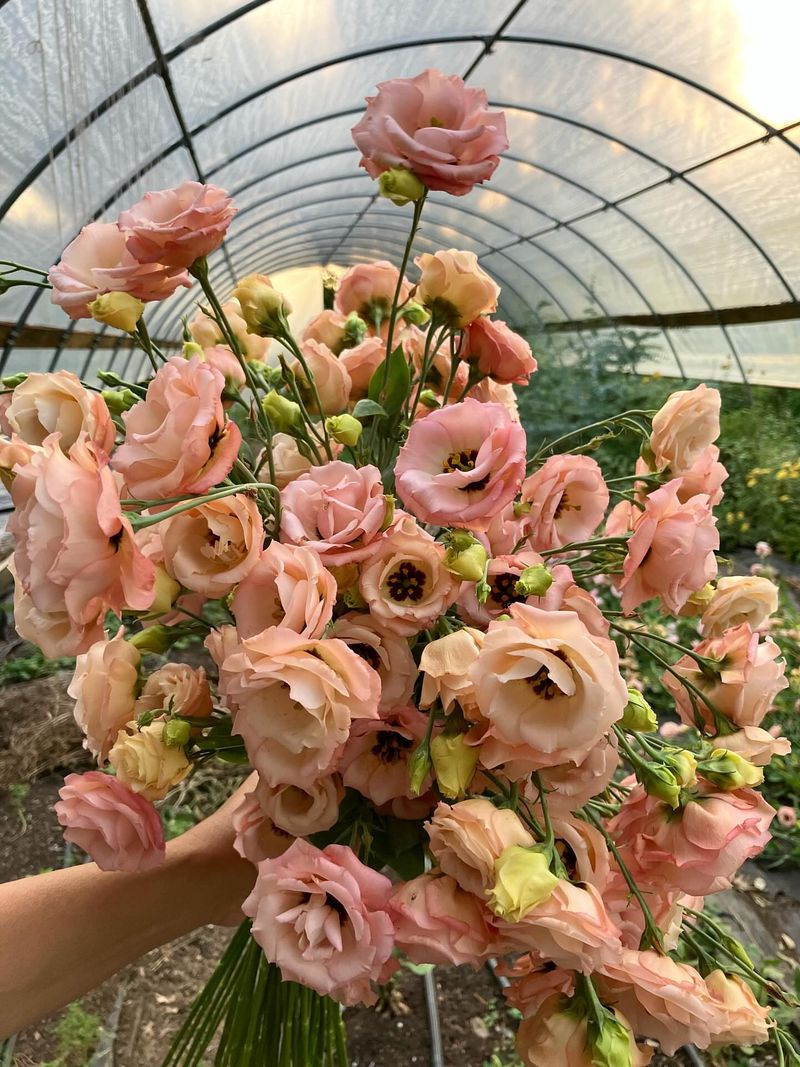
Elegant ruffled petals make lisianthus look like roses and peonies had a beautiful baby. These sophisticated flowers bring a high-end look to arrangements without the difficulty of growing actual roses.
California gardeners prize them for their ability to elevate simple bouquets into something special.
Patience pays off with lisianthus since they take longer to bloom than many cutting flowers. From seed to flower requires about five to six months, but the wait is worthwhile.
California’s mild climate lets you start them early and enjoy blooms for an extended period once they begin flowering.
Your arrangements will last impressively long when you include lisianthus stems. These flowers can stay fresh in water for two to three weeks with proper care.
This longevity makes them practical for events and valuable for anyone growing flowers to sell.
Heat tolerance improves as lisianthus plants mature in California gardens. Young plants struggle with intense heat, but established ones handle summer temperatures reasonably well.
Providing afternoon shade in hotter inland areas helps them perform their best.
Colors range from classic white and cream to pink, purple, and even green. Double-flowered varieties look the most like roses, while single types have a simpler, more open appearance.
Both work beautifully in arrangements, giving you flexibility in your designs.
California gardeners often find lisianthus challenging at first, but success comes with experience. Starting with transplants rather than seeds makes the process easier for beginners.
Once you understand their needs, they become reliable producers in your cutting garden.
Your soil should be well-draining and slightly alkaline for lisianthus to thrive in California. They’re sensitive to overwatering, especially when young, so let the soil dry slightly between waterings.
This is easier to manage in California’s drier climate than in humid regions.
7. Sweet Pea
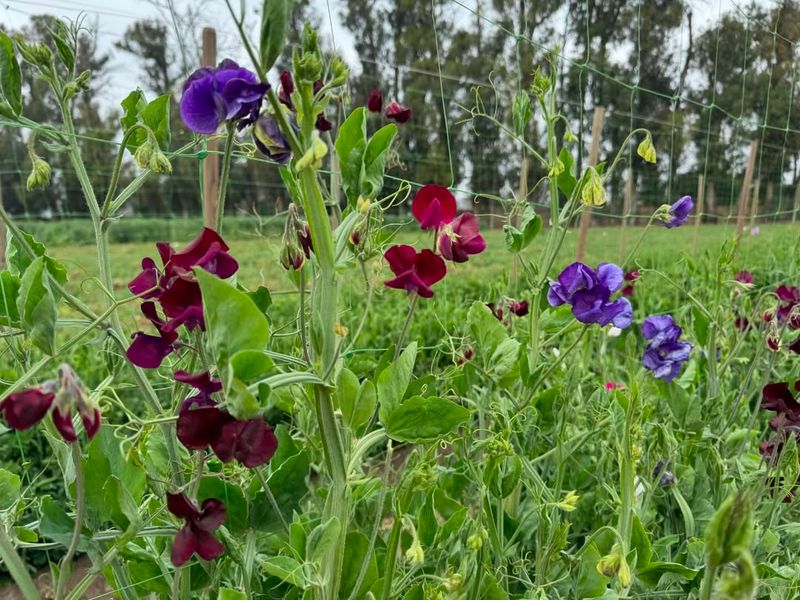
Fragrance fills the air when sweet peas bloom in your California garden. These climbing flowers bring old-fashioned charm and incredible scent to arrangements that modern flowers often lack.
Their delicate appearance and heavenly perfume make them favorites for spring bouquets.
Cool weather brings out the best in sweet peas throughout California. Plant them in fall in warmer regions or early spring in cooler areas for the longest blooming period.
They’ll flower prolifically before hot weather arrives, giving you armfuls of scented stems.
Your arrangements will smell as good as they look when you include sweet peas. The fragrance varies by variety, with some offering intense perfume and others more subtle scents.
Choosing highly fragrant types ensures your bouquets perfume entire rooms.
Climbing varieties need support in California gardens, so plan for trellises or netting when you plant. They can reach six to eight feet tall, creating vertical interest in your cutting garden.
This height gives you long stems perfect for tall vases and dramatic arrangements.
Colors include every shade except true yellow, from pure white to deep burgundy. Bicolors and picotee types add extra interest with their patterned petals.
Mixing multiple colors creates romantic, cottage-style bouquets that look hand-picked from an English garden.
California gardeners can extend the sweet pea season by planting in succession and choosing heat-tolerant varieties. While traditional types fade when temperatures rise, newer breeding has produced varieties that tolerate warmth better.
This means you can enjoy blooms longer in many California regions.
Your harvest increases dramatically when you cut sweet peas regularly. The more you cut, the more they bloom, so don’t be shy about filling vases.
Leaving flowers on the vine signals the plant to set seed, which stops flower production.
8. Dahlia
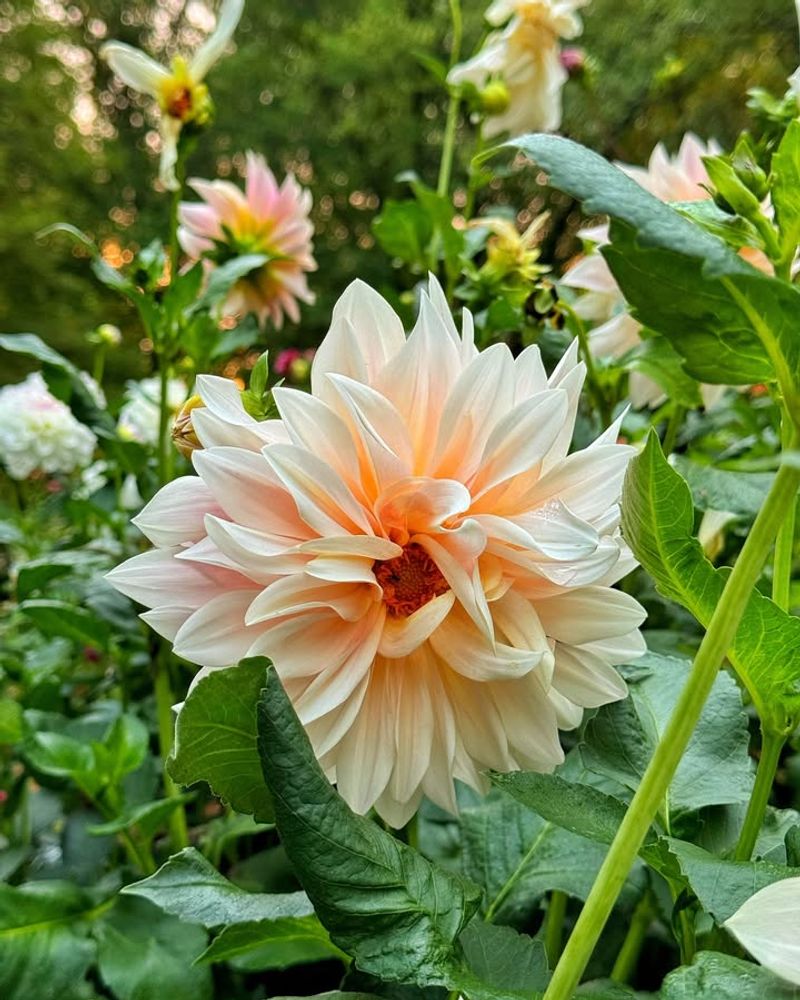
Showstopping blooms the size of dinner plates make dahlias the stars of California cutting gardens. These flowers command attention in arrangements with their bold colors and dramatic forms.
From tiny pompoms to giant decorative types, dahlias offer endless variety for your designs.
California’s long growing season lets dahlias bloom from summer through fall, providing flowers when many other plants have finished. They start flowering in midsummer and continue until frost, which comes late or not at all in many California areas.
This extended season makes them incredibly productive.
Your arrangements can feature different dahlia forms depending on the look you want. Dinner-plate dahlias create focal points with their massive blooms, while smaller varieties work as filler flowers.
Ball and pompom types add texture and interest with their perfectly round shapes.
Heat-loving dahlias thrive in California’s warm summers once they’re established. They need regular water during hot weather but otherwise handle the heat better than many cutting flowers.
Inland valleys and warmer coastal areas provide ideal conditions for spectacular dahlia production.
Colors include virtually every shade except true blue, giving you unlimited options for arrangements. You’ll find solid colors, bicolors, and varieties with contrasting tips or centers.
Some dahlias even change color as they age, adding another dimension to your bouquets.
California gardeners start dahlias from tubers planted after the last frost in spring. The tubers look like clusters of small sweet potatoes and should be planted with the eye facing up.
They’ll sprout within a few weeks and grow quickly in California’s warm soil.
Your dahlia plants need staking in California gardens since the large flowers can topple plants in wind or rain. Install stakes at planting time to avoid damaging tubers later.
As plants grow, tie stems loosely to supports to keep everything upright.
9. Sunflower
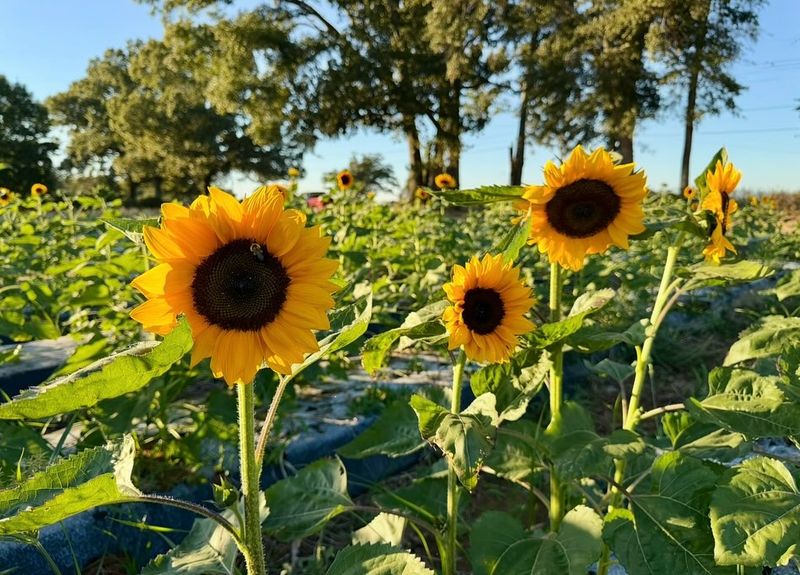
Cheerful faces turn toward the sun in California gardens where sunflowers grow tall and proud. These iconic flowers bring instant happiness to arrangements with their bright petals and bold presence.
Everyone recognizes and loves sunflowers, making them crowd-pleasers in any bouquet.
California’s abundant sunshine creates perfect conditions for sunflowers to reach their full potential. They need at least six to eight hours of direct sun daily, which most California gardens provide easily.
The state’s warm, dry summers suit these heat-loving plants perfectly.
Your cutting garden should include both tall and branching sunflower varieties for maximum productivity. Single-stem types produce one large flower per plant, while branching varieties create multiple smaller blooms.
Branching types give you more flowers per plant, making them more practical for regular cutting.
Pollen-free varieties make the best cut flowers since they won’t drop yellow dust on your furniture. Traditional sunflowers shed pollen that stains tablecloths and counters, but newer varieties bred for cutting don’t have this problem.
Look for varieties specifically labeled as pollen-free or low-pollen.
Colors now extend far beyond classic yellow thanks to modern breeding efforts. You can grow sunflowers in burgundy, bronze, cream, rust, and even bicolors.
These unique colors create sophisticated arrangements that look nothing like traditional sunflower bouquets.
California gardeners can succession plant sunflowers every two weeks for continuous blooms throughout summer and fall. Each planting takes about sixty to seventy days to flower, so staggered sowings ensure you never run out.
This technique keeps your cutting garden productive all season.
Your sunflowers will last longest if you cut them at the right stage. Harvest when petals have just unfurled but before the flower is fully mature.
The back of the flower head should still show some yellow-green color rather than being completely brown.