When To Remove An Old Tree Stump In Oregon And What Homeowners Need To Know
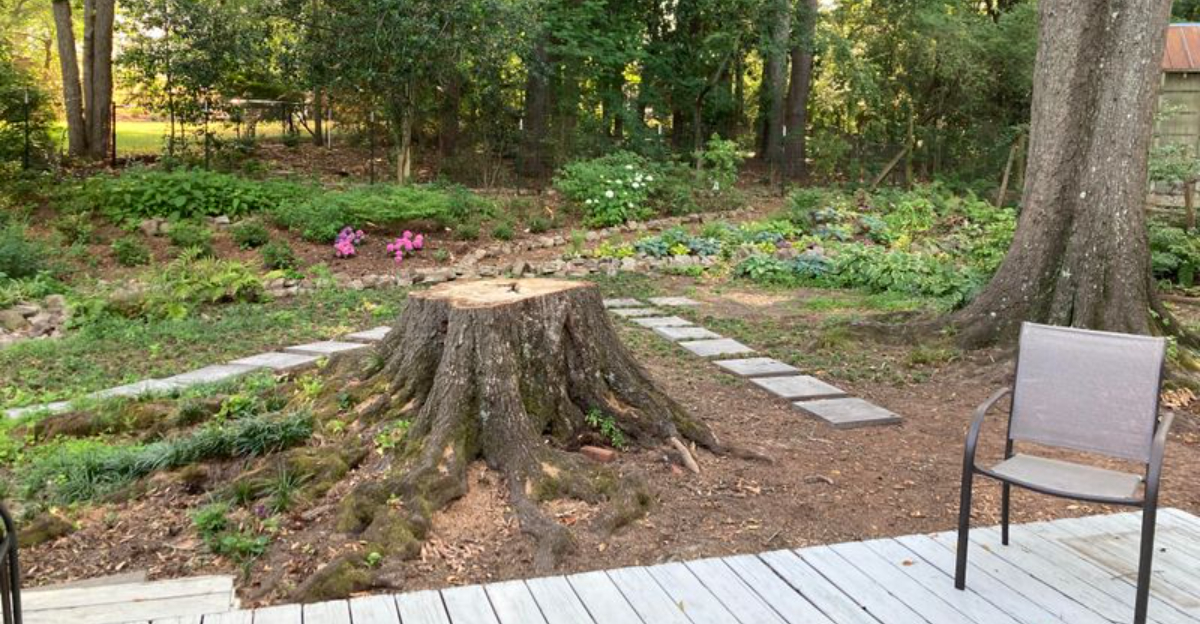
An old tree stump can be more than just an eyesore. It can attract pests, get in the way of landscaping, and make mowing harder.
Many Oregon homeowners leave stumps sitting for years because they’re not sure when removal makes sense.
I did the same thing with a stump in my backyard. It didn’t seem urgent at first.
Over time, it started causing small problems that added up. That’s when I realized timing actually matters.
Oregon’s climate, soil conditions, and local rules can all affect stump removal. Choosing the right season and method can save money and prevent extra damage to your yard.
This guide covers what to look for, when removal works best, and what homeowners should consider before starting. Simple information that helps you make the right call for your property.
1. Check The Stump First
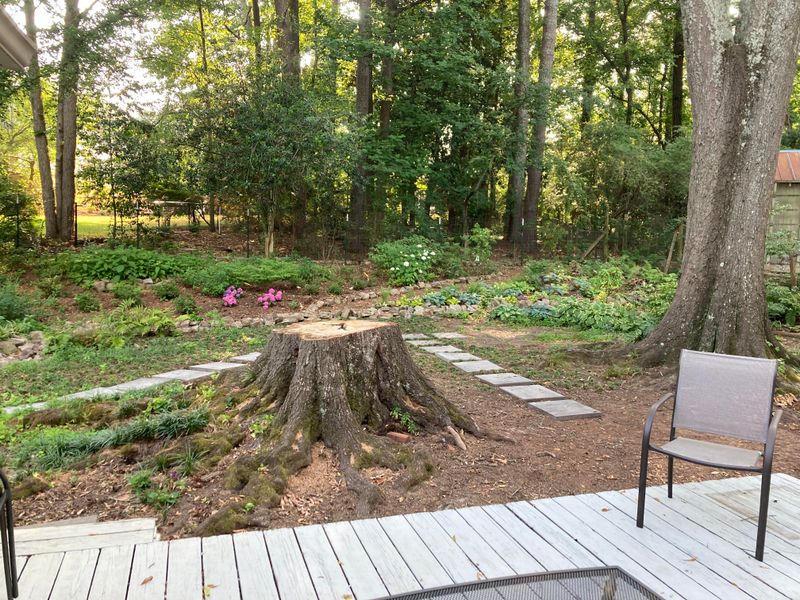
Before you decide how to tackle stump removal, take a close look at what you’re dealing with.
Start by examining the size and condition of the stump. Large stumps from mature trees require different removal strategies than smaller ones.
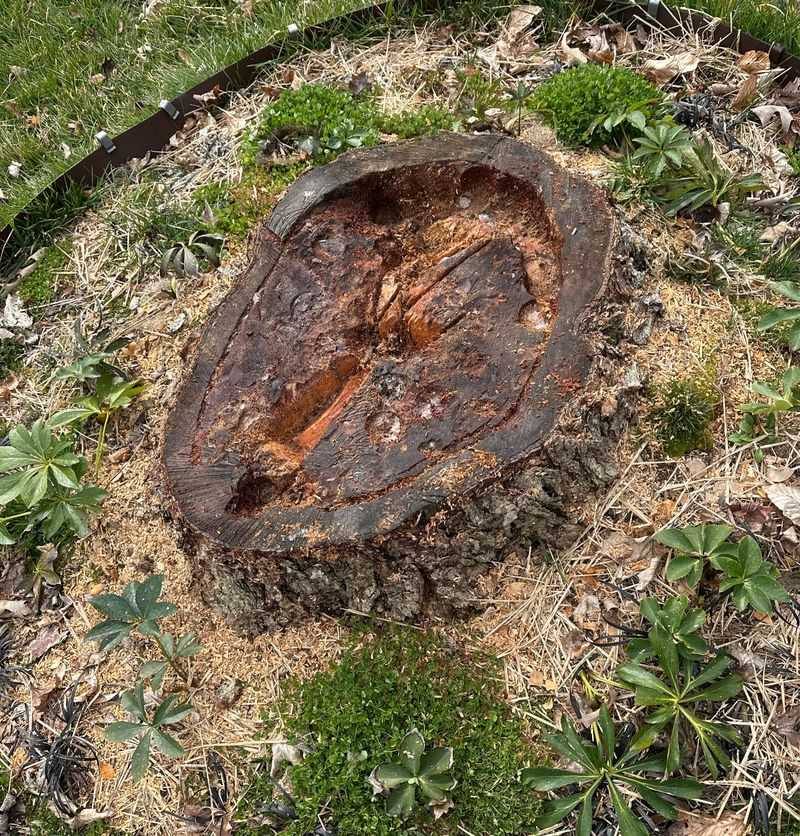
Check if the wood feels solid or spongy, soft, decaying wood often means removal will be easier because the stump is already breaking down naturally.
Look for signs of new growth shooting up from the base. Some tree species, like willows and maples common in Oregon, send up vigorous shoots even after the main tree is gone.
These shoots can make removal trickier and suggest the root system is still very much alive.
Pay attention to how deep the roots might extend. Shallow-rooted trees are generally easier to remove than deep-rooted ones.
In Oregon’s clay-heavy soils, roots can spread wide but may not go extremely deep, which affects your removal approach. Knowing what you’re working with helps you pick the right method and avoid surprises halfway through the job.
2. Spot Safety Risks
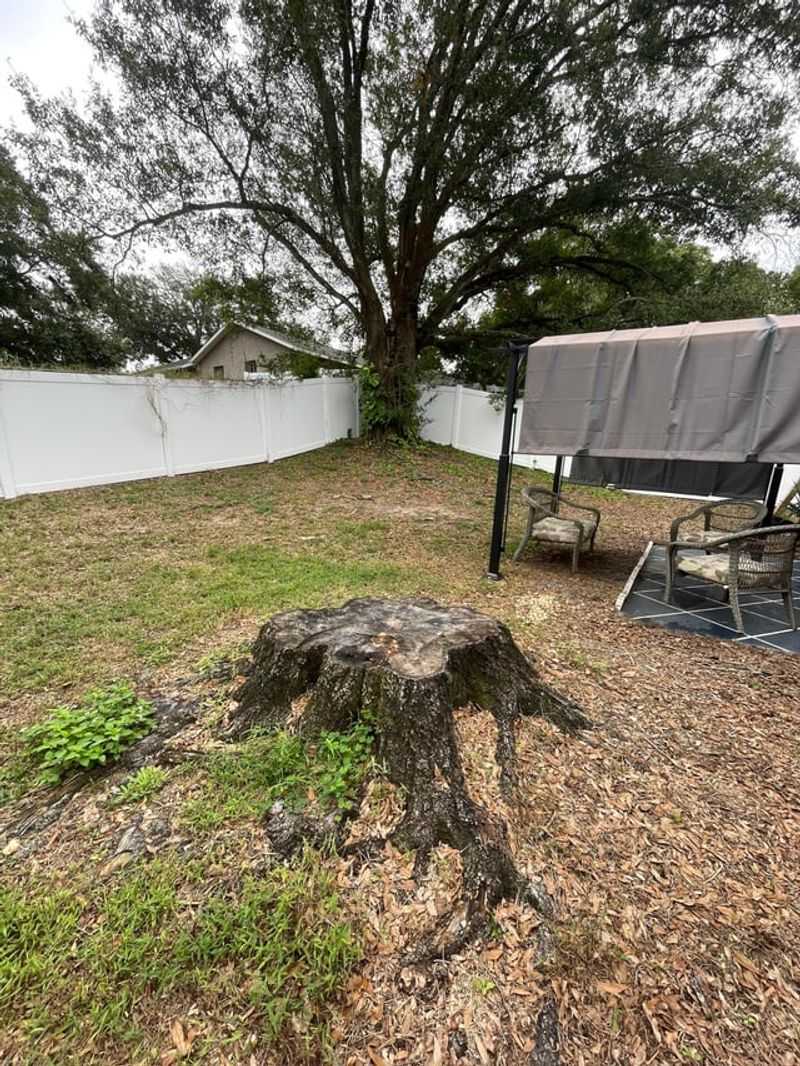
Beyond the obvious tripping danger, stumps can hide other risks that affect your family and property.
Low-profile stumps covered by grass or leaves become invisible obstacles, especially for children running around or guests unfamiliar with your yard layout. Even if you know where the stump sits, visitors and delivery people might not.
Mowing around stumps also poses risks, lawnmower blades can catch on hidden edges, causing damage or injury.
Check if the stump sits near walkways, driveways, or play areas where foot traffic is heavy. Stumps close to structures can also cause foundation problems as roots decay and create voids in the soil.
In Oregon’s wet climate, decaying stumps become slippery and unstable, increasing fall risks during our long rainy seasons.
Consider accessibility issues too. Stumps blocking pathways or garden access make yard maintenance harder and limit how you can use your outdoor space.
Identifying these safety concerns early helps you prioritize which stumps need immediate removal and which ones can wait a bit longer.
3. Pick Your Removal Method
Your friend rented a stump grinder last month and made it look easy, but is that the right choice for your situation? Oregon homeowners have several stump removal options, and picking the right one depends on your budget, timeline, and physical capabilities.
Your Oregon Garden Changes Every Week. Your Plan Should Too.
Gardening in Oregon changes quickly throughout the season. Every Friday you’ll receive a simple weekly plan showing exactly what to plant, prune, fertilize, harvest, and protect so you never miss the right timing.
Each method has pros and cons worth considering before you commit.
Stump grinding is popular because it’s relatively fast and effective. A grinder chews the stump down below ground level, turning it into wood chips you can use as mulch.
This method works great for most situations but requires renting equipment or hiring a professional, and it can be tough on equipment if your stump has rocks embedded in the roots.
Chemical stump removers offer a low-effort alternative. You drill holes in the stump, add the chemical, and wait several weeks for the wood to soften enough to break apart easily.
This method works well in Oregon’s damp climate where moisture helps the process along, but it requires patience and careful handling of chemicals.
Manual removal involves digging around the stump and cutting roots until you can pull or pry it out. This old-school approach costs little but demands serious physical effort, especially in Oregon’s dense clay soils.
Some homeowners prefer natural decay, leaving the stump to break down over several years while using it as a garden feature or planter.
4. Know Local Rules
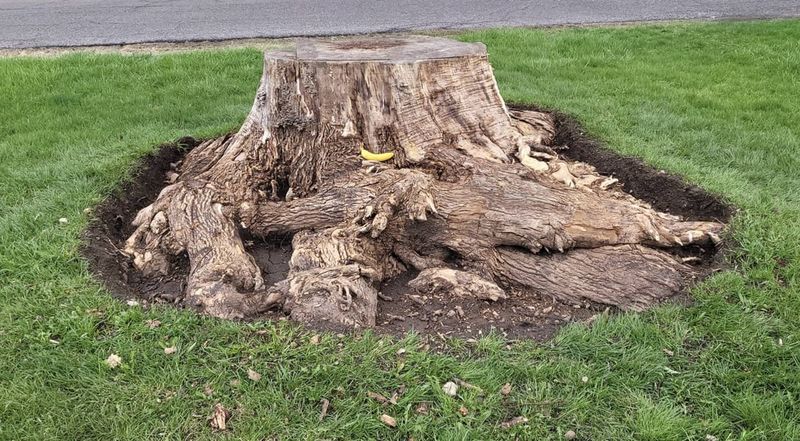
Understanding your local regulations before starting stump removal can save you from fines, neighbor disputes, and legal headaches. Oregon communities have varying rules about tree and stump removal.
Many Oregon cities, especially Portland, Eugene, and Salem, have tree preservation ordinances that extend to stumps in certain situations.
Some regulations apply to stumps from trees over a specific diameter, trees on heritage lists, or trees near sensitive environmental areas like streams or wetlands.
Check with your city’s planning or forestry department before proceeding.
Homeowner association rules can be even stricter than city codes. Some HOAs require approval before removing stumps, especially if the work affects common areas or neighborhood aesthetics.
Review your HOA covenants or contact your board to avoid violations that could result in fines.
Property line issues matter too. If the stump sits on or near your boundary line, it might be shared property requiring neighbor agreement before removal.
In Oregon, where property disputes can get complicated, having a clear conversation with neighbors beforehand prevents conflicts. Keep records of any permits, approvals, or neighbor agreements to protect yourself if questions arise later.
5. Choose The Right Time
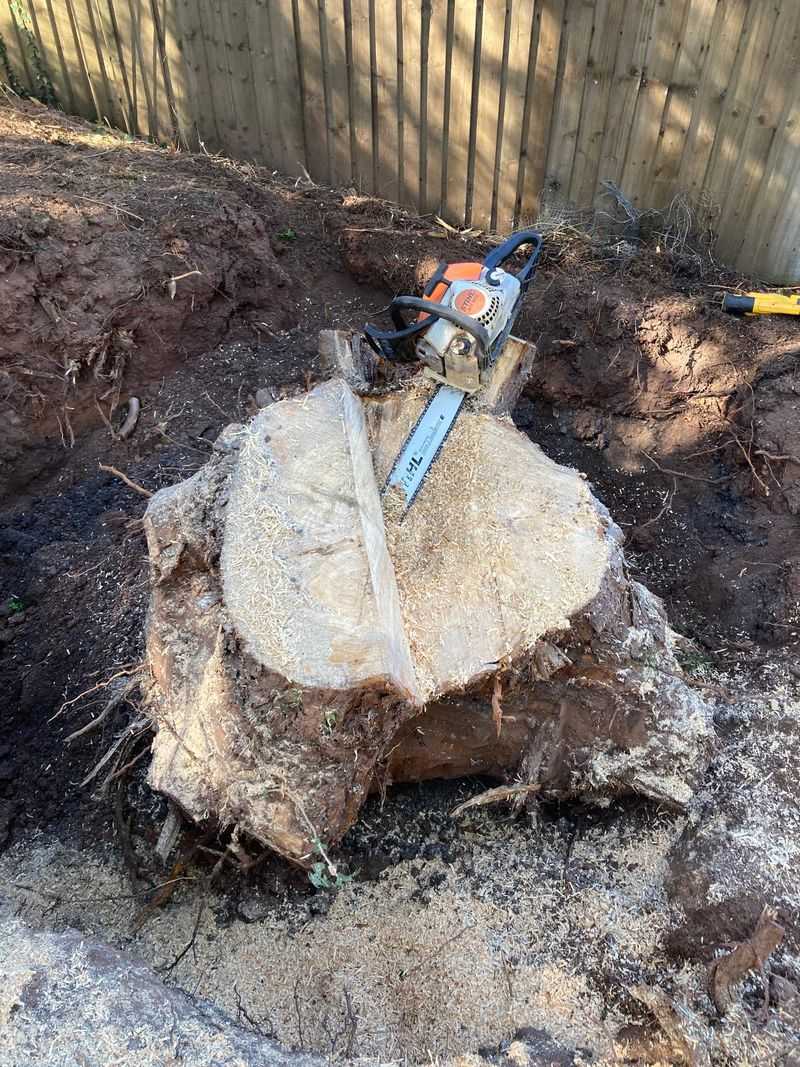
Timing your stump removal can make the job significantly easier or much harder, depending on Oregon’s seasonal conditions. A stump that’s manageable in late summer might become a muddy nightmare during January rains.
Planning around weather and soil conditions saves effort and produces better results.
Late summer through early fall offers ideal conditions for stump removal in Oregon. The ground is typically drier and firmer, making digging and equipment access easier.
Roots are also less saturated with water, which can make cutting through them simpler. Plus, you’ll have time to restore your yard before winter rains arrive.
Spring presents a mixed bag. While temperatures are pleasant for outdoor work, Oregon’s spring soil is often waterlogged from winter precipitation.
Heavy equipment can tear up your lawn, and digging becomes a muddy struggle. If you remove a stump in spring, wait for a dry spell of at least a week to let the ground firm up somewhat.
Winter is generally the toughest season for stump removal. Constant rain, saturated soil, and limited daylight make the work difficult and messy.
However, if you’re hiring professionals, winter might offer better rates and availability since it’s their slower season. Avoid frozen ground conditions, which make digging nearly impossible and can damage equipment.
6. Shield Nearby Plants
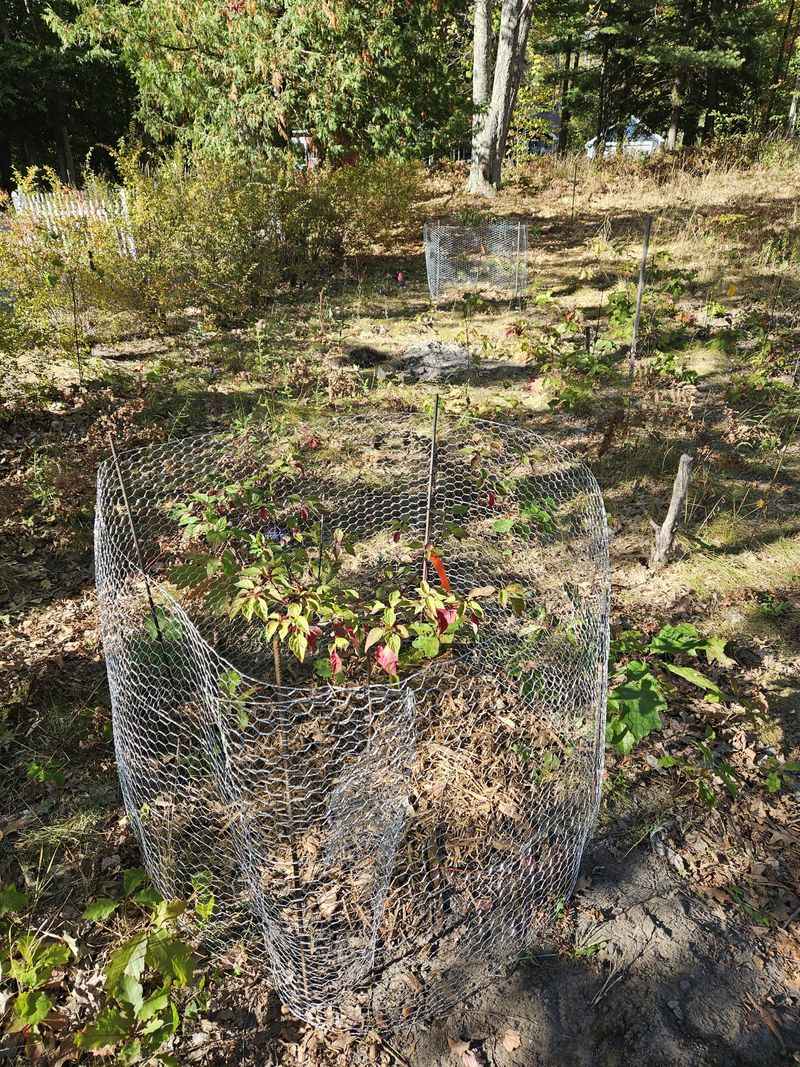
You’ve spent years cultivating that beautiful rhododendron bed next to the old maple stump, and the last thing you want is to damage it during removal.
Protecting nearby plants, lawn areas, and garden features requires planning before you start grinding, digging, or applying chemicals.
Oregon gardens are precious investments worth safeguarding.
Create a buffer zone around the stump before beginning work. Mark off areas containing plants you want to protect using stakes and bright tape.
If you’re using a stump grinder, wood chips and debris can fly several feet in all directions, potentially smothering ground covers or damaging delicate plants.
Consider root connections between the stump and nearby plants. Sometimes trees share root systems, especially if they’re the same species planted close together.
Removing one stump might stress connected plants by disrupting shared roots. Watch for signs of stress in nearby plants after removal, like wilting or yellowing leaves.
Chemical stump removers require extra caution around other plants. These products can leach into surrounding soil and affect nearby vegetation, particularly shallow-rooted plants and groundcovers.
If you choose chemical removal, create a physical barrier using plastic sheeting or cardboard to prevent chemicals from spreading.
Oregon’s rainy climate can wash chemicals into unintended areas, so timing application before dry weather helps contain the product where you want it.
7. Handle Pests & Rot
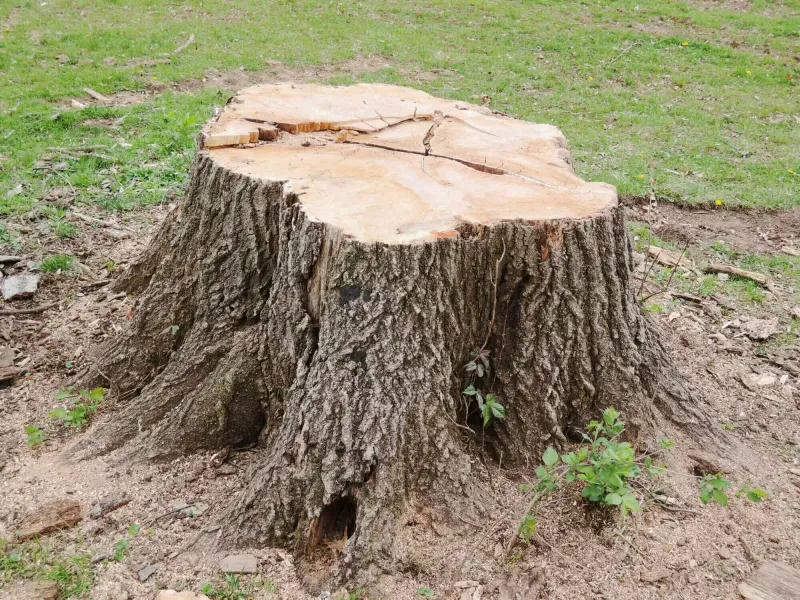
One morning you notice carpenter ants marching in and out of that old cherry stump by your deck. A few weeks later, you spot termites.
Old stumps become magnets for wood-boring insects, fungi, and decay organisms that can threaten your home and other landscape plants. Addressing pest and rot issues is a compelling reason to remove stumps sooner rather than later.
Oregon’s damp climate creates perfect conditions for wood decay fungi. These organisms break down dead wood naturally, but they can spread to healthy trees, wooden fences, decks, and even your home’s siding if the stump sits close enough.
Mushrooms sprouting from stumps signal active fungal decay, which means spores are spreading throughout your yard.
Carpenter ants and termites love rotting stumps because the soft wood provides easy nesting sites. Once established in a stump, these pests can migrate to nearby structures.
Carpenter ants are particularly common in western Oregon, and they can cause significant structural damage if they move from stump to house. Regular inspection helps you catch infestations early.
Rodents sometimes nest in hollow stumps, creating another nuisance. Mice, rats, and voles use stumps as shelter and can damage nearby plants by feeding on roots and bark.
Removing the stump eliminates this habitat and reduces pest pressure in your yard. If you notice pest activity, prioritize stump removal and consider treating the area to prevent pests from relocating to other yard features.
8. Restore Your Yard
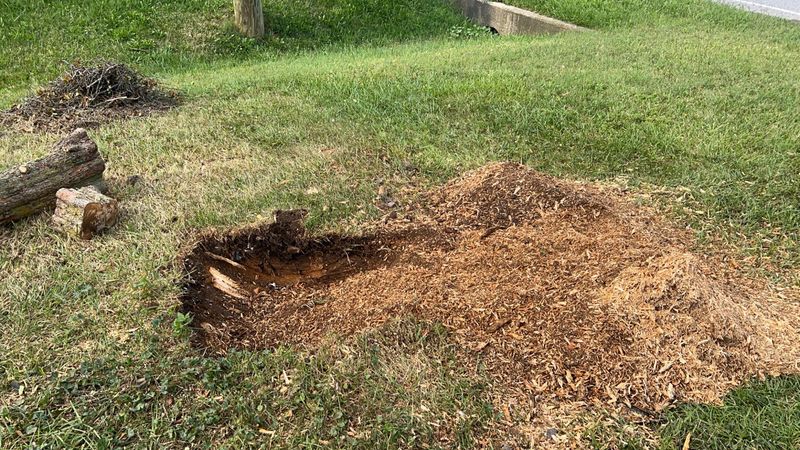
The stump is finally gone, but now you’re left with a crater filled with wood chips and exposed roots. Restoring your yard after stump removal completes the project and prevents ongoing problems like settling, drainage issues, or bare spots in your lawn.
Taking time to properly restore the area pays off with a healthier, more attractive landscape.
Start by removing as much debris as possible. Pull out large root pieces and rake away wood chips, though you can leave some chips to decompose naturally if you’re planting a garden bed.
Fill the hole with quality topsoil, mounding it slightly higher than ground level to account for settling as the remaining roots decay.
Compacting the soil helps prevent dramatic settling later. Tamp down each layer of fill soil as you add it, using your feet or a hand tamper.
In Oregon’s rainy climate, loose fill soil can wash away or create deep depressions during winter storms. Proper compaction creates a stable base for whatever comes next.
Consider your end goal for the area. If you’re reseeding lawn, choose grass varieties suited to Oregon’s climate like perennial ryegrass or fine fescue.
For garden beds, add compost to enrich the fill soil before planting. Some homeowners install pavers, create sitting areas, or plant feature trees in the restored space.
Give the area a full growing season to settle before making permanent landscaping decisions.