8 Pro-Approved Flowers New York Gardeners Are Growing For Stunning Bouquets
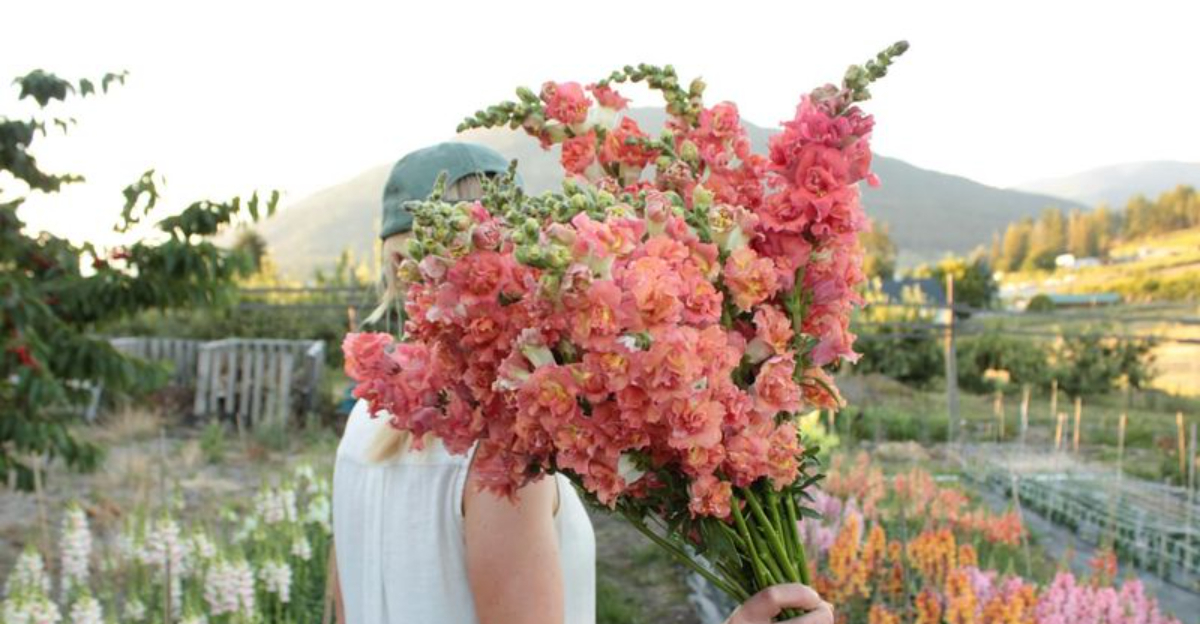
Looking to fill your home with gorgeous, fresh-cut bouquets straight from your own backyard?
New York gardeners are making that dream a reality by growing flowers that look just as stunning in a vase as they do in the garden.
With the right selection, you don’t need a giant flower farm to enjoy professional-looking arrangements. Local gardeners are now turning to pro-approved blooms that grow beautifully in New York’s climate, produce plenty of stems, and hold up well indoors.
Whether you’re after soft, romantic pastels or bold pops of color, there’s a flower on this list that fits your style. These eight floral favorites are not only beautiful but also reliable, long-lasting, and easy to grow.
If you love the idea of clipping your own blooms for centerpieces, gifts, or just a touch of color at home, these garden-ready flowers are the perfect place to start.
1. Zinnias
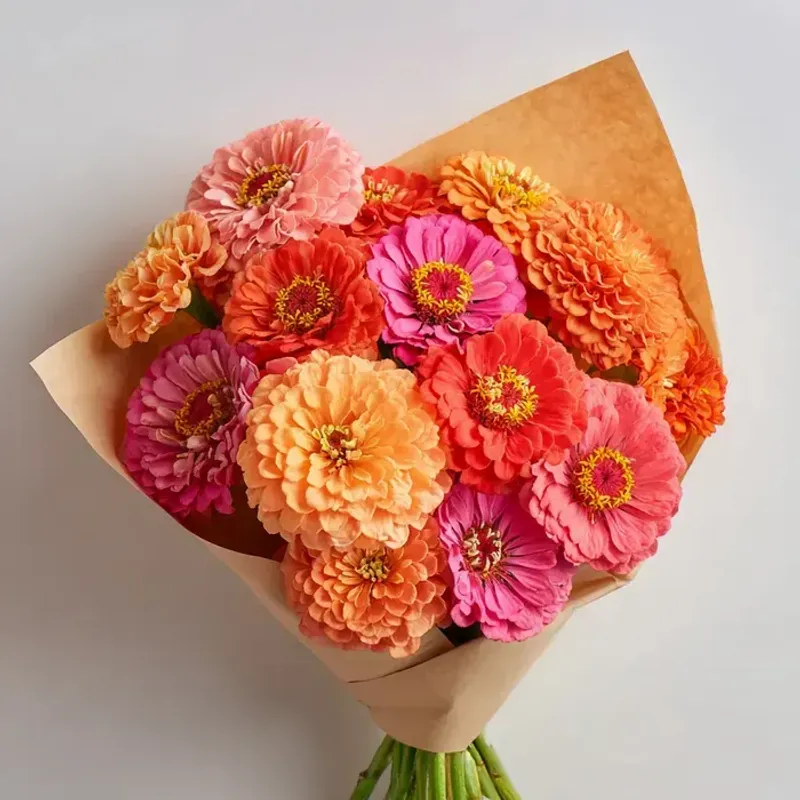
Bright, cheerful, and incredibly productive, zinnias have become a staple in New York cutting gardens. These Mexican natives adapted beautifully to the Northeast climate and bloom continuously from summer until the first frost.
Gardeners love them because they’re basically foolproof. Plant seeds directly in the ground after the last spring frost, and within weeks you’ll have sturdy plants pumping out flowers.
The color range is absolutely spectacular. You can find zinnias in every shade except blue, from soft pastels to neon brights.
Some varieties produce dinner-plate-sized blooms while others offer cute button flowers perfect for mixed arrangements. Professional florists in New York City often source zinnias from local growers because they last up to two weeks in a vase.
Heat doesn’t bother these tough plants one bit. During those sticky July and August days when other flowers struggle, zinnias keep producing.
They actually prefer full sun and warm temperatures. The more you cut them, the more they bloom, making them ideal for gardeners who want armloads of flowers all season long.
Butterflies and bees go crazy for zinnia flowers, adding movement and life to your garden. Choose tall varieties like ‘Benary’s Giant’ or ‘Queen Lime’ for cutting.
Space them properly to ensure good air circulation, which helps prevent powdery mildew in humid New York summers. With minimal care, zinnias will reward you with hundreds of blooms perfect for bouquets.
2. Dahlias
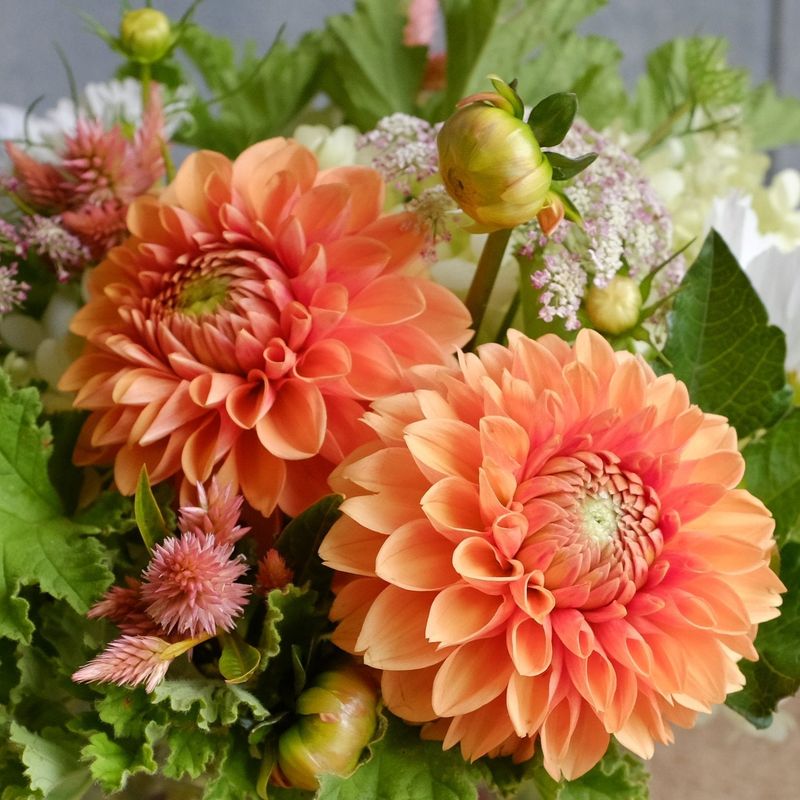
Few flowers create more excitement among New York gardeners than dahlias. These tuberous plants produce blooms that range from tiny pompoms to massive dinner plates measuring ten inches across.
Florists charge premium prices for dahlia bouquets, but growing your own is surprisingly achievable. The tubers go into the ground after the soil warms in late May, and by midsummer you’ll be cutting stunning flowers weekly.
Dahlia diversity is mind-blowing. There are over 50,000 named varieties in classifications like cactus, decorative, ball, and waterlily forms.
Colors span the entire spectrum except true blue. Some feature solid colors while others display stripes, tips, or blends.
New York growers often start with a mixed collection to discover their favorites before investing in specific varieties.
Your New York Garden Changes Every Week. Your Plan Should Too.
Gardening in New York changes quickly throughout the season. Every Friday you’ll receive a simple weekly plan showing exactly what to plant, prune, fertilize, harvest, and protect so you never miss the right timing.
These plants are hungry and thirsty. They need rich soil, consistent moisture, and regular feeding to produce those show-stopping blooms.
Most varieties require staking because the flowers get heavy. Pinching the plants when they’re young encourages bushier growth and more flowering stems.
In return for this attention, dahlias provide continuous blooms from July through October.
The vase life is excellent when you cut them properly. Harvest dahlias in the cool morning hours when stems are fully hydrated.
Choose flowers that are completely open since they won’t continue opening once cut. Change the water every few days to keep them fresh.
After the first frost blackens the foliage, dig up the tubers and store them indoors over winter for replanting next spring.
3. Sunflowers
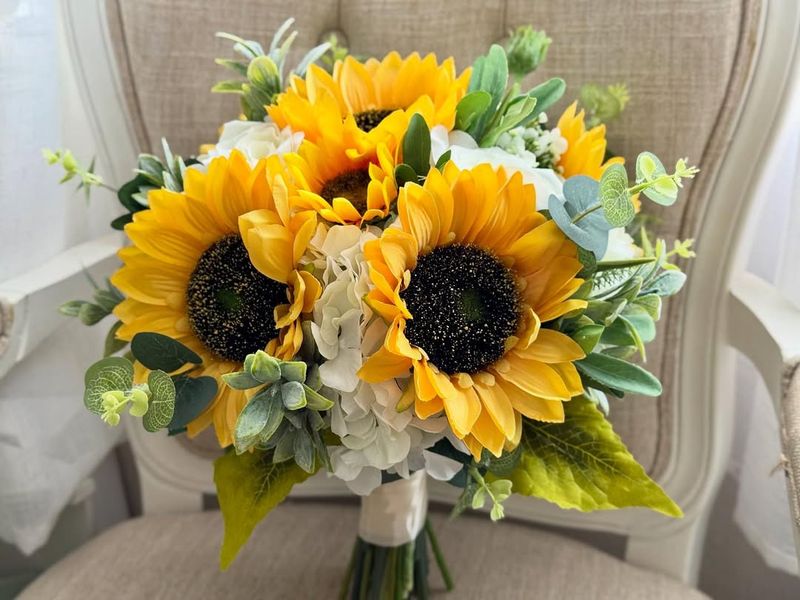
Nothing says summer quite like sunflowers towering over a New York garden. While many people picture only the giant yellow varieties, modern breeding has created an incredible range of sizes and colors perfect for bouquets.
Branching types produce multiple stems with smaller blooms ideal for arrangements, while single-stem varieties offer that classic sunflower look.
They grow quickly from seed and tolerate New York’s variable spring weather better than many annuals.
Professional flower growers favor pollen-free varieties for cutting. Traditional sunflowers shed pollen that stains clothing and furniture, but newer cultivars like ‘ProCut’ series bloom without this mess.
Colors now include burgundy, bronze, cream, and bicolors alongside traditional yellows. Some varieties feature dark centers while others have green or yellow centers that add interest.
Succession planting extends your harvest season. Instead of planting all seeds at once, sow new batches every two weeks from late April through early July.
This strategy provides fresh sunflowers from midsummer straight through fall. They need full sun and decent soil but aren’t particularly fussy about conditions. Deer sometimes nibble young plants, so protect seedlings if wildlife visits your property.
Cut sunflowers when the petals have just unfurled but before the flower is completely open. Strip leaves that would sit below the waterline to prevent bacterial growth.
The stems are hollow and benefit from being recut underwater. With proper care, sunflowers last about a week in arrangements.
Their cheerful faces bring instant happiness to any room and look fantastic mixed with other late-summer blooms.
4. Lisianthus
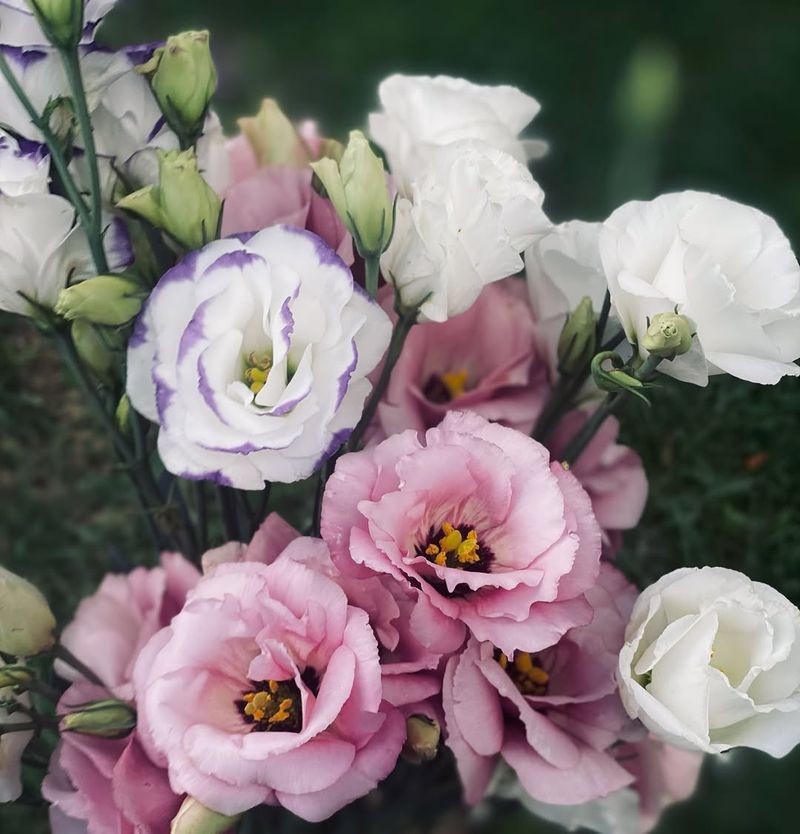
Often mistaken for roses or peonies, lisianthus produces elegant ruffled blooms that professional florists adore. These sophisticated flowers have become increasingly popular among New York gardeners willing to give them the extra attention they require.
The plants are slower to mature than many annuals, but the payoff is worth the wait. Each stem produces multiple buds that open gradually, providing weeks of beauty from a single cutting.
Starting lisianthus from seed requires patience since the tiny seeds take months to reach transplant size. Many New York gardeners buy young plants from specialty nurseries instead.
Once established in the garden, they prefer cooler temperatures and can struggle during heat waves.
Providing afternoon shade and consistent moisture helps them thrive through summer. The plants are relatively short, usually reaching 18 to 24 inches tall.
The color palette is wonderfully romantic. Soft pinks, purples, whites, and creams dominate, though some varieties offer deeper jewel tones.
Double-flowered types have the most petals and create the fullest appearance. Single forms are simpler but equally lovely.
All lisianthus have a delicate, almost tissue-paper texture that adds softness to arrangements.
Vase life is exceptional, often lasting two weeks or more. Cut stems when the first flower on the stem is opening and others are showing color.
Remove lower leaves and recut stems at an angle. The buds will continue opening indoors, giving you a changing display.
Lisianthus pairs beautifully with roses, spray roses, and delicate fillers for wedding-worthy bouquets you can grow right in your New York backyard.
5. Cosmos
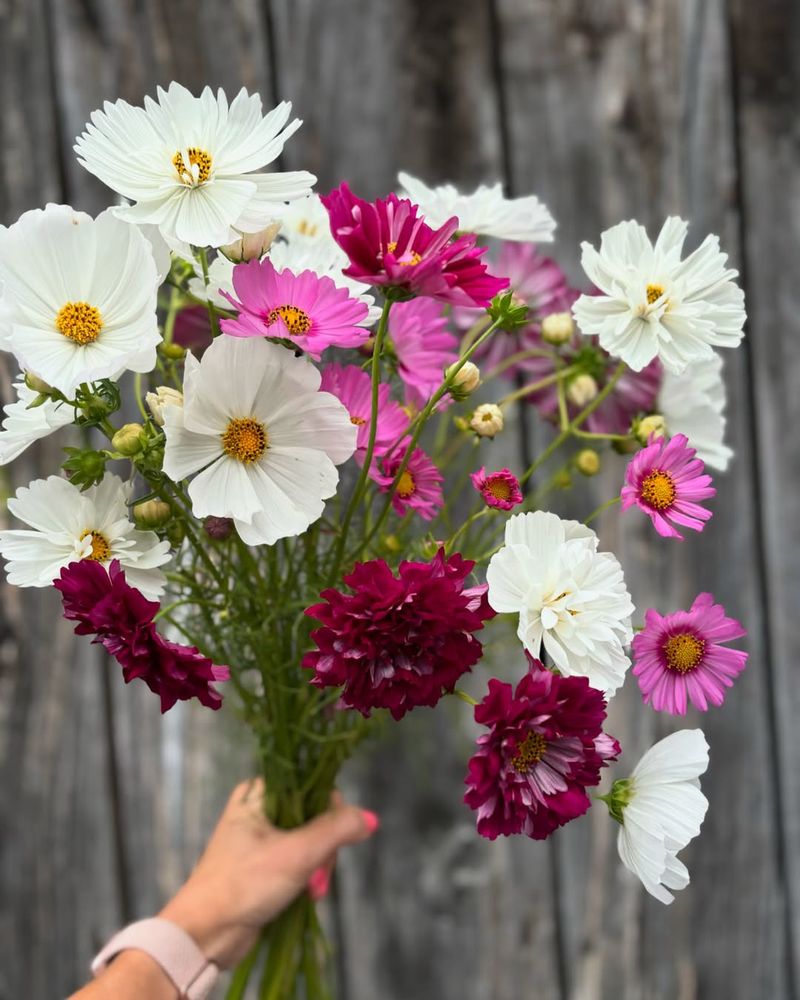
Graceful and airy, cosmos bring a cottage-garden charm to New York landscapes. These Mexican wildflowers naturalized beautifully in the Northeast and self-seed reliably once established.
The delicate, ferny foliage creates a soft backdrop for the cheerful daisy-like flowers that dance on tall, wiry stems. Gardeners appreciate how low-maintenance they are compared to fussier cutting flowers.
Two main species dominate cutting gardens. Cosmos bipinnatus offers larger flowers in pinks, whites, and crimsons, growing four to six feet tall.
Cosmos sulphureus produces smaller blooms in warm oranges and yellows on shorter plants. Both types bloom prolifically from midsummer until frost.
The flowers attract beneficial insects and pollinators, making them ecological superstars in addition to being beautiful.
Direct seeding works perfectly with cosmos. Scatter seeds in late spring where you want them to grow, barely covering them with soil.
They germinate quickly and grow rapidly. Poor soil actually encourages more flowers, so don’t overfertilize.
Too much nitrogen creates leafy plants with fewer blooms. Full sun is essential for the best flowering and sturdy stems.
For cutting, choose stems with flowers that have just opened. The blooms are relatively short-lived in vases, lasting about five days, but the plants produce so many that you’ll have constant replacements.
Recut stems and change water frequently. Cosmos look wonderful in loose, natural arrangements that showcase their delicate beauty.
Many New York gardeners let some flowers go to seed at season’s end, ensuring volunteer plants appear next spring for effortless beauty.
6. Celosia
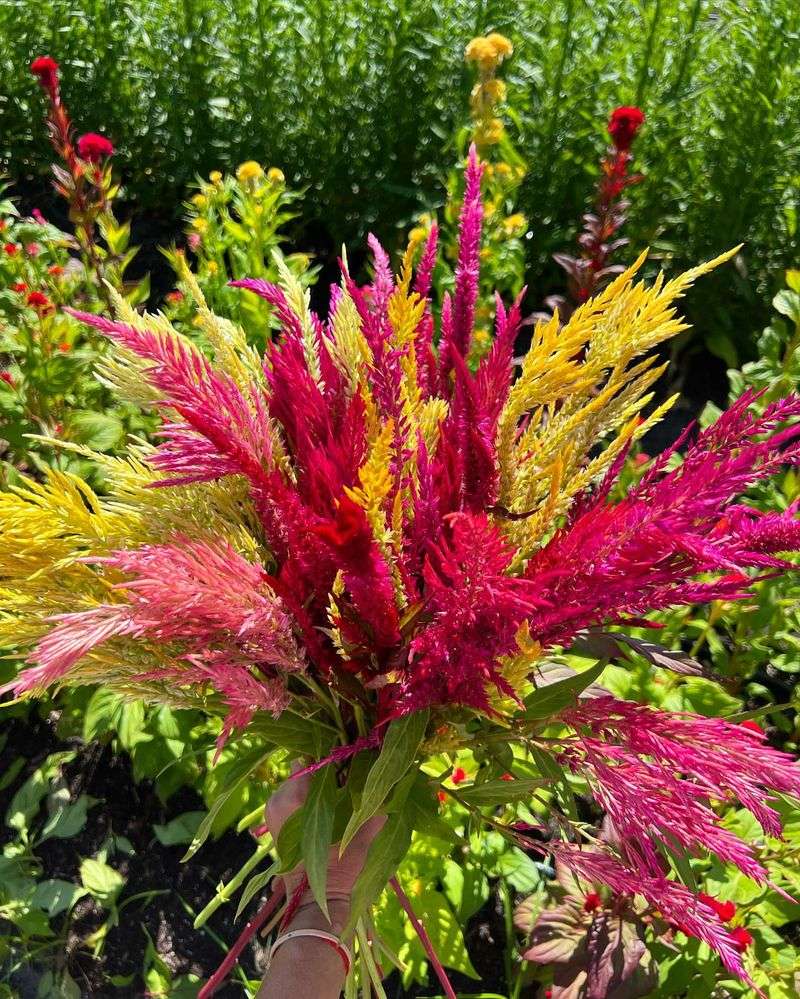
Bold and architectural, celosia adds drama to both gardens and bouquets with its unusual flower forms. The name comes from the Greek word for burned, referring to the flame-like appearance of some varieties.
New York gardeners grow two main types: plumed celosia with feathery flowers and crested celosia with brain-like or coral-shaped blooms. Both types are heat-lovers that thrive during the hottest months when other flowers fade.
Colors are intense and saturated. Brilliant reds, hot pinks, oranges, and yellows dominate, though newer varieties include burgundies and creams.
The flowers hold their color incredibly well both in the garden and in vases. They also dry beautifully, making them popular for everlasting arrangements. Professional florists love celosia for adding texture and height to bouquets.
Starting celosia is easy from seed or transplants. They prefer warm soil, so wait until late May in most of New York before planting.
Once established, they’re remarkably drought-tolerant and rarely need watering except during extreme dry spells.
Deadheading isn’t necessary since the flowers last for weeks without fading. The plants typically reach two to three feet tall, depending on variety.
Harvest celosia when the flowers are fully developed and richly colored. The stems are sturdy and hold up well in arrangements.
Strip lower leaves before placing in water. They last up to two weeks fresh and even longer if you hang them upside down to dry.
Celosia’s bold appearance works well in modern arrangements or adds unexpected punch to traditional bouquets. Their long-lasting nature makes them perfect for gardeners who want maximum impact with minimum effort.
7. Snapdragons
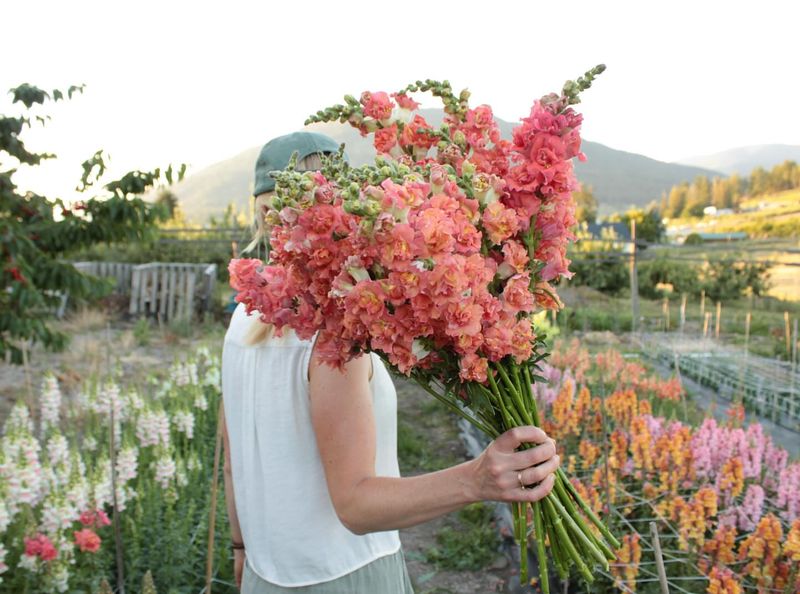
Cool-season champions, snapdragons perform beautifully during New York’s spring and fall when temperatures moderate. These charming flowers got their name from the dragon-mouth shape that opens when you squeeze the sides.
Children love playing with the blooms, but gardeners appreciate the tall spikes of color they provide for cutting. Modern breeding has created varieties with excellent vase life and strong stems perfect for arrangements.
Height matters when choosing snapdragons for cutting. Look for tall varieties that reach 30 to 36 inches, producing long stems suitable for bouquets.
Dwarf types are cute in gardens but too short for most arrangements. Colors span the rainbow, from pure whites through pinks, yellows, oranges, and deep burgundies. Some varieties feature bicolors or picotee edges that add extra interest.
Timing your planting extends the harvest season. Set out transplants in early spring as soon as the ground can be worked.
They tolerate light frosts and actually prefer cool weather. For fall blooms, plant again in late July or early August.
The plants will flower through September and October, often continuing until hard freezes arrive. Pinch young plants to encourage branching and more flowering stems.
Cut snapdragons when about half the flowers on the spike have opened. The remaining buds will continue opening indoors over the next week or two.
Remove lower leaves and recut stems at an angle. They’re ethylene-sensitive, so keep them away from ripening fruit.
Snapdragons add vertical interest to arrangements and their tubular flowers create wonderful texture. Many New York gardeners consider them essential for spring and fall bouquets that brighten shorter, cooler days.
8. Sweet Peas
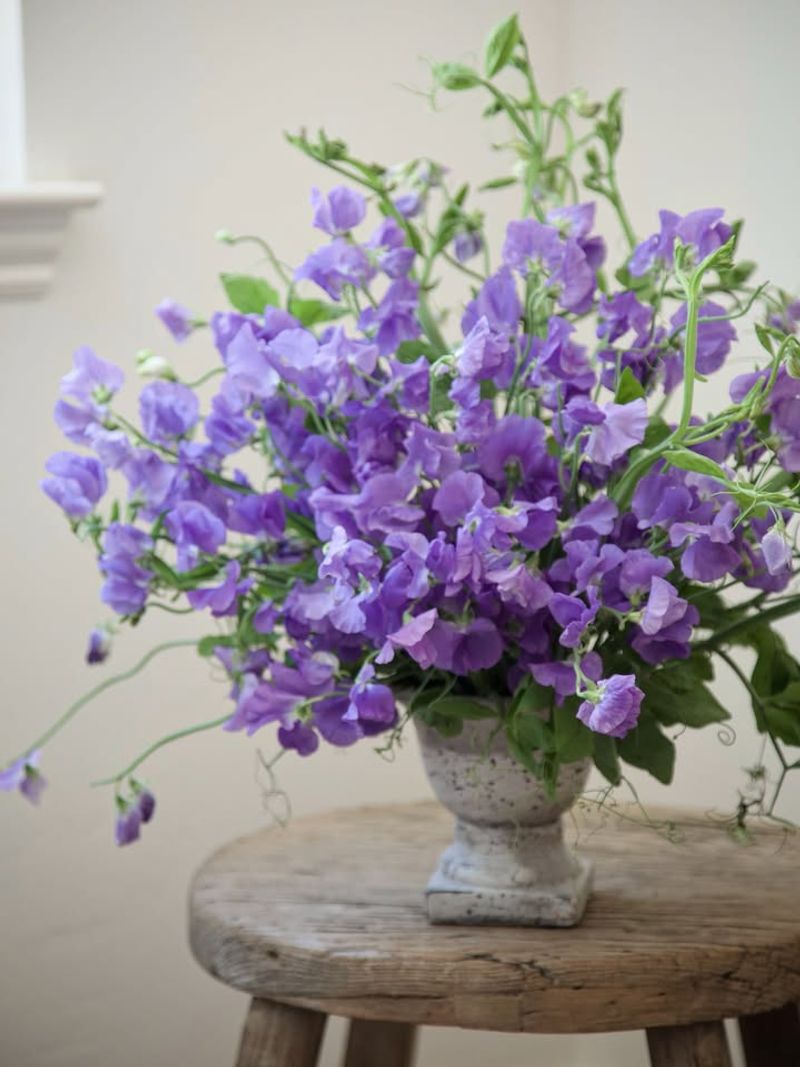
Fragrance alone makes sweet peas worth growing, but their ruffled blooms and climbing habit add to their appeal. These cool-season annuals originated in Sicily and thrive during New York’s mild spring weather.
The climbing vines need support, reaching six to eight feet when given a trellis or fence. Each stem produces multiple flowers in clusters, making them economical for cutting since one stem provides several blooms.
The scent is legendary and varies by variety. Some smell like honey while others have orange-blossom or rose fragrances.
Not all modern varieties are fragrant, so check descriptions before buying. Heirloom types generally have the strongest scents but smaller flowers.
Newer Spencer types offer larger blooms with reasonable fragrance. Colors include soft pastels, rich jewel tones, and bicolors.
Planting early is crucial for success. Sweet peas need cool weather to establish before summer heat arrives.
Many New York gardeners plant them in late March or early April, as soon as soil can be worked. The seeds benefit from soaking overnight before planting.
Provide a sturdy support system since the vines get heavy with flowers. Regular watering and feeding encourage continuous blooming.
Daily harvesting actually increases flower production. Pick stems when the bottom flowers are open and top buds are showing color.
If you let flowers go to seed, the plants stop producing new blooms. Sweet peas last about five days in water, but their incredible fragrance makes them worth cutting frequently.
Strip lower leaves and change water daily. They’re perfect for small bouquets that perfume entire rooms.
When summer heat arrives, the plants decline, but by then your warm-season flowers have taken over.