Why You Shouldn’t Grow These Houseplants In Massachusetts Homes
Not all houseplants are a good fit for every home, and that’s especially true in Massachusetts. While some plants thrive indoors across the state, others struggle with low light, chilly windows, dry winter air, or changing indoor humidity levels.
Many homeowners bring home popular plants without realizing they need tropical warmth, constant sunlight, or more stable temperatures than a New England home can offer. The result?
Frustration, droopy leaves, and plants that just won’t last. Instead of wasting time and money on greenery that won’t thrive, it’s helpful to know which plants to avoid from the start.
Whether you’re new to houseplants or looking to expand your indoor collection, understanding what not to grow is just as important as knowing what works.
Let’s take a look at the houseplants that may look pretty in the store, but just don’t belong in a Massachusetts home.
1. Fiddle Leaf Fig
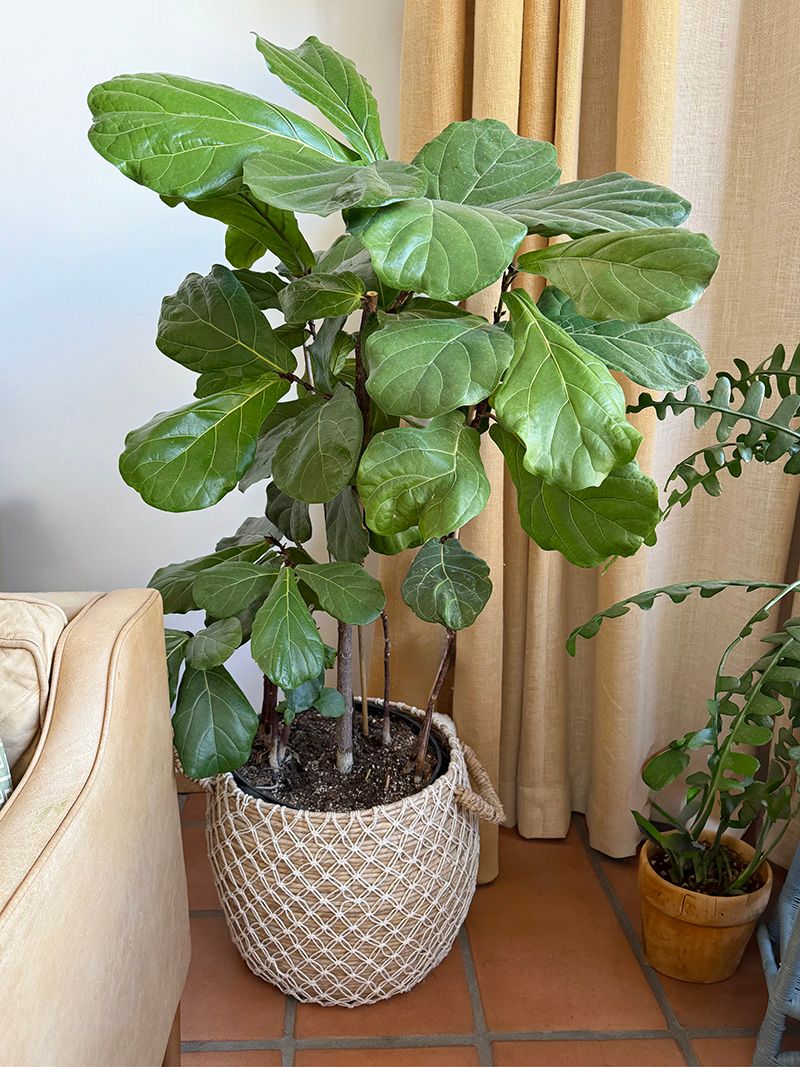
Fiddle leaf figs have become incredibly trendy over the past few years, showing up in magazines, home decor blogs, and Instagram feeds everywhere.
Their large, violin-shaped leaves look stunning in photos, which explains why so many Massachusetts residents bring them home hoping to recreate that designer look.
Unfortunately, these plants are notoriously fussy and demand conditions that most homes in the Bay State simply cannot provide consistently.
Temperature fluctuations are a major problem for fiddle leaf figs. Massachusetts winters mean you’ll be running your heating system regularly, creating hot and cold spots throughout your house.
These plants despise drafts and sudden temperature changes, which can cause their leaves to drop rapidly. One day near a cold window or too close to a heating vent can send your fiddle leaf fig into shock.
Humidity is another serious challenge. Indoor heating during Massachusetts winters strips moisture from the air, creating desert-like conditions inside your home.
Fiddle leaf figs need consistent humidity levels around 40-60 percent to stay healthy. Without a humidifier running constantly, you’ll notice brown edges, crispy leaves, and general unhappiness from this plant.
Light requirements add another layer of difficulty. These plants want bright, indirect light for several hours daily, but Massachusetts winter days are short and often gray.
Finding the perfect spot with enough light but no direct sun becomes nearly impossible. Even experienced plant owners struggle to keep fiddle leaf figs looking good in Massachusetts homes.
So, beginners should definitely skip this high-maintenance option and choose something more forgiving instead.
2. Calathea
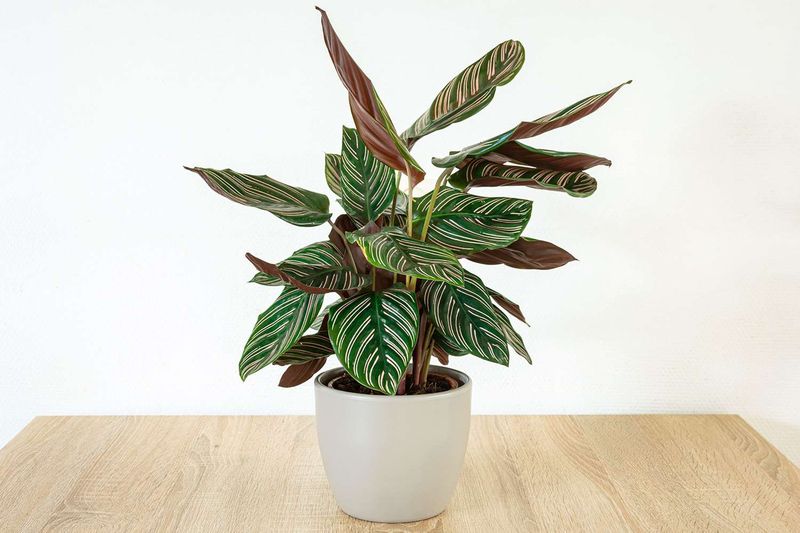
Walk into any plant store and you’ll immediately notice calatheas with their stunning patterned leaves in shades of green, purple, pink, and silver. These tropical beauties catch everyone’s eye with their decorative foliage that almost looks hand-painted.
Many people in Massachusetts purchase them on impulse, drawn in by their incredible appearance, only to watch them struggle within weeks of bringing them home.
Calatheas are native to tropical rainforests where humidity stays consistently high and temperatures remain stable. Massachusetts homes, especially during winter months, offer the complete opposite environment.
Your Massachusetts Garden Changes Every Week. Your Plan Should Too.
Gardening in Massachusetts changes quickly throughout the season. Every Friday you’ll receive a simple weekly plan showing exactly what to plant, prune, fertilize, harvest, and protect so you never miss the right timing.
Central heating systems dry out the air dramatically, and calatheas respond by developing brown, crispy leaf edges almost immediately. You’d need to mist them multiple times daily or run a humidifier constantly just to keep them from looking terrible.
These plants also have very specific watering needs that trip up most owners. They want their soil consistently moist but never soggy, and they’re extremely sensitive to chemicals found in tap water.
Massachusetts tap water often contains chlorine and fluoride, which causes brown spots and leaf tip burn on calatheas. You’d need to use filtered or distilled water exclusively, adding another layer of complexity to their care routine.
Temperature sensitivity creates yet another problem. Calatheas prefer warmth and can’t tolerate temperatures below 60 degrees Fahrenheit.
Drafty Massachusetts homes with old windows or doors can expose these plants to cold air that damages their leaves overnight. Even a slightly cool room can stress them out, causing their leaves to curl and fade, making them a poor choice for Bay State residents.
3. Gardenia
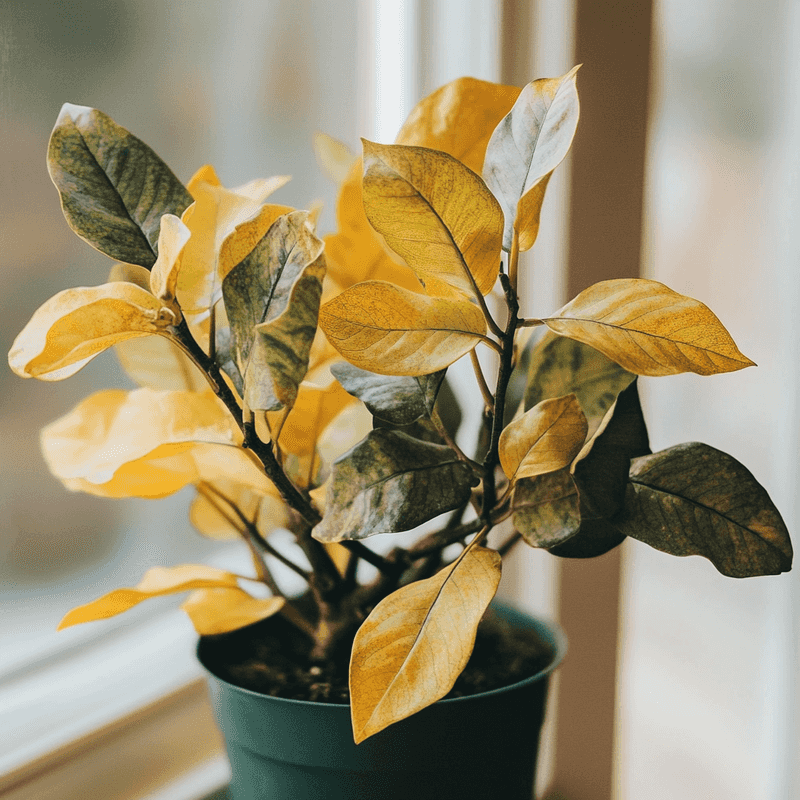
Few plants can match the intoxicating fragrance of gardenia blooms, which smell sweet and creamy, filling an entire room with their perfume.
This lovely scent tempts many Massachusetts homeowners to try growing gardenias indoors, dreaming of having those gorgeous white flowers brightening their space during long winters.
However, gardenias rank among the most demanding and temperamental houseplants you could possibly choose.
Gardenias need extremely high humidity levels, typically above 60 percent, to produce blooms and maintain healthy foliage. Massachusetts heating systems create air so dry that gardenias will protest immediately by dropping their flower buds before they even open.
This phenomenon, called bud drop, frustrates owners who never get to enjoy the flowers they wanted in the first place. Even with humidifiers, maintaining adequate moisture in the air proves incredibly difficult.
Soil pH requirements make gardenias even trickier. They absolutely require acidic soil with a pH between 5.0 and 6.0, and they’ll develop yellow leaves quickly if the pH drifts higher.
Most standard potting mixes won’t work, and you’ll need to use specialized products and test the soil regularly. Massachusetts tap water tends to be alkaline, which gradually raises the soil pH over time, requiring constant monitoring and adjustment.
Light and temperature needs add more complications. Gardenias want bright light but cool nighttime temperatures around 60 degrees, which conflicts with how most people heat their homes.
They also attract pests like spider mites and whiteflies, especially in dry indoor conditions. Between the fussiness, the maintenance, and the likelihood of failure, gardenias simply aren’t worth the headache for Massachusetts indoor gardeners.
4. Maidenhair Fern
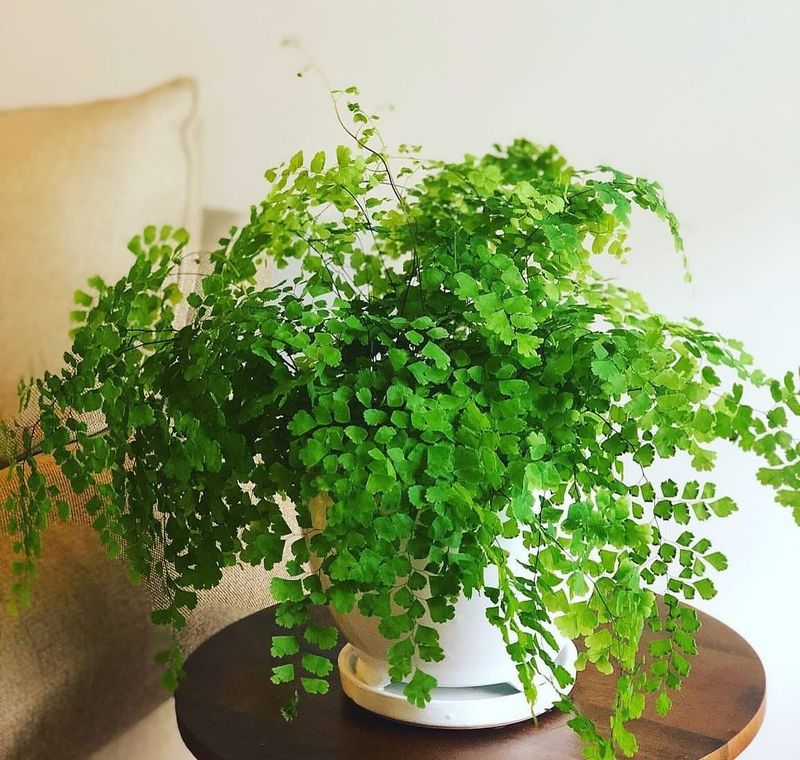
Maidenhair ferns look absolutely ethereal with their delicate, lacy fronds and thin black stems that seem to float in the air. Their soft, feathery appearance makes them a favorite for adding a romantic, cottage-garden feel to indoor spaces.
Plant enthusiasts across Massachusetts fall in love with their beauty at first sight, but this relationship usually ends in disappointment because maidenhair ferns are shockingly difficult to keep alive indoors.
Consistent moisture is critical for these ferns, and they have zero tolerance for drying out. If the soil gets dry even once, the fronds will turn brown and crispy within hours, and they won’t recover.
Massachusetts residents who travel for work or take vacations will return home to find their maidenhair fern completely brown and beyond saving. You’d need to check the soil daily and water carefully to keep it evenly moist at all times.
Humidity requirements are equally extreme. Maidenhair ferns evolved in misty forest environments where moisture hangs in the air constantly.
Massachusetts homes, particularly during winter, offer the exact opposite conditions. Even bathroom humidity from showers won’t be enough to keep these ferns happy long-term.
You’d need a dedicated humidifier running nearby all day, every day, which gets expensive and inconvenient quickly.
Light preferences add another challenge. These ferns want bright, indirect light but will scorch in direct sun and sulk in low light.
Finding that perfect spot in a Massachusetts home proves difficult, especially during winter when natural light is limited.
Combine all these demanding requirements, and maidenhair ferns become a constant source of stress rather than enjoyment, making them a terrible choice for indoor growing in the Bay State.
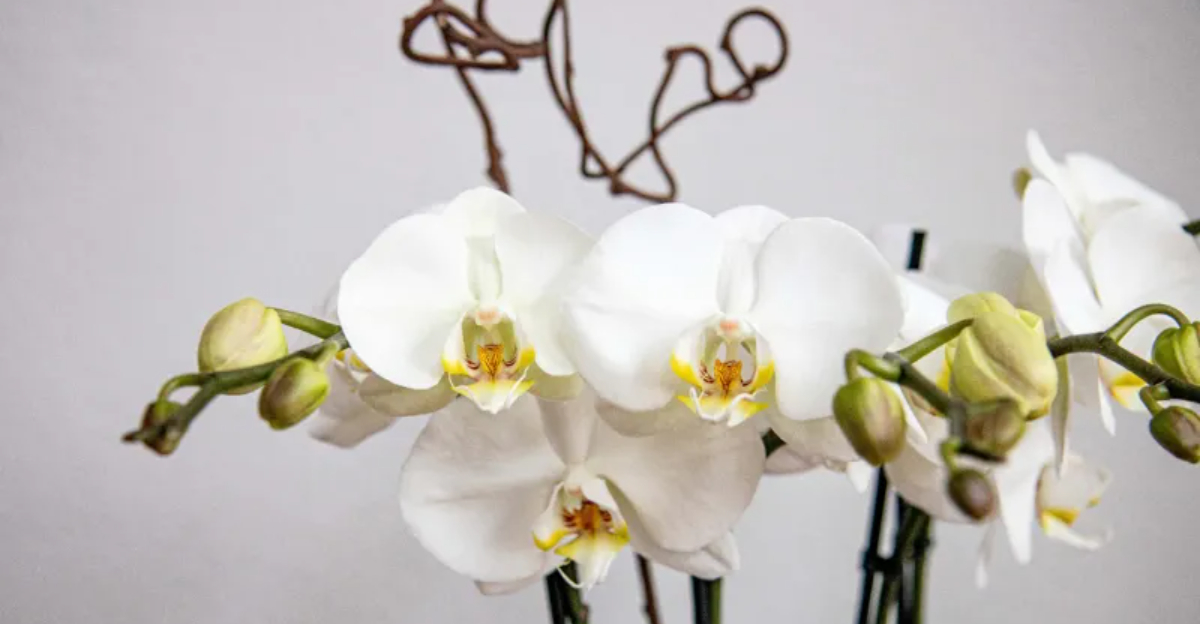
5. Orchids (Phalaenopsis)
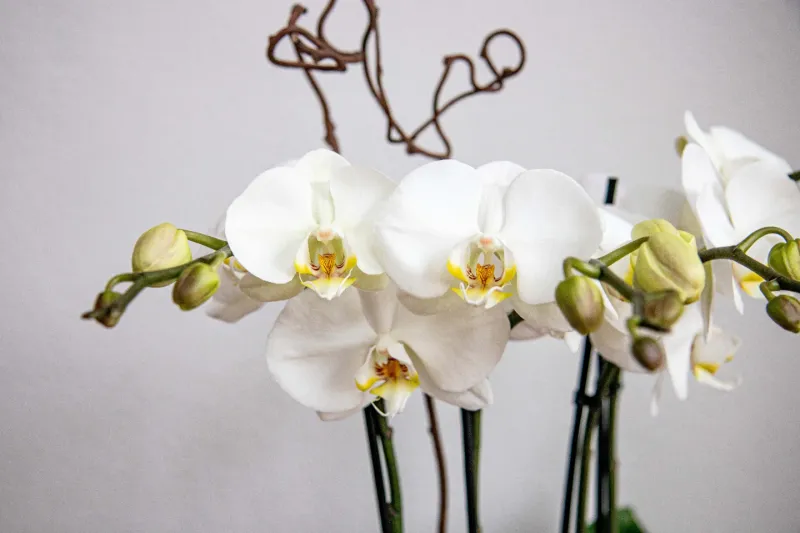
Orchids appear everywhere during holidays and special occasions, often sold at grocery stores and big-box retailers across Massachusetts.
Their exotic blooms last for months and come in stunning colors ranging from pure white to deep purple, making them popular gifts.
While they look impressive and elegant, orchids have very specific care requirements that don’t match up well with typical Massachusetts home environments, leading to frustration when they refuse to rebloom.
Getting orchids to flower again after their initial blooms fade proves incredibly challenging for most people. They need a temperature drop at night, typically about 10-15 degrees cooler than daytime temperatures, to trigger new flower spikes.
Most Massachusetts homes maintain steady temperatures day and night during winter, which means your orchid will just sit there growing leaves but never producing the flowers you actually want. Without recreating these precise conditions, reblooming becomes unlikely.
Watering orchids correctly confuses many owners. These plants grow naturally on trees in tropical forests, not in soil, so their roots need air circulation and can’t sit in water.
Overwatering causes root rot quickly, while underwatering leads to shriveled leaves and roots. Massachusetts tap water, which often contains minerals and chemicals, can also damage orchid roots over time.
You’d need to use filtered water and follow a precise watering schedule based on the plant’s potting medium and environment.
Light requirements create additional problems. Orchids need bright, indirect light for many hours daily to stay healthy and produce flowers.
Massachusetts winter days are short and often cloudy, providing insufficient light for optimal orchid growth.
Without supplemental grow lights, your orchid will likely decline slowly, making them better suited for experienced growers with controlled environments rather than casual plant owners.
6. Croton
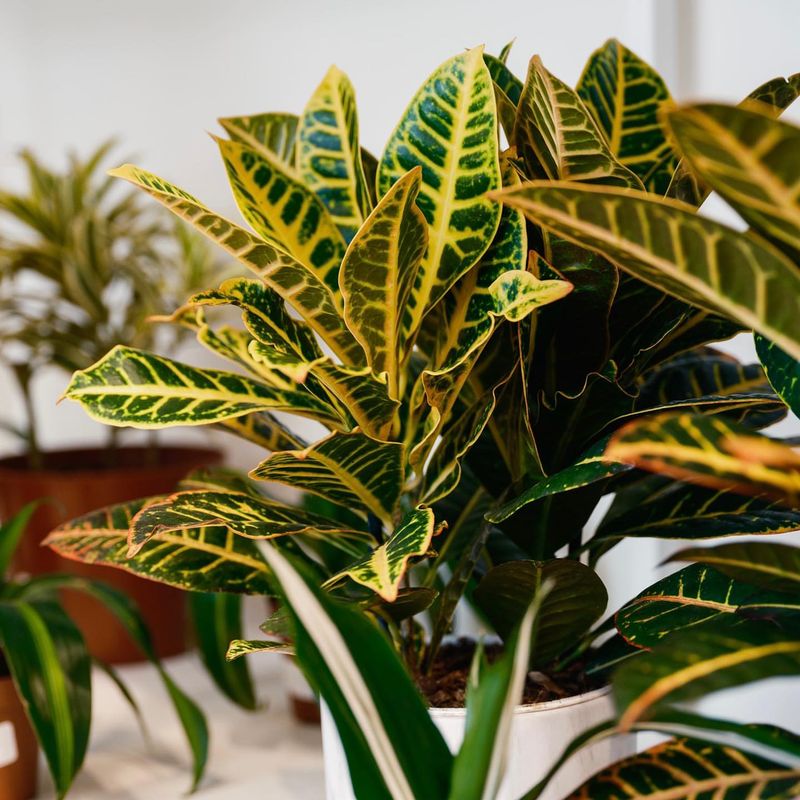
Crotons burst with vibrant colors that seem almost unreal, featuring leaves splashed with yellow, orange, red, pink, and green in bold patterns. Their tropical appearance instantly brightens any room and adds a dramatic pop of color during gray Massachusetts winters.
Garden centers throughout the state stock them regularly because they look so appealing, but crotons prove to be incredibly high-maintenance plants that rarely stay colorful or healthy in typical home conditions.
Bright light is absolutely essential for crotons to maintain their stunning colors. Without several hours of direct or very bright indirect light daily, their leaves will gradually fade to plain green, losing all the vibrant hues that made them attractive in the first place.
Massachusetts winter days are short and often overcast, making it nearly impossible to provide enough natural light.
Even south-facing windows might not offer sufficient intensity during the coldest months, and without proper lighting, your croton becomes just another boring green plant.
Humidity needs present another major obstacle. Crotons are tropical plants that demand high humidity levels to thrive and keep their leaves from dropping.
Massachusetts heating systems create bone-dry indoor air that causes crotons to shed leaves constantly, sometimes losing half their foliage within weeks.
You’d need to run a humidifier continuously and mist the plant frequently to prevent this leaf drop, which becomes tedious and expensive.
Temperature sensitivity adds to their difficulty. Crotons hate cold drafts and temperature swings, both of which are common in Massachusetts homes during winter.
Placing them near windows, doors, or heating vents can cause stress and more leaf loss. They also attract spider mites in dry conditions, requiring pest management on top of everything else.
For all these reasons, crotons are simply too demanding for most Bay State households.
7. Boston Fern
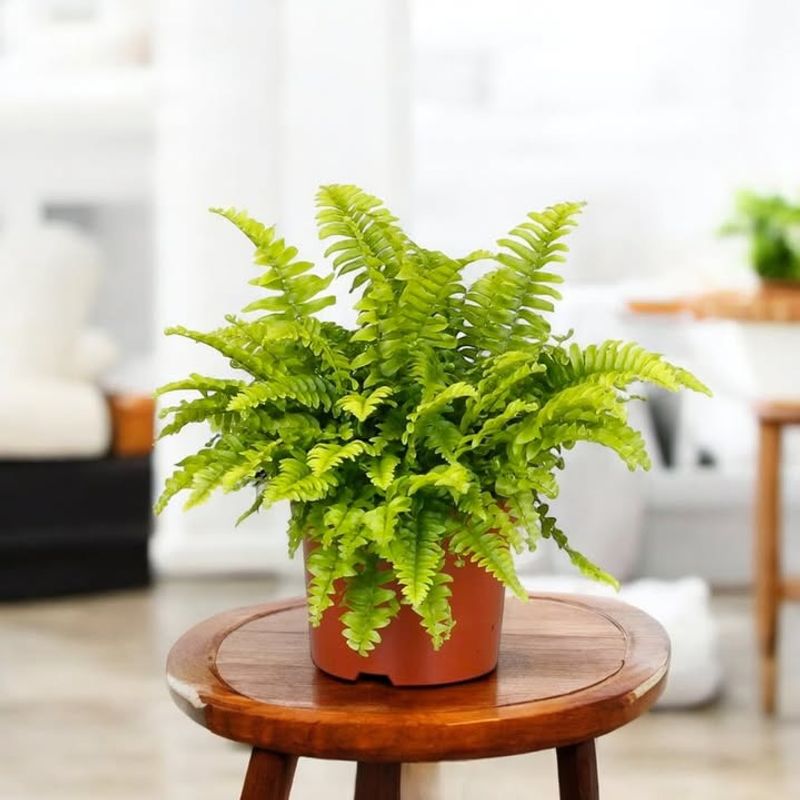
Boston ferns might seem like an obvious choice for Massachusetts residents given their name connection to the region’s most famous city.
These lush, full ferns with cascading fronds look beautiful in hanging baskets and add a classic, timeless appeal to porches and indoor spaces.
Despite their association with New England, Boston ferns actually struggle significantly when grown indoors in Massachusetts homes, especially during the heating season when conditions become particularly harsh for these moisture-loving plants.
Extreme humidity dependence makes Boston ferns problematic for indoor growing. These plants evolved in subtropical environments where moisture saturates the air constantly, and they simply cannot adapt to the dry conditions inside heated Massachusetts homes.
Within days of bringing one inside for winter, you’ll notice brown, crispy fronds developing from the tips inward. The fronds will shed constantly, leaving a mess of dry plant material on your floor daily, which gets frustrating quickly.
Watering requirements are equally demanding. Boston ferns need their soil to stay consistently moist but not waterlogged, requiring frequent attention and careful monitoring.
Let the soil dry out even slightly, and the fronds will brown and crisp up immediately. Overwater, and root rot develops quickly.
Finding that perfect balance proves difficult, especially since heating systems and humidity levels affect how quickly the soil dries. You’d essentially need to check the plant daily and adjust your watering schedule constantly.
These ferns also need bright, indirect light and cool temperatures, both of which are hard to provide during Massachusetts winters. They prefer temperatures around 60-70 degrees, cooler than most people keep their homes.
The combination of high maintenance, constant mess, and specific requirements makes Boston ferns far better suited for outdoor growing during warm months rather than as year-round houseplants in the Bay State.