Winter Sow These 9 Cold-Hardy Flowers In Oregon Gardens Right Now
Winter sowing is one of the easiest ways to get a head start on spring flowers. It sounds unusual at first, but it works especially well in Oregon.
Cold-hardy seeds actually like the chill and use winter weather to grow stronger.
I was skeptical the first time I tried it. Then spring arrived and my seedlings popped up thick and healthy.
Since then, winter sowing has become part of my yearly routine. It saves space indoors and takes very little effort.
Oregon’s cool, wet winters create the perfect conditions for this method. Nature does most of the work for you.
You just set things up and let the seasons handle the rest.
These cold-hardy flowers are great choices for winter sowing. They’re tough, reliable, and ready to bring early color to your garden.
1. Pansies
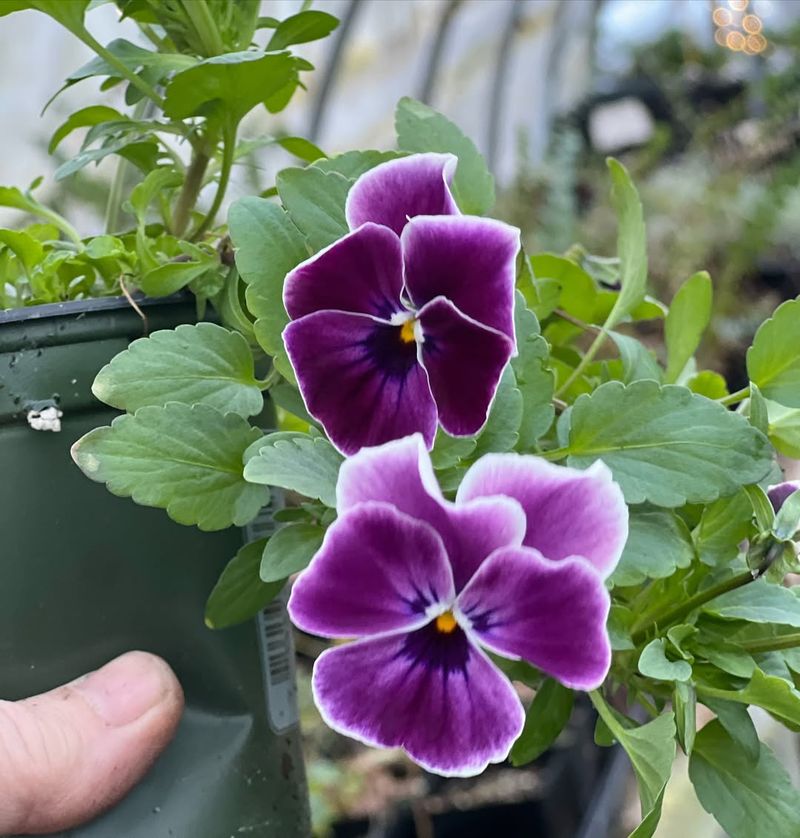
Oregon’s winter conditions suit pansies beautifully because they prefer cool temperatures for germination. You can winter sow them in milk jug containers or any recycled plastic with drainage holes poked in the bottom.
Fill your containers with a quality seed-starting mix, barely covering the tiny seeds with about 1/8 inch of soil since they need some light to sprout.
Place your containers in a spot that gets morning sun but afternoon shade to prevent overheating on those surprise sunny winter days. The natural rainfall Oregon receives during winter keeps the soil moist without you having to water constantly.
Seeds typically germinate when temperatures reach the mid-40s, which happens sporadically through our winter months.
Space seedlings about 6 to 8 inches apart when transplanting in early spring. Their compact root systems appreciate well-draining soil, so adding compost helps if your garden tends to stay soggy.
By March, you’ll have vibrant blooms nodding at you from your garden beds while others are just starting seeds indoors.
2. Snapdragons
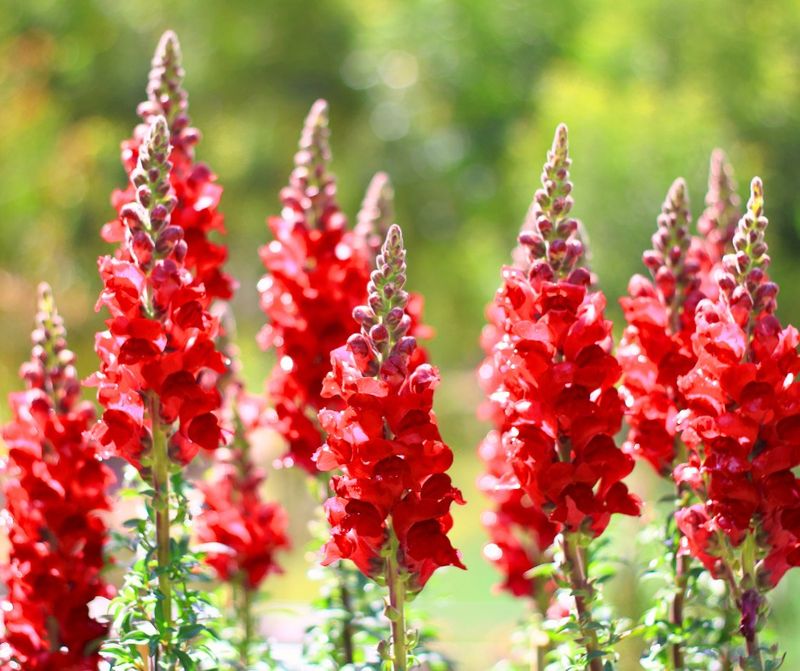
You’re bundled up in your favorite gardening jacket, containers lined up on the back porch, and you’re wondering which seeds can handle the Oregon chill ahead. Snapdragons are your answer.
They’re one of those flowers that actually prefer a cold start, developing stronger root systems when exposed to winter’s natural temperature swings.
These vertical beauties need light to germinate, so press the fine seeds gently onto the soil surface without covering them. Use containers at least 4 inches deep since snapdragons develop substantial root systems early on.
Position them where they’ll get bright light but protection from heavy downpours that could wash away the tiny seeds before they anchor.
Oregon’s wet winters work in your favor here because snapdragons appreciate consistent moisture during germination. However, good drainage remains critical, punch plenty of holes in your container bottoms and elevate them slightly on bricks or wood blocks.
Germination happens when soil temperatures hover around 40 to 50 degrees, which occurs frequently during our mild winter stretches.
When seedlings develop their second set of true leaves, thin them to about 6 inches apart or transplant to individual containers.
By late April, you’ll have tall spikes of colorful blooms reaching 2 to 3 feet high, providing vertical interest and cut flowers long before summer arrives.
Your Oregon Garden Changes Every Week. Your Plan Should Too.
Gardening in Oregon changes quickly throughout the season. Every Friday you’ll receive a simple weekly plan showing exactly what to plant, prune, fertilize, harvest, and protect so you never miss the right timing.
3. Sweet Alyssum
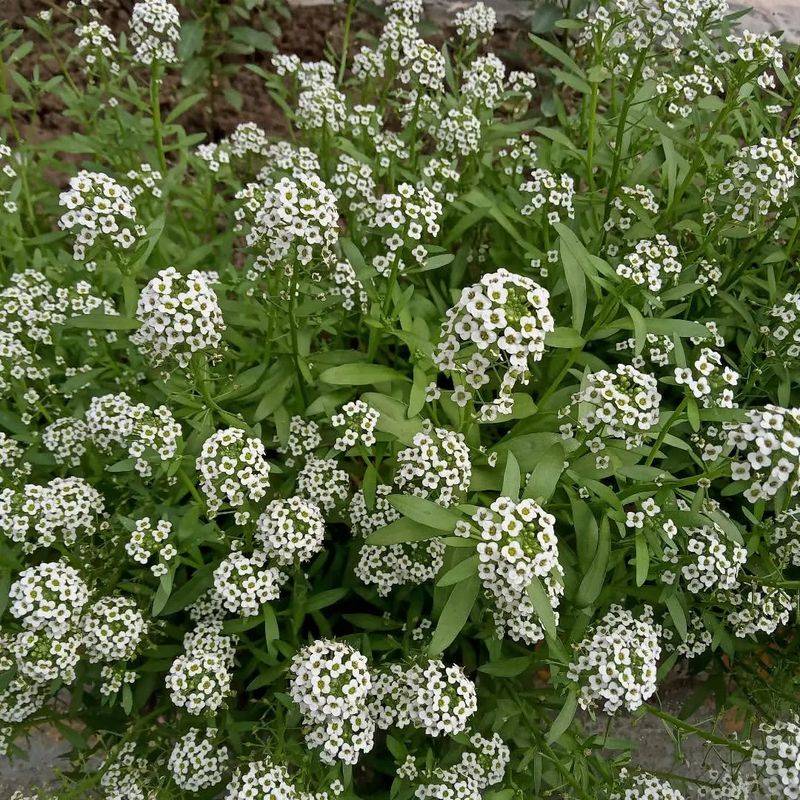
There’s something magical about walking past a garden bed filled with sweet alyssum on a warm spring evening, but that magic starts months earlier with winter sowing.
This low-growing flower creates carpets of tiny blooms that smell like honey, and it’s remarkably forgiving for Oregon gardeners trying winter sowing for the first time.
Sweet alyssum seeds are small but mighty, germinating reliably in cool temperatures that would discourage other flowers.
Scatter seeds lightly across moist seed-starting mix in shallow containers, then barely cover them with a thin layer of soil, about 1/16 inch does the trick.
These seeds need some light exposure to germinate, so don’t bury them too deep.
Position your containers where they’ll catch gentle rain but won’t flood during Oregon’s heavier winter storms. The plants naturally sprawl and spread, so plan for about 6 inches of space between seedlings when you transplant them.
They tolerate both sun and partial shade, making them versatile for various garden spots.
Germination typically occurs when temperatures reach the low 40s, and you’ll see tiny green sprouts within a few weeks of consistent mild weather. The cool start encourages compact, bushy growth rather than leggy, weak stems.
By April, you’ll have fragrant white, pink, or purple flowers cascading over container edges or filling gaps between larger plants in your garden beds.
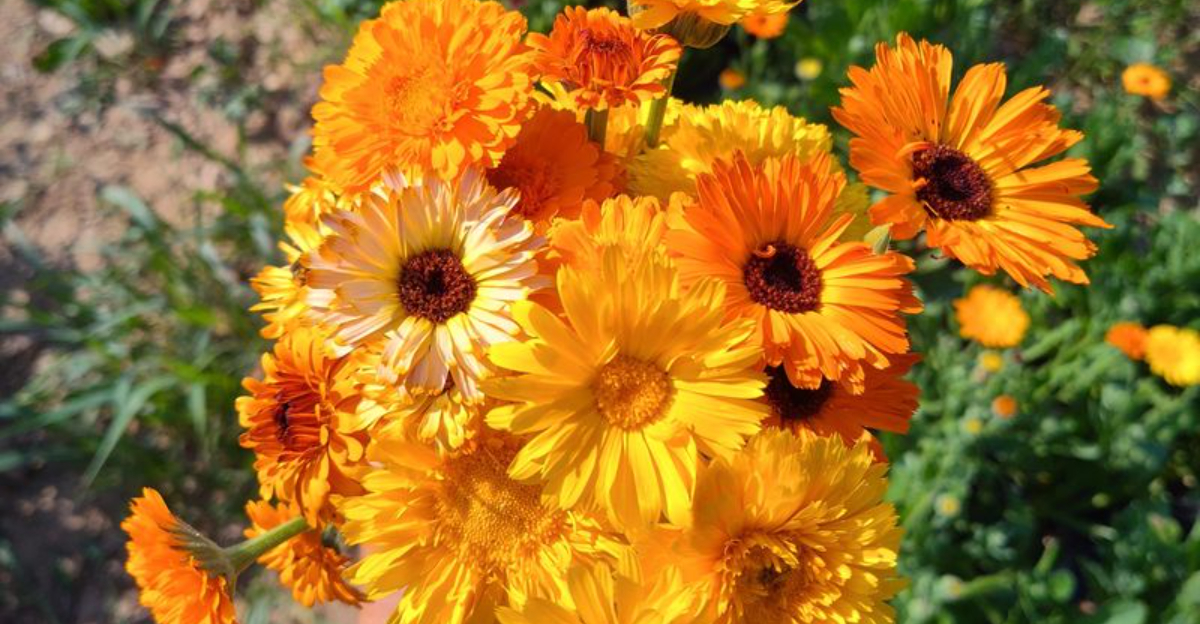
4. Calendula
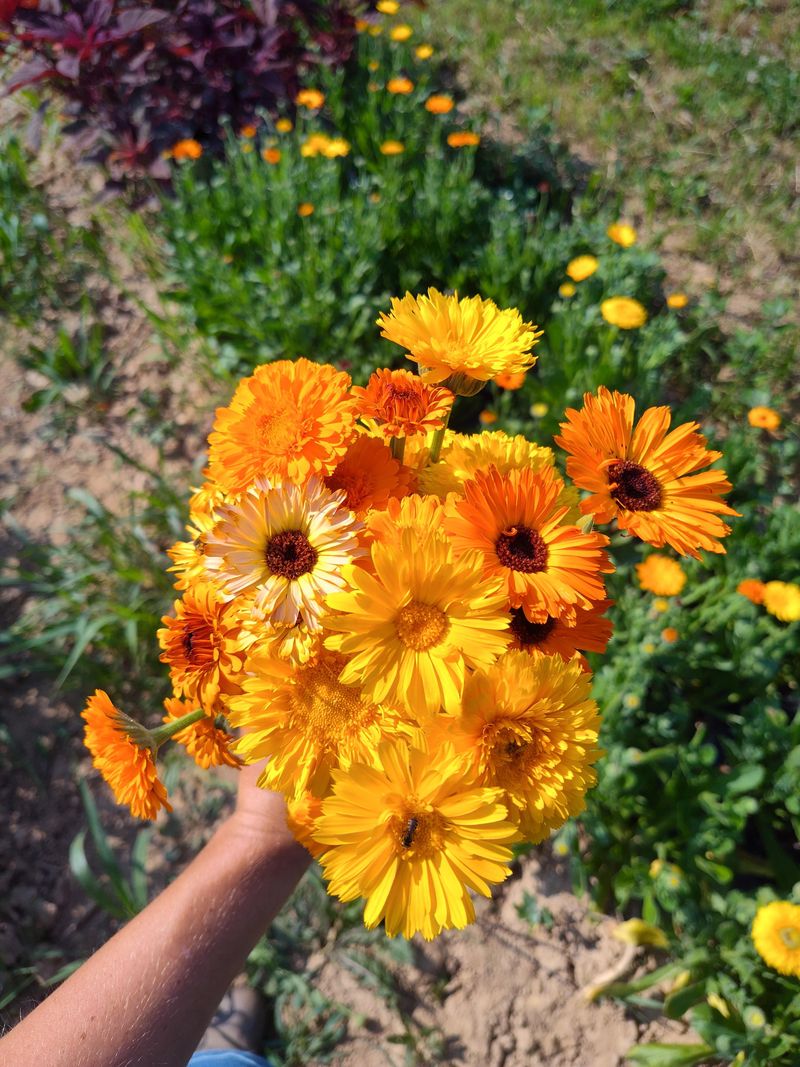
Imagine reaching into your garden in early spring to harvest bright orange and yellow flowers that are both beautiful and edible. Calendula makes that dream possible, and winter sowing gives these cheerful flowers the head start they need to bloom prolifically.
Also called pot marigold, calendula has been a garden staple for centuries because it’s simply reliable.
These seeds are larger and easier to handle than many winter-sown flowers, making them great for gardeners new to this technique. Plant them about 1/4 to 1/2 inch deep in containers filled with well-draining seed mix.
Calendula appreciates Oregon’s cool, moist winters and actually prefers germinating in temperatures between 40 and 55 degrees.
Place containers where they’ll receive full sun exposure, calendula blooms best with at least 6 hours of direct light daily. The seeds typically sprout within 10 to 14 days once temperatures consistently reach the mid-40s.
Oregon’s frequent winter rains keep the soil evenly moist, which is exactly what calendula seeds need.
Space transplants about 12 inches apart since mature plants grow bushy and 12 to 18 inches tall. They tolerate light frosts beautifully and often keep blooming right through late spring and into early summer.
Harvest flowers regularly to encourage continuous blooming, and toss the petals into salads or dry them for teas and skin-soothing preparations.
5. Violas
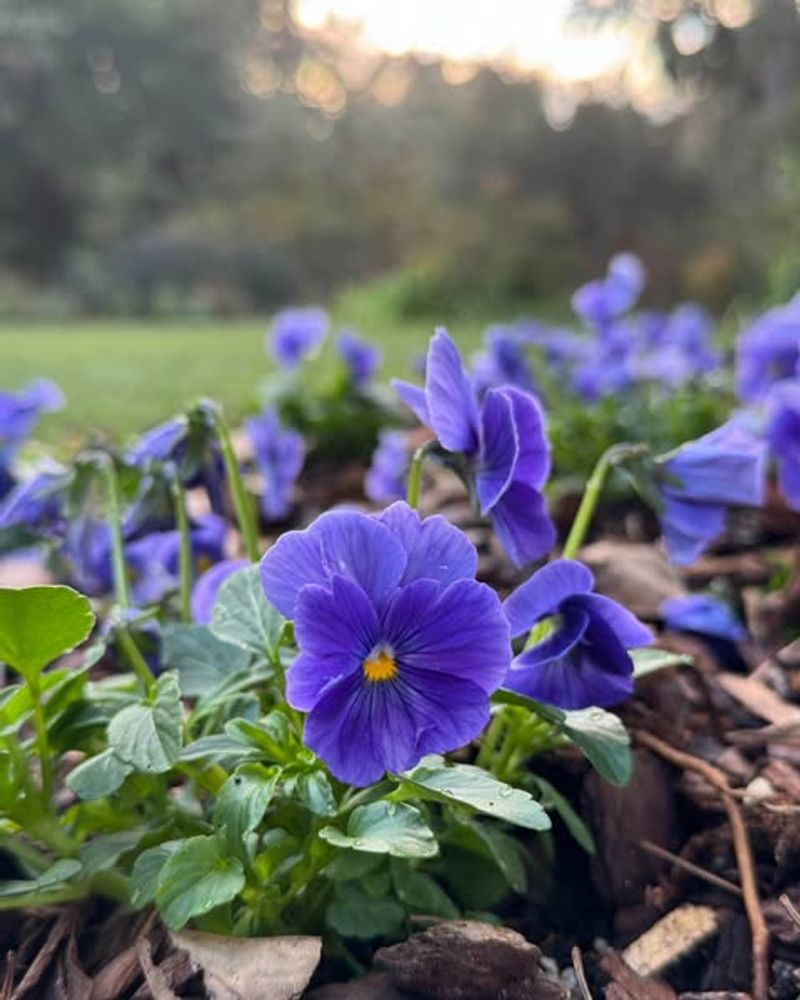
Your windowsill is crowded with containers, and you’re checking each one daily for signs of life. When violas finally sprout, their tiny leaves are among the most rewarding sights for winter sowers.
These petite cousins of pansies pack just as much color but with a more delicate appearance and even better cold tolerance.
Violas germinate best in cool conditions, making Oregon’s winter climate ideal for starting them outdoors. Sow seeds about 1/8 inch deep in containers with excellent drainage, pressing them gently into moist seed-starting mix.
Unlike some flowers that need consistent warmth, violas actually require a period of cold exposure to germinate well, which our winter weather provides naturally.
Position containers in a location that receives morning sunlight and protection from harsh afternoon wind or heavy rain.
The seeds typically sprout when temperatures cycle between freezing nights and 40-degree days, exactly what Oregon offers from January through March.
Keep the soil consistently moist but not waterlogged, which is easy given our region’s regular rainfall.
When seedlings develop two true leaves, thin or transplant them to 4 to 6 inches apart. Violas stay compact, reaching only 6 to 8 inches tall, making them perfect for edging paths or filling containers.
They bloom prolifically from early spring through early summer, and their flowers are edible, adding whimsical color to desserts and salads.
6. Stock
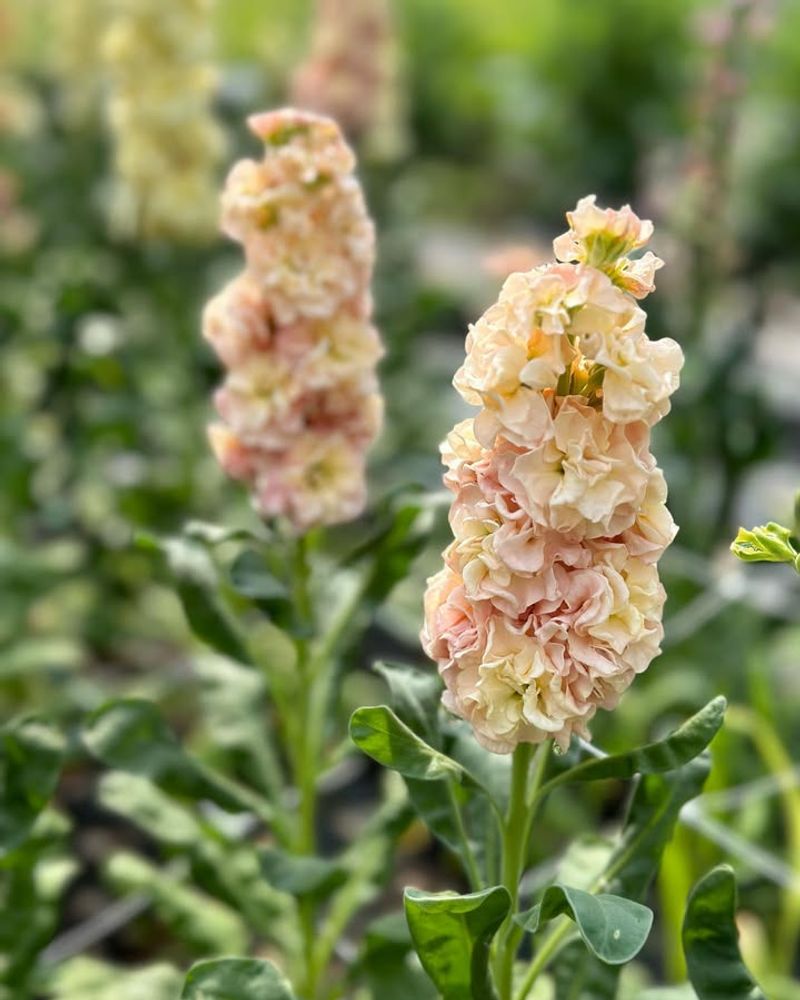
Few flowers offer the intoxicating fragrance that stock delivers, and that scent becomes even sweeter knowing you started these beauties during winter’s quiet months.
Walking past a bed of stock in full bloom feels like stepping into a perfume garden, with spikes of ruffled flowers in shades of pink, purple, white, and red filling the air with their spicy-sweet aroma.
Stock seeds need cold stratification to germinate well, which means winter sowing is actually the preferred method for starting them. Sow seeds about 1/8 inch deep in containers with good drainage, using a light seed-starting mix that won’t compact when wet.
Oregon’s cool, damp winters provide the exact conditions stock seeds need to break dormancy and sprout.
These plants prefer full sun but tolerate partial shade, especially during our occasional warm winter days. Place containers where they’ll stay evenly moist from rainfall but won’t sit in standing water.
Germination occurs when temperatures range from 40 to 50 degrees, which happens regularly throughout Oregon winters during mild stretches.
Space transplants about 10 to 12 inches apart when they’re ready to move into the garden. Stock grows 12 to 24 inches tall depending on the variety, creating vertical interest in spring borders.
The flowers open from bottom to top along the spike, providing weeks of blooms and fragrance. They make exceptional cut flowers, lasting over a week in vases.
7. Primrose
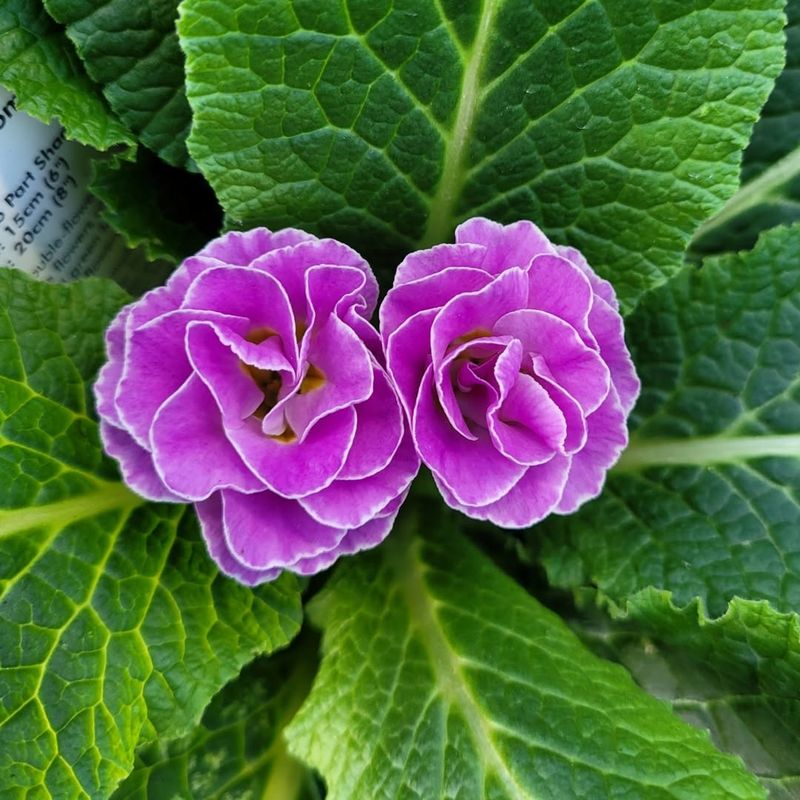
There’s something deeply satisfying about seeing primroses emerge in late winter, their bright flowers appearing while frost still touches the ground some mornings.
These woodland natives appreciate Oregon’s climate, thriving in the cool, moist conditions that define our region.
Winter sowing primroses gives them the cold period they need for proper germination.
Primrose seeds are tiny and require light to germinate, so simply press them onto the surface of moist seed-starting mix without covering them. Use containers at least 3 inches deep and position them in a spot that receives filtered light or morning sun.
These plants naturally grow in woodland settings, so they don’t need intense sunlight to thrive.
Oregon’s winter rain keeps the soil surface moist, which is critical for primrose germination since the seeds shouldn’t dry out. They typically sprout when temperatures reach the mid-40s, and patience is key, germination can take several weeks.
Once they emerge, the seedlings grow slowly but steadily through late winter and early spring.
Transplant seedlings about 6 to 8 inches apart in locations with partial shade and rich, moisture-retentive soil. Primroses grow 6 to 10 inches tall with rosettes of textured leaves and clusters of colorful flowers.
They bloom from late winter through mid-spring, providing early season color when few other plants are flowering. They naturalize nicely in woodland gardens or shaded borders.
8. Larkspur
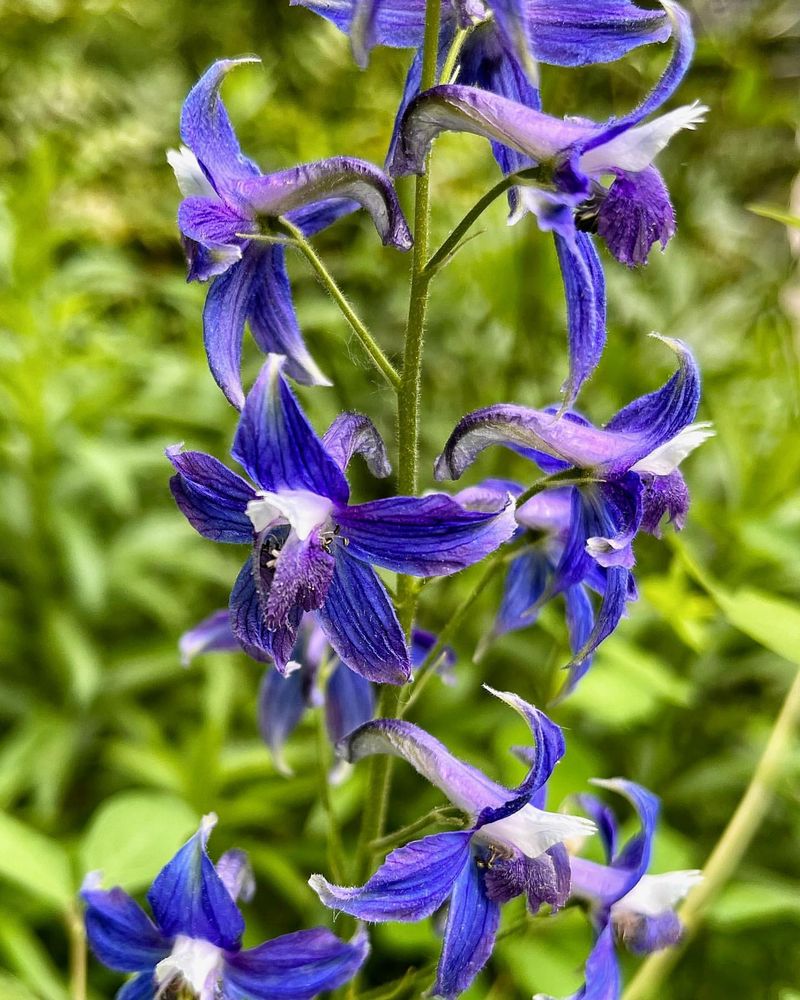
Standing in your garden on a breezy spring day, watching tall larkspur spikes sway gracefully, you’ll be glad you took the time to winter sow these elegant flowers.
Larkspur requires cold stratification for successful germination, making winter sowing not just beneficial but practically necessary for good results.
These cottage garden favorites bring vertical drama and old-fashioned charm to any planting.
Sow larkspur seeds about 1/4 inch deep in containers with excellent drainage, spacing them about an inch apart. The seeds need darkness to germinate, so covering them properly is important.
Oregon’s winter temperatures provide the cold period these seeds require, and germination typically occurs when temperatures fluctuate between freezing nights and 40 to 50-degree days.
Place containers in a location that receives full sun, as larkspur blooms best with at least 6 hours of direct light daily. The plants develop deep taproots early, so choose containers at least 4 inches deep or plan to transplant seedlings to the garden while they’re still small.
Oregon’s winter moisture keeps seeds from drying out during the germination period.
Space transplants 10 to 12 inches apart in garden beds with well-draining soil. Larkspur grows 2 to 4 feet tall depending on variety, producing spikes covered in delicate flowers in shades of blue, pink, white, and purple.
They bloom prolifically from late spring through early summer and make stunning cut flowers for arrangements.
9. Nigella
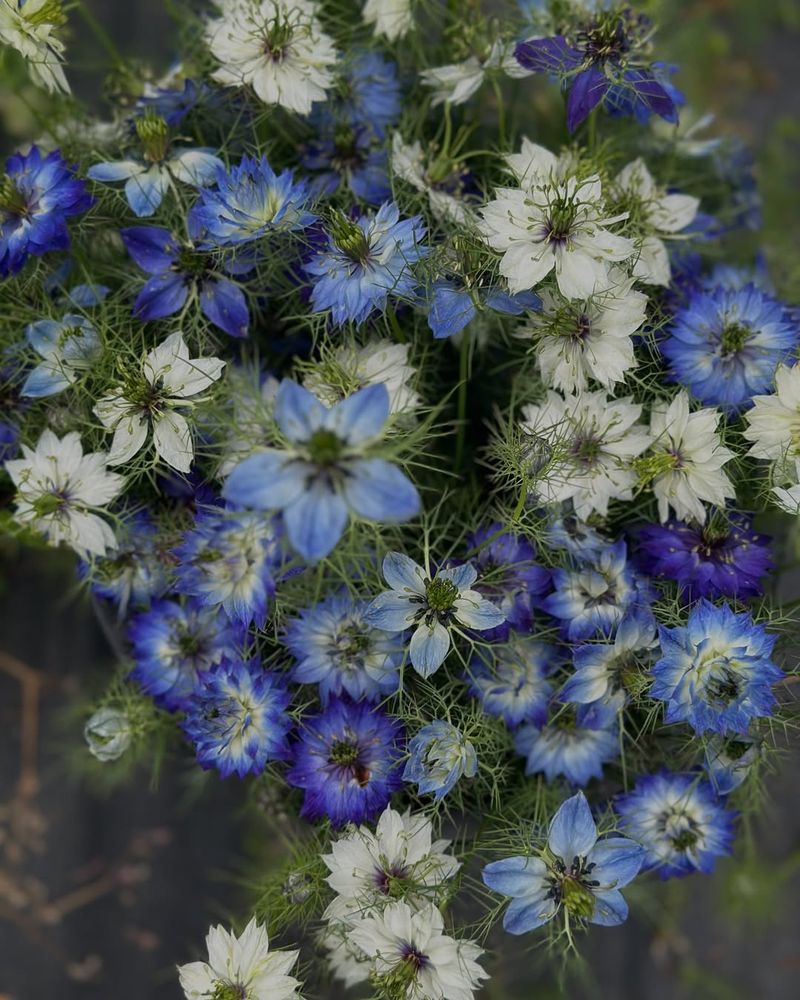
Some flowers seem almost too delicate to survive winter sowing, but nigella proves that looks can be deceiving. Also known as love-in-a-mist, this airy flower with feathery foliage and unique blooms thrives when started during Oregon’s cool months.
The seeds actually benefit from cold exposure, germinating more reliably after experiencing winter temperatures.
Sow nigella seeds about 1/4 inch deep in containers filled with well-draining seed mix, spacing them roughly an inch apart.
These seeds don’t transplant well once established, so some gardeners prefer direct sowing in the garden, but winter sowing in containers works if you transplant seedlings while they’re still small.
Oregon’s winter climate provides the cold stratification nigella prefers.
Position containers in full sun locations where they’ll receive at least 6 hours of direct light daily. Germination occurs when soil temperatures reach the mid-40s, typically during mild stretches in late winter or early spring.
The natural rainfall keeps soil moist without overwatering, which can rot seeds before they sprout.
Transplant carefully to the garden when seedlings are 2 to 3 inches tall, spacing them about 8 to 10 inches apart. Nigella grows 12 to 18 inches tall with intricate blue, white, or pink flowers surrounded by thread-like foliage.
After flowering, the seed pods are equally ornamental, drying beautifully for arrangements. The plants bloom from late spring through early summer, reseeding readily for future years.