Grow These Herbs To Attract More Butterflies To Your New York Backyard
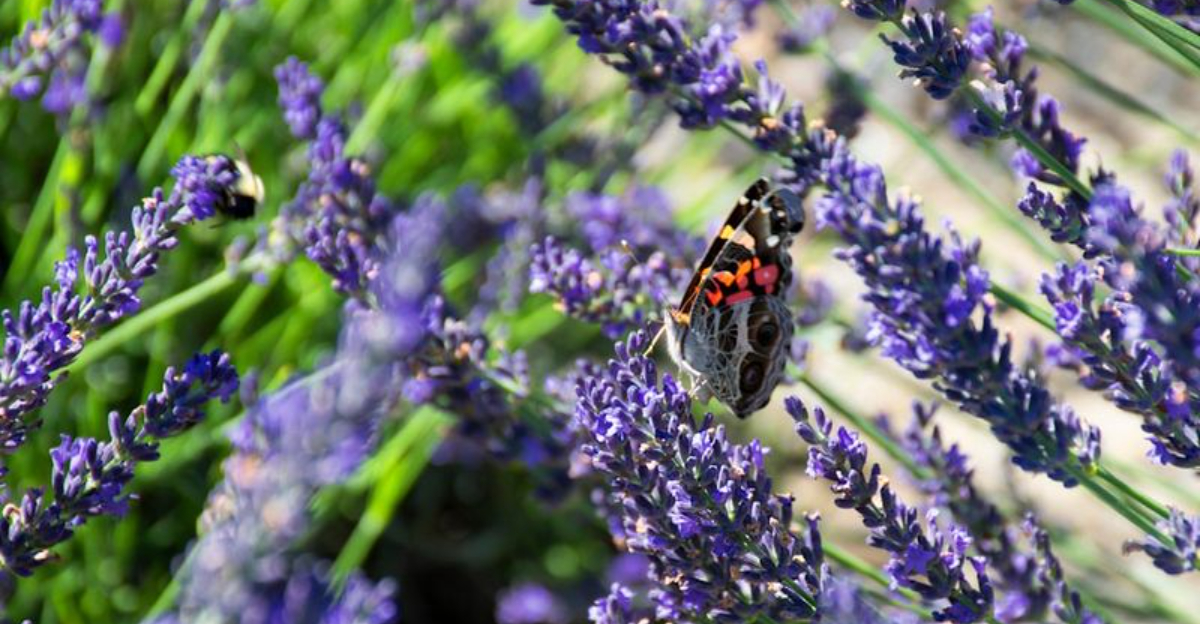
Want to bring more butterflies into your New York backyard? Well, it might be time to rethink what you’re planting, especially when it comes to herbs.
While flowers often get all the credit, certain herbs are just as powerful at attracting these colorful visitors. Butterflies aren’t just pretty to watch – they also help pollinate your garden, making your outdoor space more vibrant and productive.
The great news is that many butterfly-friendly herbs are easy to grow, smell amazing, and can be used in your kitchen too. With New York’s changing seasons, choosing the right herbs that thrive locally is key.
Whether you have a big yard or a few sunny containers, you can create a butterfly haven that adds life and beauty to your garden. Let’s explore which herbs you should plant this season to keep the butterflies coming back again and again.
1. Parsley
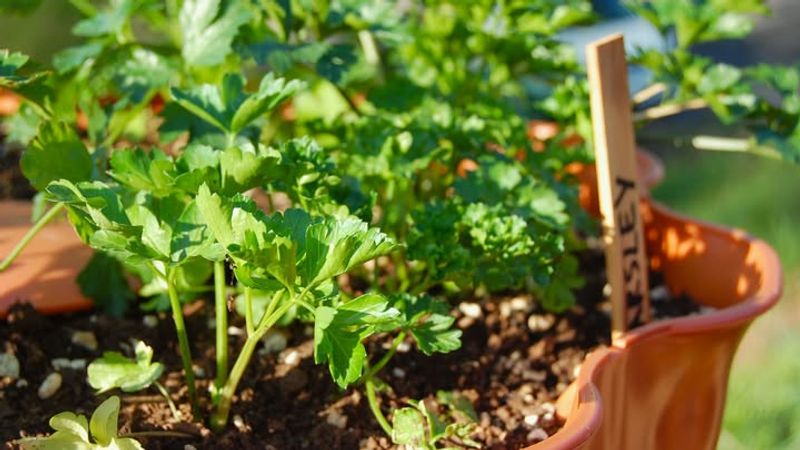
Most people know parsley as a kitchen herb, but it plays a crucial role in the butterfly life cycle. Black swallowtail butterflies depend on parsley as a host plant where they lay their eggs.
The caterpillars that emerge have striking green bodies with black and yellow stripes. Watching them transform from tiny eggs to beautiful butterflies is an amazing experience for any New York gardener.
Both curly and flat-leaf parsley work well for attracting black swallowtails. The plants prefer rich, moist soil and can handle partial shade, making them versatile for different garden spots.
Parsley is a biennial, meaning it grows leaves the first year and flowers the second year before setting seed. The small yellow flowers that appear in the second year also attract adult butterflies looking for nectar.
Don’t worry if you see caterpillars munching on your parsley leaves. This is exactly what you want to happen.
Plant extra parsley so you have enough for both the caterpillars and your own cooking needs. The caterpillars won’t completely destroy the plant, and new growth will fill in quickly.
Parsley grows easily from seed or transplants and does well in containers if you have limited space. In New York, you can start parsley in early spring for a long growing season.
The plants can tolerate light frost, so they’ll keep producing well into fall. Keep the soil consistently moist but not waterlogged for the healthiest plants.
2. Lavender
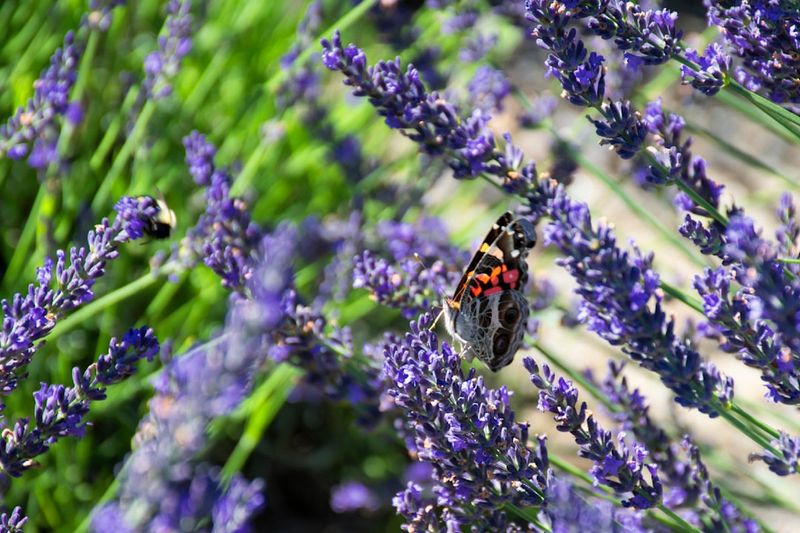
Purple blooms and a heavenly scent make lavender one of the most beloved herbs for both people and butterflies. This Mediterranean plant thrives in New York gardens when given plenty of sunshine and well-drained soil.
Butterflies can’t resist the nectar-rich flowers that bloom from early summer through fall, and you’ll often see multiple species visiting at the same time.
Lavender comes in several varieties, but English lavender tends to perform best in New York’s climate. The plant grows into a bushy shape, reaching about two feet tall and wide.
Its silver-green foliage looks attractive even when not in bloom. Monarchs, painted ladies, and swallowtails are just a few of the butterflies that regularly visit lavender plants.
Your New York Garden Changes Every Week. Your Plan Should Too.
Gardening in New York changes quickly throughout the season. Every Friday you’ll receive a simple weekly plan showing exactly what to plant, prune, fertilize, harvest, and protect so you never miss the right timing.
Plant your lavender in a spot that gets at least six hours of direct sunlight daily. The soil should drain quickly because lavender hates having wet roots.
You can improve drainage by mixing sand or gravel into heavy clay soil. Once established, lavender is quite drought-tolerant and doesn’t need much fertilizer.
Beyond attracting butterflies, lavender offers many benefits for your New York garden. You can harvest the flowers to make sachets, teas, or baked goods.
The strong scent also helps repel mosquitoes and other unwanted insects. Deer usually leave lavender alone, which is a big plus in many New York neighborhoods.
This hardy perennial will return year after year, becoming more beautiful as it matures.
3. Dill
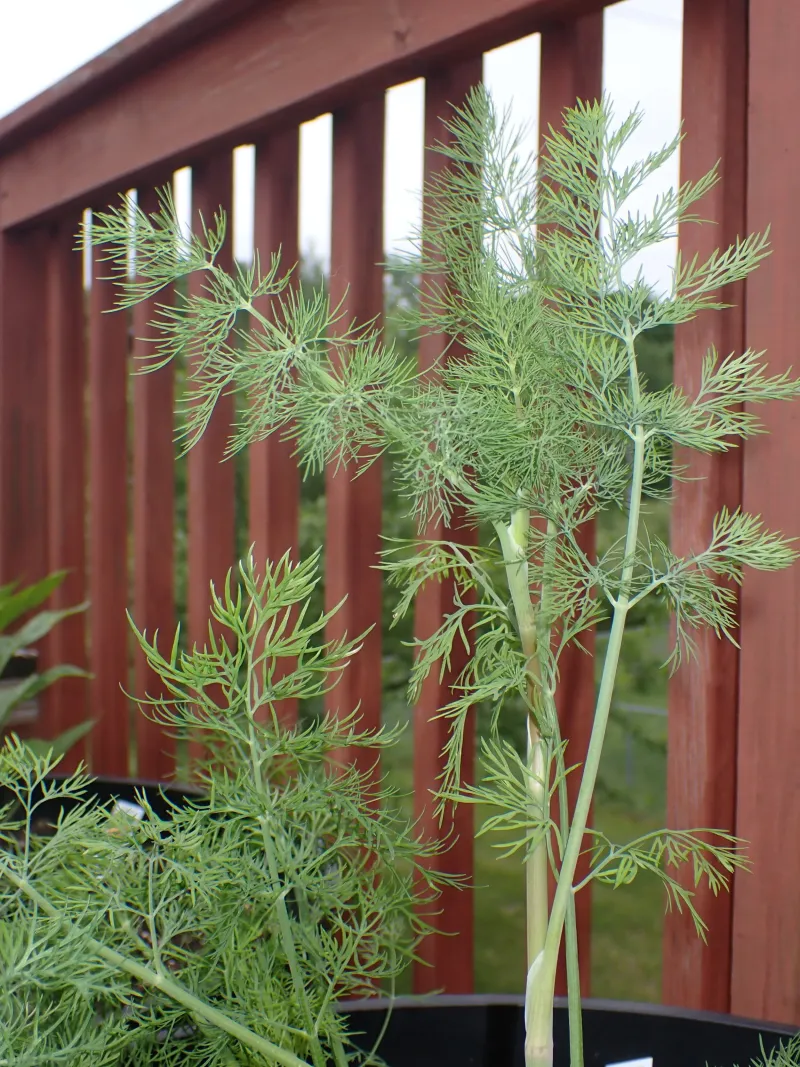
Feathery green leaves and umbrella-shaped yellow flower clusters make dill instantly recognizable.
This annual herb serves double duty by attracting adult butterflies with its nectar-rich blooms while also providing food for black swallowtail and anise swallowtail caterpillars.
New York gardeners will find dill easy to grow and incredibly productive throughout the summer months.
Dill shoots up quickly once planted, often reaching three to four feet tall. The lacy foliage adds interesting texture to any garden bed.
When the plant flowers in mid to late summer, you’ll notice an increase in butterfly activity. The tiny yellow flowers grouped together in flat clusters provide an easy landing platform for butterflies to feed.
Plant dill in full sun with well-drained soil for best results. The herb doesn’t transplant well because of its long taproot, so sow seeds directly in your garden after the last frost date.
In New York, this usually means late April or early May. Dill grows fast and will be ready for harvest within six to eight weeks.
Like parsley, expect to see caterpillars on your dill if black swallowtails are in your area. The bright green caterpillars blend in with the foliage at first but become more visible as they grow.
Plant several dill plants to ensure you have enough for both butterflies and your own use in pickles, fish dishes, and salads. Dill will self-seed readily, so you might find volunteer plants popping up in your New York garden year after year.
4. Oregano
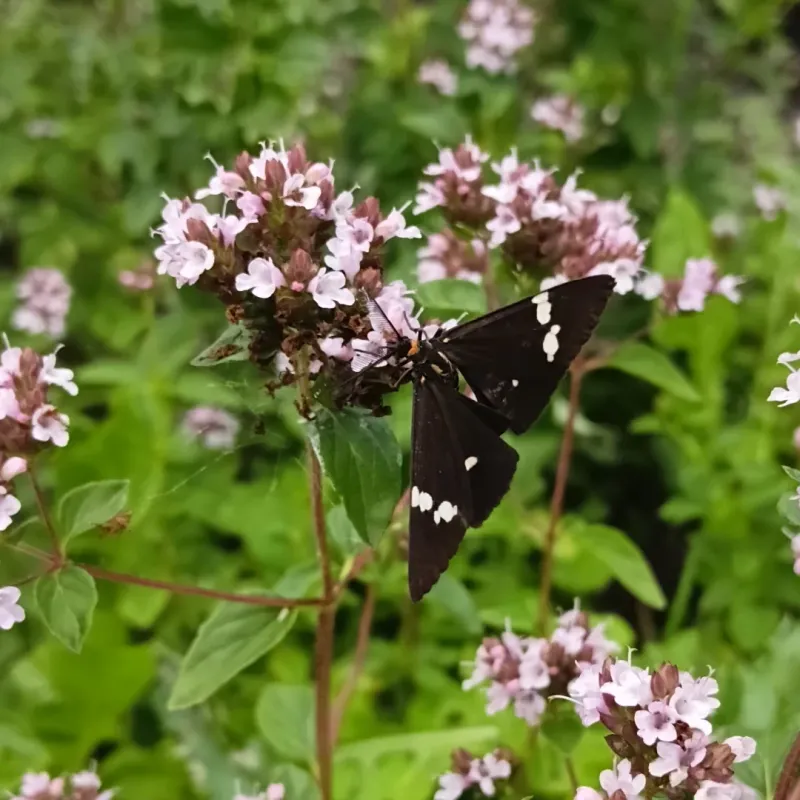
When oregano blooms, it transforms into a butterfly buffet. The small pink or purple flowers appear in clusters during summer and draw in numerous butterfly species.
This tough Mediterranean herb adapts well to New York conditions and requires minimal care once established. You’ll appreciate how it comes back reliably every spring, growing larger and more productive each year.
Oregano forms a low-growing mat of aromatic leaves that spreads slowly over time. The plant typically reaches about two feet tall when flowering.
Greek oregano and Italian oregano are the most common varieties, both equally attractive to butterflies. The flowers stay in bloom for several weeks, providing a consistent food source during peak butterfly season in New York.
Choose a sunny location with average to poor soil for your oregano. Rich soil actually produces more leaf growth but fewer flowers, and it’s the flowers that butterflies want.
Good drainage is essential because oregano won’t tolerate soggy conditions. Once your plants are established, they’ll handle dry spells without any problem.
Harvest oregano leaves regularly for cooking, but leave some stems to flower for the butterflies. The more you trim the plant early in the season, the bushier it becomes.
Stop cutting by mid-July to allow flower buds to form. Painted ladies, skippers, and various swallowtails frequently visit oregano flowers.
The herb also attracts beneficial insects like bees and hoverflies, creating a healthy ecosystem in your New York backyard garden.
5. Fennel
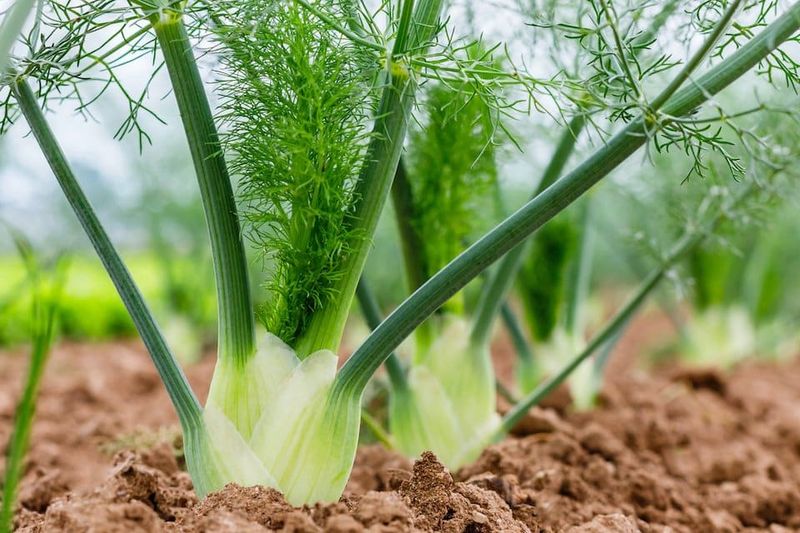
Tall and graceful, fennel adds architectural interest to New York gardens while serving as a magnet for swallowtail butterflies. The fine, thread-like foliage resembles dill but has a distinct anise flavor.
Both the leaves and seeds are edible, popular in Mediterranean cooking. However, the plant’s real value for butterfly lovers comes from its role as a host plant for black swallowtail caterpillars.
Fennel can reach five to six feet tall, making it a striking backdrop plant. The yellow flower umbels appear in mid to late summer, attracting adult butterflies, bees, and other beneficial insects.
Bronze fennel, with its copper-colored foliage, offers the same benefits as green fennel but adds extra visual appeal to garden beds.
Plant fennel in full sun with well-drained soil. Like dill, it develops a long taproot and doesn’t transplant well, so direct seed it in your garden.
In New York, sow seeds in late spring after frost danger passes. Space plants about twelve inches apart to allow for their mature size.
Fennel self-seeds readily, so you may find baby plants appearing nearby in following years.
Expect to share your fennel with caterpillars if black swallowtails are present in your New York area. The caterpillars blend in perfectly with the foliage and can consume quite a bit before pupating.
Plant multiple fennel plants if you want some for cooking and some for butterflies. The plant is technically a perennial but often behaves as an annual in colder parts of New York, so you might need to replant each spring.
6. Mint
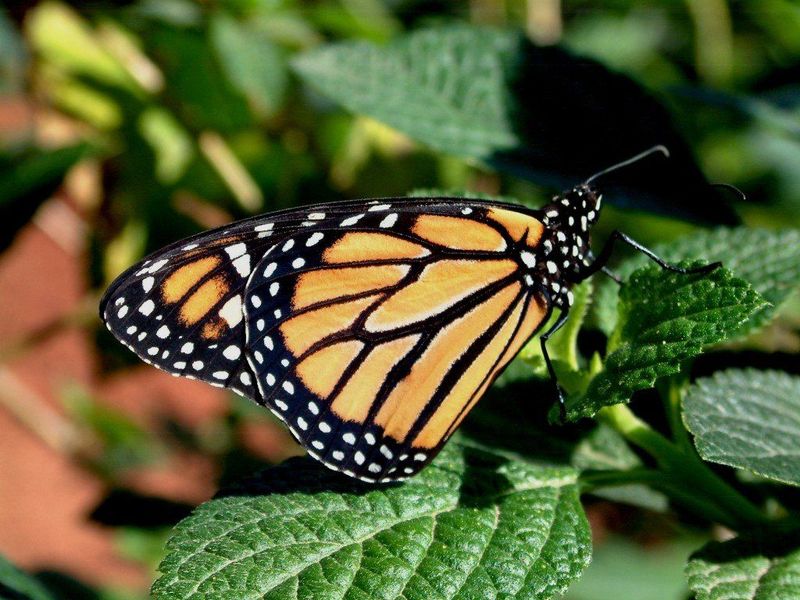
Vigorous growth and refreshing fragrance make mint a garden favorite, though its spreading habit requires some management. Butterflies absolutely love the small tubular flowers that appear on tall spikes in summer.
Various mint species work well in New York, including peppermint, spearmint, and chocolate mint. Each variety offers slightly different flowers and scents but all attract butterflies equally well.
Mint grows aggressively and can take over garden beds if not contained. Many gardeners in New York choose to grow mint in pots or buried containers to control its spread.
The plants thrive in partial shade to full sun and prefer moist soil. Mint will grow almost anywhere, even in spots where other plants struggle.
The flowering period typically runs from July through September in New York. The tiny pink, purple, or white flowers cluster together on spikes rising above the foliage.
Red admirals, fritillaries, and various skipper species visit mint flowers regularly. Even when not in bloom, the dense foliage provides shelter for butterflies during windy or rainy weather.
Let some of your mint plants flower instead of cutting them back entirely. You can still harvest plenty of leaves for teas, mojitos, and cooking while leaving enough stems to produce flowers.
Mint tolerates frequent cutting and bounces back quickly. The plants are perennial in New York and will return each spring, often spreading to fill their allotted space.
Divide overcrowded clumps every few years to keep plants healthy and vigorous.
7. Thyme
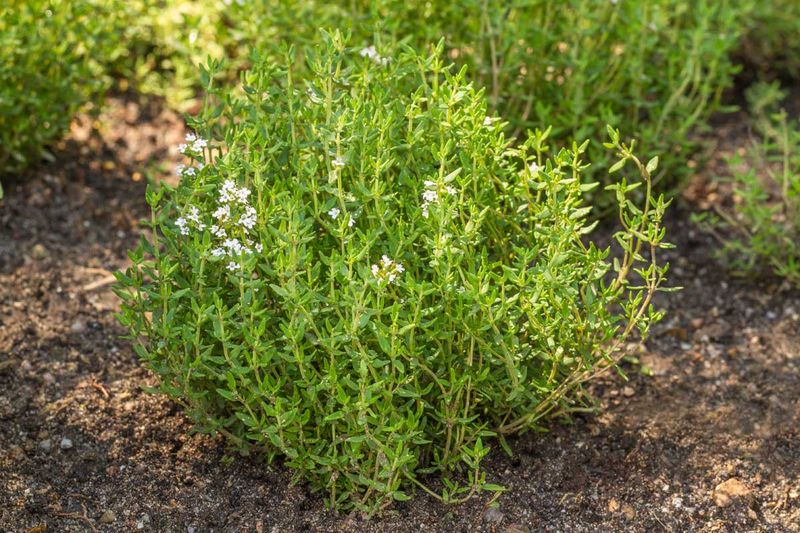
Low-growing and tough, thyme creates a fragrant carpet that butterflies find irresistible when it blooms. This Mediterranean herb handles New York’s cold winters surprisingly well and comes back reliably each spring.
The tiny flowers may be small individually, but they appear in such abundance that the entire plant seems to shimmer with color. Pink, purple, or white blooms cover the foliage from late spring through early summer.
Common thyme, lemon thyme, and creeping thyme all attract butterflies, though creeping varieties produce the most dramatic floral display.
The plants stay low to the ground, usually under six inches tall, making them perfect for edging paths or filling spaces between stepping stones.
Thyme tolerates foot traffic reasonably well and releases its scent when brushed against. Plant thyme in full sun with excellent drainage. Sandy or rocky soil works better than heavy clay.
The herb is extremely drought-tolerant once established and actually prefers being on the dry side. Overwatering causes more problems than neglect with thyme. In New York gardens, choose a spot that doesn’t stay wet during spring snowmelt.
Small butterflies like skippers and hairstreaks particularly enjoy thyme flowers. The low growth habit provides easy access to nectar.
Bees also flock to blooming thyme, creating a busy scene in your garden. Harvest thyme sprigs for cooking anytime, but avoid cutting all the flower buds if you want to attract butterflies.
The plants need minimal fertilizer and actually develop stronger flavor when grown in lean soil conditions common to many New York backyards.
8. Basil
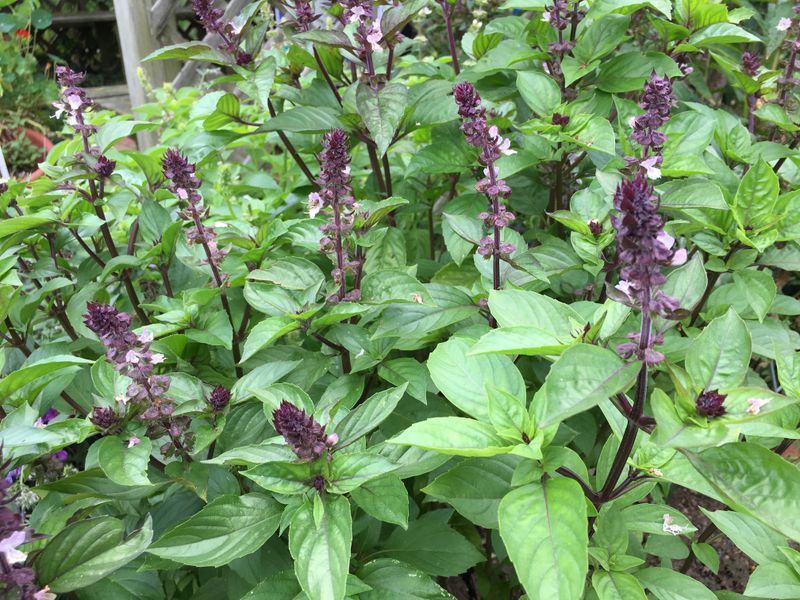
Sweet basil brings Italian flavor to your kitchen and butterflies to your New York garden. While most people pinch off basil flowers to encourage more leaf growth, letting some plants bloom creates a butterfly haven.
The small white or purple flowers appear on tall spikes and produce abundant nectar. Swallowtails, painted ladies, and skippers visit basil flowers throughout the blooming period.
Basil is a heat-loving annual that thrives during New York summers. The plants need warm soil to germinate, so wait until late May or early June to plant outdoors.
Basil grows quickly in full sun with rich, moist soil. Regular watering keeps plants productive and prevents stress that can trigger early flowering.
For the best of both worlds, plant extra basil specifically for butterflies. Pinch back some plants regularly for cooking while letting others grow tall and flower.
Once flowering begins, basil leaves become less flavorful, but the trade-off is worth it for the butterfly activity you’ll see. The flowering plants can reach two to three feet tall with multiple flower spikes.
Purple basil varieties like Dark Opal or Purple Ruffles offer especially attractive flowers that butterflies love just as much as green basil blooms. The contrast of dark foliage with light flowers creates a striking display in New York gardens.
Basil is frost-sensitive and will perish with the first cold snap in fall, so enjoy it while it lasts. Save seeds from your flowering plants to grow again next year, creating a sustainable cycle that benefits both you and local butterfly populations.