Don’t Plant These 9 Illegal And Invasive Species In Oregon
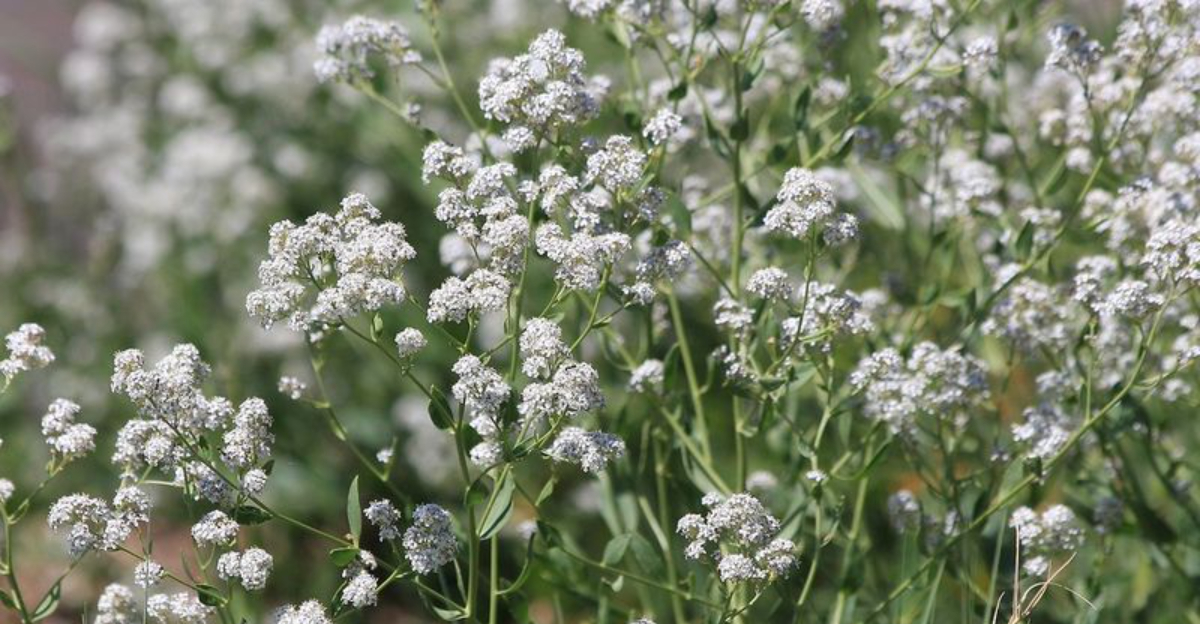
Not every plant belongs in an Oregon garden. Some may look harmless or even beautiful, but they can cause serious damage to local ecosystems.
A few are so harmful that they’re actually illegal to plant.
I was surprised when I first learned how many common-looking plants fall into this category. Many of them spread fast, push out native plants, and create long-term problems for wildlife and waterways.
Once they take hold, they’re hard to control.
Planting the wrong species can also lead to fines and forced removal. That’s a headache no gardener wants.
Knowing what to avoid is just as important as knowing what to grow.
These plants are on Oregon’s problem list. Skipping them helps protect your garden, your neighbors’ yards, and the natural spaces that make this state so special.
1. Austrian Peaweed (Sphaerophysa salsula)
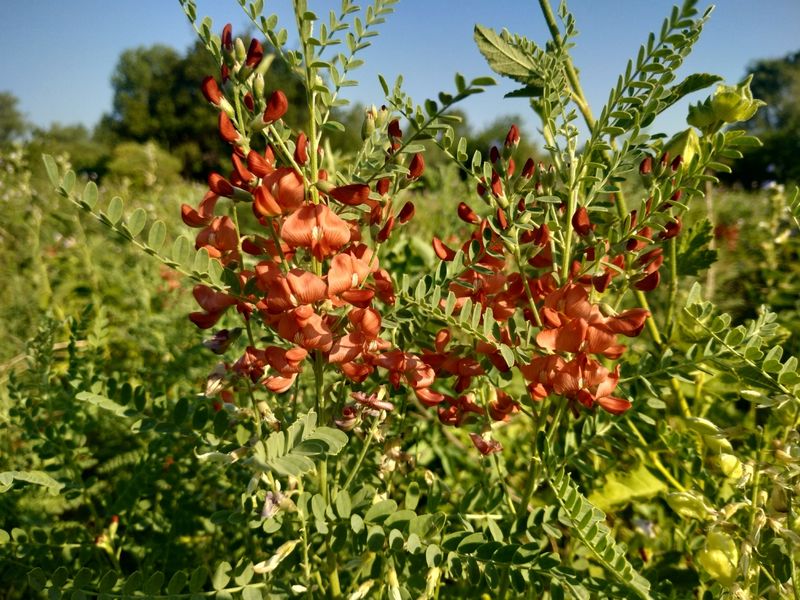
What started as a single plant has become a tangled mess that refuses to quit. That’s the reality with Austrian peaweed, a sneaky invader that’s prohibited throughout Oregon.
This legume spreads through both seeds and underground rhizomes, making it incredibly difficult to control once established. Its roots can travel several feet, popping up in new spots and choking out native grasses and wildflowers.
Austrian peaweed thrives in disturbed soils, roadsides, and irrigation ditches, areas common around Oregon gardens and farms.
Gardeners sometimes mistake it for a helpful nitrogen-fixing plant, but it’s far too aggressive for home landscapes. Removal requires digging out the entire root system, and even small fragments left behind can regrow.
Repeated mowing or herbicide applications may be needed for larger infestations.
If you’re looking for a nitrogen fixer, try native lupines or clover varieties that won’t invade neighboring properties. Oregon’s native plants support local pollinators and wildlife without the risk of spreading uncontrollably.
Keeping Austrian peaweed out of your garden protects both your space and the broader community.
2. Bindweed / Wild Morning Glory (Convolvulus arvensis)
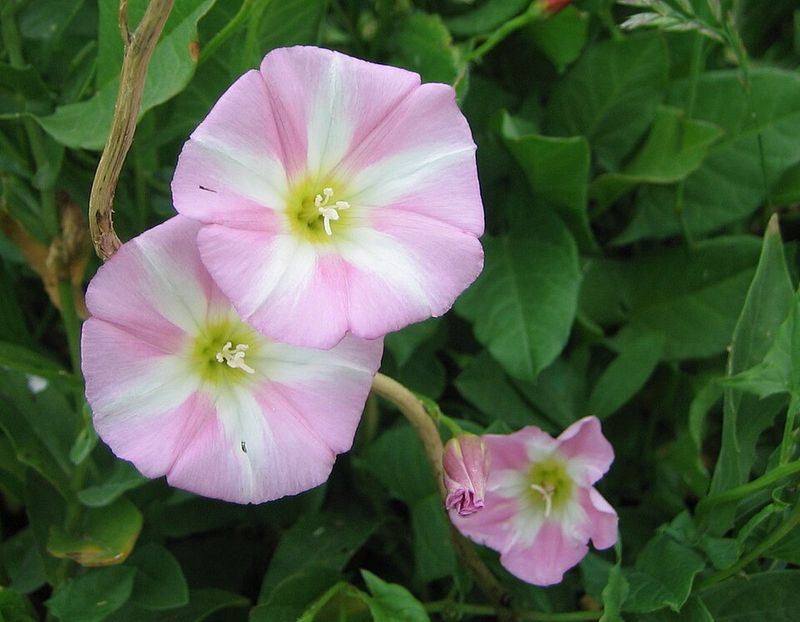
They look charming at first glance, but within weeks, those vines have strangled half your vegetable bed. Bindweed, often called wild morning glory, is one of Oregon’s most persistent and frustrating weeds.
This perennial vine spreads through an extensive root system that can reach depths of 20 feet or more. Even tiny root fragments left in the soil can sprout new plants, making complete removal nearly impossible.
Bindweed climbs over crops, ornamentals, and native plants, blocking sunlight and stealing nutrients and water.
Many gardeners try pulling bindweed by hand, only to see it return stronger than before. The roots store energy, allowing the plant to regrow repeatedly.
Effective control often requires persistent effort, including repeated digging, mulching, or careful herbicide use over several seasons.
For a well-behaved flowering vine, consider native honeysuckle or clematis varieties that won’t take over your entire yard. These alternatives provide beauty and habitat for pollinators without the headache of endless weeding.
Staying vigilant and removing bindweed early can save you years of frustration.
Your Oregon Garden Changes Every Week. Your Plan Should Too.
Gardening in Oregon changes quickly throughout the season. Every Friday you’ll receive a simple weekly plan showing exactly what to plant, prune, fertilize, harvest, and protect so you never miss the right timing.
3. Dalmatian Toadflax (Linaria dalmatica)
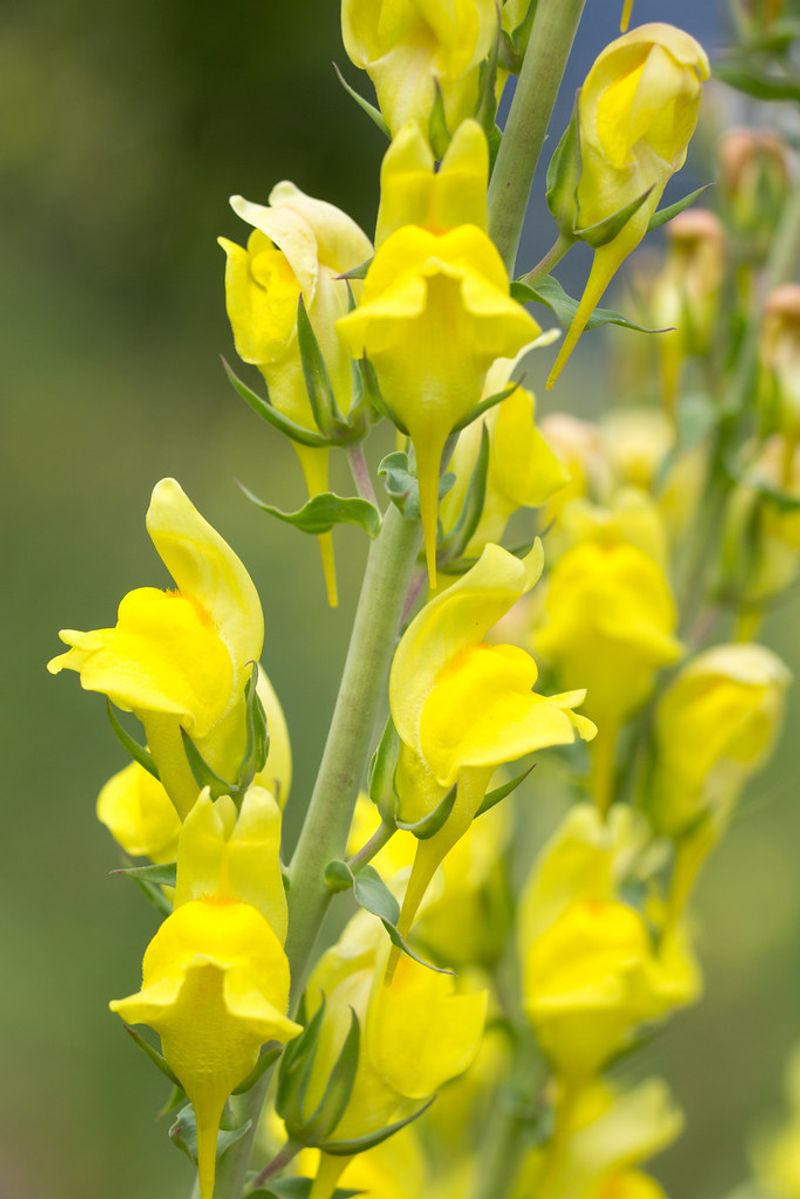
It looks like a garden escape, and in a way, it is. Dalmatian toadflax is an aggressive invader that’s illegal to cultivate in Oregon, and for good reason.
This perennial spreads through both seeds and creeping roots, forming dense colonies that crowd out native wildflowers and grasses. A single plant can produce thousands of seeds, which remain viable in the soil for years.
Dalmatian toadflax thrives in dry, sunny areas, making it a particular threat to Oregon’s rangelands and open spaces.
Gardeners are sometimes tempted by its showy flowers, unaware of its invasive nature. Once established, it’s extremely difficult to eradicate.
Hand-pulling works only for small infestations, and care should be taken to remove all root fragments. Larger populations often require targeted herbicide treatments.
For a similar look without the risk, plant native penstemons or Oregon sunshine, both of which offer vibrant blooms and support local pollinators. These natives are adapted to Oregon’s climate and won’t spread beyond your garden.
Choosing responsible alternatives helps preserve the state’s natural beauty for everyone.
4. Dyers Woad (Isatis tinctoria)
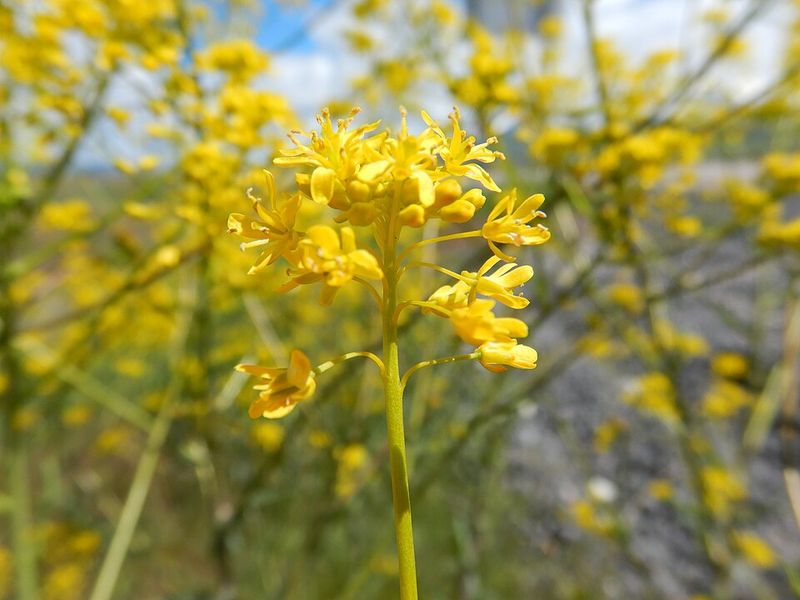
This plant is banned in Oregon and causes significant ecological damage. What seems like a harmless historical curiosity can quickly become an environmental nightmare.
Dyer’s woad is a biennial that forms a rosette in its first year, then bolts to produce thousands of seeds in its second. Those seeds can remain dormant in the soil for over a decade, waiting for the right conditions to sprout.
The plant invades rangelands, roadsides, and disturbed areas, outcompeting native vegetation and reducing forage quality for wildlife.
Some gardeners are drawn to its bright yellow flowers and historical significance, not realizing the long-term consequences. Removing dyer’s woad requires vigilance, as missed plants will reseed and spread rapidly.
Hand-pulling before seed set is effective for small patches, but larger infestations may need herbicide intervention.
If you’re interested in natural dyes, consider growing weld or indigo varieties that are non-invasive and better suited to controlled garden settings. Oregon’s native plants also offer natural dye potential without threatening local ecosystems.
Respecting these boundaries keeps your garden both creative and responsible.
5. Wild Garlic (Allium vineale)
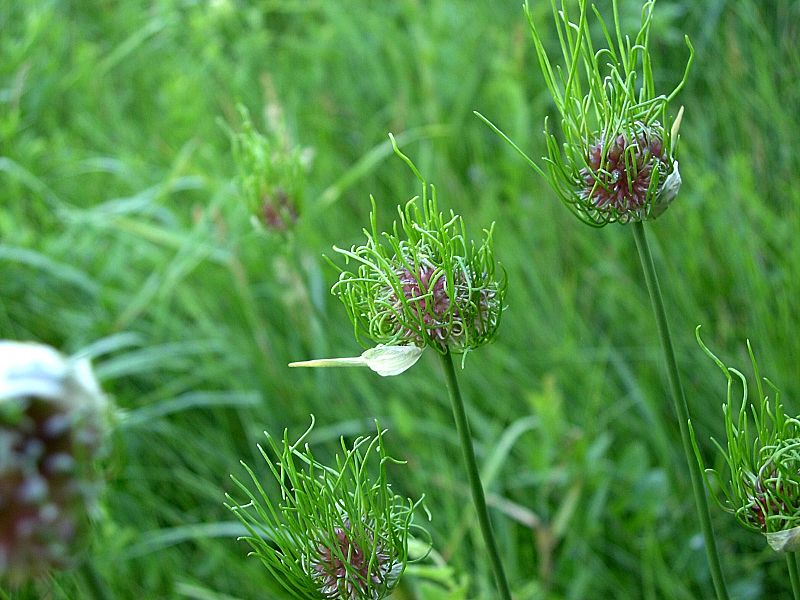
A faint garlic smell drifts across your lawn, and you notice clusters of small bulbs sprouting among the grass.
Wild garlic might seem like a useful forage plant, but in Oregon, it’s classified as a noxious weed that can take over lawns, pastures, and gardens with alarming speed.
This perennial spreads through underground bulblets and aerial bulbils, tiny bulbs that form on the flower stalks and drop to the ground. Each plant can produce dozens of these bulbils, creating new colonies wherever they land.
Wild garlic outcompetes desirable grasses and can taint the flavor of milk and meat when livestock graze on it.
Homeowners sometimes let wild garlic grow, thinking it’s a harmless wildflower or even a culinary bonus. But its aggressive spread makes it a serious problem for neighboring properties.
Effective control requires digging out entire clumps, including all bulbs and bulbils, before they mature.
For edible alliums, stick to cultivated garlic, chives, or native nodding onion, which stay where you plant them and offer similar flavors. These alternatives won’t invade your lawn or spread to nearby fields.
Keeping wild garlic out of your garden protects both your landscape and your neighbors’ properties.
6. Italian & Slenderflower Thistle (Carduus spp.)
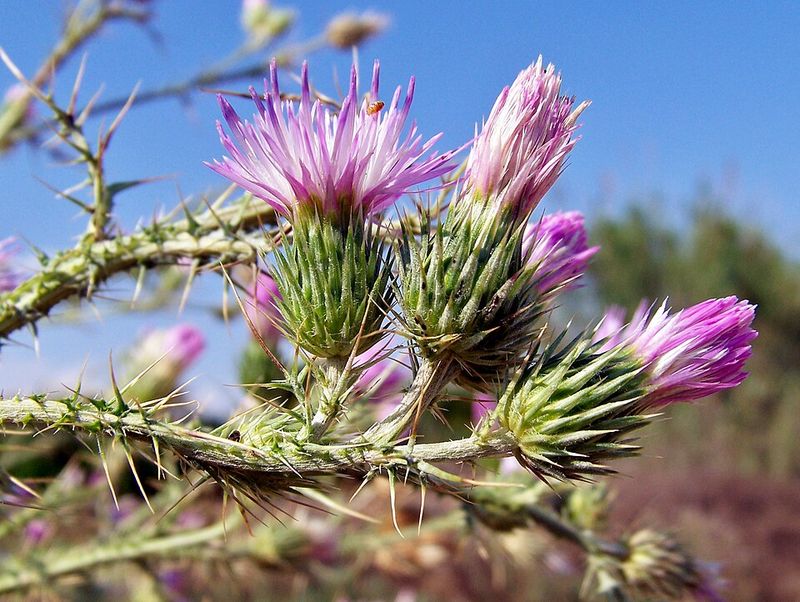
A tall, spiny plant with purple flowers appears along your property line, and you wonder if it’s just another wildflower. Italian thistle and slenderflower thistle are both prohibited in Oregon, and they’re far more trouble than they’re worth.
These aggressive biennials can dominate pastures, roadsides, and gardens in just a few seasons.
Both species produce thousands of wind-dispersed seeds, allowing them to spread rapidly across large areas. They form dense stands that crowd out native plants and reduce grazing land quality.
Their spiny foliage deters livestock and makes handling difficult, complicating removal efforts.
Gardeners sometimes mistake these thistles for beneficial wildflowers, letting them grow until they’ve already set seed. By then, the damage is done, and seeds can spread to neighboring properties.
Effective control involves cutting or mowing before flowering, followed by digging out the taproot or applying herbicide.
For pollinator-friendly alternatives, try native thistles like the wavy-leaf thistle, which supports butterflies and bees without becoming invasive. Oregon’s native plants are adapted to local conditions and provide habitat without the risk.
Removing Italian and slenderflower thistle early protects your garden and the wider community from ongoing infestations.
7. Musk Thistle (Carduus nutans)
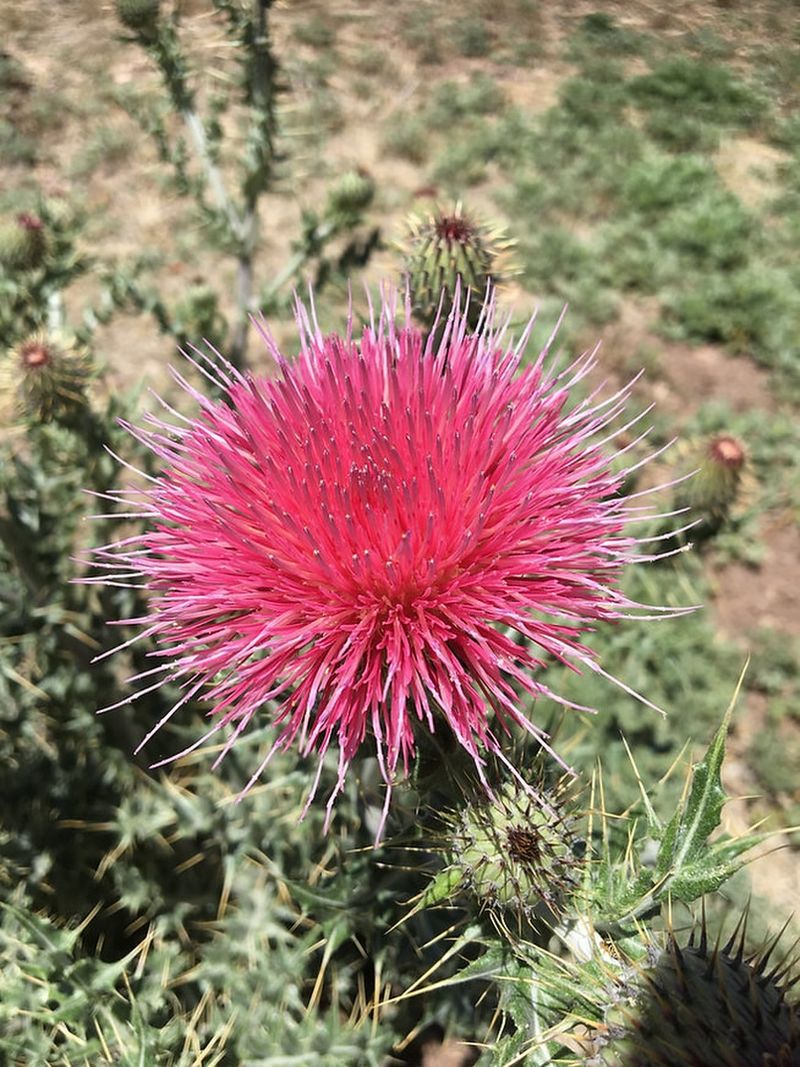
Musk thistle might look impressive, but it’s a prohibited species in Oregon that can devastate rangelands, gardens, and natural areas if left unchecked.
This biennial produces a deep taproot and a rosette of spiny leaves in its first year, then bolts to flower in the second. Each plant can produce up to 10,000 seeds, which spread by wind, water, and on clothing or animal fur.
Musk thistle forms dense patches that outcompete native vegetation and reduce forage quality for livestock and wildlife.
Some people admire the large, showy flowers and hesitate to remove the plant, not realizing the long-term consequences. Once musk thistle establishes, it requires persistent management to prevent reseeding.
Hand-pulling or cutting before flowering is effective for small infestations, while larger populations may need herbicide treatment.
For bold, dramatic flowers, consider native asters or globe thistles, which offer similar visual impact without the invasive tendencies. These alternatives support local pollinators and stay contained within your garden.
Removing musk thistle early and choosing responsible alternatives helps protect Oregon’s landscapes for future generations.
8. Perennial Pepperweed (Lepidium latifolium)
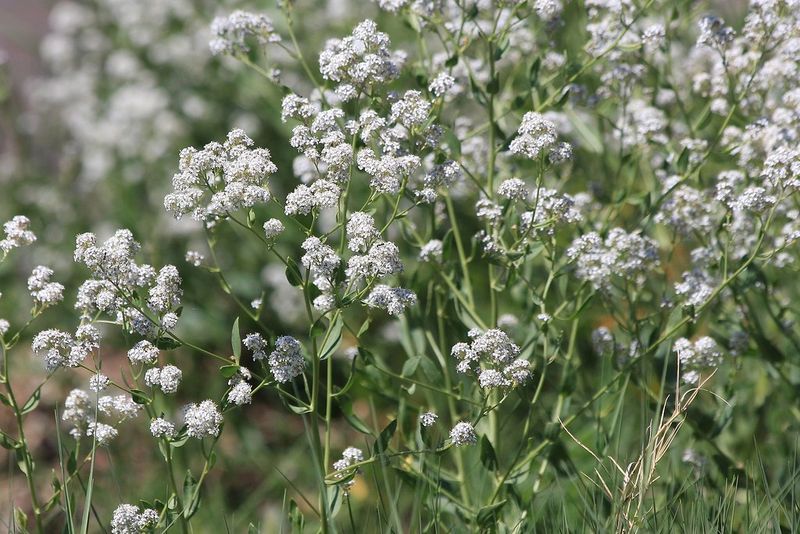
Perennial pepperweed is a fast-growing invader that’s prohibited in Oregon, and it poses a serious threat to wetlands, riparian areas, and agricultural lands across the state.
This perennial spreads through both seeds and creeping roots, forming dense stands that can reach several feet tall. Its root system can extend over 10 feet deep, making complete removal extremely difficult.
Perennial pepperweed tolerates a wide range of conditions, from wet ditches to dry roadsides, and outcompetes native plants wherever it establishes.
Gardeners sometimes overlook this plant, thinking it’s a harmless wildflower or forage species. But its aggressive growth quickly becomes a major problem, especially near water sources where it can alter hydrology and reduce habitat quality.
Effective control requires a combination of mowing, digging, and targeted herbicide applications over multiple years.
For white-flowered alternatives, consider native yarrow or pearly everlasting, both of which provide similar aesthetics without the invasive behavior. These plants support beneficial insects and adapt well to Oregon gardens.
Preventing perennial pepperweed from establishing protects critical habitats and keeps your property manageable.
9. Quackgrass (Elytrigia repens)
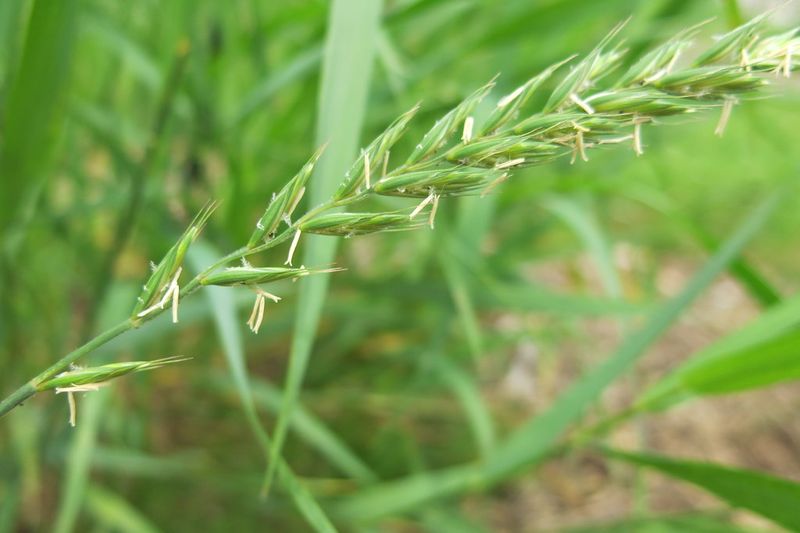
Quackgrass is a perennial grass that’s listed as a noxious weed in Oregon, and it’s one of the most frustrating plants to remove once it takes hold in your garden.
This grass spreads through aggressive rhizomes that can grow several feet in a single season. Even small fragments left in the soil can sprout new plants, making tilling or digging often counterproductive.
Quackgrass invades vegetable gardens, flower beds, and lawns, outcompeting desirable plants and reducing crop yields.
Gardeners sometimes introduce quackgrass unknowingly through contaminated soil or mulch, not realizing the long-term headache it causes. Once established, it requires persistent effort to control.
Smothering with thick mulch, solarizing the soil, or carefully applying herbicides are common strategies, but complete eradication can take several growing seasons.
For a well-behaved groundcover or lawn alternative, try native sedges or low-growing fescues that won’t spread aggressively. These options provide greenery without the invasive tendencies.
Preventing quackgrass from entering your garden in the first place is the best strategy, so always inspect new soil and plants carefully before introducing them to your landscape.