Must-Do Gardening Jobs That Set Up Your California Yard For Spring Success
Spring might still be around the corner, but in California, now is the perfect time to get your yard in shape. The work you do before spring arrives can make all the difference in how your garden looks and grows throughout the season.
With mild winters and early blooms, California’s climate gives you a head start on planting, pruning, and preparing. But skipping key tasks can lead to missed blooms, pest problems, or patchy growth.
Whether you’re working with a large backyard or a small urban space, a few well-timed jobs will help your garden thrive. From clearing out dry growth to prepping your soil and checking your irrigation system, these steps are simple but powerful.
If you want a yard full of healthy plants, vibrant flowers, and lush greenery this spring, now’s the time to get started.
1. Test And Improve Your Soil Quality
Healthy soil is the foundation of every successful garden. Before you plant anything new this spring, take time to understand what is happening beneath the surface.
California soils vary widely depending on your location, from heavy clay in some areas to sandy compositions in others. Testing your soil tells you exactly what nutrients are present and what your plants need to thrive.
You can purchase a simple soil test kit from any garden center or send a sample to a local extension office for detailed analysis. The results will show pH levels and nutrient content, giving you a roadmap for improvement.
Most vegetables and flowers prefer slightly acidic to neutral soil, so you may need to make adjustments based on what you plan to grow.
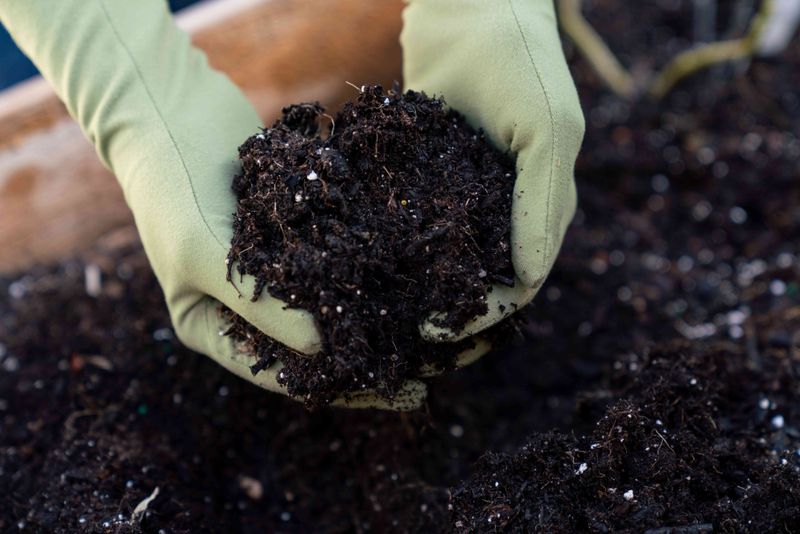
Once you know what your soil needs, add organic matter like compost or well-aged manure. This improves drainage in clay soils and helps sandy soils retain moisture better.
Spread a two to three inch layer across your garden beds and work it into the top six inches of soil. Your plants will reward you with stronger roots and more vigorous growth.
California gardens benefit enormously from regular soil amendments. The dry climate and intense sun can deplete nutrients quickly, so building up your soil now gives plants the resources they need for months ahead.
This single step makes everything else you do in your garden more effective and sets the stage for a productive growing season.
2. Prune Trees And Shrubs For Better Growth
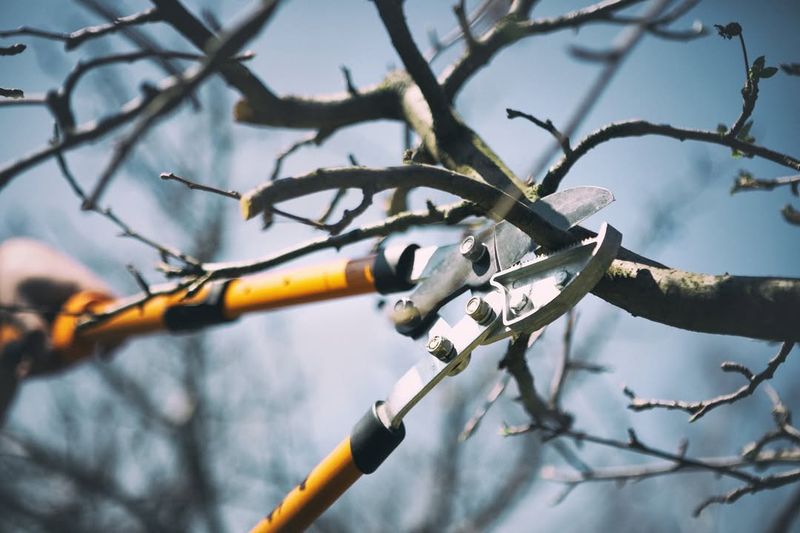
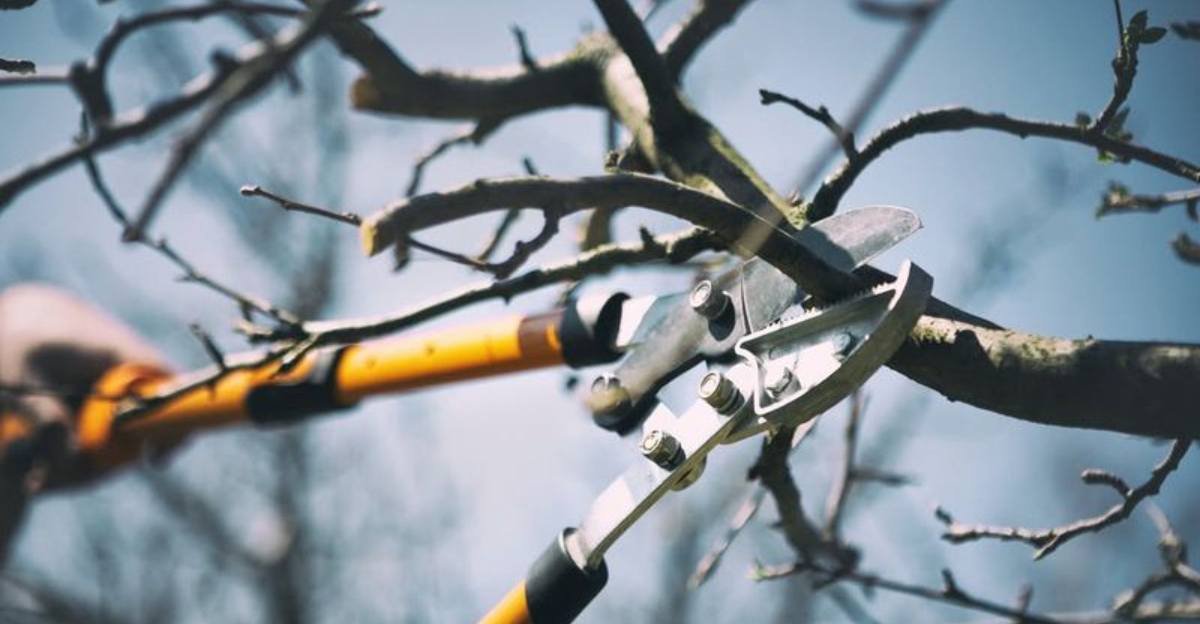
Late winter and early spring offer the perfect window for pruning most trees and shrubs in California. Plants are still dormant or just beginning to wake up, which means they handle cutting much better than during active growth periods.
Removing dry, damaged, or crossing branches now encourages healthy new growth and improves the overall shape of your plants.
Start by examining each tree and shrub carefully. Look for branches that rub against each other, as these create wounds that invite pests and disease.
Cut away any wood that looks brown or brittle, making clean cuts just above a bud or branch junction. Sharp, clean tools make this job easier and help plants heal faster.
Your California Garden Changes Every Week. Your Plan Should Too.
Gardening in California changes quickly throughout the season. Every Friday you’ll receive a simple weekly plan showing exactly what to plant, prune, fertilize, harvest, and protect so you never miss the right timing.
Different plants have different pruning needs, so take a moment to research what works best for your specific varieties. Fruit trees benefit from thinning to allow sunlight into the center of the canopy.
Roses need removal of weak canes and shaping for better air circulation. Native California shrubs often require only light trimming to maintain their natural form.
Proper pruning does more than make your yard look tidy. It directs energy toward strong, productive branches and reduces the risk of problems later in the season.
Many California gardeners skip this step, but those who make time for it notice a significant difference in plant health and appearance. Your landscape will look more polished and your plants will perform better throughout spring and summer.
3. Clear Out Weeds Before They Take Over
Weeds never take a vacation in California gardens. The mild climate means they grow year-round, and early spring is when they really start to explode.
Getting ahead of them now saves countless hours of work later and prevents them from stealing water and nutrients from your desirable plants.
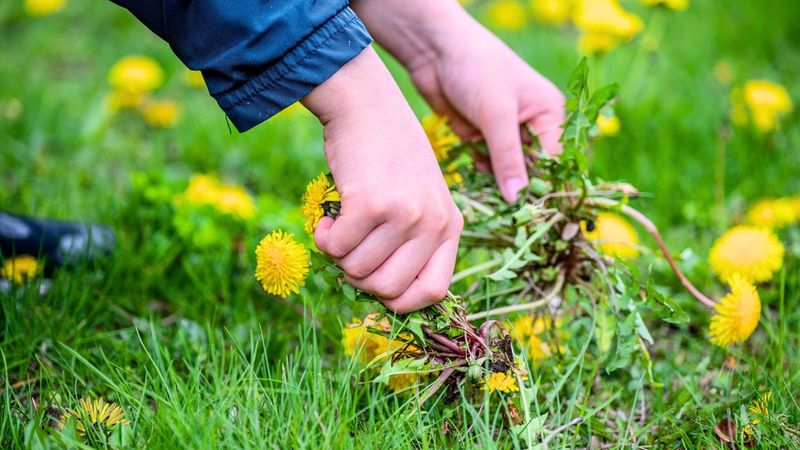
Walk through your entire yard and pull weeds while they are still small. Young weeds come out easily, roots and all, especially if the soil is slightly moist from recent rain or watering.
Focus on removing them before they flower and set seed, as a single weed can produce thousands of seeds that create problems for years to come.
For larger infestations, consider using a hoe to slice weeds off just below the soil surface. This works well in vegetable beds and open garden areas.
You can also apply a layer of mulch after clearing weeds, which blocks sunlight and makes it harder for new weeds to sprout. Organic mulches like wood chips or straw work beautifully and break down to enrich your soil over time.
California gardeners often struggle with persistent weeds like Bermuda grass, dandelions, and oxalis. These require extra attention because they spread quickly and have deep roots.
Staying on top of weed control now means less frustration throughout the growing season. Your plants will have more room to grow, and your garden will look cleaner and more inviting.
This task may not be glamorous, but it makes a huge difference in your overall success.
4. Service Your Irrigation System
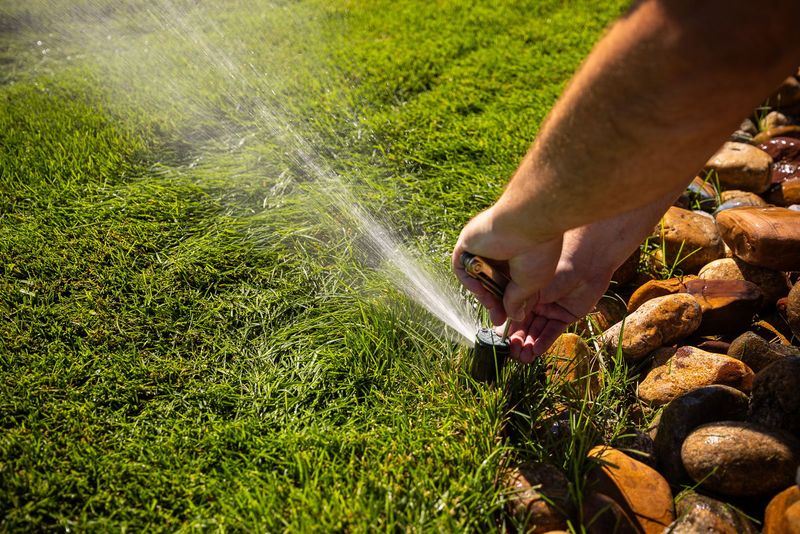
Water management is critical in California, where drought conditions are common and every drop counts. Before the heat of spring and summer arrives, inspect your irrigation system to make sure it works efficiently.
Leaks, broken sprinkler heads, and clogged drip emitters waste precious water and leave some plants thirsty while drowning others.
Turn on each zone of your system and watch carefully as it runs. Look for geysers that indicate broken pipes or heads, and check for dry spots that suggest clogged lines.
Replace any damaged components and adjust sprinkler heads so they water plants rather than sidewalks or driveways. Even small leaks can waste hundreds of gallons over a season.
If you use drip irrigation, flush the lines and inspect each emitter. Mineral deposits and dirt can block the tiny openings, preventing water from reaching plant roots.
Clean or replace clogged emitters and make sure all connections are tight. Consider adding a timer if you do not already have one, as automated watering ensures plants get consistent moisture without waste.
California water regulations vary by region, so check local guidelines about watering schedules and restrictions. Many areas require specific watering days or times, and staying compliant helps avoid fines.
A well-maintained irrigation system keeps your garden healthy while respecting water conservation needs. Plants get the moisture they need exactly where they need it, and you will have peace of mind knowing your system runs smoothly all season long.
5. Apply Fresh Mulch To Garden Beds
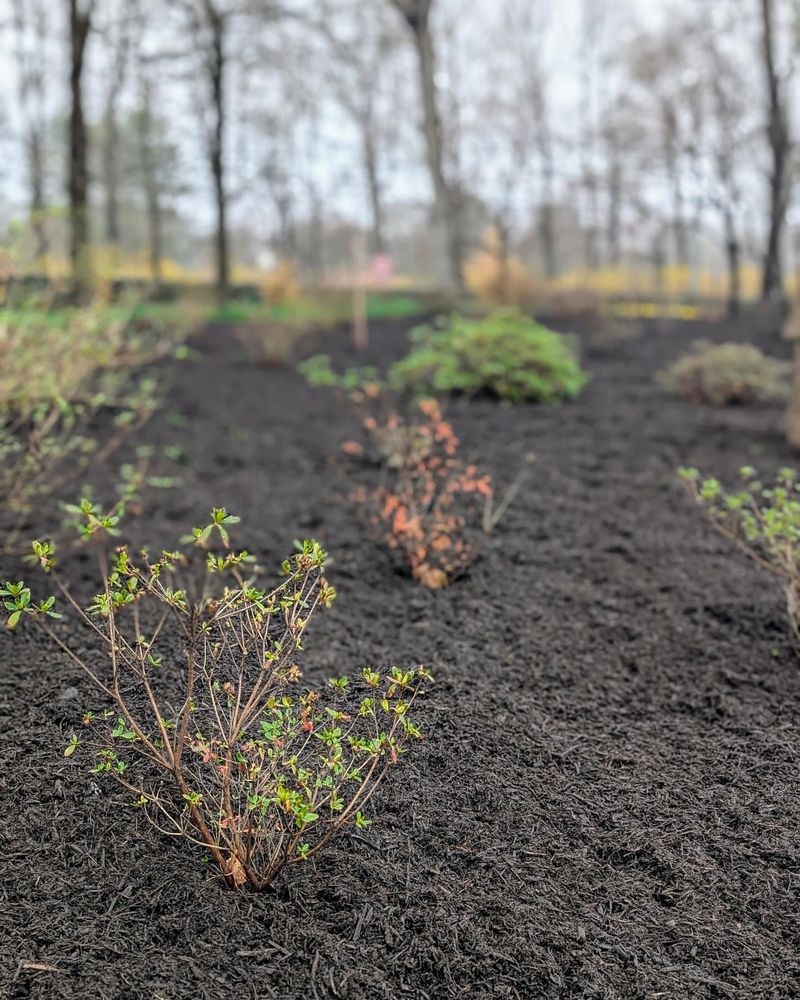
Mulch is one of the hardest-working materials in any California garden. It keeps soil cool during hot days, reduces water evaporation, suppresses weeds, and breaks down over time to improve soil structure.
Applying a fresh layer now prepares your beds for the busy growing season ahead and gives your landscape a neat, finished appearance.
Choose organic mulch like shredded bark, wood chips, or compost for best results. These materials slowly decompose and add nutrients back into the soil, creating a cycle of continuous improvement.
Spread mulch about three inches deep around plants, keeping it a few inches away from stems and trunks to prevent moisture problems and rot.
In vegetable gardens, straw or aged compost works wonderfully as mulch. These materials are lighter and easier to work with when planting and harvesting.
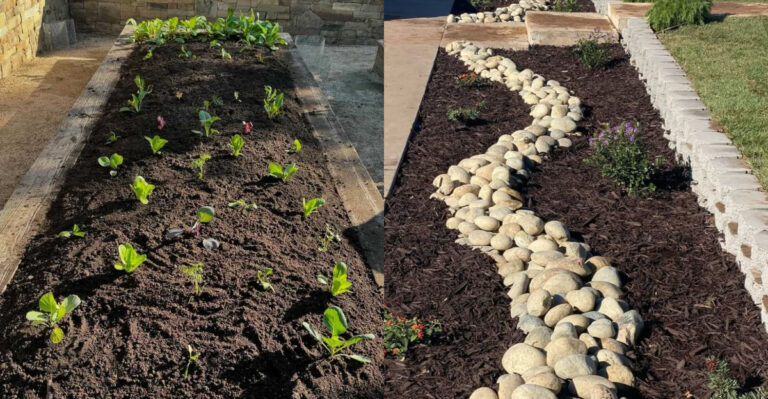
For ornamental beds, darker wood mulches provide an attractive contrast against green foliage and colorful blooms. Some California gardeners prefer gravel or stone mulch in areas with low water use, which also provides excellent weed control.
Mulching saves time and money throughout the season by reducing watering needs and cutting down on weeding.
It also protects beneficial soil organisms from temperature extremes and helps maintain consistent moisture levels.
Many garden centers offer bulk mulch delivery, which is cost-effective for larger properties. Taking time to mulch properly now means less maintenance work later and healthier plants that grow more vigorously in your California garden.
6. Divide And Transplant Overgrown Perennials
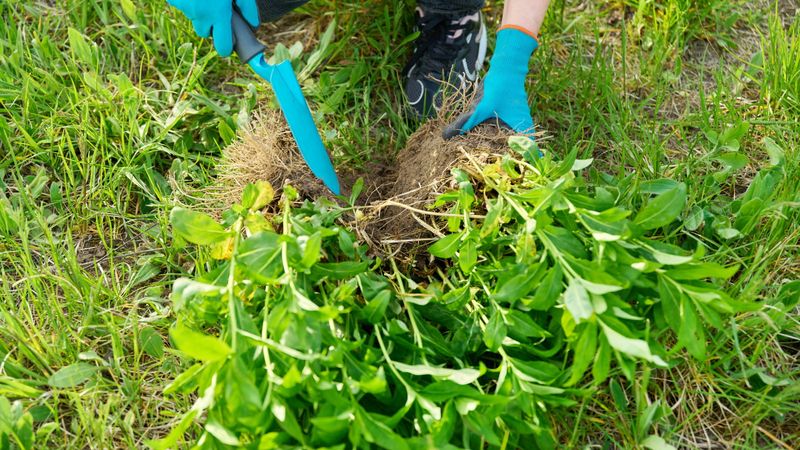
Perennials are the backbone of many California gardens, returning year after year with beautiful blooms and foliage. But after a few seasons, many perennials become crowded and stop performing well.
Early spring is the ideal time to divide these plants, giving them room to grow and creating new plants to fill other areas of your garden.
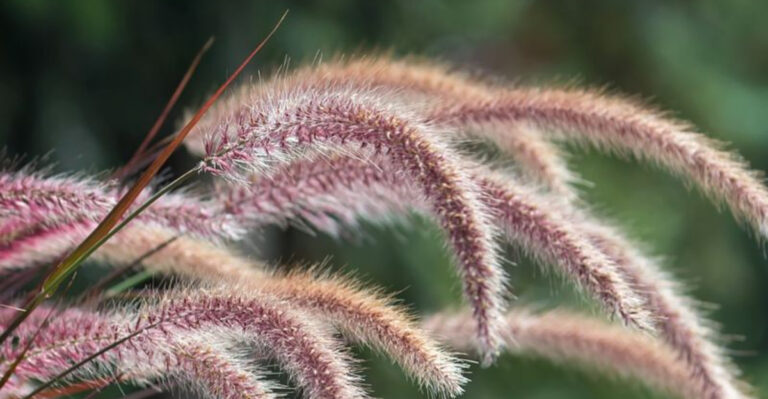
Look for perennials that have dense centers with less vigorous growth or those that flower less than they used to. Daylilies, ornamental grasses, hostas, and many other common plants benefit from division every three to five years.
Dig up the entire clump and use a sharp spade or knife to separate it into smaller sections, making sure each piece has healthy roots and several growth points.
Replant divisions at the same depth they were growing before, spacing them according to their mature size. Water thoroughly after planting to help roots establish in their new locations.
You can share extra divisions with friends or use them to expand your garden without spending money on new plants.
Dividing perennials rejuvenates tired plants and keeps your California garden looking fresh and full. It also prevents overcrowding, which can lead to poor air circulation and increased pest problems.
This task might seem intimidating at first, but most perennials are tough and respond beautifully to division. Your garden will look more abundant, and your plants will reward you with stronger growth and better blooms throughout the spring and summer months.
7. Feed Plants With Appropriate Fertilizer
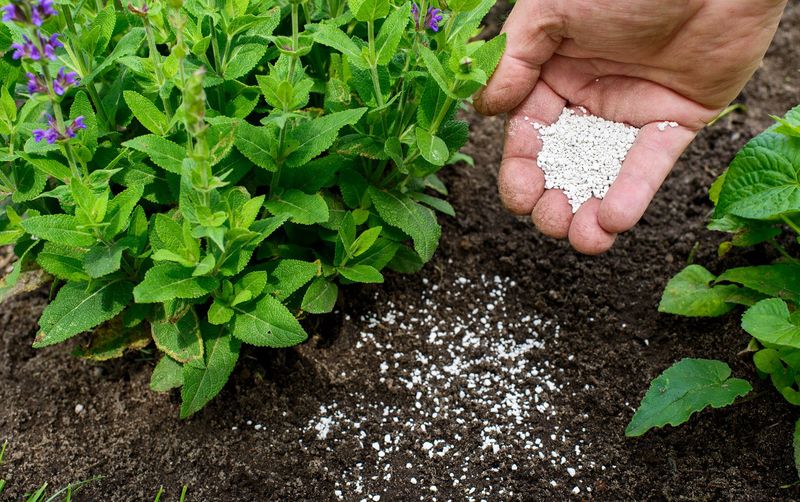
As temperatures warm and plants begin active growth, they need extra nutrients to support new leaves, stems, and flowers. Fertilizing in early spring gives California plants the boost they need to take full advantage of the growing season.
Different plants have different nutritional needs, so choosing the right fertilizer makes a real difference in results.
Start by identifying what types of plants you are growing. Vegetables and annual flowers benefit from balanced fertilizers that provide equal amounts of nitrogen, phosphorus, and potassium.
Perennials and shrubs often do well with slow-release formulas that feed plants gradually over several months. Acid-loving plants like azaleas and blueberries need specialized fertilizers that maintain lower soil pH.
Apply fertilizer according to package directions, as too much can harm plants and waste money. Water thoroughly after feeding to help nutrients move into the root zone.
Organic fertilizers like compost tea, fish emulsion, or kelp meal provide gentle nutrition and improve soil health at the same time. Many California gardeners prefer these options because they support beneficial soil organisms.
Regular feeding throughout the growing season keeps plants healthy and productive. Mark your calendar to reapply fertilizer as recommended, usually every four to six weeks for fast-growing vegetables and annuals.
Proper nutrition helps plants resist pests and diseases naturally, reducing the need for other interventions.
Your California garden will respond with lush growth, vibrant colors, and abundant harvests when you provide the nutrients plants need to thrive.