These 10 Small Backyard Changes Make A Big Difference For Oregon Birds
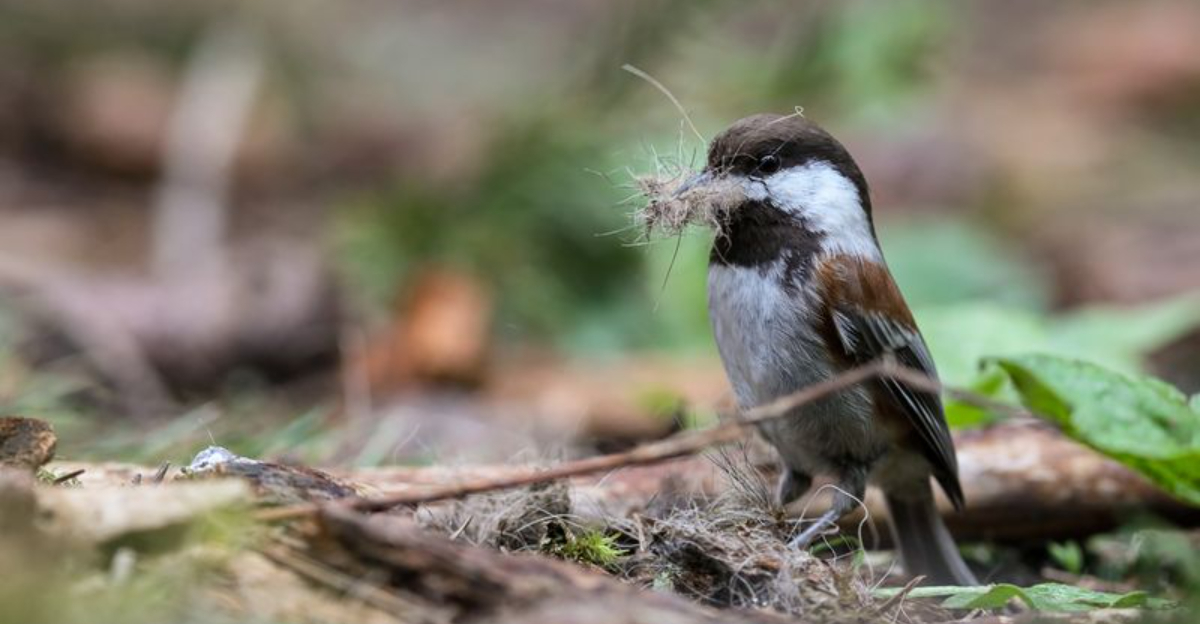
You don’t need a huge yard to help birds. Small changes in your backyard can make a real difference, especially in Oregon where many species rely on home gardens for food and shelter.
A few simple updates can turn an ordinary space into a safe and welcoming spot.
I started with just one feeder and a small water dish. Before long, more birds began showing up.
Different colors, different songs, and a lot more movement in the yard. It made spending time outside even more enjoyable.
Oregon birds deal with habitat loss and seasonal food shortages. Backyard spaces can help fill that gap.
Even tiny adjustments can support local wildlife in a big way.
These easy changes are simple to do and budget friendly. They help birds thrive while making your backyard feel more alive and peaceful.
1. Add Native Berry Bushes
Picture a flock of cedar waxwings descending on your yard in late summer, their sleek crests bobbing as they feast on ripe berries.
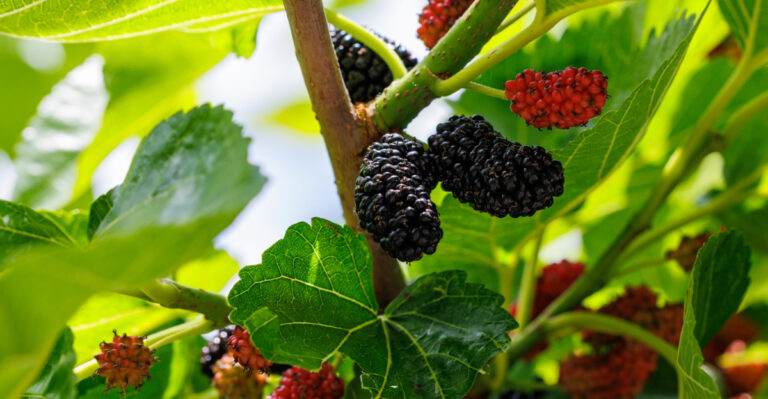
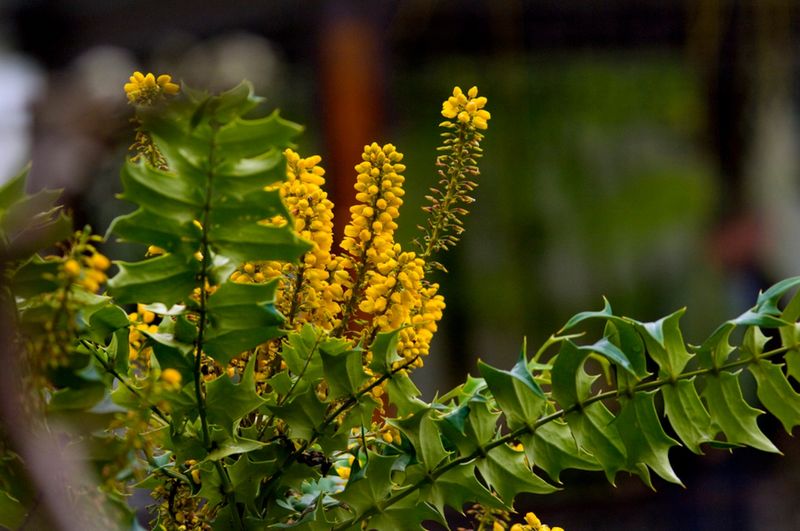
Native berry bushes like Oregon grape, red elderberry, and salal offer incredible food sources for birds throughout the year, providing nutrition when insects become scarce.
Planting these shrubs creates a natural buffet that attracts thrushes, waxwings, robins, and towhees. Oregon grape produces small blue berries in spring, while elderberries ripen in late summer, giving birds food across multiple seasons.
Salal, a Pacific Northwest favorite, stays green year-round and produces dark berries that many species adore.
When choosing where to plant, consider spots near windows where you can watch the action, but far enough to prevent window strikes. Space bushes a few feet apart to allow growth and create natural cover.
Water new plants regularly during their first summer, especially if rainfall is light.
A common mistake is planting non-native ornamentals that look pretty but offer little nutrition. Stick with native species adapted to Oregon’s climate, and you’ll see more birds visiting your yard.
These bushes also require less maintenance once established, making them a win for both you and your feathered neighbors.
2. Plant Pollinator-Friendly Flowers
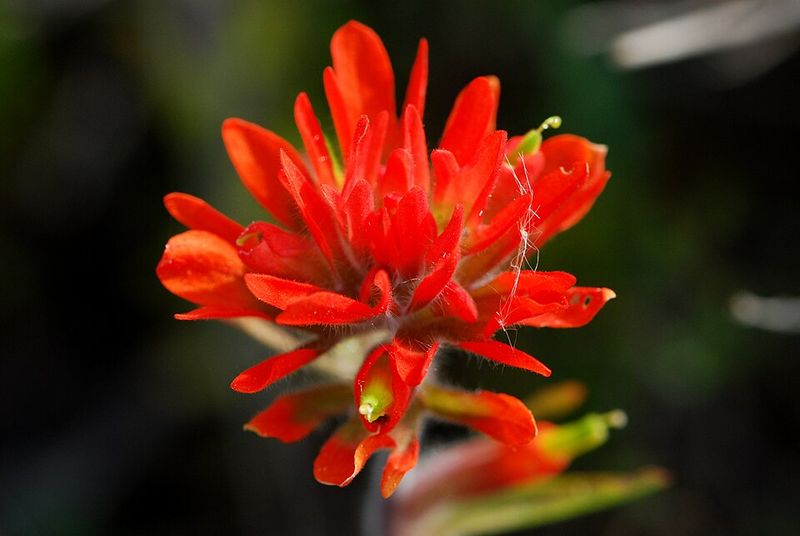
Pollinator-friendly flowers do double duty in your yard, attracting insects that birds feed on while also providing nectar for hummingbirds and other species.
Flowers like penstemon, lupine, and Indian paintbrush are Oregon natives that bloom at different times, ensuring a steady supply of food. Hummingbirds favor red and orange tubular flowers, while other birds benefit from the insects that visit these blooms.
Planting a mix of perennials and annuals keeps your garden colorful and functional throughout the growing season.
Choose sunny spots for most flowering plants, though some natives like bleeding heart thrive in shade. Group flowers in clusters rather than scattering them, which makes it easier for pollinators and birds to find them.
Deadhead spent blooms to encourage more flowers, and leave some seed heads in fall for finches and sparrows.
Avoid using pesticides, which can harm both insects and the birds that eat them. Many gardeners mistakenly think a tidy garden is best, but a little wildness helps wildlife.
Your Oregon Garden Changes Every Week. Your Plan Should Too.
Gardening in Oregon changes quickly throughout the season. Every Friday you’ll receive a simple weekly plan showing exactly what to plant, prune, fertilize, harvest, and protect so you never miss the right timing.
Let some flowers go to seed, and you’ll notice more birds hanging around your yard well into autumn.
3. Set Up A Water Source
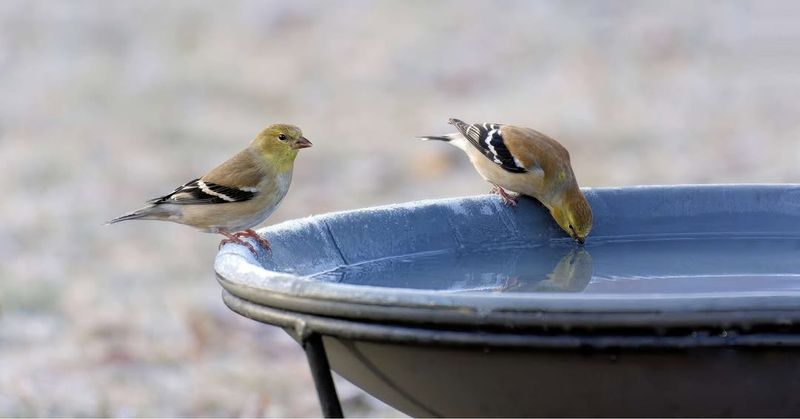
Water is one of the most important resources you can offer birds, especially during Oregon’s dry summers when natural sources may be limited.
A simple birdbath, fountain, or even a shallow dish can attract dozens of species to your yard. Birds need water for drinking and bathing, which helps keep their feathers in good condition for flight and insulation.
Place your water source in an open area where birds can spot approaching predators, but near enough to shrubs that they can retreat quickly if needed.
Keep water fresh by changing it every few days, especially in warm weather when algae and mosquitoes can become problems. Adding a dripper or small fountain creates movement that catches birds’ attention from farther away.
In winter, consider a heated birdbath to provide water when other sources freeze.
One mistake many people make is placing the bath too deep. Birds prefer water no more than two inches deep, with a gradual slope.
Adding a few flat rocks gives smaller birds a safe place to perch while drinking. Your backyard will become a popular gathering spot once word spreads among the local bird population.
4. Install Bird Feeders
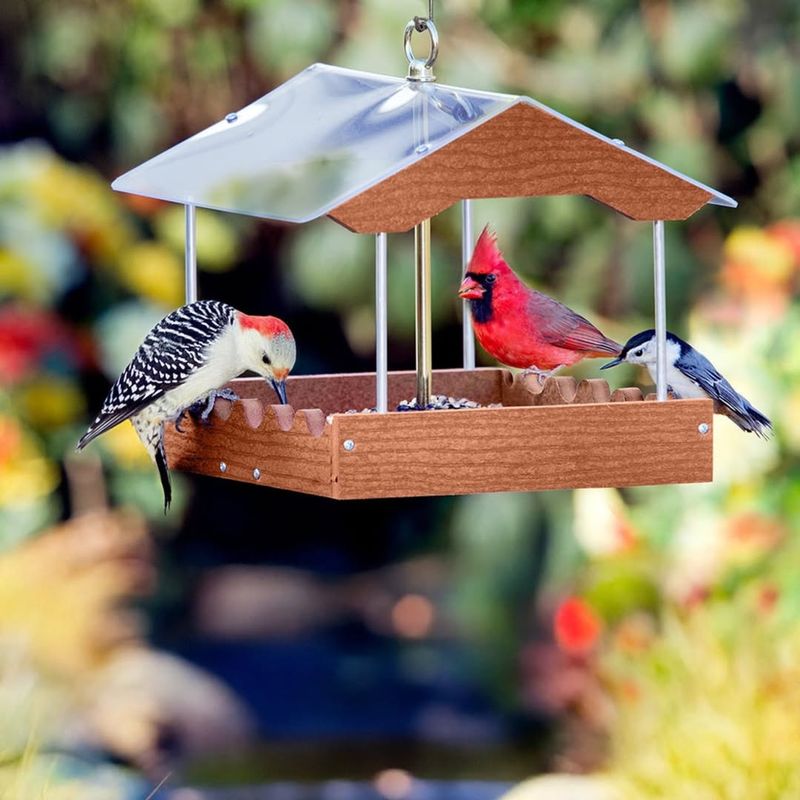
A black-capped chickadee lands on your feeder, grabs a sunflower seed, and zips off to a nearby branch to crack it open. Feeders supplement natural food sources and can help birds survive tough times, particularly during winter or when raising young in spring.
Different feeder types attract different species. Tube feeders work well for finches and chickadees, while platform feeders welcome larger birds like jays and juncos.
Suet feeders provide high-energy fat that woodpeckers, nuthatches, and bushtits love, especially during cold months. Offering a variety of seeds, including black oil sunflower, nyjer, and mixed seed, brings in more species.
Place feeders where you can easily see them from inside, but position them near trees or shrubs so birds have quick escape routes. Keep feeders at least ten feet from dense cover where cats might hide.
Clean feeders every couple of weeks with a mild bleach solution to prevent disease spread.
Many people fill feeders and forget about them, but moldy or wet seed can make birds sick. Check feeders regularly and refill them before they’re completely empty to keep birds coming back.
During rainy Oregon winters, consider covered feeders that keep seed dry. Your consistent offerings will make your yard a reliable stop on local birds’ daily rounds.
5. Provide Shelter With Shrubs
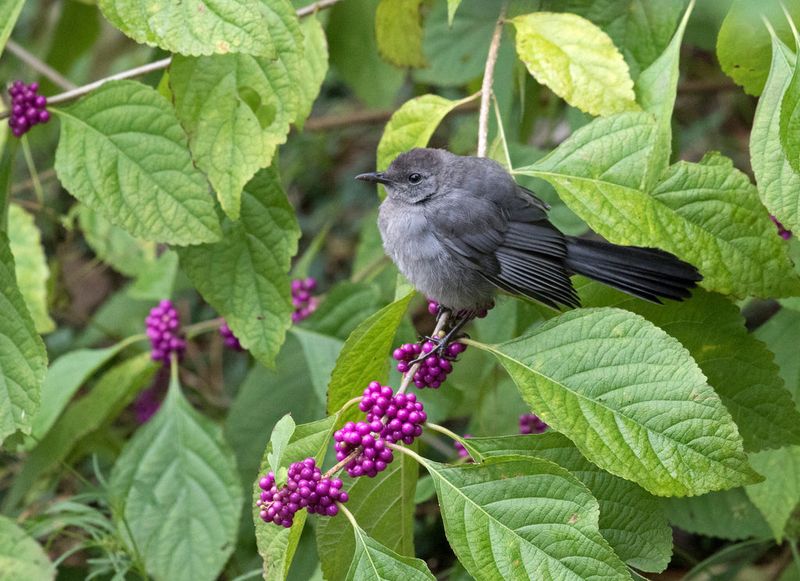
Shelter is critical for birds, offering protection from predators, harsh weather, and a place to rest between feeding trips.
Dense shrubs like oceanspray, red-twig dogwood, and mock orange create safe havens where birds can hide and nest. Evergreen options like western red cedar provide year-round cover, which is especially valuable during winter storms.
Layering different heights of vegetation, from low groundcovers to tall shrubs, gives birds multiple levels to explore and use.
Plant shrubs in groups or hedgerows rather than isolated specimens, which creates better protective corridors. Position them along property edges or near feeders to give birds quick access to cover.
Allow some shrubs to grow naturally rather than pruning them into tight shapes, as looser forms offer better shelter.
A common mistake is keeping yards too open and manicured, which leaves birds exposed. Even small yards can accommodate a few strategic shrubs that make a big difference.
During nesting season in spring and early summer, you might discover hidden nests tucked into your shrubs, a sign that your yard has become a true sanctuary for raising the next generation of birds.
6. Leave Leaf Litter In Some Areas
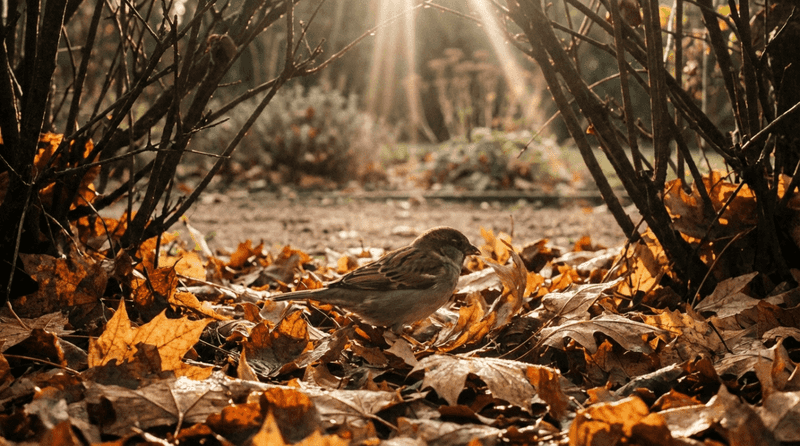
Leaf litter might look messy to some, but it’s a treasure trove for ground-feeding birds and the insects they rely on.
Fallen leaves create a rich habitat where beetles, spiders, and other invertebrates thrive, providing protein-packed meals for thrushes, towhees, sparrows, and wrens. The decomposing leaves also enrich your soil naturally, reducing the need for fertilizers.
Leaving leaves under shrubs and trees mimics natural forest conditions that Oregon birds have adapted to over thousands of years.
You don’t need to leave your entire yard covered in leaves. Rake paths and lawn areas if you prefer, but designate a few spots, especially under trees and along fence lines, where leaves can stay.
This gives birds foraging opportunities while keeping high-traffic areas tidy.
Many homeowners bag up every leaf in fall, removing valuable habitat and food sources. Consider composting leaves instead, or simply letting them break down naturally in garden beds.
During Oregon’s wet winters, leaf litter provides insulation for overwintering insects, which emerge in spring just when birds are feeding hungry nestlings. This simple change costs nothing and benefits your yard’s entire ecosystem.
7. Keep Cats Indoors
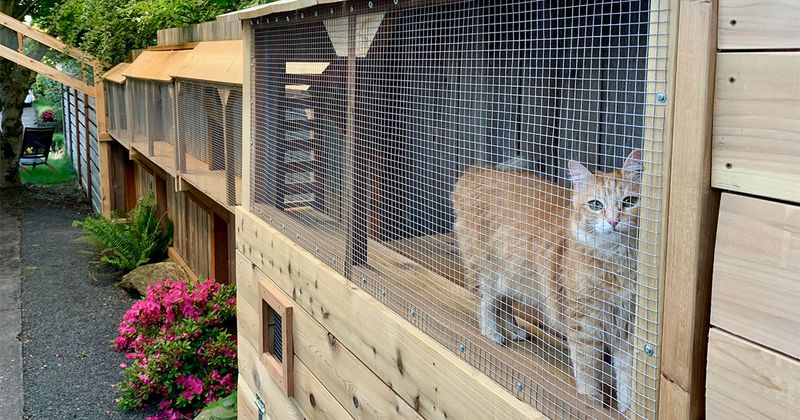
Even well-fed cats retain their hunting instincts and can devastate local bird populations, particularly during nesting season when fledglings are learning to fly and spend time on the ground.
Keeping your own cats indoors protects birds while also keeping your pets safer from cars, diseases, and other dangers.
If your cat enjoys the outdoors, consider building a catio or enclosed outdoor space where they can experience fresh air without harming wildlife.
If neighboring cats visit your yard, try motion-activated sprinklers or ultrasonic deterrents to discourage them. Place feeders and birdbaths away from hiding spots where cats might lurk.
Prickly or thorny plants under feeders can make the area less appealing to stalking cats.
Some cat owners believe their pets don’t catch many birds, but studies show even unsuccessful hunting attempts stress birds and disrupt their feeding and nesting.
Having an honest conversation with neighbors about keeping cats indoors can be challenging, but it’s one of the most effective ways to help birds thrive.
Your bird-friendly yard will attract more species when they feel safe from predators.
8. Create Brush Piles for Cover
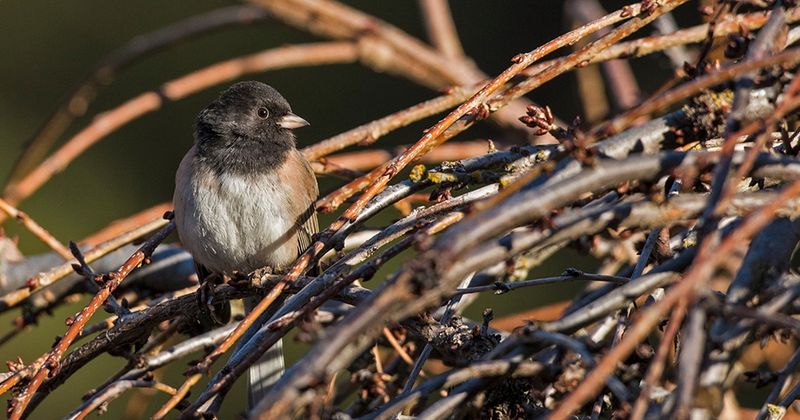
Brush piles offer valuable cover and foraging opportunities, especially for smaller birds that might otherwise struggle to find safe spots.
Building a brush pile is simple and free. Start with larger branches on the bottom for stability, then layer smaller branches and twigs on top, creating spaces where birds can hop in and out.
Place your pile in a quiet corner where it won’t be disturbed, ideally near other cover like shrubs or fences. Birds will use it for shelter during storms, as a safe roosting spot, and as a hunting ground for insects.
Add to your brush pile whenever you prune trees or shrubs, and let it decompose naturally over time. As it breaks down, it becomes home to even more insects and other invertebrates, increasing its value to birds.
Wrens, sparrows, towhees, and juncos particularly appreciate these structures.
Some people worry that brush piles look untidy, but you can make them more attractive by partially hiding them behind shrubs or using them as a base for climbing vines. During Oregon’s rainy winters, brush piles provide crucial dry spots where birds can shelter.
This small addition to your yard creates habitat that might otherwise be missing in suburban neighborhoods.
9. Grow A Diversity Of Trees
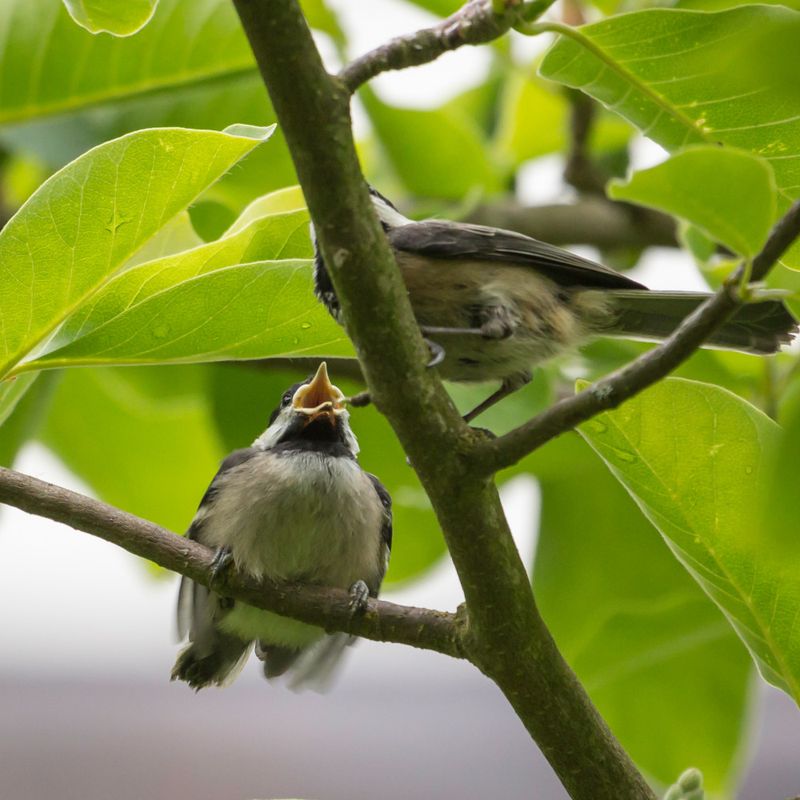
Trees provide essential habitat for birds, offering food, nesting sites, and shelter throughout the year.
Planting a mix of native tree species creates a more resilient and bird-friendly yard.
Conifers like western red cedar and Douglas fir offer year-round cover and cone seeds, while deciduous trees like Oregon white oak and bigleaf maple provide insects, acorns, and nesting cavities.
Fruit trees like crabapple add seasonal food sources that many species appreciate.
Even small yards can accommodate one or two trees, and choosing species appropriate for your space prevents problems later. Consider mature size when planting, and position trees where they won’t interfere with power lines or structures.
Young trees need regular watering during their first few summers, but once established, native species thrive in Oregon’s climate with minimal care.
Many homeowners plant only ornamental species that offer little value to wildlife. Prioritizing natives ensures birds get the most benefit from your efforts.
Dead or dying trees, if safe to leave standing, become valuable snags where woodpeckers excavate cavities and other birds find insects. Your tree choices today will shape your yard’s bird habitat for decades to come.
10. Provide Nesting Materials
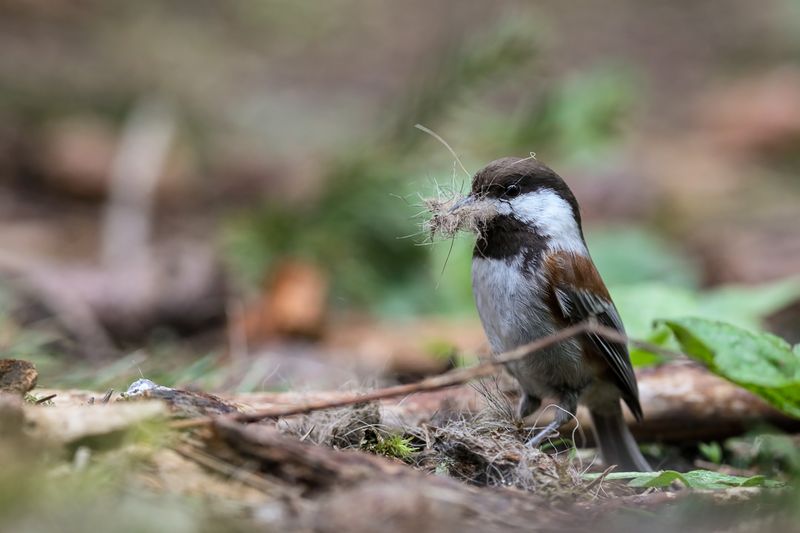
Providing nesting materials helps birds build strong, comfortable homes for raising their young, and it’s easier than you might think.
In early spring, set out natural materials like short pieces of yarn or string (no longer than six inches to prevent tangling), pet fur, moss, small twigs, and dried grass clippings. Place them in a mesh suet feeder or drape them over branches where birds can easily grab them.
Different species prefer different materials, so offering variety attracts more builders to your yard.
Avoid synthetic materials, dryer lint (which absorbs water and falls apart), or anything treated with chemicals. Natural fibers work best and break down safely if nests are abandoned.
Watch for birds visiting your material station in spring, often making multiple trips as they construct their nests nearby.
Many people don’t realize that providing nesting materials can be just as important as providing food. Birds spend considerable energy gathering materials, and making them readily available helps them focus on other aspects of reproduction.
Some birds, like hummingbirds, collect spider webs to bind their tiny cup nests together. Leaving some natural cobwebs in protected corners gives them access to this valuable building supply.
Your thoughtful offerings might help raise the next generation of birds right in your neighborhood.