10 Dangerous Insects Tennessee Residents Should Never Ignore In Their Yards
I’ll never forget the first time I noticed a cluster of strange insects in my Tennessee yard. At first, I thought they were just harmless visitors, but a closer look revealed they could sting, bite, or even damage plants.
Many residents don’t realize just how many backyard bugs pose real risks to people, pets, and gardens alike. Ignoring them can turn a peaceful outdoor space into a dangerous one.
These ten insects range from aggressive wasps to venomous spiders and destructive beetles. Learning to identify them early helps you take action before they become a serious problem.
Awareness keeps your yard safe while still letting you enjoy time outside without worry. Tennessee gardeners who know the signs can protect their families and their plants. Stay alert, spot trouble before it spreads, and keep your backyard a safe haven for everyone.
1. Black Widow Spiders
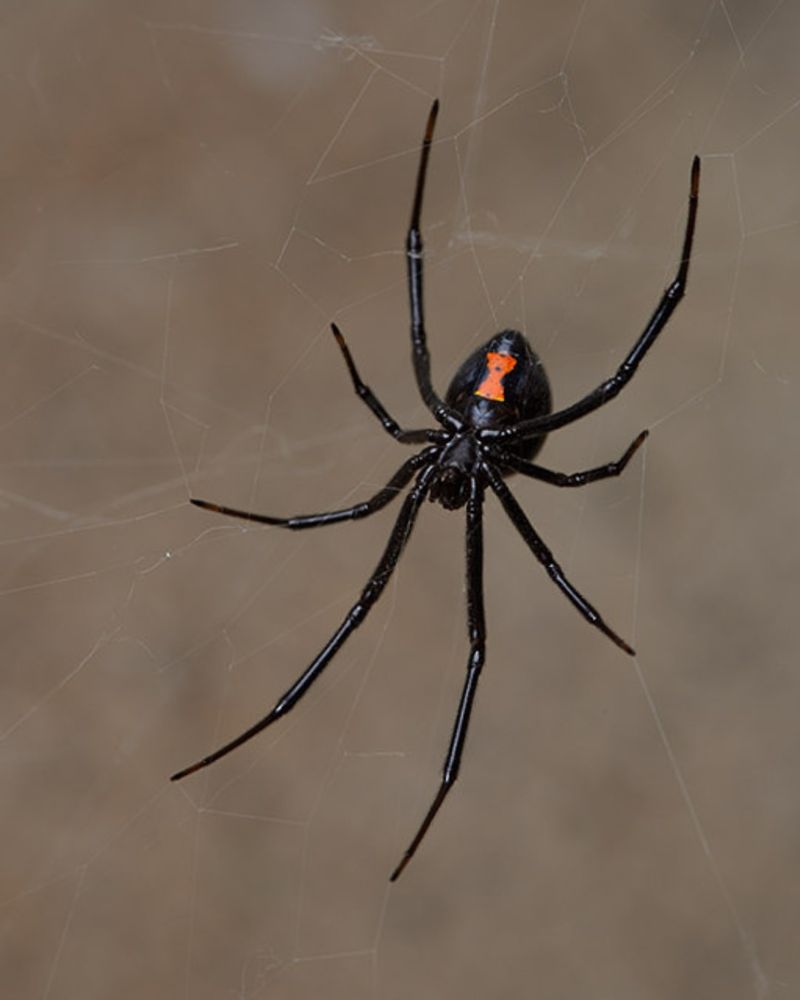
Black widow spiders are among Tennessee’s most notorious arachnids, often hiding in dark corners of garages, sheds, and woodpiles.
Their glossy black bodies and striking red hourglass markings make them unmistakable, yet the warning signs are often ignored until it’s too late.
Their venom is neurotoxic, capable of causing intense muscle pain, cramping, nausea, and in rare cases, more severe systemic effects requiring hospitalization. Tennessee hospitals report dozens of encounters annually, mostly during the warmer months when spider activity peaks.
I remember a neighbor discovering one behind a seldom-used garden shed door; thankfully, she recognized it immediately and called a professional before getting too close.
Black widows are reclusive by nature and rarely bite unless provoked, but homeowners should always exercise caution when reaching into dark, undisturbed areas.
Preventive measures include sealing cracks in foundations, removing debris piles, and wearing gloves while handling firewood.
Educating family members about black widow identification and safe avoidance is critical in Tennessee homes, especially in rural or semi-rural areas where these spiders thrive.
Regular inspections and professional guidance can keep properties safe while coexisting with these fascinating yet dangerous creatures.
2. Fire Ants
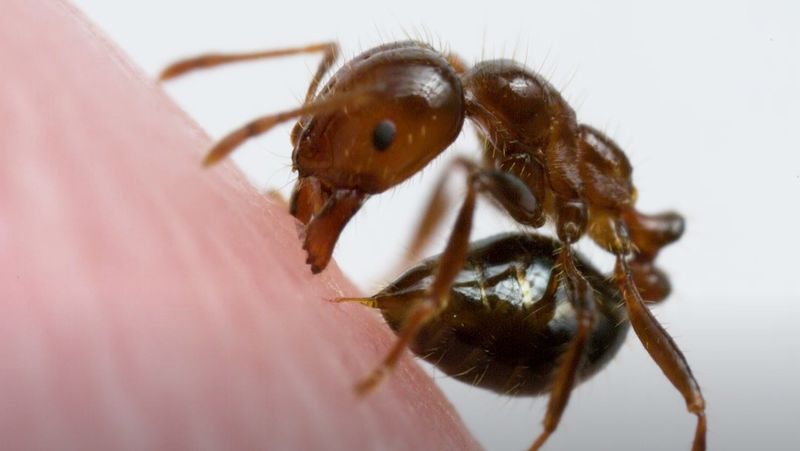
Fire ants have spread rapidly across Tennessee, establishing colonies in lawns, fields, and along roadways. Their mounded nests are easy to spot but can be deceptive, as a single mound may house thousands of aggressive workers ready to defend the colony.
A disturbance triggers stings that feel like searing pinpricks, producing painful, itchy welts. In some cases, multiple stings can provoke severe allergic reactions.
Tennessee’s warm, humid climate allows fire ants to thrive almost year-round, with colonies surviving through mild winters in protected areas such as mulch, leaf piles, and cracks in pavement.
I once witnessed a neighbor accidentally disturb a mound while mowing his yard; dozens of ants swarmed immediately, forcing him to retreat indoors and treat multiple stings with topical care.
Effective control strategies include mound-targeted insecticides, boiling water treatments, and careful monitoring during lawn maintenance.
Preventing fire ant spread involves limiting yard debris, sealing cracks, and avoiding overwatering, which creates ideal soil for colony expansion.
For homeowners, early identification, education, and targeted intervention are key to keeping these invasive insects from becoming a persistent problem in Tennessee properties.
Your Tennessee Garden Changes Every Week. Your Plan Should Too.
Gardening in Tennessee changes quickly throughout the season. Every Friday you’ll receive a simple weekly plan showing exactly what to plant, prune, fertilize, harvest, and protect so you never miss the right timing.
3. Brown Recluse Spiders
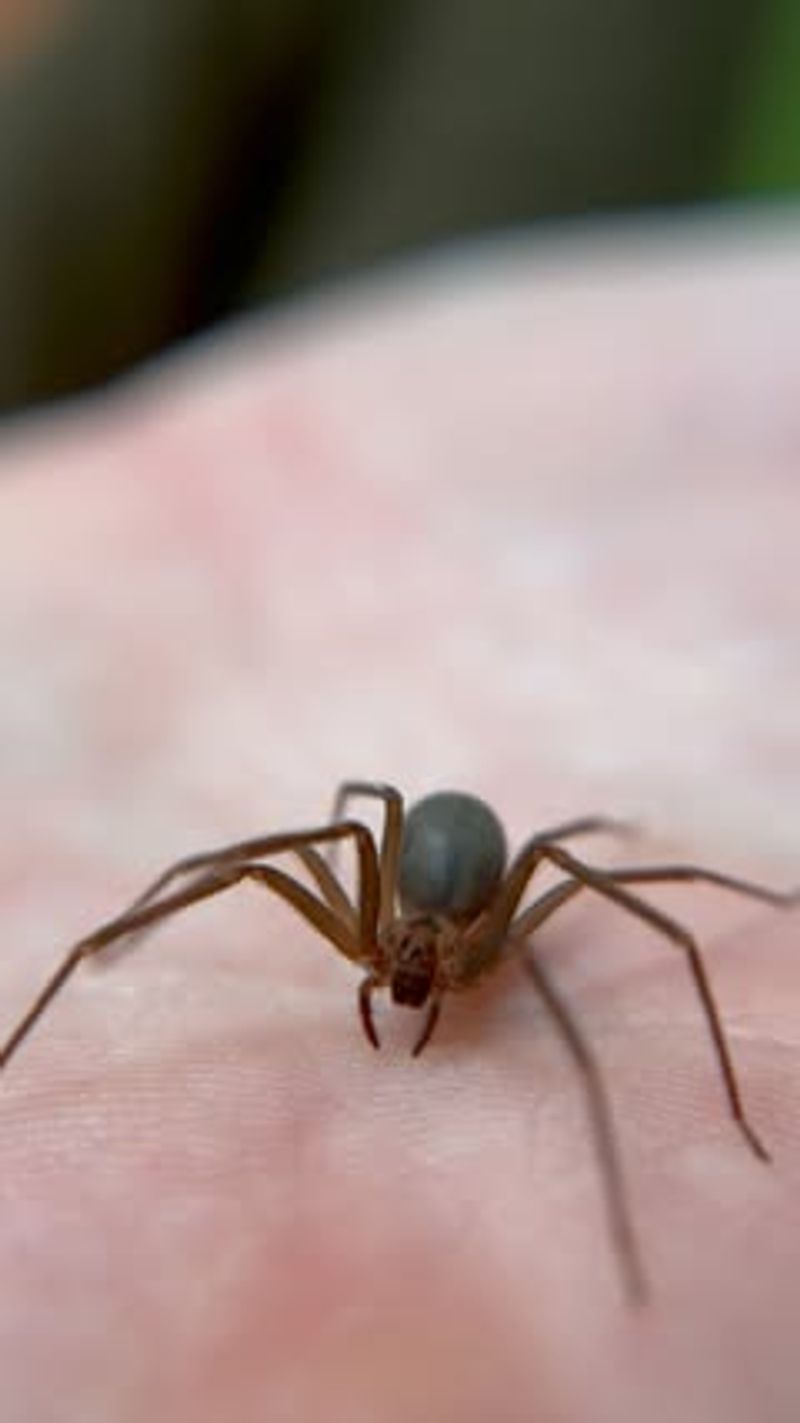
Brown recluse spiders are secretive, violin-shaped arachnids that lurk in undisturbed areas inside Tennessee homes. Their bites often go unnoticed initially, producing a mild sting that can later develop into a serious necrotic wound.
Tissue around the bite may die, requiring medical attention or even surgical intervention in severe cases. Many homeowners first encounter these spiders while moving stored boxes, seasonal decorations, or firewood.
Their venom contains enzymes that break down tissue, making prompt identification critical.
I remember helping a friend who discovered one in a rarely used basement closet; they carefully relocated it using a jar and card while wearing gloves, preventing a potential bite.
Preventive measures include sealing cracks, reducing clutter, and inspecting storage areas regularly. Tennessee residents should educate family members on identification and safe avoidance.
Although these spiders are shy and rarely aggressive, understanding their behavior and using caution when cleaning or handling undisturbed items reduces risk.
Combining awareness, household safety measures, and professional guidance ensures that brown recluse encounters are managed safely without unnecessary panic.
4. Kissing Bugs
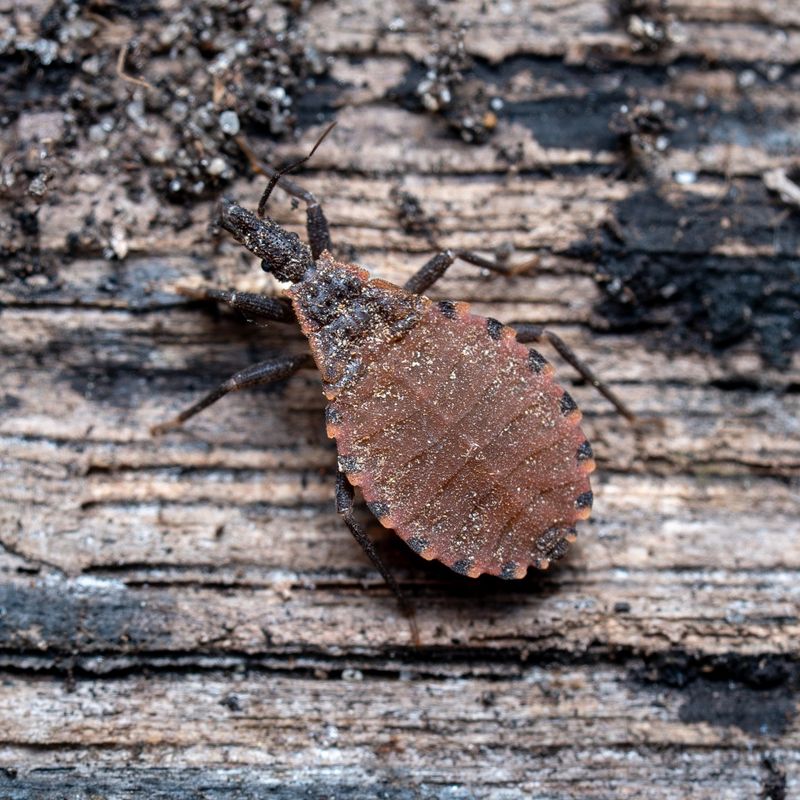
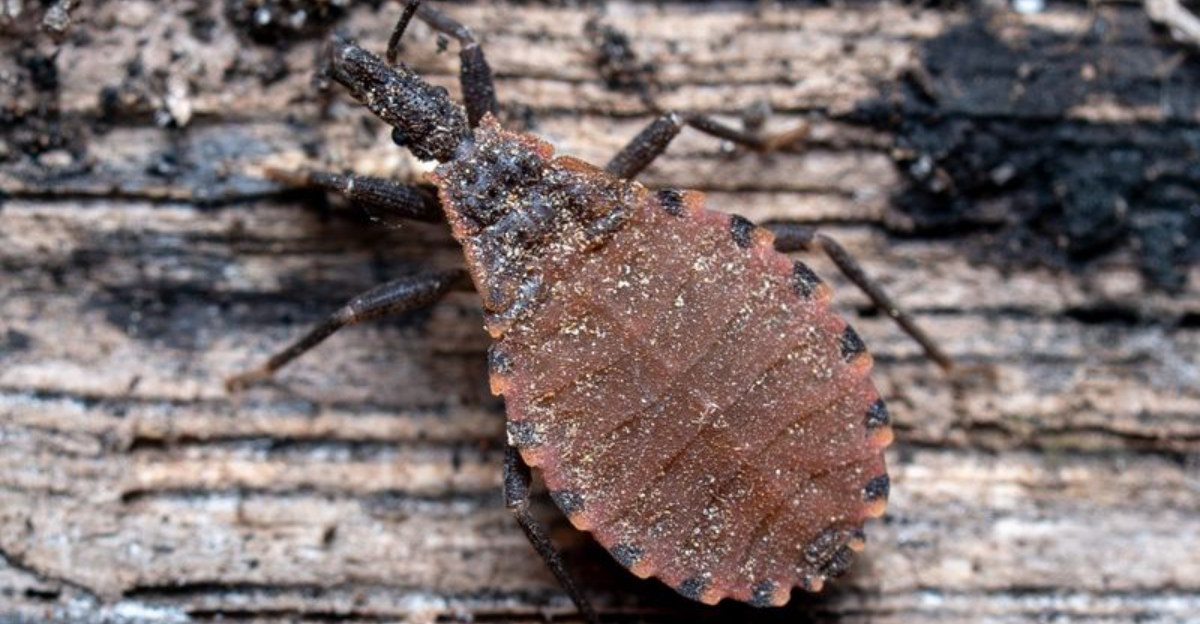
Kissing bugs, despite their romantic name, are dangerous blood-feeding insects spreading northward into Tennessee. These cone-nosed bugs emerge at night, often feeding around the mouth of sleeping humans, which is how they earned their misleading nickname.
The real concern is their ability to transmit Chagas disease, a potentially life-threatening condition affecting the heart and digestive system.
Tennessee’s rural communities have reported increasing sightings, particularly in homes with poor insulation or cracks that allow these insects entry.
I once spoke to a family who found several kissing bugs along the baseboards of their home after a mild winter; they were alarmed and contacted public health authorities for guidance.
Preventive measures include sealing entry points, installing screens on doors and windows, and keeping areas around homes clean and free of debris that attract small mammals which serve as hosts.
Homeowners should learn to recognize these insects and never handle them barehanded. Professional advice may be necessary for monitoring and management.
Awareness, careful monitoring, and immediate action are key to minimizing exposure to these invasive and potentially harmful insects.
5. Yellow Jackets
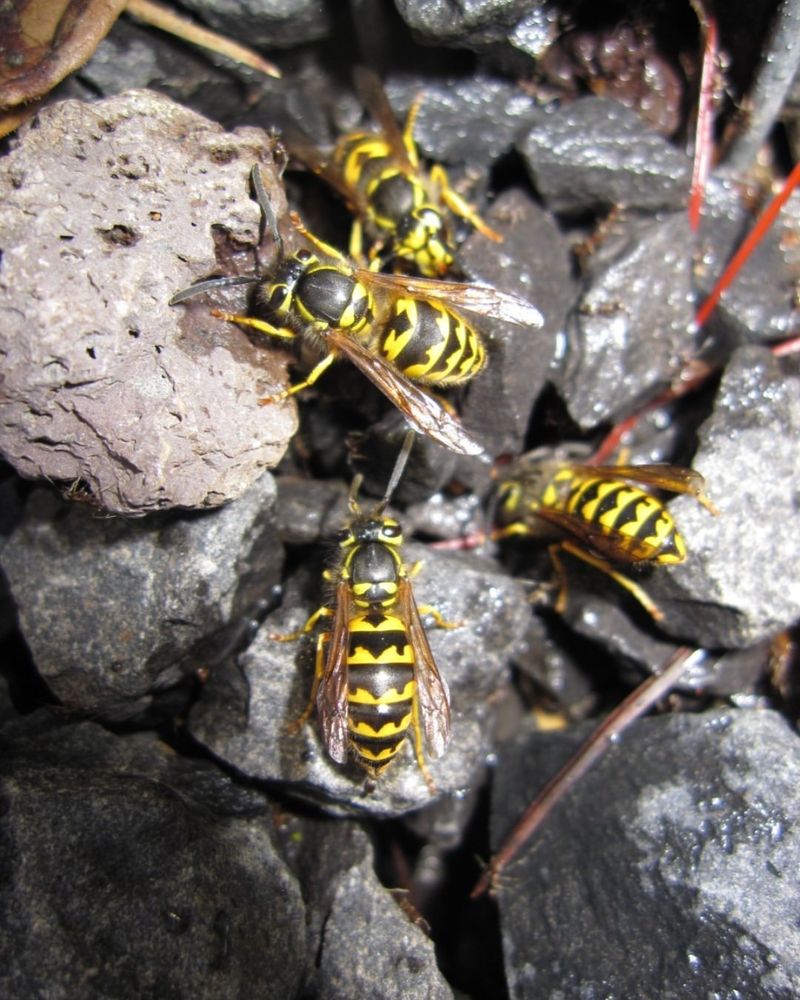
Yellow jackets are aggressive wasps that build hidden nests in Tennessee yards, often discovered too late for homeowners to intervene safely. Unlike honeybees, they can sting repeatedly, causing intense pain, swelling, and even severe allergic reactions in sensitive individuals.
Fall sees peak activity as colonies reach their largest size and natural food sources dwindle, drawing them toward sweet drinks, picnic foods, and outdoor gatherings.
I recall a neighbor hosting a backyard party where a nest near a deck went unnoticed; a single disturbance sent dozens of yellow jackets swarming, forcing everyone inside.
Effective prevention includes inspecting yards regularly for early nest formation, avoiding leaving sugary foods or drinks uncovered outdoors, and educating children on safe behavior around wasps. Professional pest control is often the safest solution once nests are established.
Maintaining yard cleanliness, monitoring seasonal activity, and implementing early intervention strategies reduce the risk of stings and property damage.
By respecting their aggressive nature and preparing proactively, Tennessee homeowners can enjoy outdoor spaces safely while minimizing conflicts with yellow jackets.
6. Bed Bugs
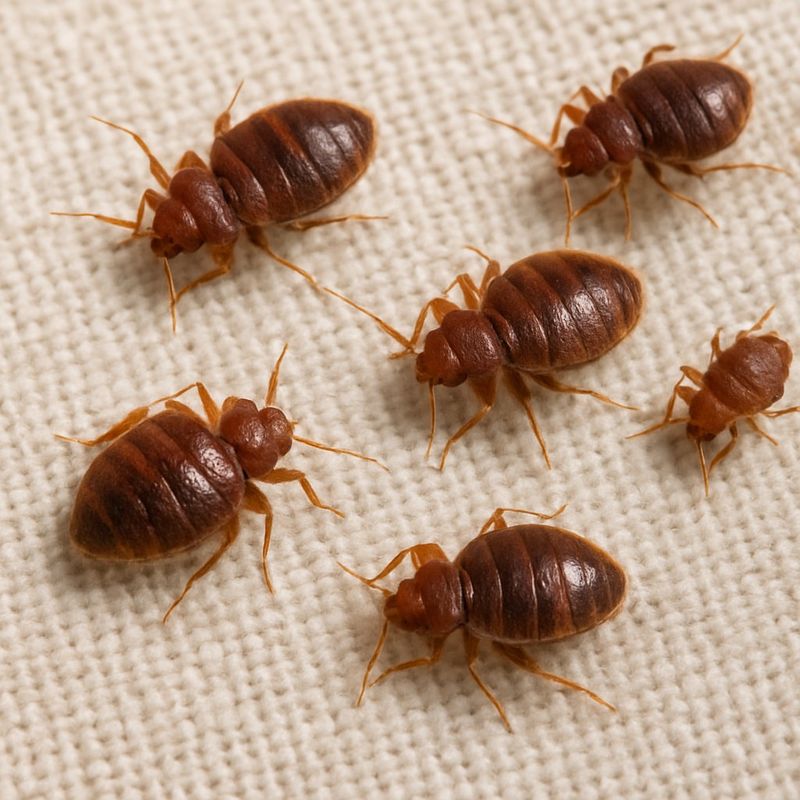
Bed bugs are resilient nocturnal pests that have increasingly infiltrated Tennessee homes, hotels, and apartment complexes. They hitchhike through luggage, used furniture, or clothing, hiding during daylight in mattress seams, headboards, and cracks.
Their bites cause itchy welts and often significant psychological distress, as infestations spread quickly if left untreated.
I once helped a friend identify a small infestation from a secondhand couch; the tiny reddish-brown insects were almost invisible without close inspection.
Over-the-counter treatments frequently fail, as bed bugs develop resistance, making professional extermination essential. Preventive measures include regular inspection of sleeping areas, encasing mattresses, and monitoring luggage after travel.
Early detection is critical, as infestations multiply rapidly. Education on identifying signs, proper cleaning, and containment helps prevent wider household spread.
While bed bugs do not transmit disease, the stress, discomfort, and property damage they cause can be severe. Combining vigilance, preventive habits, and professional guidance ensures that Tennessee homeowners can protect their homes effectively against these persistent pests.
7. Ticks
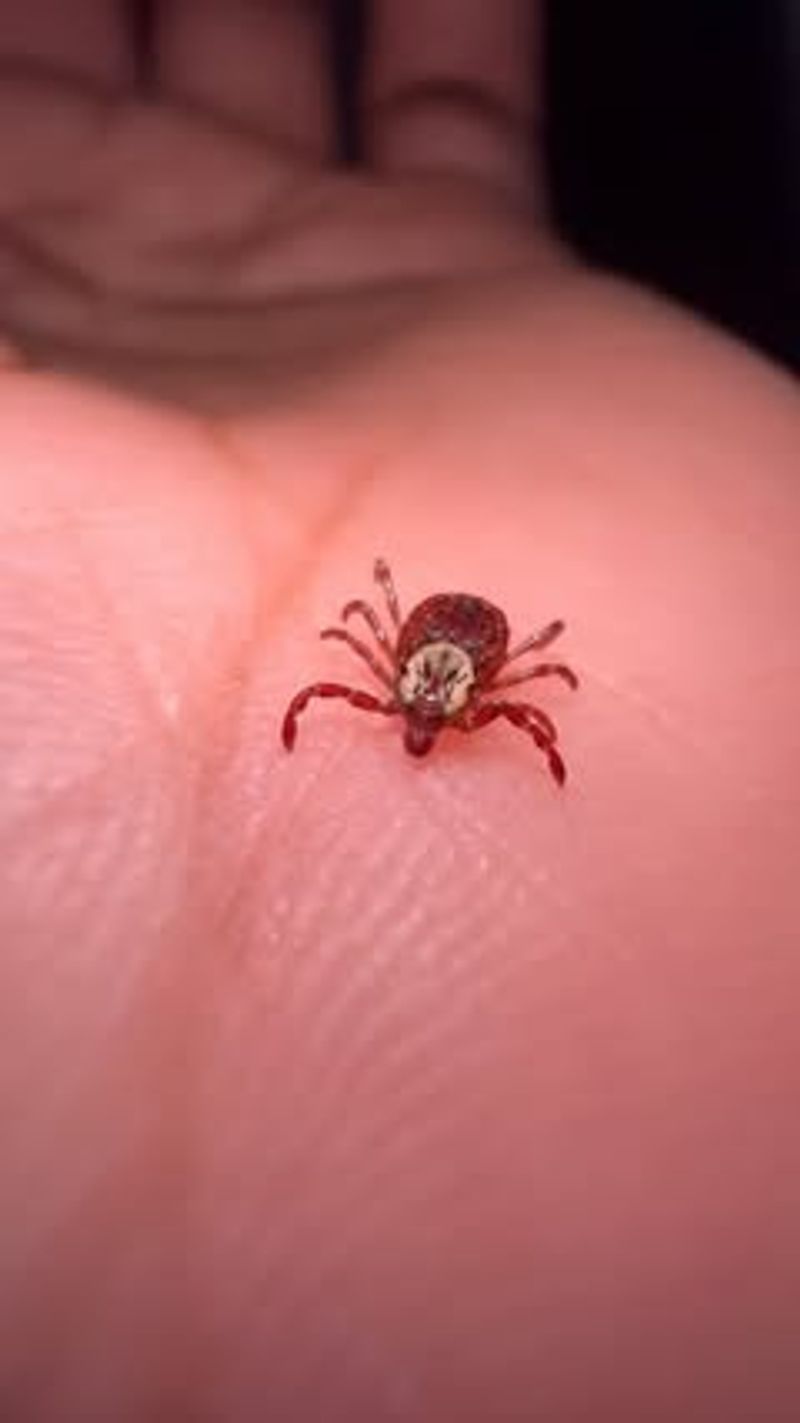
Ticks are among Tennessee’s most medically significant pests, inhabiting wooded areas, tall grasses, and backyard landscapes.
They attach to skin and feed on blood, potentially transmitting Lyme disease, Rocky Mountain spotted fever, and other serious illnesses to humans and pets.
Common species include the lone star tick, blacklegged tick, and American dog tick. I’ve had friends who returned from hikes with multiple attached ticks, highlighting the importance of thorough checks after outdoor activities.
Tennessee consistently ranks among the top states for tick-borne disease incidence. Preventive measures include wearing long clothing, applying EPA-approved repellents, and performing full-body checks after exposure to potential tick habitats.
Maintaining clear, mowed lawns, removing brush, and creating physical barriers can reduce tick presence in residential areas. Early detection, proper removal techniques, and awareness of local tick activity are crucial for safeguarding families and pets.
By combining environmental management with personal protection, Tennessee residents can minimize the health risks posed by these parasitic arachnids while enjoying outdoor activities safely.
8. Asian Lady Beetles
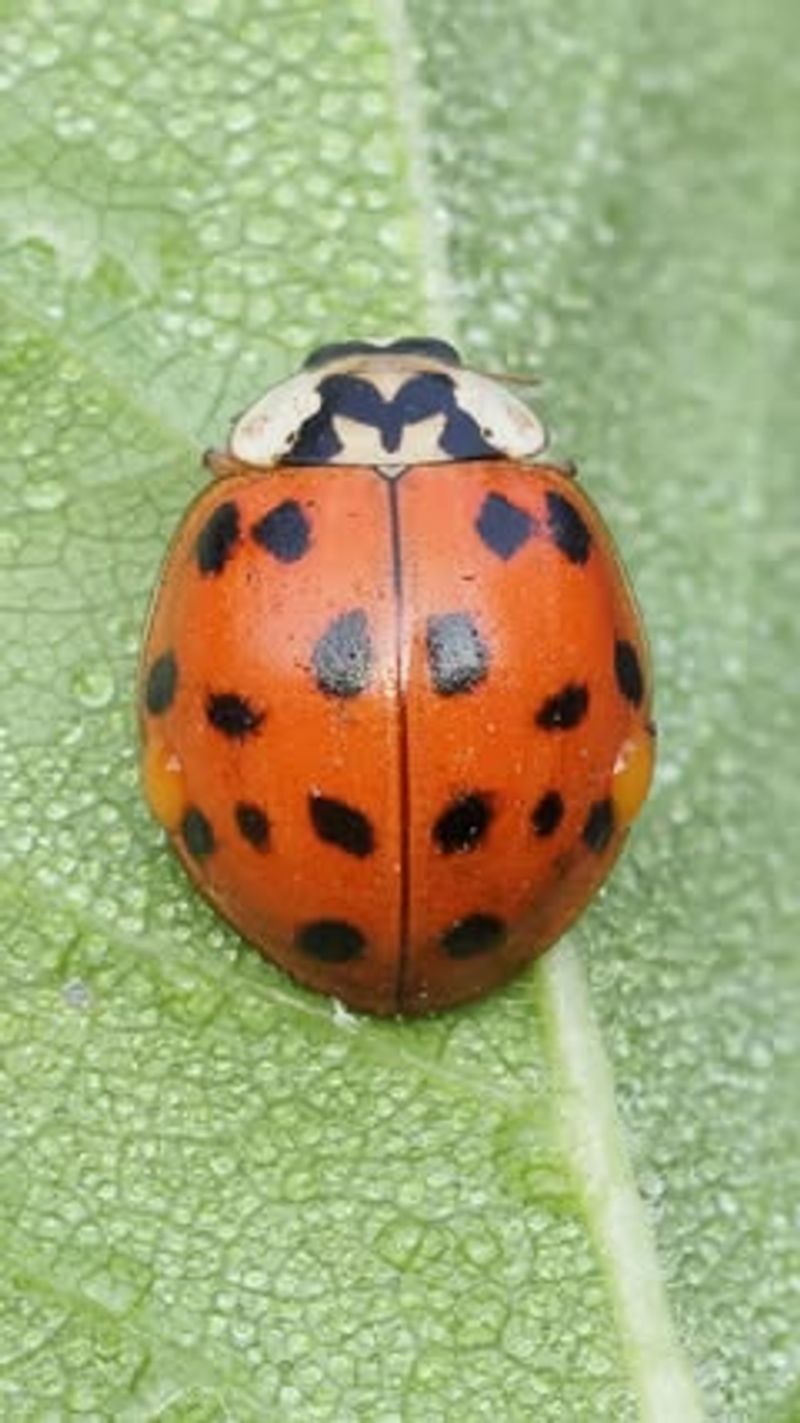
Asian lady beetles invade Tennessee homes every fall, seeking warmth and shelter for winter. Often mistaken for native ladybugs, these bright orange insects can bite, secrete foul-smelling fluid, and trigger allergic reactions in sensitive individuals.
Their clusters often appear on sunny exterior walls before finding entry points through cracks, windows, or vents. I once observed a neighbor’s home with hundreds crawling along the siding after an unusually mild winter; the smell and staining were significant.
Proper prevention includes sealing gaps, using screens, and inspecting siding and window frames before cold weather. Unlike native ladybugs, Asian beetles can become a nuisance indoors, leaving stains and odors as they die or get trapped.
Homeowners should avoid crushing them and instead use vacuums or exclusion techniques. Understanding their seasonal behavior and monitoring potential entry points are key for managing populations effectively.
These beetles provide lessons in invasive species management while highlighting the importance of winter-proofing homes in Tennessee.
9. Mosquitoes
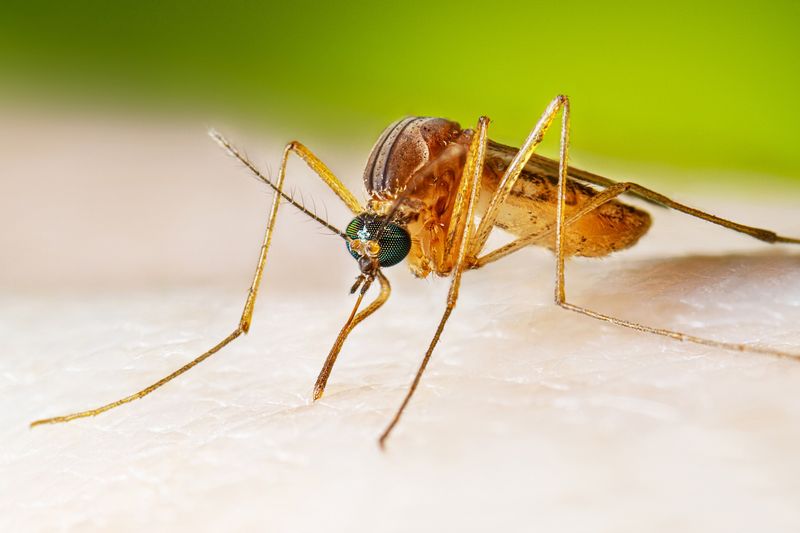
Mosquitoes are a major health concern in Tennessee, transmitting diseases such as West Nile virus, La Crosse encephalitis, and Eastern equine encephalitis.
Beyond the itching and buzzing, even a small container of standing water can produce dozens of new mosquitoes in a week.
Tennessee’s humid climate, combined with frequent rainfall and backyard water sources, creates ideal breeding conditions.
I remember a neighbor’s yard near a pond becoming swarmed in early summer, despite minimal standing water; proper management was critical to reducing the population.
Preventive measures include eliminating stagnant water, cleaning gutters, covering water containers, and maintaining lawn drainage. Personal protection with repellents and clothing reduces exposure, especially during dawn and dusk when mosquitoes are most active.
Combining environmental control, personal protection, and community awareness is key for minimizing mosquito-borne disease risk in Tennessee. Proactive monitoring ensures safer outdoor enjoyment and healthier gardens and landscapes.
10. Carpenter Bees
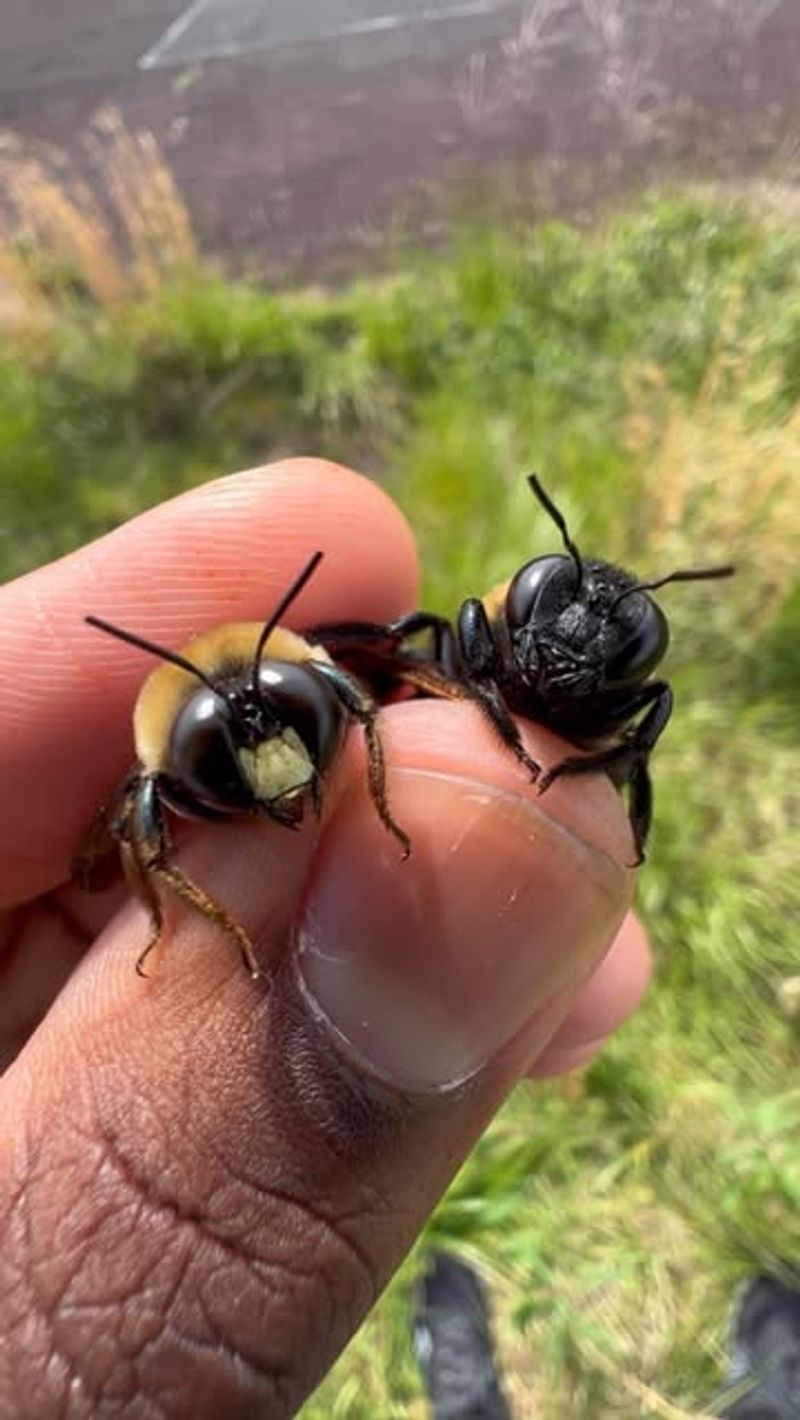
Carpenter bees resemble bumblebees but have shiny, hairless abdomens and are notorious for drilling tunnels into wooden structures. In Tennessee, they frequently attack decks, siding, and barns, leaving perfect half-inch holes that accumulate over generations.
Male carpenter bees are aggressive toward intruders but cannot sting, while females can deliver painful stings if provoked.
I observed a historic barn slowly damaged by repeated nesting tunnels over several years; early detection would have prevented extensive repairs.
Preventive measures include painting or sealing exposed wood, using treated lumber, and monitoring for early signs of excavation. Although they are important pollinators, their nesting behavior poses structural risks.
Homeowners must balance protecting wood with encouraging pollination in gardens. Proper exclusion, inspection, and timing of maintenance work ensures minimal property damage while respecting the bee’s ecological role.
Awareness, early action, and maintenance reduce the cumulative impact of these industrious Tennessee visitors.