Common Yard Features That South Carolina Neighborhoods May Soon Ban Altogether
I still remember walking through my South Carolina neighborhood and noticing how much pride everyone takes in their yards.
From towering fences to decorative water features, it seems like there’s no limit to what homeowners can add. But lately, local councils have been reviewing rules that could make some of these beloved features off-limits.
What was once perfectly acceptable might soon come with fines, removal orders, or strict redesign requirements.
Structures that affect drainage, block sightlines, or interfere with stormwater management are drawing particular attention. Even decorative elements and oversized hardscapes aren’t entirely safe from scrutiny.
Knowing what might be targeted allows homeowners to plan ahead, adapt, and avoid costly surprises. Staying informed now is the best way to protect your property, your investment, and the backyard you love.
Tall Privacy Fences
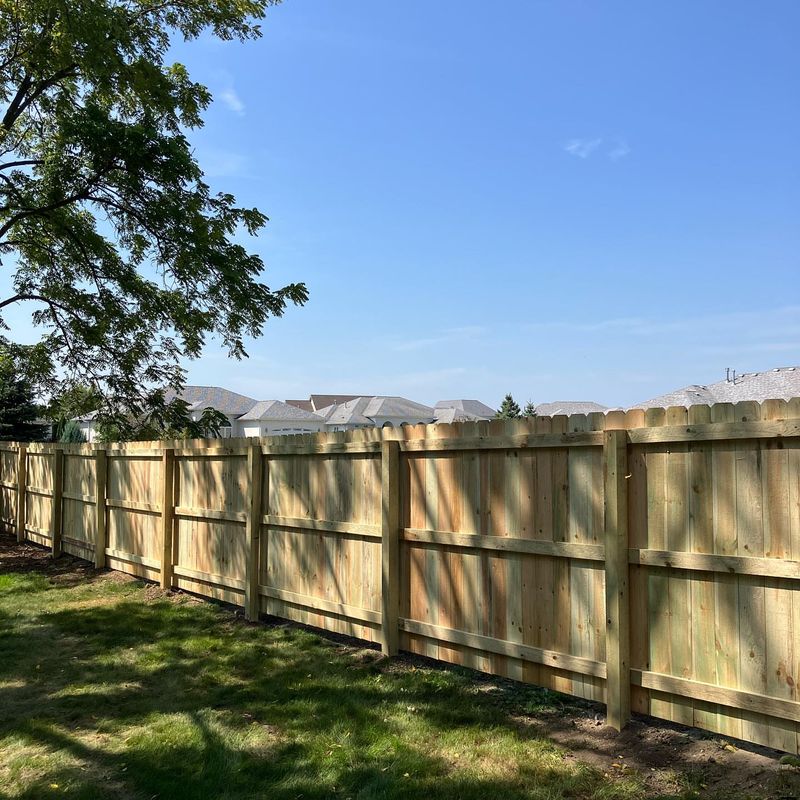
Fences taller than six feet are increasingly under scrutiny in South Carolina neighborhoods. Homeowners often prefer these towering barriers for privacy, blocking sightlines and creating personal spaces shielded from view.
However, many municipalities and homeowner associations now view excessively tall fences as visual obstacles that reduce community cohesion and block sunlight from neighboring yards.
Some towns have already limited fence heights to four feet in front yards and five feet in backyards, aiming to balance privacy with visibility for drivers and pedestrians.
In Charleston, for example, a homeowner received a notice after installing a six-foot wooden fence in a front yard because it obscured the street view, prompting legal compliance adjustments.
Beyond safety concerns, shorter fences promote a more open and friendly neighborhood atmosphere, encouraging interaction among neighbors and enhancing the overall streetscape.
Homeowners can maintain privacy while complying with regulations by incorporating landscaping elements such as tall shrubs or decorative trellises.
When designing fences now, it’s wise to check local ordinances, HOA rules, and safety recommendations.
This proactive approach prevents fines, preserves property aesthetics, and ensures your fencing contributes positively to both personal privacy and neighborhood character.
Front Yard Vegetable Gardens
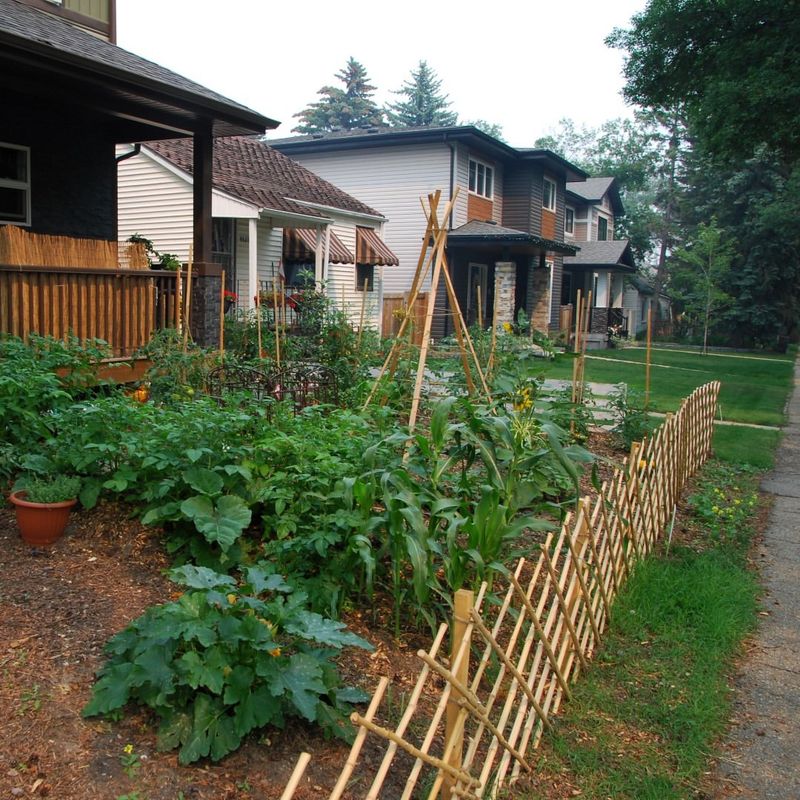
Front yard vegetable gardens are becoming a contentious issue in South Carolina, particularly in communities governed by homeowner associations.
While gardeners value the ability to grow fresh produce close to the house, many HOAs now consider front-facing vegetable plots incompatible with the manicured, ornamental lawn aesthetic they enforce.
Municipalities in Greenville and Columbia have begun restricting food gardens to rear yards or requiring decorative borders and tidy maintenance for visible plots.
The rationale includes protecting property values, ensuring consistent neighborhood appearance, and avoiding complaints from neighbors who feel front-yard gardens are unsightly or messy.
Gardeners often push back, arguing that thoughtful layout, colorful plant choices, and well-kept beds can enhance the overall landscape.
I’ve seen small cherry tomato and pepper plots in front yards of Charleston homes that blend seamlessly with ornamental plantings, proving that beauty and utility can coexist.
Homeowners considering front-yard vegetables should check HOA rules carefully and consider creative designs, like raised beds or container arrangements, that meet regulations while still allowing year-round fresh produce.
Responsible gardening now involves balancing aesthetics, legal compliance, and productive planting in South Carolina communities.
Your South Carolina Garden Changes Every Week. Your Plan Should Too.
Gardening in South Carolina changes quickly throughout the season. Every Friday you’ll receive a simple weekly plan showing exactly what to plant, prune, fertilize, harvest, and protect so you never miss the right timing.
Artificial Turf Lawns
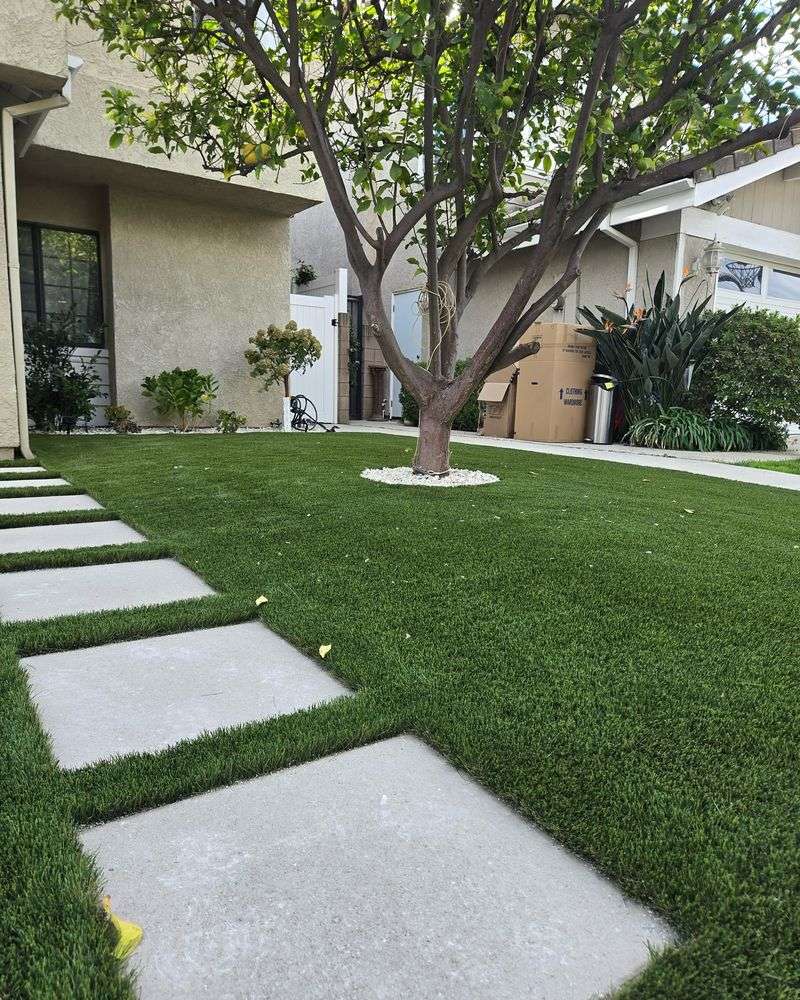
Artificial turf lawns, once promoted for their low maintenance and water-saving benefits, are facing increasing restrictions in South Carolina.
While homeowners enjoy green, uniform lawns year-round without mowing, critics point to the environmental drawbacks of plastic lawns, including heat island effects during hot summer months and microplastic pollution as the synthetic fibers degrade.
Many municipalities and HOAs now require visible lawn areas to be natural grass, with exceptions only for small accent zones.
In Charleston, some communities have denied permit approvals for full artificial lawns due to these concerns, citing both environmental and aesthetic reasons.
Homeowners attempting to install turf must often comply with color guidelines, drainage standards, and professional installation requirements.
Despite the appeal of artificial grass, local governments and HOAs prioritize ecosystem health, water management, and neighborhood appearance.
Homeowners considering turf should research restrictions in advance, evaluate eco-friendly synthetic options, and plan for legal compliance.
Using natural grasses or strategically placed synthetic accents offers a balance between sustainability, aesthetics, and functionality, helping residents enjoy low-maintenance lawns without violating community standards or environmental goals.
Clotheslines
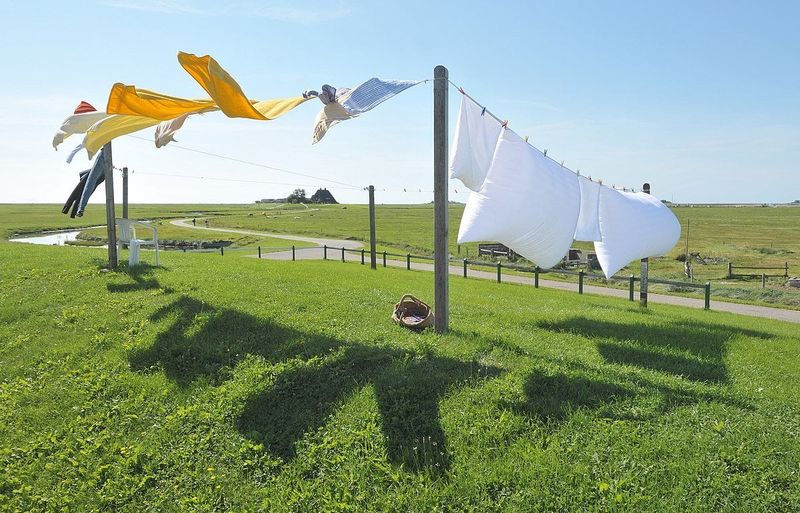
The traditional practice of drying clothes outdoors is increasingly restricted in South Carolina communities.
Clotheslines, once a ubiquitous and energy-saving feature of American yards, face growing bans from HOAs and municipal ordinances.
Visible lines, in particular, are often prohibited because they are deemed unsightly, reminding neighbors of household chores and disrupting uniform lawn aesthetics.
Where permitted, clotheslines may be limited to rear yards, subject to height restrictions, or confined to specific hours of use, usually between morning and late afternoon.
Many environmentally conscious residents oppose these regulations, noting that line-drying reduces electricity consumption, extends the life of clothing, and provides a natural, chemical-free method for drying laundry.
In Myrtle Beach, several homeowners have creatively used retractable or collapsible lines screened with fencing or shrubs, successfully balancing HOA compliance with sustainable practices.
Advocates encourage municipalities to adopt “right-to-dry” policies, allowing outdoor drying while maintaining visual appeal.
For South Carolina residents, careful placement, considerate timing, and screening of clotheslines now offer a compromise between eco-friendly laundry habits and compliance with neighborhood rules.
Large Playground Equipment
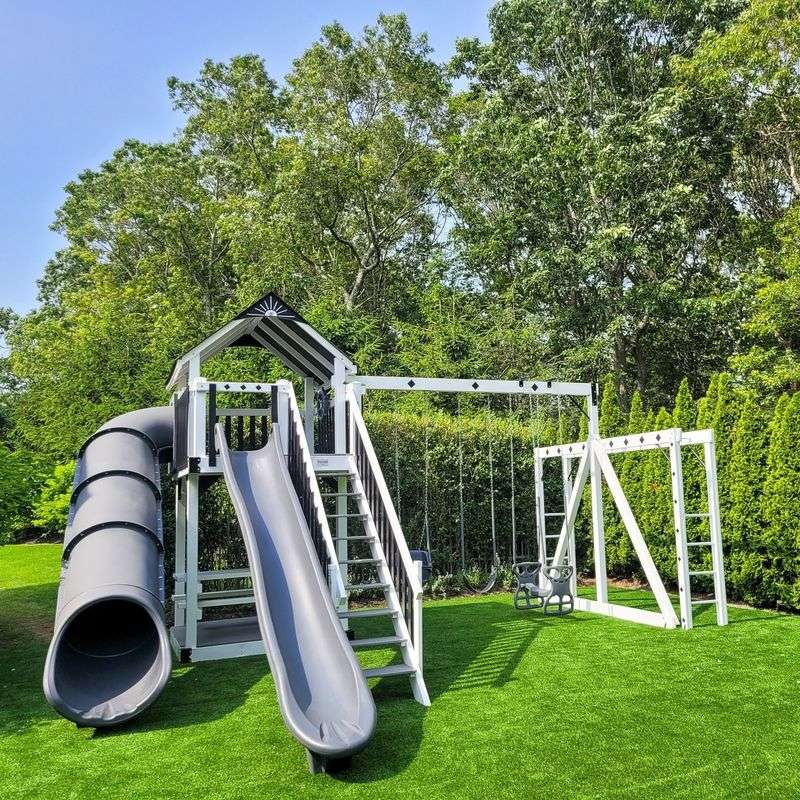
Backyard playsets, trampolines, and climbing structures are increasingly facing scrutiny in South Carolina communities.
While these installations provide safe and fun recreation for children, homeowners associations and municipalities are implementing height restrictions, setback requirements, and design guidelines to minimize hazards and visual disruption.
Many neighborhoods now require play equipment to be no taller than ten feet, positioned a specific distance from property lines, and constructed in natural wood or muted tones instead of bright, plastic colors that stand out.
Safety is a major concern: poorly located or overly tall structures increase the risk of falls, collisions, and liability for homeowners.
I visited a Greenville backyard where a newly installed colorful trampoline prompted complaints from neighbors, leading the family to add fencing and relocate it to a less visible area to meet HOA rules.
Even when safety isn’t an issue, aesthetic consistency drives many restrictions, aiming to preserve property values and neighborhood appearance.
Families can still enjoy play structures by choosing compact designs, natural finishes, and careful placement.
Understanding local codes before installation ensures both safe and legally compliant recreational spaces for children, preventing fines and maintaining community harmony.
Non-Native Plant Species
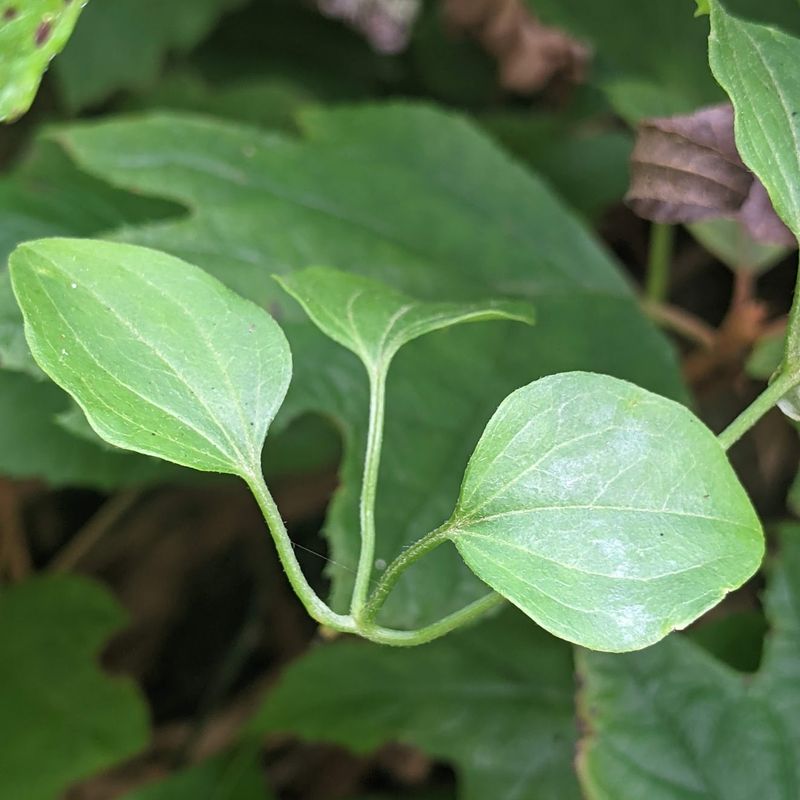
Exotic or non-native plants in South Carolina yards are increasingly restricted as municipalities and homeowners associations focus on preserving native ecosystems and water resources.
Species like Chinese privet, Japanese honeysuckle, and certain bamboo varieties are top offenders due to their invasive tendencies, they spread aggressively, crowd out native plants, and reduce biodiversity.
Non-native plants may also require more water and fertilizers, creating sustainability concerns in regions already managing periodic droughts or water use limitations.
Gardeners sometimes plant these species for ornamental appeal without realizing their long-term environmental consequences.
In Charleston, I saw a small bamboo grove quickly spreading into a neighbor’s yard, prompting HOA intervention.
Local conservation groups promote native alternatives that support local wildlife, attract pollinators, and thrive with less maintenance.
South Carolina homeowners can still enjoy vibrant landscaping by incorporating indigenous species like redbud trees, coneflowers, and swamp milkweed, which provide color, habitat, and ecological balance.
By replacing aggressive non-native plants with locally adapted species, gardeners protect the environment, comply with HOA and municipal rules, and contribute to a healthier, more resilient South Carolina landscape.
Yard Art And Decorative Statues
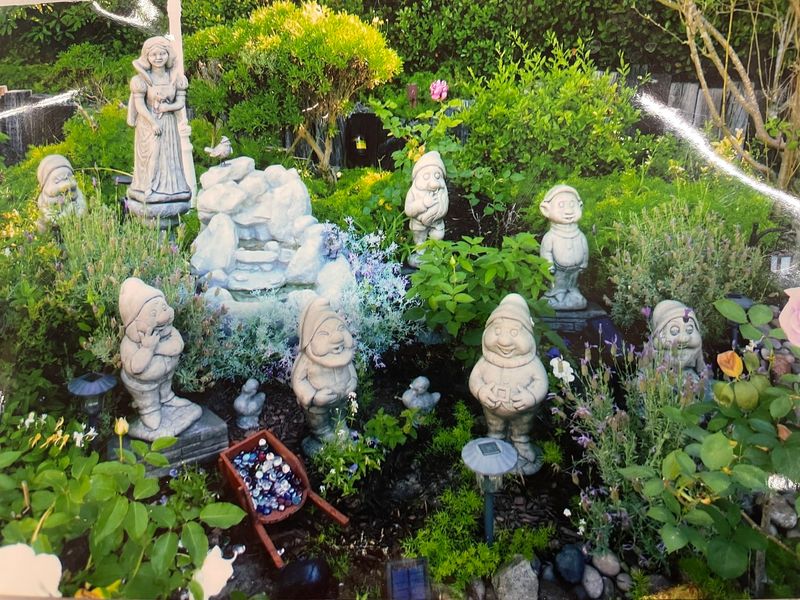
Whimsical garden decorations are becoming increasingly regulated across South Carolina neighborhoods.
While many homeowners enjoy adding personality through gnomes, flamingos, windmills, and other art pieces, homeowners associations now enforce stricter guidelines to maintain uniform aesthetics and protect property values.
Restrictions may include limits on the number, size, or type of decorations allowed in visible yard areas, with some communities requiring pre-approval for items over two feet tall.
Religious statues are sometimes exempt, but playful or eclectic pieces can be prohibited. In Charleston, a neighbor’s colorful gnome collection prompted an HOA warning due to visibility from the street.
Residents can still enjoy yard art by focusing on smaller, subtle pieces, grouping items in less visible areas, or using planters and flower arrangements to integrate decorations naturally.
Compliance involves understanding HOA rules, placement, and maintaining neat arrangements.
Responsible homeowners balance personal expression with community standards, ensuring that decorative elements enhance the landscape rather than violate neighborhood regulations.
This proactive approach prevents fines, keeps relations amicable, and allows residents to maintain a creative outdoor space while adhering to local guidelines.
Above-Ground Pools
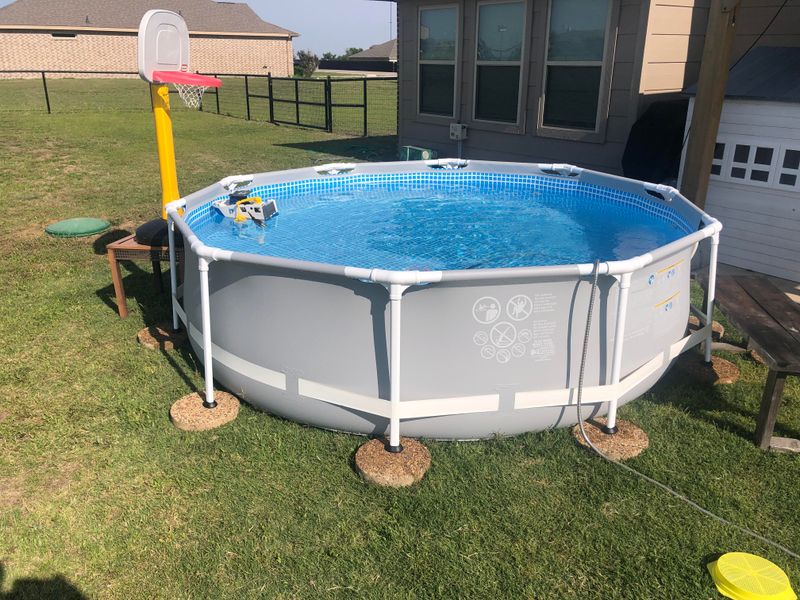
Above-ground pools, once a common and cost-effective way to cool off during South Carolina summers, now face growing regulatory hurdles.
Safety concerns, visibility from streets, and neighborhood aesthetics have prompted many HOAs to restrict or prohibit these pools.
Local ordinances often require pools to be placed entirely in rear yards, installed with protective fencing, or hidden from public view.
Some communities only allow in-ground pools, effectively eliminating above-ground options.
In Columbia, a family had to relocate their above-ground pool to meet HOA requirements, reinforcing the importance of reviewing neighborhood rules before installation.
Pools must also comply with setback regulations and barrier requirements to prevent accidents, especially for children.
Despite the challenges, above-ground pools can remain viable with proper placement, safety measures, and attention to local regulations.
Homeowners should plan layouts carefully, consider screened or landscaped barriers, and maintain compliance with legal and safety standards.
By doing so, residents can enjoy summer swimming without violating HOA rules or endangering family members and neighbors.
Excessive Outdoor Lighting
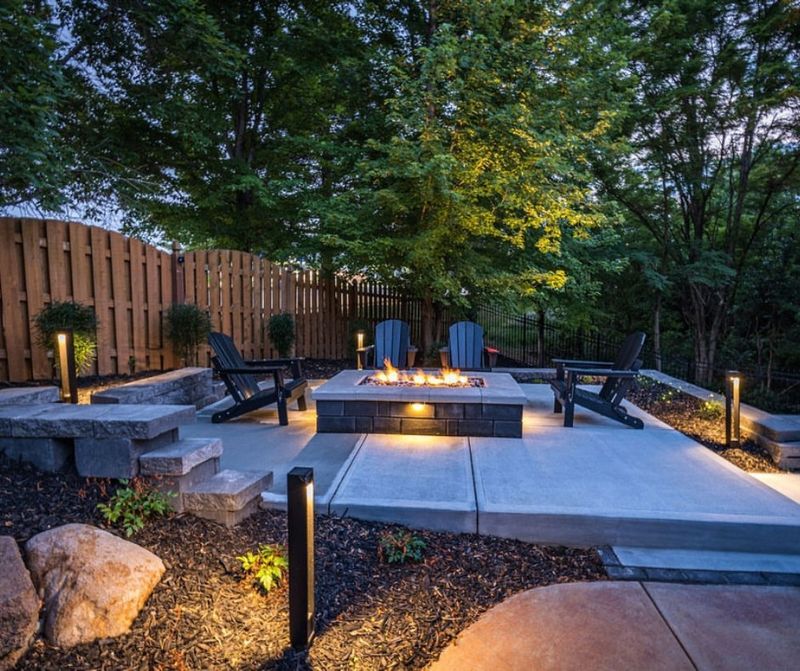
Bright outdoor lighting in South Carolina, including security lights and decorative illumination, is now frequently regulated to reduce light pollution, protect wildlife, and prevent disturbances to neighbors.
Motion-activated security lights are often required to be aimed downward, with limited brightness and automatic shut-off features.
Decorative or holiday lighting may be subject to time restrictions and maximum wattage allowances.
In Charleston, I observed a homeowner who had to reduce the number of high-powered floodlights after neighbors complained about light spilling onto their properties.
Such regulations aim to balance security, aesthetics, and environmental concerns. Proper placement, shielding, and careful scheduling of outdoor lighting can maintain safety while complying with local guidelines.
Choosing low-intensity, warm-colored lighting and focusing on specific zones rather than illuminating entire yards helps minimize light intrusion.
Residents who follow these practices protect nocturnal wildlife, preserve night sky visibility, and foster good neighborly relations, all while maintaining functional outdoor lighting for safety and enjoyment.
RV And Boat Parking
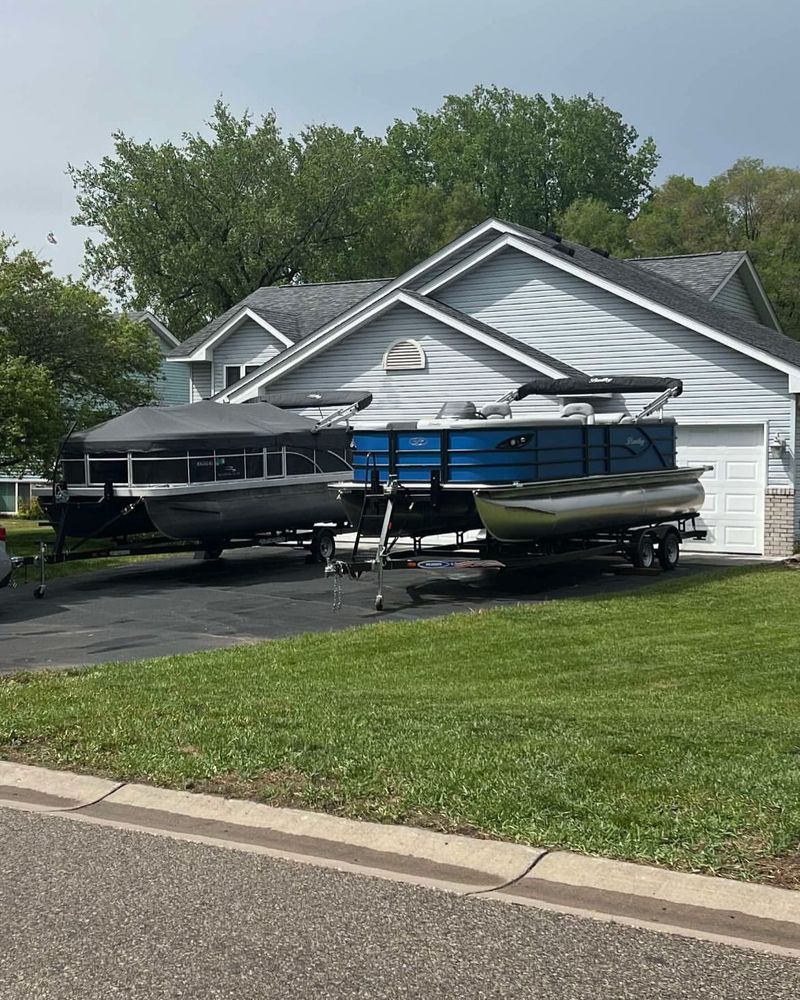
Storing recreational vehicles, campers, or boats in driveways is increasingly regulated across South Carolina communities.
Many HOAs and municipalities now limit visible parking of these vehicles to 48–72 hours for loading and unloading only, requiring longer-term storage to occur out of sight or off-site.
Year-round parking in front or side yards is often prohibited to maintain neighborhood aesthetics and prevent large vehicles from dominating streetscapes.
In Myrtle Beach, for example, one homeowner received a warning after leaving a boat visible in the driveway for several weeks, prompting relocation to a screened area behind the house.
Some communities allow exceptions if vehicles are fully screened by fencing, landscaping, or storage structures, but even then, time limits usually apply.
Compliance protects property values, maintains visual cohesion, and reduces potential disputes with neighbors.
For South Carolina residents with limited space, planning ahead for off-site storage or constructing discreet backyard enclosures ensures enjoyment of recreational vehicles without violating HOA rules.
Using creative landscaping, gates, and screening solutions can provide privacy while adhering to local ordinances, balancing convenience, aesthetics, and legal compliance effectively.
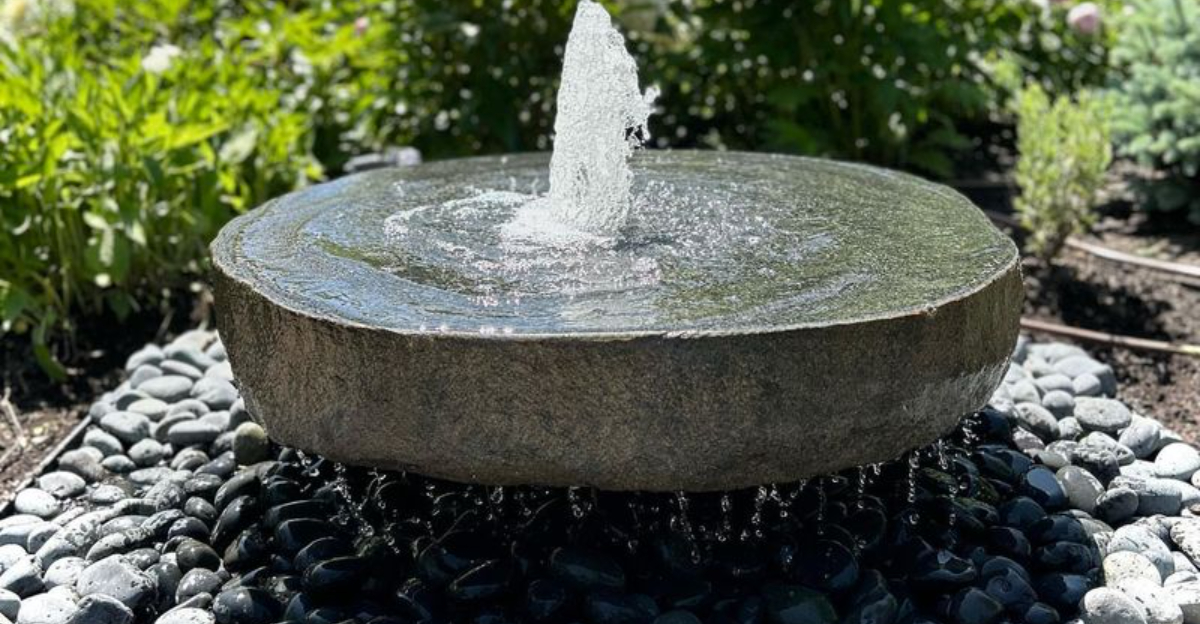
Water Features And Fountains
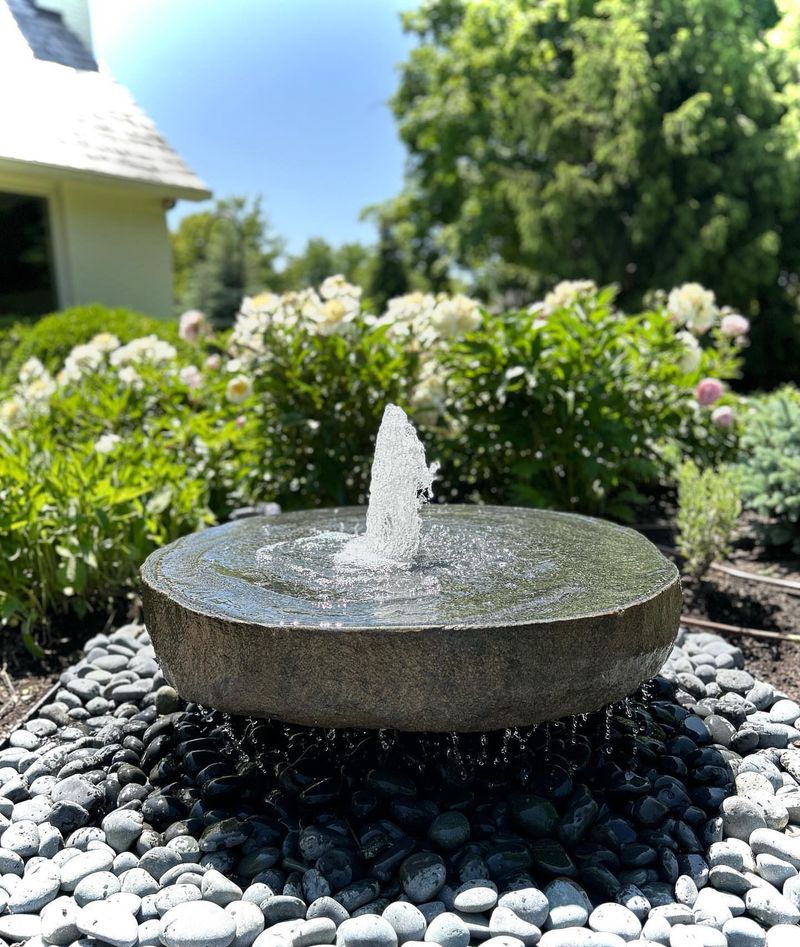
Decorative water features, ponds, and fountains are facing increasing scrutiny in South Carolina neighborhoods.
Safety concerns, mosquito breeding, and water conservation efforts drive new restrictions.
Many HOAs and municipal codes now require protective fencing around features deeper than 18 inches and limit installation to rear yards.
Front-yard water features are often prohibited entirely to maintain street aesthetics and reduce liability risks, particularly for households with children.
I once visited a Charleston property where a small pond had to be relocated and enclosed after an HOA review highlighted potential drowning hazards and mosquito accumulation.
Beyond safety, efficient water management is critical in South Carolina’s humid summers and dry winter periods, making overflowing or stagnant fountains problematic.
Homeowners must maintain filtration, regularly remove debris, and consider circulating water systems to prevent stagnation.
Thoughtful design – including strategic placement, proper depth, and screening – allows enjoyment of aesthetic and calming water features while complying with regulations.
With careful planning, South Carolina residents can preserve the benefits of fountains and ponds, enhance biodiversity with aquatic plants or fish, and meet both environmental and HOA requirements without compromising beauty or safety.