Why Tennessee Homeowners Should Think Twice Before Forcing Possums Out Of The Yard
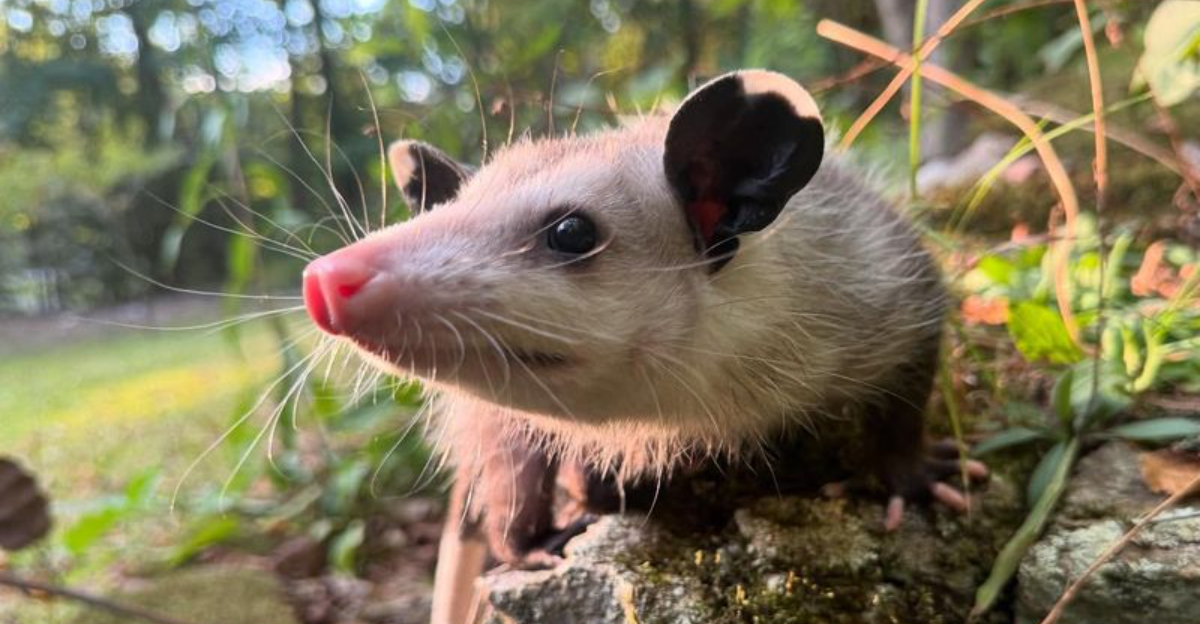
I still remember the first time I spotted a possum waddling through my Tennessee backyard. My instinct was to shoo it away, but then I paused.
Many homeowners don’t realize that possums, despite their scruffy appearance and nighttime habits, play important roles in local ecosystems. They eat pests, help control insects, and even clean up fallen fruit.
Forcing them out without understanding their benefits can upset the balance of your yard and, in some cases, violate local wildlife guidelines.
Learning how to coexist safely, and when to take action, helps protect both your home and the animals that quietly contribute to it.
Thinking twice before acting could save you unnecessary stress and help you maintain a healthier, more balanced backyard.
Natural Tick Eliminators
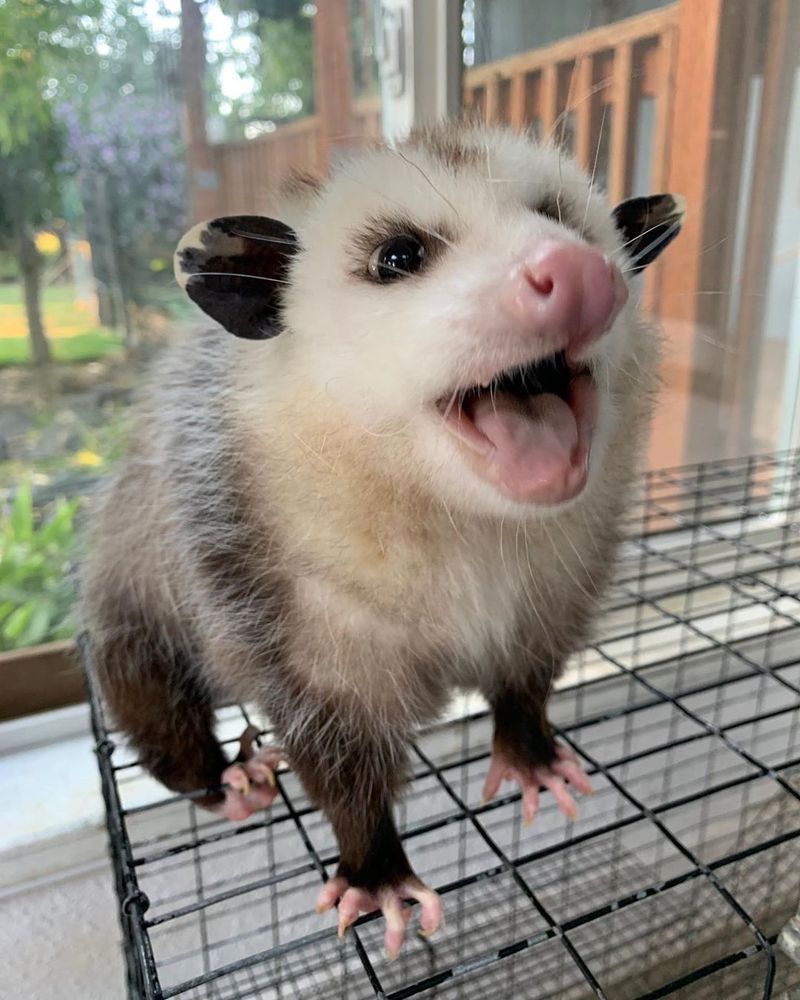
Possums are remarkable allies for Tennessee homeowners because of their appetite for ticks. A single possum can consume up to 5,000 ticks in a single season, acting as a natural pest control service without cost or chemicals.
These nocturnal marsupials meticulously groom themselves, removing and eating almost every tick they encounter.
This behavior is especially valuable in Tennessee, where Lyme disease and other tick-borne illnesses are on the rise due to the state’s warm, humid climate that supports dense tick populations.
I’ve observed a possum navigating my garden in Franklin, picking ticks off its own fur as it moved from shrub to shrub.
Unlike chemical treatments that may harm beneficial insects, possums target only unwanted parasites, helping protect both pets and humans.
By allowing these natural tick eliminators to roam your yard, you reduce the need for insecticides while supporting the ecological balance.
Providing dense brush or shaded areas encourages possums to visit safely without causing damage to structures.
Their presence is a testament to the benefits of coexisting with wildlife rather than attempting eradication, creating healthier, pest-controlled gardens throughout Tennessee’s suburban and rural communities.
Snake Population Control
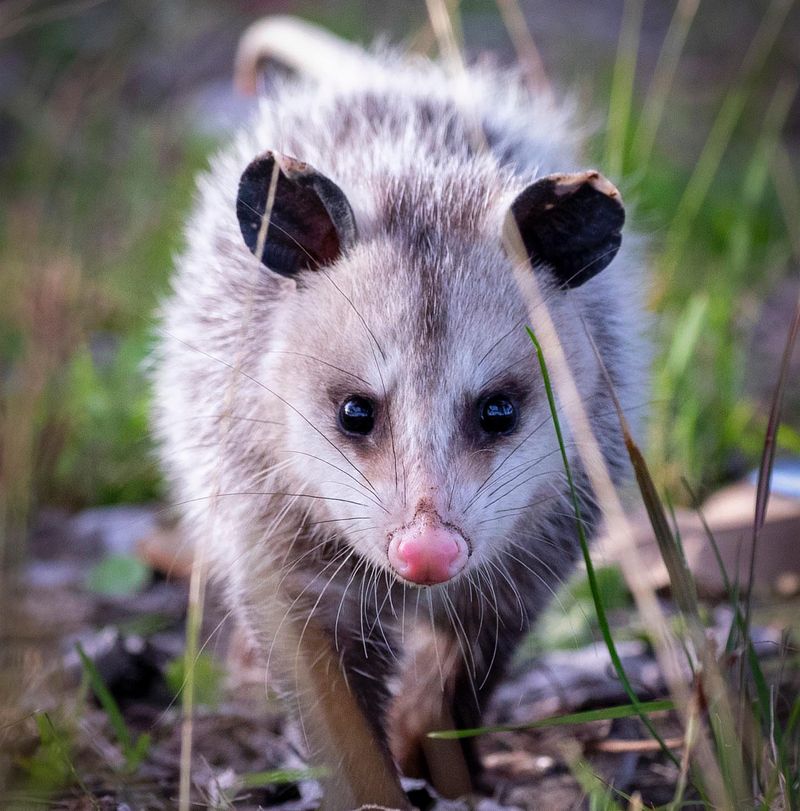
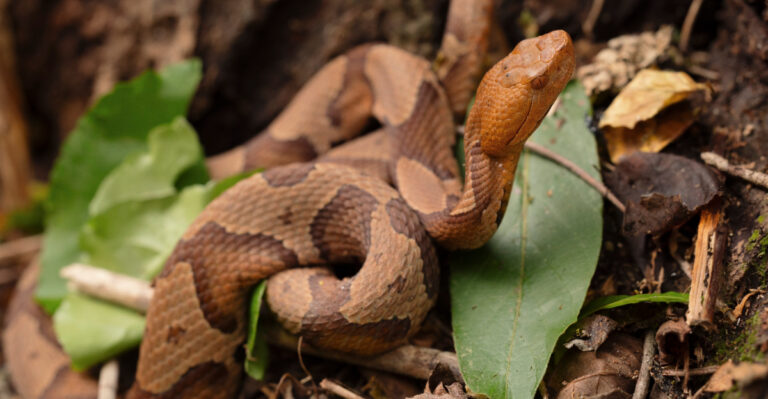
Possums play a critical role in controlling venomous snakes in Tennessee, including copperheads and cottonmouths, which are common hazards in yards and wooded areas.
Their unique immunity to most snake venoms allows them to hunt and eat these reptiles without harm. Homeowners may not realize that having possums in their yards reduces encounters with snakes, creating safer spaces for children, pets, and gardeners.
I’ve personally seen a possum in the Chattanooga area chase away a small copperhead from a flower bed, demonstrating their efficiency as natural predators.
While snakes serve a purpose in controlling rodents, possums help maintain balance by keeping venomous species in check, providing an added layer of safety.
Encouraging possums to visit involves leaving undisturbed cover or brush piles and minimizing active traps that might threaten them.
Unlike traps or poisons, which only target individual animals and can harm non-target species, possums patrol regularly, naturally reducing snake populations over time.
Their presence in Tennessee gardens is an unsung benefit of living alongside native wildlife, improving safety without human intervention or chemical use.
Garden Pest Managers
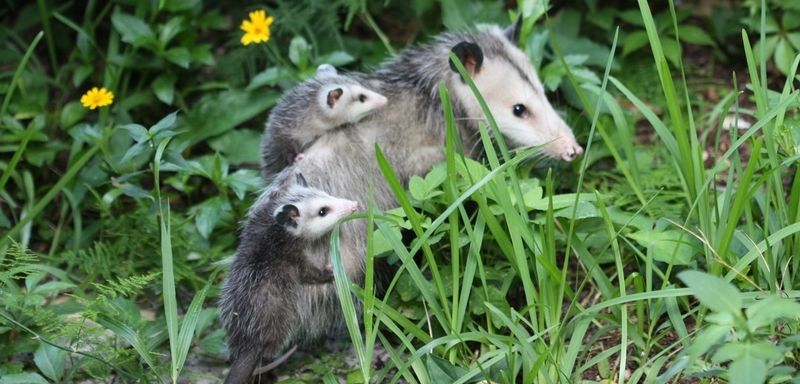
Possums are invaluable for Tennessee gardeners seeking natural pest control. Their diet includes slugs, beetles, caterpillars, and other insects that damage vegetables, flowers, and ornamental plants.
Your Tennessee Garden Changes Every Week. Your Plan Should Too.
Gardening in Tennessee changes quickly throughout the season. Every Friday you’ll receive a simple weekly plan showing exactly what to plant, prune, fertilize, harvest, and protect so you never miss the right timing.
Unlike synthetic pesticides, possums hunt throughout the night, covering large areas and significantly reducing pest populations without harming the environment.
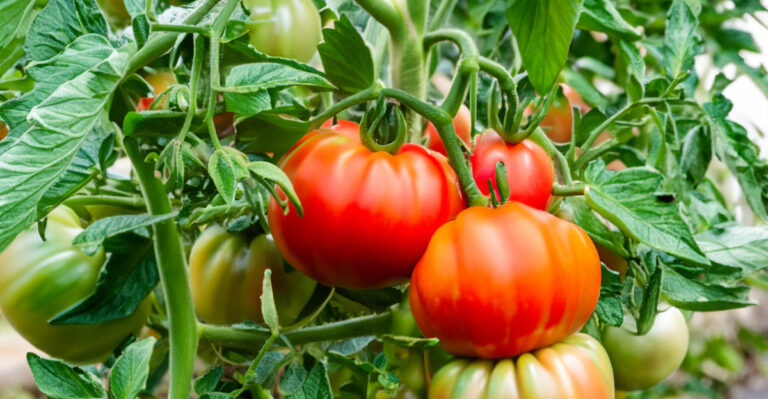
In my Nashville garden, for instance, I noticed fewer slug tracks on my tomato plants after a possum started visiting consistently. While they may occasionally nibble on fallen fruit, the benefits far outweigh minor inconveniences.
By keeping insect populations in check, possums help gardens flourish with fewer chemical interventions, improving soil and plant health.
They coexist with other beneficial species like birds and bats, creating a balanced ecosystem where natural predators regulate pests effectively.
Encouraging possums is simple: provide safe brush piles, leave fallen fruit undisturbed for them to consume, and avoid traps or poisons that could harm these helpful creatures.
Tennessee gardeners who embrace possums often enjoy healthier, more productive gardens while supporting native wildlife and reducing chemical exposure.
Rabies-Resistant Neighbors
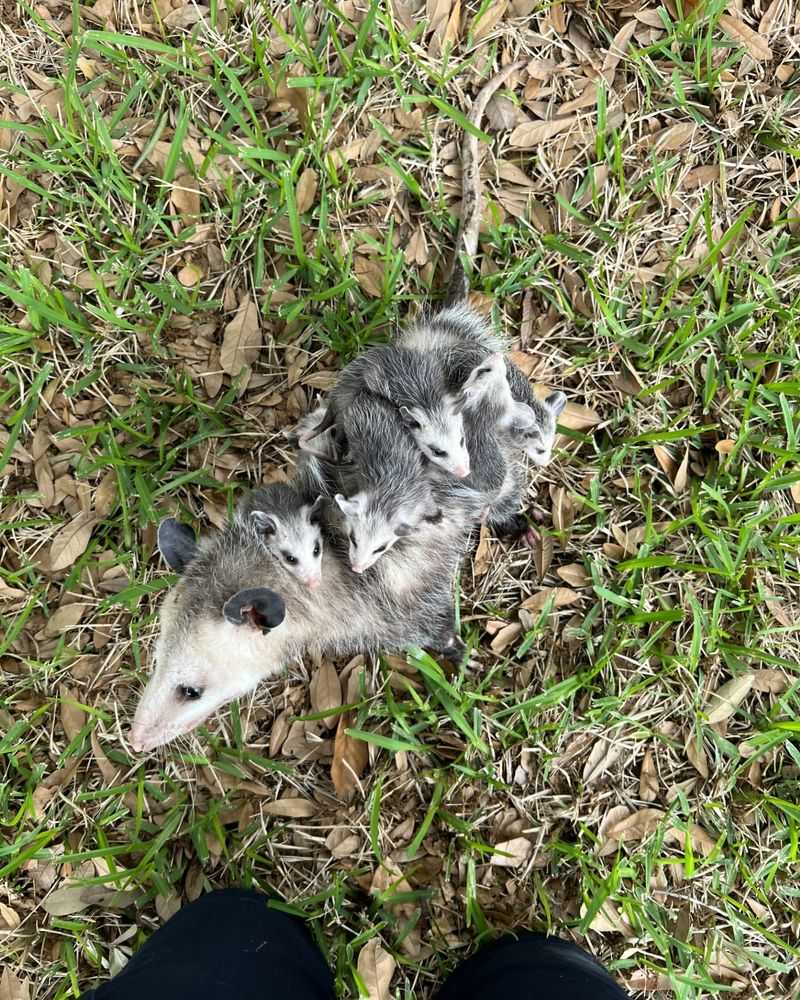
Many Tennessee residents fear wildlife due to rabies concerns, but possums are among the safest mammals in your yard.
Their unusually low body temperature makes it nearly impossible for the rabies virus to survive in their system.
Unlike raccoons, skunks, and bats, which can transmit rabies, possums rarely carry the disease, making them safe companions in suburban and rural landscapes.
I often reassure neighbors in Memphis who worry about nocturnal visits, explaining that most hissing, drooling, or “playing dead” behaviors are defense mechanisms rather than signs of illness.
This immunity allows homeowners to coexist with possums without fear for themselves, pets, or children.
Their low disease risk, combined with the natural pest control services they provide, like eating ticks, slugs, and rodents, makes them a uniquely beneficial species in Tennessee yards.
Educating communities about possums’ rabies resistance helps reduce unnecessary removal or extermination, preserving both local biodiversity and the ecological balance that supports healthier gardens.
By valuing these low-risk, high-benefit visitors, Tennessee homeowners can enjoy safer outdoor spaces while contributing to native wildlife conservation.
Free Cleanup Crew
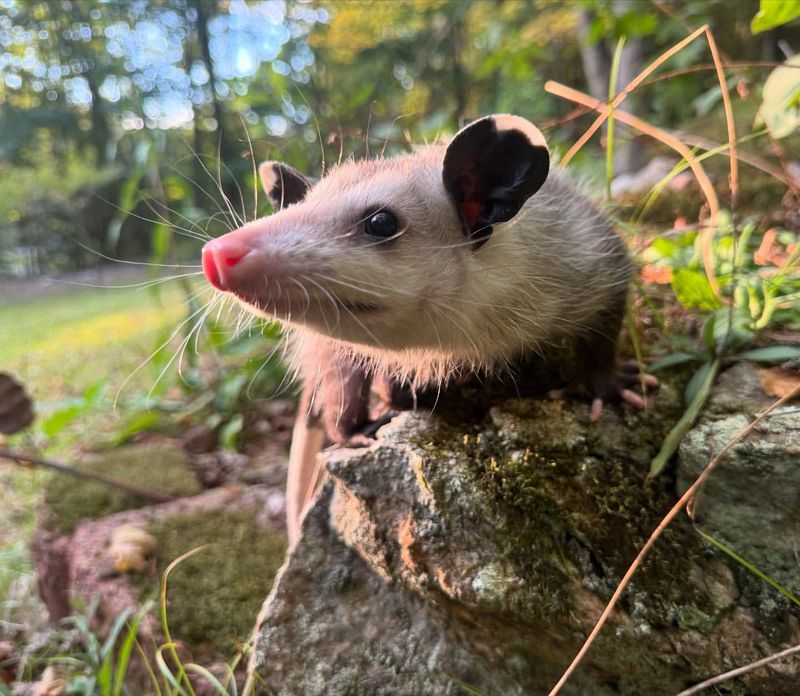
Possums act as nature’s free cleanup crew in Tennessee yards, consuming fallen fruit, decaying plant matter, and even carrion.
Their scavenging reduces potential breeding grounds for flies, mosquitoes, and other pests that thrive in decomposing organic material.
For instance, in a Franklin backyard, I observed a possum systematically consuming fallen apples and rotting leaves, which would have otherwise required several hours of human labor to remove.
By naturally eliminating these materials, possums prevent unpleasant odors and maintain cleaner outdoor spaces. Unlike raccoons, which may tip trash cans or create messes, possums are gentle and systematic in their cleanup habits.
Their presence reduces the need for chemical interventions or labor-intensive yard maintenance.
Encouraging possums involves leaving safe ground cover and minimizing hazards like open flames or traps, allowing them to roam freely and perform this valuable service.
Homeowners who understand and welcome possums benefit from natural sanitation, pest control, and ecological balance, creating a healthier and more sustainable Tennessee garden environment.
Gentle, Non-Destructive Visitors
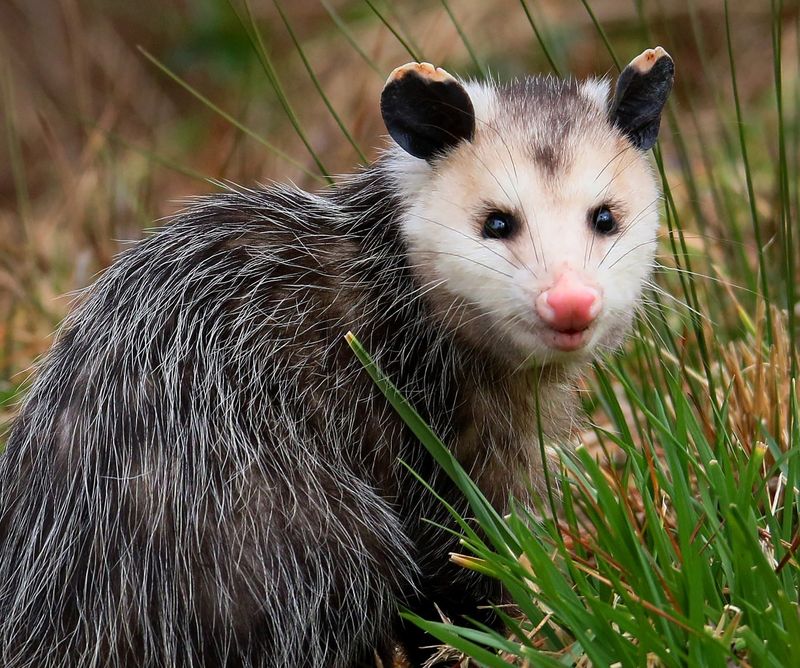
Possums are surprisingly gentle neighbors, especially when compared to raccoons or squirrels, which can tear into trash cans, chew wires, or damage garden structures.
Unlike these more destructive animals, possums rarely dig extensive burrows or climb into attics. Their famous “playing possum” behavior means they are more likely to freeze when startled rather than fight, making them safe around children, pets, and property.
In my own backyard in Knoxville, a possum would quietly forage under a deck, completely ignoring the nearby dog while cleaning up fallen fruit and insect pests.
This non-aggressive nature makes them ideal residents for homeowners who want the benefits of wildlife without the typical property damage concerns. They also provide invaluable ecological services, like consuming ticks, slugs, and scorpions.
Encouraging possums can be as simple as leaving safe, low brush areas or shaded ground cover for them to navigate. Avoiding traps, poisons, or aggressive removal ensures they continue their natural pest-control routines.
Tennessee homeowners who learn to tolerate and even appreciate these nocturnal visitors often find their yards cleaner, safer, and more biologically balanced, proving that coexistence with wildlife can be both practical and rewarding.
Scorpion And Spider Specialists
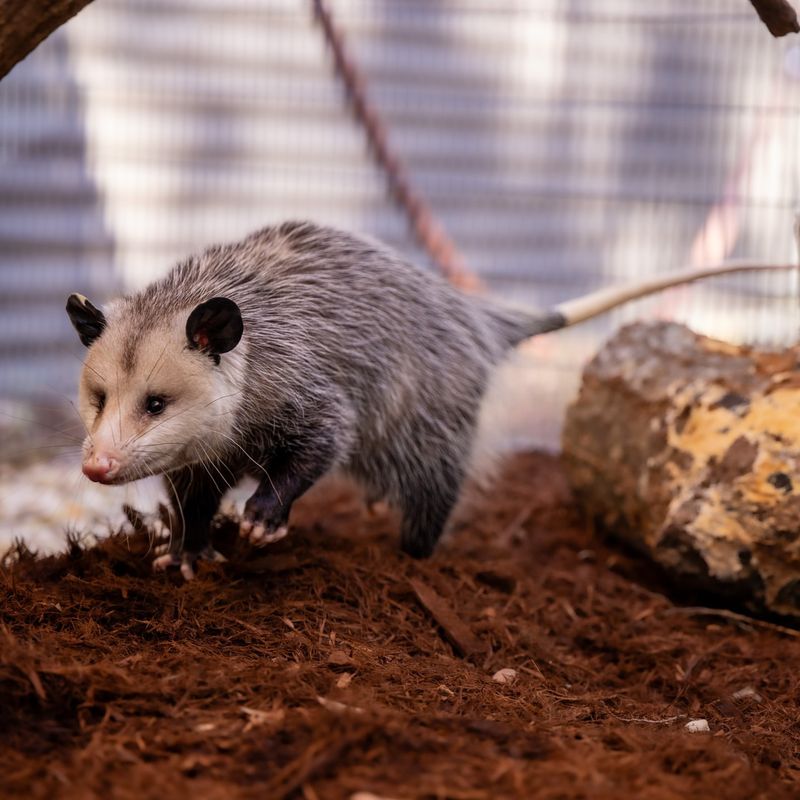
Tennessee hosts a variety of spiders and scorpions, from the venomous black widow and brown recluse to less-threatening species, and possums act as natural pest control specialists against them.
Their nocturnal foraging includes hunting and consuming many arachnids that homeowners would otherwise find dangerous or annoying.
I’ve personally seen a possum in Murfreesboro pick through leaf litter and garden debris, quickly eliminating both scorpions and spiders that might have posed a threat to children playing outside.
Unlike chemical insecticides, possums target only these pests, leaving beneficial insects untouched. Homeowners often notice a dramatic reduction in spider sightings, especially around basements, sheds, and woodpiles.
Their presence is particularly valuable because Tennessee’s warm, humid climate allows spider and scorpion populations to flourish year-round.
Encouraging possums to frequent your yard requires providing safe cover and avoiding unnecessary disturbance.
By leaving brush piles, low shrubs, or shaded corners intact, homeowners create habitats that attract possums naturally.
This passive approach reduces the need for pesticides, keeps families and pets safe from venomous species, and supports the local ecosystem, demonstrating how even small wildlife can play a vital role in home garden management.
Rodent Reduction Experts
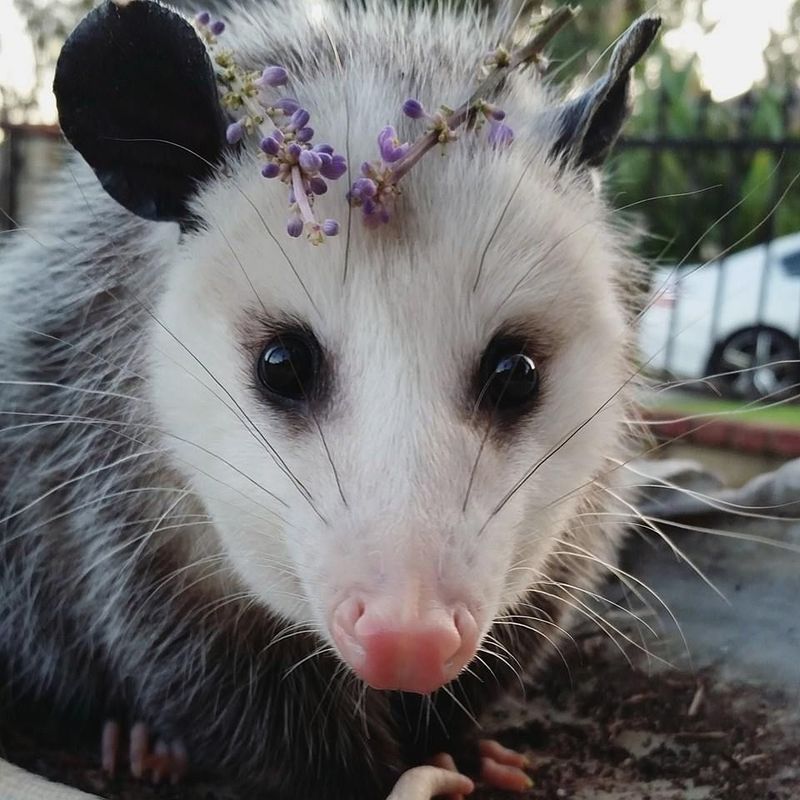
Possums are natural rodent predators, helping control mouse and rat populations in Tennessee yards and gardens.
Their omnivorous diet includes rodents when the opportunity arises, reducing the need for traps, poisons, or other chemical interventions.
In my Nashville backyard, I’ve observed a possum quietly snatching a small mouse from the edge of a compost pile at night, preventing damage to vegetables and preventing disease-carrying pests from multiplying.
Unlike cats, which may only patrol certain areas, possums cover larger territories while searching for food, meaning their impact is broad and consistent.
Their presence also indirectly deters rodents; the scent and activity of possums can discourage new infestations from taking root.
Homeowners can encourage possums by leaving undisturbed brush piles or shaded corners, providing natural pathways and safe habitats.
Avoiding aggressive removal or traps ensures that these beneficial mammals continue performing their ecological role.
By embracing possums as rodent control agents, Tennessee residents can reduce property damage, minimize chemical usage, and maintain balanced ecosystems, creating healthier and safer yards while coexisting with native wildlife.
Tennessee Ecosystem Balance
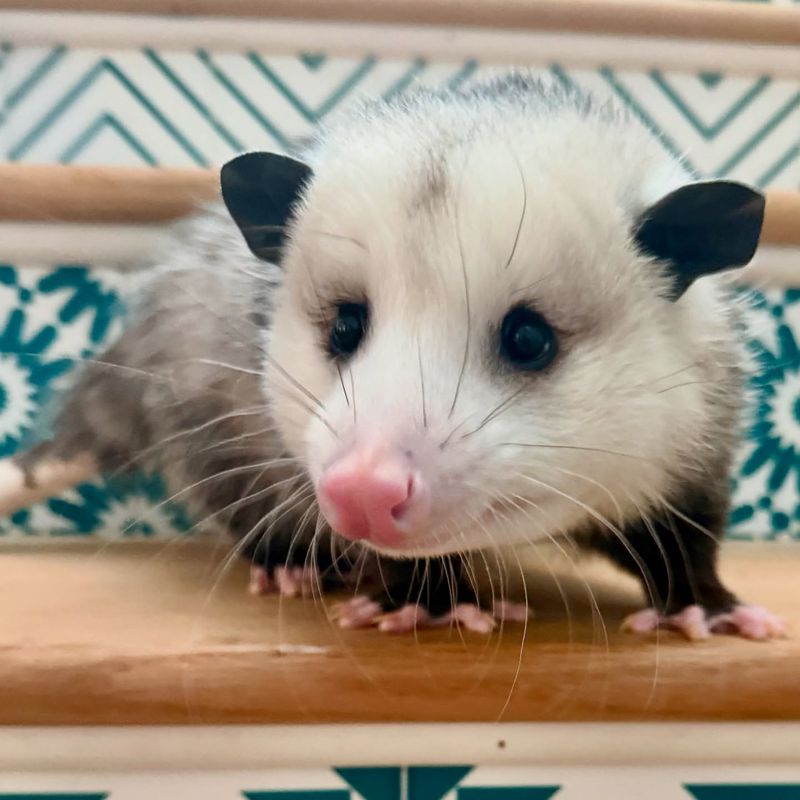
Possums are more than just nighttime visitors, they are integral to Tennessee’s ecosystem balance. These marsupials have evolved alongside local flora and fauna, playing a role in controlling ticks, insects, rodents, and even certain snakes.
Removing possums disrupts this balance, potentially allowing pest populations to explode unchecked.
In rural areas near Knoxville, I’ve noticed that yards visited by possums tend to have fewer slugs and smaller rodent populations compared to areas where they are excluded.
Their scavenging behaviors also aid nutrient cycling, consuming fallen fruit and decaying plant matter that would otherwise harbor disease or invasive insects.
Additionally, possums provide food for higher predators such as owls and foxes, further reinforcing natural population control.
By allowing these marsupials to roam safely, Tennessee homeowners support biodiversity, reduce the need for chemical interventions, and help maintain resilient landscapes.
Educating neighbors about the ecological importance of possums encourages broader coexistence, helping entire communities benefit from these unassuming yet highly effective wildlife allies.
Their presence is a reminder that even small creatures have outsized effects on environmental health and garden productivity.