10 Basil Growing Mistakes Many Maryland Gardeners Should Avoid
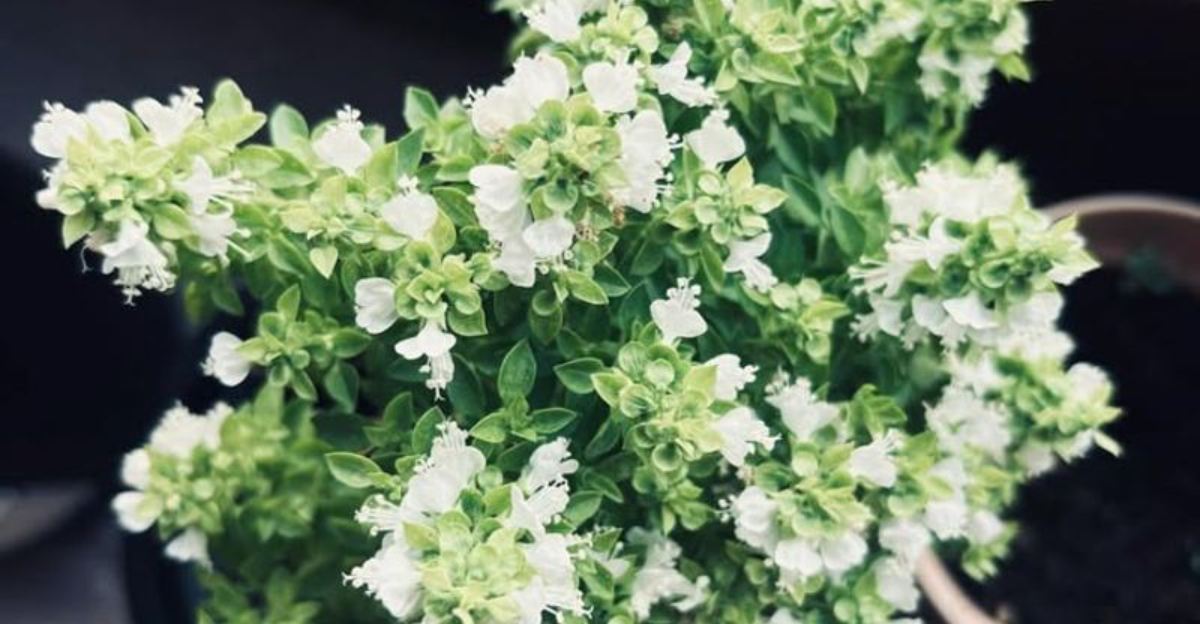
Basil is one of the most rewarding herbs to grow, but I remember my first attempt in Maryland when the leaves turned yellow and the plants stayed tiny.
Many gardeners make simple mistakes that can stunt growth, reduce flavor, or even kill the plant. Avoid common pitfalls and grow lush, flavorful basil all season.
These ten mistakes include overwatering, planting in low-light areas, overcrowding, neglecting pruning, and using the wrong soil. Understanding and correcting these errors helps basil thrive, producing abundant, aromatic leaves.
Proper spacing, sunlight, and soil conditions make a huge difference in plant health and flavor. Healthy basil starts with good habits and attention to detail.
Maryland gardeners who avoid these common mistakes enjoy stronger plants, bigger harvests, and the satisfaction of homegrown, aromatic basil. Grow basil successfully and elevate both your garden and your cooking.
1. Planting Basil Outdoors Before Soil Warms
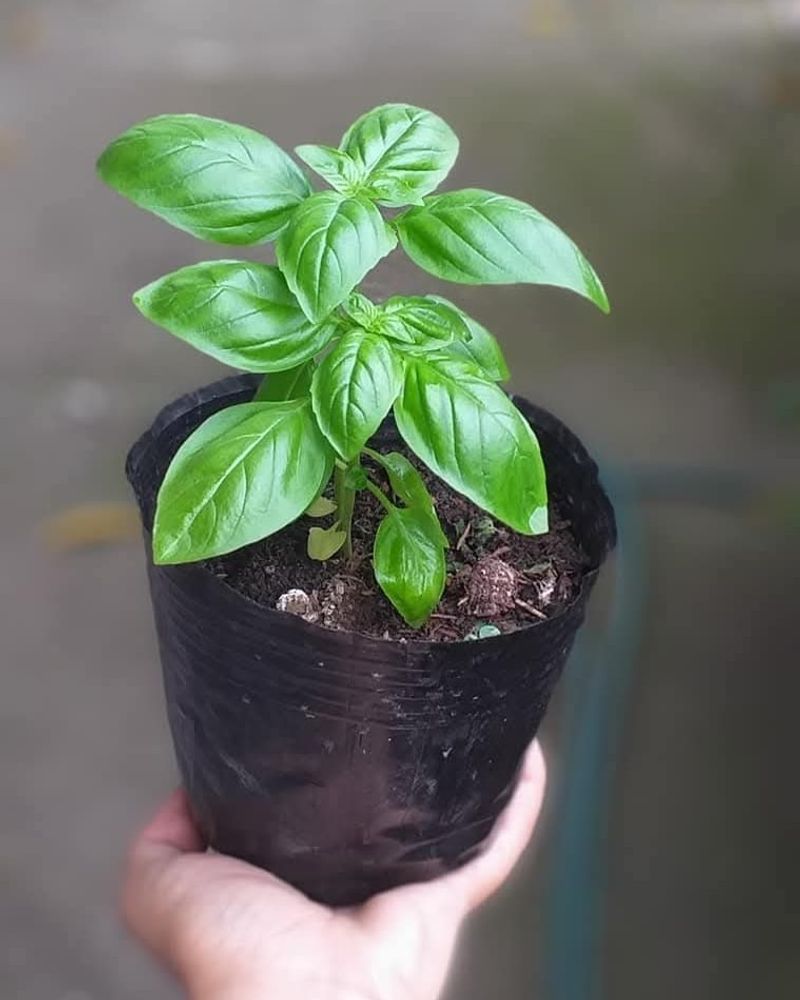
Gardeners eager to start the growing season often rush to plant basil too early, but this tender herb absolutely demands warm conditions to thrive.
Basil roots need soil temperatures around 60°F or higher to establish properly and begin vigorous growth. When planted in cooler soil, seedlings sit dormant, become stunted, and develop slowly, wasting precious weeks of your growing season.
Maryland’s spring weather can be particularly tricky, with temperature swings that bring warm days followed by unexpectedly cool nights well into May. Late frost events can damage or severely stress young basil plants, setting them back significantly.
Even without frost, cold soil temperatures slow nutrient uptake and make plants more susceptible to fungal problems and root stress.
Wait until nighttime temperatures consistently stay above 50°F and the soil feels warm to the touch before transplanting basil outdoors. Mid to late May is typically the safest window for most Maryland regions.
Using a soil thermometer takes the guesswork out of timing, ensuring your basil gets the warm start it needs for abundant leaf production throughout summer.
2. Using Heavy Clay Soil Without Improving Drainage
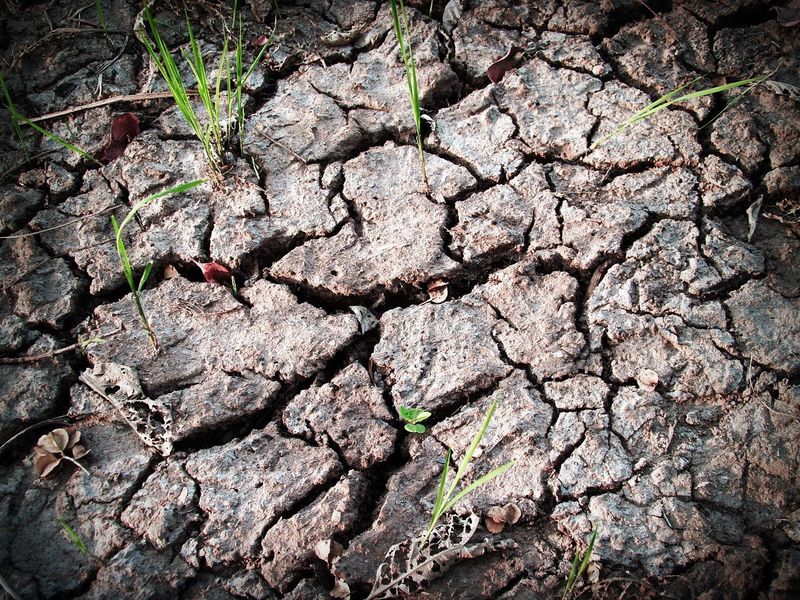
Clay soil dominates many Maryland landscapes, creating a challenging environment for basil roots that need excellent drainage to stay healthy.
Heavy clay particles pack tightly together, holding water for extended periods and limiting the oxygen flow that roots require for proper function.
Basil planted directly into unimproved clay often develops yellowing leaves, slow growth, and root problems that prevent plants from reaching their full potential.
The solution involves transforming your clay soil into a basil-friendly growing medium through strategic amendments.
Working generous amounts of compost into your planting area loosens clay structure, improves drainage, and adds beneficial organic matter that feeds soil microbes.
Aim for a ratio of at least one part compost to two parts existing soil, mixing thoroughly to a depth of eight to ten inches.
Raised beds offer another excellent strategy for clay soil challenges, allowing you to create an ideal growing environment from scratch. Fill beds with a mixture of quality topsoil, compost, and perlite or coarse sand for optimal drainage.
This approach gives basil roots the loose, well-draining conditions they crave while avoiding the limitations of native clay entirely.
Your Maryland Garden Changes Every Week. Your Plan Should Too.
Gardening in Maryland changes quickly throughout the season. Every Friday you’ll receive a simple weekly plan showing exactly what to plant, prune, fertilize, harvest, and protect so you never miss the right timing.
3. Overwatering During Humid Summer Weather
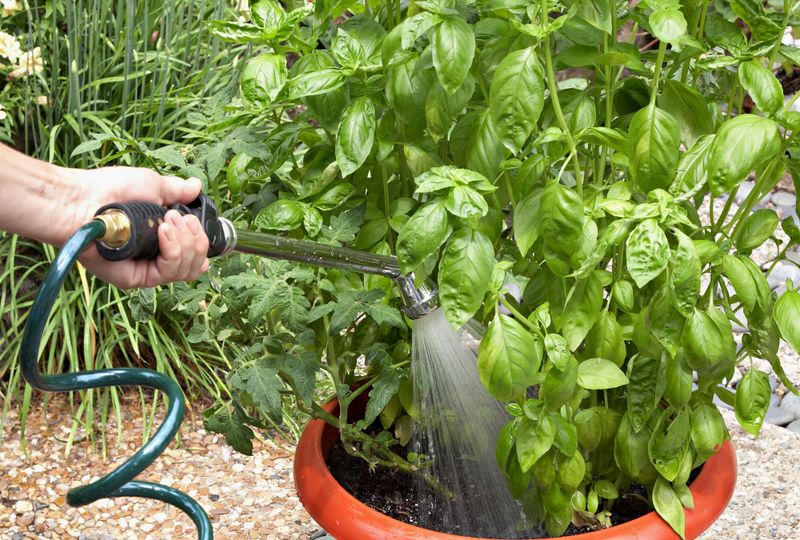
Maryland summers bring sticky, humid conditions that dramatically reduce water evaporation from soil surfaces, yet many gardeners continue watering on the same frequent schedule they use in drier climates.
High humidity means soil stays moist much longer than you might expect, and adding extra water creates saturated conditions that suffocate basil roots.
Without adequate oxygen reaching the root zone, plants struggle to absorb nutrients and maintain healthy growth.
Checking soil moisture before watering is essential in humid environments, preventing the common mistake of watering by calendar rather than actual plant needs.
Stick your finger two inches into the soil near your basil plants. If it feels moist, wait another day or two before watering. Basil prefers soil that dries slightly between waterings, encouraging roots to grow deeper and stronger.
When you do water, apply it thoroughly but infrequently, soaking the root zone deeply rather than giving frequent shallow sprinkles.
Morning watering works best in humid climates, allowing foliage to dry quickly and reducing the risk of moisture-related problems.
Mulching around plants helps regulate soil moisture levels while preventing water from splashing onto lower leaves during summer thunderstorms.
4. Providing Too Little Sunlight
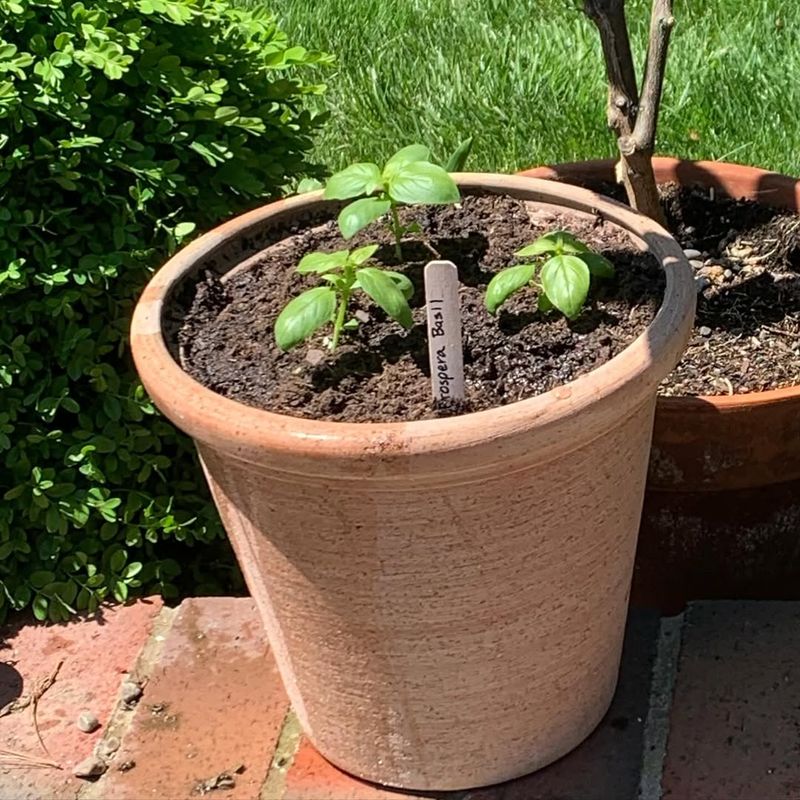
Sunlight powers basil’s ability to produce the abundant, flavorful leaves that make this herb so valuable in the kitchen.
Basil absolutely requires at least six to eight hours of direct sunlight daily to perform at its best. Plants grown in shady conditions develop thin, sparse foliage with weak stems that stretch toward available light rather than growing bushy and compact.
The essential oils that give basil its distinctive aroma and flavor become diluted when plants receive insufficient light.
Shade-grown basil produces leaves that taste bland and lack the robust character you expect from this aromatic herb.
Reduced photosynthesis also weakens overall plant vigor, making basil more susceptible to stress and producing fewer leaves for harvest throughout the season.
Choose the sunniest spot in your Maryland garden for basil, avoiding locations shaded by buildings, fences, or large trees. South-facing areas typically receive the most consistent sunlight throughout the day.
Container-grown basil offers flexibility, allowing you to move plants to follow the sun as it shifts position through the growing season.
Observing your garden at different times helps identify which locations truly receive full sun rather than partial shade.
5. Allowing Plants To Flower Too Early
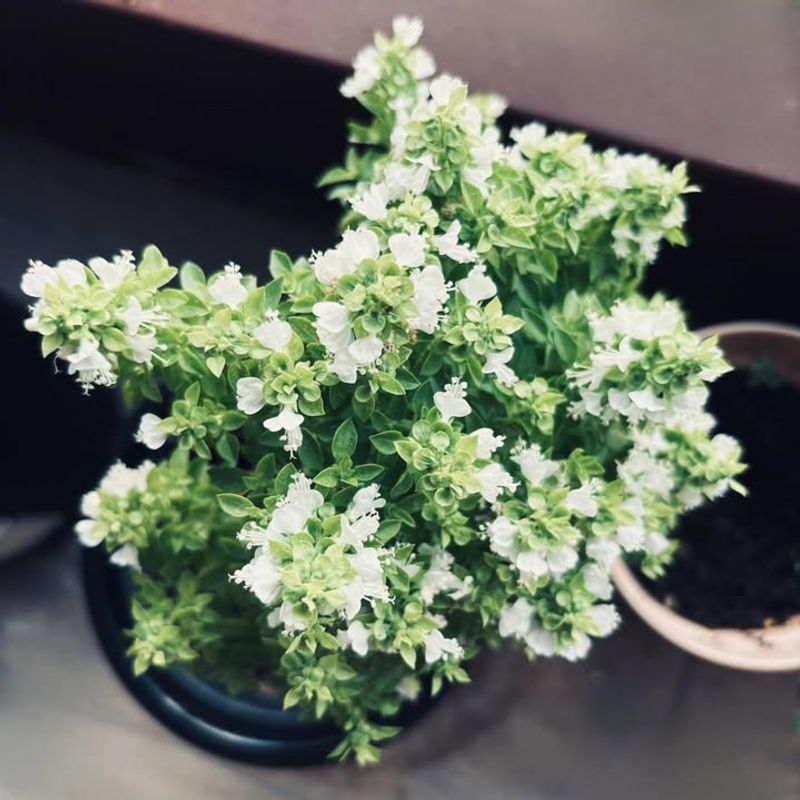
Flowering represents basil’s natural attempt to complete its lifecycle and produce seeds, but this reproductive phase comes at a significant cost to leaf production.
Once flower buds form, the plant redirects energy away from growing tender, flavorful leaves and focuses instead on developing flowers and seeds. The leaves that remain become tougher, smaller, and more bitter, reducing the quality of your harvest.
Preventing early flowering requires regular attention and a simple pruning technique that keeps plants in their productive vegetative stage.
Pinching off the growing tips where flower buds begin to form signals the plant to branch out sideways instead of shooting upward.
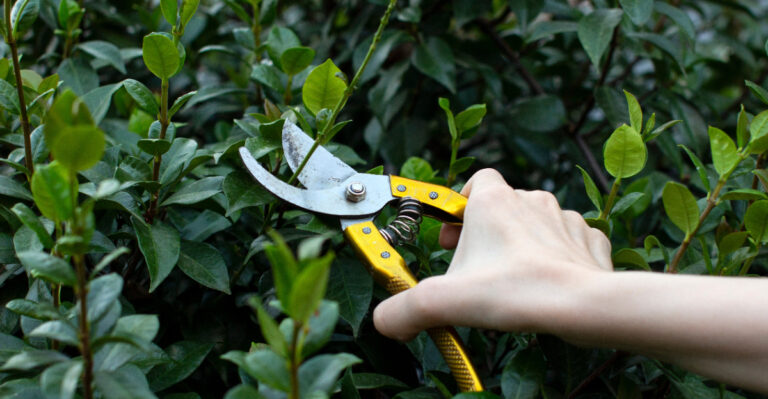
Use your fingers or small scissors to remove the top two to four inches of each stem, cutting just above a set of leaves.
This pinching technique encourages basil to develop multiple side shoots, creating bushier, more productive plants with greater leaf output.
Perform this maintenance every week or two throughout the growing season, especially during the long, warm days of Maryland’s midsummer when flowering urges become strongest.
Each pinching session provides fresh basil for immediate use while extending your harvest period and improving overall plant quality.
6. Harvesting Leaves Incorrectly
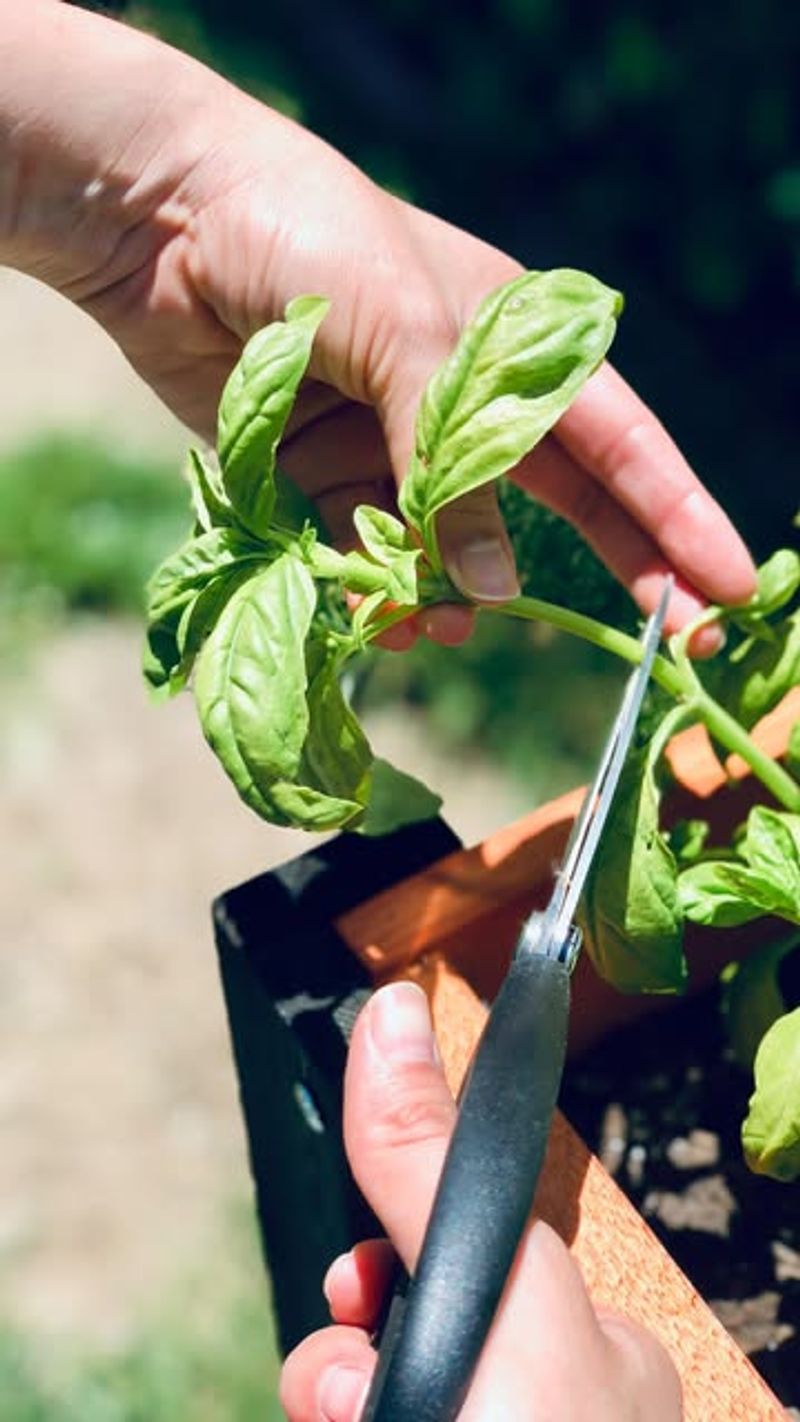
How you harvest basil makes an enormous difference in how well your plants continue producing throughout the season.
Many gardeners simply pluck individual leaves from various spots on the plant, but this approach misses an opportunity to encourage bushier growth and greater productivity.
Random leaf removal leaves plants looking sparse and doesn’t trigger the branching response that creates fuller, more generous herb plants.
Proper harvesting involves cutting stems rather than individual leaves, making cuts just above a leaf node where two leaves emerge from opposite sides of the stem.
This strategic cutting location stimulates the plant to send out two new branches from that node, effectively doubling your growing points each time you harvest.
Within days, you’ll notice new growth emerging where you made your cuts. Start harvesting when plants reach six to eight inches tall, removing the top three to four inches of stems.
Take no more than one-third of the plant at any single harvest, allowing enough foliage to remain for continued photosynthesis and energy production.
Regular light harvests every week or two keep plants compact and bushy while providing a steady supply of fresh basil for your kitchen throughout Maryland’s growing season.
7. Crowding Plants Too Closely Together
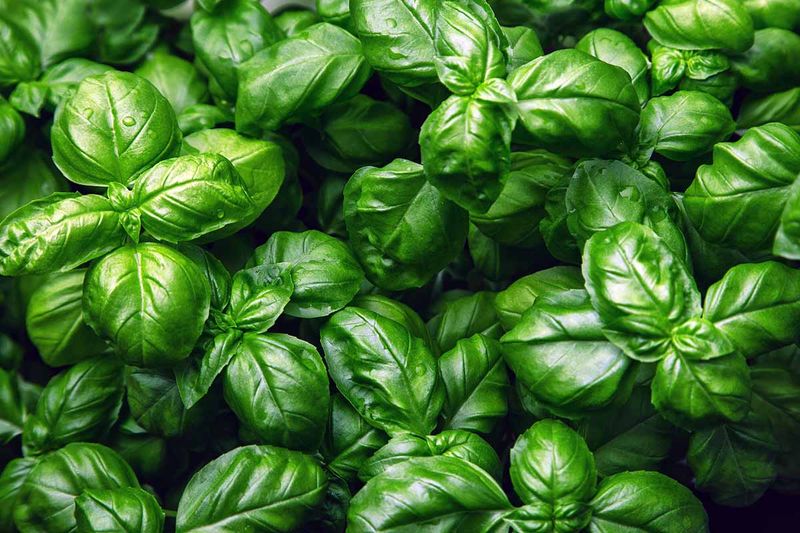
Spacing might seem less important than other growing factors, but proper plant distance becomes critical in Maryland’s humid summer climate.
Basil plants placed too close together create a dense canopy where air cannot circulate freely between leaves and stems.
This stagnant air environment traps moisture, creating perfect conditions for fungal problems and other moisture-related issues that can quickly spread through crowded plantings.
Adequate spacing allows each plant to receive sunlight on all sides, promoting even growth and reducing competition for light, water, and nutrients.
Good airflow helps leaves dry quickly after rain or morning dew, significantly reducing the risk of fungal spots and other problems that thrive in persistently damp conditions.
Each plant also develops stronger stems and more robust root systems when given sufficient space to grow without interference.
Space basil plants twelve to eighteen inches apart in garden beds, measuring from the center of one plant to the center of the next.
Larger varieties may benefit from even wider spacing. This distance might seem excessive when you first transplant small seedlings, but basil grows quickly and will fill the space within weeks.
Container plantings should feature only one plant per pot unless using very large containers.
8. Skipping Light Feeding During Long Growing Seasons
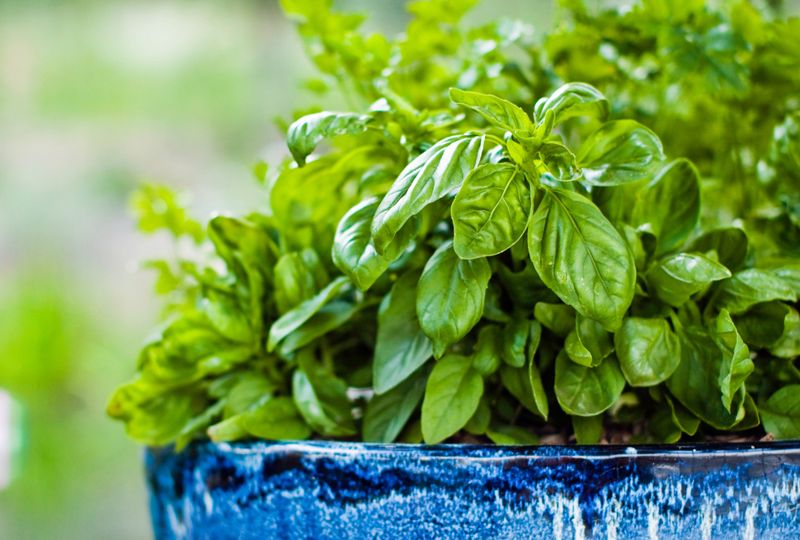
Basil grows vigorously throughout Maryland’s warm season, constantly producing new leaves and stems that require a steady supply of nutrients.
Container-grown basil especially needs regular feeding since frequent watering leaches nutrients from potting soil more quickly than from garden beds.
Without consistent nutrition, plants develop pale, yellowing leaves, slower growth, and reduced flavor intensity that disappoints at harvest time.
Organic fertilizers provide gentle, sustained nutrition that supports healthy leaf production without the risk of burning tender basil roots.
Fish emulsion offers an excellent water-soluble option rich in nitrogen for lush foliage growth. Mix according to package directions and apply every two to three weeks throughout the growing season.
Liquid kelp provides trace minerals that enhance flavor and overall plant health. Compost remains one of the best long-term feeding strategies, slowly releasing nutrients as soil organisms break down organic matter.
Side-dress established plants with a one-inch layer of finished compost every four to six weeks, gently working it into the soil surface.
This approach feeds both plants and beneficial soil life, improving soil structure while providing balanced nutrition.
Avoid high-nitrogen synthetic fertilizers that promote excessive leaf growth at the expense of flavor and essential oil production.
9. Ignoring Early Pest Activity
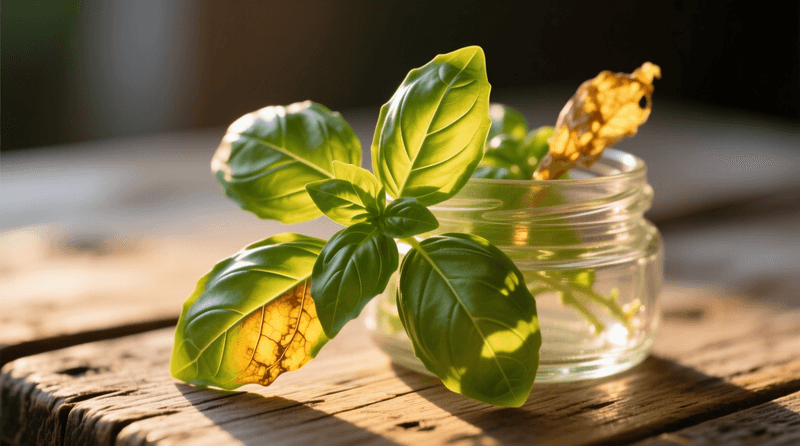
Pest problems start small but can escalate quickly when left unchecked, transforming from a minor nuisance into a serious threat to your basil harvest.
Maryland gardens host several common basil pests including aphids, Japanese beetles, and slugs that find tender basil leaves irresistible.
Early detection gives you the best chance to manage these issues before populations explode and damage becomes severe. Regular monitoring should become part of your garden routine, taking a few minutes every couple of days to inspect basil plants closely.
Look at leaf undersides where aphids cluster, check for irregular holes that indicate beetle feeding, and watch for silvery trails left by slugs.
Catching problems early allows you to use gentle intervention methods rather than resorting to stronger controls later.
Hand-picking larger pests like beetles and caterpillars works well when populations remain low, dropping them into soapy water for disposal. A strong spray from the garden hose dislodges aphids and disrupts their colonies.
Insecticidal soap provides a safe organic option for heavier infestations, coating soft-bodied insects without harming beneficial garden visitors.
Creating habitat for natural predators like ladybugs and lacewings offers long-term pest management by maintaining ecological balance in your garden.
10. Leaving Basil Outdoors When Fall Temperatures Drop
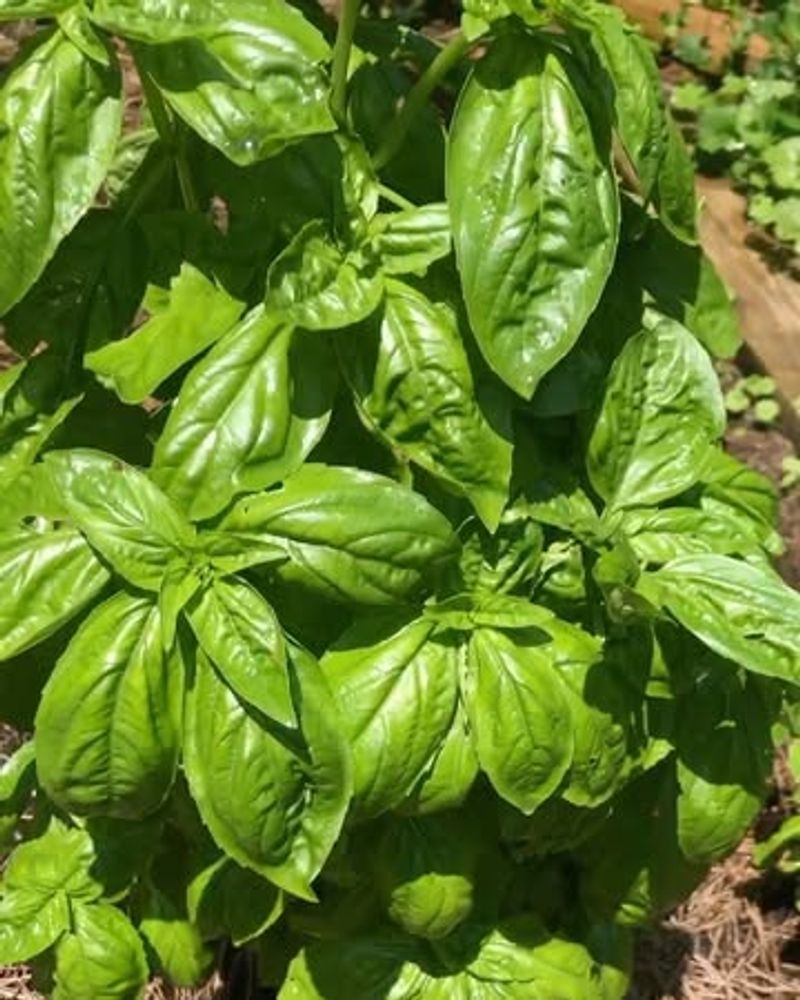
Basil’s tropical origins make it extremely sensitive to cool temperatures that signal the end of Maryland’s growing season.
Even before the first frost arrives, nighttime temperatures dropping into the low 40s cause significant stress that damages foliage and stops growth.
Many gardeners wait too long to take final harvests or bring container plants indoors, losing their basil crop to autumn’s cooling trend.
Monitor weather forecasts carefully as September transitions into October, paying attention to overnight low temperatures rather than daytime highs.
When nighttime temperatures begin consistently dipping below 50°F, plan your final outdoor harvest. Cut stems generously, taking everything you can use immediately or preserve through drying, freezing, or making pesto.
Plants exposed to frost turn black and mushy overnight, becoming completely unusable. Container-grown basil offers the advantage of portability, allowing you to extend the harvest by moving pots indoors to a sunny windowsill or under grow lights.
Bring containers inside before temperatures threaten, acclimating plants gradually by moving them to a sheltered porch for a few days first.
Indoor basil won’t produce as prolifically as outdoor plants during peak summer, but careful management can provide fresh leaves well into winter months.