Top 8 Houseplants That Thrive Next To Snake Plants In Illinois
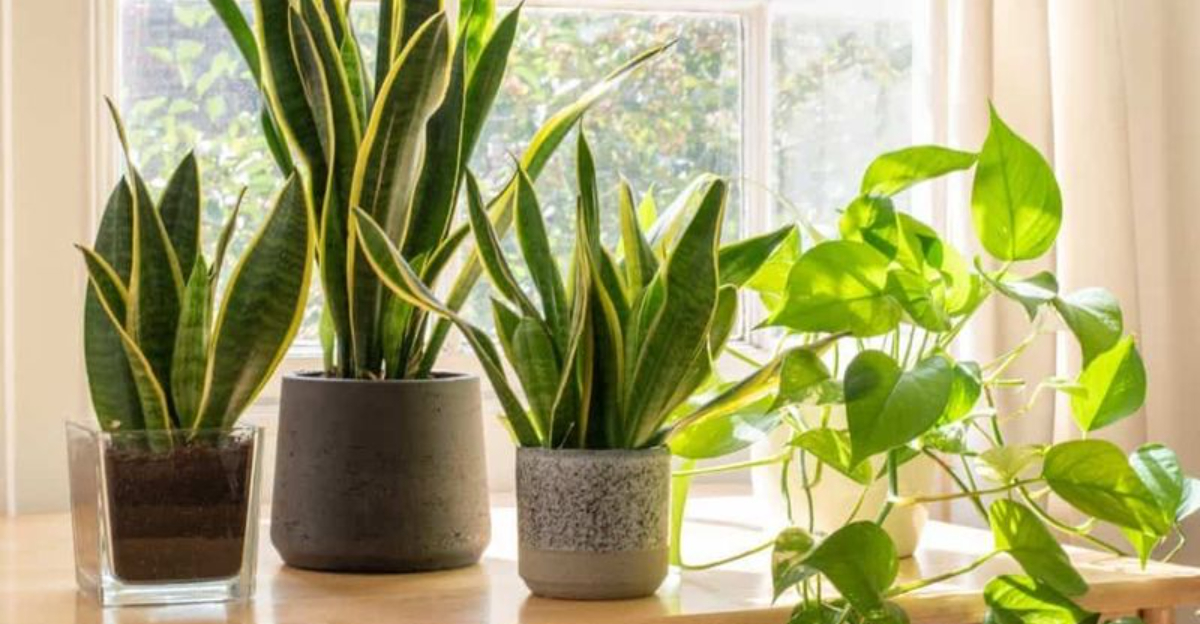
Want to make your snake plant feel right at home while adding more greenery to your space? The good news is that several houseplants thrive right next to it, especially in Illinois homes where seasonal changes can affect light and humidity.
Snake plants are tough and adaptable, and the key to successful pairing is choosing other plants with similar needs. Think low-maintenance, low-light, and drought-tolerant varieties that won’t mind the same cozy corners or occasional dry spells.
Whether you’re decorating a sunny living room or a dim hallway, the right plant partners can create a stylish, low-fuss indoor jungle that looks great year-round. These companion plants won’t just survive next to your snake plant – they’ll thrive right alongside it.
Ready to build a healthier, more beautiful home with greenery that works together? Let’s check out the top houseplants that pair perfectly with snake plants in Illinois.
1. ZZ Plant
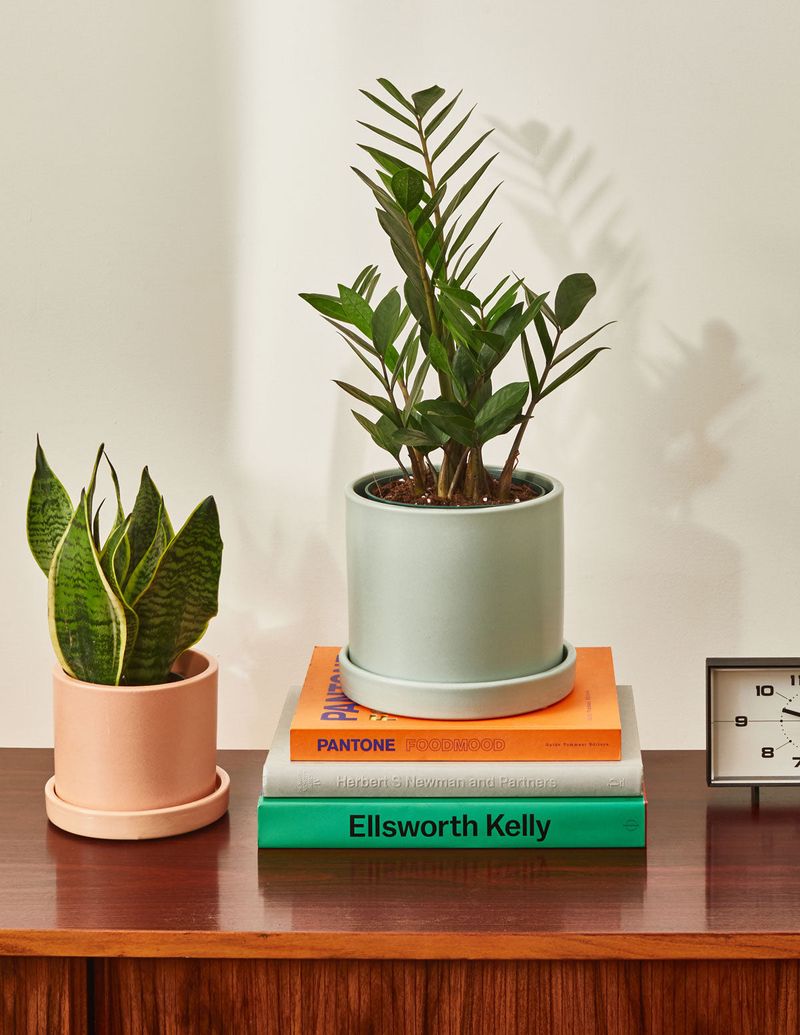
With glossy, dark green leaves that shine under even the dimmest light, the ZZ plant stands out as one of the most resilient houseplants available. Its thick, waxy foliage stores water efficiently, allowing it to survive weeks without a drink.
This drought-tolerant nature makes it a perfect companion for snake plants, as both prefer infrequent watering and can handle the dry indoor conditions common in Illinois during winter months.
The ZZ plant grows slowly and maintains a compact, upright form that complements the vertical structure of snake plants. Placing them side by side creates a cohesive look with varying shades of green and different leaf textures.
The ZZ plant also tolerates a wide range of light conditions, from low light to bright indirect light, giving you flexibility in where you place your plant collection.
One of the best features of the ZZ plant is its ability to bounce back from neglect. Even if you go on vacation and forget to arrange plant care, this tough plant will likely be just fine when you return.
Illinois plant lovers appreciate this resilience, especially during busy seasons when plant care might take a backseat to other responsibilities.
The ZZ plant rarely needs fertilizing and is resistant to most pests, making it a low-maintenance addition to your indoor garden. Its rhizomes store nutrients and water underground, giving the plant a built-in survival system.
If you want a plant that looks polished and professional without demanding constant attention, the ZZ plant is an excellent choice to pair with your snake plant.
2. Pothos
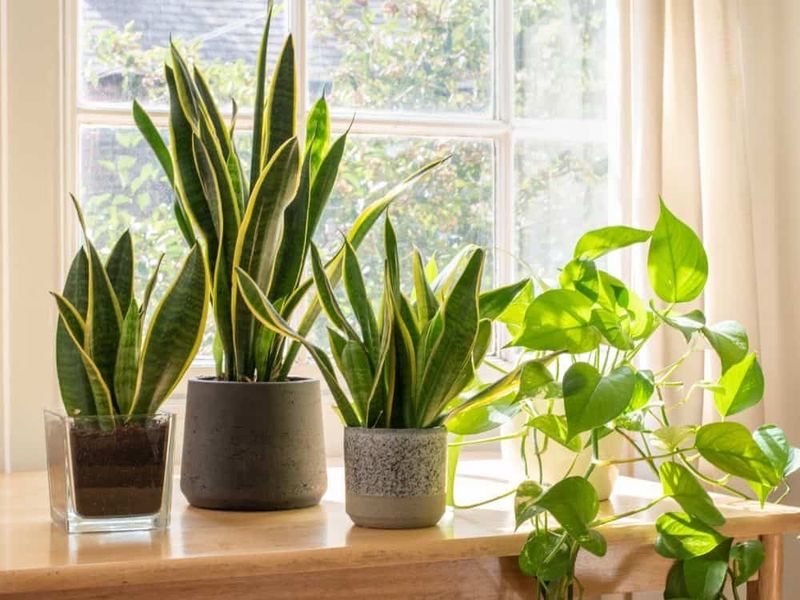
Pothos is one of the easiest houseplants you can grow, making it a fantastic partner for your snake plant.
This trailing vine adapts to almost any light condition, from bright indirect light to low-light corners, which means it will be perfectly content wherever your snake plant lives.
Both plants share a preference for drying out between waterings, so you can follow the same watering schedule without worrying about overwatering one or the other.
In Illinois homes, where indoor air can get quite dry during the heating season, pothos handles these conditions with ease.
Your Illinois Garden Changes Every Week. Your Plan Should Too.
Gardening in Illinois changes quickly throughout the season. Every Friday you’ll receive a simple weekly plan showing exactly what to plant, prune, fertilize, harvest, and protect so you never miss the right timing.
The cascading vines of pothos add a beautiful contrast to the upright, architectural leaves of snake plants. You can place pothos on a shelf above your snake plant or let it trail from a hanging basket nearby, creating visual interest at different heights.
This combination works well in living rooms, bedrooms, or even office spaces where you want greenery without constant maintenance.
Pothos comes in several varieties, including golden pothos with yellow variegation, marble queen with white and green patterns, and jade pothos with solid green leaves. Each variety offers a unique look while maintaining the same easy-care requirements.
This plant also helps purify indoor air, removing toxins and improving the overall environment in your home.
If you occasionally forget to water your plants, pothos will forgive you just like your snake plant does. The leaves may droop slightly when thirsty, giving you a clear signal that it is time to water.
This makes it an ideal choice for busy households or anyone new to plant care in Illinois.
3. Spider Plant
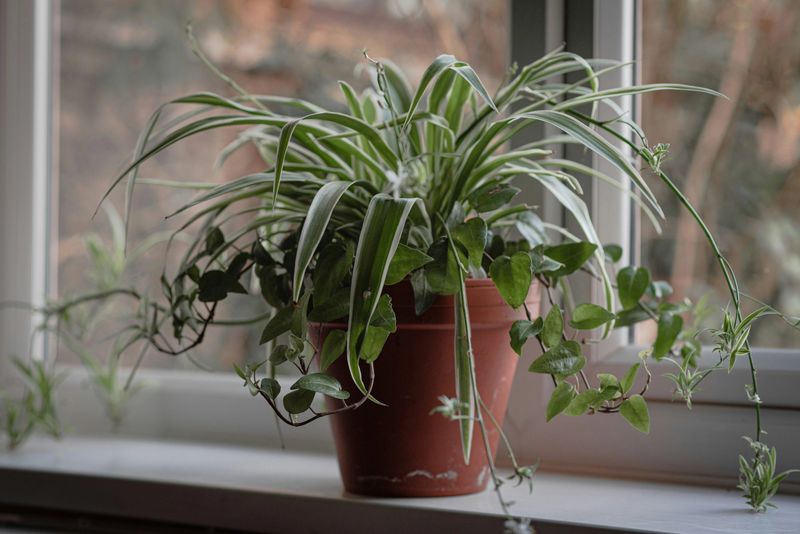
Spider plants bring a cheerful, fountain-like appearance to any room with their arching green and white striped leaves. These plants are incredibly forgiving and adapt well to various conditions, making them a reliable companion for snake plants.
Both species tolerate occasional neglect and prefer their soil to dry out between waterings, which simplifies your care routine and reduces the risk of root rot.
In Illinois homes, spider plants thrive in moderate to bright indirect light but can also handle lower light levels. They produce small white flowers and baby plantlets called spiderettes, which dangle from long stems and can be propagated easily.
This growth habit adds movement and visual interest when placed near the static, upright form of snake plants.
Spider plants are known for their air-purifying qualities, removing pollutants like formaldehyde and carbon monoxide from indoor air. This makes them a healthy addition to bedrooms, living rooms, or home offices.
The combination of spider plants and snake plants creates a powerful duo for improving indoor air quality while keeping maintenance minimal.
These plants are also pet-safe, which is a bonus for households with curious cats or dogs. While snake plants can cause mild irritation if ingested, spider plants pose no such risk, giving you peace of mind.
The contrasting leaf shapes and colors of spider plants and snake plants create an appealing display that feels both lively and organized in any Illinois home.
4. Aloe Vera
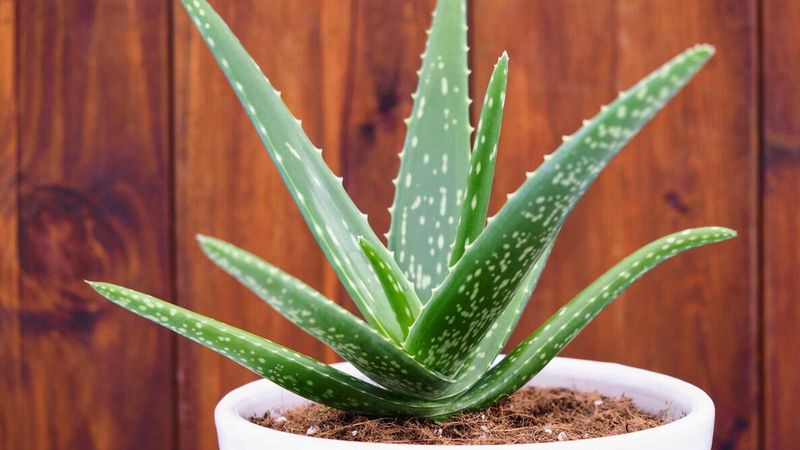
Aloe vera is more than just a pretty succulent. Its thick, fleshy leaves store water and healing gel, making it both practical and attractive.
This plant shares the same drought-tolerant nature as snake plants, requiring infrequent watering and thriving in dry conditions. Illinois homes with central heating can create a challenging environment for some plants, but aloe vera handles low humidity with ease.
Placing aloe vera next to your snake plant creates a cohesive succulent-style display. Both plants prefer bright, indirect light and well-draining soil, so you can use similar potting mixes and care routines.
The spiky, upright leaves of aloe vera echo the architectural form of snake plants while adding a slightly softer texture and lighter green color.
Aloe vera is famous for its soothing gel, which can be used to treat minor burns, cuts, and skin irritations. Having this plant in your home provides a natural first-aid remedy right at your fingertips.
Simply cut a mature leaf and apply the gel directly to the affected area for quick relief.
This plant also produces offsets or pups around its base, which can be separated and potted to create new plants. Propagating aloe vera is simple and rewarding, allowing you to expand your collection or share plants with friends and family.
The combination of aloe vera and snake plants offers both beauty and functionality, making it a smart choice for Illinois plant enthusiasts who value practicality and aesthetics.
5. Jade Plant
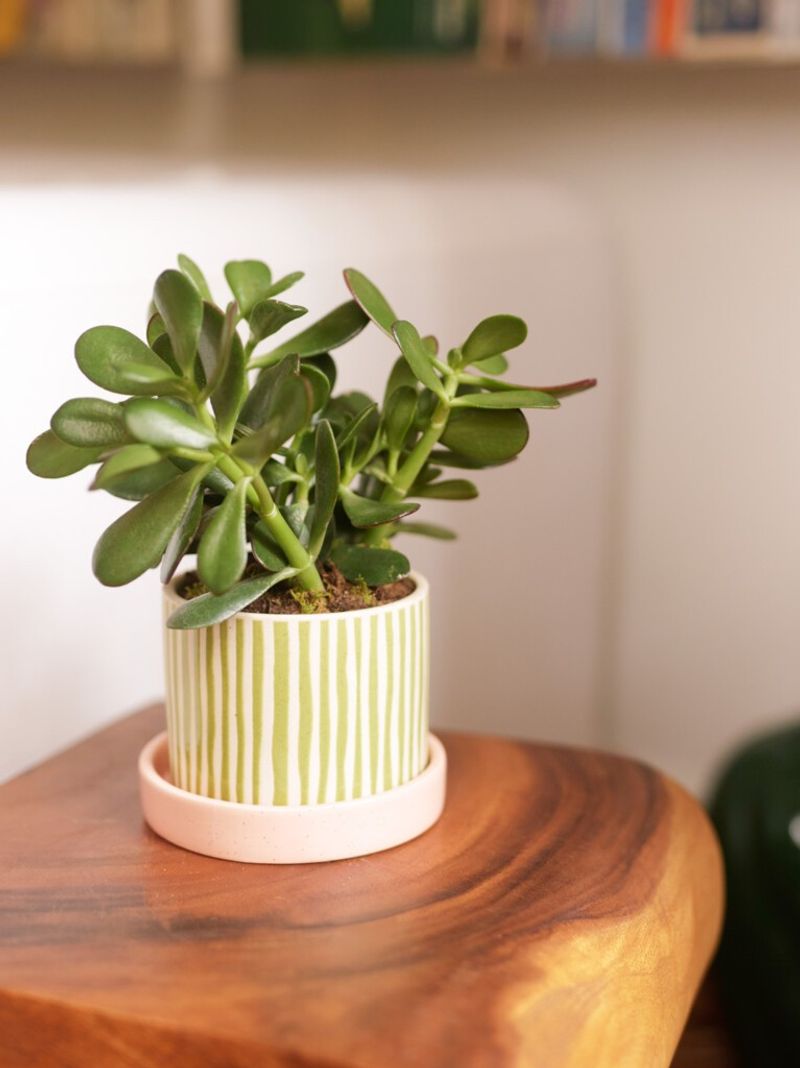
Jade plants have a timeless appeal with their thick, rounded leaves and tree-like structure. These succulents are symbols of good luck and prosperity in many cultures, making them a meaningful addition to your home.
Like snake plants, jade plants prefer infrequent watering and can tolerate periods of drought, which makes them compatible companions in Illinois homes where indoor conditions vary throughout the year.
The compact, bushy growth of jade plants contrasts beautifully with the tall, upright form of snake plants. Their glossy, deep green leaves sometimes develop a reddish tint along the edges when exposed to bright light, adding an extra layer of visual interest.
Both plants prefer bright, indirect light but can adapt to lower light levels, giving you flexibility in placement.
Jade plants grow slowly and can live for many years with proper care, eventually developing thick, woody stems that resemble miniature trees. This slow growth means they require minimal pruning and maintenance, making them ideal for busy households.
Pairing a mature jade plant with a snake plant creates a sophisticated, zen-like display that feels both calming and elegant.
These plants are also easy to propagate from leaf or stem cuttings, allowing you to create new plants to share or expand your collection. In Illinois, where the dry winter air can stress some houseplants, jade plants remain unfazed and continue to thrive.
Their resilience and beauty make them a perfect match for snake plants in any indoor setting.
6. Dracaena
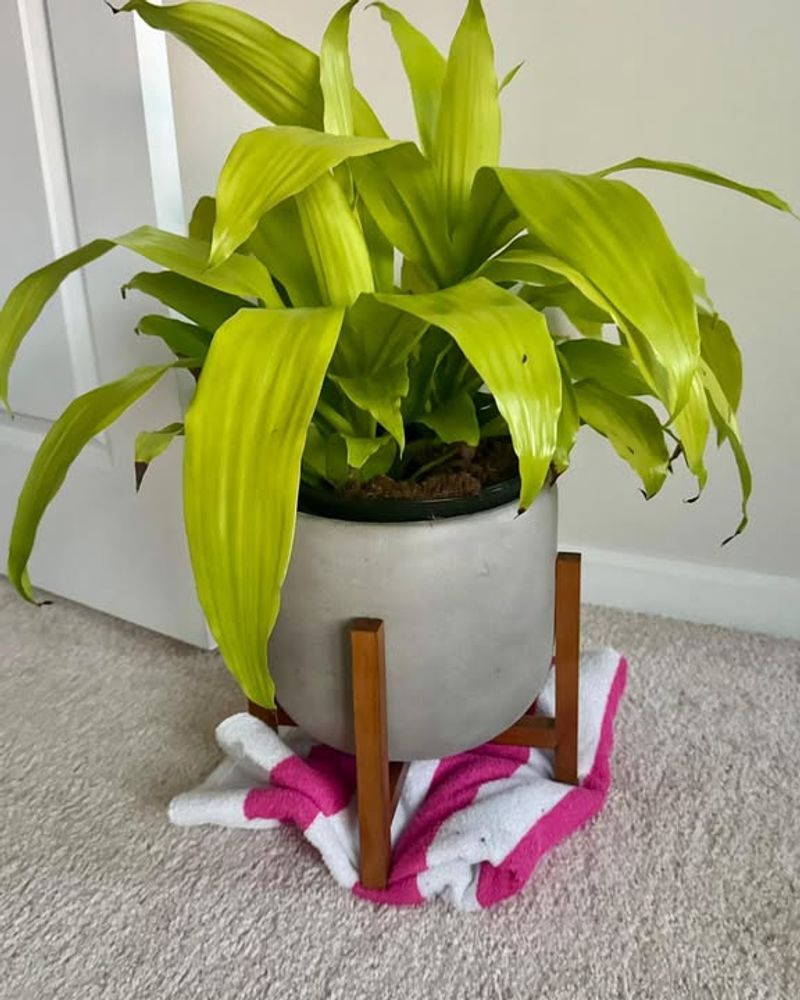
Dracaena plants come in many varieties, each offering unique leaf patterns and colors that complement snake plants beautifully. These plants share similar care requirements, preferring well-draining soil and allowing the soil to dry out between waterings.
In Illinois, where indoor humidity can fluctuate, dracaena plants adapt well and continue to grow steadily without demanding constant attention.
Popular varieties include the dracaena marginata with its narrow, red-edged leaves, and the dracaena lemon lime with bright yellow and green striped foliage. Each variety brings its own personality to your plant collection while maintaining the same easy-care nature.
Placing dracaena plants near snake plants creates a layered look with varying heights, textures, and colors that feel intentional and well-designed.
Dracaena plants are excellent air purifiers, removing toxins like benzene, formaldehyde, and trichloroethylene from indoor air. This makes them a healthy choice for bedrooms, living rooms, or any space where you spend significant time.
The combination of dracaena and snake plants maximizes air-purifying benefits while keeping care requirements simple and manageable.
These plants grow slowly and can reach several feet tall over time, making them ideal for filling vertical space in corners or beside furniture. They tolerate low to moderate light conditions, though they grow best in bright, indirect light.
Illinois plant lovers appreciate the versatility and resilience of dracaena plants, especially when paired with equally tough snake plants for a worry-free indoor garden.
7. Rubber Plant
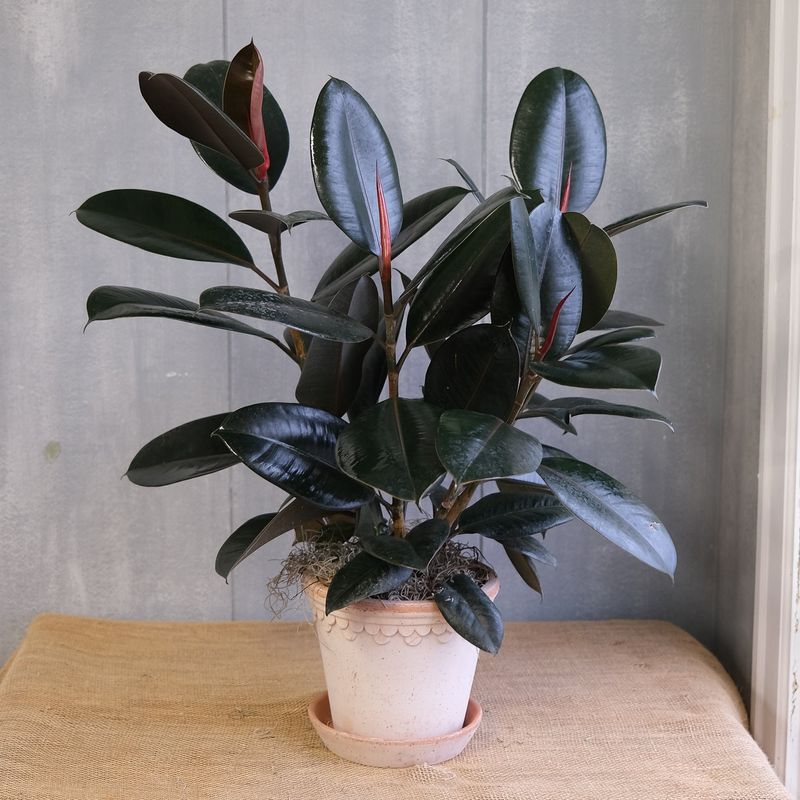
Rubber plants command attention with their large, glossy leaves that range from deep green to burgundy, depending on the variety. These plants prefer to dry out between waterings, making them compatible with snake plants in terms of care routine.
Illinois homes benefit from the rubber plant’s ability to tolerate dry indoor air and adapt to various light conditions, from bright indirect light to moderate light levels.
The broad, shiny leaves of rubber plants create a bold contrast to the narrow, upright leaves of snake plants. This difference in leaf shape and size adds visual drama to your plant display without requiring complicated care.
Both plants grow slowly and maintain their shape well, reducing the need for frequent pruning or maintenance.
Rubber plants are known for their air-purifying abilities, removing toxins and improving indoor air quality. They also add a touch of elegance and sophistication to any room, making them popular choices for living rooms, home offices, or entryways.
When paired with snake plants, rubber plants create a high-impact display that feels both modern and timeless.
These plants can grow quite tall over time, eventually reaching several feet in height. You can control their size through occasional pruning, which also encourages bushier growth.
In Illinois, where indoor conditions can be challenging during winter months, rubber plants remain resilient and continue to thrive alongside equally tough snake plants, creating a reliable and beautiful indoor garden.
8. Peperomia
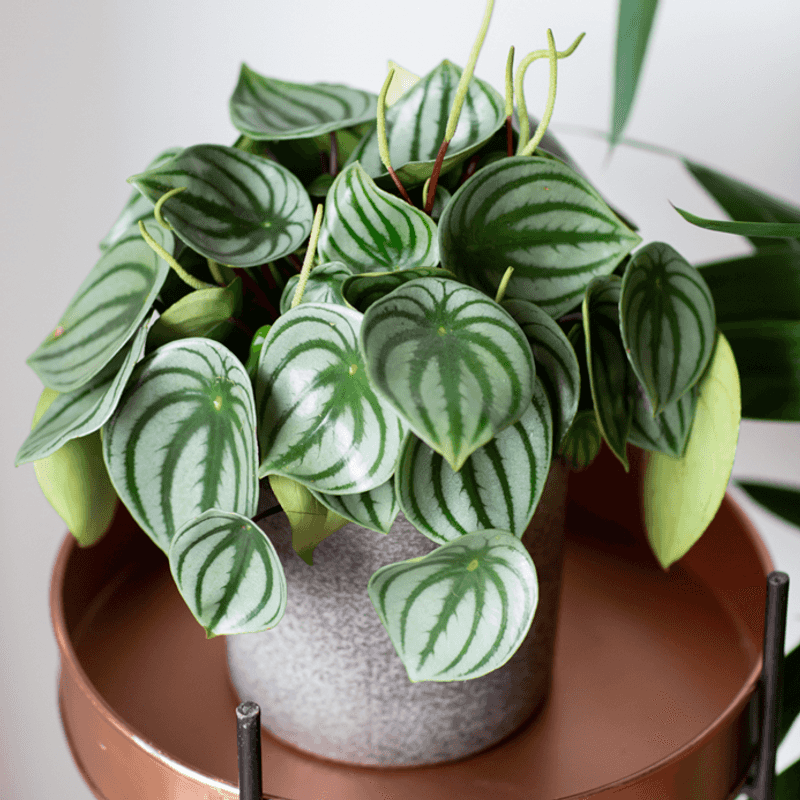
Peperomia plants pack a lot of personality into a small package. These compact plants come in dozens of varieties, each with unique leaf shapes, colors, and textures.
From the watermelon peperomia with its striped, rounded leaves to the peperomia obtusifolia with thick, glossy foliage, there is a peperomia for every taste. They share the same preference for infrequent watering as snake plants, making them easy to care for together.
In Illinois homes, peperomia plants thrive in moderate to bright indirect light and tolerate the dry indoor air that often comes with heating systems.
Their small size makes them perfect for desktops, shelves, or windowsills, allowing you to create layered displays with your snake plant.
The variety of leaf patterns and colors available means you can mix and match to create a personalized plant collection.
Peperomia plants are also pet-safe, which is a significant advantage for households with animals. Unlike snake plants, which can cause mild irritation if ingested, peperomia plants pose no risk to curious pets.
This makes them a worry-free addition to your indoor garden, especially in homes with cats or dogs.
These plants require minimal fertilizing and are resistant to most pests, making them low-maintenance companions for snake plants. They grow slowly and stay compact, so you will not need to repot them frequently.
Illinois plant enthusiasts appreciate the diversity and resilience of peperomia plants, especially when paired with equally forgiving snake plants for a stress-free indoor garden experience.