The Real Reason Arizona Gardeners Are Replacing These Popular Plants
Some plants may look beautiful, but that doesn’t mean they’re the right choice for Arizona gardens.
Across the state, gardeners are rethinking their go-to plant selections and replacing certain favorites with better-suited alternatives. Why? It’s not just about style or trends.
The real reason comes down to water. In a region where drought and heat are constant concerns, thirsty plants that need frequent watering or special care just don’t make sense anymore.
More and more gardeners are shifting toward options that thrive with less water, require minimal upkeep, and still offer plenty of color and curb appeal. If you’ve noticed your landscape struggling or your water bill creeping up, you’re not alone.
The good news is, there are plenty of beautiful, drought-tolerant plants ready to take their place. Let’s explore which popular plants are being swapped out, and what smart Arizona gardeners are choosing instead.
1. Bermuda Grass Lawns

Homeowners throughout Arizona have long maintained traditional Bermuda grass lawns, but the water requirements are simply too high for sustainable desert living.
These thirsty turf areas can consume up to 73 inches of water annually in hot climates like Phoenix and Tucson.
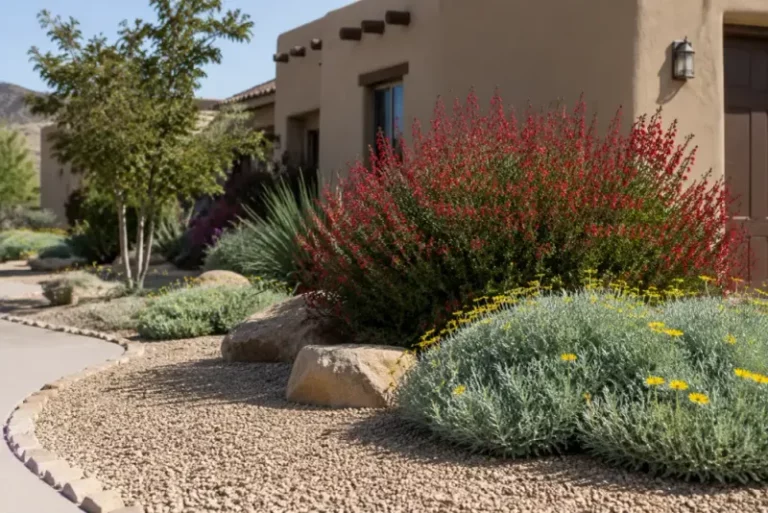
Many families are now tearing out their grass and replacing it with gravel, decomposed granite, or artificial turf that looks great year-round without the constant need for irrigation.
The maintenance costs associated with Bermuda grass extend beyond just water usage. Mowing, fertilizing, and aerating add up in both time and money.
During Arizona’s scorching summer months, these lawns require watering multiple times per week to stay green and healthy. The reality is that maintaining a lush lawn in the desert simply does not make environmental or economic sense anymore.
Smart alternatives include buffalo grass, which uses about half the water of Bermuda grass, or converting lawn areas entirely to attractive hardscaping with strategically placed native plants.
Desert-adapted ground covers like dymondia and trailing lantana offer greenery without the high water demands.
Many Arizona communities now offer rebates for lawn removal, making the transition more affordable.
Homeowners who make the switch often report significant drops in their water bills while enjoying landscapes that better reflect the natural beauty of the Sonoran Desert environment.
2. Mulberry Trees
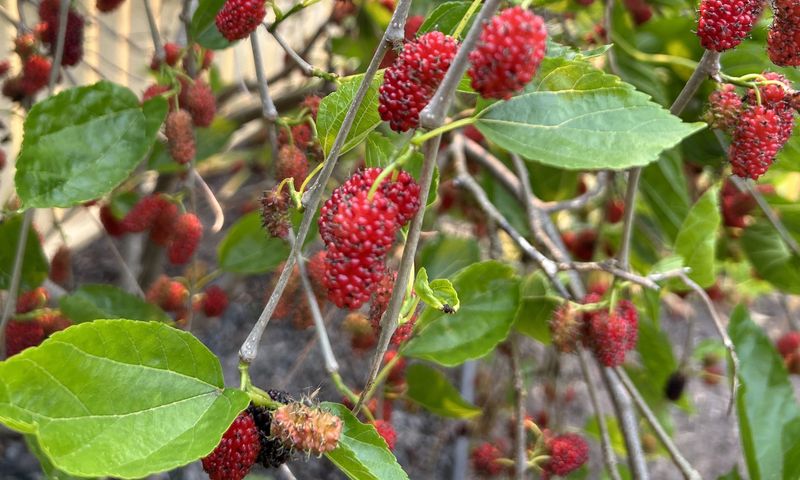
Mulberry trees were once planted extensively across Arizona neighborhoods because they grow quickly and provide welcome shade. However, these deciduous trees require enormous amounts of water to survive the intense desert heat.
A mature mulberry tree can demand 50 to 75 gallons of water daily during summer months. That level of consumption has prompted many Arizona gardeners to reconsider whether these shade providers are worth the environmental cost.
Beyond water usage, mulberry trees create additional problems for homeowners in the Southwest. The fruit they produce creates messy stains on driveways, patios, and cars.
Their aggressive root systems can damage irrigation lines, foundations, and sidewalks. The pollen from male mulberry trees is a significant allergen that contributes to respiratory issues for many Arizona residents during spring months.
Better alternatives include native mesquite trees, palo verde, or desert willow, all of which provide beautiful shade while requiring minimal supplemental watering once established. These native species have evolved to thrive in Arizona’s climate and support local wildlife.
Your Arizona Garden Changes Every Week. Your Plan Should Too.
Gardening in Arizona changes quickly throughout the season. Every Friday you’ll receive a simple weekly plan showing exactly what to plant, prune, fertilize, harvest, and protect so you never miss the right timing.
Ironwood and acacia trees are also excellent choices that offer shade without the excessive water demands. Many cities in Arizona have actually banned the planting of new mulberry trees due to their high water needs and problematic characteristics.
Making the switch to desert-adapted shade trees helps conserve water while creating landscapes that are better suited to the region’s natural conditions.
3. Hybrid Tea Roses
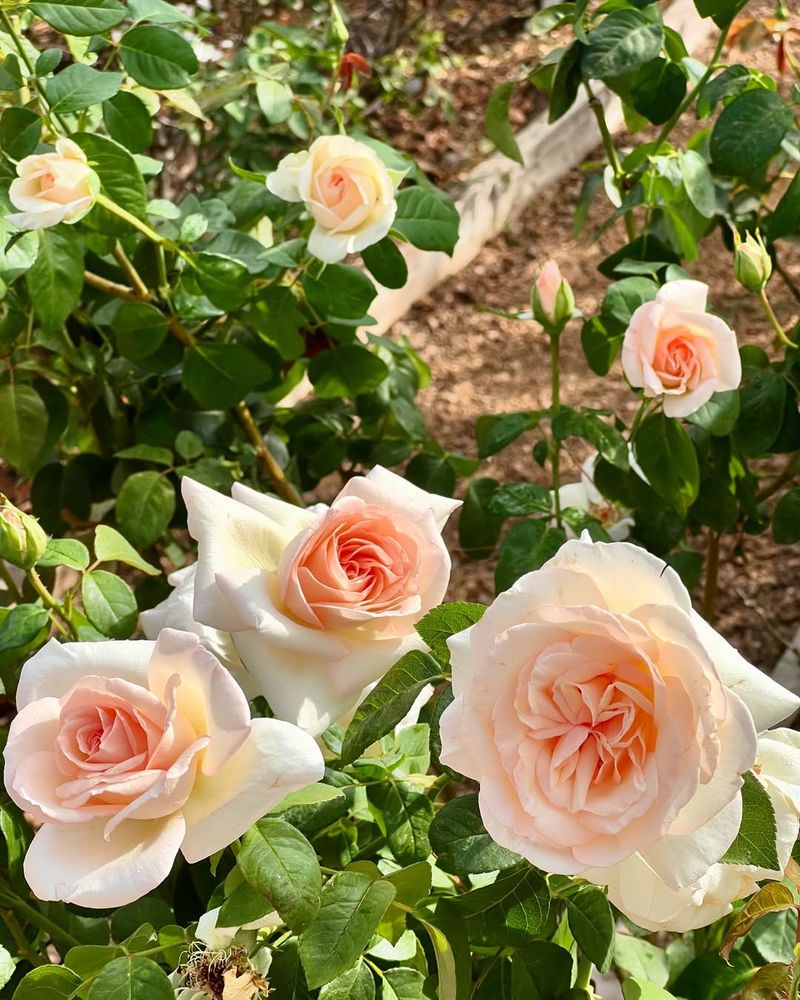
Few plants symbolize traditional gardening quite like hybrid tea roses with their elegant blooms and classic beauty. Unfortunately, these popular ornamentals are among the thirstiest plants you can grow in Arizona.
They require deep watering several times weekly, especially during the brutal summer heat.
The water demands alone make them impractical for sustainable desert landscaping, but they also need constant attention to combat pests and diseases that thrive in hot climates.
Hybrid tea roses struggle in Arizona’s intense sun and low humidity, often developing burned foliage and stressed blooms despite generous watering. The alkaline soil common throughout the state creates additional challenges for these acid-loving plants.
Gardeners must constantly amend soil, apply specialized fertilizers, and monitor pH levels to keep hybrid tea roses looking presentable. All this effort requires significant water resources that could be better allocated to more appropriate plant choices.
Desert-adapted alternatives offer stunning color without the excessive maintenance and irrigation. Consider planting desert marigolds, penstemons, or salvia species that produce vibrant flowers while using minimal water.
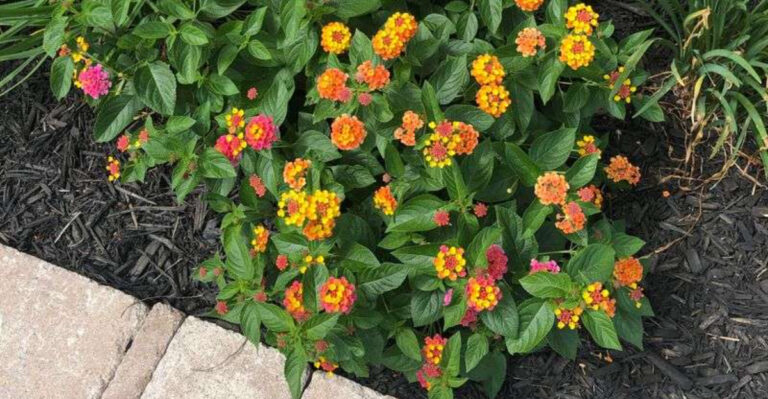
Lantana and bougainvillea provide spectacular blooms throughout Arizona’s long growing season with little care. Native wildflowers like brittlebush and globe mallow create seasonal displays that support pollinators and reflect the natural landscape.
Many Arizona nurseries now feature sections dedicated to low-water flowering plants that are specifically chosen for desert conditions, making it easier than ever to create colorful gardens that respect water conservation principles.
4. Fescue Grass

Cool-season fescue grass became popular in some Arizona yards because it stays green during winter months when warm-season grasses go dormant. This might sound appealing, but the water requirements are absolutely staggering in desert climates.
Fescue needs constant moisture and struggles terribly once temperatures climb above 85 degrees. In Phoenix and other hot Arizona cities, keeping fescue alive through summer can require watering twice daily, consuming thousands of gallons monthly.
The environmental impact of maintaining fescue in Arizona extends beyond just water waste. These grasses are prone to fungal diseases in hot weather, requiring chemical treatments that can harm beneficial insects and soil organisms.
The constant need for overseeding, fertilizing, and intensive care makes fescue lawns a poor choice for sustainable desert living.
Many homeowners find themselves in an endless cycle of trying to keep their fescue grass alive, only to watch it struggle and thin out despite their best efforts.
Practical alternatives include switching to warm-season grasses like buffalo grass that naturally thrive in heat, or embracing hardscaping with decorative rock and strategic plantings.
Native grasses such as deer grass and blue grama offer texture and movement without irrigation demands.
Ground covers like trailing rosemary or prostrate myoporum provide greenery while using a fraction of the water.
Arizona gardeners are discovering that eliminating high-maintenance grass entirely often results in more attractive, functional outdoor spaces that require less time, money, and water to maintain throughout the year.
5. Impatiens
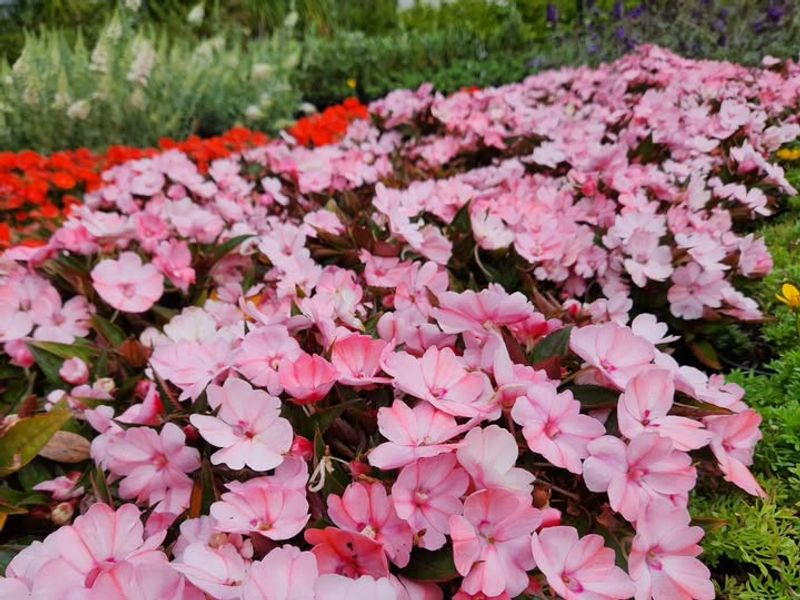
Impatiens have long been favorite annuals for adding bright pops of color to shaded garden areas across America. However, these moisture-loving plants are completely unsuited to Arizona’s arid climate and intense heat.
They require consistently moist soil and wilt dramatically if allowed to dry out even slightly. In the low-humidity desert environment, impatiens demand daily watering and often need supplemental misting to prevent foliage from crisping in the heat.
Even with abundant water, impatiens rarely perform well in Arizona gardens. The dry air and intense sunlight, even in shaded locations, stress these delicate plants beyond their tolerance.
They become magnets for spider mites and other pests that thrive in hot conditions. Gardeners who attempt to grow impatiens in Arizona often find themselves disappointed by plants that look scraggly and unhappy despite constant attention and generous irrigation.
Better options for Arizona shade gardens include coleus, which offers incredible foliage color and tolerates heat much better with moderate watering. Caladiums provide tropical-looking leaves in shaded areas while using less water than impatiens.
For flowering options, consider begonias or torenia, which handle desert conditions more successfully. Native shade-lovers like coral bells and ferns adapted to riparian areas offer beauty without excessive water needs.
Many Arizona gardeners are learning that working with plants naturally suited to desert conditions results in healthier, more attractive gardens that do not require constant intervention.
Choosing appropriate plants means spending less time watering and more time enjoying outdoor spaces throughout Arizona’s diverse seasons.
6. Azaleas
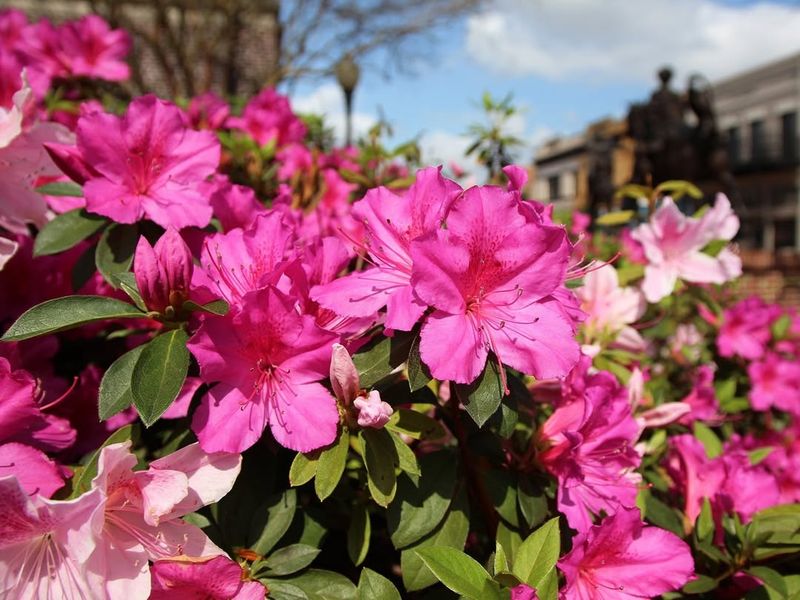
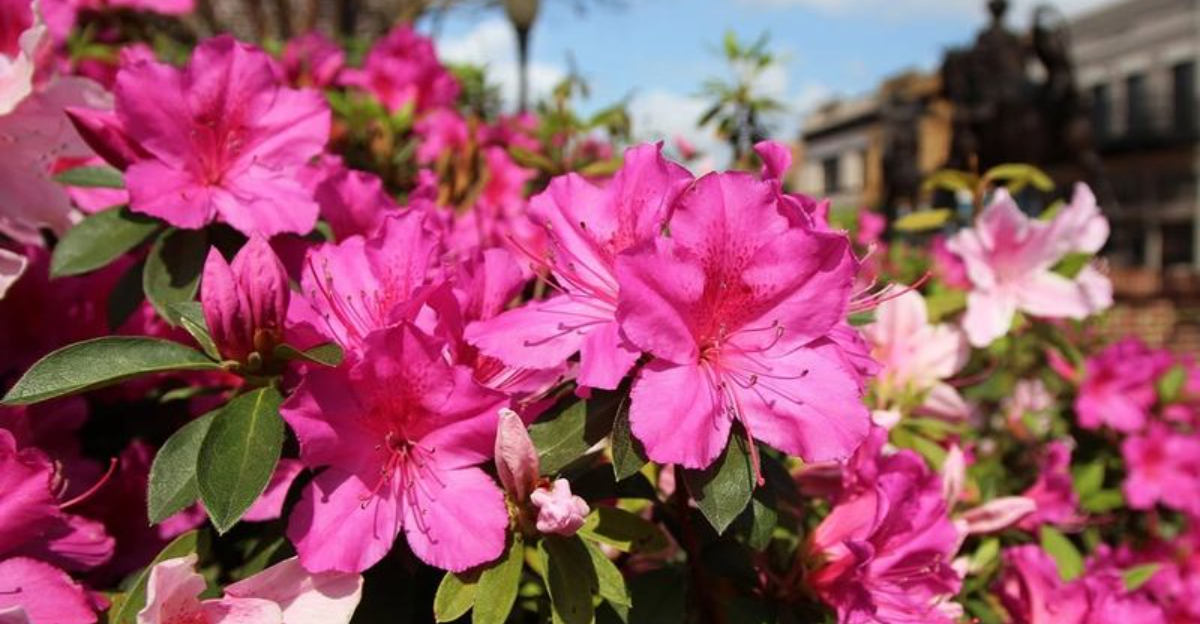
Azaleas rank among the most beloved flowering shrubs in many parts of the country, but they are fundamentally incompatible with Arizona’s desert environment.
These acid-loving plants require moist, well-drained soil and struggle in the alkaline conditions found throughout most of the state.
Their shallow root systems demand frequent watering, and they quickly show stress in Arizona’s low humidity and intense sunlight.
Attempting to create the conditions azaleas need in the desert requires constant soil amendments, specialized fertilizers, and excessive irrigation.
The water consumption required to keep azaleas alive in Arizona is simply not sustainable. They need consistently moist soil, which in the desert means watering multiple times per week or even daily during hot months.
Even with abundant water, azaleas often develop chlorosis from alkaline soil, causing yellowed leaves and poor growth. The investment of time, resources, and water rarely results in the lush displays that azaleas produce in their native humid climates.
Smart alternatives for Arizona gardens include desert-adapted flowering shrubs that provide seasonal color without the hassle. Texas sage offers spectacular purple blooms after monsoon rains while requiring minimal water.
Fairy duster produces delicate pink flowers and thrives in desert conditions. Chuparosa attracts hummingbirds with red tubular flowers and needs little supplemental irrigation once established.
Yellow bells and red bird of paradise create stunning displays throughout Arizona’s long growing season.
These alternatives not only conserve water but also support native pollinators and create landscapes that harmonize with the natural desert environment surrounding communities throughout the state.
7. Hydrangeas
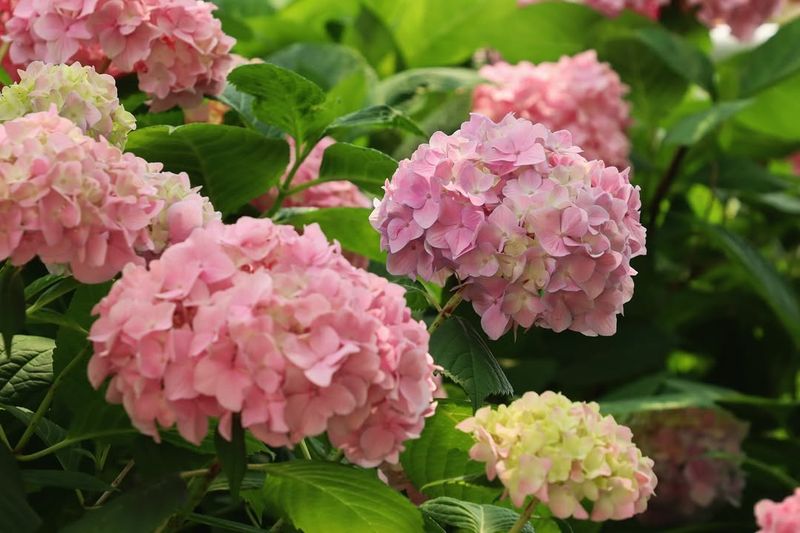
Hydrangeas captivate gardeners with their enormous flower clusters and lush foliage, but these water-loving shrubs are among the worst choices for Arizona landscapes. The name itself reveals the problem, as hydrangea literally means water vessel.
These plants can require up to 2 inches of water weekly, and in Arizona’s hot, dry climate, they often need even more to prevent wilting. The reality is that growing hydrangeas in the desert goes against every principle of sustainable water use.
Even when provided with adequate water, hydrangeas struggle with Arizona’s environmental conditions.
They prefer morning sun and afternoon shade, but even shaded locations in the desert expose them to low humidity and high temperatures that cause stress.
The large leaves lose moisture rapidly through transpiration, requiring constant replenishment. Many Arizona gardeners have tried to grow hydrangeas only to watch them suffer through summer despite daily watering and careful placement.
Fortunately, beautiful alternatives exist that provide similar visual impact without the water waste. Autumn sage produces colorful flower spikes in shades of red, pink, and purple while thriving on minimal water.
Desert willow offers large, orchid-like blooms and graceful form without excessive irrigation needs. For larger shrubs with substantial presence, consider Texas ranger or hopbush, both of which create impressive displays suited to Arizona conditions.
Native plants like Apache plume provide delicate beauty and support local ecosystems. Making thoughtful plant selections that match Arizona’s climate allows gardeners to create stunning landscapes that conserve water and thrive naturally in desert conditions without constant struggle and resource consumption.