Your Go-To Guide To Growing And Caring For Hyacinths In Pennsylvania Gardens
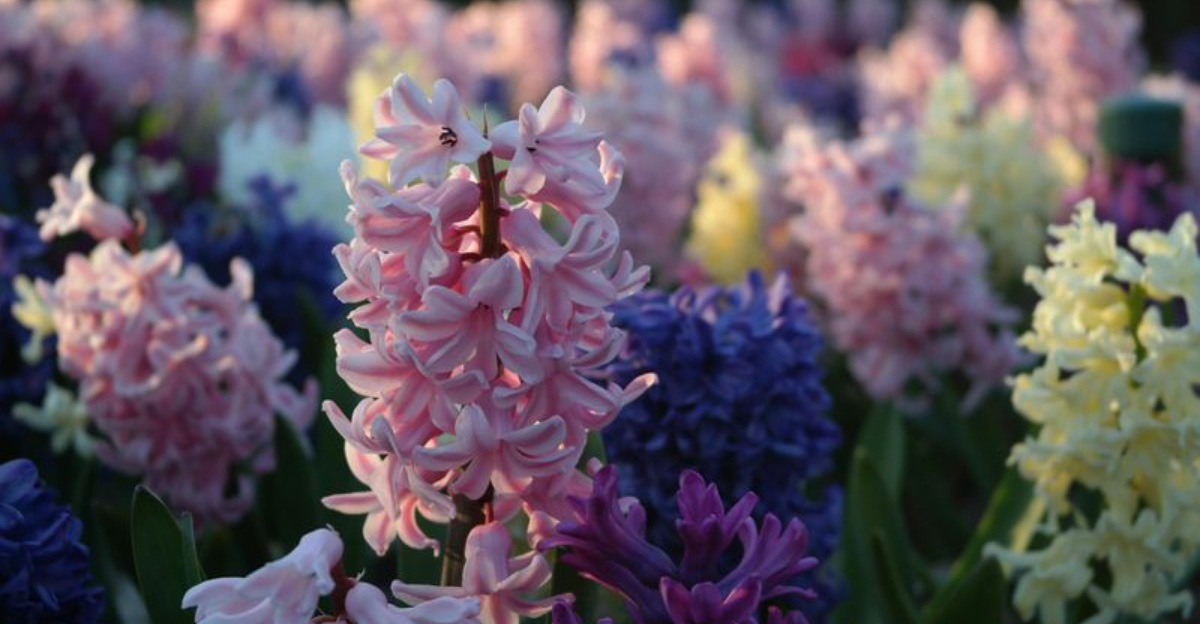
Hyacinths are one of the easiest ways to bring bold color and sweet fragrance into your Pennsylvania garden, but growing them successfully takes a little planning.
With their bright, bell-shaped blooms and early spring arrival, these flowers are a favorite among gardeners who want a cheerful pop after a long winter.
But to get the most out of your hyacinths, you’ll need to know when and where to plant them, how to care for them through the seasons, and how to keep them blooming year after year.
Pennsylvania’s climate, with its cold winters and mild springs, is actually perfect for growing healthy, vibrant hyacinths, as long as you choose the right spot and give them a bit of attention.
Whether you’re a first-time gardener or just want to add more color to your spring beds, this guide will walk you through everything you need to know to grow and care for hyacinths in Pennsylvania.
1. Choosing The Right Hyacinth Varieties For Pennsylvania Climate
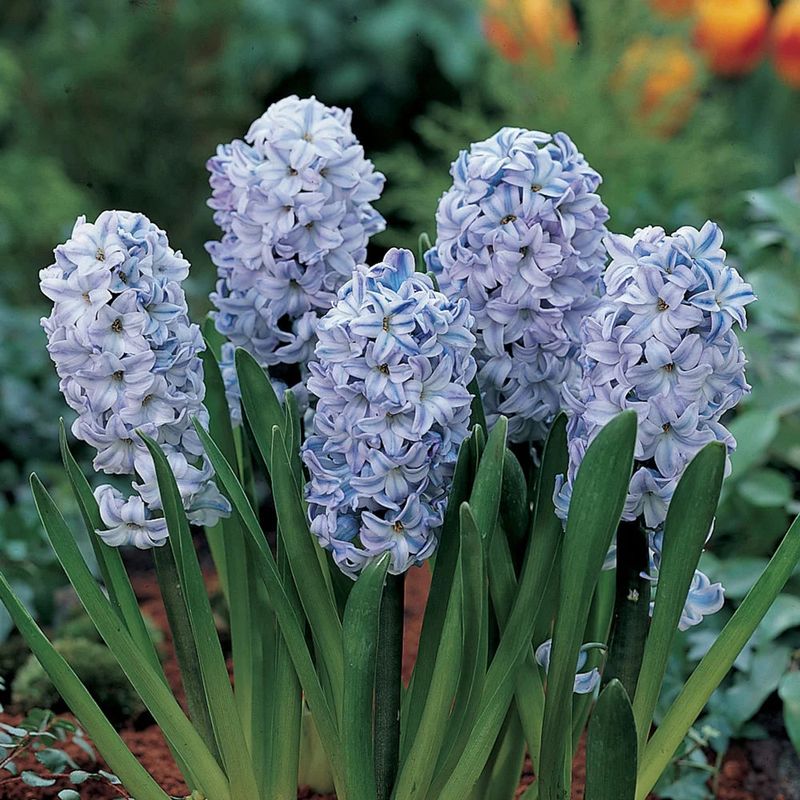
Pennsylvania gardeners have dozens of hyacinth varieties to choose from, but picking the right ones makes all the difference in your spring display. The state’s USDA hardiness zones range from 5b to 7a, which means most hyacinth types will flourish here with proper care.
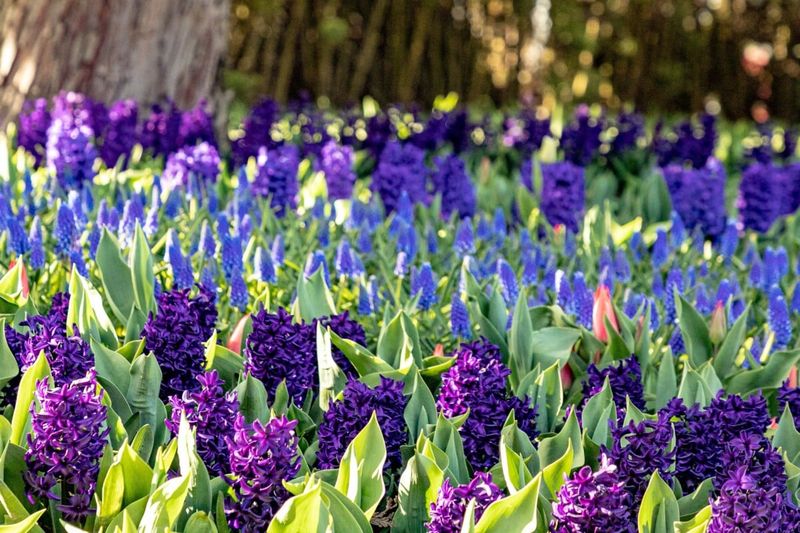
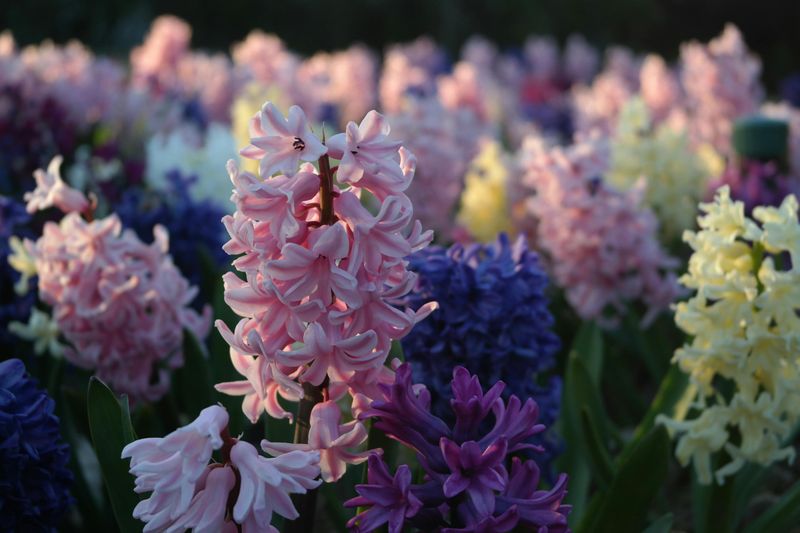
Dutch hyacinths are the most popular choice because they produce large, densely packed flower spikes in colors ranging from deep purple to soft pink and pure white.
Consider varieties like ‘Blue Jacket’ for rich violet-blue blooms or ‘Carnegie’ for classic white flowers that brighten shady corners. ‘Jan Bos’ offers stunning red-pink flowers that stand out against spring greenery.
For something different, try ‘Gipsy Queen’ with its peachy-orange tones that add warmth to your garden beds.
Grape hyacinths, or Muscari, are smaller cousins that naturalize beautifully across Pennsylvania lawns and gardens.
These tough little plants spread over time and require almost no maintenance once established. They bloom slightly earlier than standard hyacinths, extending your spring flower season.
When shopping for bulbs at Pennsylvania garden centers, look for firm, heavy bulbs without soft spots or mold.
Larger bulbs typically produce bigger, more impressive flower spikes. Many local nurseries sell pre-chilled bulbs in fall, which are ready to plant immediately.
Mixing different varieties creates a longer blooming period and more visual interest in your garden. Early, mid, and late-season varieties planted together keep your Pennsylvania yard colorful for several weeks.
Local garden clubs often share recommendations about which varieties perform best in specific Pennsylvania regions.
2. Perfect Timing For Planting Hyacinth Bulbs In Pennsylvania
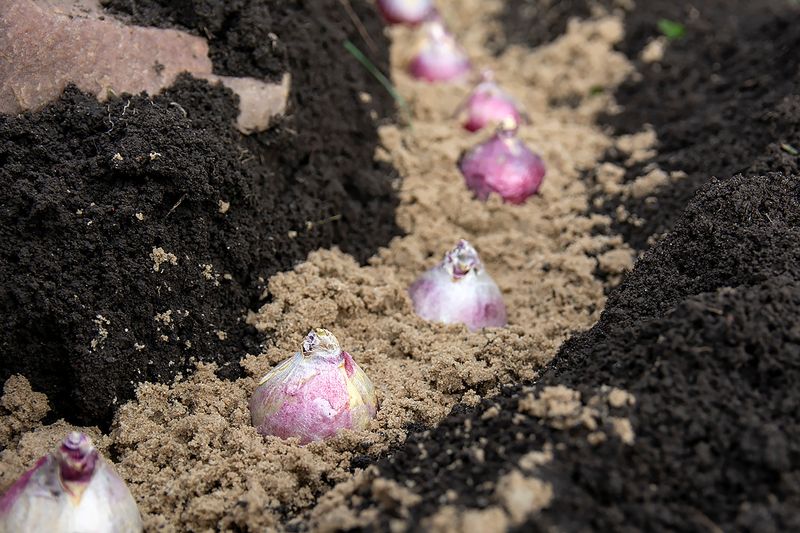
Timing is everything when planting hyacinth bulbs in Pennsylvania, and getting it right means spectacular spring blooms.
The ideal planting window falls between mid-September and late November, before the ground freezes solid. This gives bulbs enough time to develop strong root systems before winter arrives.
Pennsylvania’s first hard frost typically occurs between mid-October and early November, depending on your location. Plant your hyacinths about four to six weeks before this expected frost date.
In Pittsburgh and western Pennsylvania, aim for late September through mid-October planting. Philadelphia and eastern regions can wait until early November if needed.
Your Pennsylvania Garden Changes Every Week. Your Plan Should Too.
Gardening in Pennsylvania changes quickly throughout the season. Every Friday you’ll receive a simple weekly plan showing exactly what to plant, prune, fertilize, harvest, and protect so you never miss the right timing.
Soil temperature matters more than calendar dates when planting bulbs. Wait until soil temperatures drop below 60 degrees Fahrenheit, which usually happens in October across most of Pennsylvania.
Planting too early in warm soil can trigger premature growth that won’t survive winter cold.
If you miss the fall planting window, some Pennsylvania gardeners successfully plant bulbs in early December during mild spells.
However, spring blooms might be delayed or less impressive. Never plant hyacinths in frozen ground, as bulbs need contact with soil to develop roots.
Mark your calendar for late summer to order bulbs from catalogs or visit local nurseries. Pennsylvania garden centers stock fresh bulbs starting in August and September.
Early shopping gives you the best selection of varieties and healthiest bulbs. Store purchased bulbs in a cool, dry place until planting time arrives. Basements or unheated garages work well for temporary storage.
3. Selecting And Preparing The Ideal Planting Location
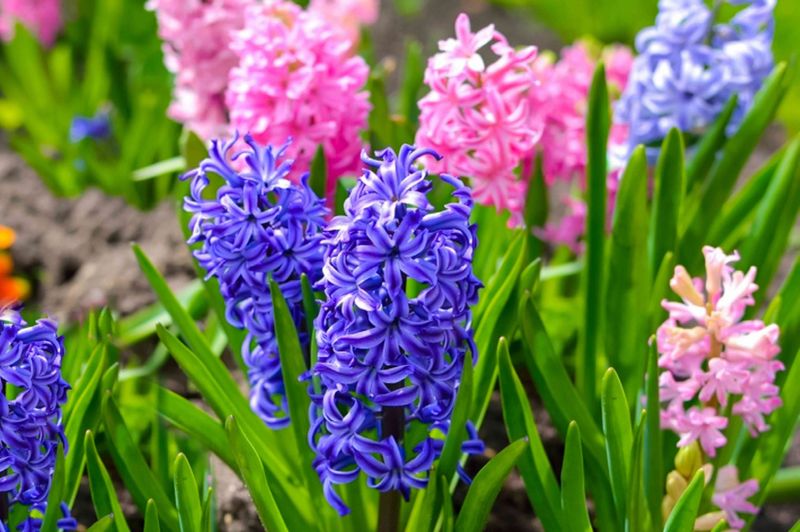
Location makes or breaks your hyacinth growing success in Pennsylvania gardens. These spring bloomers prefer spots that receive full sun to partial shade, meaning at least four to six hours of direct sunlight daily.
South-facing or east-facing beds work wonderfully because they warm up quickly in spring, encouraging earlier blooms.
Pennsylvania’s clay-heavy soils present challenges for bulb growing, so soil preparation is crucial. Hyacinths need well-draining soil to prevent bulb rot during wet Pennsylvania winters and springs.
Test drainage by digging a hole, filling it with water, and watching how quickly it drains. Water should disappear within a few hours, not sit overnight.
Improve heavy clay soil by mixing in compost, peat moss, or aged manure several weeks before planting. Add coarse sand or perlite to increase drainage in particularly dense areas.
Raised beds offer excellent solutions for Pennsylvania gardeners dealing with poor drainage or heavy clay.
Avoid low-lying areas where water collects after rain or snow melts. These wet spots often cause bulbs to rot before they ever bloom.
Similarly, skip planting directly under trees where competing roots steal moisture and nutrients from your hyacinths.
Wind protection helps hyacinth flower spikes stand tall without breaking. Planting near fences, walls, or shrubs provides natural windbreaks.
However, leave enough space for air circulation to prevent fungal diseases common in Pennsylvania’s humid spring weather. Group hyacinths in clusters of five to seven bulbs for maximum visual impact rather than spacing them individually across your garden.
4. Proper Planting Depth And Spacing Techniques
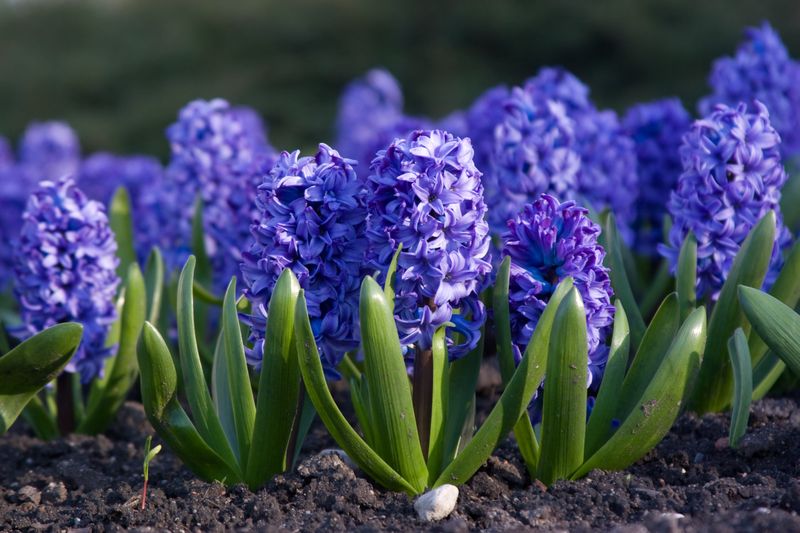
Getting planting depth right is essential for healthy hyacinth growth in Pennsylvania’s variable climate. Plant bulbs with their pointed ends facing up, about six to eight inches deep measured from the soil surface to the bulb’s base.
This depth protects bulbs from Pennsylvania’s freezing winter temperatures while allowing spring shoots to emerge easily.
Deeper planting works better in northern Pennsylvania counties where winter cold penetrates further into the ground. Gardeners in Erie or the Pocono Mountains might add an extra inch of depth for added protection.
Shallower planting at five to six inches works fine in southeastern Pennsylvania’s milder zones.
Space individual bulbs four to six inches apart when planting in groups. This spacing allows each plant room to develop without crowding while creating a full, lush appearance when flowers bloom.
Closer spacing creates denser displays but may require dividing clumps sooner as bulbs multiply.
For natural-looking drifts, scatter bulbs gently across your planting area and plant them where they land. This random placement mimics how flowers grow in nature and looks more relaxed than rigid rows.
However, organized rows work well for formal Pennsylvania garden designs or cutting gardens.
When planting multiple layers of spring bulbs, place hyacinths above deeper-planted tulips or daffodils. This layering technique, called lasagna planting, maximizes bloom time and garden space.
Dig your hole to accommodate all layers, placing largest bulbs deepest and working upward with smaller varieties. Pennsylvania gardeners love this method for creating spectacular spring displays in limited space.
5. Watering And Fertilizing For Optimal Growth
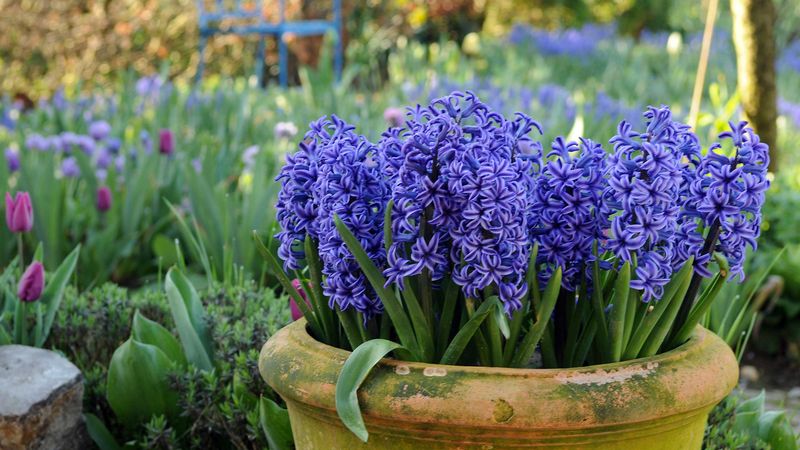
Watering hyacinths correctly throughout their growing cycle ensures strong, healthy plants in Pennsylvania gardens. After planting bulbs in fall, water thoroughly to settle soil and encourage root development.
This initial watering is especially important during dry autumn periods common across Pennsylvania.
Pennsylvania’s winter snow and rain typically provide adequate moisture for dormant bulbs. However, if you experience an unusually dry winter, water lightly once or twice if the ground isn’t frozen.
Once spring arrives and green shoots emerge, increase watering during dry spells to support rapid growth and flower development.
Hyacinths need about one inch of water weekly during their active growing and blooming period. Pennsylvania’s spring rains often handle this requirement naturally.
Check soil moisture by sticking your finger two inches into the ground. If it feels dry, water deeply rather than frequently with shallow sprinkles.
Fertilizing supports vigorous blooms and helps bulbs store energy for next year’s flowers. Apply a balanced bulb fertilizer or bone meal when planting in fall.
This slow-release nutrition feeds roots throughout winter and early spring. Some Pennsylvania gardeners prefer organic options like compost tea or fish emulsion applied in early spring.
When green shoots appear in spring, apply a second light feeding of balanced fertilizer. Avoid high-nitrogen fertilizers that promote leaf growth at the expense of flowers.
After blooming finishes, fertilize once more to help bulbs replenish energy reserves. Continue watering until foliage turns yellow and withers naturally, usually six to eight weeks after flowering ends in Pennsylvania gardens.
6. Protecting Hyacinths From Pennsylvania Pests And Weather
Pennsylvania wildlife poses challenges for hyacinth growers, with deer, rabbits, and squirrels topping the troublemaker list. Squirrels often dig up freshly planted bulbs in fall, either eating them or scattering them across your yard.
Covering planted areas with chicken wire or hardware cloth prevents digging while allowing shoots to grow through in spring.
Deer rarely bother hyacinths because the bulbs and foliage contain toxic compounds that taste unpleasant. However, desperate deer during harsh Pennsylvania winters might nibble emerging shoots.
Rabbit damage looks similar but occurs closer to ground level. Spraying plants with deer repellent or installing small fences around beds usually solves these problems.
Voles and mice sometimes tunnel under snow to reach hyacinth bulbs during winter. These small rodents can destroy entire plantings without leaving obvious signs until spring reveals missing flowers.
Planting bulbs in wire baskets or adding sharp gravel around bulbs discourages tunneling pests common throughout Pennsylvania.
Pennsylvania’s unpredictable spring weather sometimes damages hyacinth blooms. Late frosts can brown flower petals and damage tender stems.
Cover plants with sheets, buckets, or frost blankets when temperatures drop below freezing after growth begins. Remove coverings once temperatures rise above freezing during the day.
Heavy spring rains and strong winds knock over tall hyacinth flower spikes. Staking plants with thin bamboo stakes and soft ties provides support without looking too obvious.
Plant hyacinths among other perennials or shrubs that offer natural protection. Proper spacing and good air circulation prevent fungal diseases that thrive in Pennsylvania’s humid spring conditions.
7. Post-Bloom Care And Preparing For Next Year
What you do after hyacinths finish blooming determines whether they return beautifully next spring in your Pennsylvania garden. Deadhead spent flowers by cutting off the faded blooms, but leave the green stem and all foliage intact.
This prevents plants from wasting energy producing seeds and redirects nutrition back into the bulb.
Resist the temptation to cut back or braid foliage after flowering ends. Hyacinth leaves continue photosynthesizing for six to eight weeks after blooms fade, creating and storing food for next year’s flowers.
Pennsylvania gardeners often plant annuals or spreading perennials nearby to hide yellowing hyacinth foliage as it naturally declines.
Continue regular watering and apply one final feeding after flowers fade. This post-bloom care is crucial for bulb health and future flowering success.
Once foliage turns completely yellow and pulls away easily from the bulb, you can remove it. This typically occurs in late May or June across Pennsylvania.
Hyacinths left undisturbed in the ground often bloom for several years in Pennsylvania gardens. However, flower size and quality gradually decrease over time.
Some gardeners dig and divide bulbs every three to four years, replanting the largest bulbs and sharing or composting smaller ones.
If you choose to lift bulbs, wait until foliage completely yellows. Dig carefully to avoid damaging bulbs, brush off excess soil, and let them dry in a shaded, well-ventilated spot for several days.
Store cleaned bulbs in mesh bags or paper bags in a cool, dry location until fall replanting time. Pennsylvania’s basements or garages work perfectly for summer bulb storage.