11 Beautiful Shrubs California Homeowners Plant Instead Of Boxwood To Elevate Their Landscape
Boxwoods have long been a staple in California gardens, but I remember struggling with their upkeep and frequent pests. Many homeowners are now turning to alternatives that offer similar structure and elegance with less maintenance.
Discover plants that give you the classic look without the hassle. These eleven alternatives include dwarf hollies, Japanese holly, Indian hawthorn, lavender, and podocarpus.
They provide year-round structure, attractive foliage, and often better drought tolerance. Choosing the right alternative can improve curb appeal, reduce water use, and make your landscaping easier to care for.
Smart plant choices transform gardens while cutting down on upkeep. California homeowners who incorporate these boxwood alternatives enjoy stylish, low-maintenance landscapes that stay vibrant and healthy throughout the year.
Upgrade your garden with elegant, easy-to-care-for plants.
1. Japanese Holly (Ilex Crenata)
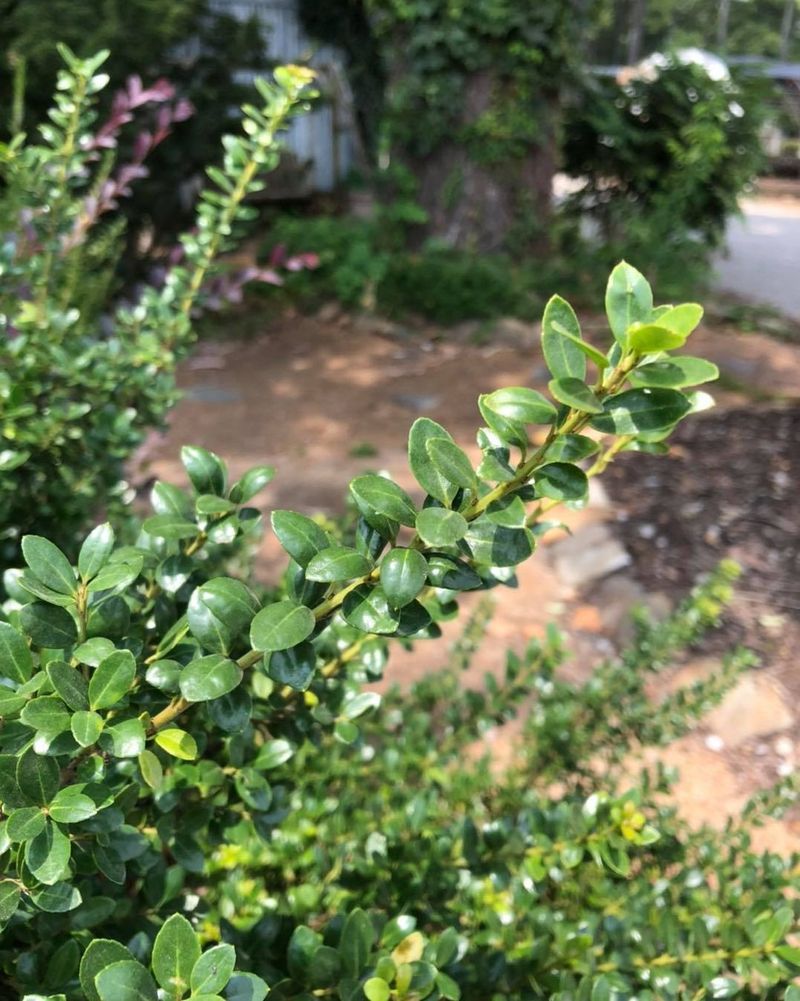
If you crave the classic boxwood silhouette but want a plant that thrives in California’s diverse climates, Japanese holly delivers that compact, small-leafed elegance without the typical boxwood headaches.
Its dense branching and glossy foliage make it a natural stand-in for formal hedges, foundation plantings, and even topiary projects.
Once the roots take hold, this evergreen shrub shows impressive drought tolerance, making it a smart pick for water-conscious gardens.
Soil drainage is key to keeping Japanese holly happy, so amend heavy clay with compost or plant on a slight slope to prevent waterlogged roots.
Coastal gardeners will appreciate its resistance to salt spray, while inland areas benefit from its ability to handle warmer summers as long as it receives afternoon shade during heat waves.
Regular light pruning maintains its tidy shape, and you can shear it into balls, cubes, or low hedges to match any design vision.
Japanese holly adapts beautifully to container culture if you need portable greenery for patios or entryways. Pair it with ornamental grasses or perennials for textural contrast, or use it as a backdrop for seasonal color.
With minimal fuss and maximum versatility, this shrub proves you do not have to compromise style for sustainability in a California landscape.
2. Dwarf Myrtle (Myrtus Communis ‘Compacta’)
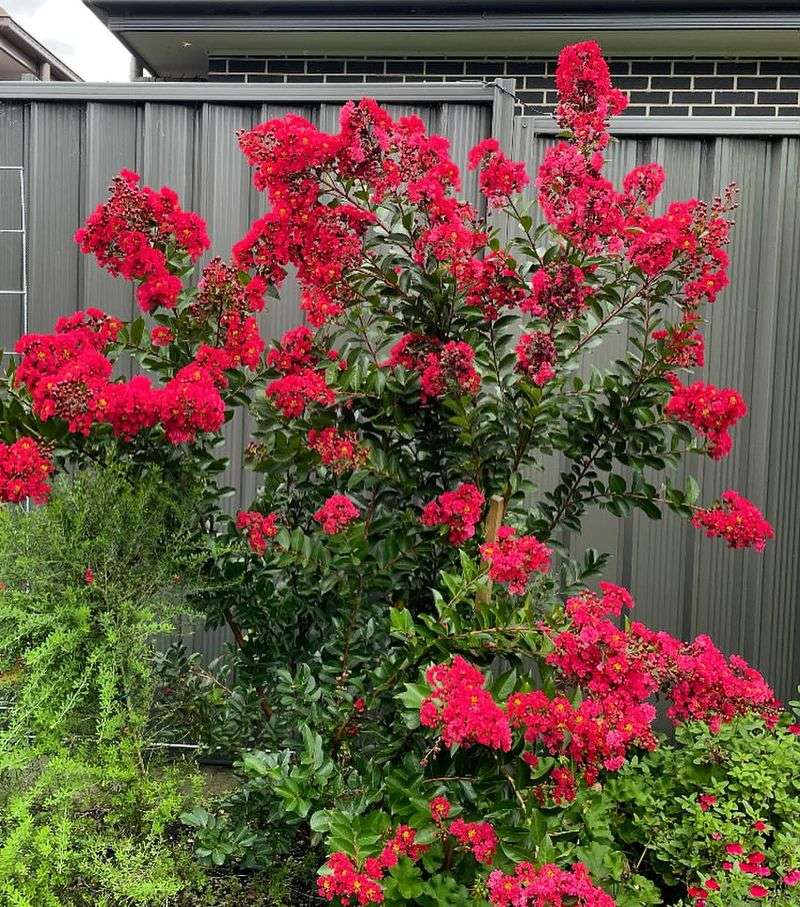
Compact myrtle brings a Mediterranean charm to California yards, with its tight growth habit and aromatic foliage that releases a sweet fragrance when brushed.
This evergreen shrub naturally forms a dense mound, making it ideal for low hedges that frame pathways, define garden beds, or create privacy screens without towering overhead.
Its small, dark green leaves and delicate white flowers in late spring add layers of visual interest while attracting beneficial pollinators.
Heat tolerance is one of dwarf myrtle’s standout traits, so it flourishes in full sun across inland valleys and coastal zones alike.
Unlike boxwood, which often demands frequent shearing to maintain shape, myrtle requires minimal pruning and holds its rounded form with little intervention.
A light trim after flowering keeps it tidy, but you can let it grow more freely for a softer, cottage-garden aesthetic.
Dwarf myrtle also tolerates a range of soil types as long as drainage is adequate, and it handles drought well once established. Pair it with lavender, rosemary, or ornamental grasses for a cohesive Mediterranean palette, or use it as a textural anchor in mixed borders.
Your California Garden Changes Every Week. Your Plan Should Too.
Gardening in California changes quickly throughout the season. Every Friday you’ll receive a simple weekly plan showing exactly what to plant, prune, fertilize, harvest, and protect so you never miss the right timing.
Its easygoing nature and sculptural presence make it a favorite among gardeners who want structure without constant upkeep.
3. California Coffeeberry (Frangula Californica – Compact Cultivars)
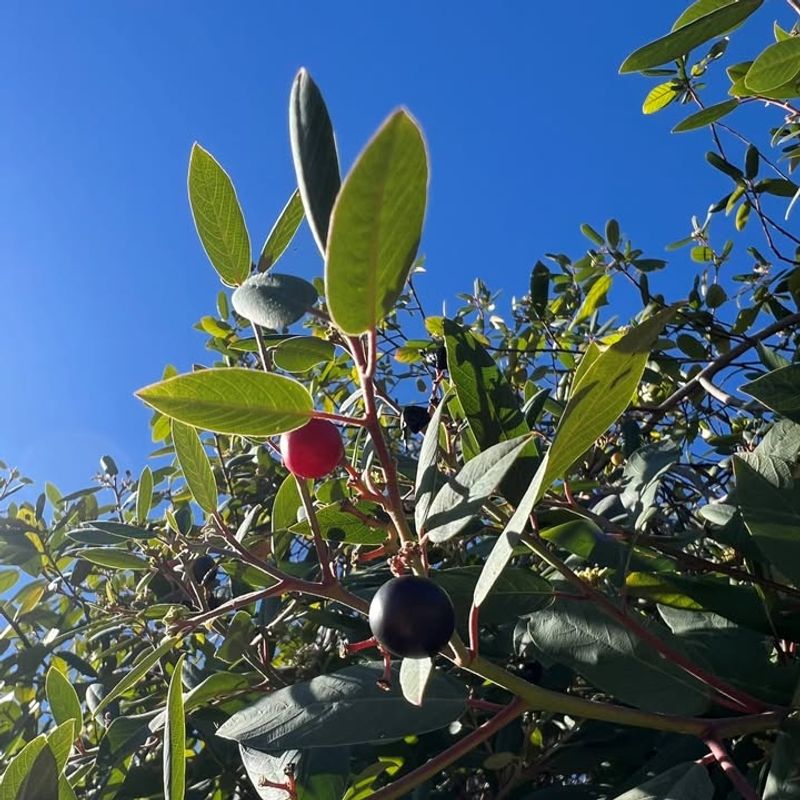
Native plants are having a moment in California landscapes, and coffeeberry stands out as a workhorse that supports local wildlife while delivering year-round greenery.
Compact cultivars such as ‘Eve Case’ or ‘Mound San Bruno’ offer the same lush, evergreen foliage as boxwood but with the added bonus of berries that shift from green to red to black, feeding birds and adding seasonal drama.
This shrub adapts to a wide range of conditions, from coastal fog to inland heat, making it a versatile choice for nearly any yard.
Drought tolerance is built into coffeeberry’s DNA, so once established, it thrives on minimal water and rarely needs supplemental irrigation beyond occasional deep soaks during extended dry spells.
Its dense branching provides excellent screening, and you can prune it into formal hedges or let it grow more naturally for a relaxed, native-garden vibe.
The glossy leaves catch the light beautifully, adding texture and movement to borders and foundation plantings.
Wildlife benefits extend beyond berries, as coffeeberry flowers attract butterflies and other pollinators in spring. Pair it with other California natives like ceanothus or manzanita for a cohesive, low-maintenance palette that celebrates regional ecology.
By choosing coffeeberry, you invest in a landscape that feels rooted in place and supports the broader ecosystem.
4. Dwarf Pittosporum (Pittosporum Tobira ‘Wheeler’s Dwarf’)
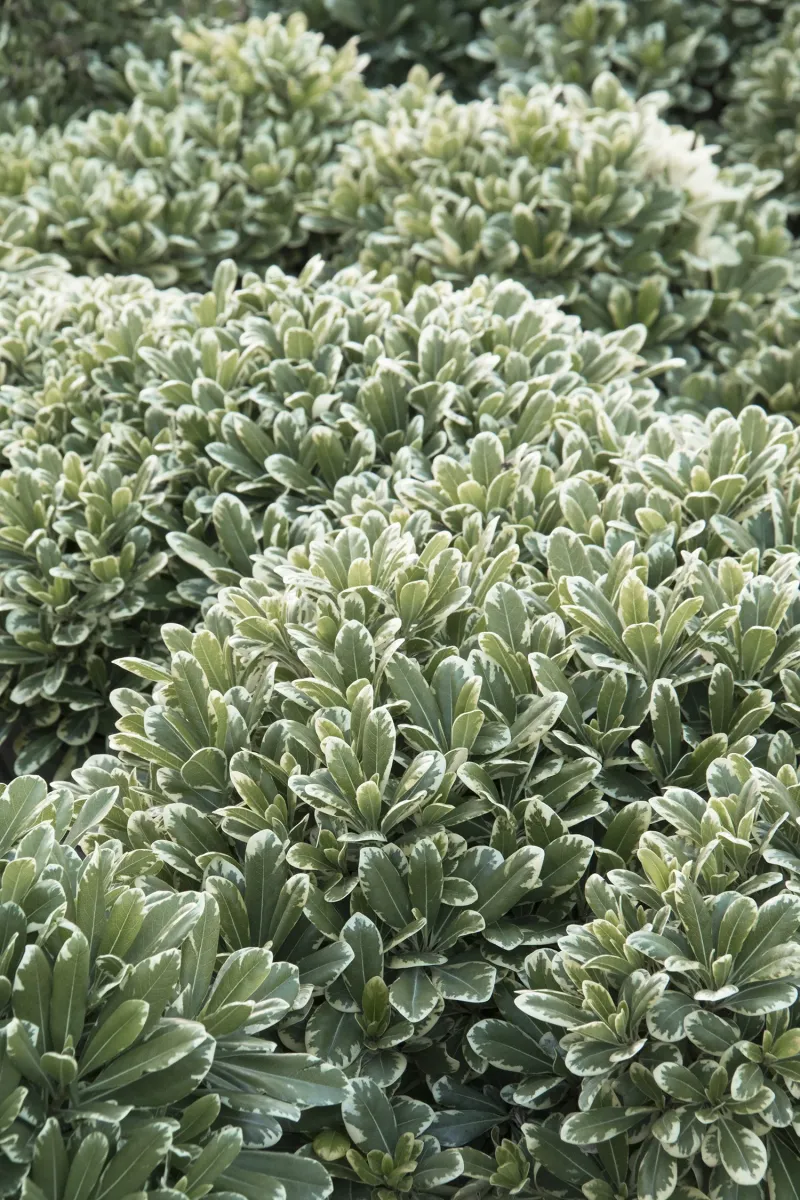
Rounded and refined, dwarf pittosporum offers a sculptural alternative to boxwood with its glossy, leathery foliage that stays lush even through California’s driest months.
This compact shrub naturally forms a dense mound, making it perfect for low borders, container plantings, or mass plantings that need a polished, evergreen presence.
Its dark green leaves provide a striking backdrop for flowering perennials and seasonal color, and the plant requires little more than occasional shaping to maintain its tidy silhouette.
Salt tolerance is a major advantage for coastal gardeners, as dwarf pittosporum shrugs off ocean breezes and salty air without showing stress or discoloration. Inland areas also benefit from its impressive heat tolerance, allowing it to thrive in full sun or partial shade across a range of microclimates.
Once established, it handles drought with ease, though occasional deep watering during extreme heat keeps the foliage looking its best.
Dwarf pittosporum works beautifully in formal settings, where its uniform shape and glossy texture echo the classic appeal of boxwood, but it also fits into more relaxed designs when planted alongside grasses or succulents.
Its slow growth rate means less frequent pruning, and it rarely suffers from pests or diseases. For a low-maintenance, high-impact shrub that adapts to nearly any California garden, dwarf pittosporum is hard to beat.
5. Rosemary (Rosmarinus Officinalis – Upright Forms)
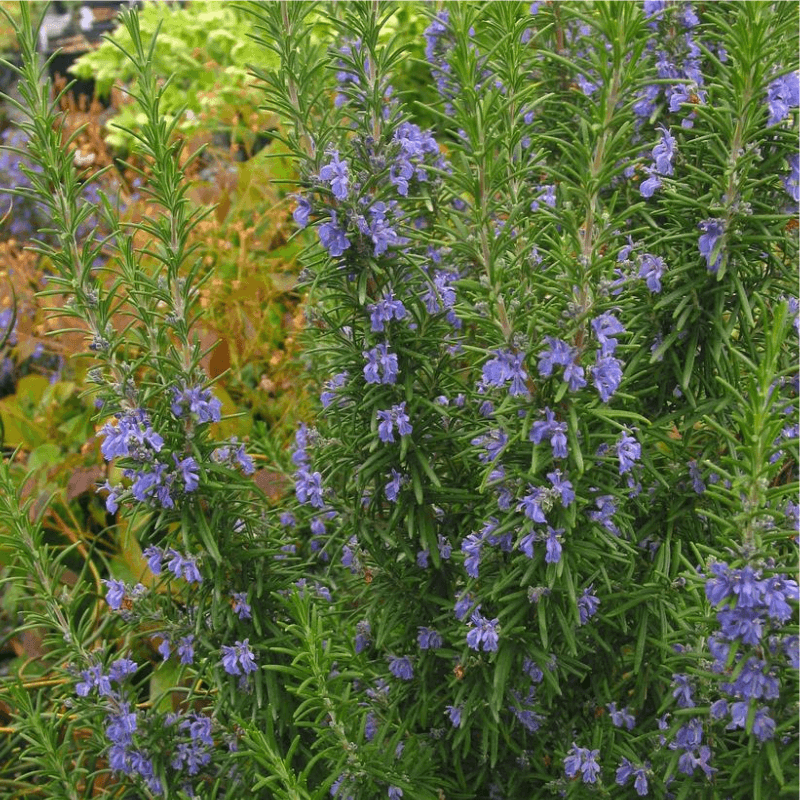
Imagine a hedge that not only defines your garden beds but also fills your kitchen with fresh herbs and your yard with a piney fragrance every time you brush past it.
Upright rosemary cultivars like ‘Tuscan Blue’ or ‘Miss Jessup’s Upright’ grow tall and columnar, making them ideal for structured hedges that mimic the formality of boxwood while offering culinary perks.
Their needle-like foliage stays evergreen, and blue or white flowers appear in spring and sporadically through the year, attracting bees and adding pops of color.
Drought tolerance is legendary with rosemary, as it thrives in full sun and well-draining soil with minimal water once established. This Mediterranean native loves California’s climate, handling heat, dry spells, and even occasional cold snaps with ease.
Pruning is straightforward, and you can harvest stems for cooking while shaping the plant, turning maintenance into a productive ritual.
Full-sun placement is essential for upright rosemary to develop its best form and flavor, so avoid shady spots or areas with poor air circulation.
Pair it with other drought-tolerant herbs like lavender or thyme for an edible landscape, or use it as a fragrant border along walkways and patios.
With its dual-purpose appeal and minimal care requirements, rosemary transforms your garden into a sensory experience that feeds both body and soul.
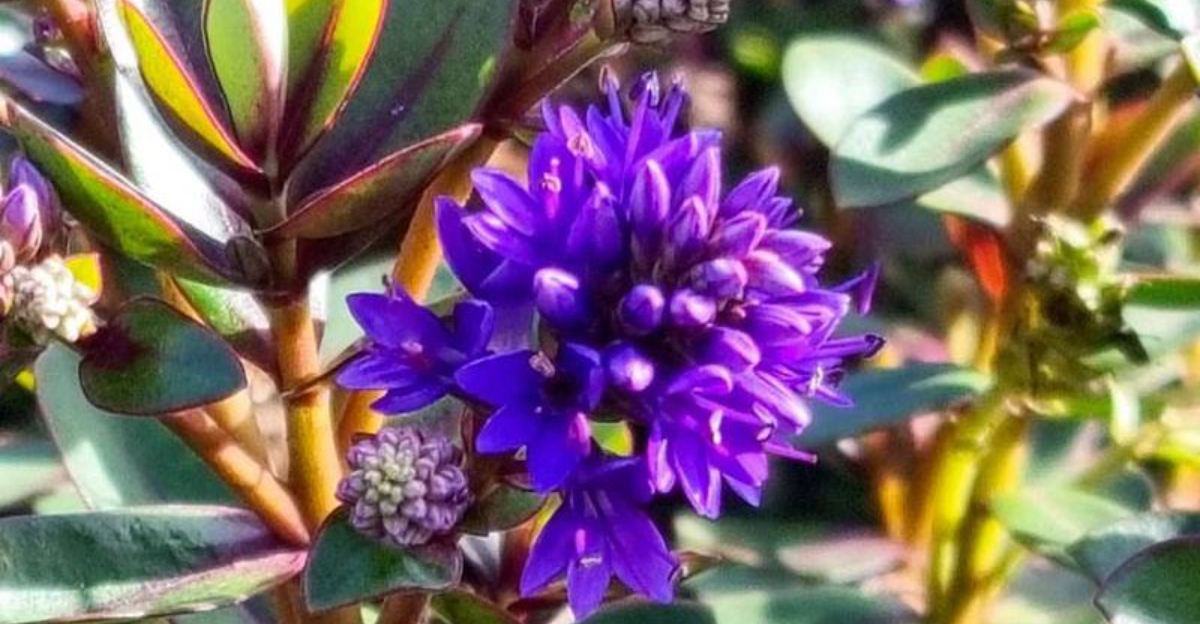
6. Hebe (Hebe Species – Mild Coastal Areas)
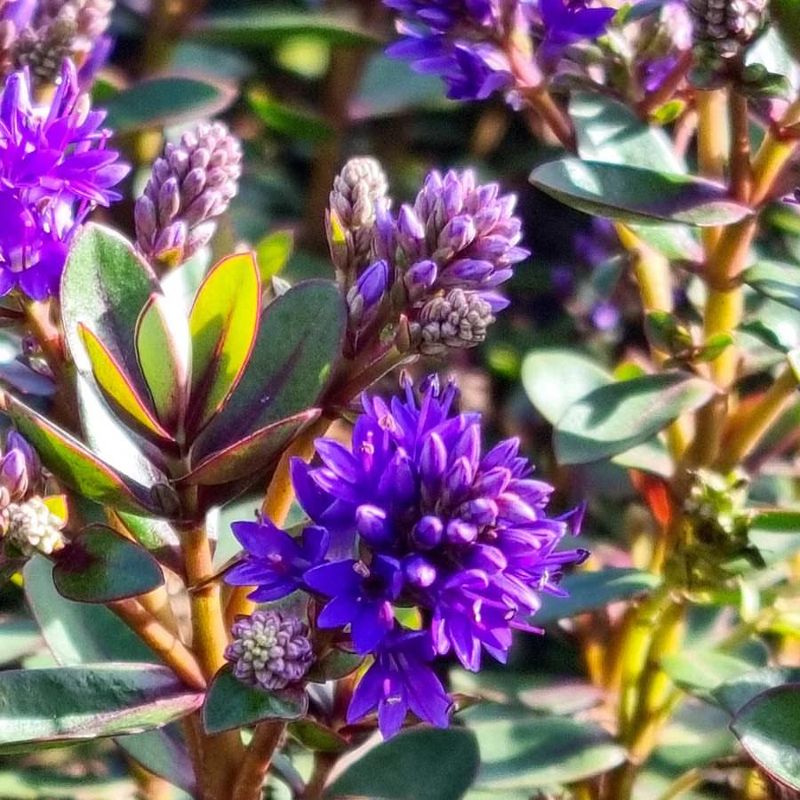
Hebe brings a burst of personality to coastal California gardens, with its compact evergreen form and foliage that ranges from deep green to variegated cream or even burgundy.
This New Zealand native thrives in mild, frost-free microclimates, making it a standout choice for seaside towns and protected inland valleys where temperatures stay moderate year-round.
Its dense branching and tidy habit create a polished look that rivals boxwood, while colorful flower spikes in shades of white, pink, or purple add seasonal flair.
Best performance comes from planting hebe in spots with good air circulation and protection from harsh afternoon sun, as it prefers bright light without intense heat.
Coastal fog provides natural humidity that keeps the foliage lush, and well-draining soil prevents root issues.
Regular light pruning after flowering maintains its rounded shape, and you can use it in mixed borders, container plantings, or as a low hedge that frames garden beds.
Hebe’s colorful foliage options make it easy to coordinate with other plants, whether you want a monochromatic green scheme or a tapestry of textures and hues.
Pair it with ornamental grasses, succulents, or other coastal-friendly shrubs like westringia for a layered, low-maintenance design.
For gardeners in the right climate zone, hebe offers a refreshing alternative to boxwood that feels both elegant and unexpected.
7. Yaupon Holly (Ilex Vomitoria – Dwarf Cultivars)
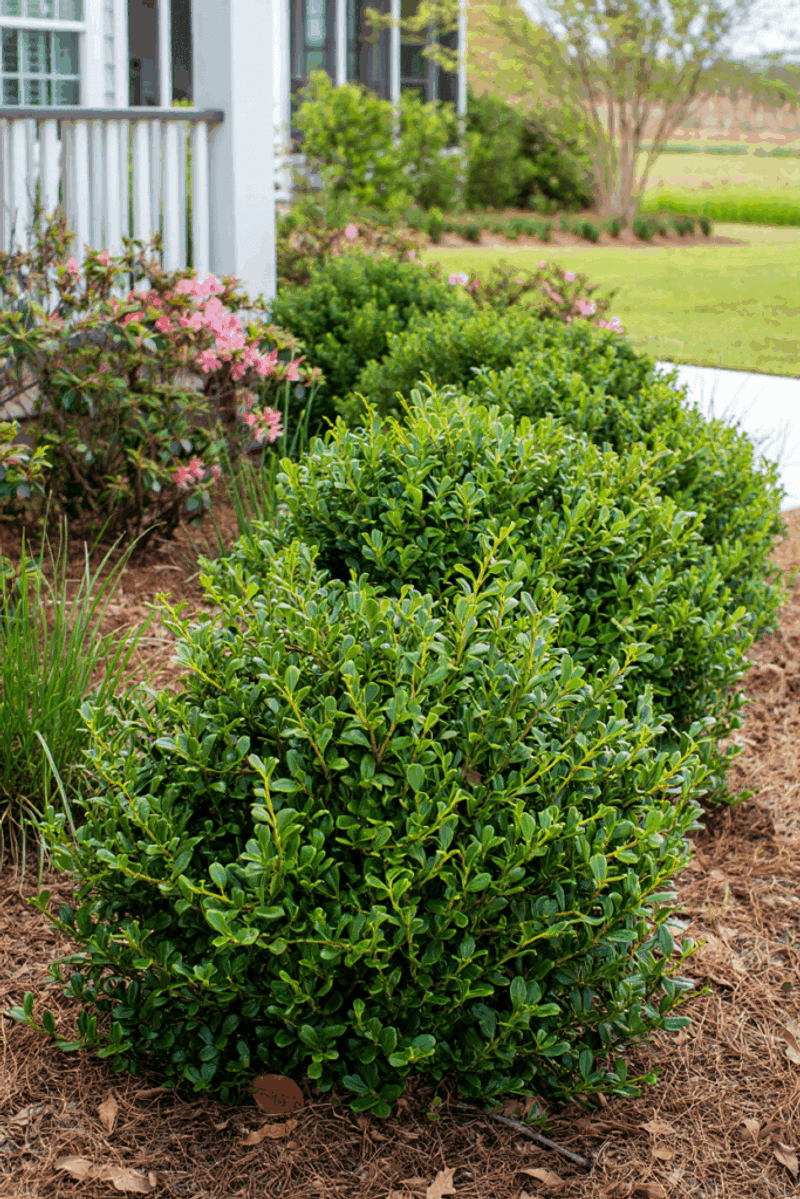
Yaupon holly might hail from the southeastern United States, but dwarf cultivars like ‘Nana’ or ‘Schilling’s Dwarf’ have proven themselves remarkably adaptable to California’s varied climates.
This evergreen shrub forms a dense, rounded mound with small, glossy leaves that stay vibrant year-round, offering the same refined structure as boxwood without the fuss.
Its tight branching responds beautifully to pruning, allowing you to shape it into formal hedges, foundation plantings, or even topiary forms.
Drought tolerance improves significantly once yaupon holly establishes a deep root system, making it a smart pick for water-wise landscapes. It handles full sun to partial shade, thriving in coastal and inland areas alike as long as it receives adequate drainage.
California gardeners appreciate its low pest and disease pressure, as well as its ability to bounce back quickly from shearing or shaping.
Adaptability notes include its tolerance for a range of soil types, from sandy loam to slightly acidic conditions, though it prefers consistent moisture during the first year of establishment.
Pair yaupon holly with other drought-tolerant shrubs like manzanita or ceanothus for a cohesive native-inspired palette, or use it as a textural anchor in more traditional landscapes.
Its dense structure and evergreen foliage make it a reliable choice for year-round interest and privacy.
8. Podocarpus (Podocarpus Macrophyllus – Dwarf Varieties)
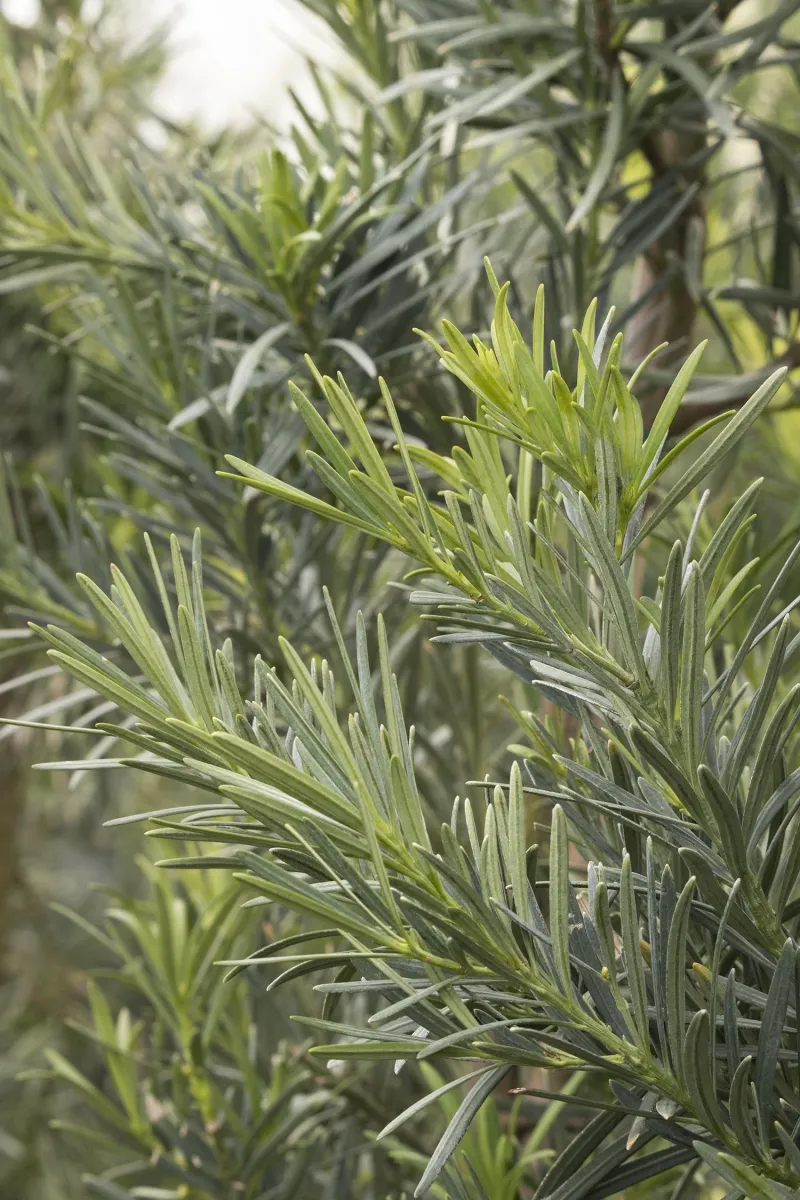
Podocarpus offers an upright, columnar habit that works beautifully for vertical accents and tall hedges, making it a natural substitute for boxwood in larger-scale landscapes.
Dwarf varieties like ‘Maki’ stay more compact while retaining the same dense, needle-like foliage that provides year-round greenery and a refined texture.
This evergreen shrub adapts well to urban settings, tolerating pollution, confined root spaces, and a range of light conditions from full sun to partial shade.
Shade tolerance sets podocarpus apart from many drought-tolerant alternatives, as it performs admirably in spots that receive only a few hours of direct sun each day.
This flexibility makes it ideal for north-facing walls, courtyards, or under tree canopies where other shrubs might struggle.
Regular watering during establishment encourages strong growth, but once settled, podocarpus handles moderate drought and requires only occasional deep soaks.
Urban landscape performance is another highlight, as podocarpus thrives in containers, planters, and narrow side yards where space is limited.
Its upright form lends itself to screening and privacy hedges, and you can prune it into columns, cones, or informal screens depending on your design goals.
Pair it with ferns, hostas, or other shade-loving plants for a lush, layered look, or use it as a backdrop for colorful perennials. With its versatility and low-maintenance nature, podocarpus brings structure and elegance to any California garden.
9. Lavender Cotton (Santolina Chamaecyparissus)
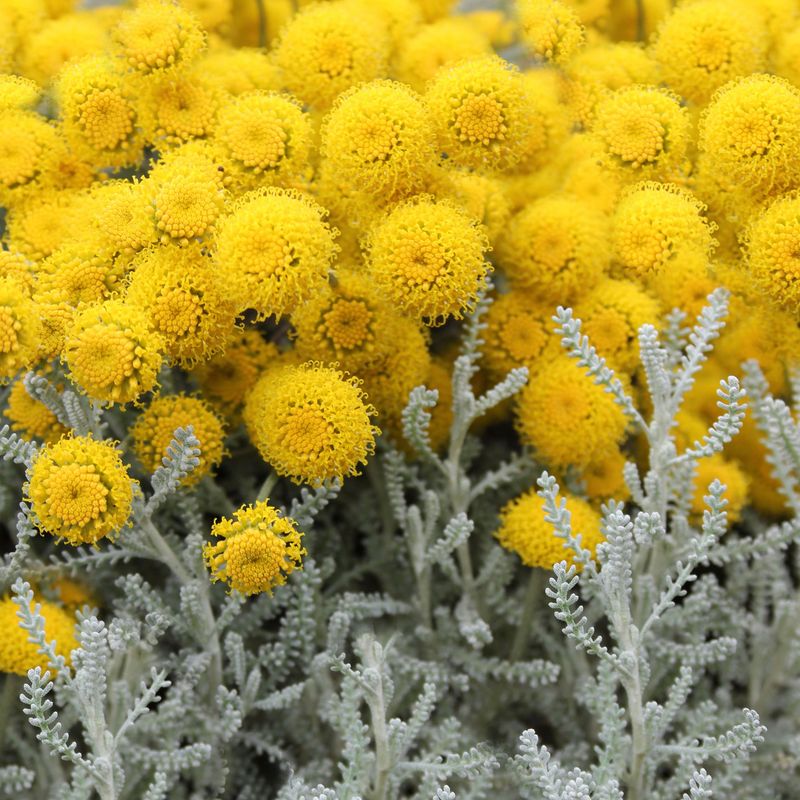
Silver foliage steals the show with lavender cotton, a Mediterranean native that brings a soft, moonlit glow to California gardens.
Its finely textured, aromatic leaves form dense, rounded mounds that work beautifully as low hedges, border edging, or mass plantings that echo the formality of boxwood while offering a completely different color palette.
Bright yellow button-shaped flowers appear in summer, adding a cheerful contrast to the silvery foliage and attracting pollinators.
Low-water needs make lavender cotton a top choice for drought-prone areas, as it thrives on minimal irrigation once established and actually prefers lean, well-draining soil over rich, amended beds.
Mediterranean climate compatibility is built into its DNA, so it handles California’s dry summers and mild winters with ease.
Full sun exposure brings out the best color and density, and occasional shearing after flowering keeps the plant compact and tidy.
Shaping options are flexible with lavender cotton, as you can prune it into tight, geometric forms for a formal look or let it grow more freely for a relaxed, cottage-garden feel.
Pair it with other silver-foliaged plants like dusty miller or artemisia for a monochromatic scheme, or contrast it with deep green shrubs and colorful perennials for visual drama.
Its unique texture and color make it a standout alternative to traditional boxwood, perfect for gardeners who want something a little different.
10. Teucrium (Germander – Teucrium Fruticans Or Teucrium Chamaedrys)
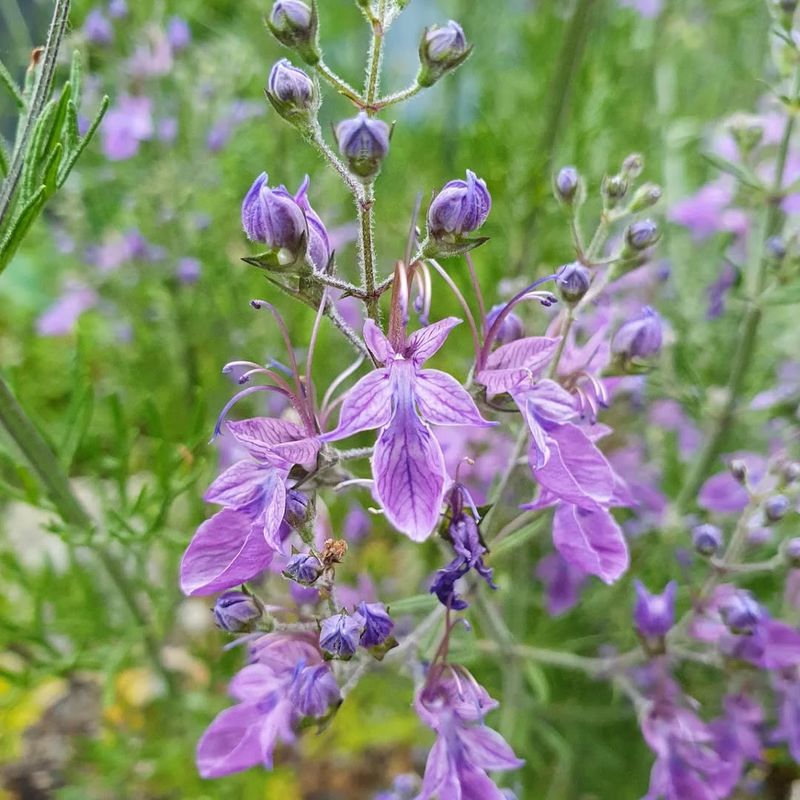
Germander forms neat, low hedges that mimic the classic boxwood look while thriving in California’s hot, dry conditions with far less water and fuss.
Teucrium fruticans, also known as bush germander, offers silvery foliage and lavender-blue flowers, while Teucrium chamaedrys, or wall germander, stays smaller with glossy green leaves and pink blooms.
Both species respond beautifully to shearing, allowing you to create formal edges, parterres, or knot gardens that echo traditional European designs.
Drought tolerance is exceptional with germander, as it evolved in Mediterranean climates and handles extended dry spells without wilting or browning. Full sun exposure is essential for dense growth and prolific flowering, so plant it in the brightest spots of your garden.
Well-draining soil prevents root rot, and occasional deep watering during extreme heat keeps the foliage looking fresh.
Pruning response is another strong suit, as germander tolerates frequent shearing and bounces back quickly, making it ideal for formal hedges that need regular maintenance.
Pair it with other drought-tolerant plants like lavender, rosemary, or ornamental grasses for a cohesive, water-wise landscape.
Its ability to thrive in tough conditions while delivering year-round structure and seasonal color makes germander a smart, stylish alternative to boxwood for California gardens.
11. Dwarf Olive (Olea Europaea ‘Little Ollie’)
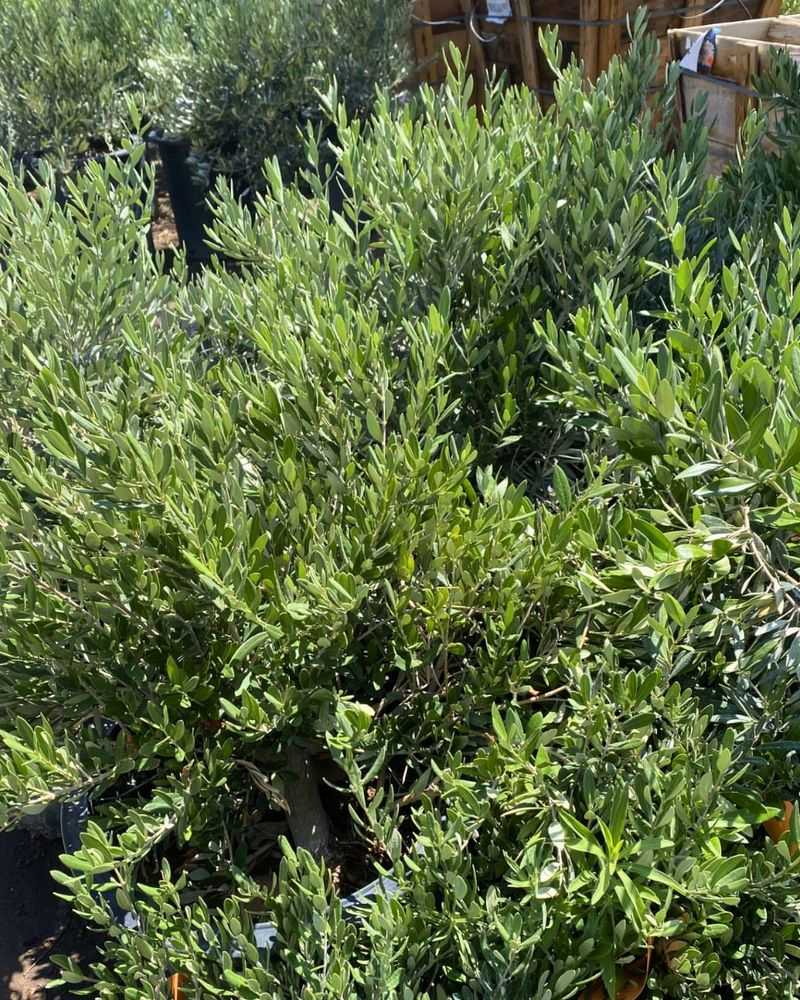
For a Mediterranean accent that stays compact and never drops messy fruit, dwarf olive ‘Little Ollie’ delivers all the charm of a full-sized olive tree in a tidy, low-maintenance package.
This non-fruiting cultivar forms a dense, rounded shrub with narrow, gray-green leaves that flutter in the breeze, adding movement and texture to borders, hedges, or container plantings.
Its naturally compact size makes it ideal for small gardens, courtyards, or anywhere you want the look of an olive grove without the sprawl.
Heat tolerance is impressive with ‘Little Ollie’, as it thrives in full sun and handles California’s hottest inland valleys without stress or leaf scorch.
Once established, it requires minimal water, making it a top pick for drought-tolerant landscapes that still need structure and year-round greenery.
Its slow growth rate means less frequent pruning, and you can shape it into a formal hedge, let it grow as a specimen shrub, or even train it into a small standard for a sculptural focal point.
Minimal water requirements and adaptability to a range of soil types make dwarf olive a practical choice for busy gardeners who want maximum impact with minimal effort.
Pair it with lavender, rosemary, or other Mediterranean plants for a cohesive, water-wise design, or use it as a textural anchor in mixed borders.
With its elegant foliage and easygoing nature, ‘Little Ollie’ proves you can have the romance of an olive tree without any of the usual hassles.