Top 10 Butterfly Herbs To Add Color And Life To Your California Garden
Butterflies are a magical addition to any California garden, but I remember the first time I tried attracting them and ended up with very few visitors. The key is planting the right herbs that provide nectar and habitat for these beautiful pollinators.
Plant smart and watch your garden come alive with fluttering wings. These ten herbs, including lavender, lemon balm, thyme, fennel, and oregano, thrive in California gardens and attract a variety of butterflies.
They also add fragrance, texture, and vibrant colors, making your garden a feast for both the eyes and the senses.
Proper placement, sunlight, and watering help them flourish and sustain pollinators throughout the season. Butterfly-friendly herbs combine beauty, scent, and ecological benefits.
California gardeners who grow these herbs enjoy lively, colorful gardens filled with butterflies, bees, and other beneficial insects. Add these herbs and turn your garden into a pollinator paradise.
1. Milkweed (Asclepias Fascicularis – California Native)
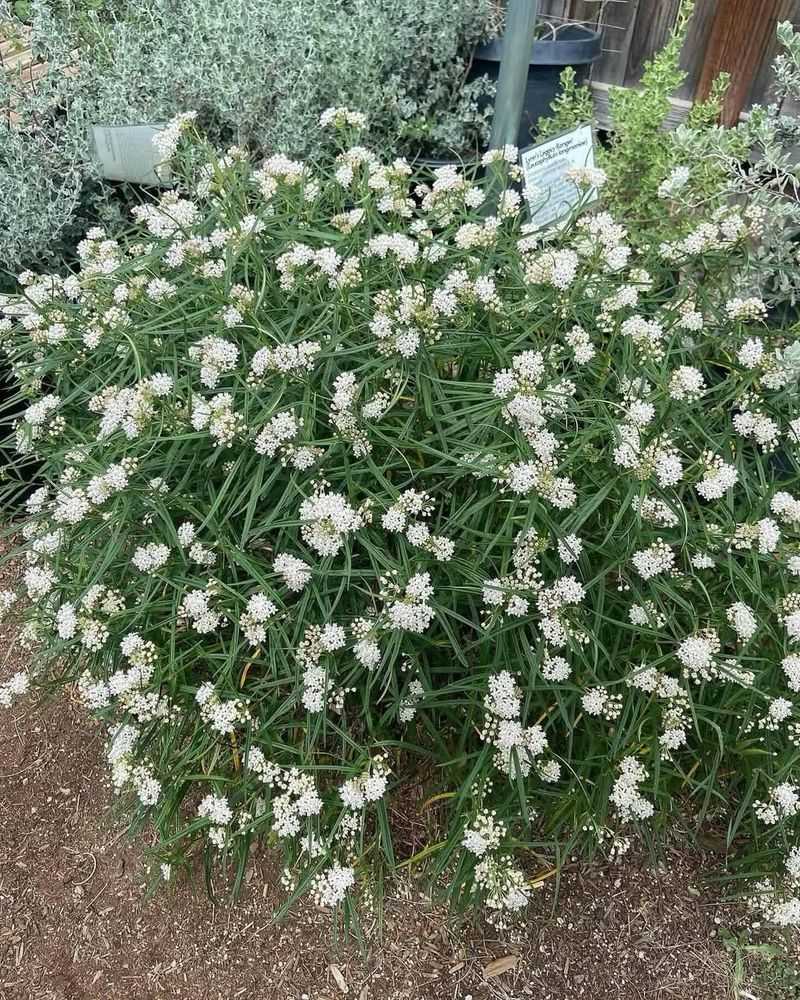
Narrowleaf milkweed stands as one of the most important plants you can add to any California butterfly garden, especially if you want to support monarch butterflies.
This native species provides essential food for monarch caterpillars, serving as their exclusive host plant where they munch leaves and grow through their life stages.
Adult monarchs also visit the nectar-rich blooms, making milkweed a complete lifecycle station for these beloved insects.
Thriving in full sun and tolerating drought once established, narrowleaf milkweed fits perfectly into water-wise California landscapes.
Its clusters of small, creamy flowers appear in late spring through summer, attracting not just monarchs but also other pollinators seeking sweet nectar.
The plant’s upright stems and narrow leaves give it an elegant, airy appearance that blends beautifully with native grasses and wildflowers.
Milkweed requires minimal maintenance after the first year, making it an excellent choice for gardeners who want maximum impact with minimal effort. Plant it in well-draining soil and give it space to spread naturally, as it will form attractive clumps over time.
Watching monarch caterpillars transform on your own milkweed plants brings a sense of wonder and connection to nature that few other garden experiences can match.
2. Dill (Anethum Graveolens)
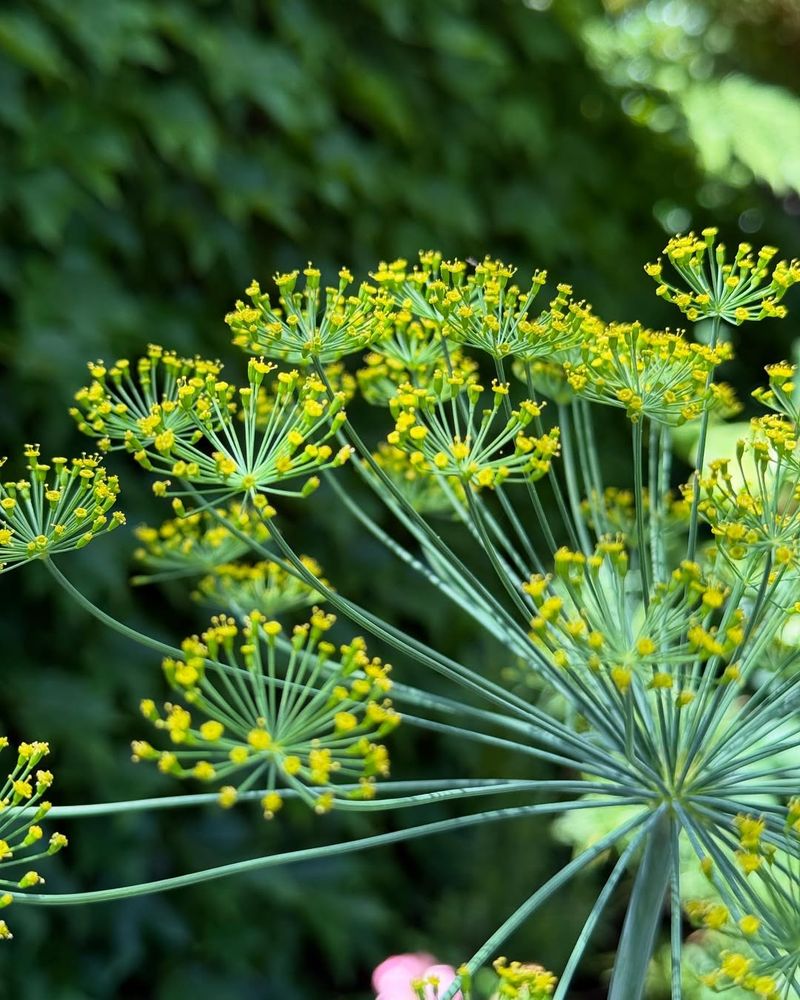
Feathery dill leaves and bright yellow flower umbels make this herb a standout in any garden, but its real magic happens when swallowtail butterflies discover it.
Black swallowtails and anise swallowtails seek out dill as a host plant, laying eggs on the delicate foliage so their caterpillars can feast and grow.
Watching these striped caterpillars munching through your dill creates a front-row seat to one of nature’s most fascinating transformations.
Fast-growing and easy to start from seed, dill thrives in California’s cool seasons, making it perfect for fall and early spring planting. The herb shoots up quickly, reaching several feet tall with its lacy leaves swaying gently in the breeze.
Once it flowers, dill becomes a magnet for beneficial insects, including butterflies, bees, and lacewings, all drawn to the abundant nectar.
Dill readily reseeds itself, so after your first planting, you may find volunteer seedlings popping up year after year without any extra work.
Your California Garden Changes Every Week. Your Plan Should Too.
Gardening in California changes quickly throughout the season. Every Friday you’ll receive a simple weekly plan showing exactly what to plant, prune, fertilize, harvest, and protect so you never miss the right timing.
Plant it in full sun with moderate water, and consider growing extra plants specifically for caterpillars so you still have plenty for culinary use.
The combination of kitchen utility and butterfly support makes dill an incredibly rewarding addition to California gardens.
3. Fennel (Foeniculum Vulgare)
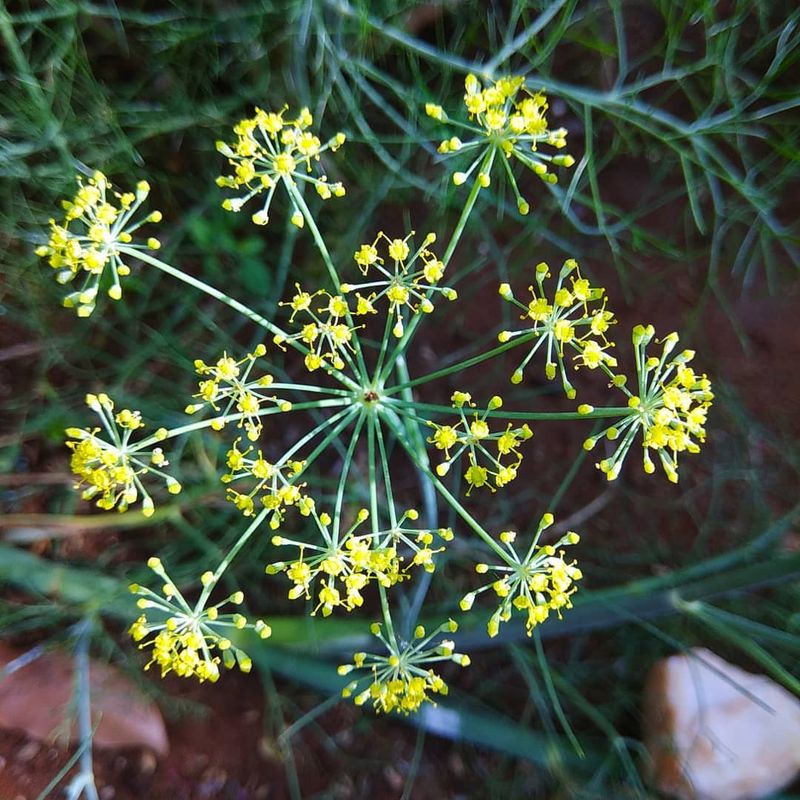
Tall and graceful, fennel creates vertical interest in the garden with its feathery foliage and large yellow flower umbels that tower above surrounding plants. Swallowtail butterflies absolutely love fennel, using it as a primary host plant for their caterpillars throughout California.
The bright green, anise-scented leaves provide ample food for growing caterpillars, while the showy flowers attract adult butterflies and countless other pollinators during the warm months.
Fennel handles heat exceptionally well, making it ideal for California’s hot inland valleys and sunny coastal gardens alike. Give each plant plenty of space, as fennel can grow four to six feet tall and spread wide with its billowing foliage.
The plant’s deep taproot helps it access moisture during dry spells, though occasional watering keeps it looking lush and productive throughout the growing season.
One important consideration is fennel’s enthusiastic spreading habit, as it can self-seed prolifically and even become invasive in some California regions.
Removing flower heads before they fully mature prevents excessive reseeding while still allowing butterflies time to benefit from the blooms.
Plant fennel in areas where you can monitor its growth, or choose containers to keep it contained while still enjoying its butterfly-attracting benefits and culinary versatility.
4. Parsley (Petroselinum Crispum)
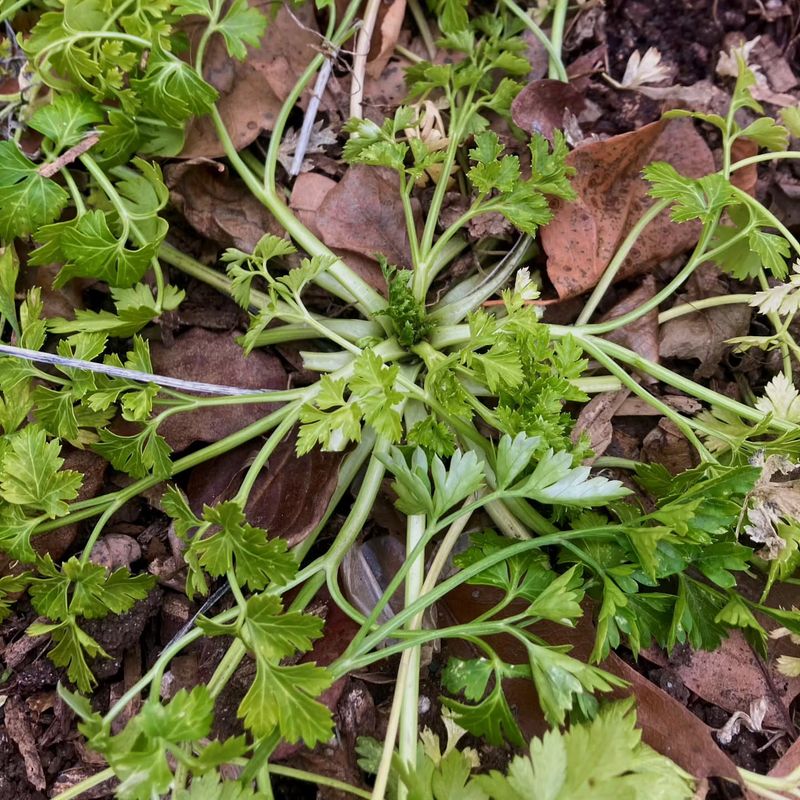
Curly or flat-leaf, parsley brings more than just fresh flavor to your kitchen, it serves as an essential nursery for swallowtail caterpillars seeking a safe place to grow.
Black swallowtails and anise swallowtails lay their eggs on parsley leaves, and the bright green caterpillars blend beautifully with the foliage as they munch their way toward metamorphosis.
Planting extra parsley ensures you have enough for both your recipes and your butterfly visitors. In California’s mild climate, parsley can be planted nearly year-round, though it performs best when started in fall or early spring.
The herb tolerates partial shade, making it versatile for gardens with mixed sun exposure or for tucking into spots beneath taller plants.
Regular harvesting encourages bushier growth and keeps the plants productive, giving you continuous fresh leaves for months.
Parsley grows as a biennial, producing lush foliage the first year and flowering in the second season before setting seed.
Those second-year flowers attract beneficial insects and provide nectar for butterflies, making even mature plants valuable in the garden ecosystem.
Keep soil consistently moist but well-drained, and consider succession planting every few weeks to maintain a steady supply of young, tender leaves for cooking and caterpillar hosting throughout the year.
5. Anise Hyssop (Agastache Foeniculum)
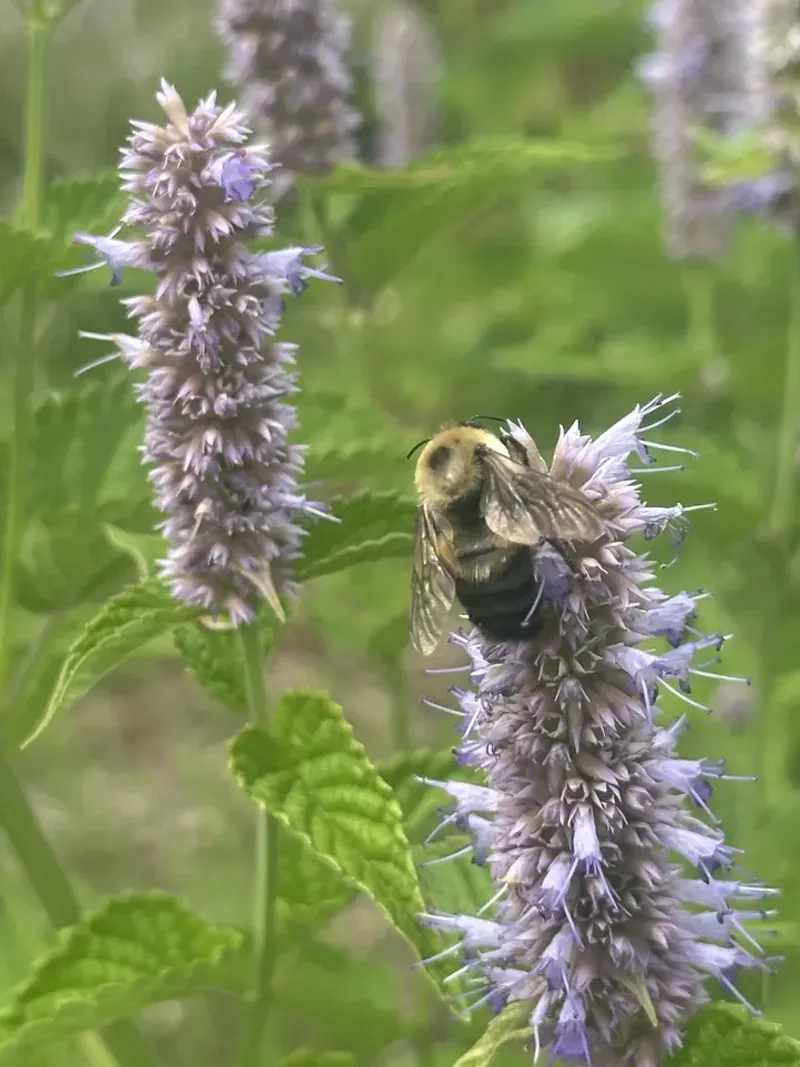
Spikes of lavender-blue flowers rise above mint-scented foliage, creating a stunning display that butterflies simply cannot resist.
Anise hyssop blooms for months, often from early summer well into fall, providing reliable nectar when many other plants have finished flowering.
This extended blooming period makes it invaluable for supporting butterflies, bees, and hummingbirds throughout California’s long growing season.
Once established, anise hyssop handles drought remarkably well, making it perfect for water-conscious California gardens. The plant thrives in both inland heat and coastal conditions, adapting easily to different microclimates across the state.
Its upright growth habit and attractive flower spikes add structure to borders and pollinator gardens without requiring staking or special support.
Butterflies of all kinds visit anise hyssop’s nectar-rich blooms, including painted ladies, swallowtails, and various skippers. The flowers produce abundant nectar throughout the day, and their tubular shape makes them accessible to many different pollinator species.
Plant anise hyssop in full sun with well-draining soil, and deadhead spent flower spikes to encourage continuous blooming.
The combination of beauty, drought tolerance, and exceptional pollinator appeal makes this herb an absolute must-have for any California butterfly garden seeking both function and visual impact.
6. Lavender (Lavandula Angustifolia – Culinary Types)
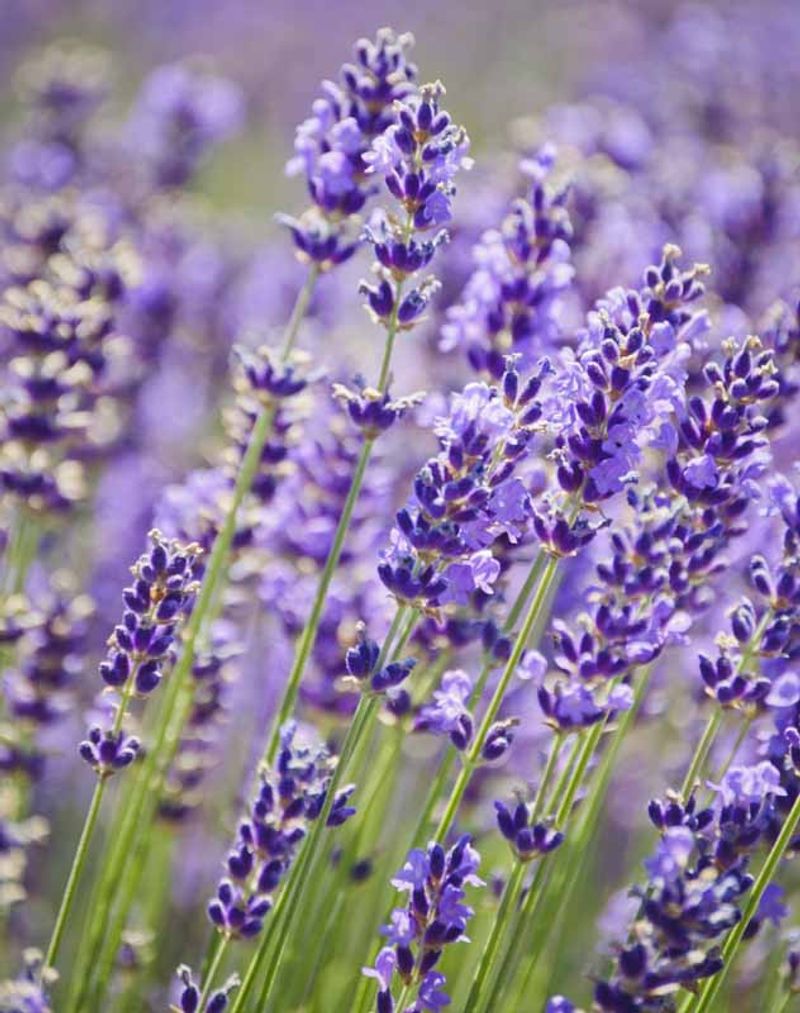
Few plants combine beauty, fragrance, and butterfly appeal quite like lavender, with its silvery foliage and aromatic purple flower spikes creating an irresistible combination.
Butterflies flock to lavender’s nectar-rich blooms throughout the summer months, hovering and feeding among the fragrant spikes. The plant’s compact, mounding form and evergreen foliage provide year-round structure and color, even when not in bloom.
Lavender absolutely demands excellent drainage and thrives in California’s dry summer conditions, making it a natural choice for Mediterranean-style gardens. Full sun exposure brings out the best flower production and most intense fragrance, while also encouraging the bushiest, most compact growth habit.
Once established, lavender needs minimal water and actually performs better when kept on the dry side rather than overwatered.
Culinary varieties like English lavender work beautifully in both ornamental plantings and edible gardens, giving you flowers for cooking, crafts, and butterfly feeding all at once. Prune lavender lightly after flowering to maintain shape and encourage fresh growth, but avoid cutting into old wood.
The combination of low maintenance, drought tolerance, and strong butterfly attraction makes lavender an essential component of any California garden designed to support pollinators while providing beauty and fragrance throughout the seasons.
7. Borage (Borago Officinalis)
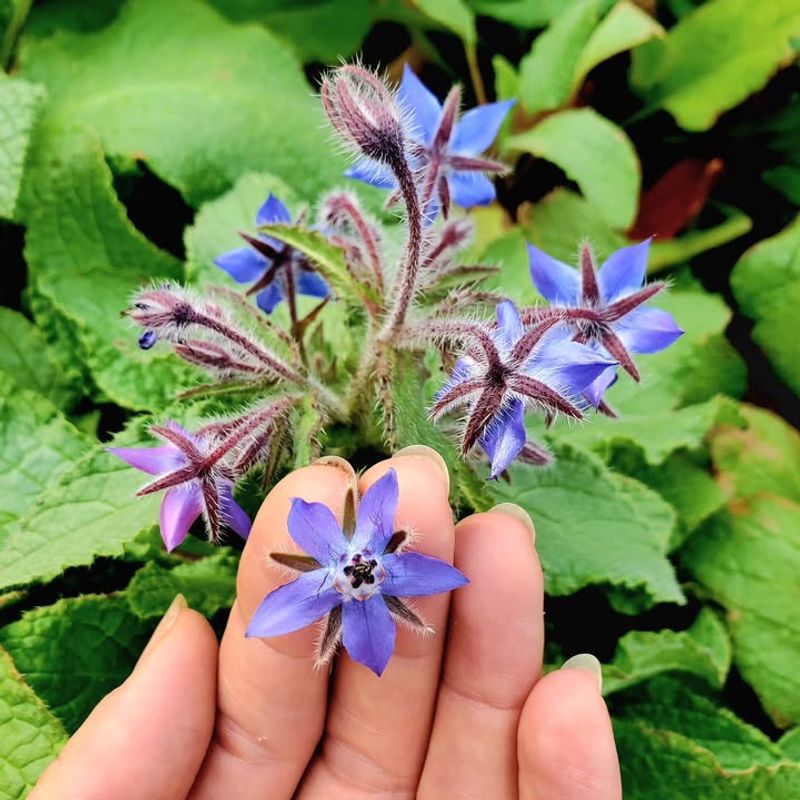
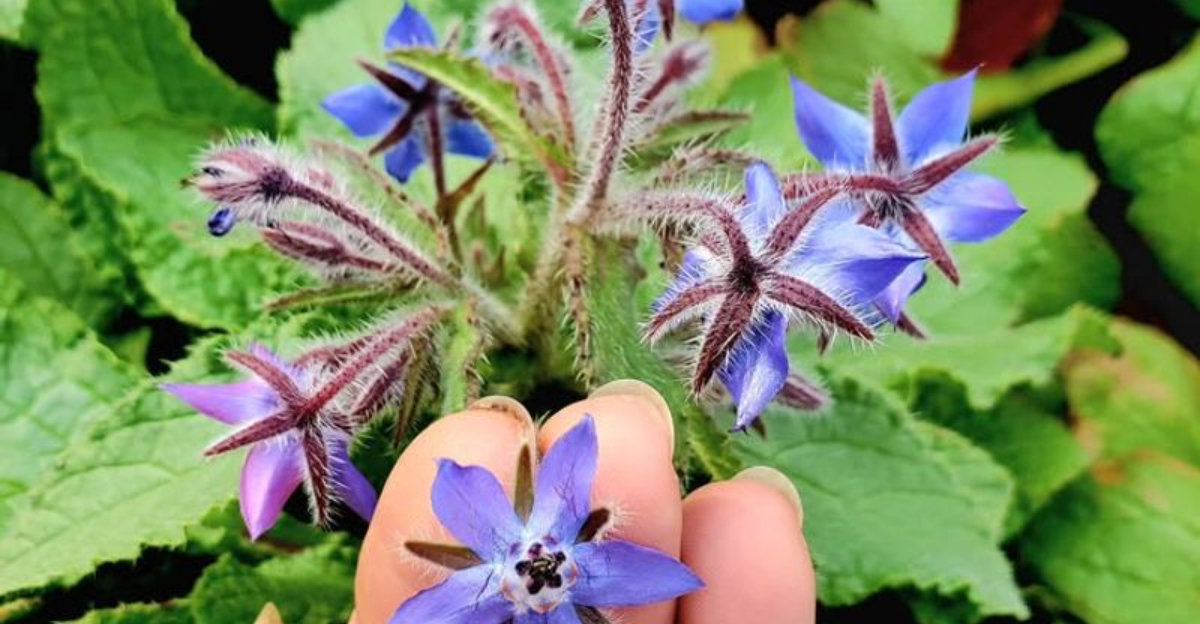
Star-shaped blue flowers dangle like jewels from hairy stems, creating one of the most distinctive and beloved sights in any pollinator garden.
Borage’s brilliant blue blooms attract butterflies, bees, and beneficial insects in impressive numbers, turning your garden into a buzzing hub of activity.
The flowers produce copious nectar and bloom continuously once they start, providing reliable food sources for weeks on end.
Fast-growing and vigorous, borage goes from seed to flowering in just a few weeks, making it perfect for filling gaps in new gardens or adding quick color to established beds.
The plant handles California’s varied soils with ease, tolerating everything from clay to sandy conditions as long as drainage is adequate.
Its somewhat sprawling habit and large, fuzzy leaves give it a cottage-garden charm that pairs beautifully with other herbs and flowering plants.
Borage readily self-seeds, so expect volunteer plants to appear in subsequent years, often in unexpected and delightful locations throughout your garden.
The young leaves and flowers are edible, adding cucumber-like flavor to salads and drinks, though the fuzzy texture is not for everyone.
Plant borage in full sun to partial shade, water moderately, and enjoy watching the constant parade of pollinators visiting its cheerful blue stars throughout the growing season.
8. Oregano (Origanum Vulgare)
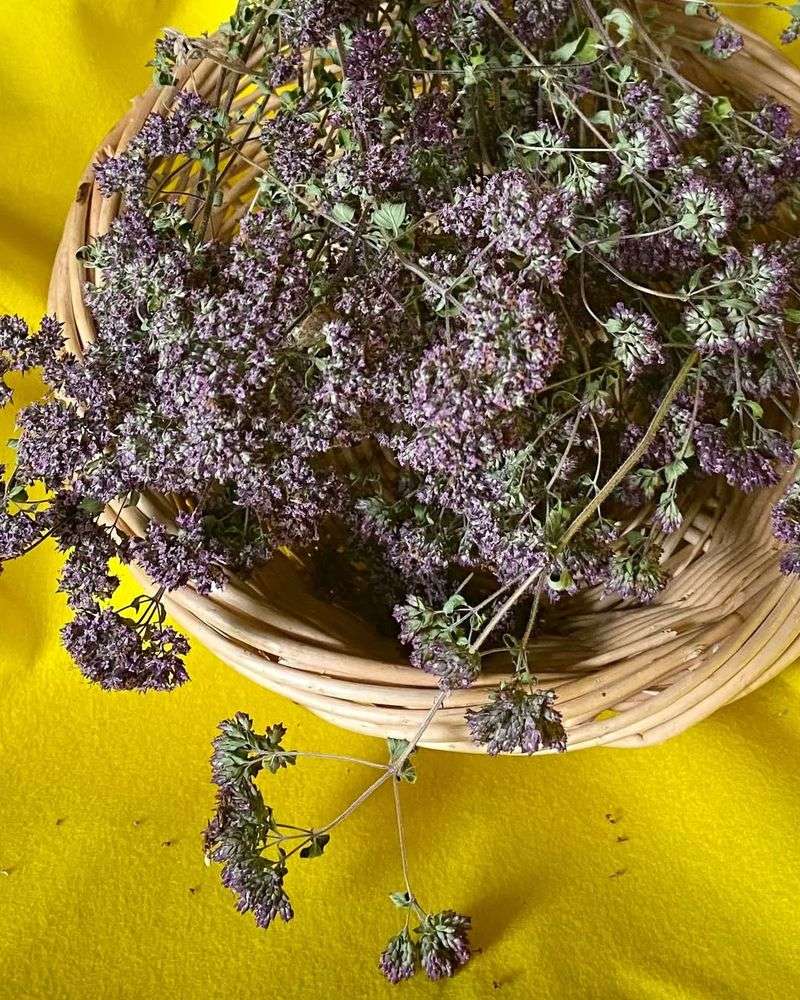
Small clusters of tubular flowers may seem modest at first glance, but oregano’s blooms pack serious pollinator power, attracting butterflies and bees in remarkable numbers.
When oregano flowers in summer, its tiny pink to purple blossoms create a hazy cloud of color above the aromatic foliage.
Butterflies land repeatedly on the flower clusters, probing for nectar and often staying for extended feeding sessions. Oregano handles California’s heat and drought with impressive resilience, thriving in conditions that would stress many other herbs.
The plant’s Mediterranean origins make it perfectly suited to hot, dry summers and mild winters, requiring minimal water once established.
Its low, spreading growth habit works beautifully in raised beds, containers, or as an edging plant along pathways where its fragrance releases with every brush.
Both Greek and Italian oregano varieties offer excellent butterfly appeal, though flowering times may vary slightly between types.
Regular harvesting for culinary use keeps plants bushy and productive, but allowing some stems to flower ensures butterflies get their share of the bounty.
Plant oregano in full sun with excellent drainage, and avoid overwatering, which can lead to root problems. The combination of culinary value, drought tolerance, and strong pollinator attraction makes oregano an incredibly practical and rewarding choice for California butterfly gardens.
9. Thyme (Thymus Vulgaris)
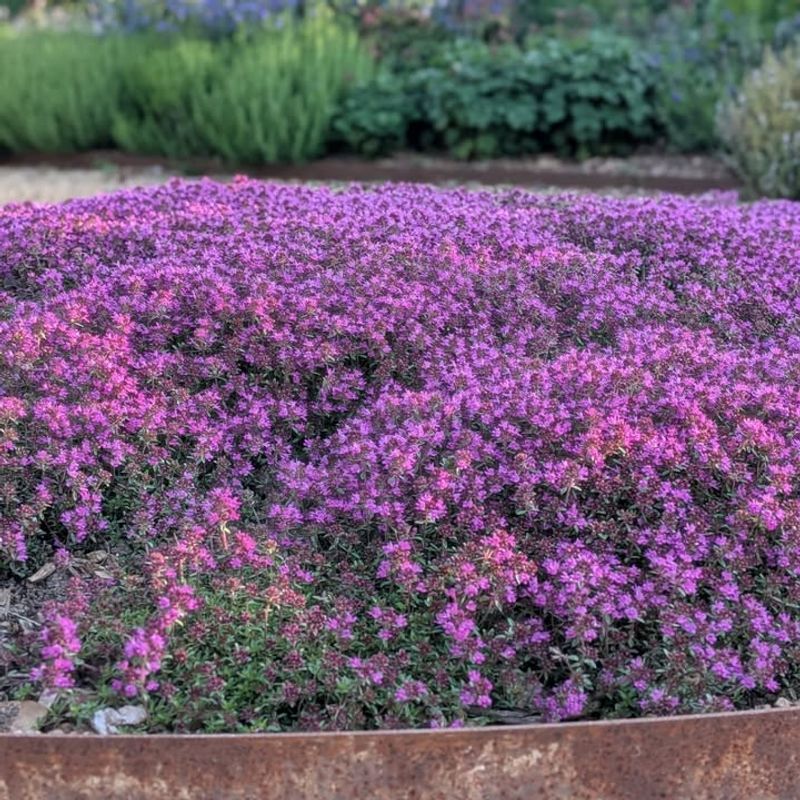
Low-growing and carpeting, thyme creates a living tapestry of tiny leaves and delicate flowers that butterflies adore. When thyme blooms in late spring and early summer, its masses of small pink, purple, or white flowers transform the plant into a pollinator paradise.
Butterflies land on the flower-covered mats, moving from bloom to bloom and sometimes resting on the fragrant foliage between feeding sessions.
Thyme’s groundcover habit makes it incredibly versatile, working beautifully between stepping stones, cascading over walls, or filling spaces between larger plants.
The herb’s water efficiency suits California’s climate perfectly, requiring minimal irrigation once roots establish. Its tough, drought-tolerant nature means thyme continues looking good even during hot, dry periods when other plants might struggle.
Creeping varieties spread to form dense mats, while upright types create small, bushy mounds of aromatic foliage. All types produce abundant flowers that attract butterflies, bees, and other beneficial insects to your garden.
Plant thyme in full sun with excellent drainage, and avoid heavy clay soils that retain too much moisture.
The combination of low water needs, groundcover benefits, and strong butterfly appeal makes thyme an essential component of sunny California landscapes designed to support pollinators while conserving water and providing culinary herbs for the kitchen year-round.
10. Sage (Salvia Officinalis – Culinary Sage)
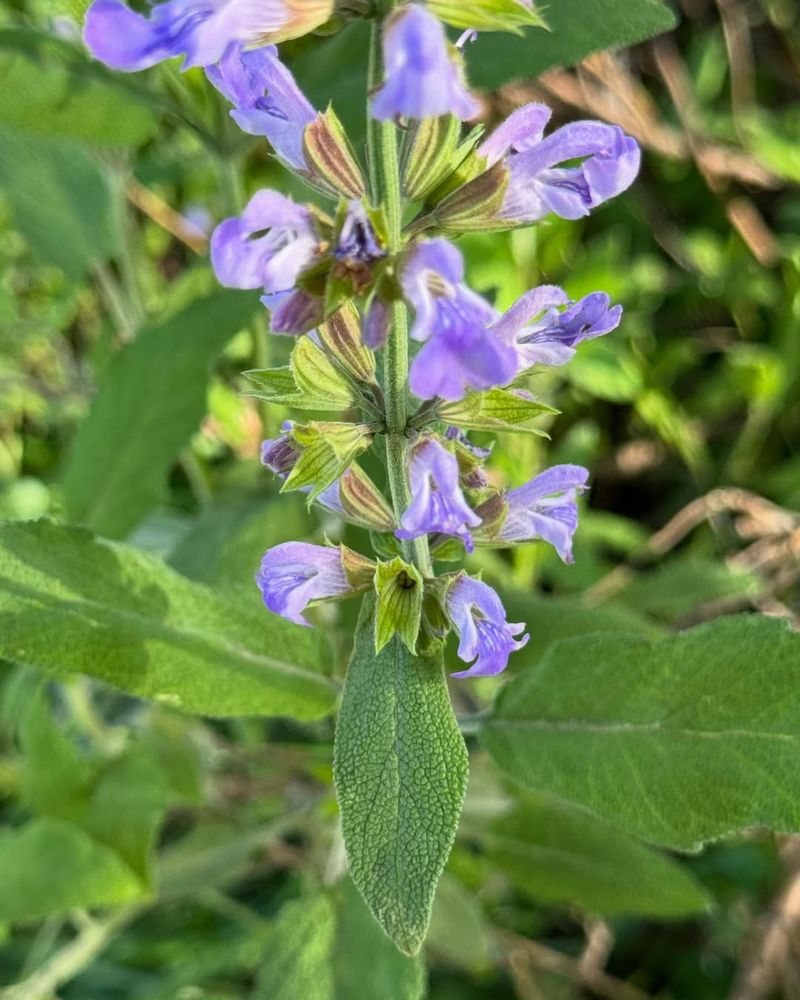
Silvery-gray foliage provides year-round beauty, but when sage sends up spikes of purple-blue flowers in late spring, butterflies arrive in force. Culinary sage blooms attract numerous butterfly species, from painted ladies to swallowtails, all seeking the nectar-rich flowers.
The plant’s Mediterranean heritage shows in its drought tolerance and preference for lean, well-drained soils, making it ideally suited to California’s climate.
Sage requires full sun to produce the best flowering and maintain compact, bushy growth, though it tolerates some afternoon shade in hot inland areas.
Once established, the plant needs minimal water and actually develops stronger flavor and fragrance when kept on the dry side.
Its woody stems and evergreen leaves provide structure in the garden even during winter, creating a reliable backbone for seasonal plantings.
Various culinary sage cultivars offer different foliage colors, from classic gray-green to purple, golden, or variegated patterns, but all produce butterfly-attracting flowers.
Prune sage lightly after flowering to encourage fresh growth and prevent the plant from becoming too woody and leggy.
The combination of long-term garden performance, exceptional drought tolerance, and strong butterfly appeal makes culinary sage a cornerstone plant for California gardens seeking to support pollinators while providing aromatic herbs for cooking throughout the year.