7 Easy Ways To Dry Flowers And Use Them For Beautiful Decor In California Homes
I’ll never forget the first time I tried drying flowers from my California garden. I thought it would be tricky, but with a few simple techniques, I quickly had blooms that lasted for months and added charm to my home.
Preserve your garden’s beauty long after the blooms fade. These methods include air-drying, pressing, using silica gel, hanging in bundles, microwave drying, glycerin preservation, and resin casting.
Each technique works well with different types of flowers and creates beautiful, long-lasting decorations for wreaths, frames, bouquets, and table displays. Dried flowers are a creative way to bring nature indoors.
California homeowners who use these drying techniques can enjoy vibrant floral decor year-round and make the most of their garden’s blossoms. Turn fresh flowers into timeless, stunning home decorations.
1. Air-Dry Bundles In Shaded, Ventilated Rooms
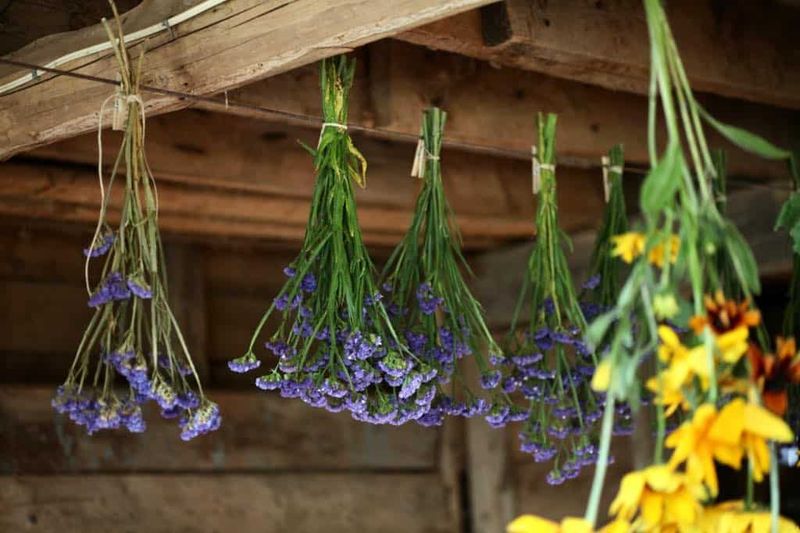
Hanging flower bundles upside down remains one of the oldest and most reliable methods for preserving blooms, especially in California where low humidity levels work in your favor.
The dry air found throughout much of the state helps flowers lose moisture quickly without encouraging mold or mildew growth.
Gathering stems into small bunches and securing them with rubber bands or twine allows air to circulate freely around each petal and leaf.
Finding the right spot in your home makes all the difference when air-drying flowers. Garages, closets, covered patios, and spare rooms with good ventilation provide ideal environments that stay shaded and cool.
Direct sunlight can bleach colors and make petals brittle, so choosing a darker location helps maintain vibrancy. Opening a window or door occasionally ensures fresh air movement, which speeds up the drying process and prevents any mustiness.
Most flowers take between one and three weeks to fully dry, depending on their size and moisture content. Roses, lavender, and eucalyptus respond particularly well to this technique.
Once the stems feel crisp and the petals hold their shape without bending, your bundles are ready to display. Hanging them as they are or arranging them in vases brings rustic elegance to California interiors, blending effortlessly with modern farmhouse or bohemian décor styles.
2. Use Silica Gel For Shape Preservation
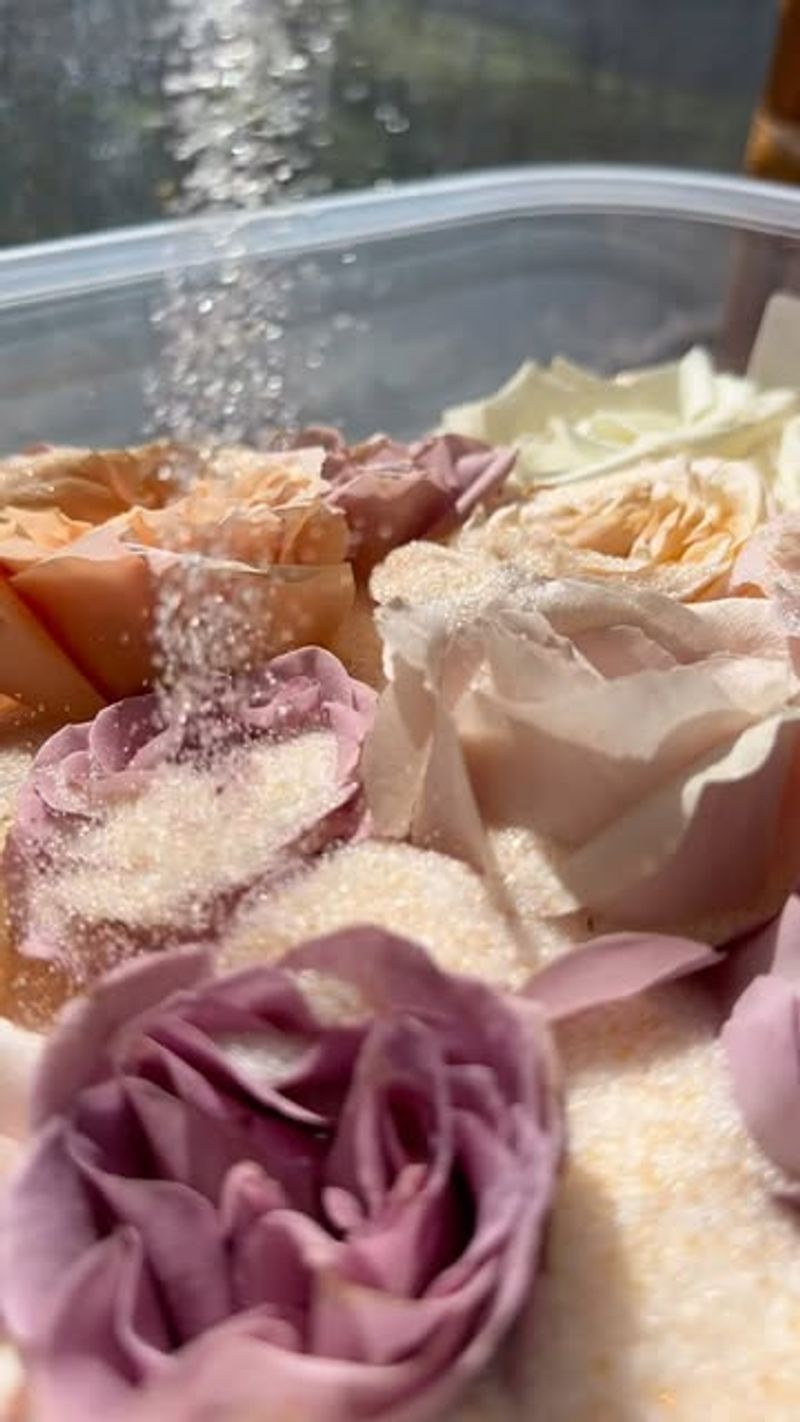
Silica gel offers a fast and effective way to dry flowers while keeping their three-dimensional shape intact.
These tiny granules absorb moisture from petals and leaves without crushing delicate structures, making them perfect for blooms that you want to look as fresh as possible.
Unlike air-drying, which can sometimes flatten or shrink flowers, silica gel maintains the natural curves and fullness that make each blossom special.
Roses, dahlias, zinnias, and peonies respond beautifully to this method because their layered petals hold up well during the drying process. Start by pouring a layer of silica gel into an airtight container, then gently place your flowers on top.
Carefully spoon more gel around and over the blooms until they are completely covered. Seal the container and store it at room temperature, which works perfectly in most California homes where indoor climates stay mild and consistent.
Your California Garden Changes Every Week. Your Plan Should Too.
Gardening in California changes quickly throughout the season. Every Friday you’ll receive a simple weekly plan showing exactly what to plant, prune, fertilize, harvest, and protect so you never miss the right timing.
Check your flowers after about two to five days, depending on their size and thickness. When the petals feel papery and firm, carefully remove them and brush away any clinging gel with a soft paintbrush.
The vibrant colors and lifelike shapes make silica-dried flowers ideal for shadow boxes, glass domes, and other display pieces that showcase their beauty up close. This technique gives you professional-looking results without any special equipment or complicated steps.
3. Press Flowers For Wall Art And Framed Displays
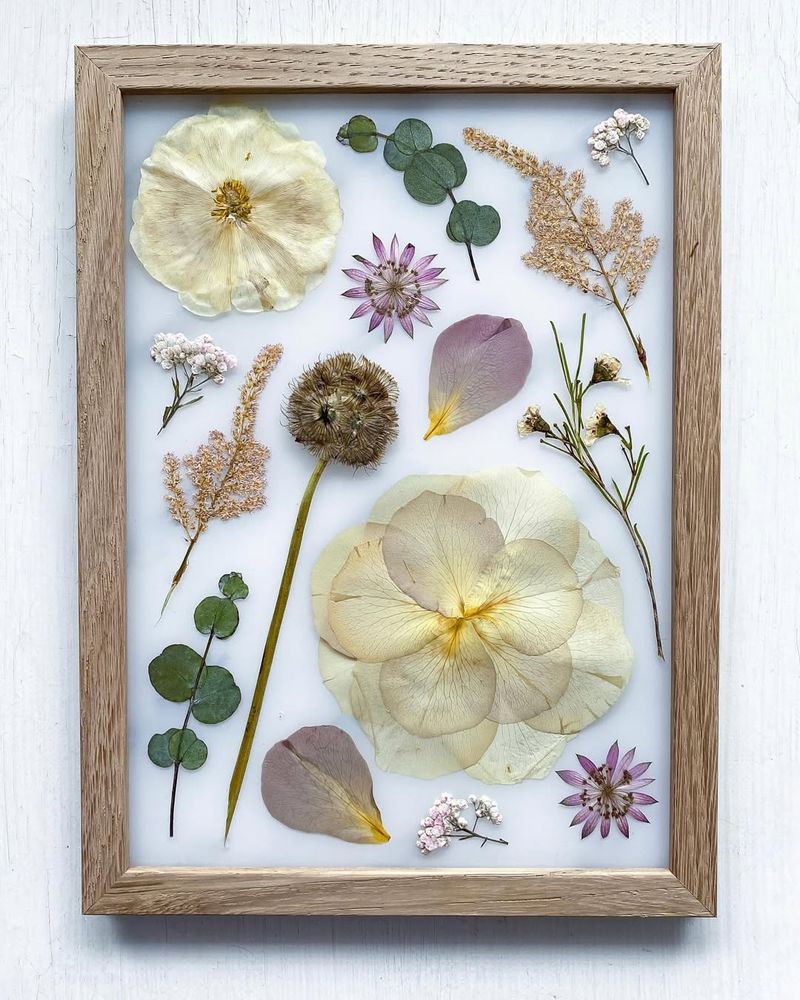
Pressing flowers transforms delicate blooms into flat, paper-thin treasures that work beautifully for artistic projects. This method works best with flowers that have naturally thin profiles, such as pansies, daisies, violets, and ferns.
The flatter the flower, the more evenly it will press, resulting in crisp, well-defined shapes that look stunning when displayed.
Using heavy books provides a simple and accessible pressing technique that requires no special tools. Place your flowers between sheets of parchment paper or plain printer paper, then tuck them inside the pages of a thick book.
Stack additional books on top to add weight, and leave everything undisturbed for two to four weeks. California’s dry indoor air helps speed up the process compared to more humid climates, so your flowers may be ready sooner than expected.
Flower presses designed specifically for this purpose offer another option, with adjustable screws that let you control pressure and ventilation.
Once your flowers are fully pressed and brittle to the touch, you can arrange them in frames, create handmade greeting cards, or design personalized bookmarks.
Mixing different shapes and colors in a single frame creates eye-catching wall art that adds a personal touch to any room.
Pressed flower displays bring nature indoors in a way that feels both timeless and contemporary, fitting perfectly with California’s relaxed yet stylish aesthetic.
4. Sun-Assisted Drying For Hardy Flowers
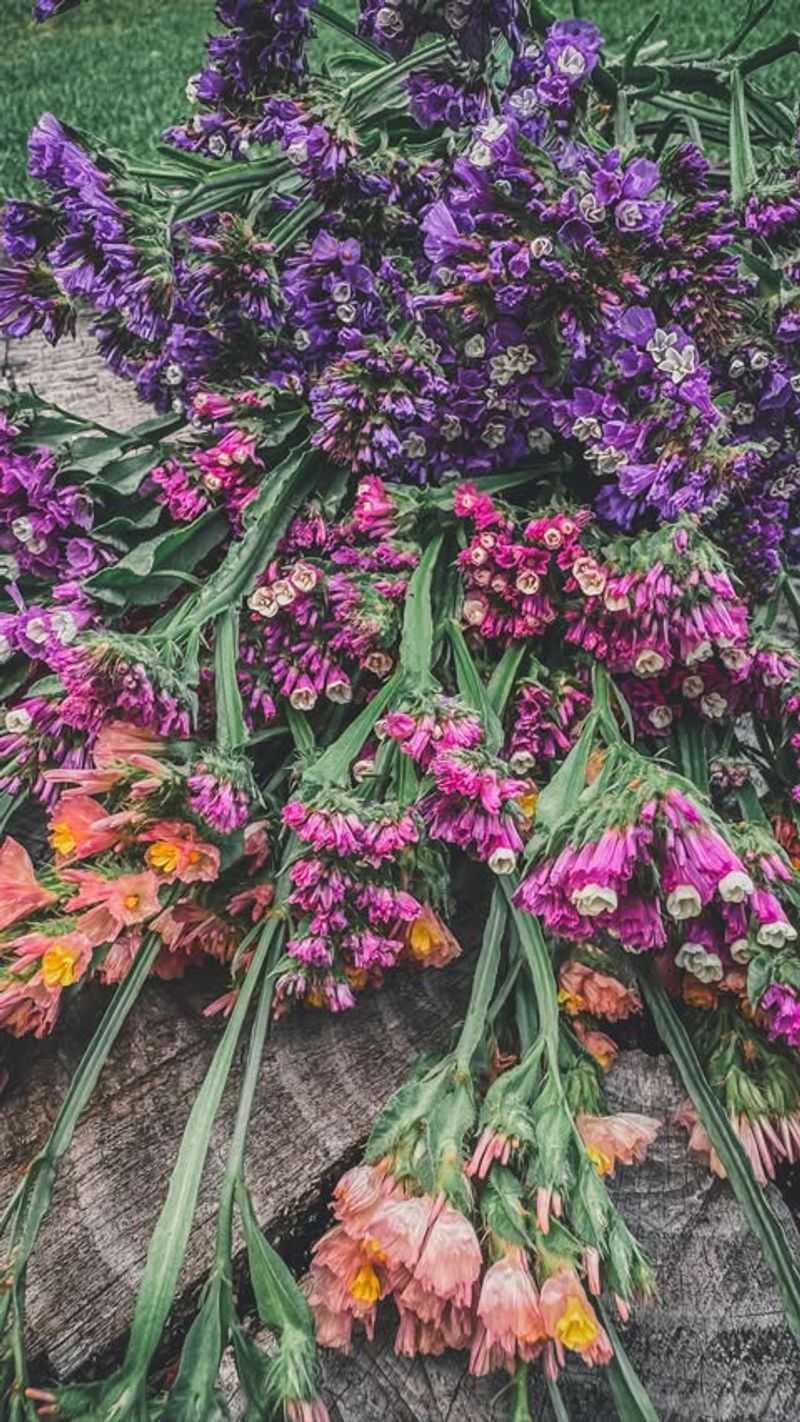
California’s abundant sunshine provides a natural drying boost for certain hardy flowers that can handle a bit of heat without losing their appeal. Lavender, statice, strawflowers, and yarrow all have sturdy petals and stems that respond well to sun-assisted drying.
The warmth speeds up moisture evaporation, cutting down on the time needed compared to purely shaded methods.
Placing flowers in a spot that receives gentle morning or late afternoon sun works better than exposing them to intense midday rays. Direct overhead sunlight during the hottest part of the day can bleach colors and make petals overly brittle.
A covered porch, a shaded corner of the patio, or a spot near a window that gets indirect light offers the perfect balance. Laying flowers on a screen or hanging them in small bunches allows air to reach all sides while the sun’s warmth works its magic.
Check your flowers daily to monitor their progress, as sun-drying can happen faster than you might expect. Most hardy blooms will be ready within a few days to a week.
Once they feel dry and hold their shape without drooping, bring them inside to finish cooling.
Sun-dried flowers carry a slightly more rustic look with naturally faded hues that complement coastal and Mediterranean-inspired California interiors beautifully, adding texture and warmth to any space.
5. Microwave Drying For Quick Projects
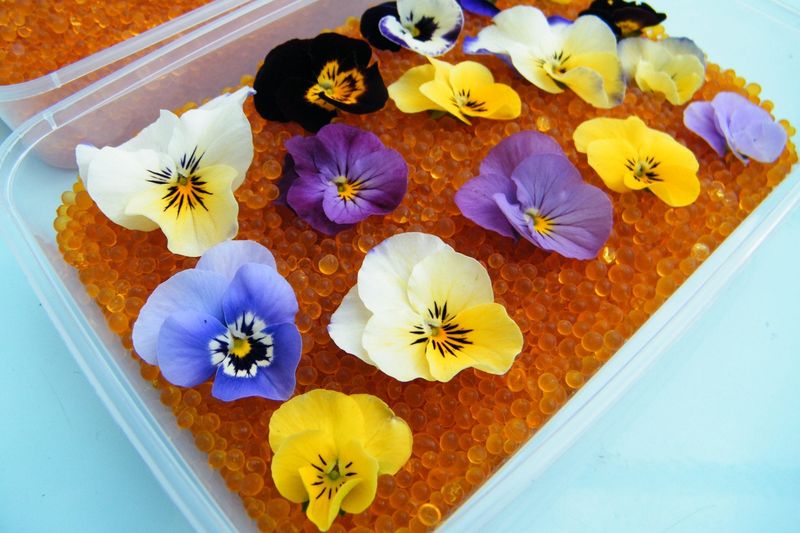
Microwave drying might sound unconventional, but it delivers fast results when you need dried flowers in a hurry. Combining microwave heat with silica gel creates a controlled environment that pulls moisture out of petals in just minutes instead of days.
This method works especially well for small, delicate blooms like rosebuds, pansies, and daisies that benefit from quick processing.
Start by placing a layer of silica gel in a microwave-safe container, then position your flowers on top and cover them completely with more gel. Leave the container uncovered or use a microwave-safe lid that allows steam to escape.
Heat the flowers in short bursts of 30 to 60 seconds, checking frequently to avoid overheating. Different flowers require different timing, so starting with shorter intervals helps prevent scorching or brittleness.
After microwaving, let the container sit for a few minutes to cool before carefully removing the flowers and brushing away the gel. The blooms should feel dry and firm, with colors that stay bright and true.
Microwave drying works best for last-minute craft projects, special event decorations, or when you want to preserve a particularly meaningful bouquet quickly.
California’s generally mild indoor temperatures mean your microwave-dried flowers will stay in great condition once they cool, ready to be arranged into anything from boutonnières to miniature displays that capture the beauty of fresh blooms in a fraction of the time.
6. Create Dried Flower Wreaths And Centerpieces
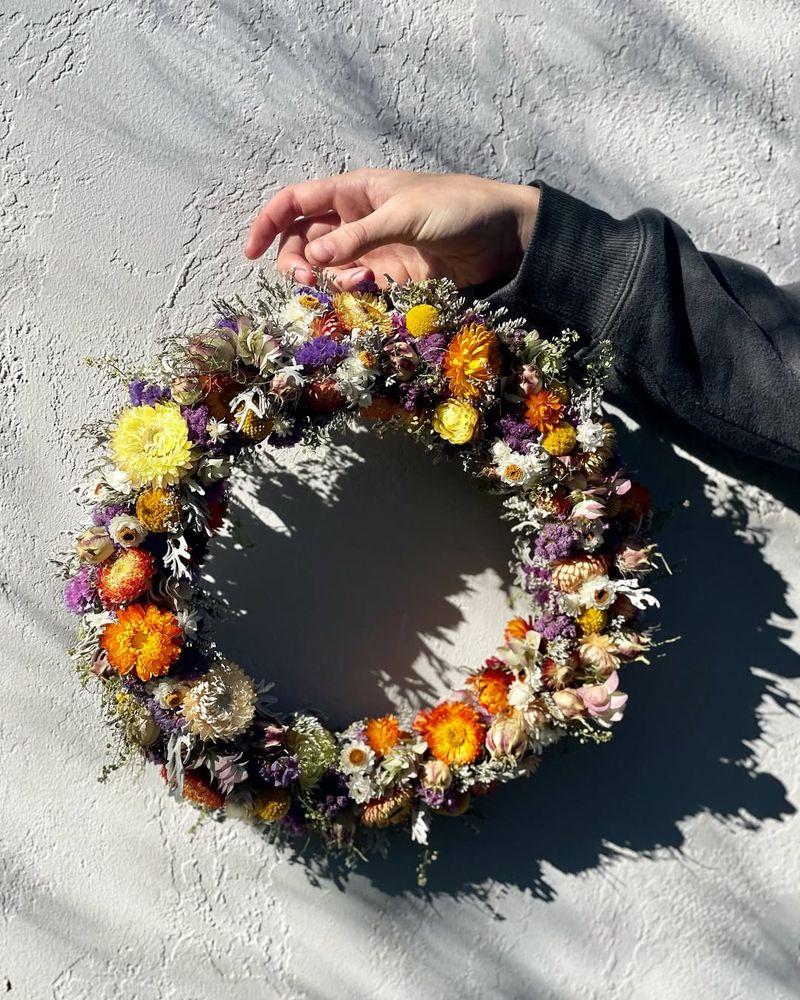
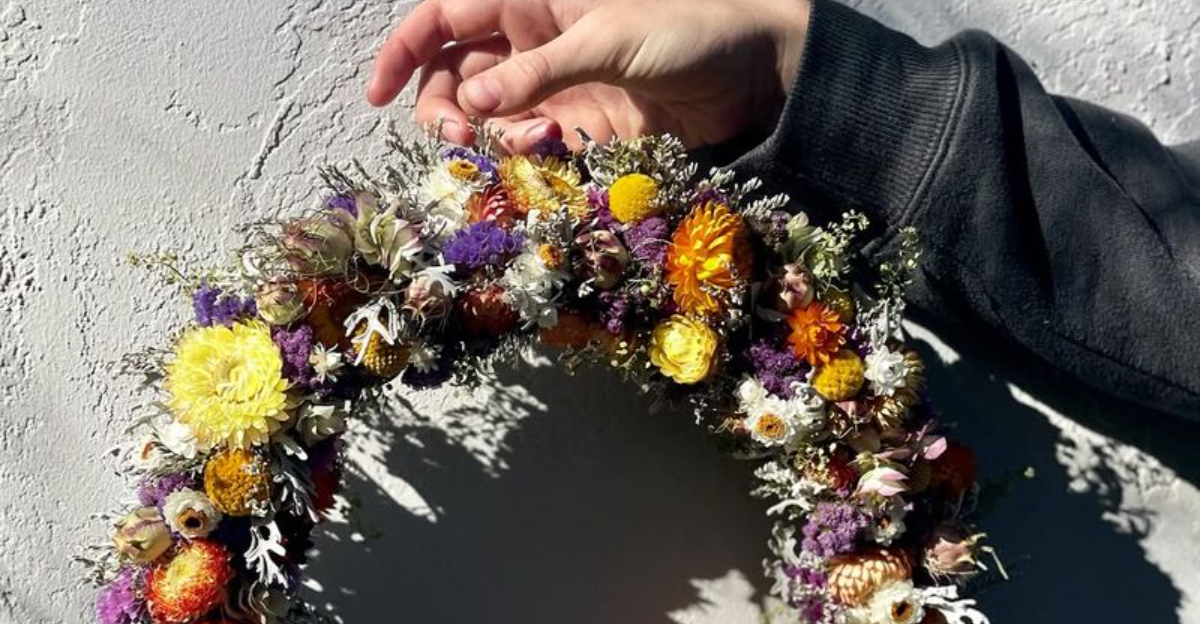
Arranging your dried flowers into wreaths and centerpieces turns preserved blooms into stunning focal points that bring life to any room. Wreaths welcome guests at entryways, while centerpieces anchor dining tables and coffee tables with natural beauty.
Using a variety of dried flowers in different colors, textures, and sizes creates visual interest that catches the eye and sparks conversation.
Wire wreath frames provide a sturdy foundation that makes attaching stems simple and secure. Wrapping floral wire around bundles of dried flowers and securing them to the frame builds up layers of color and dimension.
Hot glue works well for smaller accents and delicate blooms that might break if wired too tightly. Mixing in eucalyptus, grasses, and seed pods adds texture and fills gaps between larger flowers, creating a lush, abundant look.
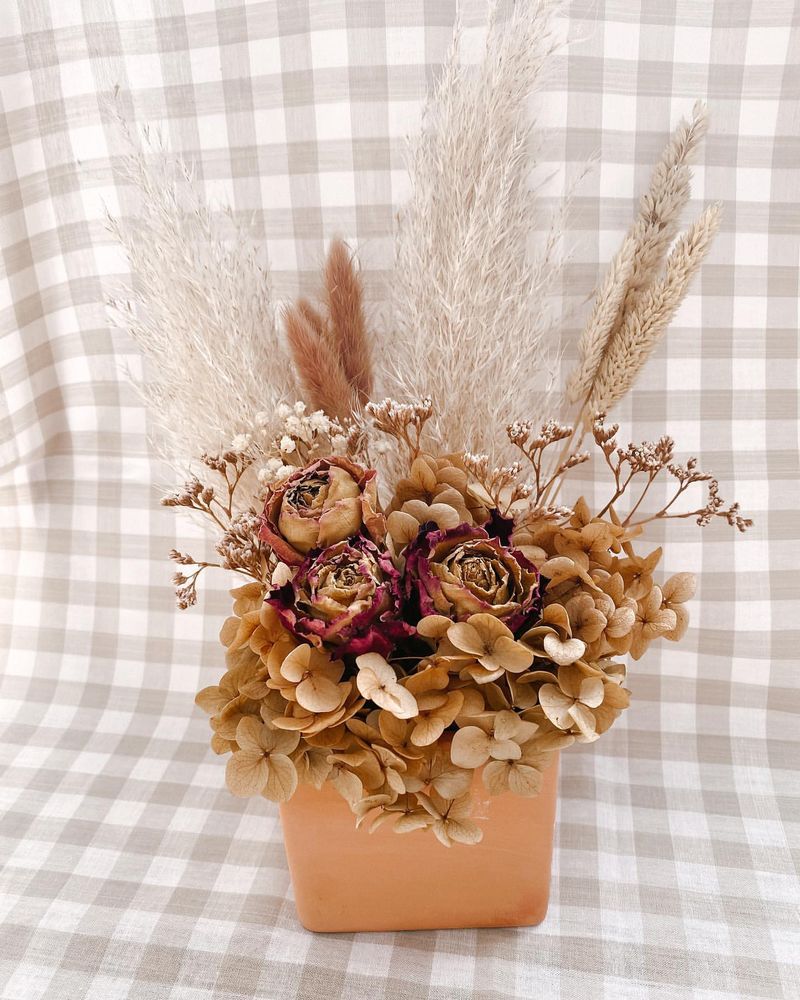
Centerpieces offer even more creative freedom, allowing you to arrange dried stems in vases, baskets, or shallow bowls. California’s interior design trends often lean toward natural materials and earthy tones, making dried flower arrangements a perfect fit.
Combining warm shades like burnt orange, dusty pink, and golden yellow complements the state’s sun-soaked aesthetic.
Wreaths and centerpieces made from dried flowers last for months without any maintenance, giving you lasting beauty that fresh arrangements simply cannot match.
Swapping out seasonal elements or adding ribbons and other accents lets you refresh your displays throughout the year without starting from scratch.
7. Store Dried Flowers Properly For Long-Term Use
Proper storage ensures your dried flowers stay beautiful and ready to use whenever inspiration strikes. Keeping them in low-light, dry environments prevents fading and brittleness that can happen when blooms are exposed to too much sun or humidity.
California homes naturally offer excellent storage conditions since indoor climates tend to stay dry and consistent year-round, making it easier to preserve your flowers for extended periods.
Placing dried flowers in cardboard boxes lined with tissue paper protects them from dust and accidental crushing. You can also use airtight containers for smaller blooms, though adding a silica gel packet helps absorb any residual moisture that might sneak in.
Avoid storing flowers in basements or garages where temperature swings and dampness can cause problems. Closets, spare rooms, or high shelves in climate-controlled spaces work best.
Checking your stored flowers every few months lets you catch any issues early and refresh arrangements as needed.
Gently dusting them with a soft brush or using a can of compressed air on a low setting keeps them looking fresh without damaging delicate petals.
California’s indoor conditions naturally extend the decorative lifespan of dried flowers, often keeping them vibrant and intact for a year or more.
When you are ready to use them again, simply take them out, fluff up any flattened areas, and arrange them into new displays that bring the beauty of preserved blooms back into your living spaces.