Every Ohio Gardener Should Know This Before Starting Seeds Indoors This Winter
Ohio gardeners, winter has a funny way of tricking us. One sunny day you are dreaming of tomatoes, the next day snow is back on the ground.
If you start seeds indoors without a plan, you can end up with leggy plants, weak stems, and sad little sprouts that never make it to the garden. Before you grab your seed trays and grow lights, there is something important you need to know that can make or break your spring harvest.
This one detail can save you time, money, and a whole lot of frustration when planting season finally arrives. If you want strong seedlings that can handle Ohio’s wild weather swings and actually thrive once they hit the soil, this is a must-read.
Your future garden will thank you with bigger harvests and healthier plants all season long.
1. Know Ohio’s Last Frost Date
Watching snow fall outside your window in February while browsing seed catalogs feels like pure magic. You imagine rows of peppers and beans thriving in your garden, but timing matters more than enthusiasm when you live in Ohio.
The state stretches across several growing regions, and your last frost date determines when seedlings can safely move outdoors without risking damage from cold snaps.
Northern Ohio gardeners near Lake Erie typically face last frost dates around mid-May, sometimes stretching into late May during particularly stubborn springs. Central Ohio usually clears frost risk by early to mid-May, while southern counties often enjoy safer planting conditions by late April.
These dates guide your entire indoor seed-starting schedule because transplanting too early exposes tender seedlings to freezing temperatures and setbacks.
Count backward from your regional last frost date to determine when seeds should go into trays. Tomatoes need six to eight weeks indoors, peppers require eight to ten weeks, and cool-season crops like broccoli start earlier.
Many Ohio gardeners make the mistake of starting seeds too soon, resulting in leggy, overgrown plants that struggle after transplanting. Check resources from Ohio State University Extension for precise frost date maps and planting calendars tailored to your county, ensuring your seedlings reach transplant size exactly when Ohio weather cooperates.
2. Choose The Right Seeds To Start Indoors
Not every vegetable benefits from indoor seed starting, and Ohio gardeners waste time and space trying to start crops that prefer direct sowing outdoors. Tomatoes, peppers, eggplants, and herbs like basil thrive when started indoors because they need long growing seasons and warm soil temperatures Ohio cannot provide early in spring.
Starting these indoors gives them crucial weeks to develop strong roots and leaves before facing unpredictable outdoor conditions.
Cool-season crops like broccoli, cabbage, and cauliflower also start well indoors, allowing you to transplant sturdy seedlings into Ohio’s cool April soil for early harvests. However, crops like beans, peas, carrots, and radishes grow better when sown directly into garden beds because they dislike root disturbance or germinate so quickly that indoor starting offers no advantage.
Cucumbers and squash can start indoors but require careful timing since they grow rapidly and become root-bound if kept in containers too long.
Your Ohio Garden Changes Every Week. Your Plan Should Too.
Gardening in Ohio changes quickly throughout the season. Every Friday you’ll receive a simple weekly plan showing exactly what to plant, prune, fertilize, harvest, and protect so you never miss the right timing.
Read seed packets carefully for guidance on indoor versus outdoor starting. Many packets include specific recommendations and timing for Midwest climates.
Focus your indoor efforts on crops that genuinely benefit from the extra growing time, freeing up windowsill and grow light space for plants that reward your efforts with earlier harvests and healthier transplants once Ohio’s soil warms and frost danger passes.
3. Use Proper Seed-Starting Mix (Not Garden Soil)
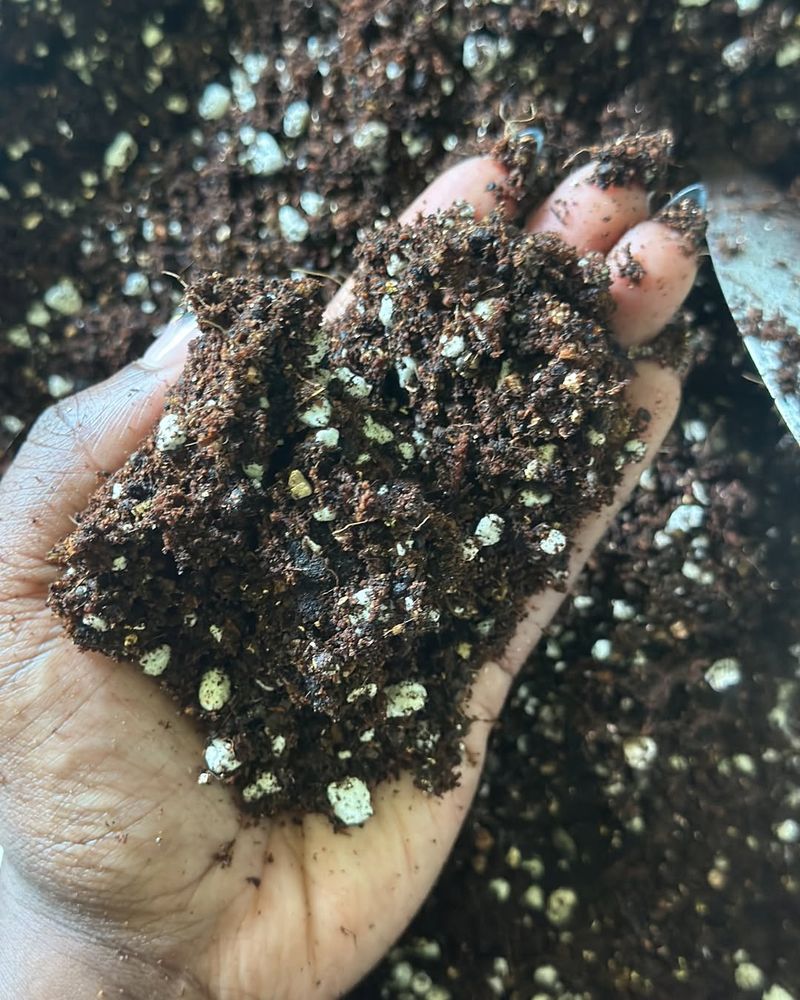
Grabbing a bucket of garden soil from your backyard feels practical and thrifty, but it creates problems for seedlings trying to sprout indoors during Ohio’s dark winter months. Garden soil compacts heavily in small containers, restricting airflow around delicate roots and trapping moisture in ways that encourage fungal diseases like damping-off.
Outdoor soil also carries weed seeds, insects, and pathogens that thrive in the warm, humid conditions of indoor seed trays.
Seed-starting mix offers a lightweight, sterile alternative formulated specifically for germination. These mixes typically contain peat moss or coconut coir, perlite, and vermiculite, creating a fluffy texture that holds moisture while allowing air to reach emerging roots.
Seedlings develop stronger root systems in this environment, and the sterile nature of the mix reduces disease risk during the vulnerable germination stage when Ohio’s indoor heating creates warm, sometimes overly humid conditions.
You can find quality seed-starting mix at garden centers and home improvement stores throughout Ohio. Moisten the mix before filling trays since dry mix repels water initially.
Fill containers loosely without packing down the mix, allowing roots to push through easily.
Once seedlings develop their first true leaves, you can transition them to potting soil with added nutrients, but during germination, sterile seed-starting mix gives Ohio gardeners the best chance of success when winter limits natural growing conditions.
4. Set Up Containers, Drainage & Labels Correctly
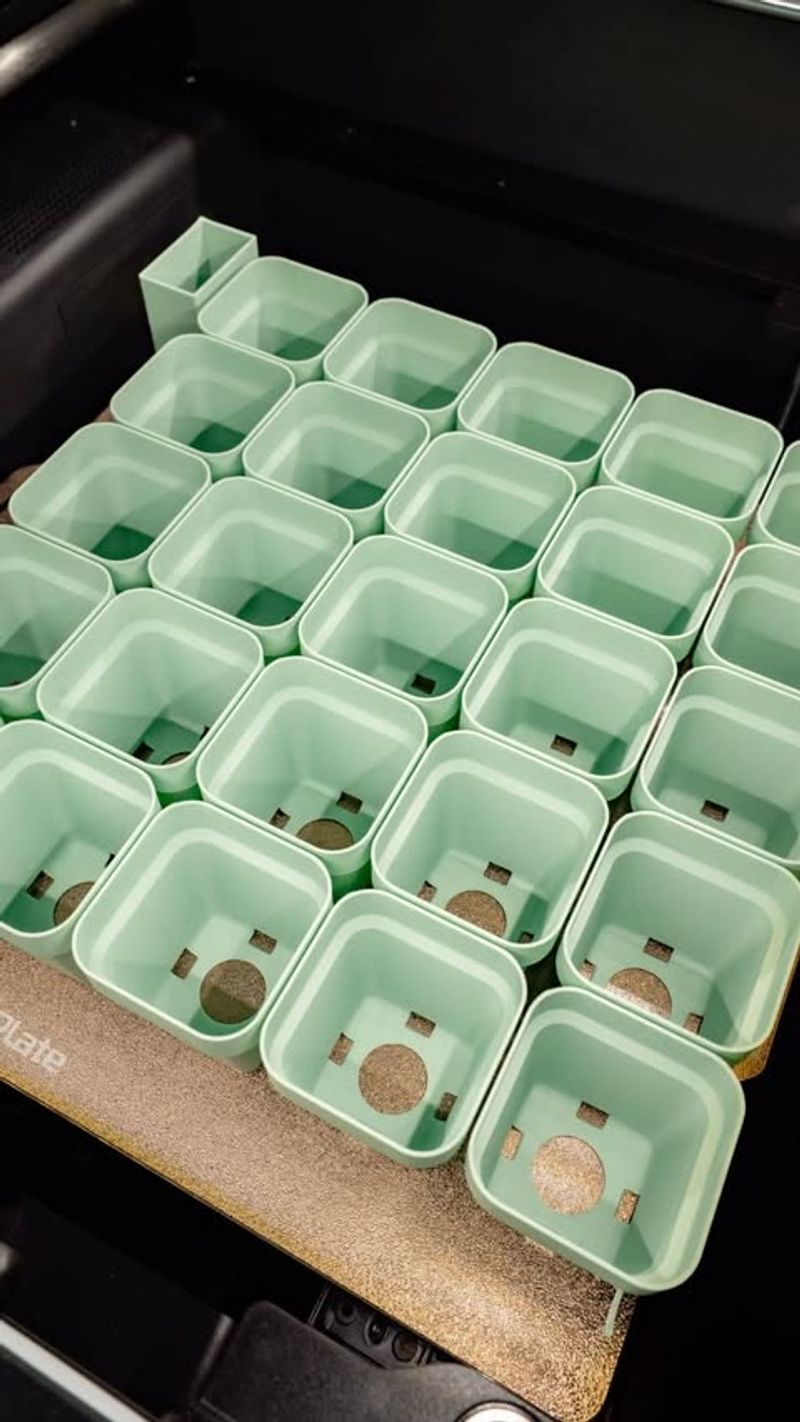
Seed trays and containers crowd Ohio windowsills and basement shelves each winter, but not all setups support healthy seedling growth. Proper drainage matters more than container size or style because seedlings sitting in waterlogged soil quickly develop root rot and fungal issues.
Every container needs drainage holes in the bottom, allowing excess water to escape and preventing the soggy conditions that harm fragile roots.
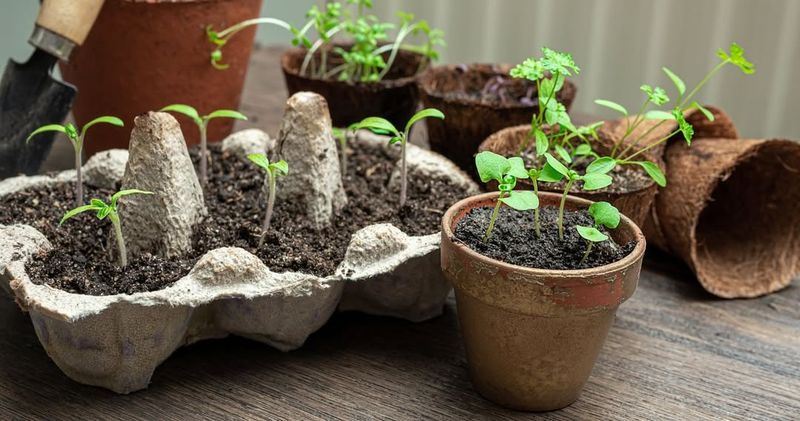
You can use purchased seed trays with individual cells, recycled yogurt cups with holes poked in the bottom, or biodegradable peat pots that transplant directly into garden soil.
Each option works well as long as drainage exists and containers hold enough soil to support root growth for several weeks.
Place trays on waterproof surfaces or use drip trays underneath to catch excess water and protect floors and furniture from moisture damage.
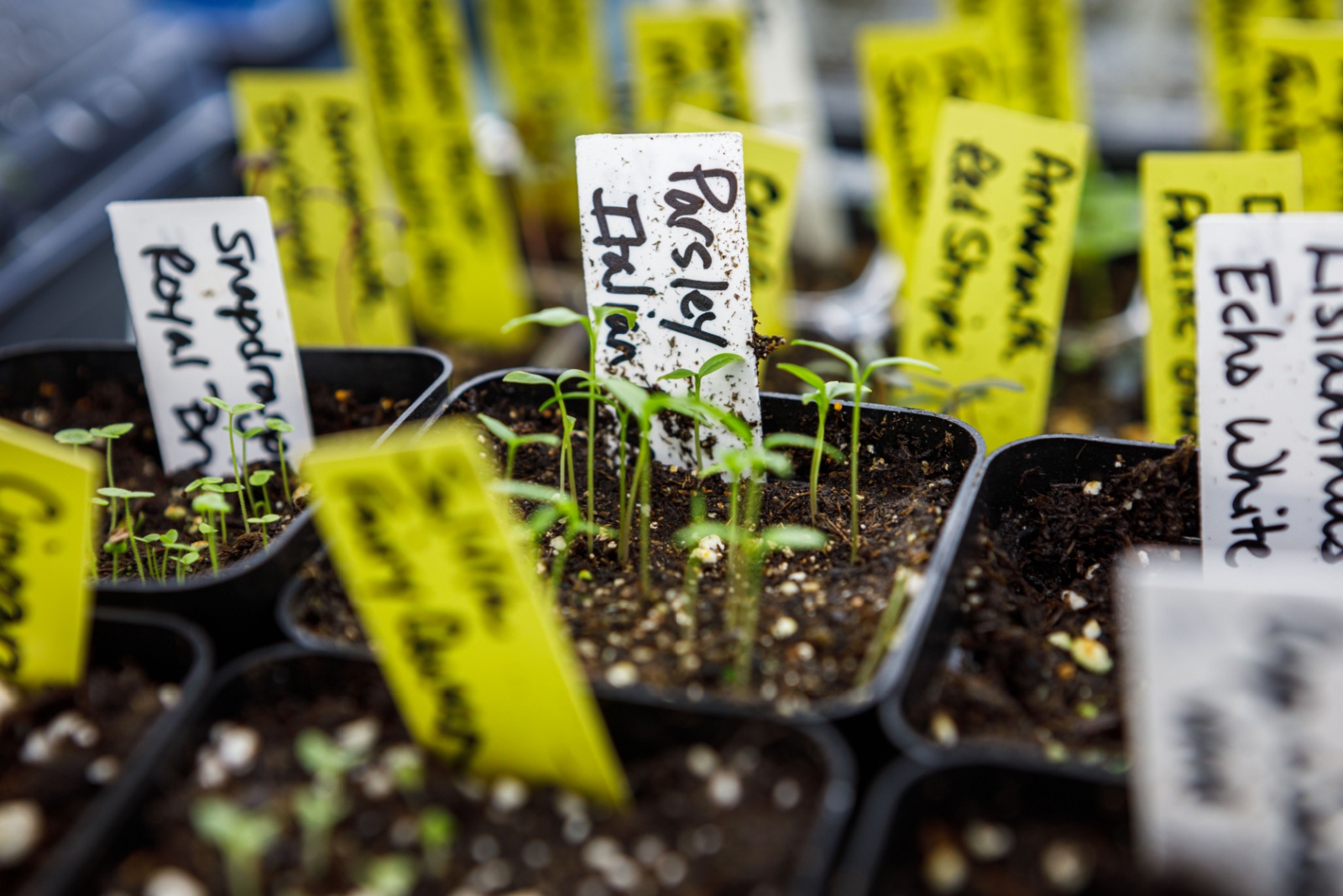
Labeling might seem unnecessary when you start just a few varieties, but once trays fill with similar-looking seedlings, identifying tomatoes from peppers or different herb varieties becomes nearly impossible. Use waterproof markers on plastic labels or popsicle sticks, clearly noting the plant variety and starting date.
Ohio gardeners juggling multiple seed-starting sessions benefit from detailed labels that track which seedlings need hardening off first and which varieties performed best, helping you refine your indoor gardening strategy for future winters when seed catalogs arrive and planning begins again.
5. Provide Enough Light During Winter
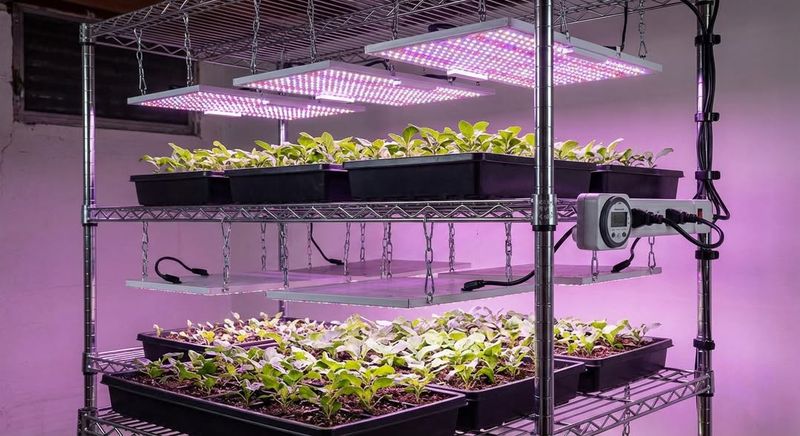
Ohio’s winter days bring limited sunlight, with short daylight hours and frequent overcast skies that leave windowsills dimmer than seedlings need for healthy growth. Even south-facing windows often fail to provide the intensity and duration of light required for strong, compact seedlings.
Plants stretching toward inadequate light develop tall, weak stems and pale leaves, a condition called legginess that compromises their ability to thrive after transplanting into your garden.
Seedlings need fourteen to sixteen hours of bright light daily to develop sturdy stems and deep green foliage. Standard LED or fluorescent shop lights work well for most home gardeners, positioned just a few inches above the tops of seedlings and adjusted upward as plants grow.
Specialized grow lights offer optimal light spectrum but cost more, though many Ohio gardeners achieve excellent results with affordable shop lights from hardware stores.
Set lights on timers to maintain consistent daily schedules, mimicking longer spring days even while snow still covers your yard. Keep lights two to four inches above the tops of seedlings and raise them as plants grow to prevent stretching and overheating.
Rotate trays regularly if light reaches unevenly, ensuring all seedlings develop uniformly.
Without adequate light, even perfectly timed and carefully watered seedlings become weak and struggle to establish themselves outdoors, wasting the effort you invested during those long Ohio winter evenings preparing for spring planting season.
6. Control Watering And Temperature
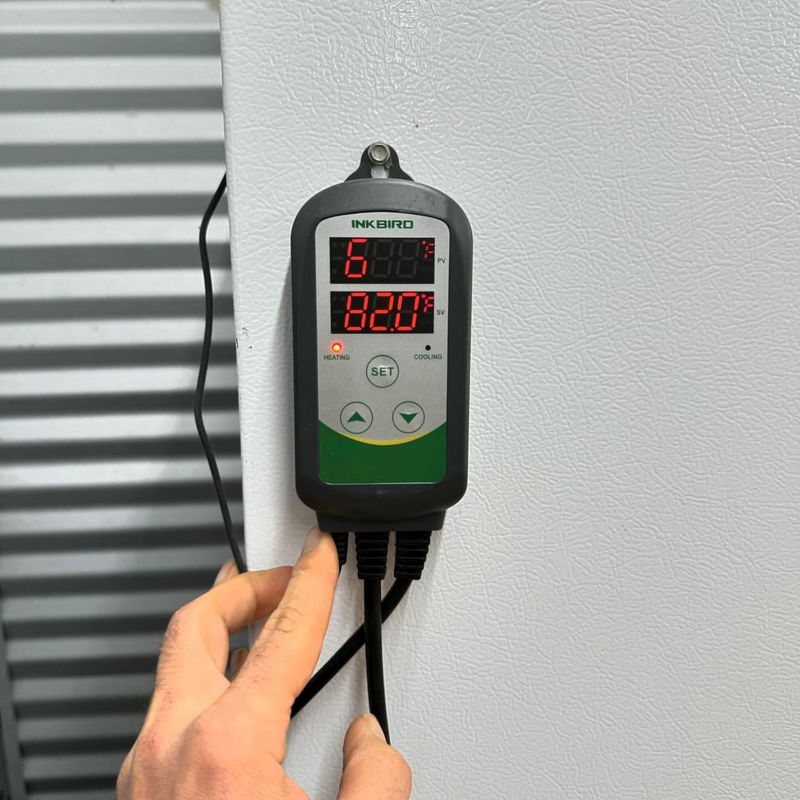
Balancing moisture and warmth challenges Ohio gardeners starting seeds in homes where furnaces blast dry heat and cold windows create temperature swings. Overwatering ranks as the most common mistake, turning seed-starting mix into a soggy mess that suffocates roots and encourages fungal growth.
Seedlings need consistent moisture, not waterlogged soil, so water from below by filling drip trays and allowing soil to absorb what it needs, or water gently from above using a spray bottle or watering can with a fine spout.
Let the soil surface dry slightly between waterings, checking daily by touching the mix with your finger. Seedlings in warm rooms near heating vents dry faster than those in cooler basements, requiring more frequent attention.
Temperature also affects germination and growth rates, with most vegetable seeds sprouting best between sixty-five and seventy-five degrees Fahrenheit. Basements often run too cold for reliable germination, while rooms near fireplaces or heating sources might become too warm.
Use seedling heat mats under trays to maintain consistent soil temperature during germination, removing them once seedlings emerge since most vegetables prefer slightly cooler air temperatures for growth. Monitor conditions with a simple thermometer placed near your seed trays.
Ohio’s indoor winter environments vary widely depending on home heating systems and room locations, so adjust your watering schedule and setup based on what you observe rather than following rigid rules that might not match your specific conditions.
7. Prevent Common Indoor Seedling Problems
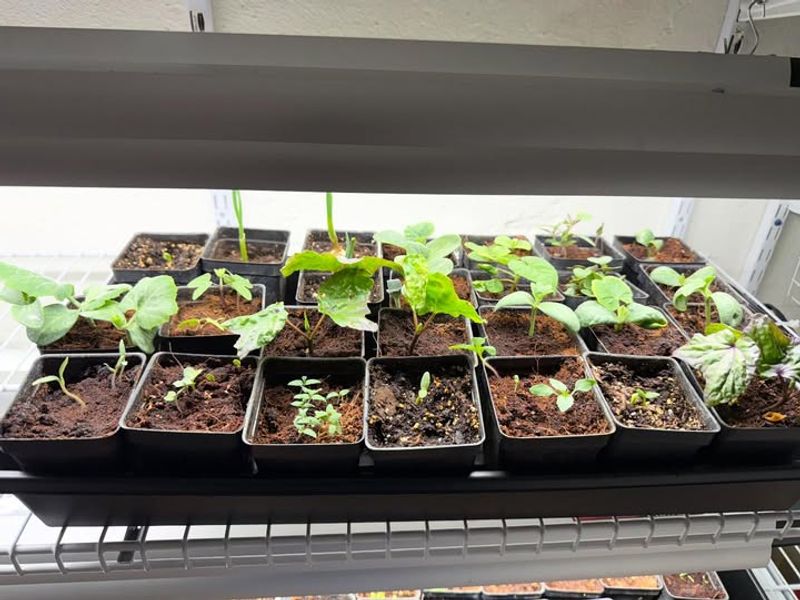
Watching seedlings suddenly topple over or develop strange discoloration frustrates Ohio gardeners who invested weeks nurturing tiny plants toward spring transplanting.
Damping-off, a fungal disease, causes seedlings to collapse at the soil line seemingly overnight.
This problem thrives in overly moist conditions with poor air circulation, common in tightly packed seed trays kept too wet in warm indoor spaces during winter.
Prevent damping-off by using sterile seed-starting mix, avoiding overwatering, and ensuring good air circulation around seedlings. A small fan set on low speed nearby helps strengthen stems while reducing humidity and fungal risk.
Leggy seedlings with long, weak stems result from insufficient light, so adjust your grow lights closer to foliage or increase daily light duration to fourteen to sixteen hours.
Yellowing leaves often indicate nutrient deficiency once seedlings develop several sets of true leaves, since seed-starting mix contains minimal nutrients. Begin fertilizing with diluted liquid fertilizer once true leaves appear, using half the recommended strength every week or two.
Pests like fungus gnats sometimes appear in indoor setups, attracted to moist soil. Allow soil to dry slightly between waterings and consider adding a thin layer of sand on the soil surface to discourage egg-laying.
Catching problems early and adjusting your care routine keeps seedlings healthy through Ohio’s long winter, ensuring strong plants ready for your garden when spring finally arrives.
8. Harden Off Seedlings Before Transplanting
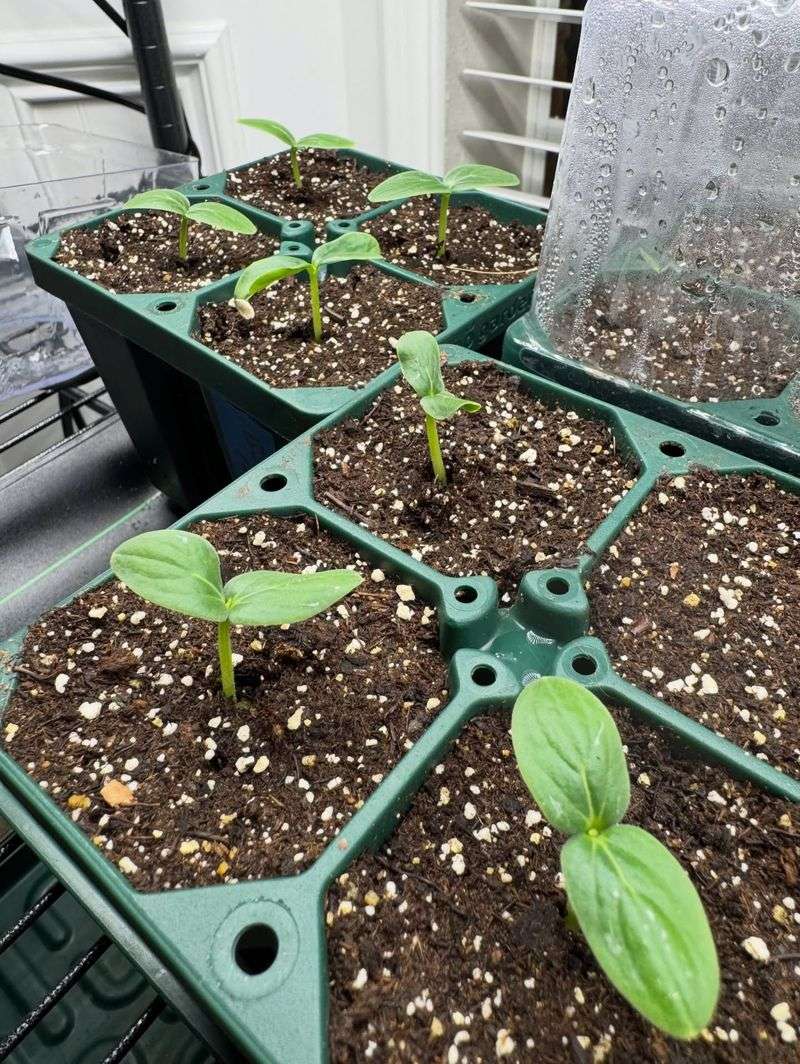
Seedlings grown under lights in your cozy Ohio home experience shock when suddenly moved into bright sun, wind, and fluctuating outdoor temperatures. Hardening off gradually acclimates indoor-grown plants to outdoor conditions, strengthening stems and leaves while reducing transplant stress.
This process takes seven to ten days and requires patience, but skipping it results in sunburned foliage, wilted plants, and sometimes complete failure of seedlings that seemed perfectly healthy indoors.
Begin hardening off about one week before your planned transplant date, after Ohio’s last frost date passes for your region. Place seedlings outdoors in a sheltered, shaded spot for just an hour or two on the first day, gradually increasing their time outside and exposure to sun over the following days.
Bring them indoors each night initially, especially if temperatures drop significantly or frost threatens, common occurrences during Ohio’s unpredictable spring weather.
By the end of the hardening-off period, seedlings should tolerate full sun and remain outdoors overnight unless frost warnings appear. Watch for signs of stress like wilting or leaf discoloration, moving plants back to shade or indoors if they struggle.
Ohio’s spring brings sudden temperature swings and late cold snaps, so stay flexible with your hardening-off schedule.
This final step transforms your carefully nurtured indoor seedlings into tough, resilient plants ready to thrive in your garden, rewarding all those winter weeks spent managing lights, water, and temperature in anticipation of harvest season.