These 10 Vegetables Help You Make The Most Of Your Georgia Garden
Early in the season, you might stand in your Georgia garden and wonder why some beds already look promising while others feel like they’re falling behind.
That uneven start can be frustrating, especially when you’ve put in the same time, water, and care everywhere.
Georgia’s long growing season has plenty to offer, but it doesn’t reward every vegetable equally.
Some crops naturally take advantage of the heat and steady warmth, while others struggle to keep up once summer settles in.
Not every slow patch means something is wrong, and a quiet bed doesn’t always signal failure.
When the same vegetables disappoint year after year, though, it usually points to how well they fit Georgia’s conditions rather than effort alone. That realization can be a relief.
Choosing vegetables that work with the climate instead of against it changes how productive the entire garden feels.
With the right selections, your Georgia garden starts giving back more consistently and with far less second-guessing.
1. Tomatoes
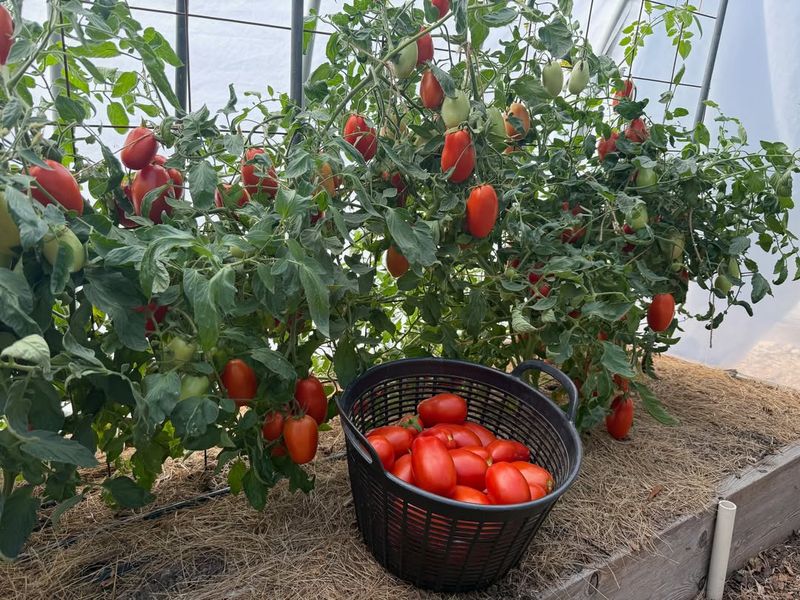
Few things taste better than a sun-warmed tomato picked fresh from your backyard. Georgia’s climate gives you a long window to grow these garden favorites, and they reward your effort with abundant harvests.
Plant them after the last frost, and you’ll be enjoying homegrown flavor all summer.
Your tomato plants need full sun and consistent watering to thrive in Georgia’s heat. Staking or caging them keeps fruit off the ground and improves air circulation.
Mulching around the base helps retain moisture during those scorching July afternoons.
Choose varieties bred for southern gardens, as they handle heat and humidity better than northern types. Cherokee Purple, Better Boy, and Celebrity all perform exceptionally well across the state.
Starting seeds indoors in March gives you sturdy transplants ready for April planting.
Spacing matters more than most gardeners realize when growing tomatoes. Give each plant at least two feet of room to spread out and breathe.
Crowded plants struggle with fungal issues in Georgia’s humid conditions.
Regular feeding keeps your tomato plants producing throughout the season. Use a balanced fertilizer every few weeks, but don’t overdo the nitrogen or you’ll get all leaves and no fruit.
Watch for hornworms, those sneaky green caterpillars that can strip a plant overnight.
Pruning suckers helps direct energy into fruit production rather than excessive foliage. Remove the small shoots that grow between the main stem and branches.
This simple task makes a noticeable difference in your harvest size and timing across Georgia gardens.
2. Peppers
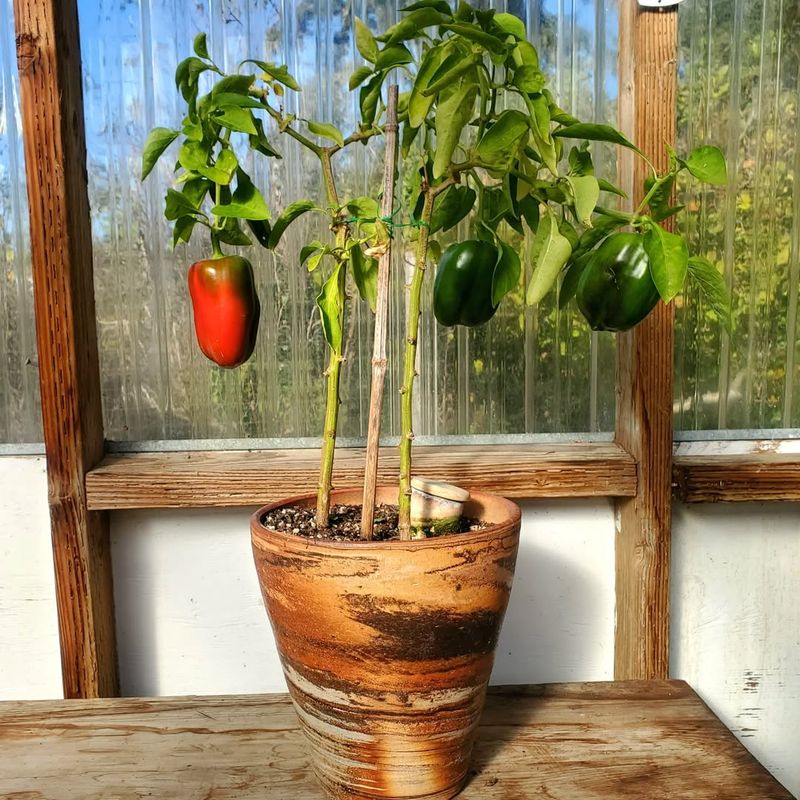
Georgia’s long, warm season was made for bold, colorful harvests like these.
Sweet bells and spicy varieties both thrive once temperatures settle in, producing steadily from early summer into fall. Tuck them in near your tomatoes and you’ve got the base for countless meals straight from the garden.
Start pepper seeds indoors about eight weeks before your last expected frost date. Georgia gardeners typically transplant seedlings outdoors in mid to late April when soil temperatures reach at least 60 degrees.
Your Georgia Garden Changes Every Week. Your Plan Should Too.
Gardening in Georgia changes quickly throughout the season. Every Friday you’ll receive a simple weekly plan showing exactly what to plant, prune, fertilize, harvest, and protect so you never miss the right timing.
Cold soil stunts pepper growth and delays fruiting significantly.
Full sun exposure brings out the best flavor and production in pepper plants throughout Georgia. They need at least six hours of direct sunlight daily, though eight to ten hours produces even better results.
Consistent moisture without waterlogged soil keeps plants happy and productive.
Banana peppers, jalapeños, and bell peppers all thrive in Georgia gardens with minimal fussing. Many gardeners also have great success with cayenne, poblano, and sweet Italian varieties.
Choose a mix of heat levels to keep your harvest interesting and versatile.
Peppers rarely need staking, but supporting heavily loaded plants prevents branches from breaking. A simple cage or a few stakes with soft ties work perfectly.
Georgia’s afternoon thunderstorms can snap laden branches without warning.
Harvest peppers at any stage of ripeness depending on your preference and recipe needs. Green peppers are simply unripe versions that will turn red, yellow, or orange if left on the plant.
Letting them fully ripen on the vine maximizes sweetness and nutritional content across your Georgia garden beds.
3. Okra
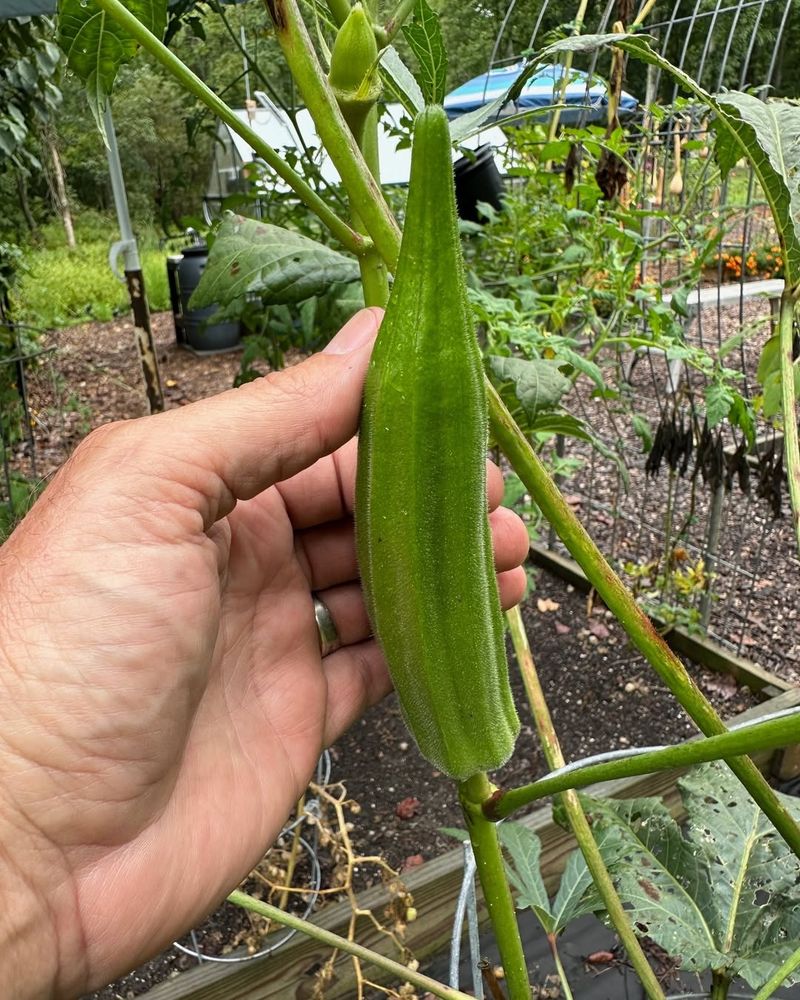
Nothing says southern gardening quite like a row of tall okra plants reaching toward the summer sky. This heat-loving vegetable thrives in Georgia’s climate when other crops start wilting from the temperature.
Plant okra in late spring, and you’ll harvest tender pods throughout the hottest months.
Direct sowing works best for okra since it dislikes transplanting and establishes quickly from seed. Georgia gardeners usually plant around late April or early May when soil temperatures stay consistently above 65 degrees.
Soaking seeds overnight speeds up germination considerably.
Okra plants grow surprisingly tall, often reaching five or six feet by mid-summer across Georgia. Space them about 18 inches apart in rows to accommodate their size and allow easy harvesting.
These vigorous plants handle heat and drought better than most vegetables in your garden.
Harvest okra pods when they’re three to four inches long for the most tender texture. Larger pods become tough and woody quickly, especially in Georgia’s heat.
Check your plants daily during peak production because pods grow fast.
Wear long sleeves when harvesting because okra leaves can irritate sensitive skin. The fuzzy texture bothers some people more than others.
A sharp knife or pruners make cleaner cuts than pulling pods off by hand.
Clemson Spineless and Burgundy are two varieties that perform exceptionally well in Georgia gardens. Regular harvesting encourages more pod production throughout the season.
Even if you can’t use all your okra fresh, it freezes beautifully for winter cooking and soups.
4. Eggplant
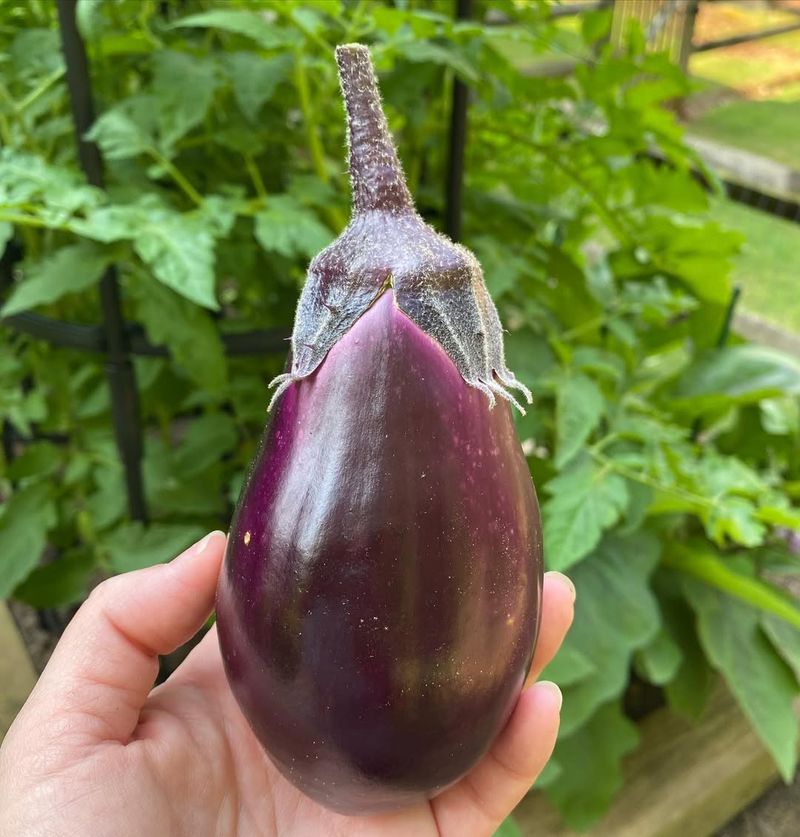
Glossy purple eggplants bring beauty and versatility to Georgia vegetable gardens throughout the summer months. These heat-loving plants produce abundantly when given proper care and attention.
Start transplants indoors in early spring, or purchase seedlings from local nurseries in April.
Eggplants need warm soil and air temperatures to truly thrive across Georgia. Wait until nighttime temperatures consistently stay above 55 degrees before transplanting outdoors.
Cold conditions stress plants and reduce overall production significantly.
Choose a sunny spot with well-draining soil enriched with compost or aged manure. Eggplants are heavy feeders that appreciate regular fertilization throughout the growing season.
Georgia’s long, hot summers provide ideal conditions for continuous fruiting from June through September.
Black Beauty and Ichiban are two reliable varieties for Georgia gardeners seeking consistent results. Smaller Asian varieties often produce more prolifically than large Italian types.
Experiment with different varieties to find your favorites for cooking and preserving.
Flea beetles can damage young eggplant leaves in Georgia gardens, creating tiny holes throughout the foliage. Row covers protect transplants during their vulnerable early weeks.
Once plants grow larger and stronger, they tolerate minor pest damage without significant problems.
Harvest eggplants when the skin looks shiny and the fruit feels firm to gentle pressure. Overripe eggplants develop bitter flavors and seedy interiors that aren’t pleasant to eat.
Use pruning shears to cut the tough stems rather than pulling fruits off plants, which can damage branches and reduce future production in your Georgia garden.
5. Sweet Potatoes
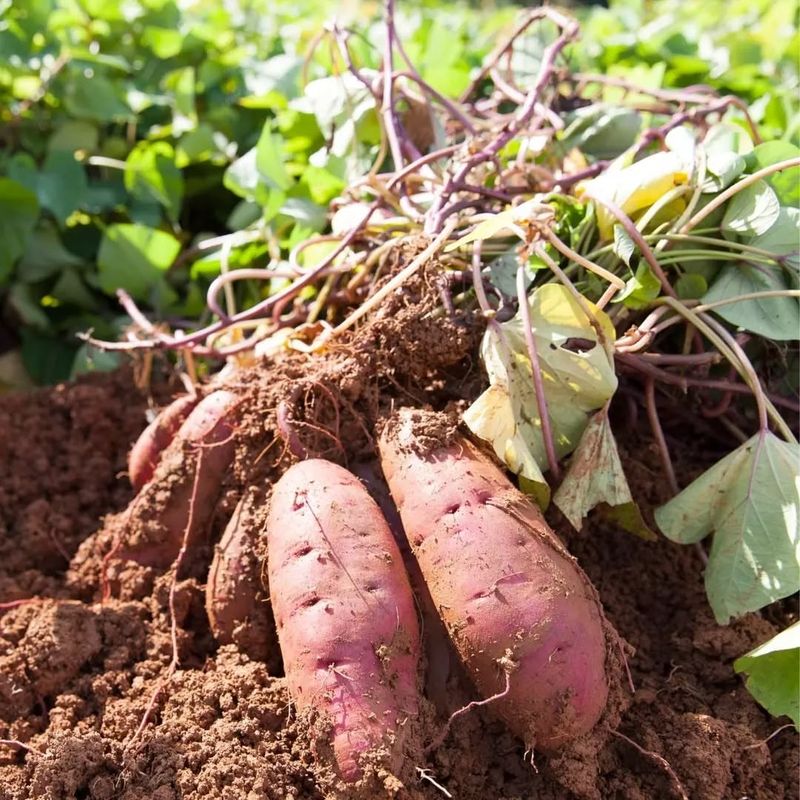
Nothing feels better than digging up food you forgot was waiting underground.
Each plant delivers multiple pounds of nutritious tubers that store beautifully for months. Set slips out in late spring, and fall rewards you with a harvest that feels almost unreal.
Purchase certified disease-free slips from garden centers rather than trying to sprout grocery store sweet potatoes. Georgia gardeners typically plant slips in May when soil temperatures reach 60 degrees or warmer.
These tropical plants need heat to produce well, so don’t rush the planting date.
Sweet potatoes need loose, well-draining soil to develop properly shaped tubers. Heavy clay can cause misshapen or stunted roots across Georgia gardens.
Building raised beds or mounding soil into ridges before planting improves drainage and makes harvest easier.
Water consistently during the first few weeks after planting to help slips establish strong root systems. Once plants start growing vigorously, they tolerate dry conditions remarkably well.
Georgia’s summer rainfall usually provides adequate moisture for healthy growth without supplemental watering.
The sprawling vines spread several feet in all directions, so give sweet potatoes plenty of room. They make excellent ground covers that suppress weeds naturally.
Some gardeners plant them along garden borders where the attractive vines can spread without crowding other crops.
Wait until after the first light frost to harvest sweet potatoes across Georgia for best flavor development. Carefully dig around plants with a garden fork to avoid damaging the tender skins.
Cure harvested sweet potatoes in a warm, humid location for ten days before storing them in a cool, dry place for winter eating.
6. Cucumbers
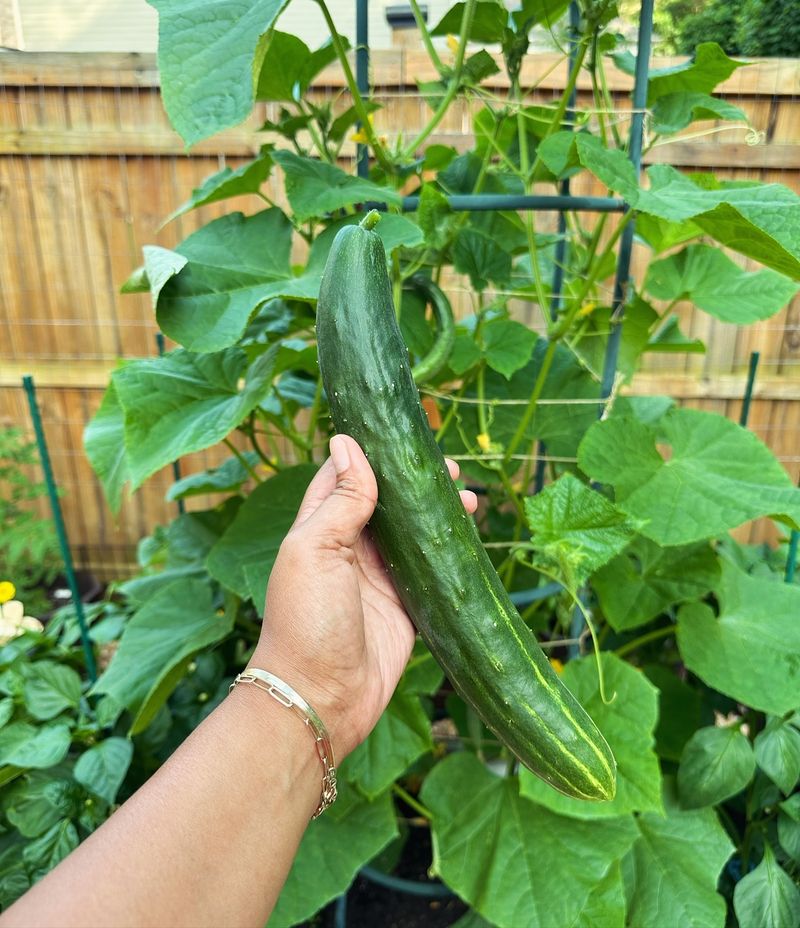
Crisp, refreshing cucumbers grow quickly and produce abundantly in Georgia gardens during warm weather. These vigorous vines climb or sprawl depending on the variety you choose.
Plant seeds or transplants after frost danger passes, and you’ll be harvesting cucumbers within two months.
Cucumbers need consistent moisture to produce sweet, non-bitter fruits throughout Georgia’s growing season. Irregular watering causes bitter flavors and misshapen cucumbers that aren’t pleasant to eat.
Mulching around plants helps maintain even soil moisture during hot, dry periods.
Trellising saves space and keeps fruits clean and straight in Georgia gardens. Vertical growing also improves air circulation around leaves, reducing fungal problems common in humid conditions.
Bush varieties work well if you prefer plants that don’t require support structures.
Plant succession crops every two weeks through July for continuous harvests across Georgia. Cucumber plants produce heavily for several weeks before declining.
Multiple plantings ensure you have fresh cucumbers from June through September without overwhelming harvests all at once.
Straight Eight and Marketmore are reliable slicing varieties for Georgia gardeners seeking classic cucumber flavor. Picklebush and National Pickling produce abundantly for preserving and canning projects.
Armenian and Lemon cucumbers offer interesting alternatives to traditional green varieties.
Harvest cucumbers frequently to encourage continued production throughout the season. Leaving overripe fruits on vines signals plants to stop producing new flowers and fruits.
Check your plants every day or two during peak production in Georgia gardens, picking cucumbers when they reach six to eight inches long for slicing types or smaller for pickling varieties.
7. Southern Peas
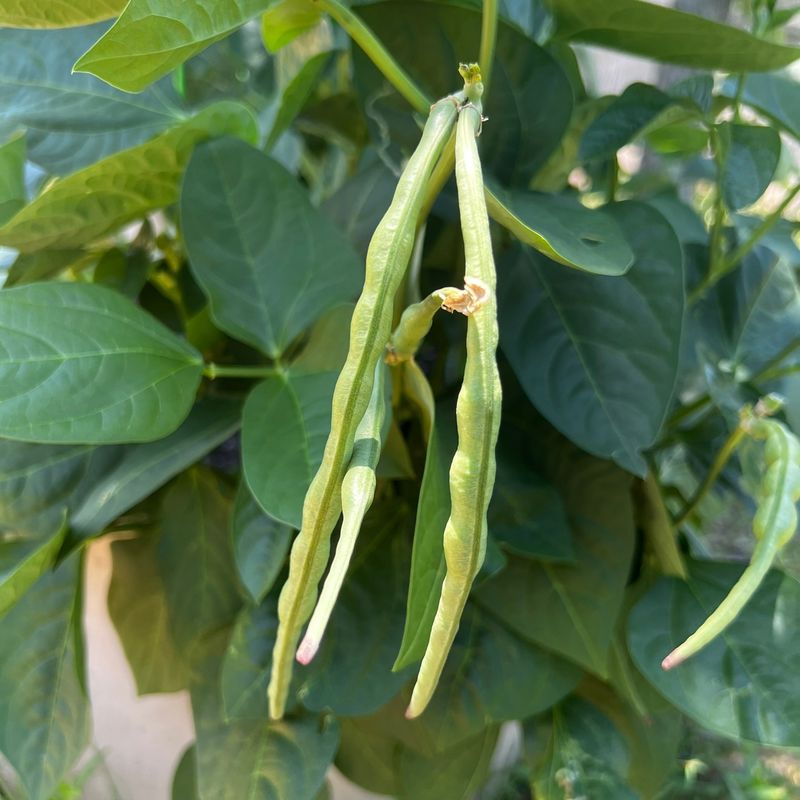
When summer heat shuts most gardens down, southern peas keep going.
They thrive through Georgia’s hottest months, pulling double duty by feeding both your soil and your table. Plant in late spring and expect steady harvests when cool-season crops are already a memory.
Black-eyed peas, crowder peas, and purple hull peas all grow exceptionally well across Georgia. These heat-tolerant varieties actually prefer the warm conditions that stress many other vegetables.
Direct sow seeds after soil temperatures reach 65 degrees, typically in May or early June.
Southern peas fix nitrogen in the soil through their root systems, enriching your garden for future crops. Many Georgia gardeners plant them in areas where heavy feeders like tomatoes or corn grew previously.
The peas replenish nutrients naturally without requiring synthetic fertilizers.
Bush varieties require no support and work well for gardeners with limited space or time. Pole varieties produce longer and climb fences or trellises beautifully.
Both types handle Georgia’s summer weather with remarkable resilience and minimal care requirements.
Water consistently during flowering and pod development for best yields across Georgia gardens. Drought stress during these critical periods reduces harvests significantly.
Once established, southern peas tolerate dry conditions better than most vegetables, making them ideal for water-wise gardening.
Harvest pods when they’re plump but still tender for fresh eating or freezing. Let some pods dry completely on the plant if you want to save seeds for next year’s garden.
Georgia gardeners have been growing and saving southern pea varieties for generations, creating locally adapted strains that perform exceptionally well in specific areas.
8. Collard Greens
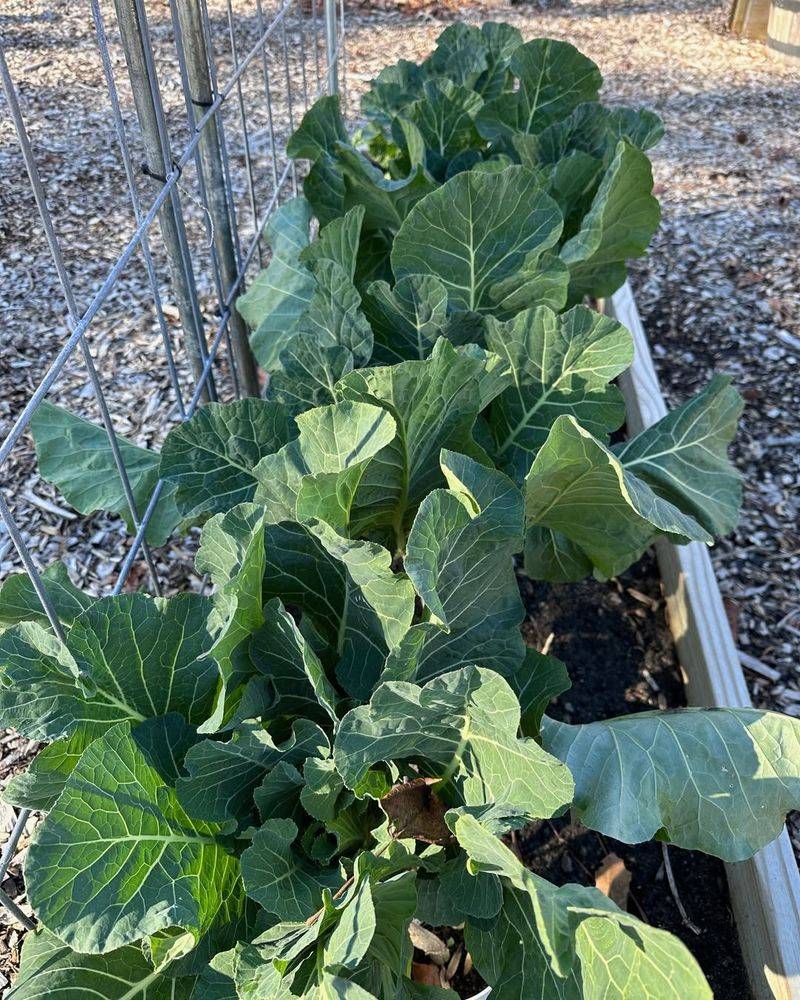
This one earns its space in Georgia gardens year after year.
It handles changing seasons with ease and keeps pushing out nutritious leaves when other crops slow down. Plant in early spring, then again in late summer, and you’ll be harvesting for most of the year.
Collards tolerate heat better than most leafy greens, making them perfect for Georgia summers. They actually taste sweeter after exposure to light frosts in fall and winter.
Many gardeners prefer fall crops because cooler temperatures produce more tender leaves with better flavor.
Start spring plantings about four weeks before your last expected frost date across Georgia. Transplants establish faster than direct-seeded crops and give you a head start on the growing season.
Fall plantings go in the ground during August for winter harvests.
Georgia collards grow large, often reaching three feet tall and equally wide at maturity. Space plants 18 to 24 inches apart to accommodate their size and allow good air circulation.
Crowded plants struggle with pest and disease problems in humid conditions.
Harvest individual leaves from the bottom of plants, allowing the growing tip to continue producing. This cut-and-come-again method provides continuous harvests for months across Georgia gardens.
Take only a few leaves from each plant at a time to maintain plant vigor and health.
Champion, Vates, and Georgia Southern are tried-and-true varieties that perform reliably throughout the state. These traditional varieties have been tested in Georgia gardens for decades.
Collards rarely need pesticides, though cabbage worms occasionally munch on leaves without causing serious damage to overall production or plant health in your garden.
9. Squash
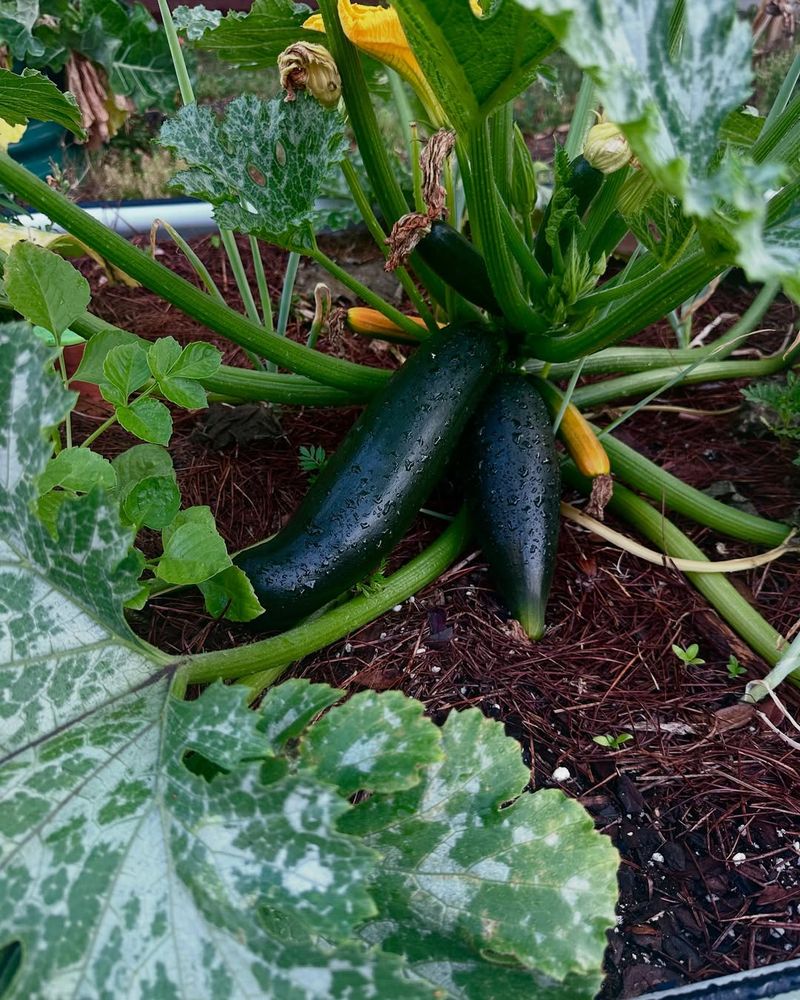
Summer squash produces prolifically in Georgia gardens, often overwhelming gardeners with abundant harvests. These fast-growing plants go from seed to first harvest in about 50 days.
Plant them after frost danger passes, and you’ll be picking squash by early summer.
Yellow crookneck, zucchini, and pattypan squash all thrive in Georgia’s climate with minimal care. These bush-type plants take up less space than vining winter squash varieties.
One or two plants usually produce enough for most families, with plenty left over for sharing.
Squash needs full sun and consistent moisture to produce tender, flavorful fruits across Georgia. Water deeply but infrequently to encourage strong root development.
Shallow, frequent watering creates weak plants susceptible to stress during hot weather.
Squash vine borers can damage plants in Georgia gardens, causing sudden wilting despite adequate water. Inspect stems regularly for tiny holes and sawdust-like frass indicating borer presence.
Succession planting provides backup crops if borers damage early plantings.
Harvest squash when fruits are small and tender for best flavor and texture. Large squash develop tough skins and seedy interiors that aren’t as pleasant to eat.
Check plants daily during peak production because squash grows incredibly fast in Georgia’s summer heat.
Plant squash in mounds or hills to improve drainage and warm the soil faster in spring. Space hills three to four feet apart to accommodate the spreading plants.
Mulching around plants suppresses weeds and maintains consistent soil moisture throughout the growing season, helping your Georgia garden produce abundantly from early summer through the first frost of autumn.
10. Green Beans
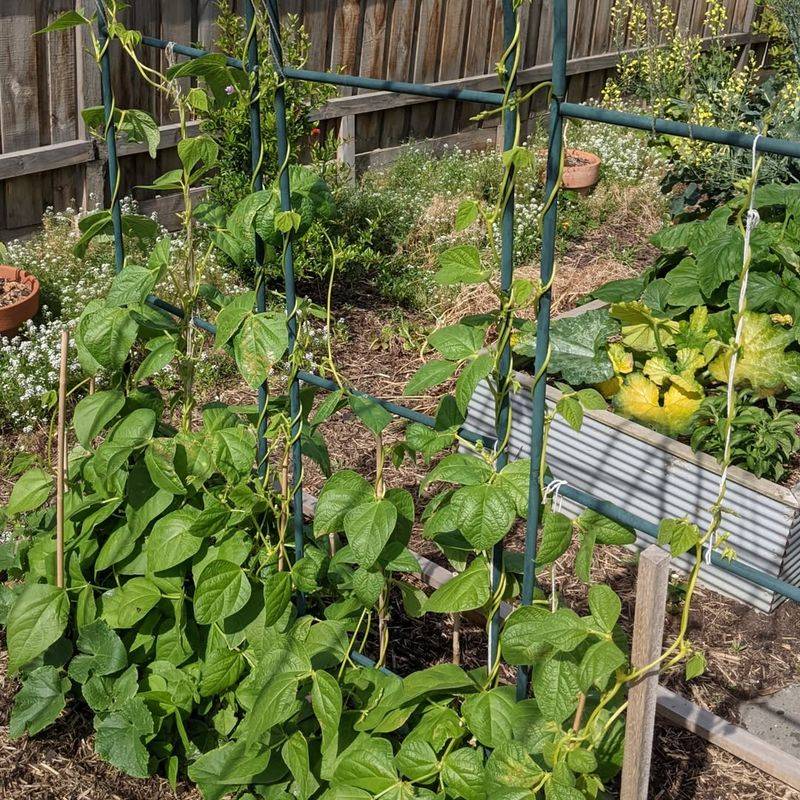
If you want fast results, this one won’t make you wait.
It takes off quickly, keeps producing, and holds up well once Georgia’s heat settles in. Plant after the last frost and expect steady harvests of tender beans through much of the season.
Bush beans mature all at once, making them perfect for gardeners who want to preserve large batches. Pole beans produce over a longer period and climb trellises or fences beautifully.
Both types grow successfully across Georgia with proper care and attention.
Direct sow bean seeds about one inch deep after soil temperatures reach 60 degrees. Georgia gardeners typically plant in April or May for spring crops.
Succession plantings every two weeks through July ensure continuous harvests without overwhelming gluts.
Beans fix nitrogen in the soil through their root systems, improving fertility naturally. Avoid fertilizing beans heavily, especially with nitrogen-rich products.
Excessive nitrogen produces lush foliage with few pods across Georgia gardens.
Provider and Contender are dependable bush varieties that handle Georgia’s heat and humidity well. Kentucky Wonder remains the classic pole bean choice for flavor and production.
Purple-podded varieties like Royal Burgundy make harvesting easier because the colorful pods show up clearly against green foliage.
Harvest beans when pods snap crisply and seeds inside remain small and undeveloped. Overmature beans become tough and stringy quickly.
Pick beans every two or three days to keep plants producing and prevent pods from becoming too large. Regular harvesting signals plants to continue flowering and setting new pods throughout the season in your Georgia garden.