8 Simple Adjustments You Can Make For Juicier Peaches In South Carolina
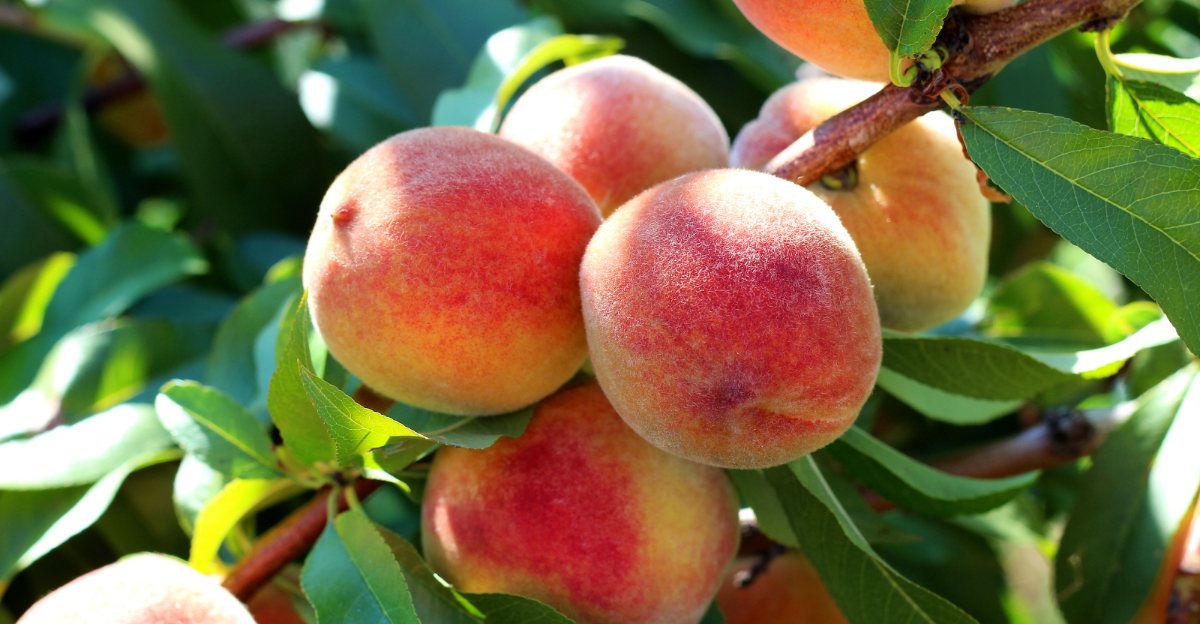
There’s a moment in summer when you look at peaches growing on your tree in South Carolina and start imagining how good they’re going to taste when they’re finally ready.
Everything may look right on the surface, from healthy leaves to branches full of fruit, yet you can still wonder how some harvests turn out noticeably better than others.
Not every peach season needs fixing, and a tree that’s growing well is already doing much of the work for you.
When peaches consistently come out larger and juicier, though, it’s usually because a few small choices supported the tree at just the right times. In South Carolina’s long, warm growing season, those details quietly shape how fruit develops as temperatures rise.
Once you understand what helps peach trees focus their energy more efficiently, the results tend to show up naturally.
Making a few simple adjustments can help your South Carolina peaches reach their full, mouthwatering potential.
1. Thin Developing Peaches Early To Reduce Competition
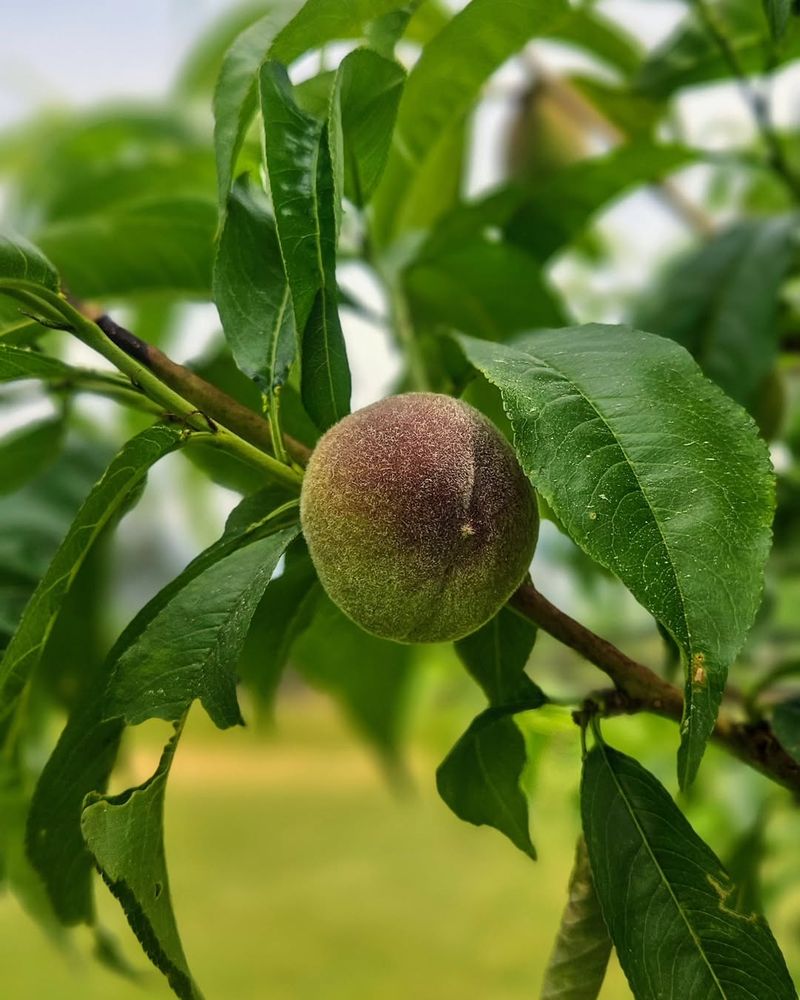
Peach trees grown in South Carolina naturally set far more fruit than they can realistically support to full size, especially after warm springs that encourage heavy flowering and strong pollination across the canopy.
By late spring, branches are often packed with dozens of small peaches that all compete for the same water, nutrients, and stored energy just as temperatures begin rising quickly.
Without thinning, the tree spreads its resources across too many fruits, which leads to peaches that remain smaller, less juicy, and weaker in flavor by the time harvest arrives.
Thinning early redirects that energy into fewer peaches, allowing each one to size up properly and develop deeper sweetness before South Carolina’s intense summer heat takes hold.
The ideal time to thin is when peaches reach about marble size, which usually occurs in late spring for most South Carolina growers depending on variety and location.
At this stage, remove excess fruit so the remaining peaches are spaced roughly six to eight inches apart along each branch, giving them enough room to expand without competing directly.
Proper spacing becomes especially important as humidity increases, since crowded fruit struggles to manage moisture stress during hot, sticky weather.
Trees carrying too much fruit often show signs of stress later in the season, even when watering appears consistent.
Excessive weight can also cause branches to bend or snap during summer storms, which are common in many parts of South Carolina.
Begin thinning by removing damaged, misshapen, or tightly clustered peaches first, then work toward evenly spacing the healthiest-looking fruit. The goal is balance across the branch rather than perfect symmetry.
Thinning also improves airflow around developing peaches, which helps fruit dry faster after rain and lowers disease pressure in humid conditions. Many gardeners hesitate because removing fruit feels wasteful, but fewer peaches almost always produce better results in this climate.
Larger peaches develop noticeably more juice and stronger flavor as harvest approaches.
Check trees again after natural fruit drop or storms and make small adjustments if needed.
Your South Carolina Garden Changes Every Week. Your Plan Should Too.
Gardening in South Carolina changes quickly throughout the season. Every Friday you’ll receive a simple weekly plan showing exactly what to plant, prune, fertilize, harvest, and protect so you never miss the right timing.
Early thinning consistently sets the foundation for larger, juicier peaches in South Carolina season after season.
2. Prune For Better Sun Exposure Across Branches
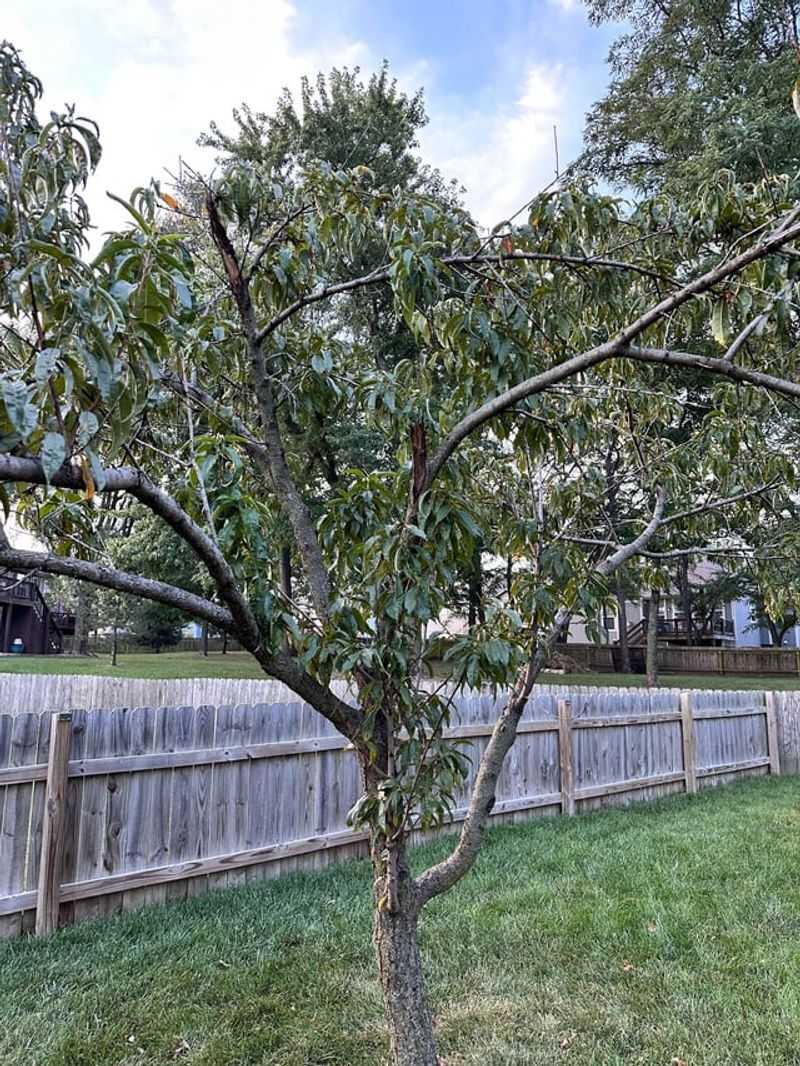
Pruning for better sun exposure is one of the most effective ways to improve peach quality in South Carolina, where long daylight hours and strong summer sun play a major role in fruit development.
Peach trees naturally grow dense canopies, and without regular pruning, overlapping branches block sunlight from reaching fruit deeper inside the tree.
When sunlight cannot penetrate the canopy evenly, peaches develop unevenly, often staying smaller, less sweet, and slower to ripen.
Proper pruning opens the tree structure so sunlight can reach more branches throughout the day as the sun moves across the sky.
In South Carolina’s humid climate, this improved light exposure also helps reduce moisture buildup that can stress fruit during peak heat.
The goal of pruning is not to remove excessive growth, but to create a balanced, open shape that allows light to filter through the entire canopy.
Removing inward-growing branches prevents shading in the center of the tree where fruit often struggles to mature fully.
Crossing or rubbing branches should be removed early, since they create dense pockets that block light and restrict airflow.
Well-spaced branches allow peaches to receive consistent sun exposure, which directly supports sugar development and juiciness.
Trees that receive uneven light often produce fruit that ripens inconsistently, forcing growers to harvest in multiple rounds. In South Carolina, pruning is best done while trees are dormant or during light summer touch-ups that remove excessive shading growth.
Opening the canopy before summer heat intensifies helps fruit adjust gradually to increased sun rather than sudden exposure later in the season. Sun-exposed peaches develop stronger flavor because photosynthesis works more efficiently when leaves receive direct light.
Better sun exposure also encourages firmer flesh and improved color as peaches approach harvest.
Pruned trees handle heat stress better because air circulates more freely between branches.
This balance between sunlight and airflow becomes especially important during long stretches of hot, humid weather.
Consistent pruning keeps the tree productive without forcing it to support shaded, low-quality fruit. Over time, trees trained for good sun exposure produce larger, juicier peaches with more reliable harvests in South Carolina.
3. Adjust Watering As Fruit Begins To Swell
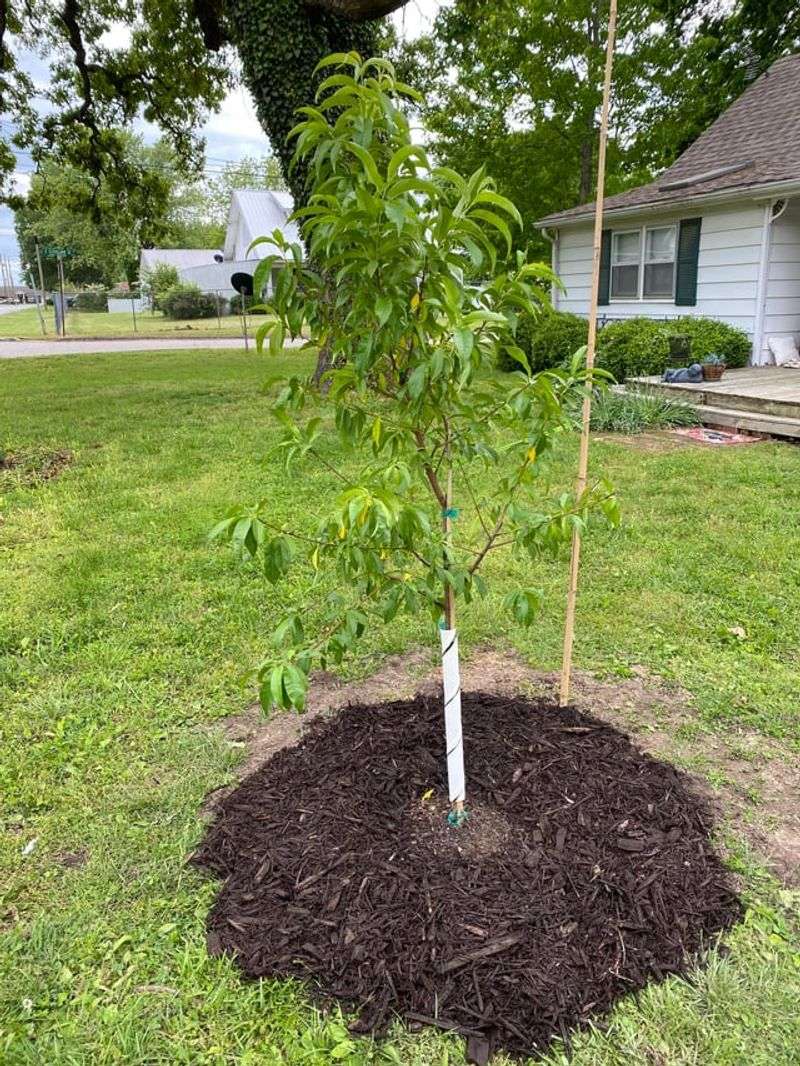
As peach fruit begins to swell, watering habits become one of the most important factors affecting size and juiciness, especially in South Carolina where temperatures rise quickly in late spring and early summer.
During early fruit development, peach trees rely on steady moisture to support cell expansion as peaches transition from firm growth to rapid sizing.
If water becomes inconsistent during this stage, fruit often stalls in development or ends up smaller and less juicy at harvest.
South Carolina soils can dry out faster than expected once heat and wind increase, even after regular rainfall.
Relying only on rain during this phase can leave trees under stress without obvious warning signs.
As fruit begins to swell, deep, consistent watering helps maintain even growth rather than short bursts followed by dry periods. Shallow watering encourages surface roots, which struggle during hot stretches common in this region.
Deep watering pushes moisture down to the root zone where trees can access it throughout the day.
Sudden swings between dry soil and heavy watering can cause fruit stress that limits juice development.
Keeping soil evenly moist allows peaches to expand steadily instead of stopping and restarting growth.
This steady moisture is especially important as temperatures climb toward summer highs.
Overwatering, however, can be just as harmful as underwatering.
Waterlogged soil reduces oxygen availability to roots and weakens overall tree health. In South Carolina’s heavier soils, drainage must be considered when adjusting watering schedules.
Applying water early in the day helps reduce moisture loss and supports uptake before peak heat.
Mulching around the base of the tree helps retain soil moisture and moderates temperature swings.
Consistent watering during fruit swell supports larger peaches with higher juice content. Small adjustments at this stage often make the biggest difference at harvest time.
4. Feed Lightly Instead Of Heavy Nitrogen Pushes
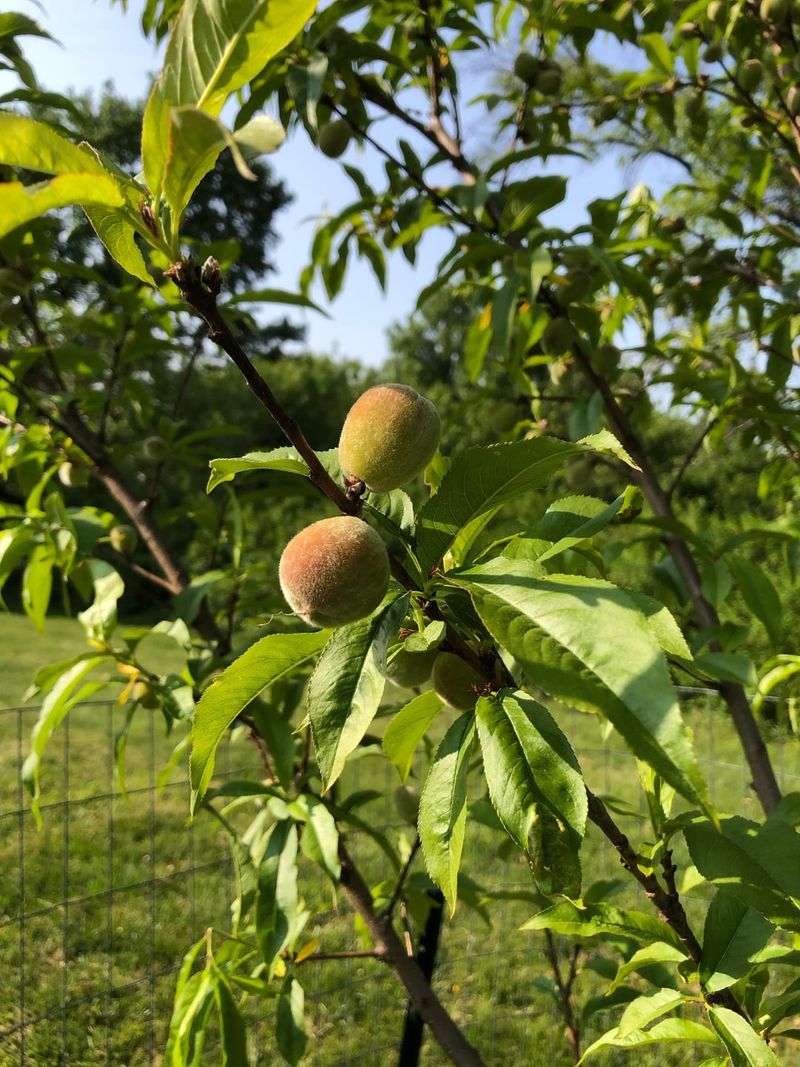
Peach trees respond best to light, balanced feeding once fruit begins developing, especially in South Carolina where rapid spring growth can easily get out of control.
Heavy nitrogen applications may seem helpful, but they often push excessive leaf growth at the expense of fruit quality.
When nitrogen is too high, the tree directs energy into shoots and foliage instead of sizing peaches properly.
This creates a dense canopy that shades fruit and limits sugar development. In South Carolina’s warm climate, excess nitrogen also encourages soft, overly vigorous growth that struggles during summer heat.
As fruit sets and begins to grow, peach trees need steady nutrition rather than aggressive feeding.
Light applications support fruit development without overwhelming the tree’s natural balance.
Too much nitrogen during this stage can delay ripening and reduce overall juiciness. Trees fed heavily often produce peaches that look healthy but lack depth of flavor.
Balanced feeding allows the tree to focus on building sugars and moisture within the fruit.
South Carolina soils often retain nutrients longer due to warmth and organic matter breakdown.
This makes overfeeding easier than many gardeners realize. Slow-release or low-nitrogen options help avoid sudden nutrient spikes.
Applying fertilizer earlier in the season supports growth without interfering with fruit swelling later.
Once peaches begin sizing, feeding should shift toward maintenance rather than stimulation. Excess nitrogen also increases water demand, adding stress during hot weather.
Lighter feeding reduces strain on the tree during peak summer conditions. Well-fed but not overfed trees produce peaches with better texture and flavor.
Small, measured nutrient adjustments often lead to noticeably better harvests in South Carolina.
5. Maintain Even Soil Moisture During Hot Spells
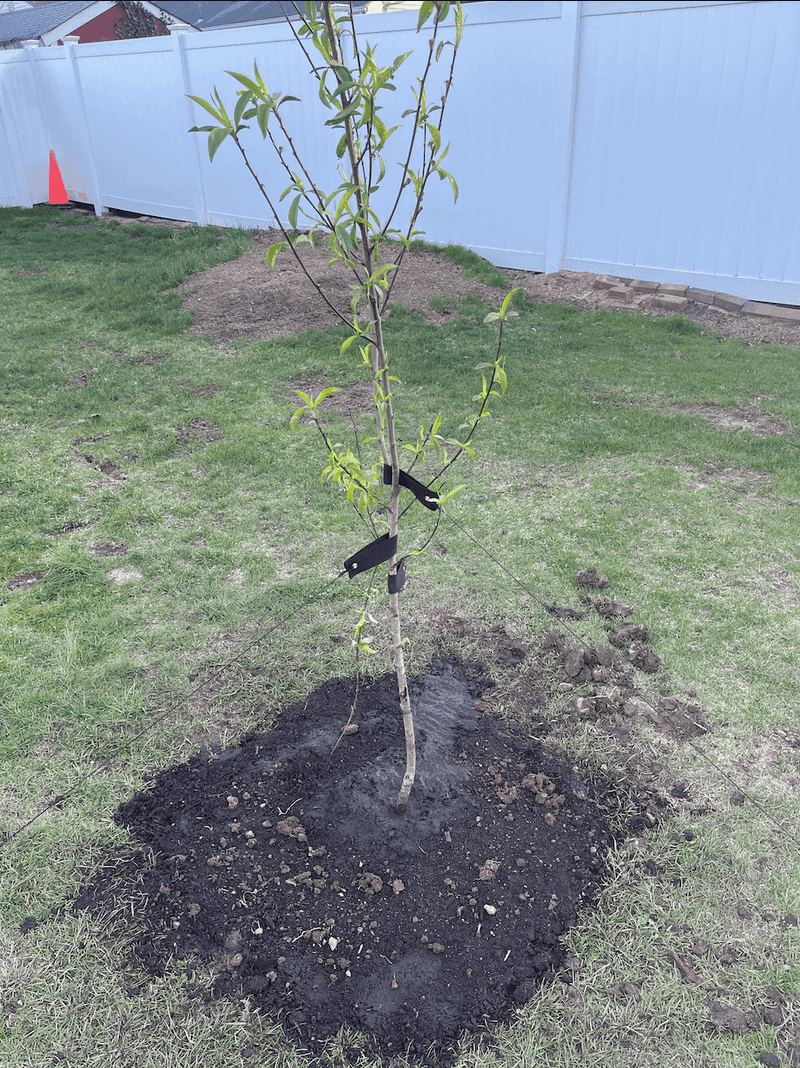
Maintaining even soil moisture during hot spells is critical for peach trees in South Carolina, where extended periods of heat can rapidly disrupt fruit development if water availability becomes inconsistent.
When temperatures climb, peach trees lose moisture faster through both evaporation and transpiration, placing added strain on roots that are already working to support swelling fruit.
Irregular moisture forces the tree into a constant cycle of stress and recovery, which interferes with steady fruit expansion and limits juice accumulation.
Soil that alternates between overly dry and suddenly saturated conditions creates instability that peaches respond to by slowing internal growth processes.
Consistent moisture allows fruit cells to expand gradually, producing peaches that are larger, softer, and noticeably juicier at harvest.
South Carolina’s hot spells often arrive with drying winds that remove surface moisture even after recent rainfall. Relying solely on rain during these periods can leave deeper root zones inadequately supplied.
Deep, methodical watering ensures moisture penetrates beyond the surface and remains accessible throughout the hottest parts of the day.
Frequent shallow watering encourages roots to stay near the surface, where temperatures fluctuate rapidly.
Surface-level roots struggle to supply consistent moisture during prolonged heat.
Applying organic mulch helps regulate soil temperature and slows evaporation, creating a more stable moisture environment. Mulch also reduces rapid drying between watering cycles.
Watering early in the morning improves absorption before heat stress peaks. Even soil moisture helps trees regulate internal water movement more efficiently.
Stable moisture reduces fruit stress that can lead to reduced size or firmness. Trees supported through hot spells recover faster once temperatures moderate.
Maintaining consistent soil moisture during heat ultimately supports better texture, flavor, and juiciness in South Carolina peaches.
6. Support Heavy Branches Before Fruit Fully Fills Out
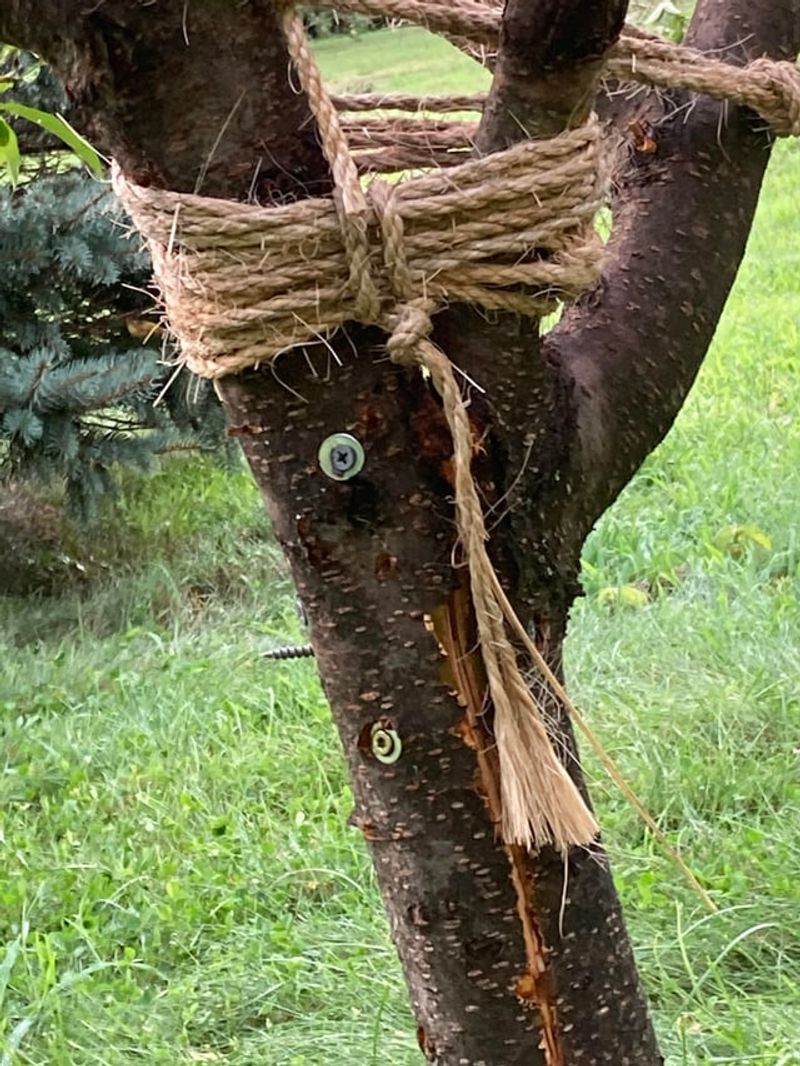
Supporting heavy branches before fruit fully fills out is a crucial step for peach trees in South Carolina, where rapid spring growth and rising temperatures cause fruit weight to increase faster than many branches can safely handle.
As peaches move from early development into the swelling stage, branches that looked stable weeks earlier can begin bending under pressure, especially on trees carrying a strong crop.
This bending creates internal stress that disrupts water and nutrient movement, quietly reducing fruit quality long before any visible damage appears.
In South Carolina, sudden thunderstorms and gusty winds add extra force to already strained branches, increasing the risk of splitting or breakage.
Once a branch cracks or snaps, the loss is permanent for the season and often affects future production as well. Providing support early allows branches to gradually adapt to added weight instead of reacting suddenly when fruit is nearly mature.
Supports such as props, adjustable stakes, or soft ties help distribute weight evenly and protect the natural angle of the branch. Keeping branches properly positioned also improves sun exposure and airflow, which directly supports better peach development.
Branches held at stable angles continue moving water and nutrients efficiently as fruit expands.
Waiting until fruit is fully grown often means damage has already begun internally, even if breakage has not yet occurred.
Early support reduces strain during the hottest weeks when trees are already under environmental stress.
Trees that are structurally supported can focus energy on fruit quality rather than survival. This balance becomes especially important during long stretches of heat and humidity.
Supporting branches early preserves canopy structure and prevents late-season losses. It also protects next year’s growth points from unnecessary damage.
This simple adjustment leads to healthier trees and consistently juicier peaches in South Carolina.
7. Manage Canopy Airflow To Limit Stress On Fruit
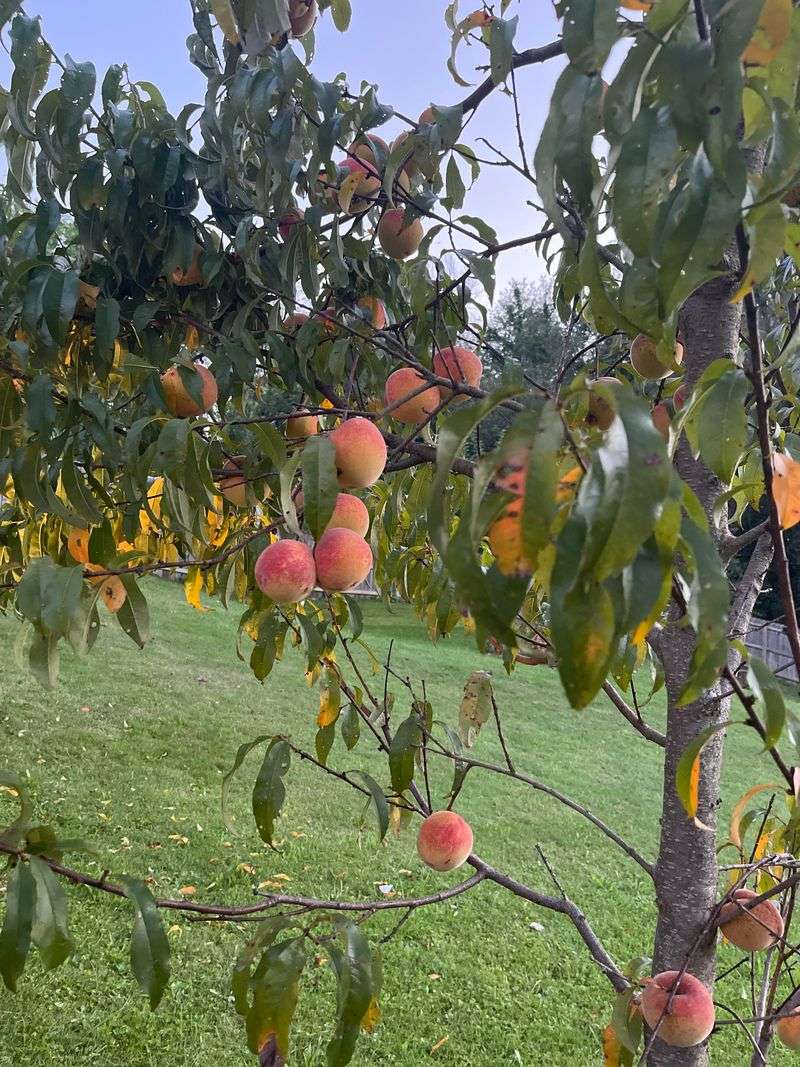
Managing canopy airflow is essential for reducing stress on developing peaches in South Carolina, where high humidity and warm temperatures can quickly create unfavorable conditions inside dense trees.
When air cannot move freely through the canopy, moisture lingers on leaves and fruit, increasing stress and slowing normal growth processes.
Poor airflow causes heat to build up around fruit clusters, which interferes with steady expansion and reduces overall juiciness.
In South Carolina’s climate, trapped humidity also makes peaches work harder to regulate internal moisture during hot afternoons. An open canopy allows warm air to escape and cooler air to circulate, keeping fruit temperatures more stable throughout the day.
Branches that overlap or crowd the center of the tree create pockets where air stagnates and stress quietly builds.
Removing excess interior growth improves circulation without reducing the tree’s productive potential.
Better airflow helps fruit dry faster after rain, which is especially important during humid weather patterns common across the state.
Drying faster reduces strain on fruit skin and lowers the chance of surface damage that affects quality.
Air movement also supports more efficient transpiration, helping trees manage water during heat.
Trees with good airflow are better equipped to handle sudden temperature spikes without stalling fruit growth.
Improved circulation works together with sunlight to support stronger sugar development. Evenly ventilated canopies allow peaches to ripen more uniformly instead of unevenly across branches.
Managing airflow early prevents stress from compounding later in the season.
Well-ventilated trees maintain healthier leaves that continue supporting fruit through harvest. This balance leads to peaches with better texture, flavor, and juice content.
Consistent canopy airflow is a quiet but powerful factor in producing high-quality peaches in South Carolina.
8. Time Final Care Around South Carolina’s Heat Peaks
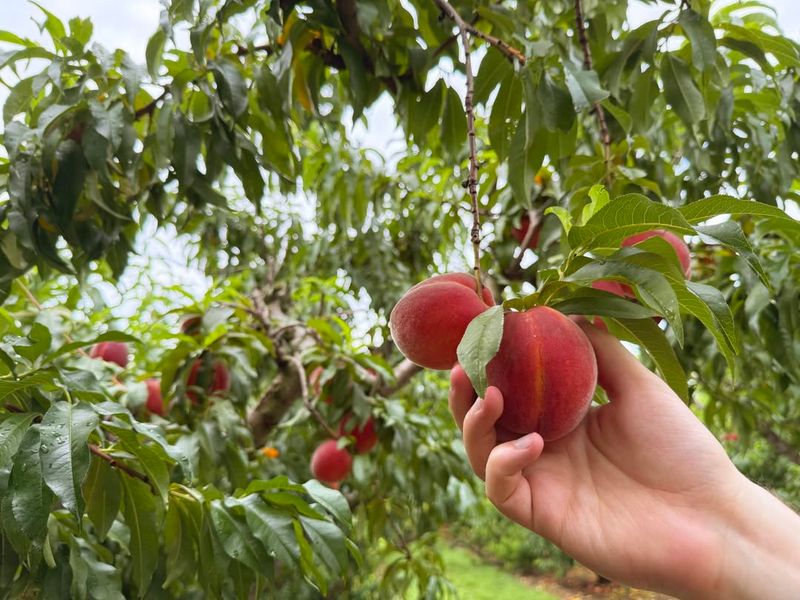
Timing final care around South Carolina’s heat peaks is essential for protecting peach quality, because extreme temperatures place added stress on trees just as fruit reaches its most sensitive stage.
As summer approaches, South Carolina often experiences sudden spikes in heat that can disrupt water movement, slow fruit expansion, and reduce overall juiciness if care is poorly timed.
Performing final adjustments before the hottest stretches allows trees to enter peak heat periods in a more stable condition.
Late pruning, fertilizing, or heavy watering during extreme heat forces trees to redirect energy away from fruit development.
Instead, completing major care tasks earlier helps peaches continue sizing without interruption once temperatures rise sharply.
Heat peaks often arrive with little warning, especially during late spring and early summer.
Trees that are already balanced handle these spikes with far less stress.
Final thinning, pruning touch-ups, and structural support should be finished before prolonged heat sets in.
This timing allows wounds to heal and growth to stabilize ahead of stressful conditions.
Watering schedules should also be adjusted gradually rather than changed suddenly during hot spells.
Sudden increases in water during peak heat can shock roots and affect fruit texture.
South Carolina’s humidity amplifies heat stress by slowing moisture loss from leaves and fruit.
Well-timed care helps trees regulate internal temperatures more efficiently. Peaches exposed to extreme heat without preparation often lose firmness and flavor.
Trees supported ahead of heat peaks maintain steadier nutrient flow.
This steadiness directly impacts juice content and sweetness. Planning final care around predictable heat patterns leads to more reliable harvests.
Small timing adjustments often separate average peaches from exceptional ones in South Carolina.