10 Companion Plants You Can Pair With Snake Plants In New York
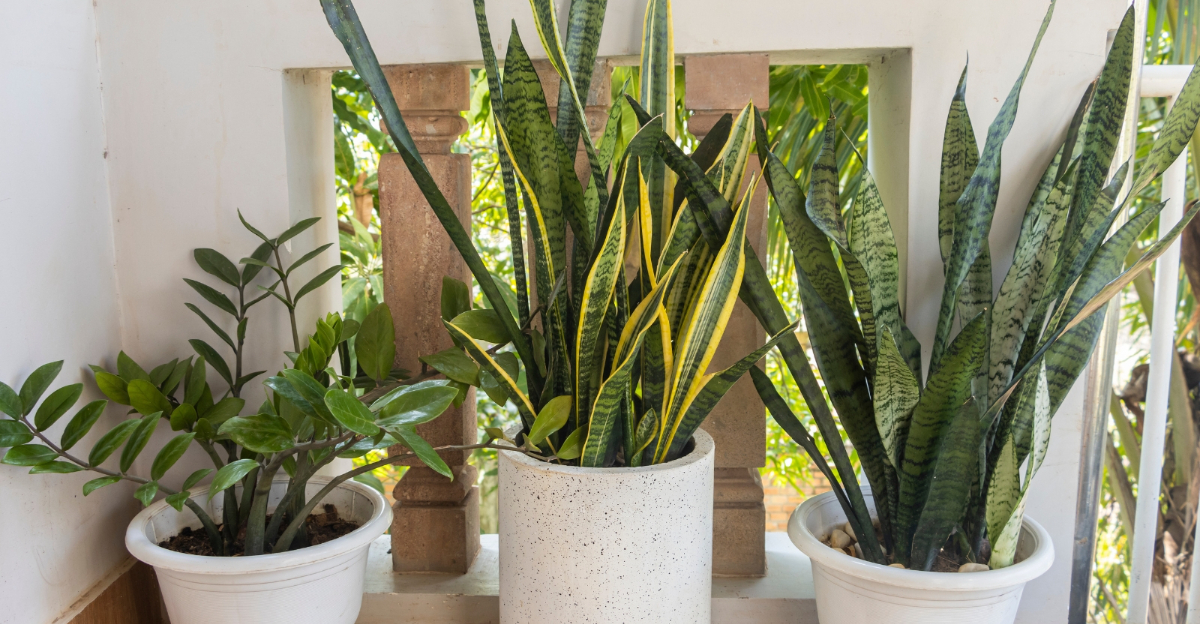
You might look at your snake plant in your New York home and feel like it’s doing great on its own, yet the space around it still feels a little unfinished.
That’s a common moment, especially in apartments where every plant has to earn its place and work well with the conditions you already have. Not every plant pairing needs fixing, and snake plants are famously easygoing on their own.
When a room still feels slightly off, though, it often comes down to how plants interact with each other rather than how any single one is cared for.
Light levels, airflow, and moisture preferences quietly influence whether plants feel balanced together or slightly mismatched.
Recognizing which plants naturally complement snake plants is usually the turning point toward a more cohesive setup.
With the right companions, snake plants don’t just survive in New York homes, they anchor spaces that feel calmer, fuller, and easier to maintain.
1. ZZ Plant
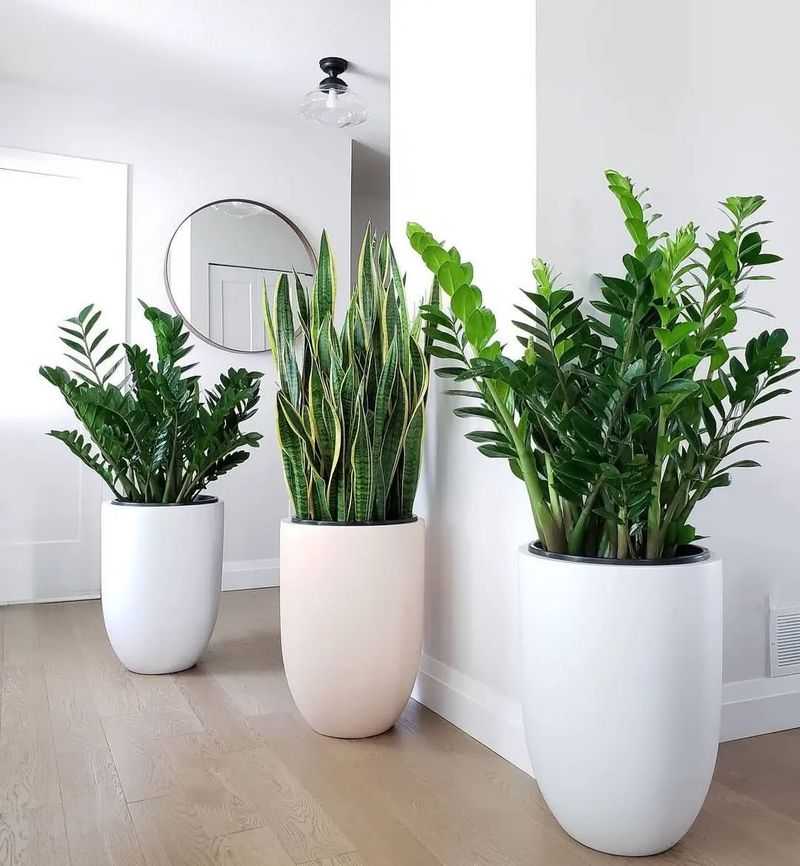
Your ZZ plant loves the same relaxed lifestyle as your snake plant. Both of these beauties can handle neglect better than most houseplants, which means you won’t stress about watering schedules.
They prefer their soil to dry out completely between waterings, making them ideal companions in your New York apartment.
Bright indirect light works wonders for both plants, though they’ll tolerate lower light conditions without complaint. Your ZZ plant has glossy, thick leaves that contrast beautifully with the upright, sword-like foliage of snake plants.
This combination creates visual interest on your windowsill or plant shelf.
New York winters can be tough on indoor plants, but these two handle dry indoor air like champions. You won’t need to run a humidifier or mist them constantly.
Their waxy leaves help them retain moisture naturally.
Overwatering causes more problems than underwatering for both species. If you forget to water for a few weeks, they’ll forgive you.
Root concerns arise when soil stays soggy, so always use well-draining potting mix.
Your ZZ plant grows slowly and steadily, just like your snake plant. Neither will outgrow their pots quickly, saving you from constant repotting chores.
They’re both perfect for busy New Yorkers who want greenery without high maintenance demands.
2. Pothos
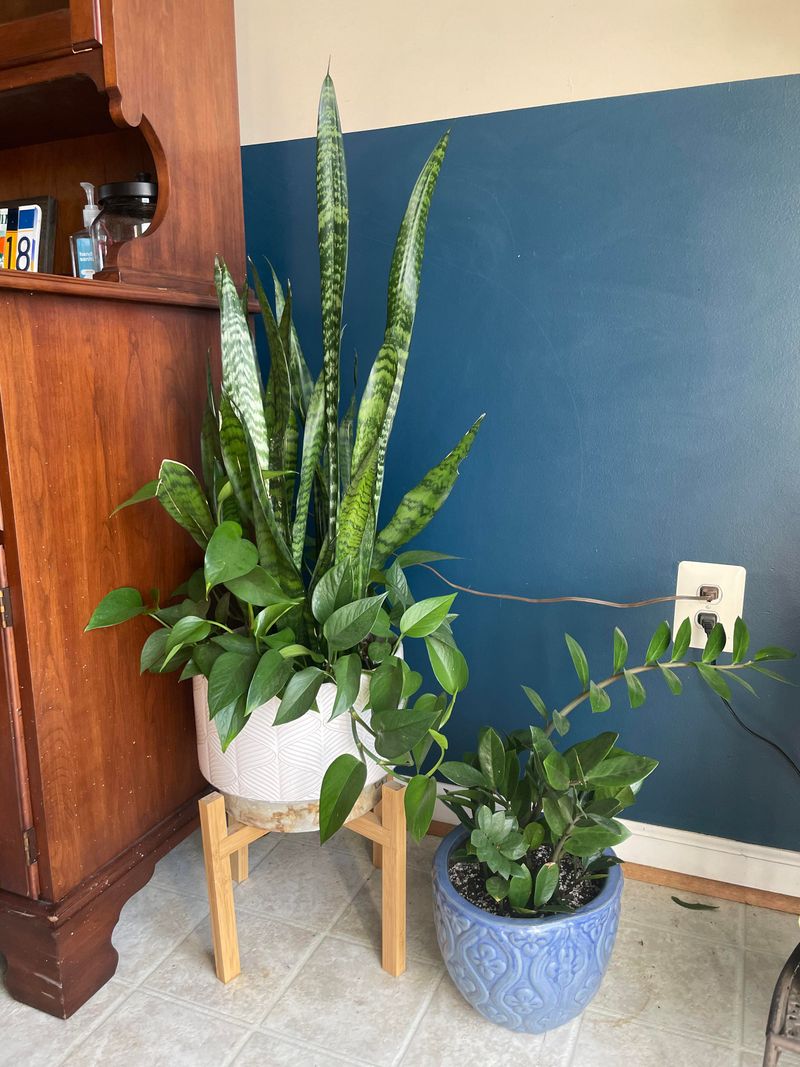
Every plant corner needs contrast to feel complete. Trailing vines soften the upright lines of snake plants, creating a balanced look that works especially well in smaller spaces.
Pothos can spill from shelves while your snake plant stays tall and structured below. Both handle the same range of light, from low to bright indirect, making them easy, flexible roommates in any New York home.
Watering needs align nicely between these two species. Your pothos likes to dry out slightly between waterings, just like your snake plant prefers.
You can check both plants at once and water them together, simplifying your plant care routine.
New York apartments often have varying light levels in different rooms, and both these plants adapt well. Your pothos will grow faster in brighter spots but survives in dimmer areas too.
Your New York Garden Changes Every Week. Your Plan Should Too.
Gardening in New York changes quickly throughout the season. Every Friday you’ll receive a simple weekly plan showing exactly what to plant, prune, fertilize, harvest, and protect so you never miss the right timing.
This adaptability means you can place them together almost anywhere.
Temperature preferences match up beautifully for these companions. Both handle typical indoor temperatures without fussing, and neither needs special heating or cooling.
They’ll thrive in the same environment you find comfortable.
Your pothos comes in many varieties, from golden to marble queen, giving you options to create interesting color combinations. Pairing different pothos types with snake plants adds depth and variety to your indoor garden without complicating care requirements.
3. Peace Lily
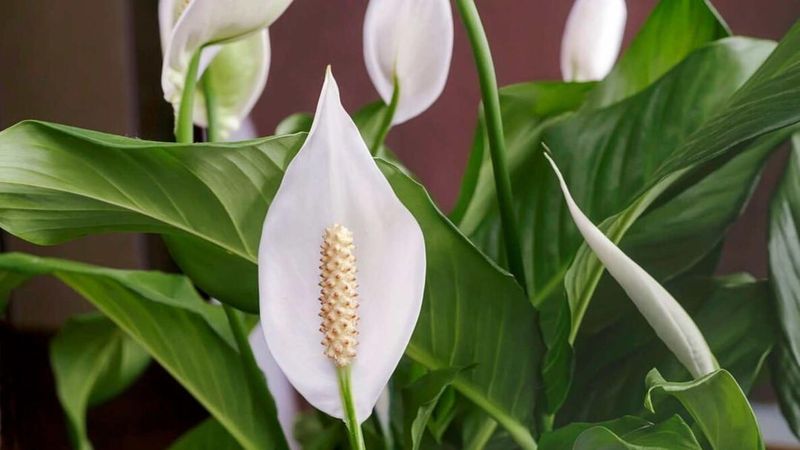
Soft blooms can change the entire feel of a plant corner. Elegant white flowers bring contrast and balance while sharing similar care needs with snake plants.
Peace lilies handle low light well, which makes them a natural fit for shadier spots in New York homes. Both plants prefer steady temperatures and stay attractive without demanding constant attention.
Your peace lily needs slightly more water than your snake plant, but the difference isn’t dramatic. You can still maintain a simple watering schedule by checking soil moisture before watering.
The peace lily will droop slightly when thirsty, giving you a clear signal.
Air purification benefits increase when you pair these two plants together. Both species filter indoor air pollutants, creating a healthier environment in your apartment.
New York city dwellers appreciate any help improving indoor air quality.
Your peace lily’s dark green leaves contrast nicely with the patterned foliage of snake plants. The occasional white flowers add a pop of brightness to your green collection.
This combination brings both texture and color variety to your space.
Neither plant demands high humidity, which is great for New York apartments with dry winter air. They both tolerate average household humidity levels without developing brown leaf tips or other moisture-related issues.
You won’t need special equipment to keep them happy together.
4. Spider Plant
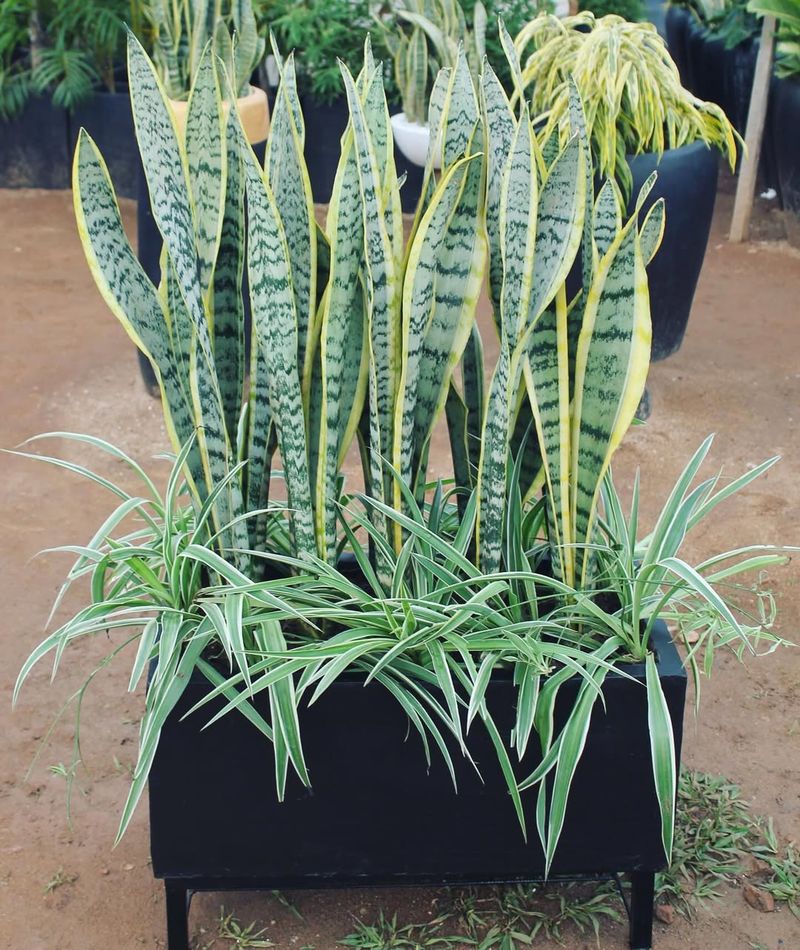
Movement makes a plant setup feel alive. Cascading baby plantlets spill outward and soften the rigid form of snake plants nearby.
Spider plants thrive in bright indirect light but tolerate lower levels just as well. Both are forgiving when watering isn’t perfect, which makes them an easy win for learning plant parents in New York.
These two species share a preference for well-draining soil and don’t like sitting in water. Your spider plant develops thick, tuberous roots that store water, much like how snake plants retain moisture in their leaves.
This similarity means they can handle the same watering schedule without problems.
New York tap water sometimes contains fluoride and chlorine that can affect sensitive plants. Both spider plants and snake plants tolerate these chemicals better than many houseplants.
You can use regular tap water without worrying about brown leaf tips or other water-quality issues.
Your spider plant grows quickly and produces babies that you can propagate easily. Snake plants grow more slowly but can also be divided when they produce pups.
Together, they give you opportunities to expand your collection or share plants with friends.
Temperature fluctuations near windows don’t bother either plant much. Both handle the cooler temperatures that sometimes occur near New York windows in winter.
They’re resilient companions that won’t complain about minor environmental changes.
5. Cast Iron Plant
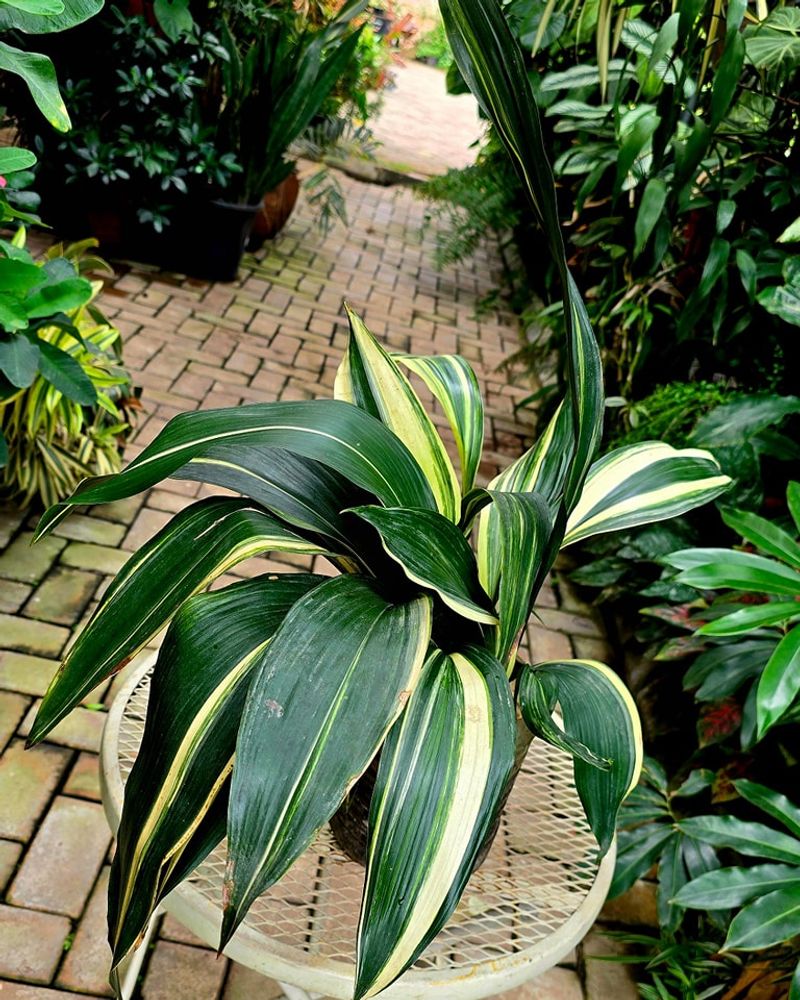
Some plants thrive on being ignored. Built to handle rough conditions, this one matches the snake plant’s reputation for durability perfectly.
Both shrug off low light, missed waterings, and general neglect, which makes them an ideal pairing for busy New Yorkers who want greenery without the pressure.
These companions prefer their soil to dry between waterings, so you’ll never worry about keeping different schedules. Your cast iron plant has broad, arching leaves that contrast beautifully with the upright, narrow foliage of snake plants.
This pairing creates architectural interest in your indoor space.
New York apartments with limited natural light can still support these two champions. Neither plant demands bright conditions to survive, though they’ll grow faster with more light.
You can place them in corners or hallways where other plants might struggle.
Your cast iron plant grows slowly and stays compact, similar to the growth rate of snake plants. Neither will suddenly outgrow their space or require frequent repotting.
They’re both content to stay in the same pot for years.
Pest problems rarely affect either species, which means less hassle for you. Both plants have tough leaves that discourage common indoor pests.
Your New York home will stay pest-free when you choose these resilient companions.
6. Chinese Evergreen
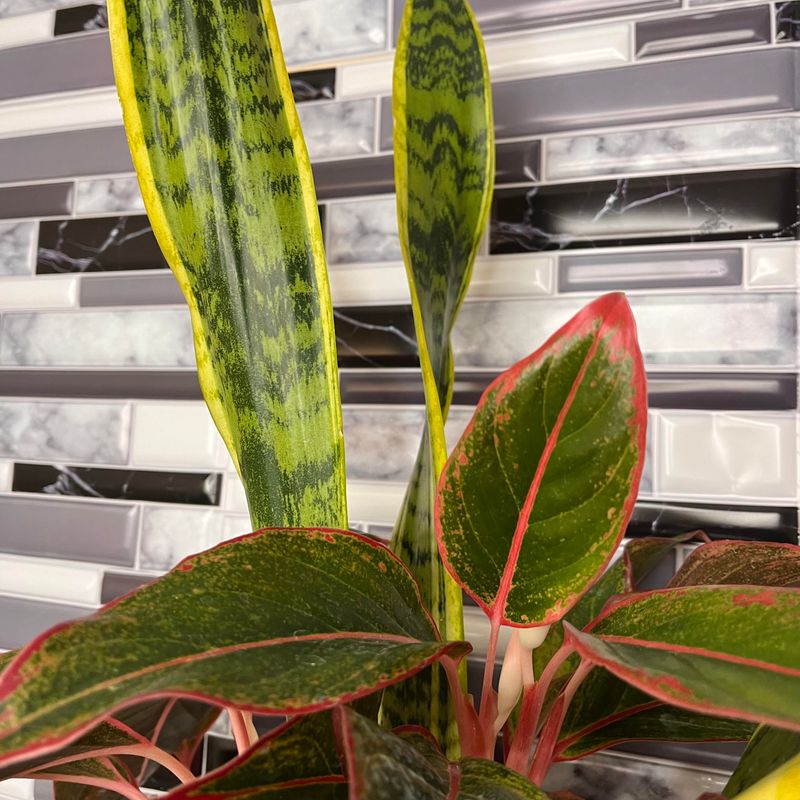
Pattern is what turns a basic plant setup into something worth looking at. Bold leaf markings balance beautifully against a snake plant’s striped foliage.
Chinese evergreens handle the same low to medium light, which makes placement simple in New York apartments. Both prefer soil to dry between waterings, so care stays straightforward and low effort.
These companions share a preference for warm temperatures and don’t appreciate cold drafts. Keep them away from air conditioning vents or drafty windows during New York winters.
They’ll both thrive in the same comfortable temperature range you enjoy.
Your Chinese evergreen comes in varieties with pink, red, or silver markings that add color interest to your green collection. Pairing colorful varieties with the classic green and yellow stripes of snake plants creates a vibrant display.
This combination brings visual excitement without requiring different care approaches.
Neither plant needs frequent fertilizing, which simplifies your maintenance schedule. Feed them lightly during the growing season, and they’ll stay healthy without constant attention.
New York plant lovers appreciate this low-input approach to indoor gardening.
Your Chinese evergreen grows at a moderate pace, similar to snake plants. Neither will suddenly take over your space or need emergency pruning.
They both maintain manageable sizes that work well in apartments with limited square footage.
7. Philodendron
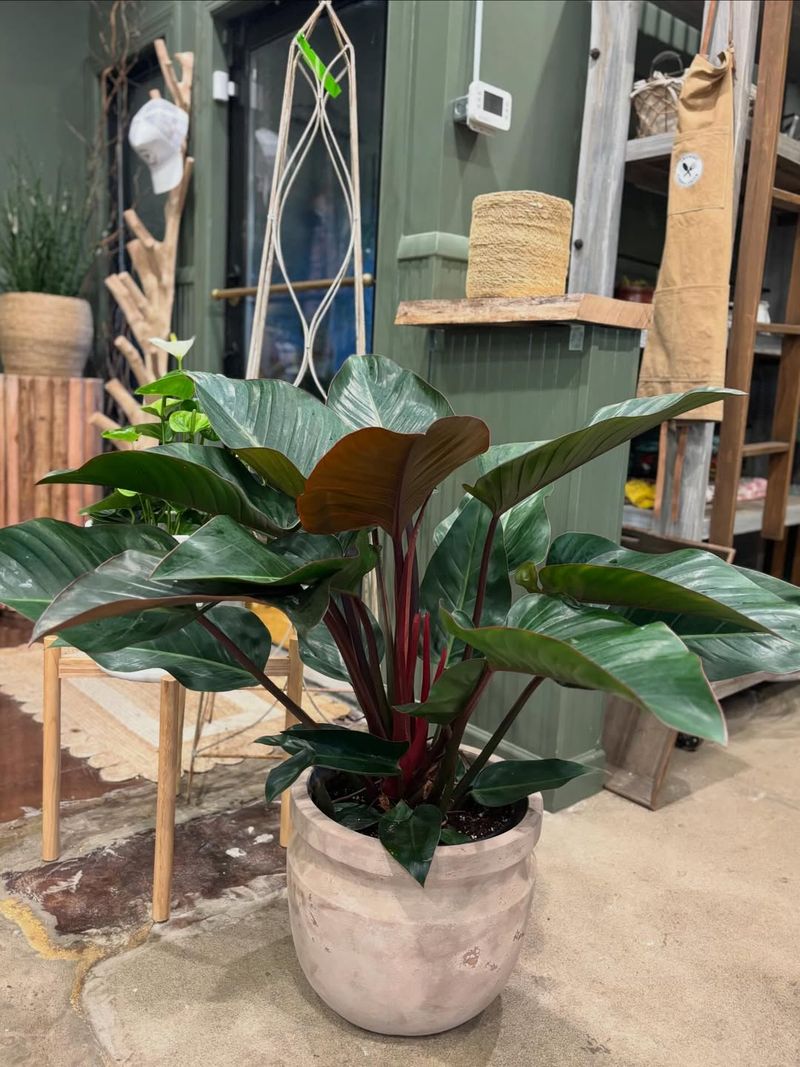
Leaves like these steal the show every time. Philodendrons bring endless variety in shape and growth, complementing snake plants perfectly.
They handle the same range of light, from low to bright indirect, and both prefer soil to dry slightly between waterings, keeping your care routine simple and stress free.
These two species handle typical New York indoor conditions without special equipment. Neither needs humidifiers, grow lights, or temperature control beyond normal household comfort.
They’re both content with the environment you create for yourself.
Your philodendron can be trained to climb or allowed to trail, adding vertical or horizontal interest to your plant display. Snake plants provide strong vertical lines, while philodendrons add softness and movement.
This combination creates balanced, interesting arrangements in any room.
Fertilizer needs align well between these companions. Both appreciate occasional feeding during active growth but don’t require heavy fertilization.
You can use the same diluted fertilizer for both plants, simplifying your supply cabinet.
New York apartments often have limited floor space, and both these plants work well on shelves, stands, or hanging planters. Your philodendron’s trailing vines can cascade while snake plants stand upright below.
This vertical layering maximizes your growing space without cluttering your home.
8. Rubber Plant
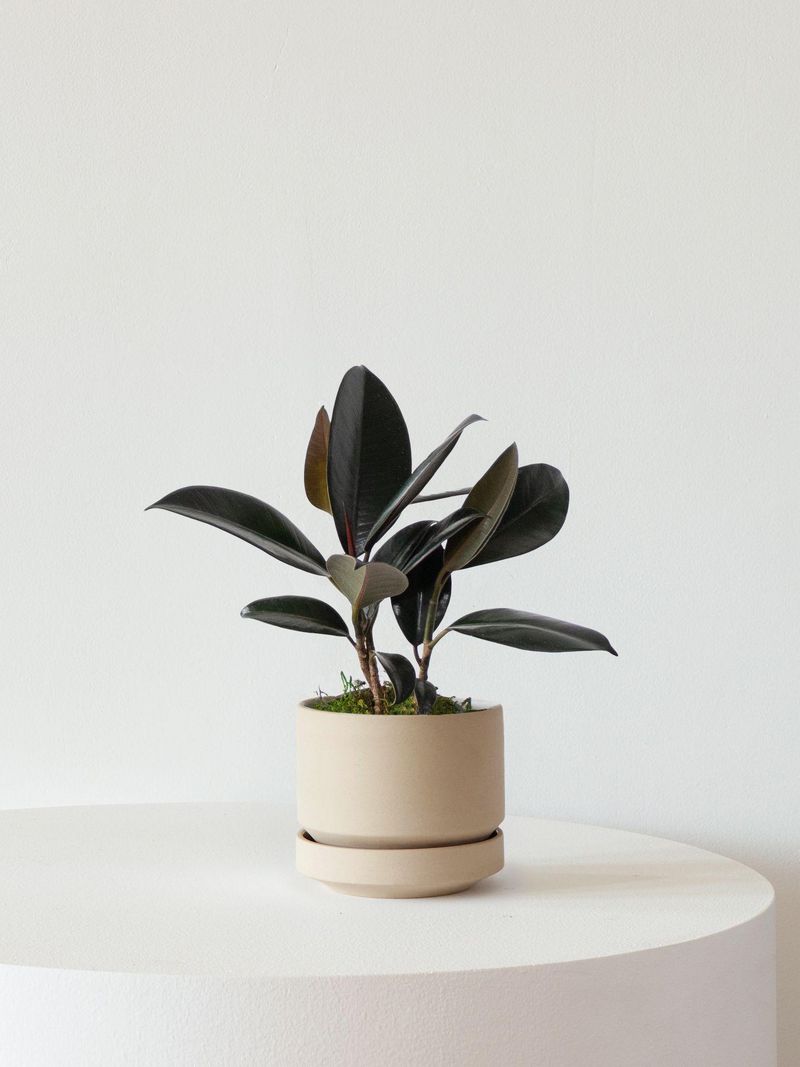
Glossy leaves that demand attention make any corner pop. Rubber plants offer bold foliage that contrasts beautifully with the slender form of snake plants.
They thrive in bright indirect light, just like snake plants, but both can handle lower light while growing even better when the brightness is right in your New York home.
These companions share a preference for allowing soil to dry between waterings. Your rubber plant stores water in its thick leaves, while snake plants store it in their succulent-like foliage.
This similarity means they can follow the same watering schedule without issues.
New York apartments with good natural light showcase these plants beautifully. Your rubber plant’s large, dramatic leaves make a statement, while snake plants add architectural interest.
Together, they create a bold, modern look that suits contemporary decor.
Neither plant demands constant attention or fussy care routines. Both tolerate occasional neglect and bounce back quickly from minor care mistakes.
This resilience makes them ideal for busy professionals who want beautiful plants without high maintenance demands.
Your rubber plant grows taller over time, creating a tree-like presence in your space. Snake plants stay more compact, making them perfect lower-level companions.
This height difference adds dimension to your indoor garden while keeping care requirements simple and aligned.
9. Dracaena
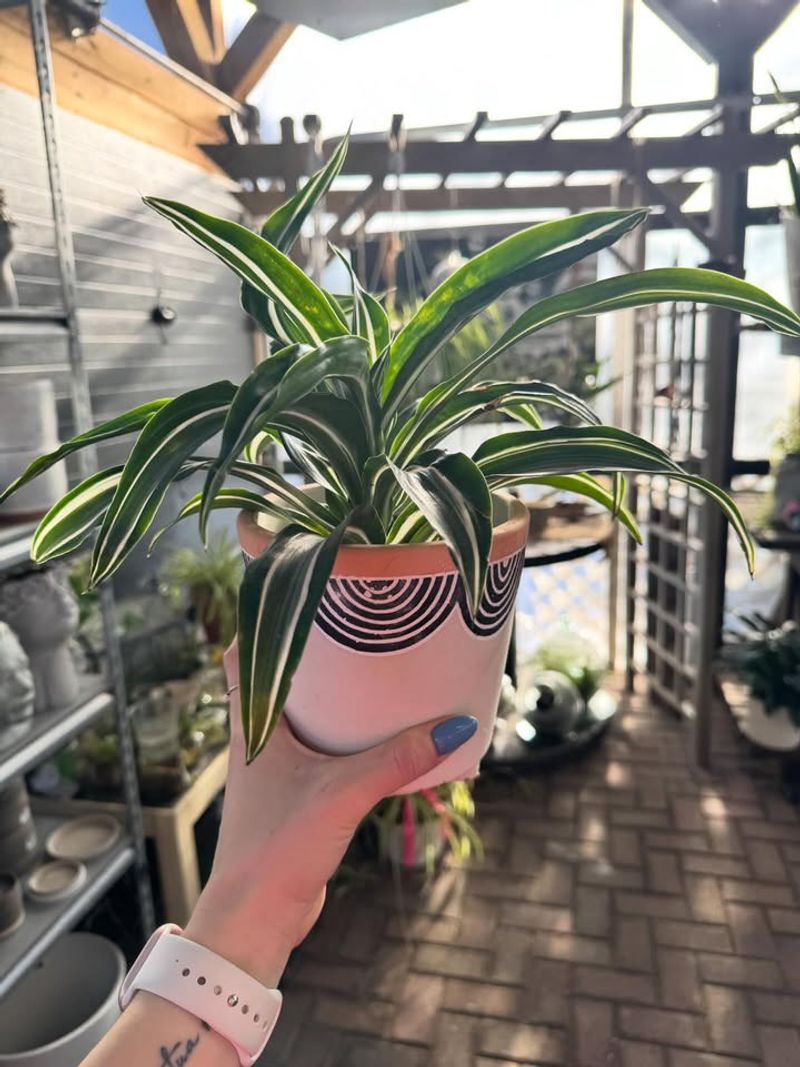
Height and pattern make all the difference in a plant corner. Dracaenas offer a variety of forms that complement snake plants perfectly, adding dimension and interest.
They handle the same low to bright indirect light, making placement flexible in your New York apartment. Both prefer to dry out between waterings, keeping your care routine simple and consistent.
These companions share a dislike for overwatering and soggy soil. Your dracaena develops root concerns when kept too wet, just like snake plants do.
Using well-draining soil and pots with drainage holes keeps both plants healthy and thriving.
New York tap water can sometimes cause brown leaf tips on sensitive plants. Both dracaenas and snake plants tolerate typical tap water better than many houseplants.
You won’t need to collect rainwater or buy distilled water to keep them looking their best.
Your dracaena adds height and drama to your plant collection, while snake plants provide structured, upright interest. Combining different dracaena varieties with snake plants creates layered displays with varied textures and colors.
This diversity keeps your indoor garden visually interesting.
Neither plant needs frequent repotting or constant pruning. Both grow at moderate rates and stay manageable in size.
Your New York home won’t be overtaken by fast-growing plants that need constant attention and space management.
10. Parlor Palm
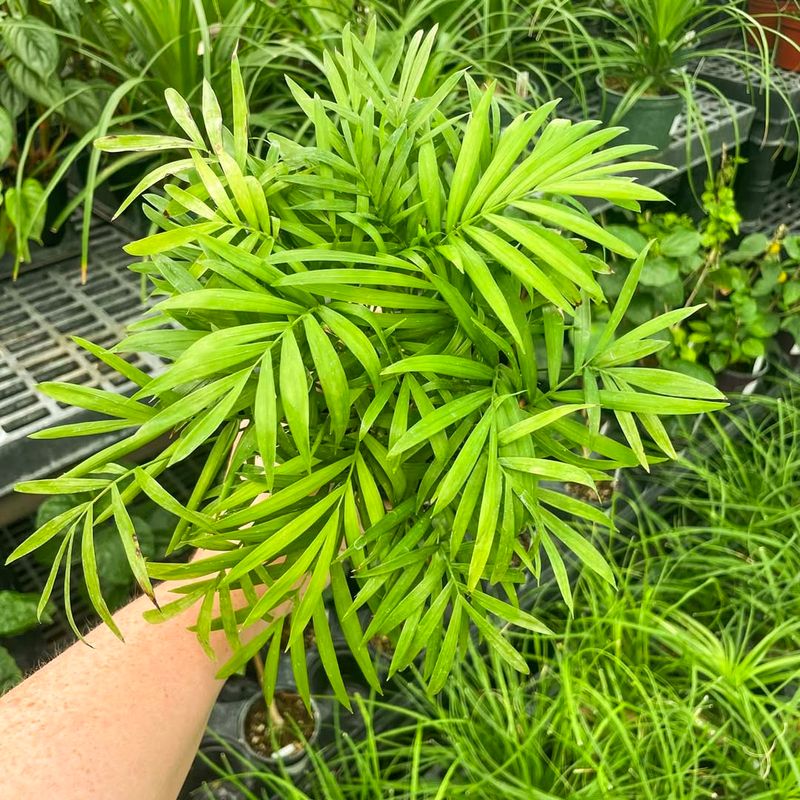
Nothing says effortless tropical style like lush, feathery fronds. Parlor palms bring elegance while sharing care needs with snake plants.
They handle low to medium light, making them adaptable to spots throughout your New York home. Both prefer soil to dry slightly between waterings, though parlor palms like a bit more moisture than snake plants.
These companions create beautiful textural contrast in your indoor garden. Your parlor palm’s delicate, feathery fronds soften the strong vertical lines of snake plant leaves.
This combination brings balance and visual interest to any room.
New York apartments with limited natural light can still support both these plants successfully. Neither demands bright conditions to survive, though they’ll grow more vigorously with adequate light.
You can create lush green corners even in darker spaces.
Your parlor palm grows slowly and stays compact, rarely exceeding three to four feet indoors. Snake plants also maintain manageable sizes, making them perfect for apartments where space is precious.
Neither will suddenly outgrow their designated spot.
Both plants tolerate average indoor humidity without developing problems. You won’t need to mist them constantly or run humidifiers during dry New York winters.
They’re both content with the moisture levels in typical homes, making care straightforward and stress-free for busy plant owners.