Fairy Garden Ideas That Bring Mushroom Magic To Shady Washington Yards
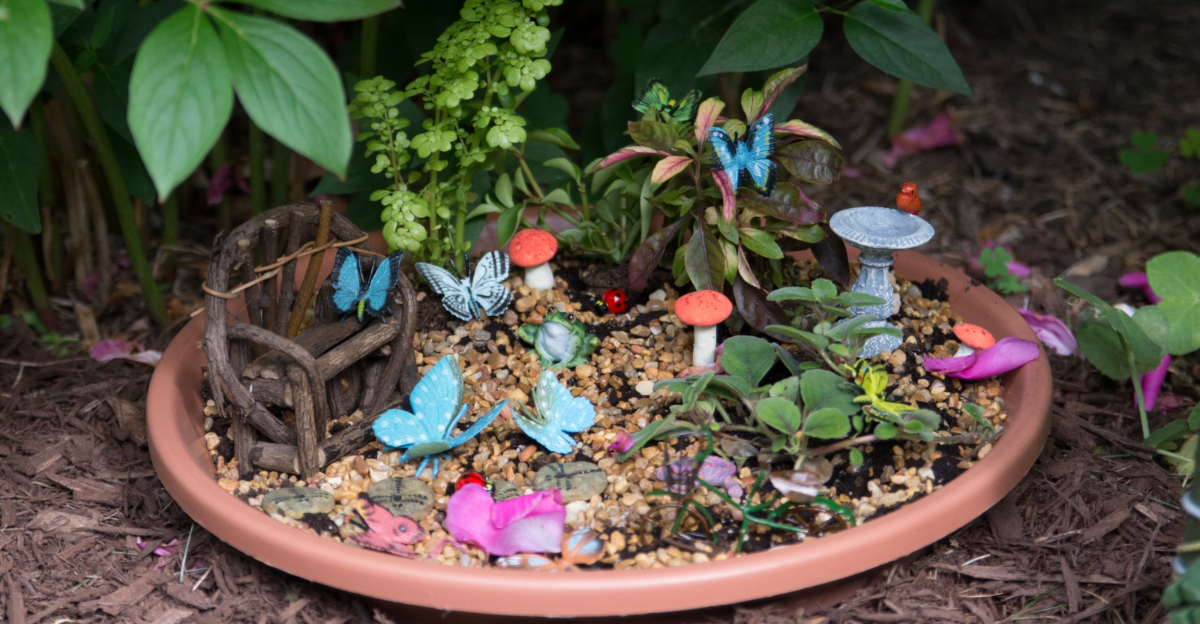
You might step into a shady corner of your Washington yard and feel like it’s overlooked, even though it has a quiet charm all its own.
Those low-light areas often feel harder to design, especially when flowers struggle and the space never quite feels finished.
Not every shaded spot needs fixing, and sometimes the calm, woodland feel is exactly what makes it special.
When a space still feels flat or uninspired, though, it usually means it’s missing a sense of story rather than more plants.
That’s where fairy gardens come in, especially ones built around mushrooms that naturally belong in shade.
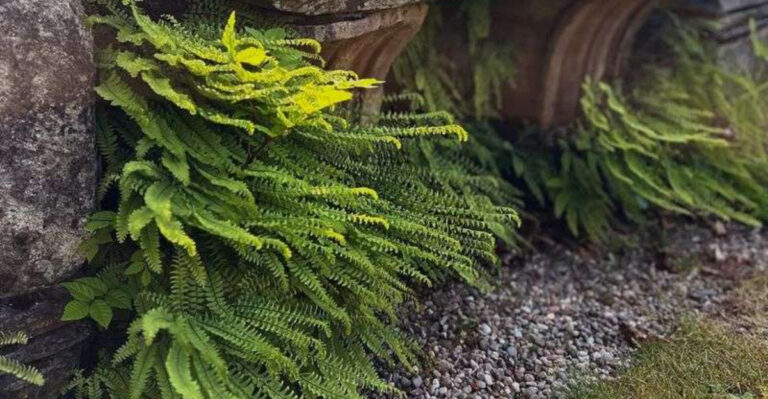
Mushrooms add whimsy, texture, and a touch of magic without fighting the conditions of the space. In Washington yards, they feel right at home among moss, ferns, and filtered light.
Exploring the right ideas can help turn a forgotten shady area into a place that feels imaginative, intentional, and quietly enchanting.
1. Mushroom Fairy Houses
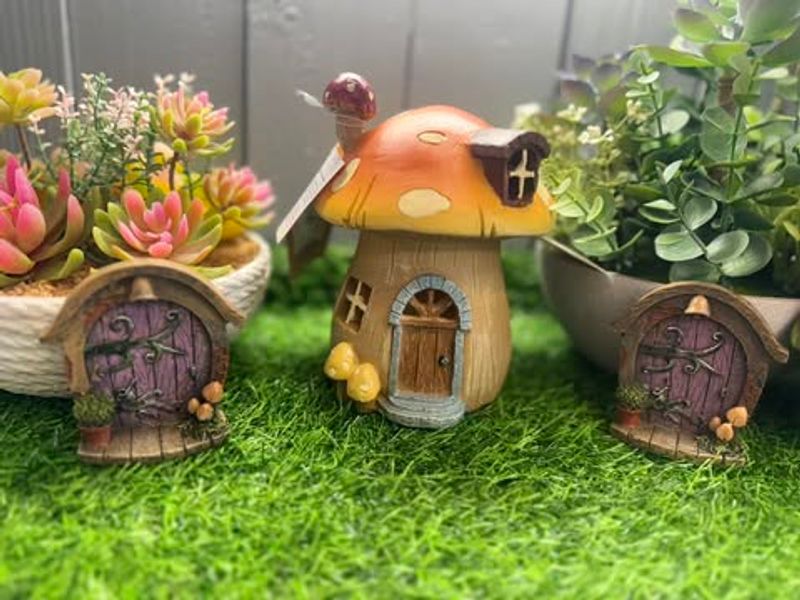
Your yard can become a storybook setting with tiny homes shaped like toadstools and mushrooms. These charming structures serve as focal points that draw the eye and spark curiosity in anyone who passes by.
Washington’s cool, damp climate makes mushroom-themed decor feel right at home among ferns and moss.
Look for resin or ceramic fairy houses with red-and-white spotted caps that mimic classic fly agaric mushrooms. You can nestle them beneath hostas or along the base of evergreen trees where natural shade keeps them protected.
Position multiple houses together to create a whimsical village scene that feels lived-in and magical.
Add small pebble pathways leading to each doorway so it looks like fairies actually travel between homes. Moss grows naturally in Washington’s moist conditions, so encourage it to spread around the base of each house for an authentic woodland look.
Tuck in miniature garden tools or tiny lanterns beside the doors to enhance the storytelling element.
These houses work beautifully in container gardens too, especially if you have limited yard space. Choose weatherproof materials that can handle Seattle’s frequent rain without fading or cracking.
Your mushroom fairy houses will become conversation starters and beloved features in your shady garden corners.
For an extra touch of magic, add tiny woodland creatures like miniature rabbits or owls nearby.
Let your imagination guide you, and the garden will feel alive with stories waiting to be discovered.
2. Mini Mushroom Pathways
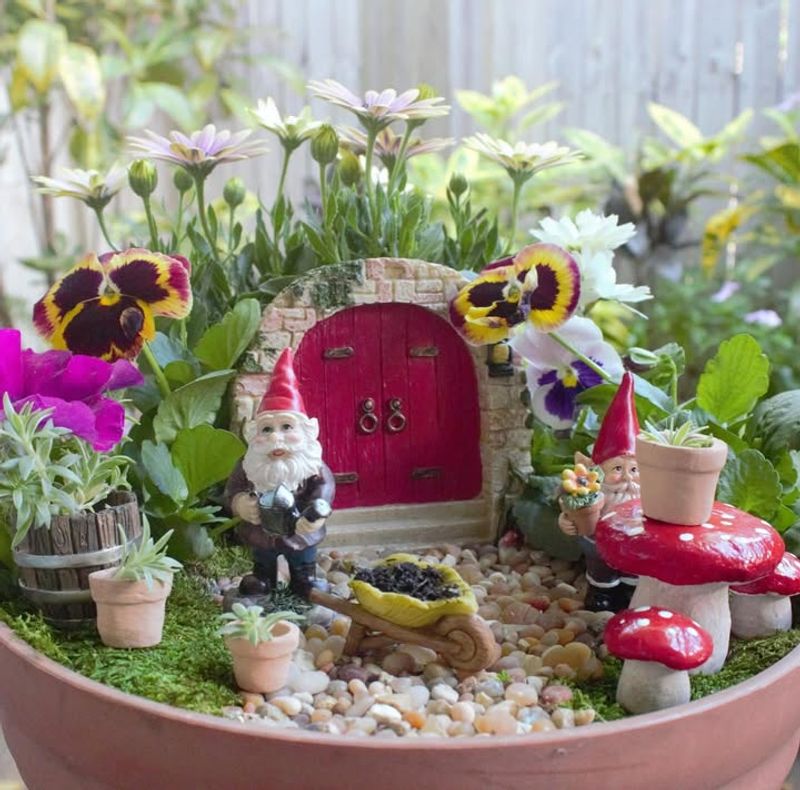
Pathways made from miniature mushroom stakes guide visitors through your fairy garden while adding vertical interest to flat spaces. These tiny markers create a sense of journey and adventure, making even small garden areas feel expansive and full of discovery.
In Washington’s shaded yards, these pathways stand out beautifully against dark soil and lush greenery.
Select mushroom stakes in various sizes and colors to create visual variety along your path. Arrange them in gentle curves rather than straight lines for a more natural, forest-inspired feel.
Space them close enough that they clearly mark a route but far enough apart to allow plants to peek through.
Your Washington Garden Changes Every Week. Your Plan Should Too.
Gardening in Washington changes quickly throughout the season. Every Friday you’ll receive a simple weekly plan showing exactly what to plant, prune, fertilize, harvest, and protect so you never miss the right timing.
Metal or resin mushrooms with stakes hold up better in Pacific Northwest weather than wooden versions. Push them firmly into the soil so winter rains and wind won’t topple them over.
You can line your pathway with small river rocks or crushed gravel to define the edges and prevent mud from splashing onto your decor.
Change the pathway layout seasonally to keep your garden feeling fresh and dynamic. Add glow-in-the-dark mushroom stakes for nighttime magic that surprises evening visitors.
Your mini mushroom pathway becomes a storytelling device that invites exploration and wonder throughout your Washington yard.
3. Fairy Doors On Trees
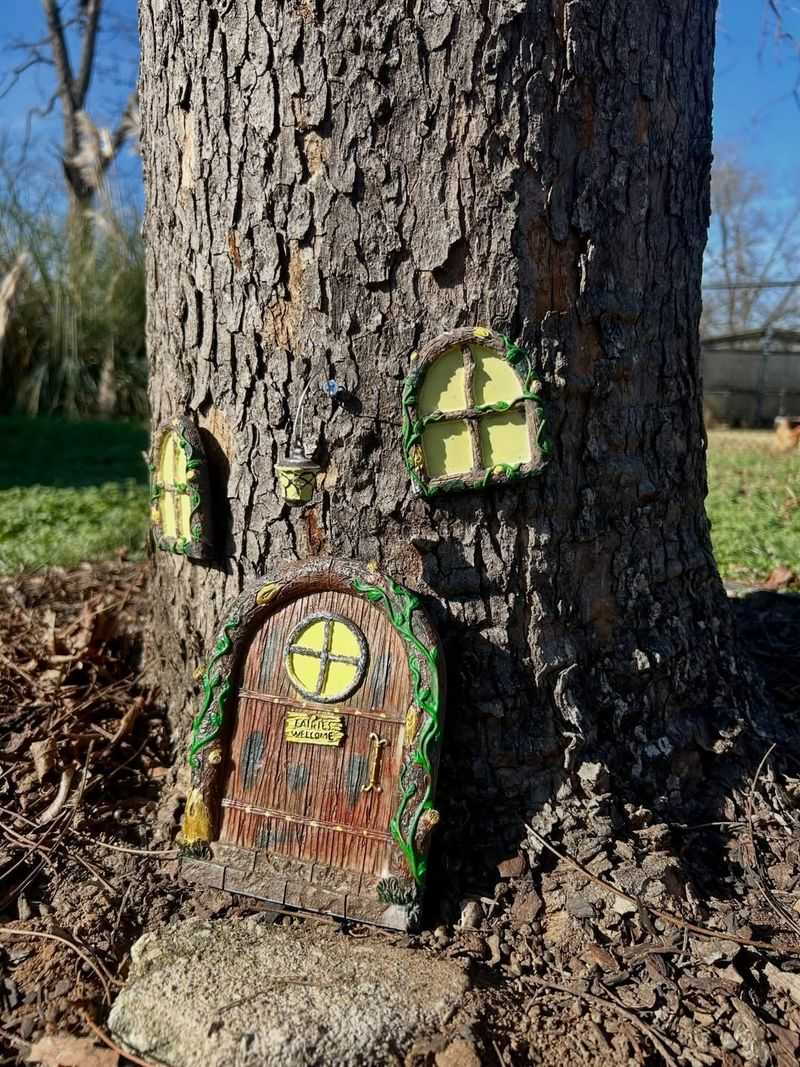
Tree trunks become portals to hidden realms when you attach decorative fairy doors at their base. These enchanting additions suggest entire worlds exist just beyond what we can see, sparking imagination in children and adults alike.
Washington’s abundant evergreens and deciduous trees offer countless opportunities for this magical touch.
Choose doors made from weather-resistant materials like painted resin or sealed wood that can handle moisture and temperature changes. Attach them securely using outdoor adhesive or small nails that won’t harm the tree’s health.
Position doors low enough that children can easily discover them but high enough to avoid lawn mower damage.
Surround each door with miniature accessories like welcome mats, tiny potted plants, or mailboxes to build the illusion of active fairy residents. Moss naturally grows on tree bark in the Pacific Northwest, so work with it rather than removing it for an authentic forest aesthetic.
Add small pebbles or bark chips as stepping stones leading up to the door.
You can install multiple doors on different trees throughout your yard to suggest an entire fairy neighborhood. Seasonal decorations like tiny wreaths or harvest baskets keep the display feeling current and cared for.
Fairy doors on trees transform ordinary trunks into focal points that invite wonder and storytelling in your Washington garden.
4. Glowing Mushroom Lights
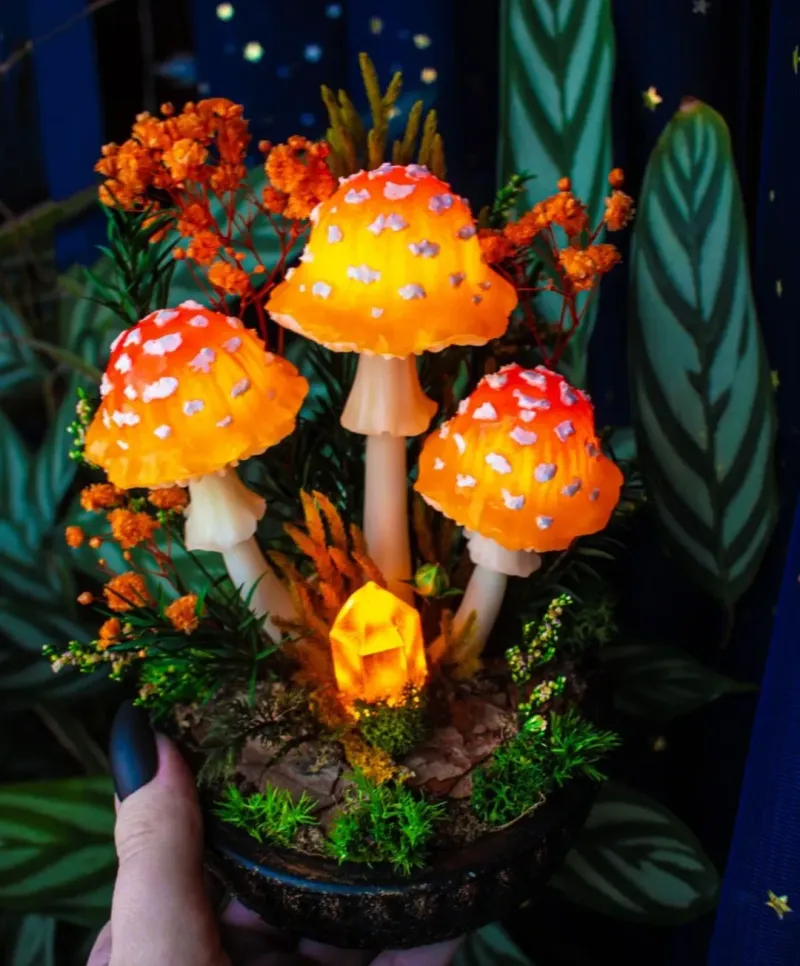
Solar-powered mushroom lights bring your fairy garden to life after sunset with soft, ethereal illumination. These practical decorations serve dual purposes by marking pathways while creating an enchanted atmosphere that transforms your yard into a nighttime wonderland.
Washington’s long winter evenings make outdoor lighting especially valuable for extending garden enjoyment.
Install mushroom lights with stakes along pathways, near seating areas, or clustered around fairy houses for dramatic effect. Solar panels charge during the day even in overcast conditions, which is perfect for the Pacific Northwest’s frequently cloudy skies.
Look for lights with warm amber or color-changing LEDs that create magical ambiance without harsh brightness.
Position lights where they’ll receive maximum daylight exposure, even if it’s just dappled shade rather than full sun. Group multiple lights together for stronger illumination or scatter them throughout your garden for a starlit effect.
Battery-powered options work well in deeply shaded areas where solar panels might not charge effectively.
Clean the solar panels monthly to maintain charging efficiency, especially after Washington’s rainy season leaves dirt and debris. Your glowing mushroom lights create safe navigation while adding fantasy elements that make your yard feel like a secret fairy realm after dark.
5. Fairy Seating Areas
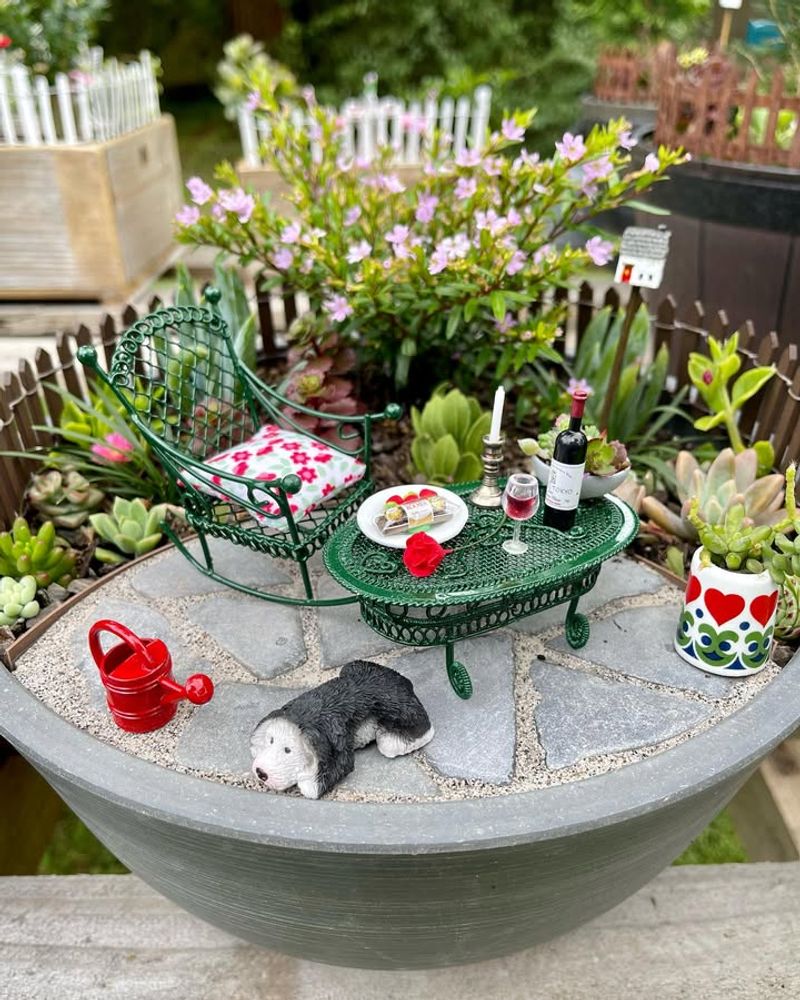
Miniature benches and chairs scattered throughout your fairy garden suggest that magical beings gather there for rest and conversation. These tiny furniture pieces add narrative depth to your display while creating delightful surprises for visitors who explore closely.
Washington’s shade-loving plants provide natural backdrops that make these seating areas feel genuinely inhabited.
Select weatherproof resin or metal furniture in scales that match your other fairy garden elements. Position benches beneath overhanging ferns or beside miniature ponds for peaceful, contemplative settings.
Arrange chairs around tiny tables to create gathering spots where fairies might share meals or tell stories.
Add miniature accessories like teacups, books, or baskets to make seating areas feel actively used rather than merely decorative. Surround furniture with low-growing ground covers like baby tears or Irish moss that thrive in Washington’s moist, shaded conditions.
Create privacy screens using small twigs or craft store materials to define intimate conversation nooks.
Change out seasonal decorations on your fairy furniture to keep displays feeling fresh throughout the year. Tiny cushions made from weather-resistant fabric add comfort and color to benches and chairs.
Your fairy seating areas become storytelling opportunities that encourage imagination and close observation in your shaded Washington garden spaces.
6. Mushroom Planters
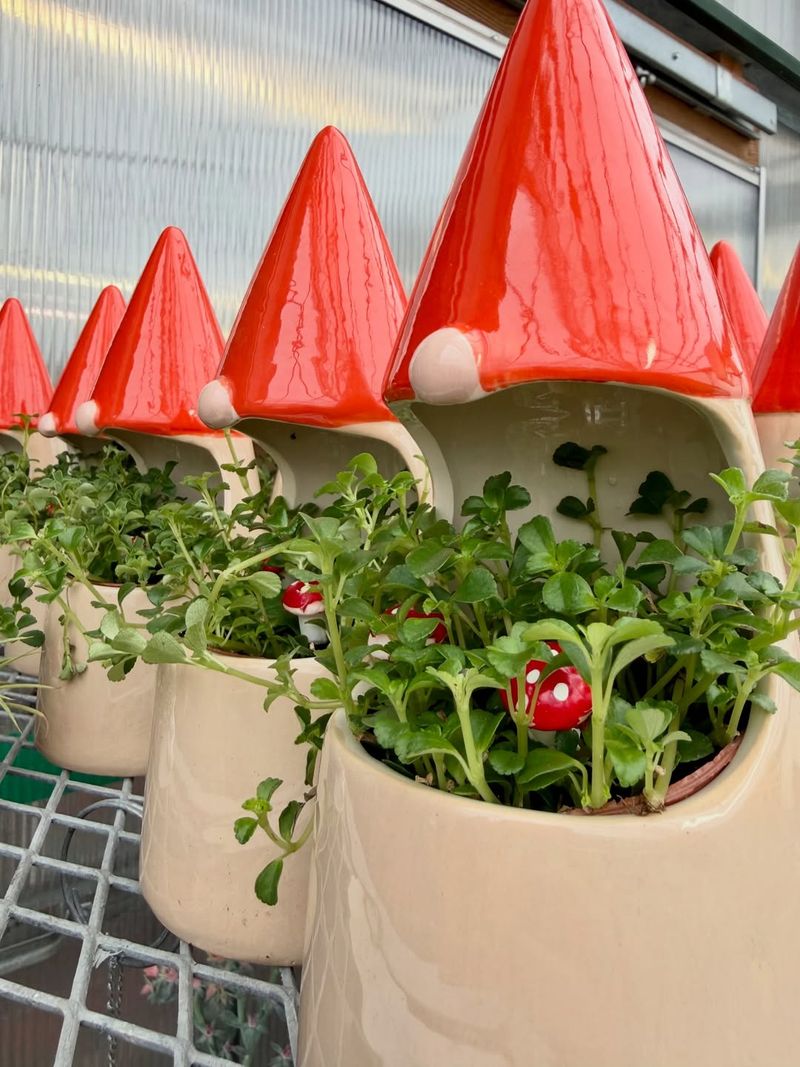
Containers shaped like mushrooms serve double duty as both planters and decorative elements in your fairy garden design. These functional pieces hold shade-loving plants while reinforcing your mushroom theme throughout the space.
Washington gardeners can fill them with ferns, hostas, or colorful impatiens that thrive without direct sunlight.
Look for ceramic or resin mushroom planters with drainage holes to prevent waterlogging during the Pacific Northwest’s rainy seasons. Choose sizes ranging from tiny accent pieces to larger statement planters that anchor garden vignettes.
Red-and-white spotted designs create classic fairy tale aesthetics, while natural brown tones blend seamlessly with woodland settings.
Fill your mushroom planters with potting mix formulated for shade plants to ensure healthy growth. Tuck in trailing plants like creeping Jenny or ivy that spill over the edges for a lush, overgrown appearance.
Position planters at varying heights using rocks or upturned pots as risers to create dimensional interest.
Group multiple mushroom planters together to form fairy garden clusters that feel intentional and designed. Underplant with moss or small groundcovers that spread naturally in Washington’s moist climate.
Your mushroom planters combine practical growing space with whimsical styling that strengthens the magical atmosphere throughout your shaded yard.
7. Small Garden Bridges
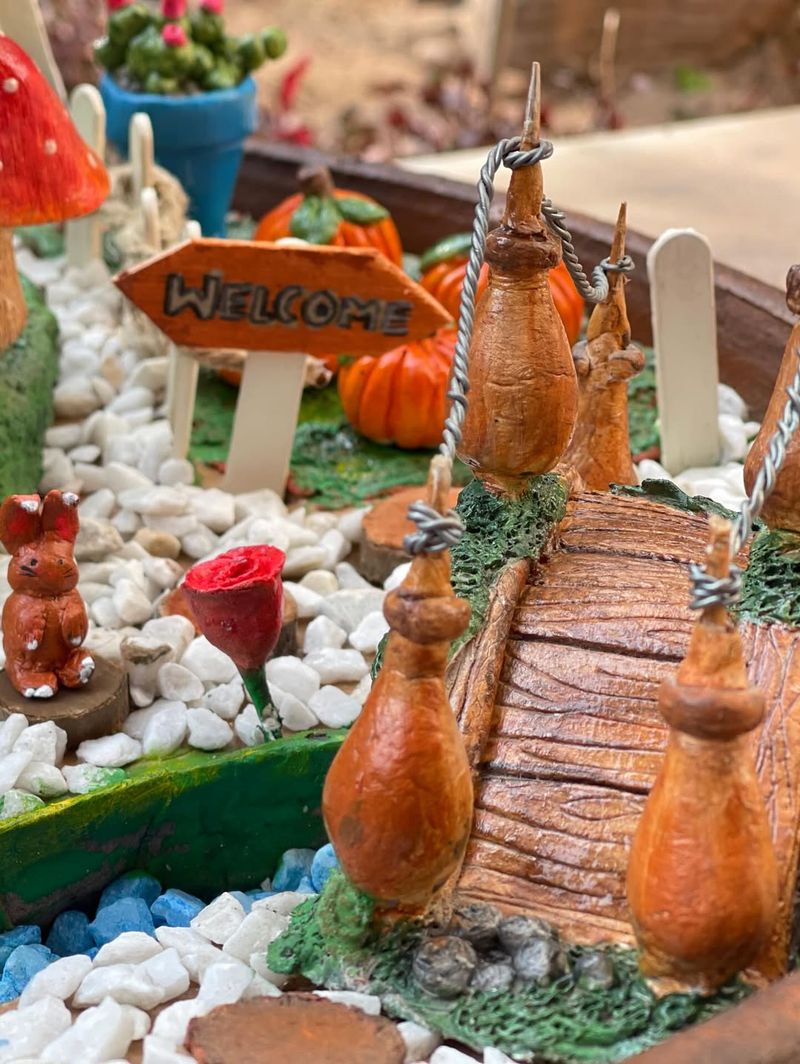
Miniature bridges arching over dry creek beds or between planted areas add architectural interest and suggest fairy travel routes through your garden. These structures create focal points that draw the eye while reinforcing the narrative that magical beings actually use your space.
Washington’s natural topography often includes slopes and drainage areas perfect for bridge placement.
Select bridges made from weather-resistant wood, resin, or metal that can withstand the Pacific Northwest’s wet conditions. Position them to span actual water features, dry stream beds created with river rocks, or simply between two planted sections.
Ensure bridges sit securely on both ends so they don’t shift during heavy rains or windstorms.
Add miniature railings, lanterns, or flowering vines to your bridges for enhanced detail and realism. Surround bridge entrances with low plants like ajuga or sweet woodruff that thrive in Washington shade.
Create the illusion of water beneath bridges using blue glass beads, polished stones, or actual shallow water features.
Scale your bridge size appropriately to your overall fairy garden so it feels proportional and believable. Moss grows naturally on wooden bridges in moist climates, adding authentic woodland character over time.
Small garden bridges become journey markers that encourage visitors to follow imaginary paths throughout your enchanted Washington yard.
8. Hanging Mushroom Decor
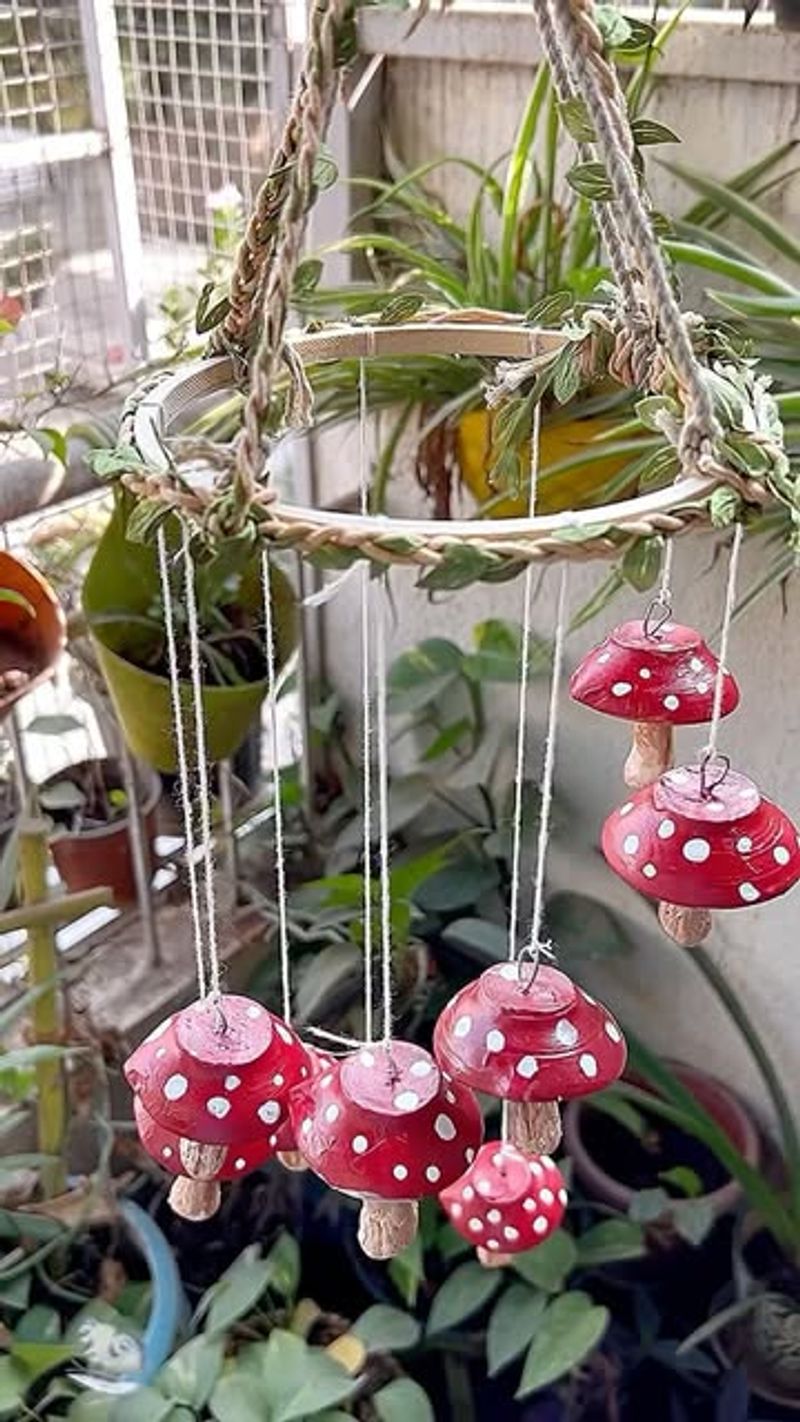
Suspended mushroom ornaments bring fairy magic to eye level and utilize vertical space that ground-level gardens can’t access. These hanging elements add movement and dimension while drawing attention upward into tree canopies and garden structures.
Washington’s shade gardens benefit from this vertical interest since tall trees and shrubs naturally create overhead space perfect for hanging decor.
Choose lightweight resin or fabric mushrooms that can hang from tree branches, shepherd’s hooks, or pergola beams without causing damage. Attach them with weather-resistant fishing line or thin wire that becomes nearly invisible from viewing distance.
Vary hanging heights to create layered visual interest that feels organic rather than uniform.
Wind chimes shaped like mushrooms add gentle sound elements that enhance the sensory experience of your fairy garden. Ceramic or glass mushrooms catch light beautifully even in shaded conditions, creating sparkle and reflection.
Cluster several hanging mushrooms together for dramatic impact or scatter them throughout your yard for subtle surprises.
Secure hanging decor firmly so Washington’s winter winds won’t tangle or damage them. Rotate decorations seasonally to prevent weather wear and keep displays feeling fresh.
Your hanging mushroom decor transforms overlooked vertical spaces into magical elements that complete the enchanted atmosphere throughout your shaded garden areas.
9. Stone Borders With Fairy Touches
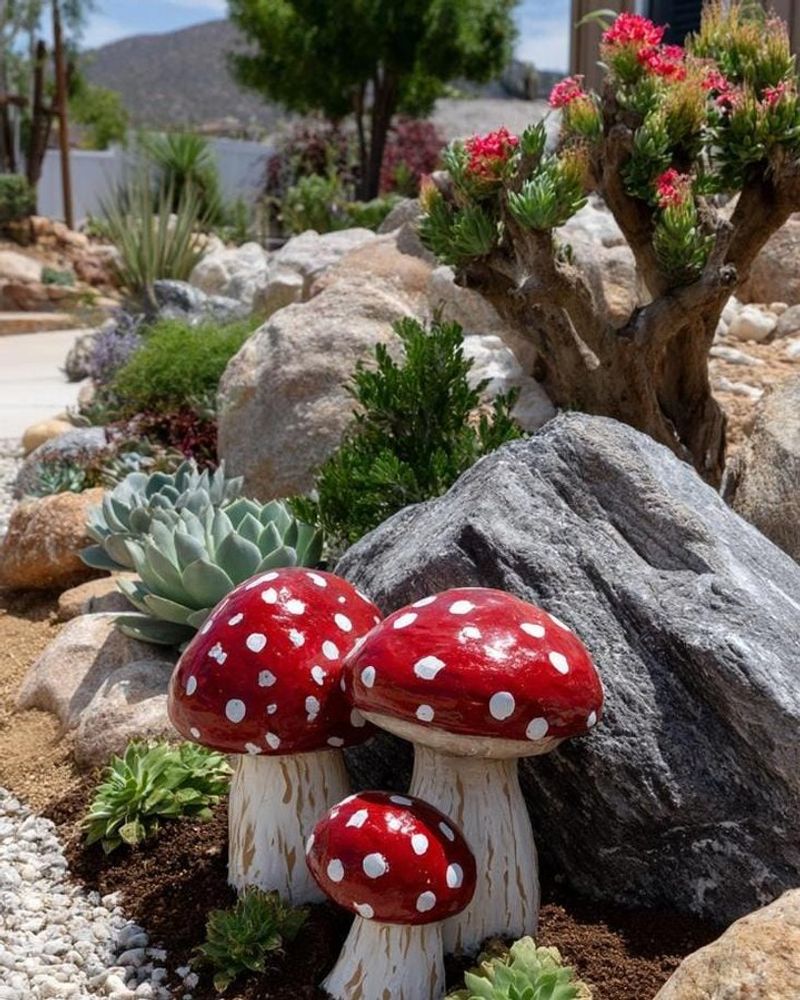
Natural stone edging defines your fairy garden boundaries while providing surfaces for additional magical details. These borders create structure and prevent lawn encroachment while offering countless opportunities for creative embellishment.
Washington’s abundant local stone in various colors and textures makes finding materials easy and affordable.
Arrange river rocks, fieldstones, or flat slate pieces to outline your fairy garden perimeter or internal pathways. Tuck miniature mushrooms, tiny lanterns, or painted fairy figures between stones for hidden surprises.
Use larger stones as backdrops for fairy doors or as bases for elevated planters and decorations.
Paint some border stones with glow-in-the-dark paint to create nighttime magic that surprises evening visitors. Moss grows readily on stone surfaces in the Pacific Northwest’s moist climate, softening edges and adding authentic woodland character.
Stack stones to create small walls, steps, or terraces that add dimensional interest to flat garden spaces.
Vary stone sizes and colors to create visual texture rather than uniform, manufactured-looking borders. Fill gaps between stones with creeping thyme or Irish moss that tolerate foot traffic and spread naturally.
Your stone borders with fairy touches provide both practical garden definition and endless opportunities for whimsical details throughout your shaded Washington yard.