These Are 9 Late Winter Mistakes Ohio Gardeners Make Every Year
Ohio gardeners, late winter is sneaky. It feels too early to worry about the garden, yet this is when small mistakes quietly stack up and cause big problems later.
Skipped prep, rushed decisions, and bad timing now can mean weak plants, poor germination, and extra work when spring finally hits. Many of these slip-ups happen every single year without people even realizing it.
The good news is they are easy to avoid once you know what to watch for. If you want smoother planting days, healthier seedlings, and fewer headaches once the weather warms up, this is worth a quick read.
A little awareness now can save your garden from a season full of frustration.
1. Starting Seeds Too Early Indoors
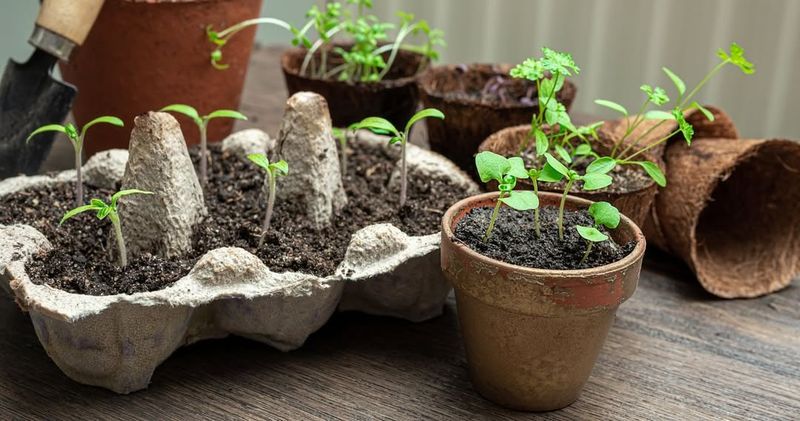
Seed catalogs start showing up in January, and by the time February rolls around, your kitchen counter might already be crowded with little trays of tomato and pepper seedlings. It feels productive, but starting seeds too early indoors is one of the most common mistakes Ohio gardeners make.
Those seedlings grow fast under indoor lights, but they outpace the actual outdoor planting schedule.
Ohio’s last frost date varies wildly depending on where you live. Northern Ohio gardeners near Lake Erie usually reach last frost between May 10–20, central Ohio around May 5–10, and southern Ohio between April 25–May 5.
When you start seeds in early February, your plants become leggy, root-bound, and stressed by the time it’s safe to move them outside.
Instead, count backward from your region’s last frost date. Tomatoes need about six to eight weeks indoors, peppers need eight to ten, and most flowers need six to eight.
Mark your calendar and resist the urge to start early. When you time it right, your seedlings transplant smoothly, establish faster, and produce better yields all season long.
2. Pruning At The Wrong Time
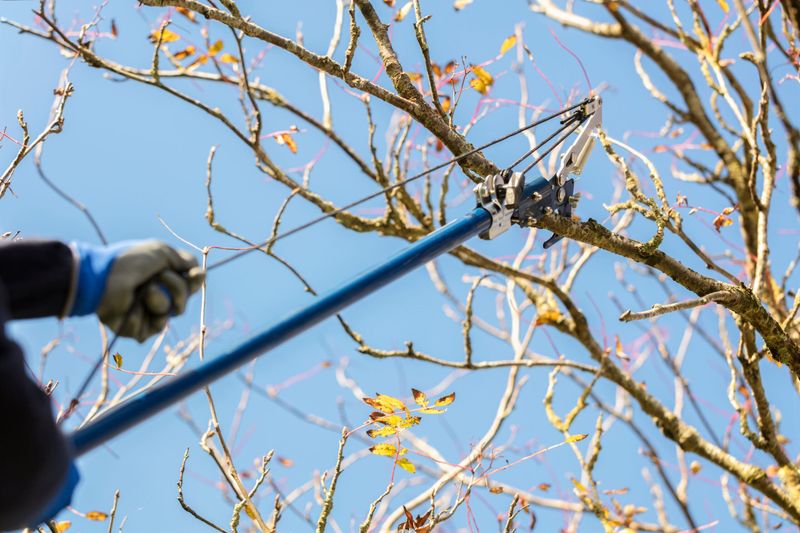
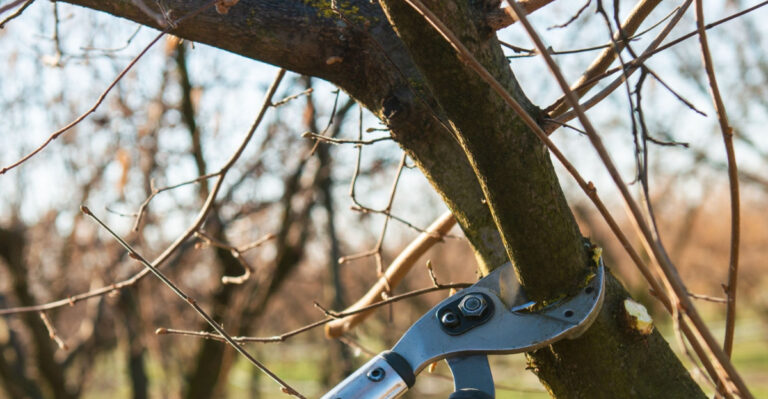
Late winter sunshine can make you want to grab your pruners and start shaping up shrubs and trees. The dormant branches look messy, and it seems like the perfect time to clean things up before spring arrives.
But pruning at the wrong time in Ohio can cost you an entire season of blooms or leave plants vulnerable to freeze damage.
Spring-blooming shrubs like lilacs, forsythia, and azaleas set their flower buds in late summer and fall. If you prune them in February or March, you cut off all those buds and end up with no flowers.
Meanwhile, pruning too early on tender plants can stimulate new growth that gets damaged by late frosts, which are common across Ohio through mid-April or even early May.
Wait until after spring-blooming shrubs finish flowering to prune them. For summer-blooming plants and most trees, late winter is fine, but watch the weather.
Exception: oak trees in Ohio should not be pruned in late winter or spring due to oak wilt disease risk and are safest to prune during deep winter dormancy or late fall. If a warm spell tempts you to prune early, make sure no hard freezes are forecast.
Your Ohio Garden Changes Every Week. Your Plan Should Too.
Gardening in Ohio changes quickly throughout the season. Every Friday you’ll receive a simple weekly plan showing exactly what to plant, prune, fertilize, harvest, and protect so you never miss the right timing.
Gardeners who adjust their pruning schedule notice healthier plants, more flowers, and fewer setbacks each spring.
3. Applying Fertilizer Too Soon
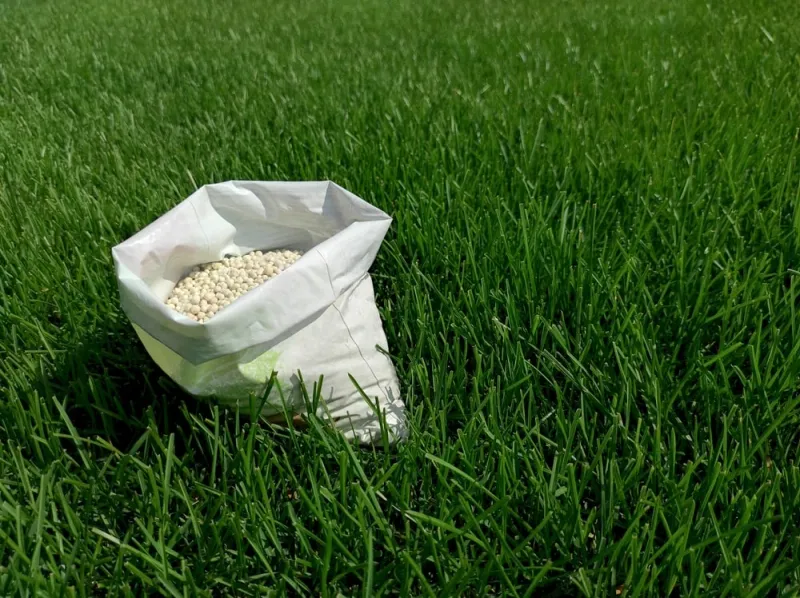
Garden centers start stocking fertilizer bags in February, and it’s tempting to get a head start by feeding your lawn or garden beds while everything is still dormant. But applying fertilizer too soon in Ohio late winter is a waste of money and can actually harm your soil and plants.
The ground is still cold, roots are inactive, and nothing is ready to absorb nutrients yet.
When you fertilize too early, the nutrients either wash away with snowmelt and spring rains or sit in the soil where they can encourage shallow root growth or early weed germination. Ohio’s freeze-thaw cycles mean the soil temperature fluctuates wildly in February and March, and plants simply aren’t growing yet.
Fertilizing dormant plants does nothing to help them.
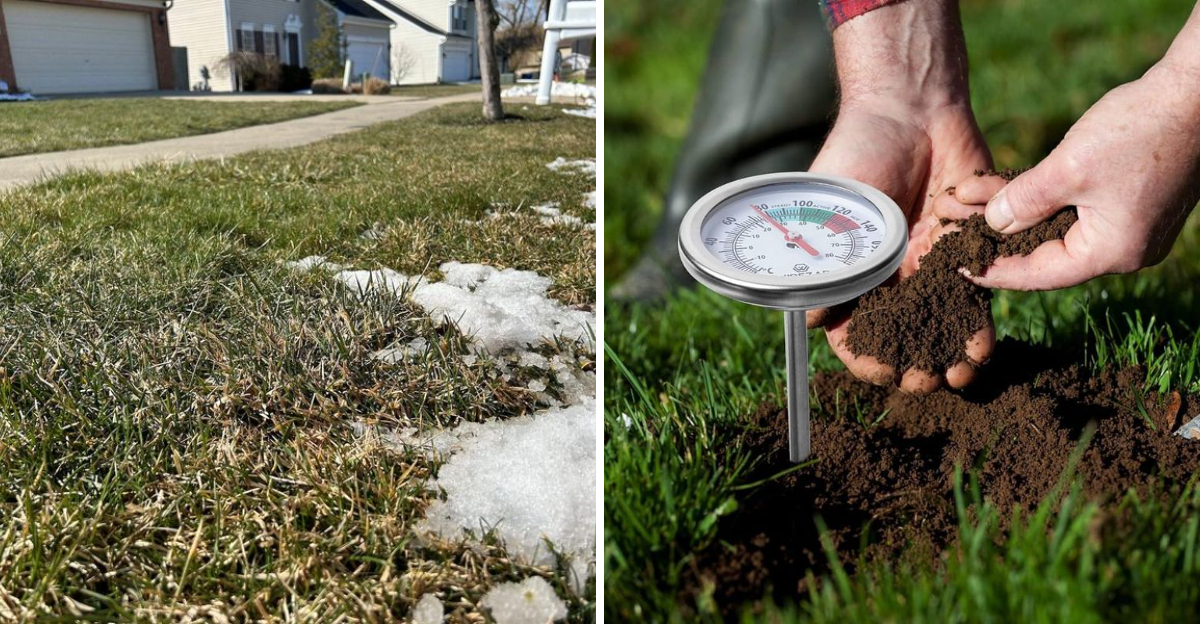
Wait until plants show active growth and soil temperatures reach about 45–50 degrees Fahrenheit for cool-season lawns and perennials, which usually occurs in early to mid-April in Ohio. Warm-season crops still benefit from warmer soil, closer to 55 degrees.
This timing allows roots to absorb nutrients efficiently and reduces runoff risk.
4. Ignoring Soil Testing
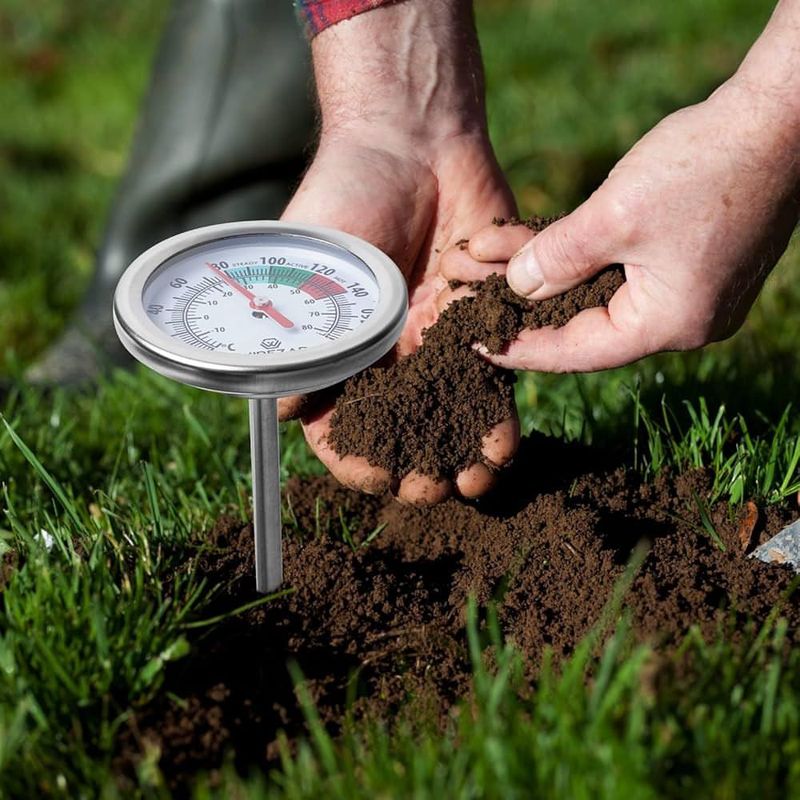
Late winter is the quietest time in the garden, and most Ohio gardeners spend it flipping through seed catalogs or planning what to plant. But very few take the time to test their soil, even though it’s one of the most valuable steps you can take before the growing season begins.
Soil testing tells you exactly what your garden needs, and guessing often leads to problems.
Ohio soils vary widely depending on your location. Clay-heavy soils in central Ohio behave very differently from sandy soils in the northwest or the hillier soils in the southeast.
Without testing, you might over-fertilize, under-lime, or waste money on amendments your soil doesn’t need. Late winter is the perfect time to test because labs are less busy and you have time to adjust before planting.
Contact your local Ohio State University Extension office for a soil test kit. It’s inexpensive and takes just a few minutes to collect samples.
The results will guide your fertilizer choices, pH adjustments, and planting strategies. Gardeners who test their soil notice better germination, healthier plants, and fewer pest and disease issues throughout the season.
5. Forgetting To Check Stored Bulbs And Tubers
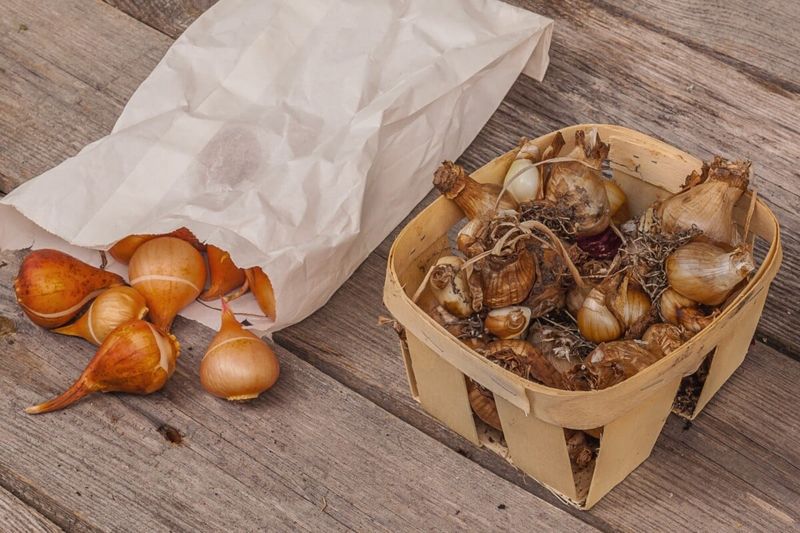
Back in fall, you carefully dug up your dahlia tubers, canna rhizomes, and gladiolus corms and tucked them away in the basement or garage for winter storage. But by late winter, it’s easy to forget about them until it’s time to plant again.
Ignoring stored bulbs and tubers during these final weeks of winter can lead to unpleasant surprises when you finally open those boxes.
Ohio basements and garages experience temperature swings during late winter. A warm spell can raise humidity levels, encouraging mold or rot on stored bulbs.
Meanwhile, extremely cold snaps can freeze tubers if your storage area isn’t insulated. Checking on them in February or early March gives you time to fix problems before planting season arrives.
Open your storage containers and inspect each bulb or tuber. Remove any that show signs of rot or shriveling.
If they appear shriveled, slightly increase humidity in the storage container rather than directly misting, since excess moisture can cause rot. If they’re too damp, add more peat moss or newspaper.
Gardeners who check their stored bulbs in late winter notice better sprouting rates, healthier plants, and fewer losses when it’s time to replant in spring.
6. Leaving Tools Dirty And Dull
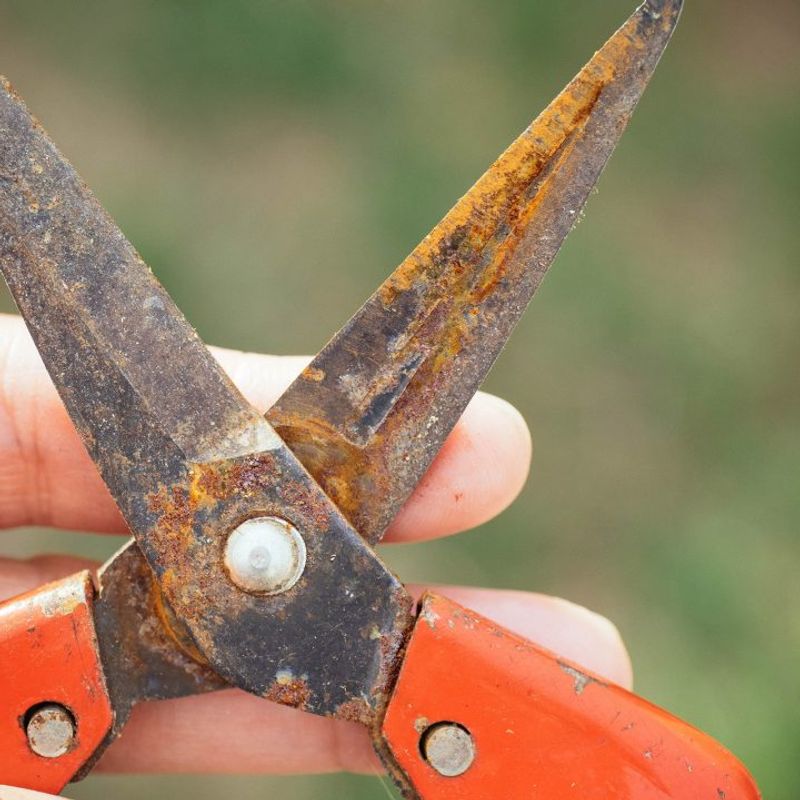
Your shovels, pruners, hoes, and trowels have been sitting in the garage or shed since fall, and most of them are probably covered in dried mud, rust spots, or bits of old plant material. Late winter is the perfect time to clean and sharpen your garden tools, but many Ohio gardeners skip this step and reach for dirty, dull equipment when spring planting begins.
Dirty tools can spread diseases from one plant to another, especially if you used them on infected plants last season. Dull blades make ragged cuts that stress plants and slow healing.
Rusty metal weakens over time and makes digging and cutting harder. Taking an hour or two in February to clean and sharpen your tools saves you frustration and protects your plants.
Scrub off dirt with a stiff brush and soapy water. Wipe metal parts with rubbing alcohol to disinfect them.
Sharpen blades with a file or sharpening stone, and oil the metal to prevent rust. Gardeners who maintain their tools in late winter notice easier digging, cleaner cuts, and healthier plants all season long.
Your back and your garden will thank you.
7. Skipping Garden Planning
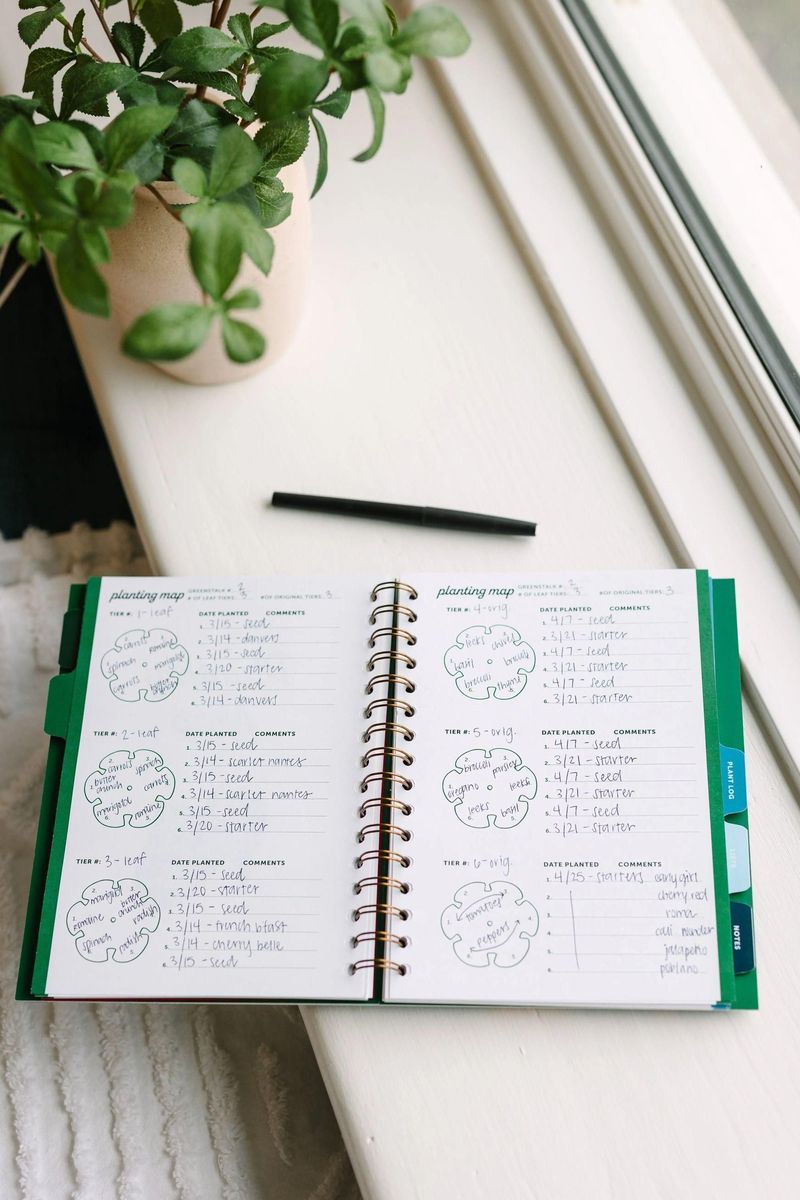
When the first warm day in March arrives, it’s easy to rush outside and start planting whatever seeds you have on hand. But skipping garden planning in late winter often leads to overcrowded beds, poor plant pairings, and a disorganized growing season.
Taking time to plan while the ground is still frozen sets you up for success once the soil is workable.
Ohio gardens benefit from crop rotation, companion planting, and thoughtful spacing. Planning ahead helps you avoid planting tomatoes in the same spot two years in a row, which can encourage soil-borne diseases.
It also helps you figure out succession planting schedules so you have fresh lettuce and beans all summer instead of one big harvest in June.
Grab a notebook or use a garden planning app. Sketch out your beds, note what you planted last year, and decide what goes where this season.
Consider sunlight, water needs, and plant height. Gardeners who plan their gardens in late winter are better able to manage pest and disease pressure, achieve better yields, and enjoy a smoother planting season.
The time you spend planning in February saves hours of frustration in July.
8. Overwatering Houseplants And Seedlings
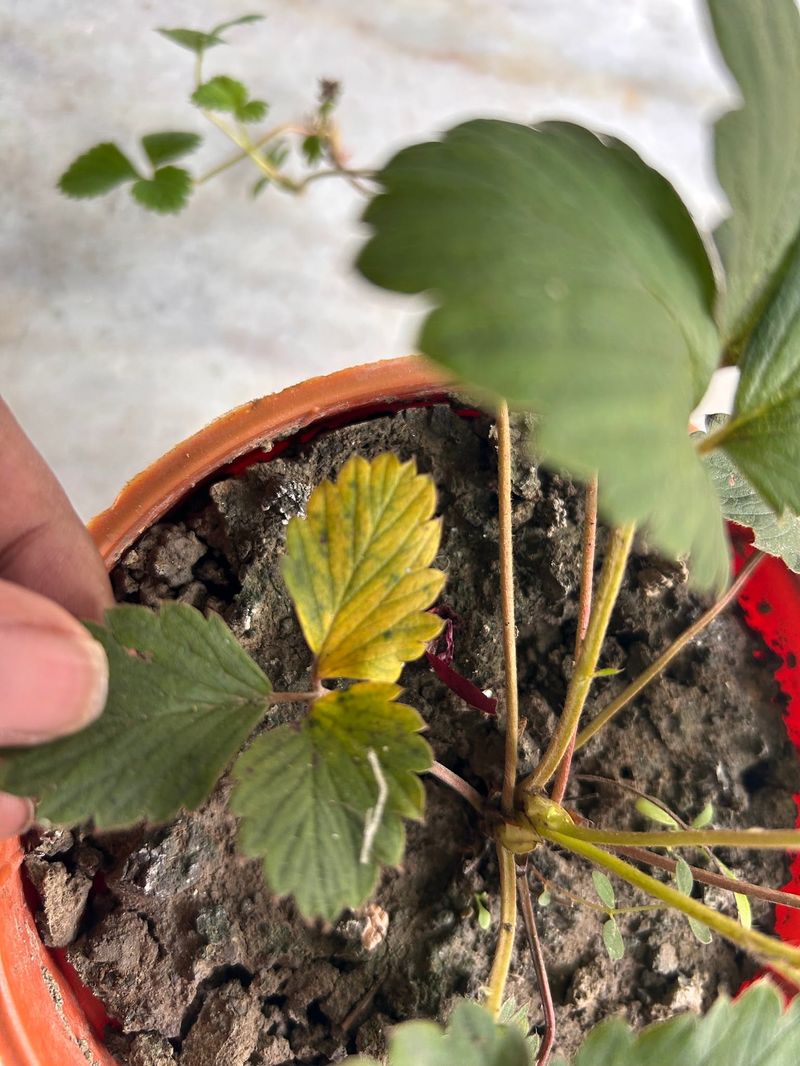
During Ohio’s gray late winter days, your houseplants and indoor seedlings sit in lower light and cooler temperatures than they do in summer. But many gardeners keep watering them on the same schedule they used in fall, which leads to soggy soil, root rot, and weak, yellowing plants.
Overwatering is one of the easiest mistakes to make when you’re eager to nurture your indoor green space.
Plants use less water in winter because they grow more slowly and the air is often more humid indoors. Wet soil combined with lower light creates the perfect environment for fungal problems and root damage.
Seedlings are especially vulnerable because their tiny roots can’t handle sitting in waterlogged trays.
Check the soil before you water. Stick your finger an inch down, and only water if it feels dry.
For seedlings, water from the bottom by setting trays in a shallow pan of water and letting them absorb what they need. Gardeners who adjust their watering habits in late winter notice stronger seedlings, healthier houseplants, and fewer losses before transplant time.
Your plants will reward you with vigorous growth once spring arrives.
9. Trusting Early Warm Spells
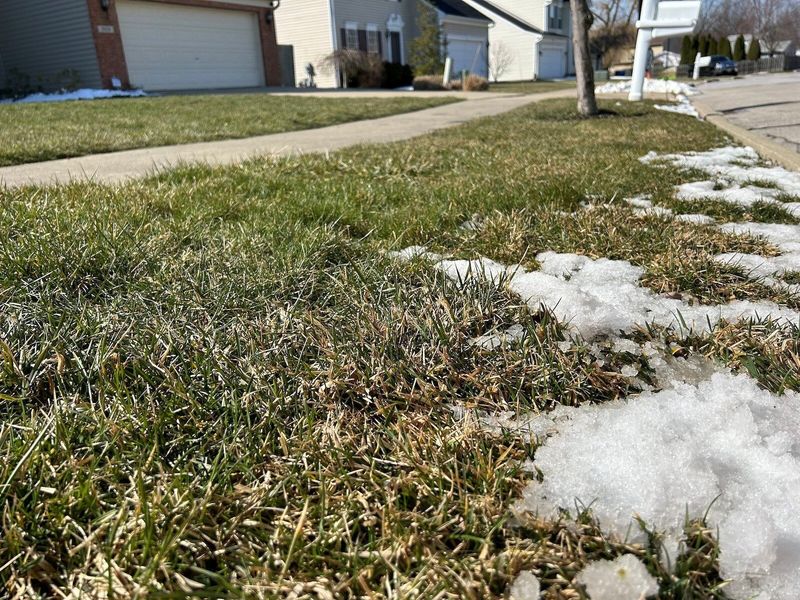
Every year, Ohio gets a few warm days in late February or March that make it feel like spring has arrived early. The sun shines, temperatures climb into the 60s, and suddenly everyone is outside raking, planting, and cleaning up the yard.
But trusting these early warm spells is a mistake that catches even experienced gardeners off guard.
Ohio’s weather is famously unpredictable. A warm week in early March can be followed by a hard freeze in April.
Soil might feel warm on the surface, but a few inches down it’s still cold and wet. Planting tender vegetables or flowers during a false spring means they’ll struggle, stall, or get damaged when temperatures drop again.
Instead of rushing to plant, use warm spells to prep your garden. Clear debris, spread compost, repair beds, and organize supplies.
Wait until your area’s average last frost date to plant tender crops. Gardeners who resist the temptation of early warm spells notice stronger plants, better germination, and fewer replanting headaches.
Patience in late winter pays off with a thriving garden all summer long.