Beginner Tips For Watering Succulents The Right Way In Utah
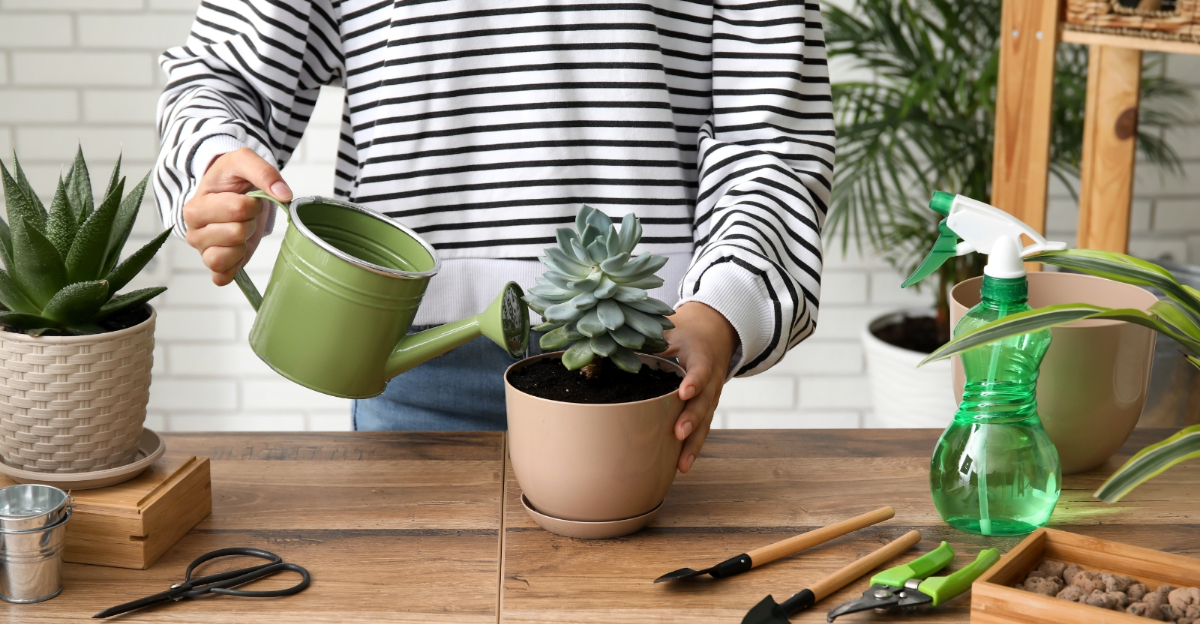
Succulents can look perfectly fine one day and suddenly seem off the next, even when you’re sure you haven’t changed anything.
That moment of doubt is common in Utah homes, where dry air and strong light quietly affect how plants use water.
Watering often feels like the simplest part of succulent care, yet it’s where most beginners feel the most uncertain.
Not every wrinkle or dropped leaf means you’ve done something wrong, and many succulents are just responding to their environment.
When issues keep repeating, though, it usually points to watering habits rather than the plant itself.
How often you water, how much you give, and even the time of day all matter more than most people expect. Those small choices add up quickly.
Utah’s climate adds its own twist, making some common advice less reliable indoors.
Learning how succulents actually use water can make caring for them feel calmer, clearer, and far more successful from the start.
1. Use Pots With Drainage Holes Every Time
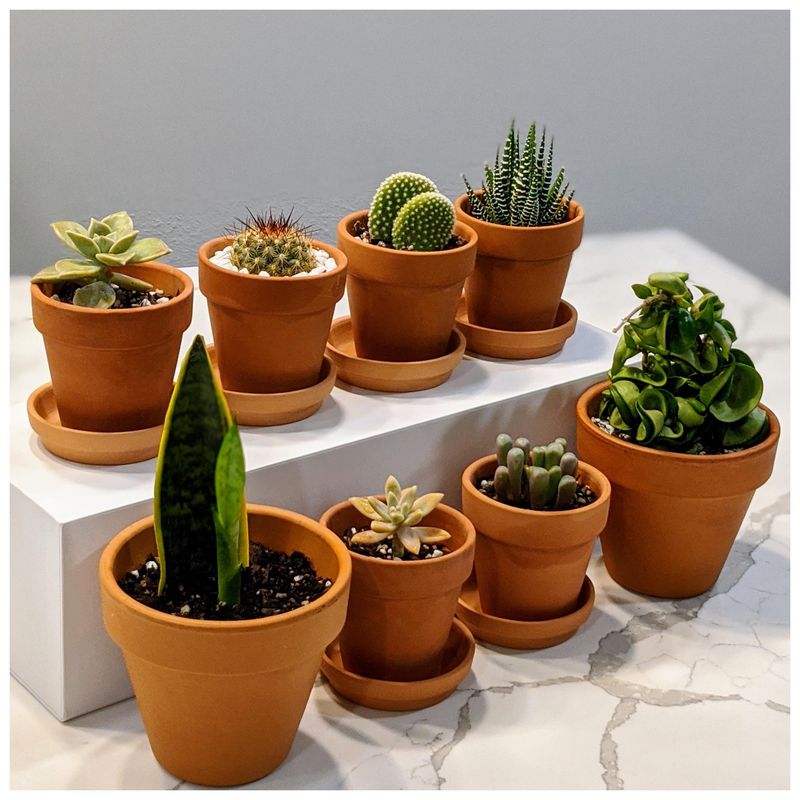
Your succulents need somewhere for extra water to escape, and that’s where drainage holes become essential. Without them, water sits at the bottom of the pot and creates problems you can’t always see right away.
Roots start to rot when they’re constantly sitting in moisture, and your plant suffers even if the surface looks dry.
Utah’s climate can be unpredictable, with sudden rainstorms followed by dry spells. When you use pots with drainage, you give your plants a safety net against overwatering.
Excess water flows out instead of pooling around the roots.
Plastic, ceramic, and terra cotta pots all work well as long as they have holes at the bottom. Terra cotta is especially good because it’s porous and helps soil dry faster.
If you find a beautiful pot without drainage, you can use it as a decorative outer container.
Place a pot with drainage inside the decorative one, and remove it when watering. This way, you get the look you want without risking your plant’s health.
Always check the bottom before buying a new pot.
Some pots have just one small hole, while others have several larger ones. More drainage is generally better for succulents since they prefer drier conditions.
You can even add extra holes yourself if you have the right tools.
Drainage isn’t optional for succulents—it’s a must-have feature. Your plants will thank you with stronger growth and vibrant colors.
Proper drainage makes watering mistakes much less damaging, especially for beginners still learning the ropes in Utah’s climate.
2. Let Soil Dry Out Completely Between Watering
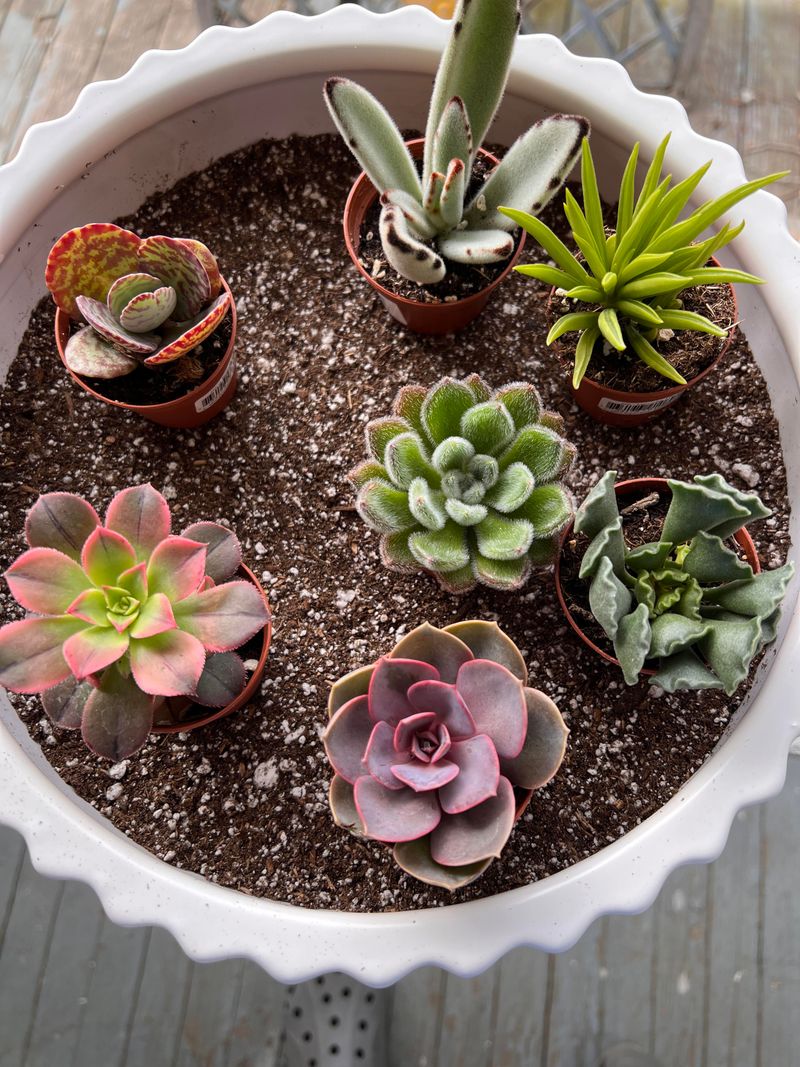
Waiting for the soil to dry completely is one of the most important habits you can develop. Succulents store water in their leaves and stems, so they don’t need constant moisture like other houseplants.
When soil stays wet too long, it creates an environment where root problems can develop quickly.
In Utah, the dry air helps soil dry faster than in humid climates, which actually works in your favor. You can stick your finger about an inch into the soil to check moisture levels.
Your Utah Garden Changes Every Week. Your Plan Should Too.
Gardening in Utah changes quickly throughout the season. Every Friday you’ll receive a simple weekly plan showing exactly what to plant, prune, fertilize, harvest, and protect so you never miss the right timing.
If it feels even slightly damp, wait a few more days before watering again.
During summer months, soil might dry out in just a week or less. In winter, it could take two or three weeks or even longer.
Your watering schedule needs to change with the seasons and the temperature around your plants.
Some beginners worry their succulents look thirsty when they’re actually fine. Succulents can handle being dry much better than being too wet.
A good rule is to err on the side of waiting too long rather than watering too soon.
You can also lift the pot to feel its weight. A dry pot feels noticeably lighter than one with moist soil.
This technique becomes easier with practice and helps you avoid guessing games.
Utah’s climate means you might water less often than people in other states. That’s perfectly normal and actually healthier for your plants.
Trust the dryness test every time, and your succulents will stay strong and beautiful.
3. Water Deeply Instead Of Frequent Small Sips
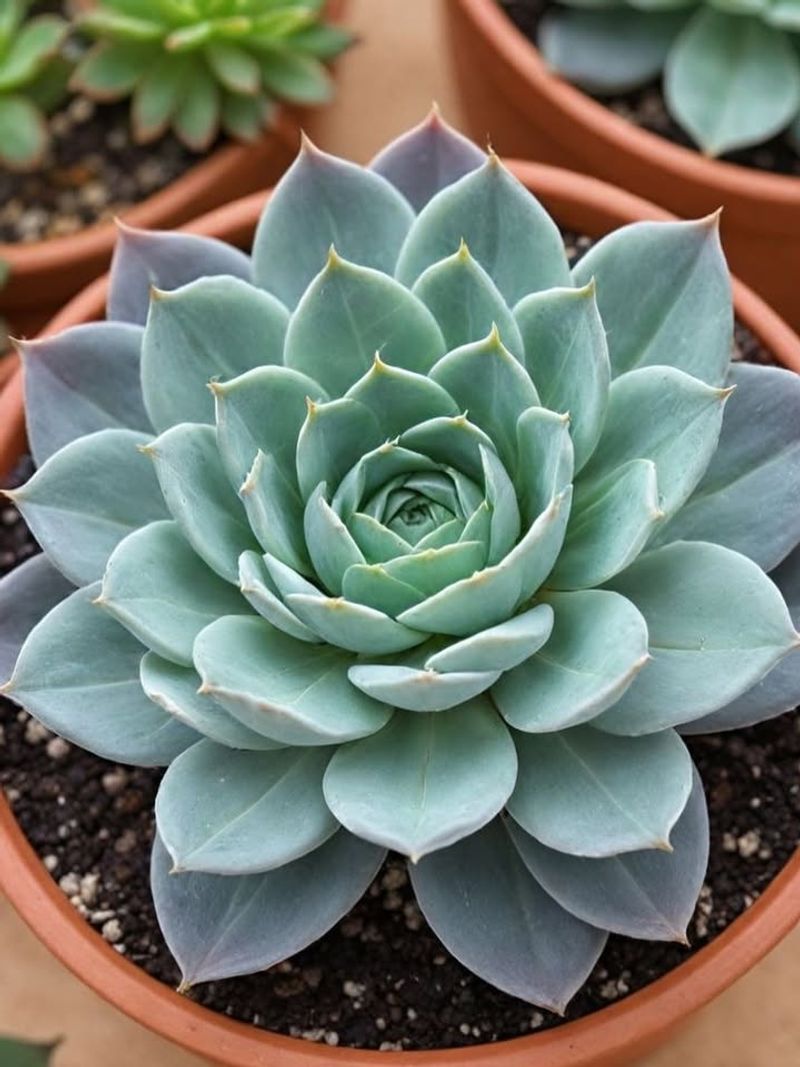
When it’s time to water, you want to give your succulents a thorough soaking rather than just a light sprinkle. Deep watering encourages roots to grow downward and become stronger.
Shallow watering keeps roots near the surface, where they’re more vulnerable to temperature changes and drying out.
Pour water slowly until it runs out of the drainage holes at the bottom. This ensures the entire root system gets moisture, not just the top layer of soil.
In Utah, where the air is so dry, surface moisture evaporates quickly and doesn’t reach the deeper roots.
Small, frequent sips of water can actually cause more harm than good. The top of the soil might look wet, but the roots below could be bone dry.
Your plant won’t thrive if only part of its root system gets water.
Think of it like a rainstorm in nature. When rain falls, it soaks deep into the ground, and then the soil dries out before the next storm.
You’re mimicking that natural pattern when you water deeply and then wait.
After watering thoroughly, let all the excess drain away before putting the pot back in its saucer or decorative container. Standing water at the bottom creates problems even if your pot has drainage holes.
Empty any water that collects in the saucer within a few minutes.
Deep watering also helps flush out salts and minerals that build up in the soil over time. Utah’s water can be hard, so this flushing action keeps your soil healthier.
Your succulents will develop better root systems and stay more resilient with this watering method.
4. Adjust Watering During Cold Winter Months
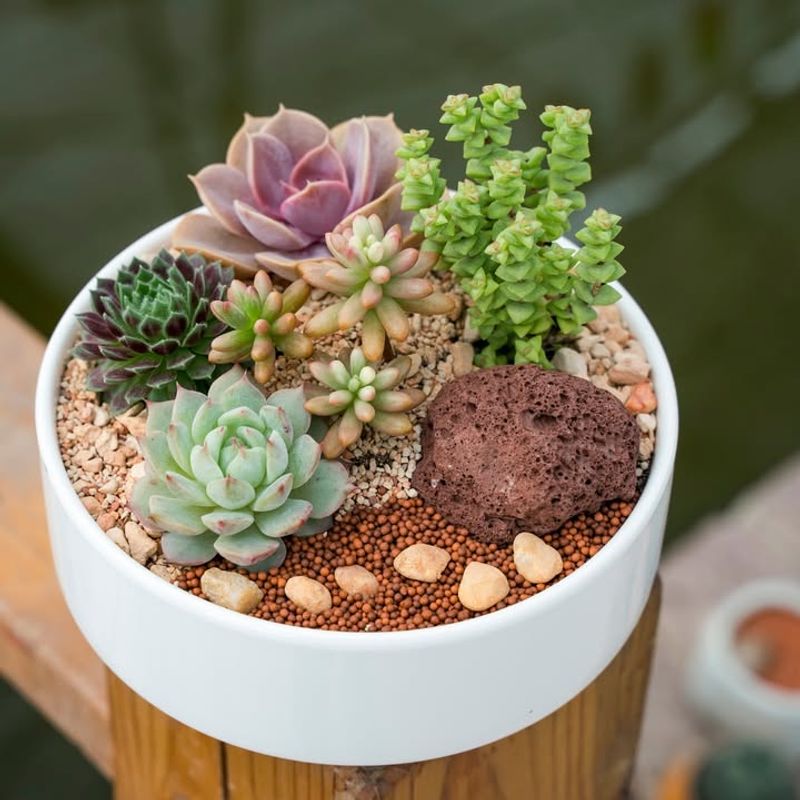
Winter in Utah brings freezing temperatures and shorter days, which means your succulents slow down their growth significantly. They enter a kind of rest period where they use much less water than during warm months.
Your watering schedule needs to shift dramatically to match this change.
You might water once a month or even less frequently during winter. Some succulents barely need any water at all when temperatures drop.
Watch your plants for signs of thirst, like slightly wrinkled leaves, but don’t panic if they look different than in summer.
Indoor heating can make your home’s air very dry, which affects how quickly soil dries out. Even though plants need less water, the dry indoor air might make you think they need more.
Always check the soil before deciding to water.
Cold soil takes longer to dry, especially if your plants are near windows or in unheated rooms. Utah winters can be harsh, and cold, wet soil is particularly harmful during this time.
Wait until soil is completely dry and the plant shows subtle signs of needing water.
If you keep succulents outdoors, protect them from winter moisture like snow and freezing rain. Bring sensitive varieties indoors or cover them to prevent excess water exposure.
Frozen, wet soil can cause serious damage that won’t show up until spring.
Your summer watering routine simply won’t work in January or February. Cutting back on water during Utah’s cold months is essential for keeping your succulents healthy.
They’ll bounce back with vigorous growth once spring arrives and temperatures warm up again.
5. Use Fast-Draining Succulent Soil
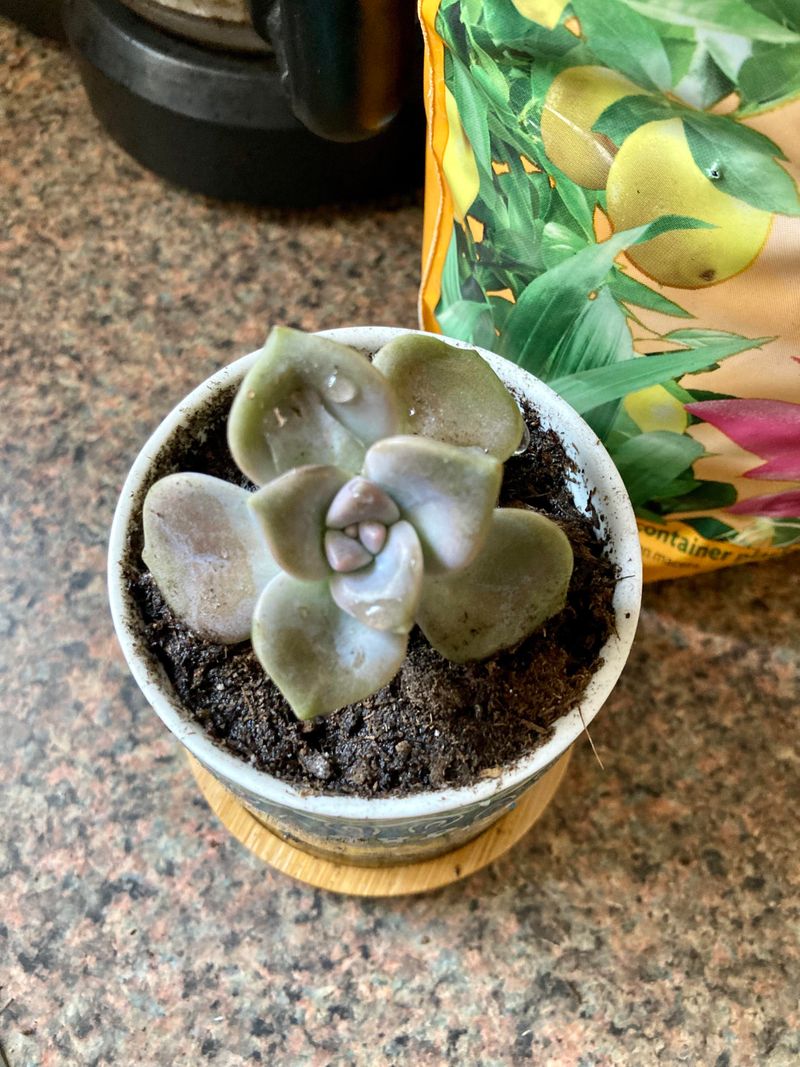
Regular potting soil holds too much moisture for succulents and creates conditions they can’t tolerate. Succulent-specific soil mixes contain ingredients like sand, perlite, and pumice that allow water to flow through quickly.
This fast drainage protects roots from sitting in dampness.
You can buy pre-mixed succulent soil at garden centers, or you can make your own blend at home. A simple mix of half regular potting soil and half perlite or coarse sand works well.
The goal is to create a gritty texture that doesn’t clump together when wet.
In Utah, where humidity is naturally low, fast-draining soil helps you avoid the most common watering mistakes. Even if you accidentally water too much, the soil dries out faster and gives your plants a better chance.
Heavy, dense soil stays wet too long and causes problems.
When you repot your succulents, always use fresh soil designed for their needs. Old soil can become compacted and lose its drainage properties over time.
Refreshing the soil every year or two keeps your plants healthier.
Some succulent varieties need even grittier soil than others. Research your specific plants to see if they have special soil requirements.
Desert succulents, for example, often prefer more sand and less organic matter.
Good soil makes watering easier because you don’t have to worry as much about overdoing it. Water drains away quickly, and roots get the air circulation they need.
Investing in quality succulent soil is one of the best things you can do for your plants in Utah’s climate.
6. Avoid Leaving Water In Saucers
Saucers under pots catch excess water and protect your furniture, but they can become a problem if water sits there too long. Roots can wick moisture back up from the saucer, keeping soil wetter than you realize.
This defeats the purpose of using pots with drainage holes.
After watering your succulents, give them a few minutes to drain completely, then empty any water that collected in the saucer. It only takes a moment and makes a big difference in preventing moisture-related issues.
Make this part of your regular watering routine.
In Utah’s dry climate, water in saucers might evaporate on its own, but you shouldn’t rely on that. Sometimes the air is humid enough that water sits for hours or even days.
It’s safer to pour it out yourself rather than leaving it to chance.
If you have multiple plants, you might want to water them in a sink or bathtub where drainage isn’t an issue. Let them sit and drain thoroughly before moving them back to their usual spots.
This method works especially well for larger collections.
Some people use decorative saucers or trays that don’t drain at all. These look nice but require extra attention to keep water from accumulating.
You might need to tip the entire arrangement to pour off excess water.
Standing water can also attract pests like fungus gnats, which love moist conditions. Keeping saucers dry helps prevent these annoying visitors.
Your plants will be healthier, and you’ll avoid unnecessary pest problems in your Utah home.
7. Place Plants Where They Get Bright Light
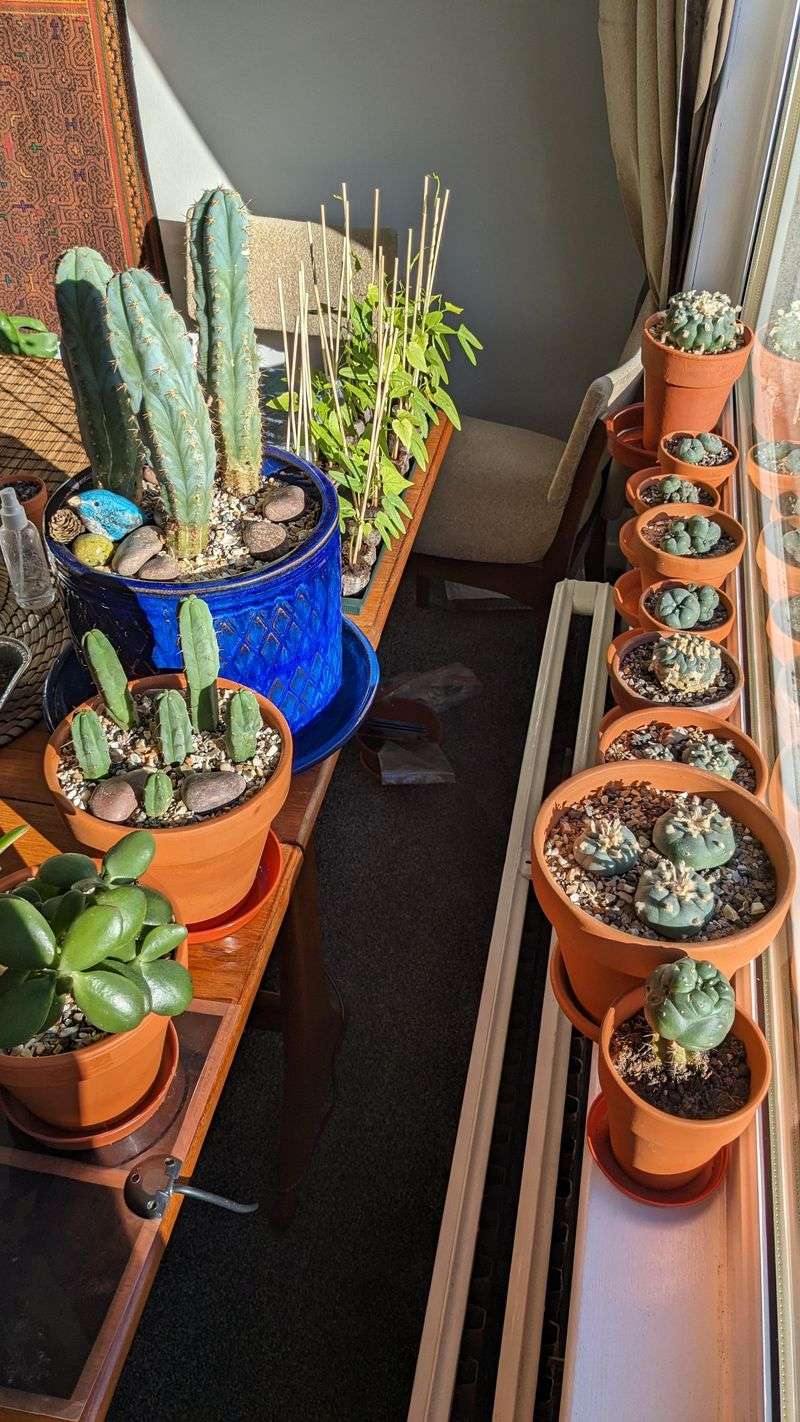
Light and water work together to keep your succulents healthy. When plants get plenty of bright light, they use water more efficiently and grow stronger.
In dim conditions, they can’t process water properly, and it sits in the soil longer than it should.
Utah’s sunny climate is perfect for succulents, and you should take advantage of all that natural light. Place your plants near south or west-facing windows where they’ll get several hours of bright light each day.
More light means they can handle regular watering better.
Without enough light, succulents become stretched and pale, and their watering needs change. They use less water in low light, so you’ll need to water even less frequently.
It’s better to give them the light they need rather than trying to adjust around poor conditions.
Outdoor succulents in Utah can handle intense sun once they’re acclimated, but introduce them gradually. Sudden exposure to full sun can stress plants that were previously indoors.
Start with morning sun and gradually increase their exposure over a few weeks.
Bright light helps soil dry faster, which is exactly what succulents prefer. In a sunny spot, you might water more frequently than in a shady area.
Pay attention to how quickly soil dries in different locations around your home.
If you notice your plants leaning toward the light, rotate them regularly to encourage even growth. Good light exposure makes watering decisions easier because plants behave more predictably.
Utah’s abundant sunshine is one of the best advantages you have for growing beautiful, healthy succulents.
8. Watch The Leaves Instead Of The Calendar
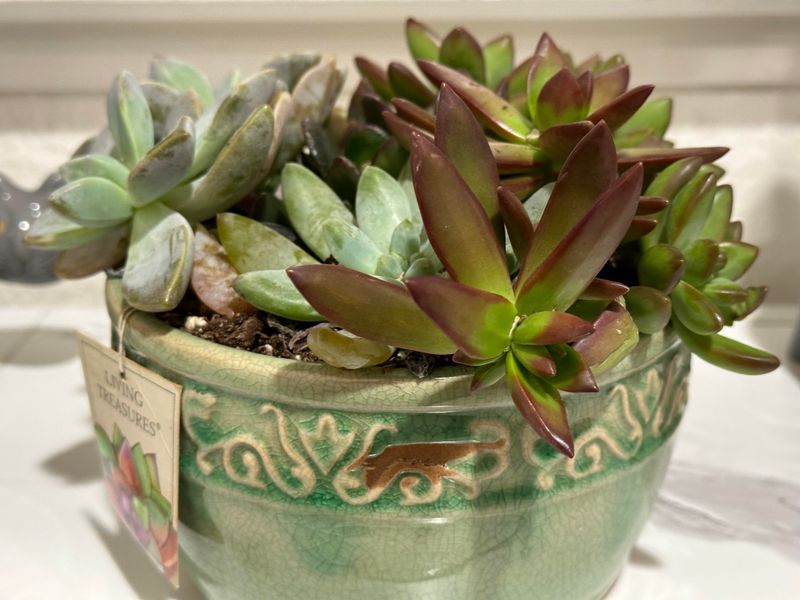
Your succulents will tell you when they need water if you know what to look for. Leaves become slightly soft or wrinkled when the plant is genuinely thirsty.
This is a much more reliable signal than any fixed schedule you might try to follow.
Many beginners water on a set day each week, but this approach doesn’t account for changing conditions. Temperature, humidity, light, and season all affect how quickly soil dries.
In Utah, conditions can vary significantly from month to month and even week to week.
Healthy, well-hydrated succulent leaves look plump and firm. When you gently squeeze them, they should feel solid, not squishy or soft.
As water stores decrease, leaves lose some of that firmness and might develop slight wrinkles.
Don’t confuse natural leaf changes with signs of thirst. Some succulents naturally have textured leaves, and older bottom leaves eventually shrivel as part of normal growth.
Focus on the newer leaves near the center of the plant for the most accurate signals.
If you water before leaves show any signs of thirst, you’re probably watering too often. It’s okay to let your succulents get slightly thirsty before watering.
They’re built to handle periods without water, and this actually keeps them healthier.
Calendar-based watering leads to problems because it ignores what your plants actually need. Utah’s climate means conditions can change rapidly, and your watering should change with them.
Trust what you see in the leaves, and you’ll develop better instincts over time for keeping your succulents perfectly hydrated.