8 Creative Ways To Dry Flowers And Decorate With Them In New York Homes
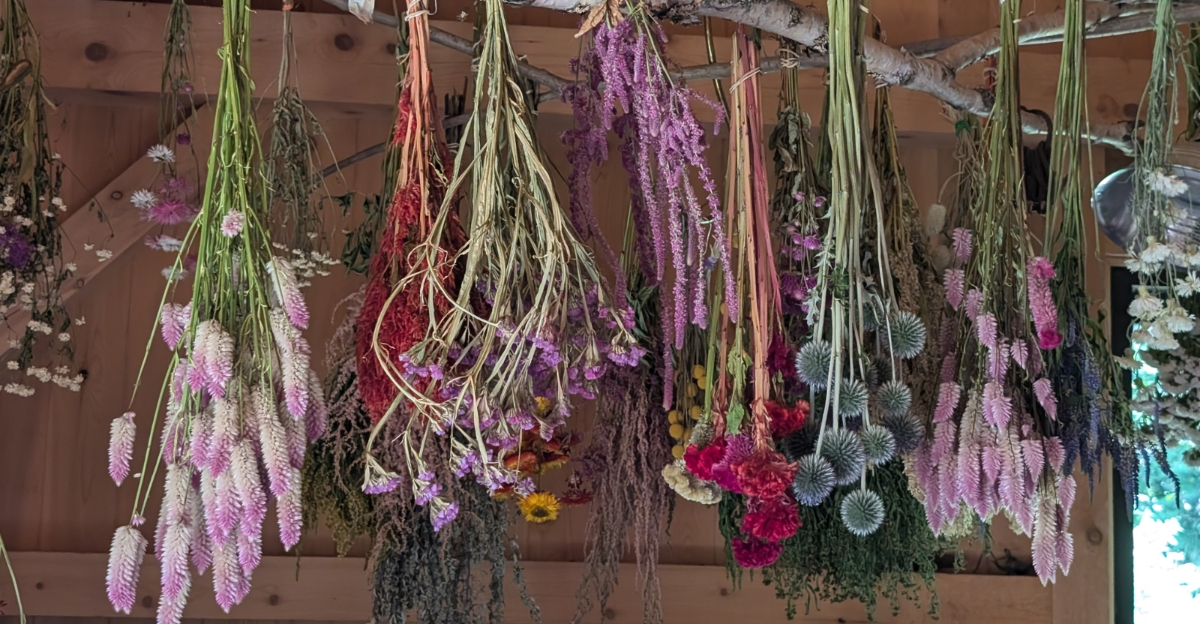
A bouquet on your table starts to fade, and instead of tossing it, you pause and wonder if there’s a way to keep it around a little longer.
That moment happens often in New York homes, where flowers are used to brighten small spaces and mark everyday moments.
Not every wilting stem is a loss, and dried flowers aren’t just leftovers from fresh arrangements.
When flowers keep catching your eye even as they dry, it usually means they still have something to offer beyond the vase. Texture, shape, and muted color can add warmth to a room in ways fresh flowers sometimes can’t.
Knowing how to dry flowers intentionally is what turns them from temporary decor into lasting accents. It’s less about perfection and more about approach.
In New York homes especially, creative use of dried flowers helps personalize shelves, walls, and corners without taking up extra space.
Learning a few simple methods can make dried flowers feel thoughtful, stylish, and right at home.
1. Air-Dry Small Bouquets For Wall Displays
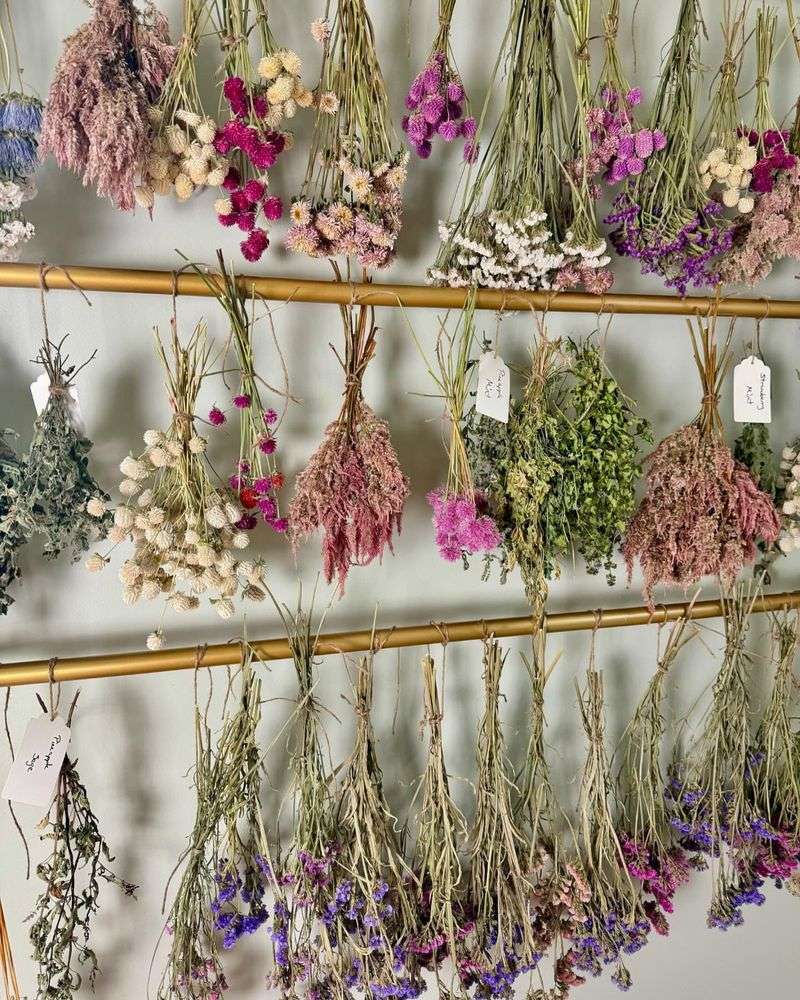
Small bouquets work wonderfully when you want something simple yet striking on your walls. Fresh flowers from the bodega or farmers market can transform into lasting art with barely any effort on your part.
The process requires nothing more than string, a hook, and patience while nature does the work.
Pick flowers with sturdy stems like roses, lavender, or statice for best results. Remove any leaves below the binding point since they hold moisture that slows drying.
Gather three to seven stems together, depending on thickness, and secure them tightly with twine or rubber bands.
Your New York apartment likely has wall space begging for personality. Hang your bundles upside down in a spot with good air circulation but away from direct sunlight.
Closets, hallways, or the back of bedroom doors work perfectly for this.
Check your bouquets every few days by gently touching the petals. They should feel papery and crisp when fully dried, usually taking one to three weeks.
Humidity levels in the city can affect drying time, especially during summer months.
Once ready, you can leave them hanging as rustic decor or move them to small vases. Wall-mounted displays create vertical interest in tight spaces.
Mix different flower types and colors for visual variety that catches the eye.
Consider grouping several small bouquets at different heights along a hallway. This creates a gallery effect without needing frames or fancy equipment.
Your guests will admire the natural, handmade quality that store-bought decorations simply cannot match.
2. Hang Flowers Upside Down In Sunny Windows
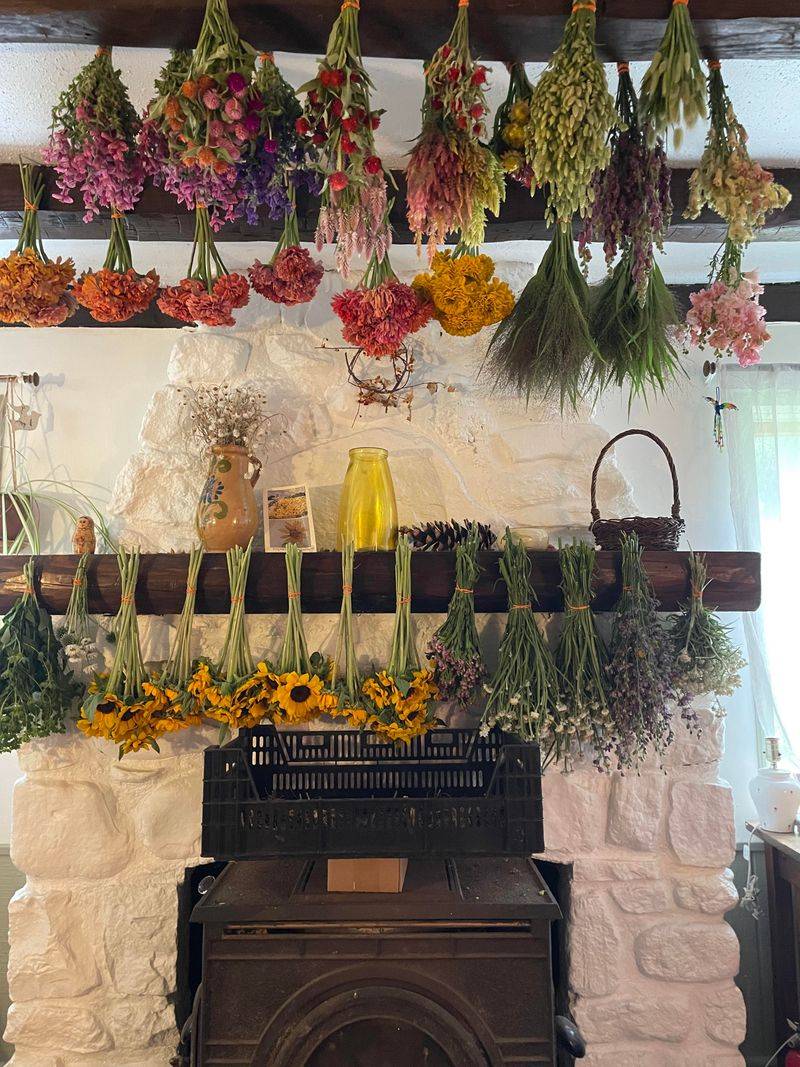
Windows offer natural light that speeds up the drying process while creating beautiful silhouettes. Your blooms become living art as they gradually change color and texture over several days.
This method combines function with aesthetics, turning preservation into a decorative feature itself.
Choose a window that gets indirect sunlight rather than harsh, direct rays. Too much intensity can bleach petals and make them brittle.
East or north-facing windows in your New York home typically provide gentler conditions that preserve color better.
Your New York Garden Changes Every Week. Your Plan Should Too.
Gardening in New York changes quickly throughout the season. Every Friday you’ll receive a simple weekly plan showing exactly what to plant, prune, fertilize, harvest, and protect so you never miss the right timing.
Strip leaves from stems before hanging to prevent mold growth. Bundle flowers loosely, allowing air to circulate between each stem.
Secure them to a curtain rod, tension wire, or small hooks with string or clips.
The backlight from windows creates stunning shadow displays on walls and floors throughout the day. Peonies, hydrangeas, and eucalyptus look especially gorgeous when suspended this way.
Their shapes cast intricate patterns that shift as the sun moves.
Rotate your bundles occasionally to ensure even drying on all sides. This prevents flat spots and keeps the natural rounded shape intact.
Most flowers need two to four weeks depending on thickness and moisture content.
Once dried completely, you can keep them in the window for ongoing display or relocate them elsewhere. The faded, vintage tones that develop add warmth to minimalist spaces.
Your windowsill becomes a changing art installation that costs almost nothing to maintain.
3. Use Dried Flowers In Table Centerpieces
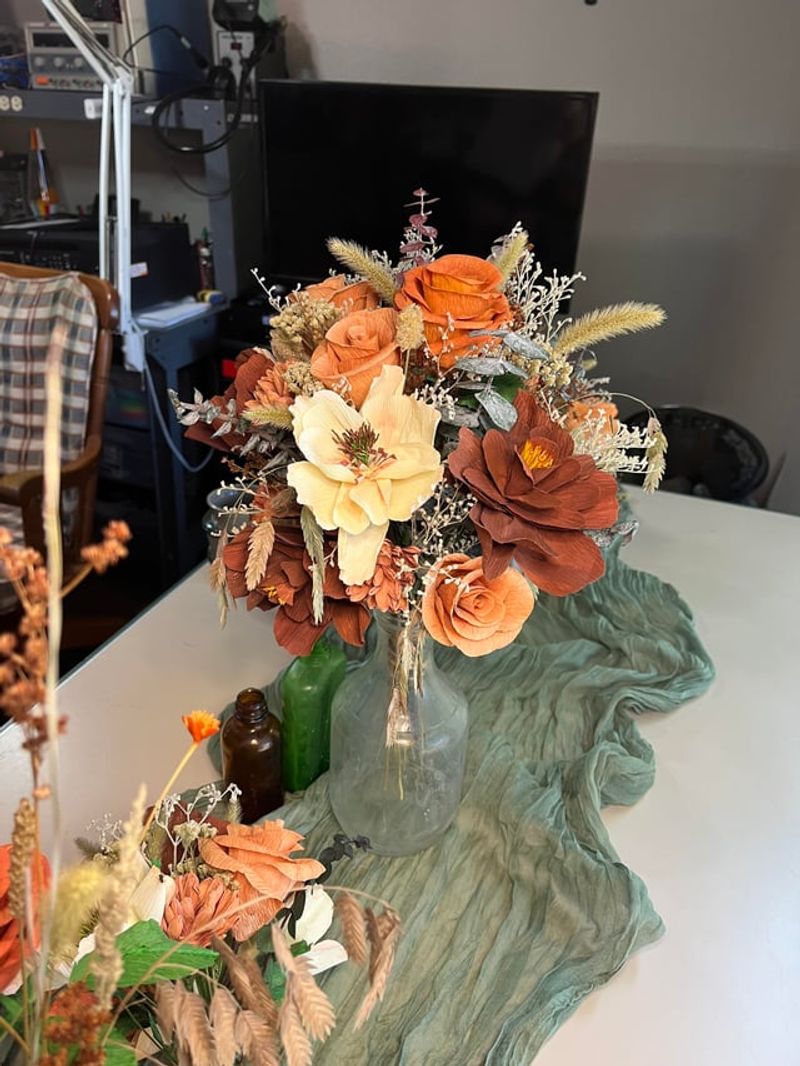
Centerpieces anchor your dining or coffee table with color and texture that lasts through countless meals and gatherings. Unlike fresh arrangements that wilt within days, dried flowers maintain their beauty season after season.
They require no water changes, no trimming, and no worrying about spills or stains.
Start with a low, wide container like a ceramic bowl, wooden tray, or vintage tin. Low profiles keep sightlines clear during conversations across the table.
Fill the base with floral foam, sand, or crumpled paper to hold stems securely in place.
Mix different heights and textures for visual interest that draws the eye. Combine feathery grasses with bold blooms like dahlias or zinnias.
Add dried seed pods, wheat stalks, or branches for structure and contrast.
New York apartments often have limited dining space, so scale your centerpiece appropriately. A compact arrangement works better than something oversized that overwhelms a small table.
You want decoration that enhances the space rather than dominates it.
Neutral tones like cream, tan, and sage green suit modern interiors beautifully. Brighter hues like burgundy, orange, or purple add warmth to traditional settings.
Consider your existing color scheme when selecting flowers to dry.
Refresh your centerpiece seasonally by swapping out certain elements while keeping the base arrangement. This gives you flexibility without starting from scratch each time.
Your table stays interesting and relevant as months pass and holidays change throughout the year.
4. Frame Pressed Flowers As Wall Art
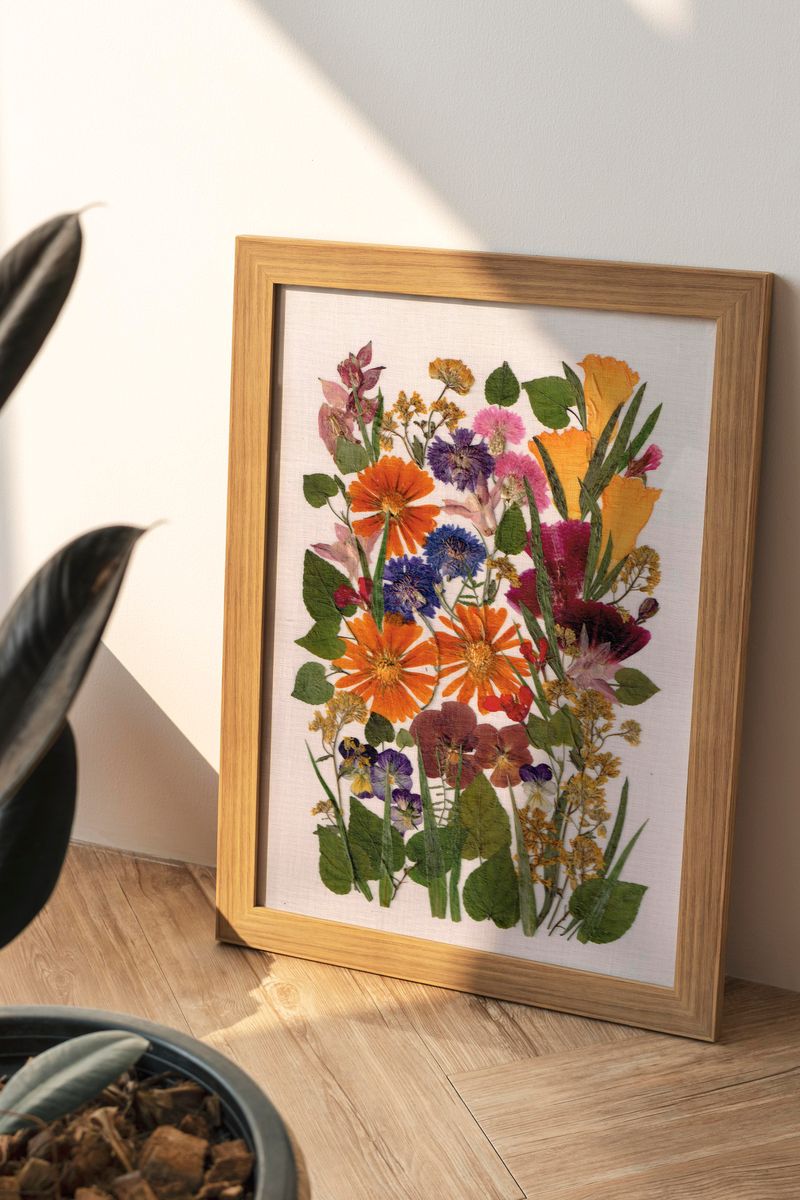
Pressing flowers flattens them into delicate specimens perfect for framing and displaying like traditional artwork. This technique works especially well for blooms with thin petals such as pansies, violets, and ferns.
The result looks professional and polished, adding sophistication to any room in your home.
Place fresh flowers between sheets of parchment paper, then sandwich them inside a heavy book. Stack additional books on top to increase pressure.
Leave them undisturbed for two to four weeks until completely flat and dry.
Alternatively, use a flower press designed specifically for this purpose. These tools apply even pressure and often dry blooms faster than books alone.
You can find them at craft stores or make one yourself with wood and screws.
Once pressed, carefully remove flowers using tweezers to avoid tearing fragile petals. Arrange them on acid-free paper or cardstock in patterns that appeal to you.
Single specimens look elegant and scientific, while grouped arrangements create more visual impact.
Frame your pressed flowers under glass to protect them from dust and handling. Simple frames from thrift stores work just as well as expensive ones.
Black or natural wood frames complement most flower colors and suit New York apartment aesthetics beautifully.
Hang your framed flowers in hallways, bedrooms, or above desks where they add personality without taking up surface space. Create a gallery wall with multiple frames for greater effect.
This timeless decor style never goes out of fashion and always sparks conversation among visitors.
5. Fill Glass Jars With Dried Blooms
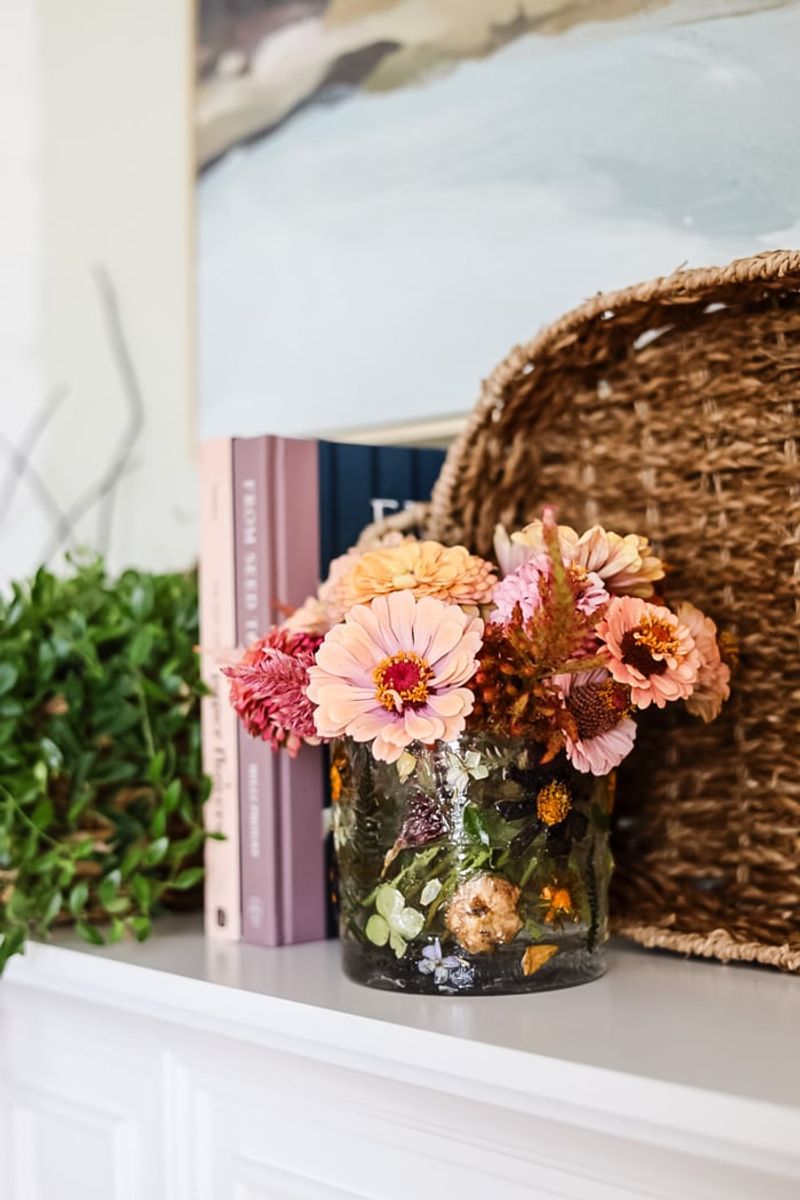
Glass jars showcase dried flowers beautifully while protecting them from dust and damage. Mason jars, apothecary bottles, and vintage glassware all work wonderfully for this purpose.
The transparency lets you appreciate the full shape and color of preserved blooms from every angle.
Select jars in various sizes to create visual rhythm on shelves or windowsills. Tall, narrow containers suit long-stemmed flowers like roses or delphinium.
Short, wide jars work better for fuller blooms such as hydrangeas or peonies.
You can layer different flower types for a collected, eclectic look that tells a story. Place darker, heavier blooms at the bottom and lighter ones on top for natural balance.
Mixing textures keeps arrangements from looking flat or boring.
New York homes often lack storage space, so these jars serve double duty as decor and preservation. They keep flowers safe from humidity and accidental crushing.
Simply pop on a lid if you need to pack them away temporarily.
Arrange several filled jars together on a mantel, bookshelf, or kitchen counter. Group odd numbers like three or five for the most pleasing composition.
Vary heights by using books or small boxes as risers beneath some jars.
Clean glass regularly to maintain clarity and brightness. Dust accumulates quickly in the city, dulling the appearance of your display.
A quick wipe with a damp cloth keeps everything looking fresh and intentional rather than neglected or forgotten over time.
6. Create Wreaths With Dried Flowers
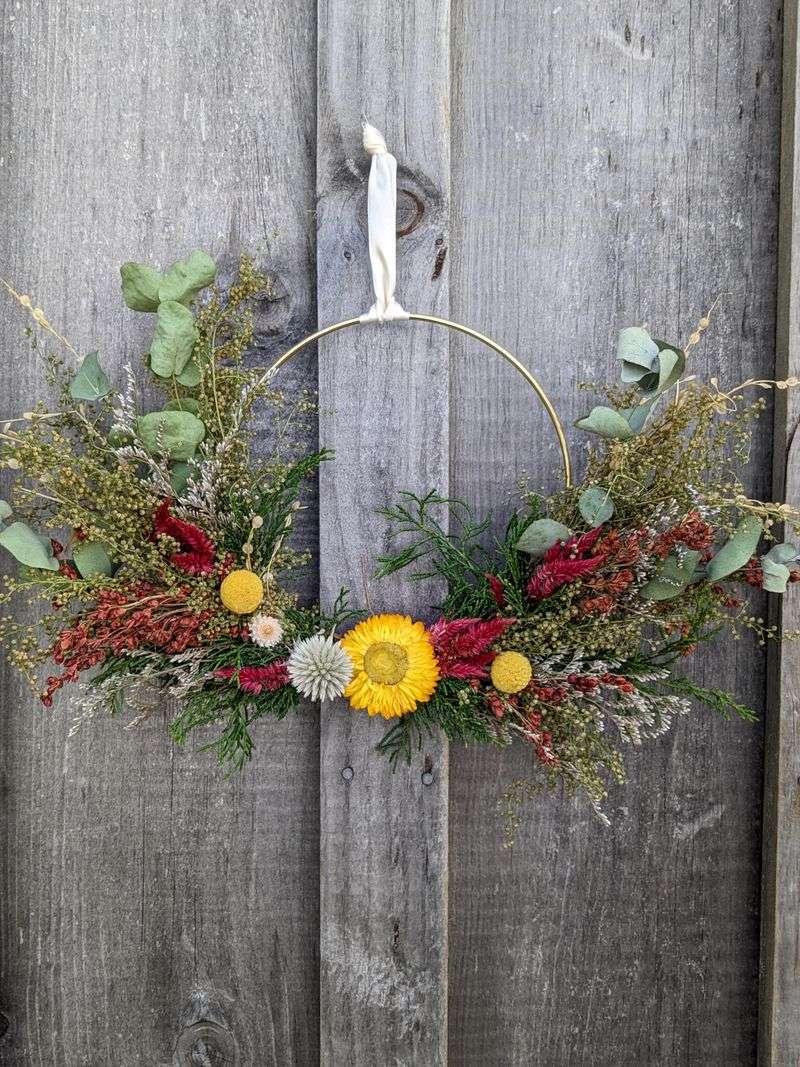
Wreaths offer a classic way to welcome guests while showcasing your creativity and personal style. Traditionally hung on doors, they also look stunning above mantels, on walls, or even laid flat as table decorations.
Making your own allows complete control over colors, textures, and overall design direction.
Start with a wreath base made from grapevine, straw, or wire. These provide structure and support for attaching flowers securely.
You can find bases at craft stores or online, usually for just a few dollars.
Hot glue works best for attaching dried flowers to your base. Apply glue to stems rather than delicate petals to avoid damage.
Work in sections, building up layers gradually for depth and fullness that looks professionally crafted.
Incorporate a variety of materials beyond flowers for added interest. Dried grasses, seed pods, twigs, and ribbon all enhance the overall design.
Mixing textures prevents monotony and creates visual complexity that holds attention longer.
New York apartments may not have traditional front doors suitable for wreaths, but interior doors work perfectly. Hang one on your bedroom door, bathroom door, or even a large mirror.
The unexpected placement adds charm and personality to overlooked spaces.
Seasonal wreaths let you change decor without major effort or expense. Create different versions for fall, winter, spring, and summer using appropriate flowers and colors.
Store them carefully in boxes when not displayed, and they will last for years with minimal maintenance required from you.
7. Decorate Shelves With Dried Flower Bundles
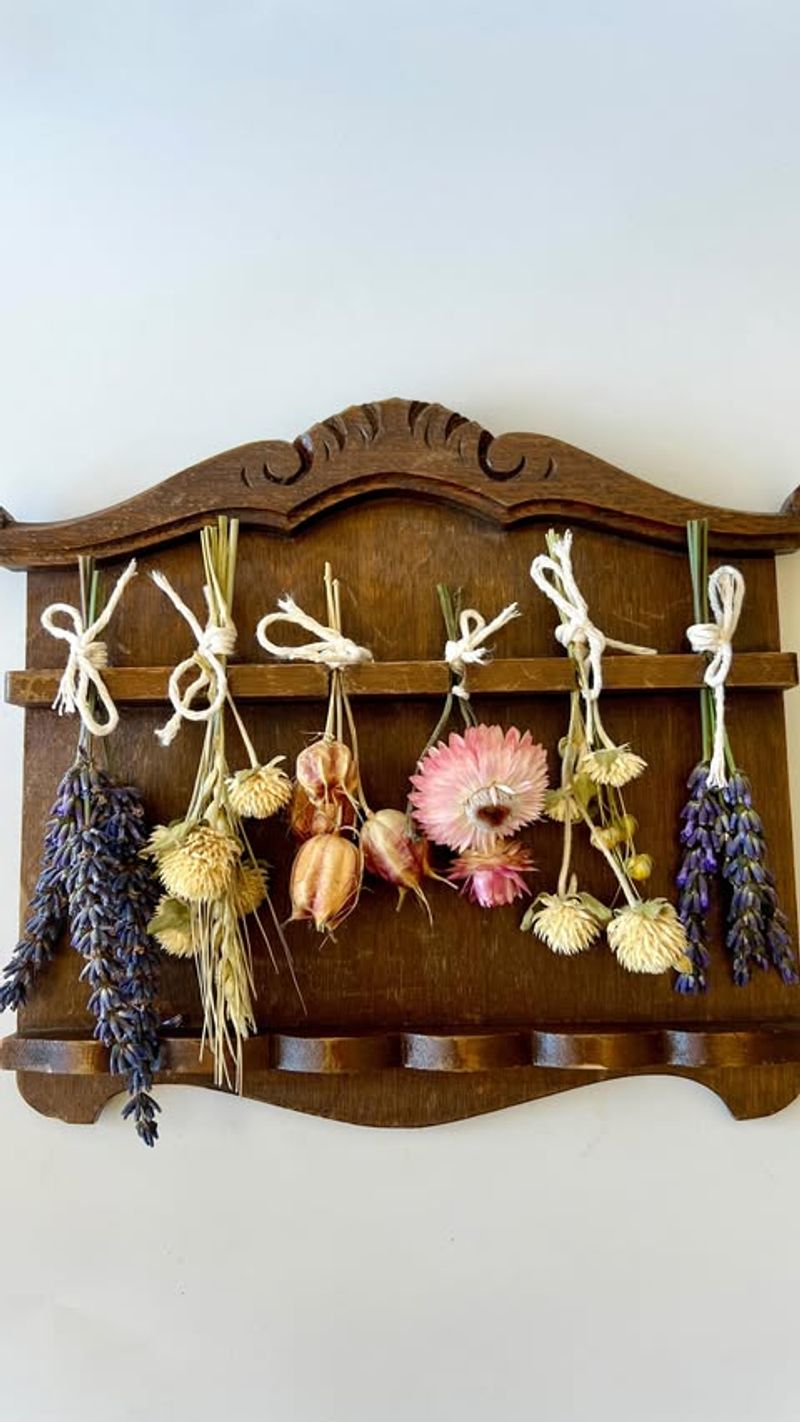
Shelves provide perfect platforms for displaying dried flower bundles alongside books, photos, and other treasured items. The natural, organic shapes soften hard edges and straight lines common in modern furniture.
They add warmth and life to spaces that might otherwise feel cold or sterile.
Bundle three to five stems together with twine, ribbon, or raffia for a casual, gathered look. Vary the types of flowers within each bundle to create interesting combinations.
Roses paired with lavender, or sunflowers mixed with wheat, offer pleasing contrasts in shape and texture.
Lean bundles against books or small boxes rather than standing them upright in vases. This relaxed positioning feels more intentional and curated than formal arrangements.
It suggests you put thought into placement without trying too hard.
New York apartments often feature built-in shelving or bookcases that beg for styling. Dried flower bundles break up rows of books and prevent shelves from looking too uniform.
They introduce color and softness that balance harder materials like wood and metal.
Mix bundles with other natural elements like stones, shells, or driftwood for a cohesive organic theme. This approach works especially well in minimalist or Scandinavian-inspired interiors.
The natural materials complement clean lines and neutral palettes beautifully.
Rotate your shelf displays seasonally to keep spaces feeling fresh and current. Swap out summer blooms for fall colors as the year progresses.
This simple change prevents your decor from becoming stale or invisible, keeping your home feeling dynamic and intentionally styled throughout every season.
8. Mix Dried Flowers Into Seasonal Decor
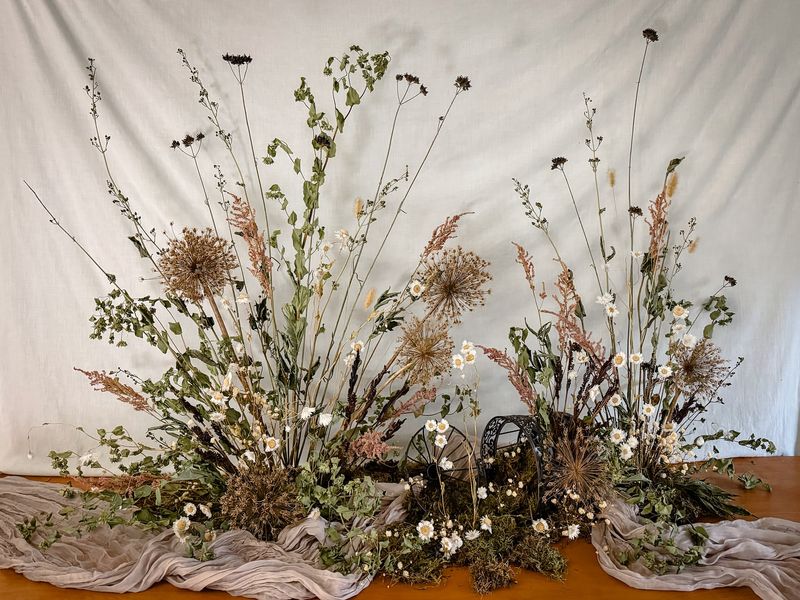
Seasonal decorating keeps your home feeling current and connected to the world outside your windows. Dried flowers integrate seamlessly into holiday and seasonal displays, adding natural beauty without the hassle of fresh blooms.
They complement pumpkins in fall, evergreens in winter, and pastels in spring effortlessly.
For autumn, combine dried sunflowers, wheat stalks, and orange Chinese lantern pods with gourds and candles. The warm, earthy tones create cozy atmospheres perfect for cooler weather.
Arrange them on mantels, side tables, or dining tables for instant seasonal charm.
Winter decorating benefits from dried white flowers, silver-gray foliage, and frosted branches. These elements pair beautifully with holiday lights, ornaments, and evergreen garlands.
They add softness and elegance without competing with traditional holiday decorations.
Spring calls for lighter colors and more delicate flowers like dried pansies, violets, and baby’s breath. Mix them with pastel ribbons, bird nests, or decorated eggs for Easter displays.
The gentle hues bring freshness to your New York apartment after long, gray winter months.
Summer arrangements can feature bright, bold dried blooms like zinnias, marigolds, and strawflowers. Pair them with seashells, driftwood, or beach glass if you vacation on Long Island or the Jersey Shore.
These combinations evoke warm-weather memories even when you are stuck in the city.
Store seasonal dried flowers carefully between uses to extend their lifespan. Wrap them gently in tissue paper and keep them in boxes away from moisture and pests.
With proper care, your seasonal collections will serve you well for many years to come.