What To Do When Houseplants Start Turning Yellow In Washington Homes
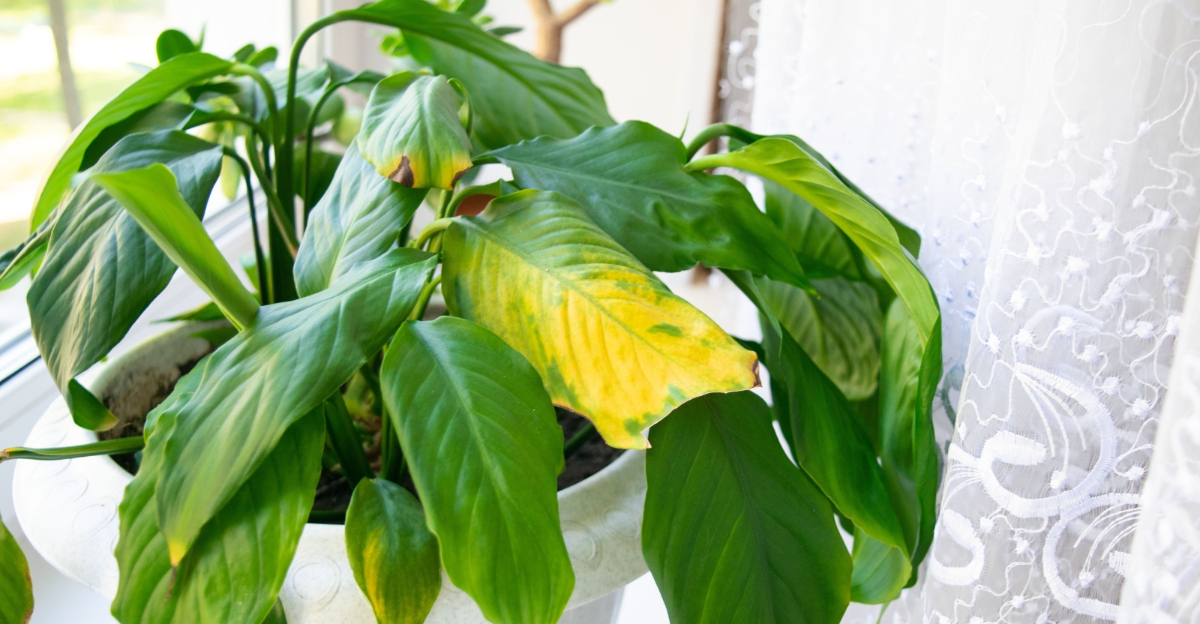
You glance at a houseplant in your Washington home and notice the leaves aren’t the color they used to be.
That shift can feel unsettling, especially when the plant seemed fine not long ago and nothing obvious has changed.
In Washington homes, indoor plants respond quickly to subtle changes in light, temperature, and daily routines.
Not every yellow leaf is a warning sign, and sometimes plants are simply adjusting to seasonal shifts or minor stress.
When yellowing keeps spreading or shows up on multiple plants, though, it usually points to something in the environment that needs attention. Catching that early makes a real difference.
Things like watering habits, placement, and airflow quietly influence how plants hold their color. Figuring out what’s behind the change matters more than reacting quickly.
Knowing what to look for can help you respond calmly and get your Washington houseplants back on track before the problem grows.
1. Check Soil Moisture Before Watering Again
Overwatering is one of the most common reasons your houseplants start showing yellow leaves, and it happens more often than you might think. Many people water on a schedule without checking if the soil actually needs it.
Your plant’s roots need oxygen just as much as they need water, and soggy soil cuts off that oxygen supply.
Stick your finger about two inches into the soil before you water. If it feels damp or cool, wait a few more days.
Washington homes often have higher humidity in fall and winter, which means soil stays wet longer than during summer months.
Each plant has different needs, so pay attention to how quickly the soil dries out. Succulents and cacti prefer dry conditions, while ferns like more consistent moisture.
Watering too frequently causes roots to sit in water, leading to yellowing leaves that eventually drop off.
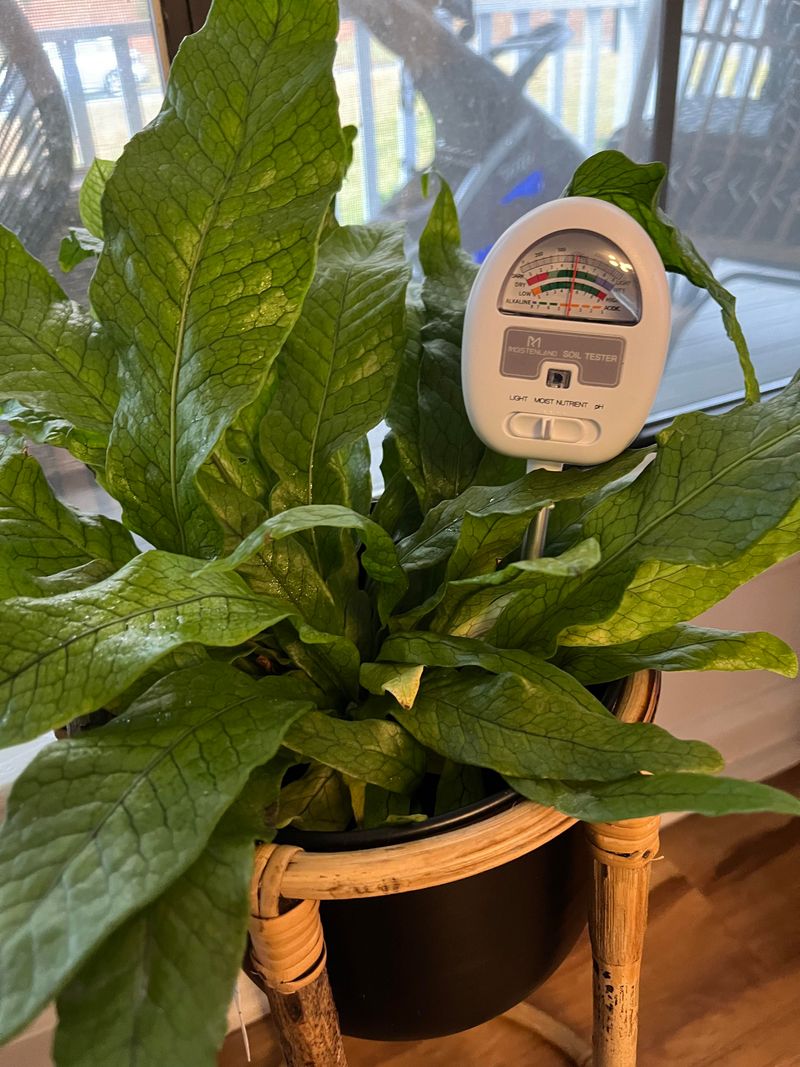
Use pots with drainage holes and empty saucers after watering so roots are not sitting in standing water. You can also invest in a moisture meter if you are unsure about when to water.
These tools take the guesswork out of the process and help you avoid overwatering mistakes.
Adjust your watering routine based on the season and your home’s indoor climate. Plants growing in Washington need less water during the cooler, darker months.
Letting the soil dry out slightly between waterings encourages healthy root growth and prevents yellowing caused by waterlogged conditions.
2. Make Sure Pots Drain Properly
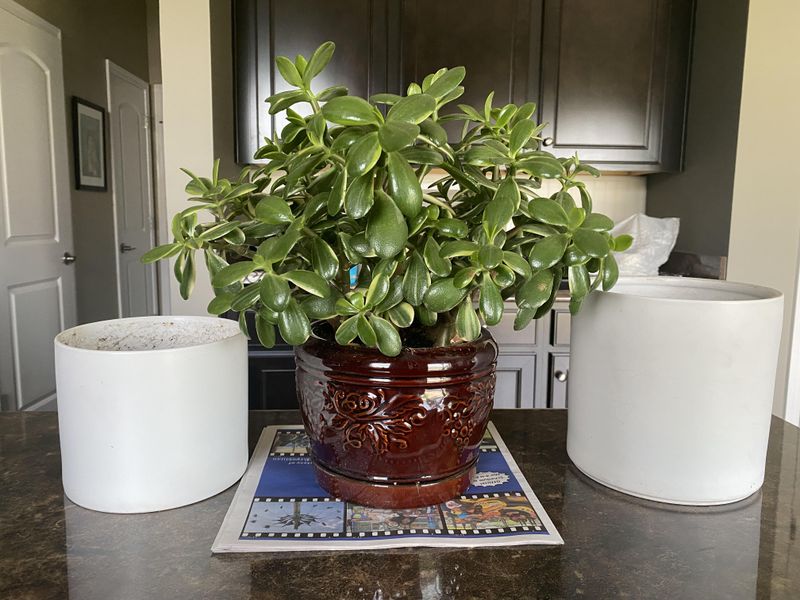
Drainage is often overlooked, but it plays a huge role in keeping your plants healthy and vibrant. Without proper drainage, water has nowhere to go and ends up pooling at the bottom of the pot.
This creates a swampy environment where roots cannot breathe, and yellowing leaves are usually the first sign of trouble.
Always choose pots with drainage holes at the bottom. If you have a decorative pot without holes, use it as a cover and keep your plant in a plastic nursery pot inside.
This way, excess water can escape, and you can easily lift the inner pot to check moisture levels.
Your Washington Garden Changes Every Week. Your Plan Should Too.
Gardening in Washington changes quickly throughout the season. Every Friday you’ll receive a simple weekly plan showing exactly what to plant, prune, fertilize, harvest, and protect so you never miss the right timing.
Washington homes with carpeted or hardwood floors often use saucers under pots to catch water. Make sure to empty those saucers within an hour of watering.
Leaving water sitting underneath the pot allows it to be reabsorbed, which defeats the purpose of drainage.
Some potting mixes hold onto water longer than others, so consider using a well-draining mix designed for houseplants. Adding perlite or coarse sand to your soil improves drainage and helps prevent compacted, waterlogged roots.
Good drainage keeps the root zone healthy and reduces the risk of yellow, drooping leaves.
If you notice water pooling on the surface or taking a long time to soak in, your soil may be too dense. Repotting with fresh, airy soil can solve this issue and give your plant a fresh start.
3. Move Plants Closer To Natural Light
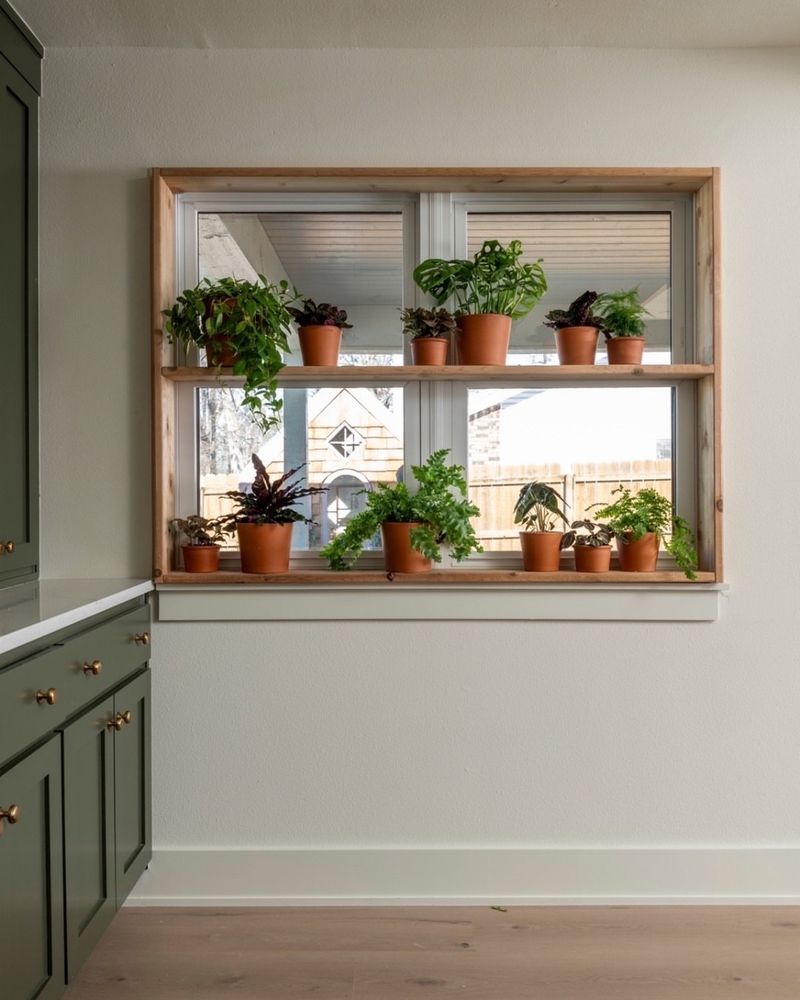
Lack of light is a sneaky cause of yellowing leaves, especially during Washington’s cloudy fall and winter months. Plants need light to produce energy through photosynthesis, and when they do not get enough, they start shedding older leaves to conserve resources.
Those leaves turn yellow first before falling off.
Move your plants closer to windows where they can soak up more natural light. South-facing windows provide the brightest light, while east and west windows offer moderate levels.
Even a few feet closer can make a noticeable difference in how your plants respond.
If your home does not get much natural light, consider adding a grow light. These lights mimic the sun’s spectrum and help your plants stay green and healthy even during the darkest months.
You do not need anything fancy—basic LED grow bulbs work well for most houseplants.
Watch for signs that your plant is getting too much light, like brown, crispy leaf edges. If that happens, move it back a bit or use a sheer curtain to filter the intensity.
Balance is key, and every plant has its own light preferences.
Rotating your plants every week or two ensures all sides get equal light exposure. This prevents uneven growth and keeps foliage looking full and vibrant.
Washington’s gray skies can make indoor gardening tricky, but adjusting light levels helps your plants thrive year-round.
4. Adjust Care As Daylight Shortens
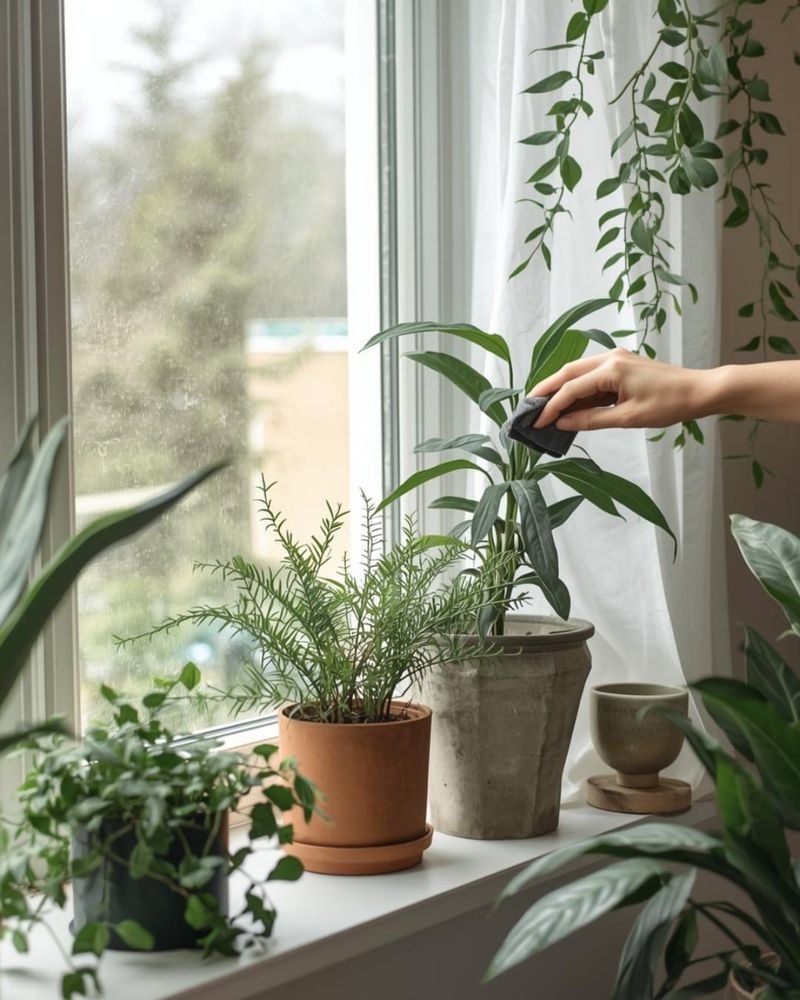
Shorter days mean your plants naturally slow down their growth, and their care needs change along with the seasons. Many people continue their summer watering and feeding routines into fall and winter, which can lead to yellowing leaves and other problems.
Your plants are not as active during these months, so they use less water and nutrients.
Cut back on watering frequency as daylight decreases. Check the soil more often and only water when the top couple of inches feel dry.
Washington’s cooler indoor temperatures during fall and winter also mean water evaporates more slowly, so your plants stay moist longer.
Reduce or stop fertilizing during the low-light months. Most houseplants enter a dormant or semi-dormant phase and do not need the extra nutrients.
Feeding them during this time can cause salt buildup in the soil, which leads to yellowing and burnt leaf tips.
Keep an eye on humidity levels as well. Heating systems dry out indoor air, and some plants respond by yellowing or browning at the edges.
Grouping plants together or placing them on pebble trays with water can help maintain moisture in the air around them.
Adapting your care routine to match the changing seasons keeps your plants happy and healthy. Washington’s long, dark winters require a gentler approach, and your plants will reward you with vibrant green leaves when spring returns.
5. Avoid Cold Drafts Near Windows
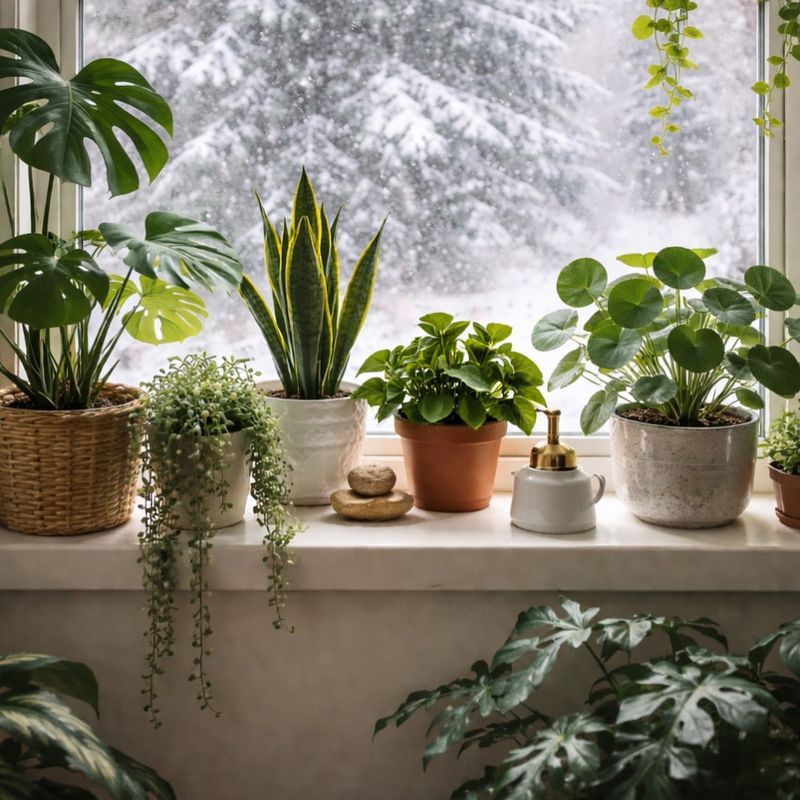
Cold drafts are a hidden problem that many plant owners do not think about until it is too late. Windows, doors, and vents can create sudden temperature drops that stress your plants, causing leaves to yellow and curl.
Even if your home feels warm overall, drafty spots can create microclimates that harm sensitive plants.
Feel around your windowsills and doorways to check for cold air leaks. If you notice a chill, move your plants a few feet away or use a draft stopper to block the cold.
Washington winters can be chilly, and older homes often have gaps that let cold air seep in.
Avoid placing plants directly on cold surfaces like tile floors or stone windowsills. These surfaces absorb cold from outside and transfer it to the pot, which can shock the roots.
Elevating your pots on a stand or placing a mat underneath helps insulate them.
Watch out for heating vents as well. While cold drafts are harmful, hot, dry air blowing directly on your plants can cause similar stress.
Keep plants away from both extremes to maintain a stable environment.
If you notice yellowing leaves on plants near windows, check the temperature in that area throughout the day. Moving them to a more stable spot can stop the yellowing and help your plants recover.
Consistency is key, and protecting your plants from drafts keeps them looking their best.
6. Reduce Feeding During Low-Light Months
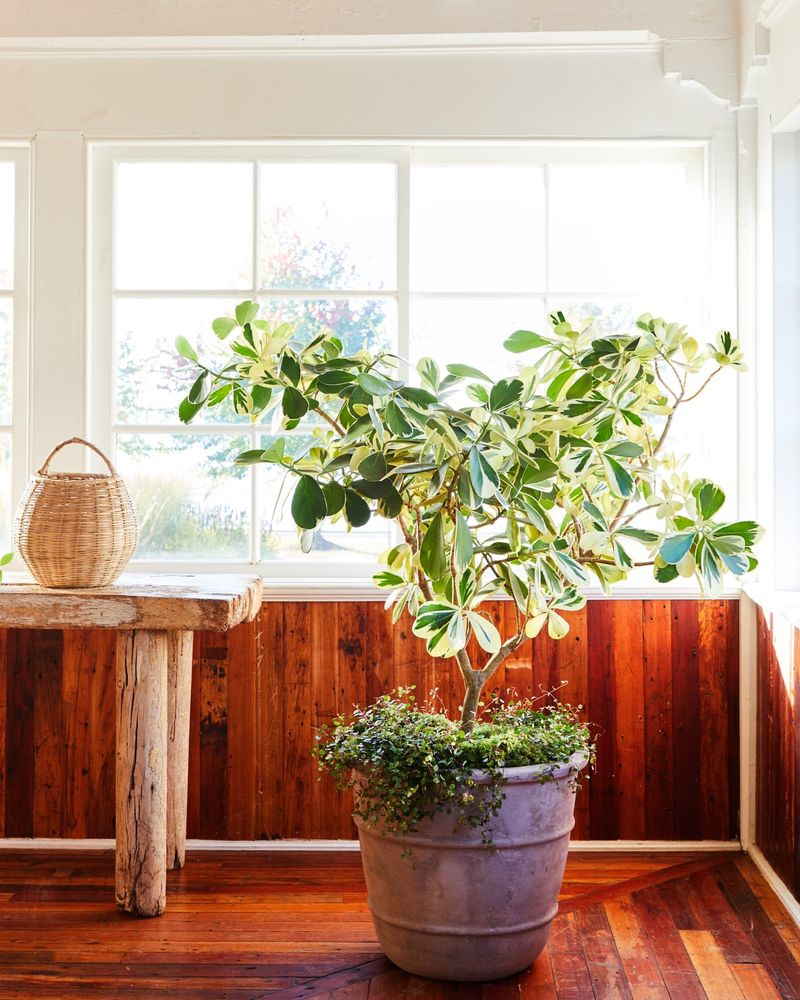
Fertilizer is great for boosting growth, but too much during the wrong time of year can do more harm than good. When light levels drop in Washington’s fall and winter, your plants slow down and do not need as many nutrients.
Continuing to feed them can lead to fertilizer burn, which shows up as yellowing leaves with brown tips.
Stop fertilizing your houseplants from late fall through early spring unless they are actively growing. Most indoor plants take a break during these months and will not use the extra nutrients.
Excess fertilizer salts build up in the soil and damage the roots over time.
If you do fertilize during low-light months, use a diluted solution at half the recommended strength. This gives your plants a gentle boost without overwhelming them.
Always water your plants before feeding to prevent root burn from concentrated fertilizer.
Flush the soil with plain water every few months to wash away any built-up salts. Let water run through the drainage holes for a minute or two, then allow the pot to drain completely.
This simple step keeps the soil fresh and prevents yellowing caused by nutrient imbalances.
Resume regular feeding in spring when daylight increases and your plants start putting out new growth. Washington’s longer days signal your plants to wake up, and that is the perfect time to give them the nutrients they need to thrive.
7. Inspect Leaves For Pest Issues
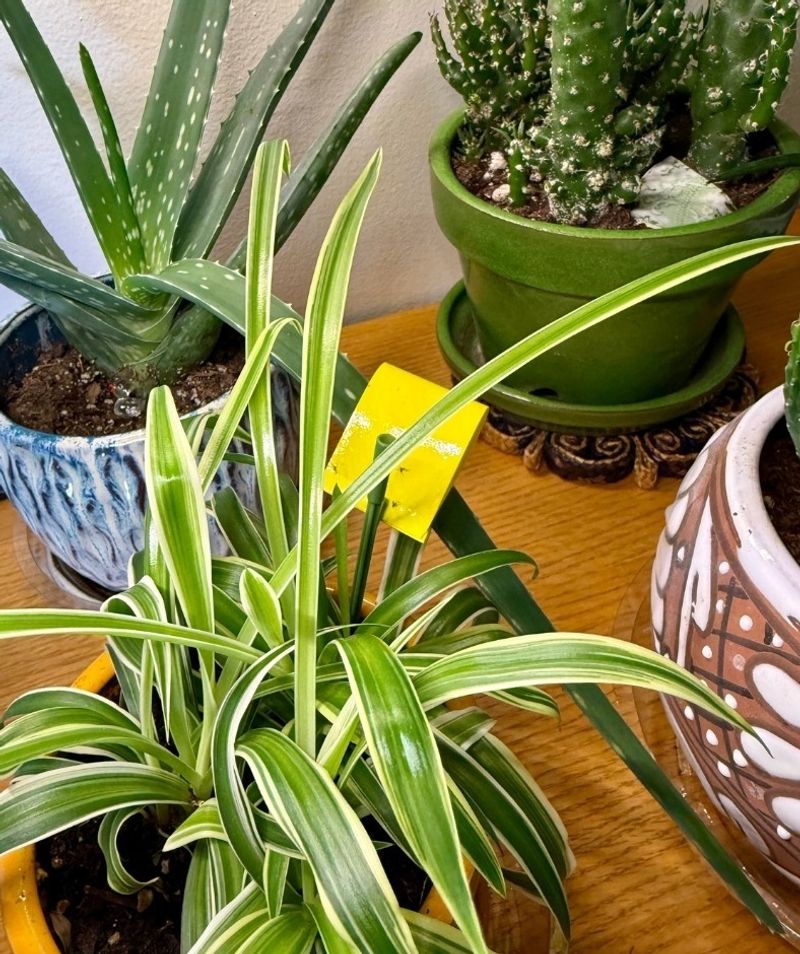
Pests are sneaky and can cause yellowing leaves before you even realize they are there. Tiny insects like spider mites, aphids, and scale feed on plant sap, weakening your plant and causing leaves to turn yellow and drop.
Catching pests early makes treatment much easier and prevents widespread damage.
Check the undersides of leaves and along stems for signs of pests. Look for tiny bugs, sticky residue, webbing, or small bumps that do not wipe off.
Spider mites are especially common in Washington homes during winter when indoor air is dry.
If you find pests, isolate the affected plant immediately to prevent them from spreading to others. Wipe down leaves with a damp cloth to remove as many bugs as possible, then treat with insecticidal soap or neem oil.
Repeat treatments every few days until the pests are gone.
Increasing humidity can help prevent spider mites, which thrive in dry conditions. Misting your plants or using a humidifier makes the environment less inviting for these pests.
Keeping your plants clean and dust-free also reduces hiding spots for insects.
Regularly inspecting your plants helps you catch problems before they get out of hand. Yellowing leaves caused by pests often have a mottled or speckled appearance, which is different from yellowing caused by watering or light issues.
Staying vigilant keeps your indoor garden healthy and pest-free.
8. Repot If Roots Are Crowded
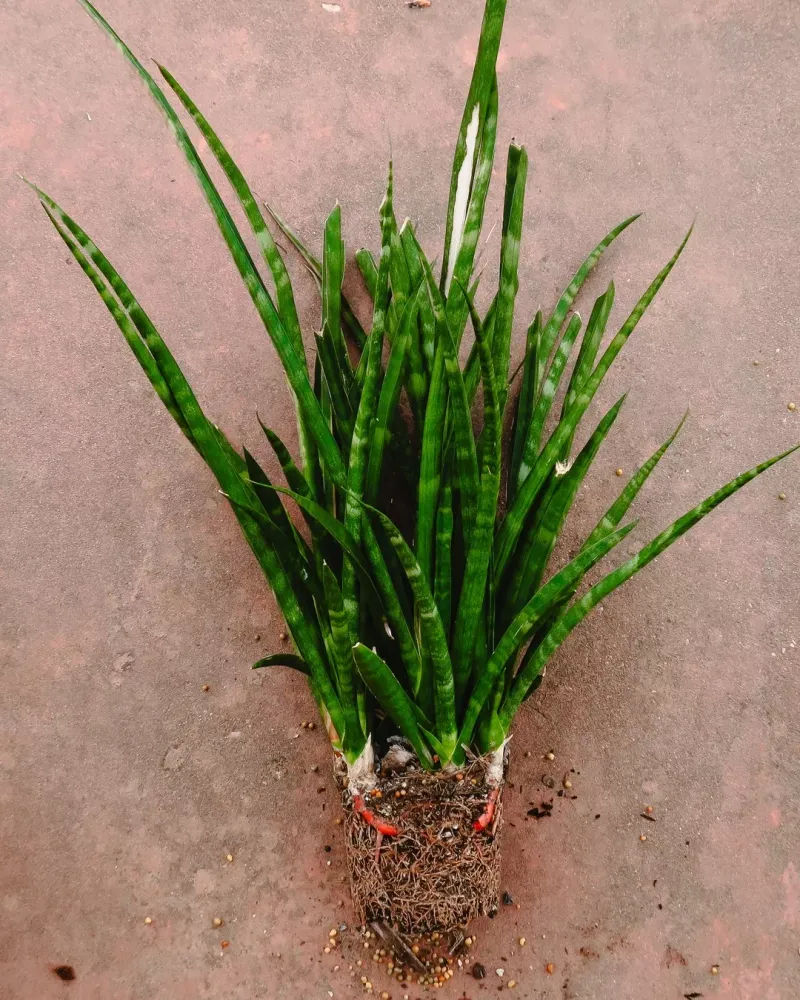
Root-bound plants run out of space to grow, and that stress shows up as yellowing leaves. When roots circle tightly around the inside of the pot, they cannot absorb water and nutrients efficiently.
If your plant has been in the same pot for years, it might be time for an upgrade.
Gently remove your plant from its pot and check the roots. If they are tightly packed or growing out of the drainage holes, your plant needs a larger home.
Choose a pot that is one to two inches wider than the current one—going too big can lead to overwatering problems.
Use fresh potting soil when you repot to give your plant a nutrient boost. Old soil loses its structure and can become compacted, which makes it harder for roots to breathe.
Washington’s humid climate can also cause soil to break down faster, so refreshing it regularly keeps your plants healthy.
Trim away any mushy or damaged roots before repotting. Healthy roots are firm and white or light tan, while unhealthy ones are brown, black, or slimy.
Removing damaged roots encourages new growth and helps your plant recover from being root-bound.
Water your plant thoroughly after repotting and place it in a spot with indirect light for a few days. This gives it time to adjust to its new home without added stress.
Repotting can revive a struggling plant and stop yellowing leaves in their tracks.
9. Give Plants Time To Adjust After Changes
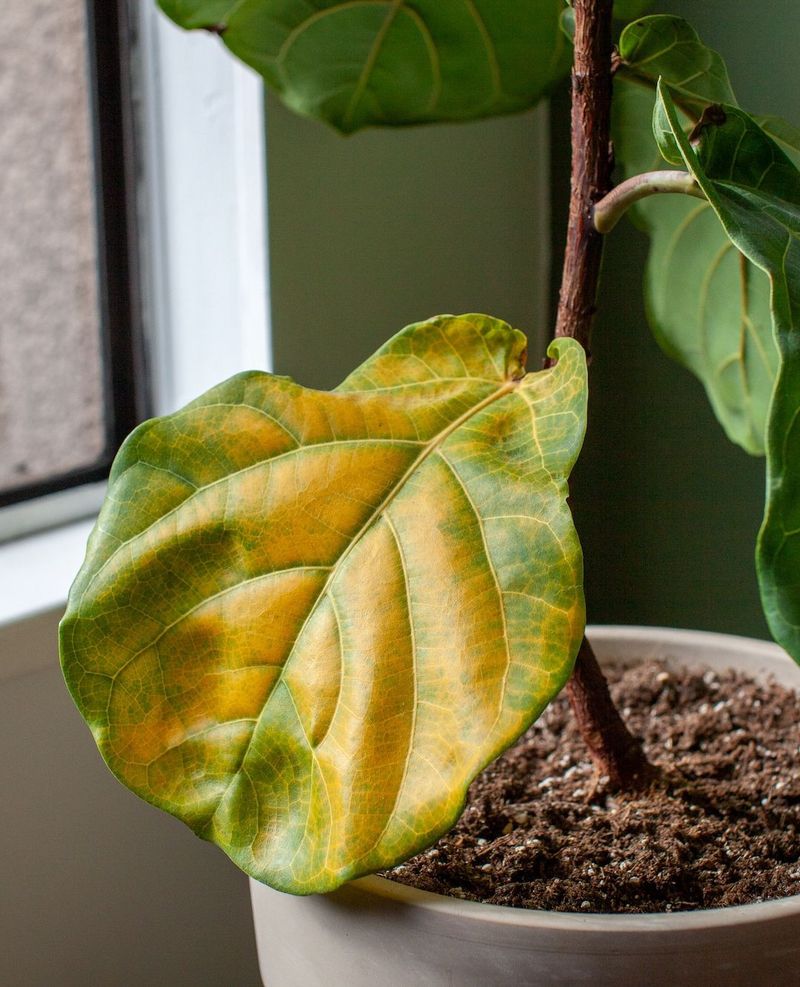
Plants are sensitive to changes in their environment, and yellowing leaves can be a normal response to stress. Moving a plant to a new spot, repotting, or even bringing it home from the store can trigger temporary yellowing.
Your plant needs time to adjust, and patience is key during this period.
Expect a few yellow leaves after making major changes. As long as new growth looks healthy, your plant is adapting.
Older leaves may yellow and drop as the plant redirects energy to new growth, which is a natural part of the process.
Avoid making multiple changes at once. If you just repotted your plant, wait a few weeks before moving it to a different location.
Too many changes at once can overwhelm your plant and slow down recovery. Washington’s seasonal shifts also mean your plant is already dealing with changing light and temperature conditions.
Keep your watering and care routine consistent during the adjustment period. Consistency helps your plant settle in without added stress.
Monitor new growth closely—if it looks green and healthy, your plant is on the right track.
Some plants take longer to adjust than others, so do not panic if progress seems slow. Give your plant a few weeks to acclimate before making further changes.
With time and steady care, yellowing leaves will stop, and your plant will bounce back stronger than before.